 Drapehaus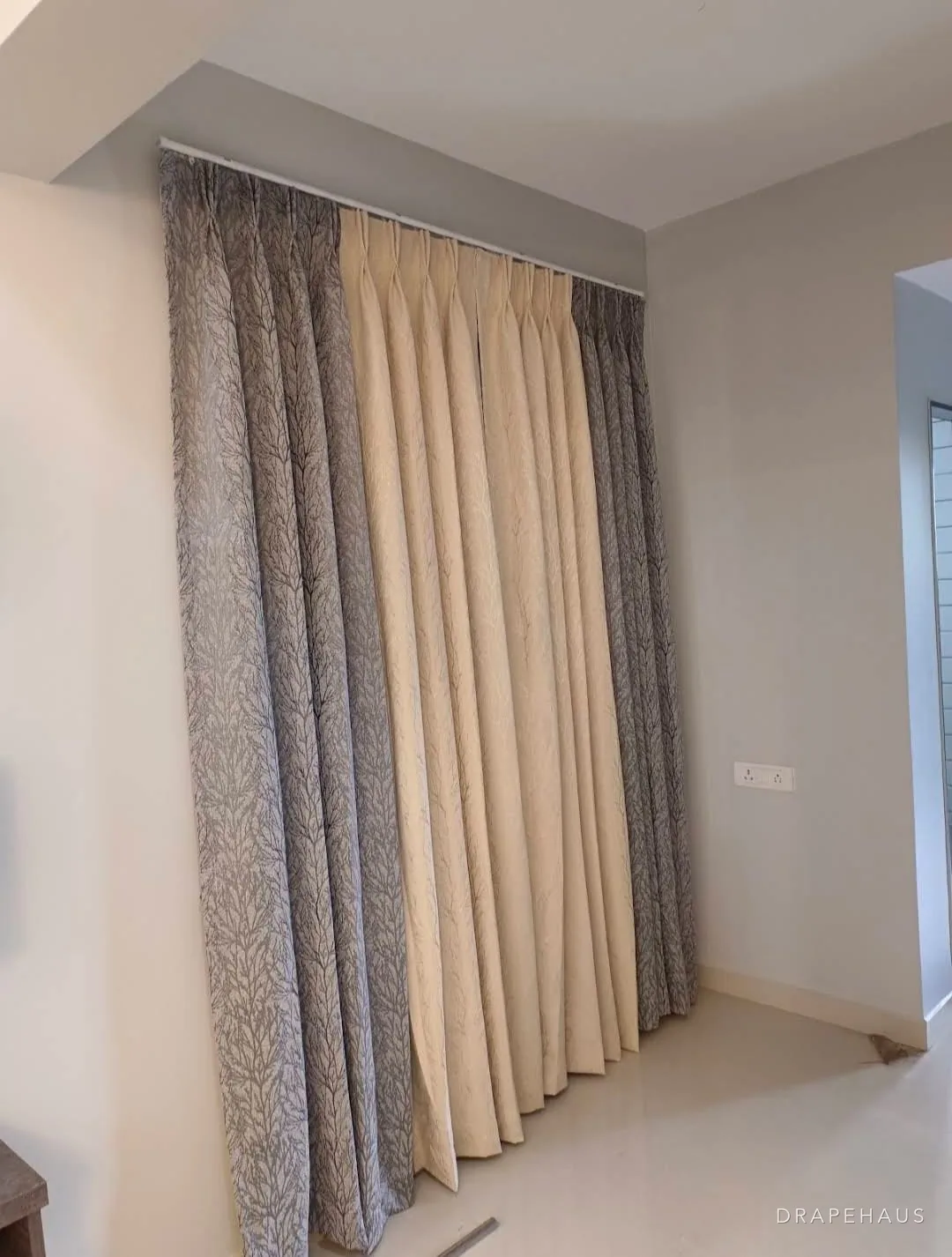
Drapehaus
Preparing the room
Drapehaus
Preparing the room
Light. Privacy. Style.
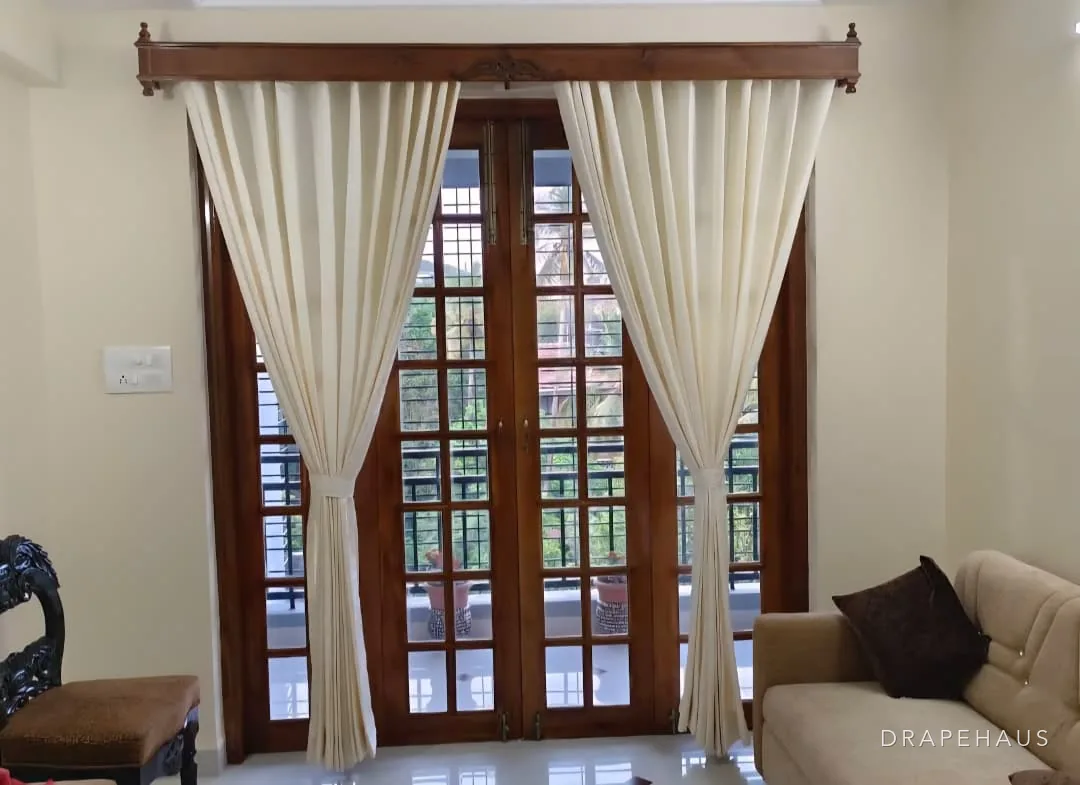
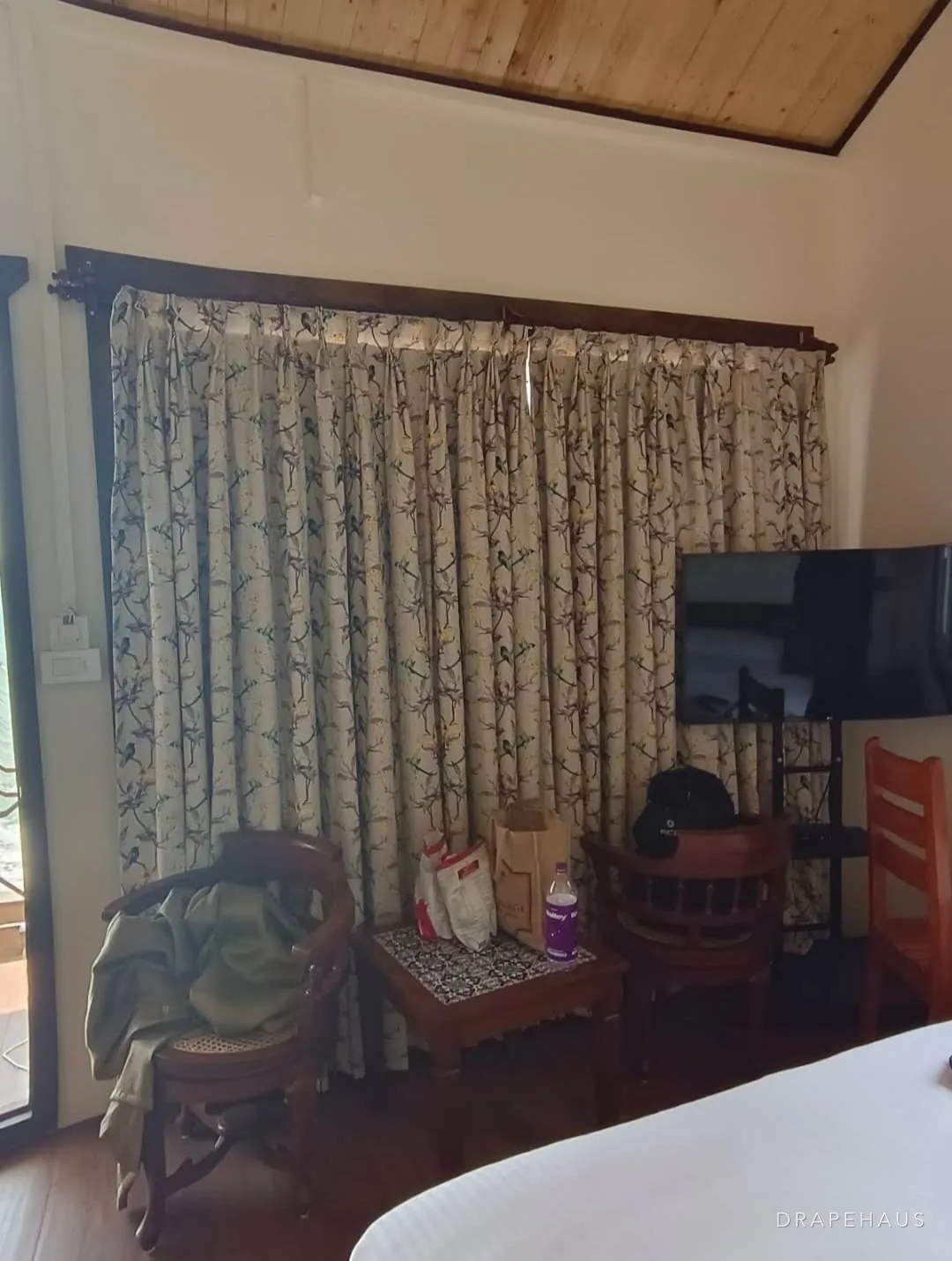
Curtains measured on site, cut to the window and specified for what it actually faces — from airy sheers on a veranda door to full blackout in a bedroom that catches the sunrise. Near the coast the fibre is chosen on exposure first and preference second.

Sheer + blackout · Midday
Treatment
Time of day
Two layers on a double track: the sheer stays drawn for the day, the blackout closes over it at night. The most flexible answer for a bedroom.
Our curtain collection

Airy. Elegant. Timeless.
Explore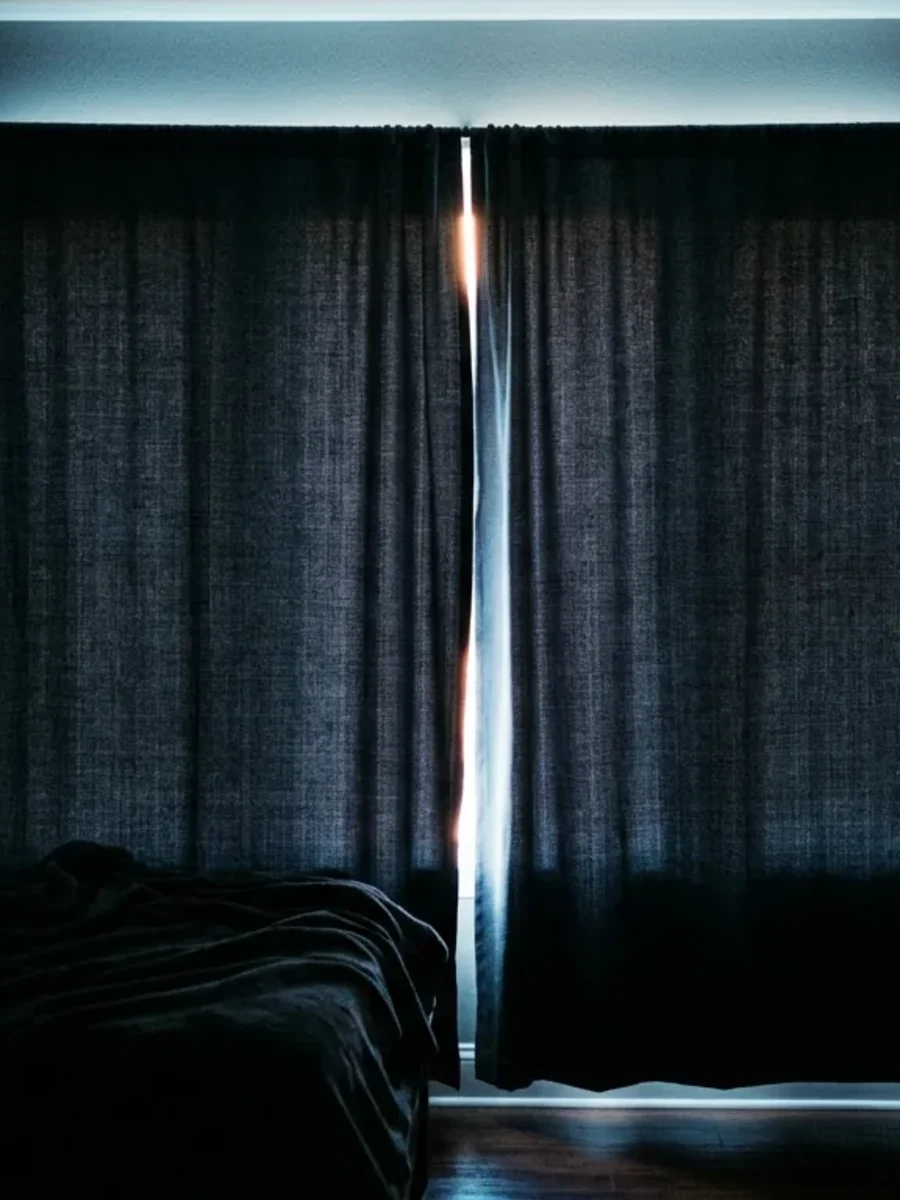
Better Sleep. Brighter Days.
Explore
Natural. Textured. Refined.
Explore
Soft. Breathable. Easy.
Explore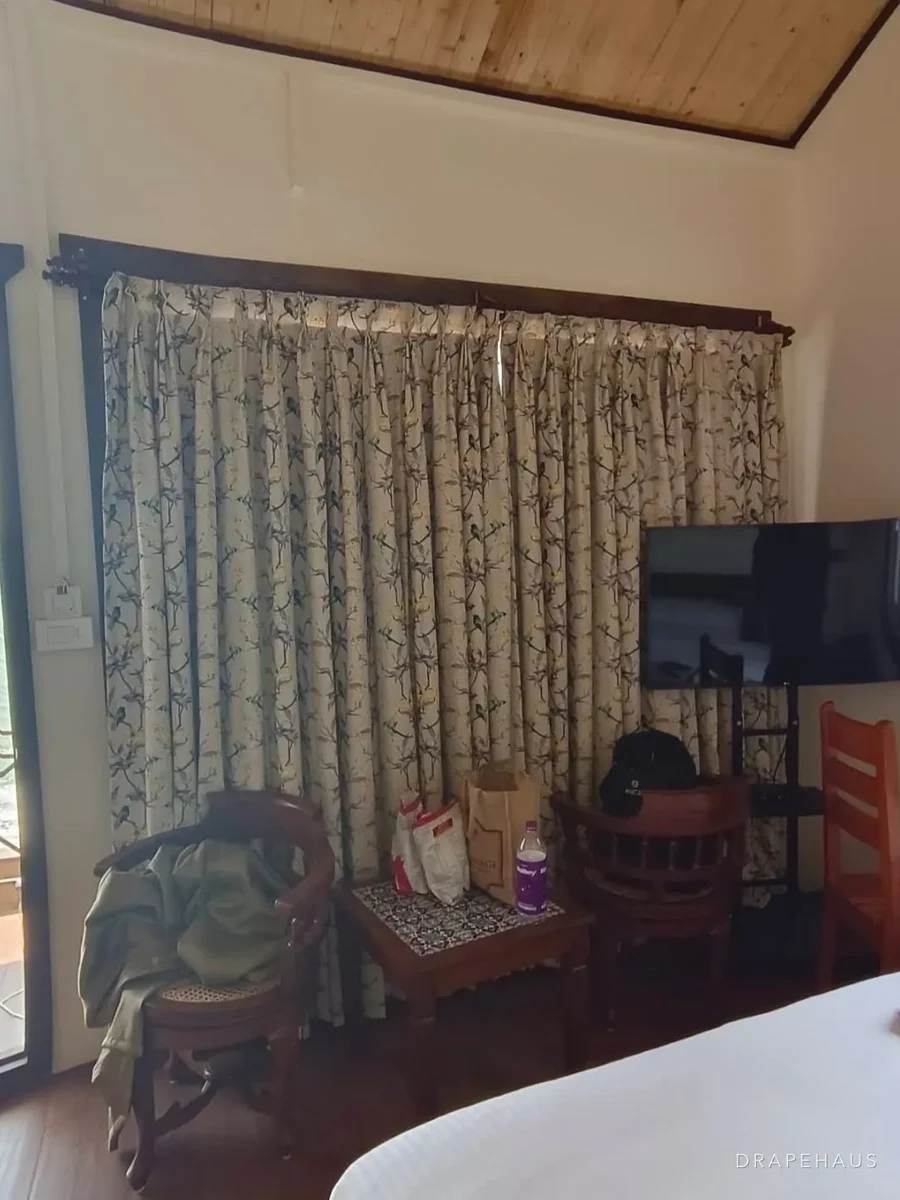
Express Your Style.
Explore
Rich. Warm. Dramatic.
Explore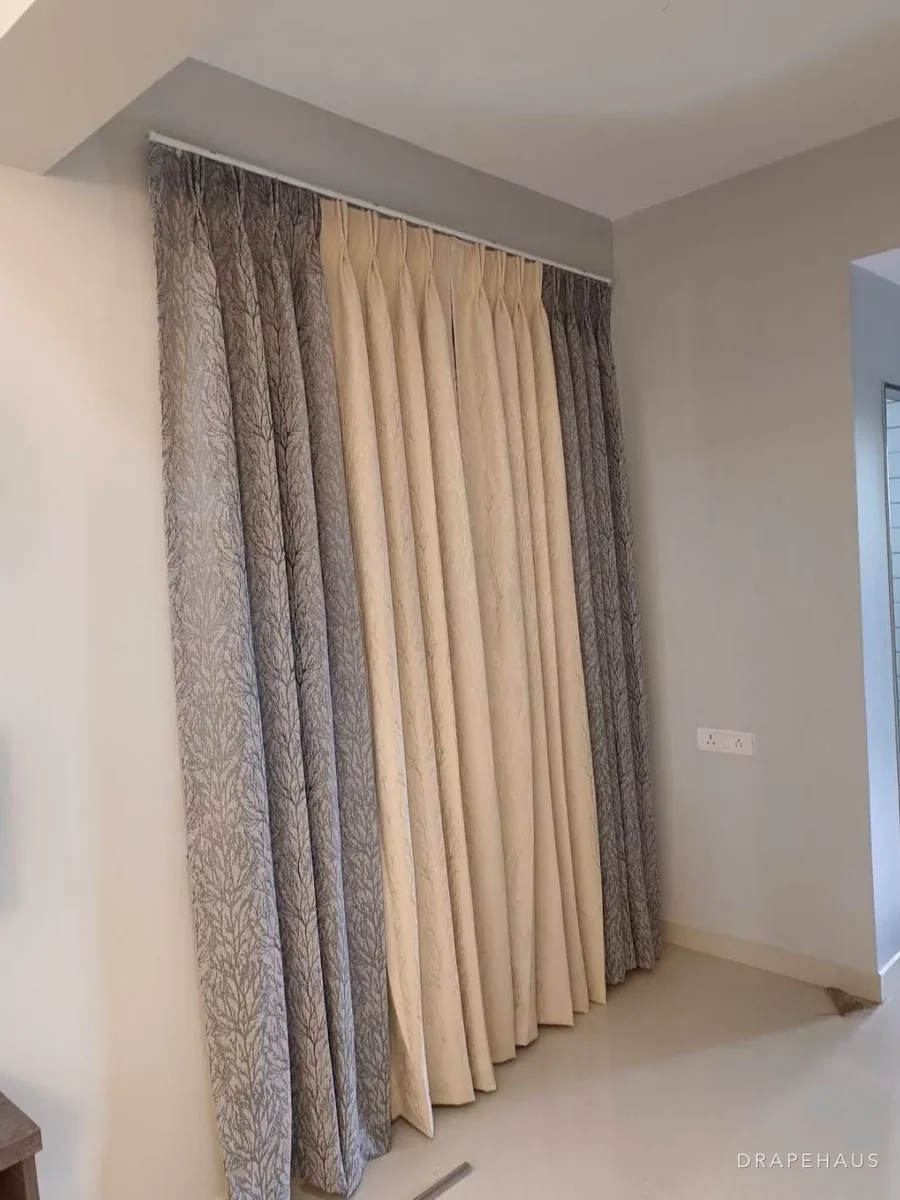
Day. Night. Both.
ExploreIn short
By the Drapehaus studio · How we write
Is it right for you?
A curtain is the most adaptable thing you can hang at a window. It can be almost weightless or dense enough to darken a room at noon, it can stack away completely to leave the glass clear, and it softens the acoustics and the hard edges of a room in a way no blind does. In a house of tall openings, timber shutters and deep reveals, it is usually the treatment the architecture was waiting for.
Curtains suit most rooms in a coastal house, but not every window. They need wall space on either side to stack into, a sound surface above to fix into, and a clear drop below. Where a window sits over a kitchen counter, beside a shower or tight against a wardrobe, a blind or a shutter will almost always work harder and last longer.
The real decision is rarely curtain or no curtain. It is which curtain, made from which fibre, with which lining, on which track, and whether it works alone or as one of two layers. Those choices interact. A beautiful fabric on the wrong track sags; the right lining in the wrong position traps damp. This guide sets out how to make them together, window by window.
If you are furnishing a house that will be closed for the monsoon, let to guests, or sits very close to the water, read the climate sections before choosing a fabric. Near the sea, the fibre is chosen by exposure first and preference second.
Your options
Most rooms need one or two of these, not all of them. Start with the job the window has to do — soften, darken, frame or screen — and the kind of curtain usually follows.
Swipe for all 7 →
The honest view
The widest range of light control
From a voile that barely filters the sun to a lined curtain that darkens a room completely, no other treatment covers so much ground. Layered on a double track, one window can move between the two in a few seconds.
Clears the glass completely
A curtain drawn back to a stack beside the window leaves the view and the doorway entirely open. For a sliding door onto a verandah or garden, that matters more than almost anything else.
Softens the room
Fabric absorbs sound and breaks up hard surfaces. In rooms of tile, stone and plaster, a pair of full-length curtains changes how the room sounds as much as how it looks.
Suits tall and unusual openings
Curtains handle double-height windows, arched heads, bays and very wide runs of glass that are awkward or impossible for most blinds, provided the track is specified for the span and the weight.
Can be taken down and stored
In a house shut for the monsoon, curtains can be cleaned, dried and packed away for the season, which is not true of a fixed shutter or a wall-mounted system.
Needs space beside the window
A drawn-back curtain has to stack somewhere. On a window tight to a corner or a wardrobe there may be no room, and a curtain that stacks across the glass blocks light it was meant to let in.
Absorbent fibres and humidity
Natural fibres and dense piles hold moisture. In a sealed or seasonally closed house, or right by the sea, they mildew if they cannot dry. This narrows fabric choice considerably in exposed positions.
Harder to clean than a blind
Taking a full-length lined curtain down, cleaning it properly and rehanging it is more work than wiping a slat or vacuuming a roller. Heavy or delicate fabrics may need specialist cleaning.
Poor in wet or greasy rooms
Near a hob, a sink or a shower, fabric absorbs grease and steam and stains quickly. A blind or a shutter is nearly always the better answer in kitchens and bathrooms.
Side by side
The kinds of curtain differ more than they first appear. This is how the main types behave on the criteria that matter most in a coastal house.
| Sheer | Lined linen or cotton | Blackout-lined | Velvet | |
|---|---|---|---|---|
| Daytime light | Soft, bright, diffused | Filtered when closed | Dark when closed | Dark when closed |
| Night privacy | None with lights on | Good | Complete | Complete |
| Heat through glass | Very little effect | Moderate reduction | Good reduction | Good reduction |
| Humidity tolerance | Good in polyester | Fair; needs airflow | Fair; lining must breathe | Poor unless air-conditioned |
| Cleaning | Easy, frequent wash | Wash or dry-clean | Mostly dry-clean | Specialist clean |
| Weight on the track | Light | Medium | Medium to heavy | Heavy |
| Suits closed houses | Yes, in synthetics | Blends only | With breathable lining | Store for the season |
Swipe to compare →
Most rooms end up with two columns of this table on one double track: a sheer for the day and a lined or blackout curtain for the night.
Rather see it in your own room?
We bring samples to the house, measure every window, and specify for the light and exposure you actually have.
Room by room
Layered sheers and lined curtains on a ceiling-fixed double track suit most living rooms. Keep them full-length and stacked clear of the glass so the room stays open to the garden or verandah in the day.
The room where the closing curtain earns its keep. Specify blackout or a well-lined curtain, and fit it wide and high enough that morning light cannot get round the edges.
Lined cotton or a cotton blend that washes easily, with blackout for daytime naps. Keep cords and loose tiebacks out of reach and consider a wand or motor instead.
Fabric near a hob or sink absorbs grease and steam. A short café curtain away from the cooking area can work; over the counter, a blind is almost always better.
Steam and splash are hard on any curtain. Where a window sits well away from the shower, a polyester sheer can soften it; otherwise choose a moisture-resistant blind.
Glare on a screen is the real problem. A sheer or a light-filtering lined curtain takes the edge off the sun without darkening the room, and it quietens video calls.
Durable synthetic or blend face fabric, blackout lining and a robust track that survives heavy use. Guests notice darkness and privacy far more than they notice the fabric.
Curtains are often the only practical dressing for very tall glass. They need a track rated for the weight and, above a certain height, motorisation or a long wand.
In depth — tap a heading to read
Start with what the room needs at its hardest hour. A bedroom facing east is judged at sunrise, a west-facing living room at five in the afternoon, a street-facing dining room after dark with the lamps on. Specifying for the average hour produces curtains that are fine most of the time and fail exactly when they are needed.
Then think about how often the curtain will move. A living-room curtain may be drawn twice a day; a curtain beside a verandah door may be pushed aside twenty times. Heavily used curtains need a track that runs freely, a heading that stacks without fuss and a leading edge that tolerates handling. Rarely moved curtains can be more delicate.
Finally, consider who uses the room. Owners learn the quirks of a window; guests, children and staff do not. A guest room or a child's room should work with one obvious action, which is why we often suggest a wand, a cord-free track or a motor there.
Curtains rarely have to do everything on their own. The most reliable specifications split the jobs: a sheer for glare, a lined curtain for privacy and appearance, and sometimes a blind tight to the glass for darkness or heat. Each layer then does one thing well and can be replaced on its own schedule.
A roller or roman blind inside the reveal pairs naturally with a curtain outside it. The blind handles the functional work — sun control on a hot façade, or blackout in a bedroom — and the curtain frames the window and softens the room. This combination is often better than asking a single curtain to be both dark and beautiful.
Where sliding insect nets are fitted, the curtain track has to sit far enough forward that the fabric does not snag the frame. Plan the depths together: net, blind, sheer and curtain each need their own clear line, and a reveal that looked generous on the drawings can fill up quickly once every layer is counted.
When one window has to do several jobs, give each job its own layer rather than one compromised fabric.
Fibre choice in coastal Goa starts with two questions: how exposed is the window, and will the house be lived in through the monsoon. Relative humidity in the monsoon months runs well above the levels at which mould begins, with morning readings in the high eighties and low nineties. Anything absorbent that cannot dry will eventually spot.
Near the sea and in houses closed for the season, polyester and polyester blends are the dependable choice because they take up very little moisture. Further inland, in occupied and ventilated rooms, linen and cotton come back into play and bring a texture synthetics only approximate. Velvet and dense piles sit apart: they belong in air-conditioned rooms.
Linings matter as much as face fabrics. A breathable lining protects the face from sun and adds body; a sealed or foam-backed lining can trap moisture against the glass. We do not interline curtains in this climate, because an interlining holds damp through the rains. Weight and body come from the face fabric instead.
Fullness is the single biggest difference between a curtain that looks made and one that looks bought. We generally work at around 2 to 2.5 times the finished track width, depending on the fabric and heading. Below that, even a fine fabric reads as a flat panel; above it, lighter fabrics can bunch and heavier ones become difficult to stack.
The heading decides how those folds behave. Pinch pleats give a tailored, traditional line; wave and ripple-fold headings give even, continuous folds and a narrow stack that suits contemporary rooms and sliding doors. Poles look right in heritage rooms with a visible cornice; ceiling-fixed tracks suit modern rooms and layered arrangements.
Hardware near the sea should be aluminium, marine-grade stainless or properly powder-coated, never untreated mild steel, which rusts and stains the plaster below it. Old laterite and lime walls need different fixings from modern blockwork, and we check what sits behind the plaster before committing to a track position.
The dry season is about sun. Window glass blocks most UVB but lets UVA through, and UVA is what fades dyes and weakens fibres over time. The leading edge of a curtain on a west-facing window takes the brunt, which is why a protective lining pays for itself on sunny glass and why saturated colours are best kept away from the strongest light.
The monsoon, roughly June to mid-October, is about moisture and stillness. Onshore wind carries salt, the air stays close to saturation for weeks, and a closed house has no drying cycle at all. Curtains hung a little off the wall, with a hem clear of the floor, dry far better than ones pressed against cool plaster.
For houses shut through the rains, the choice is between synthetics that can stay up and natural fibres that should be cleaned and stored. We can plan either at the specification stage, and our take-down and storage service handles the second, returning the curtains cleaned and rehung before the house opens again.
Living with it
Vacuum curtains gently with a brush attachment every few weeks, working from the heading down. Dust and salt trapped in the weave are what mildew feeds on.
Clean curtains before the monsoon so they go into the wet months clean, and again once the rains withdraw to remove the salt and damp they have absorbed.
Draw curtains fully back on dry spells and open windows where you can. A curtain left closed against a window for weeks in the monsoon is the one that spots first.
Clean and dry thoroughly, fold loosely or roll, and store in breathable cotton bags rather than plastic, off the floor, in the driest room available.
Wipe tracks and brackets after the monsoon, check that gliders run freely, and look for any rust or loose fixings before the season's guests arrive.
Avoid these
A track cut to the width of the glass leaves the stack covering the window. Measure the wall either side and extend the track so the curtains can clear the opening.
A fine fabric at low fullness looks thin and ordinary. Work at about 2 to 2.5 times the track width, and choose a simpler fabric before cutting fullness.
Falling for a pure linen before knowing the window faces the sea is the most common route to mildewed curtains. Decide exposure and use first, then fibre.
A track tight to the architrave makes a window look shorter and lets light over the top. Fix higher, ideally near the ceiling, unless a cornice or arch prevents it.
Curtains that pool on the floor collect dust and damp; curtains that stop short look accidental. For most rooms a hem just clear of the floor is the practical answer.
Checklist

Custom curtains
Every curtain we make starts with a site visit: the window measured, the wall behind it checked, the light watched at the time of day it matters. Fabric, lining, heading and track are then specified together, so the finished curtain hangs well, draws easily and survives the monsoon.
From the Journal
All articlesFAQ
Yes, always. We measure on site, check the wall the track will fix into and look at the light before recommending fabric, lining or heading.
It depends how close and how exposed. Near the sea, synthetics and blends resist salt and damp far better than pure natural fibres. Further inland you have more freedom.
Not in Goa. An interlining holds moisture through the monsoon, so we specify linings for the job — blackout, thermal or protective — without the extra layer.
Yes. Old walls need different fixings from modern blockwork — we use resin anchors in laterite and check what is behind the plaster before we quote.
Wide enough for the drawn-back curtains to stack clear of the glass. How much that is depends on the fabric, the lining and the heading, so we calculate it on site. As a rule the track runs beyond the frame on each side, and heavier, lined curtains need more stacking room than sheers.
For most rooms we finish curtains just clear of the floor. It looks deliberate, keeps the hem out of dust and water, and allows for the slight movement natural fibres show with humidity. A deliberate pool is possible in a formal room, but it collects dirt and damp in this climate.
For most windows in a villa or heritage house, yes. Ready-made curtains come in fixed drops and widths, usually at low fullness, with basic linings. Made to measure, the curtain is cut to the actual drop, matched across widths, lined for the window's exposure and hung on a track specified for its weight.
Polyester and polyester blends are the most dependable because they absorb very little moisture. Linen and cotton work well in occupied, ventilated houses away from the sea. Velvet belongs in air-conditioned rooms. The lining matters too: it should breathe rather than seal.
Typically about three to four weeks from measuring to installation, depending on the fabric, the amount of hand finishing and whether any tracks or motors need ordering. Large houses and hospitality projects are scheduled room by room so the most important spaces come first.
A lined curtain drawn across hot glass reduces the heat reaching the room; US DOE Energy Saver guidance puts the saving from medium-coloured drapes with white plastic backings at about a third of the heat gain. Sheers alone do very little. For a very hot façade, an external or solar blind does more.
Next step
Every curtain we make begins in the room it will hang in. We visit, measure each window and the wall around it, check the fixings and watch the light at the hours that matter. We bring fabric and lining samples so you can see them against your own walls and floors, then specify fabric, lining, heading and track together. Our workroom makes each pair to measure, and our fitters install and dress them. Book a home visit and we will take it from there.
Fabrics for the climate
Specified for salt, sun and monsoon.
Measured on site
Every window, every time.
Fitted by our team
The people who plan it, fit it.
Rooted in Goa
A local workshop serving North and South Goa.