 Drapehaus
Drapehaus
Preparing the room
Drapehaus
Preparing the room
North Goa · Villas and Portuguese houses
Assagao is a green, hilly village in Bardez, set back from the coast between Mapusa and Anjuna. It is known for its Indo-Portuguese houses and has become one of North Goa's most sought-after places for villas, many of them second homes. We visit Assagao by appointment from our workshop in Benaulim.
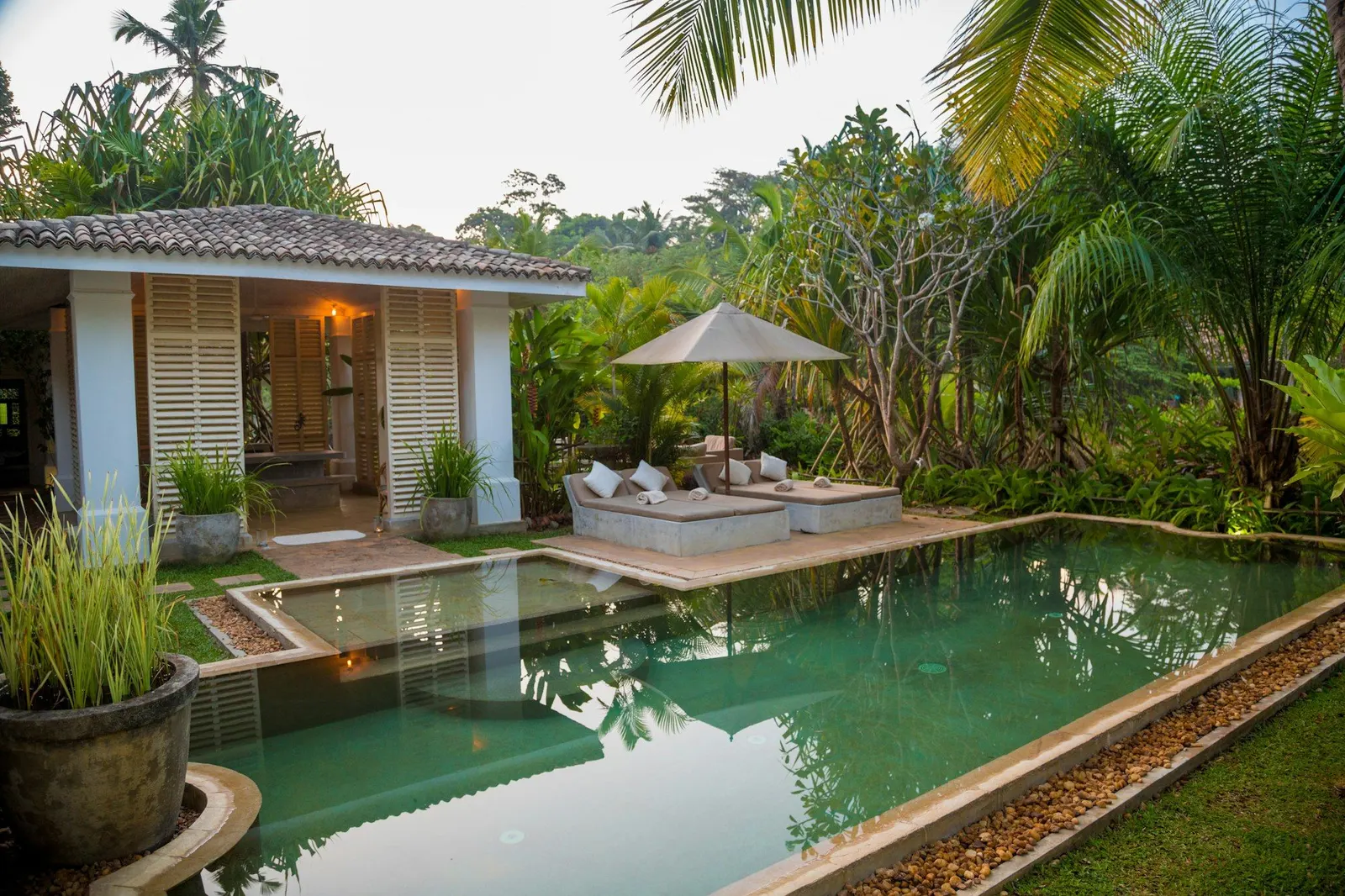
What we see in Assagao
Homes in Assagao — tap a heading to read
Assagao is a village of hills, trees and quiet lanes in Bardez, a short drive inland from Anjuna and Vagator and a little west of Mapusa. It has long been known for its Indo-Portuguese houses, many built between the late eighteenth and early twentieth centuries, with colour-washed walls, tiled roofs, balcões at the front and tall windows with timber shutters. Under Portuguese rule, private houses could not be painted white, a colour kept for churches and chapels, which is one reason the old houses here are painted in yellows, blues, ochres and reds.
Over the last couple of decades Assagao has also become one of the most sought-after places in North Goa to build or buy a villa. Many of the homes we visit here are new or recently rebuilt: villas with private pools, open-plan living rooms, verandas and large sliding doors onto gardens. Some are single houses on their own plots, others are in small developments. A good number are old family houses that have been restored, often with a modern extension or a pool added behind the original building.
These two kinds of house need different handling, and sometimes they stand side by side on the same plot. An original Indo-Portuguese room has proportions, shutters and lime-plastered walls that deserve respect, and it often looks best with less fabric rather than more. A new villa living room, by contrast, may have openings several metres wide and very little wall, so the question becomes how to manage light, heat and privacy across a lot of glass without making the room feel heavy or closed in.
Planning work in Assagao?
We measure on site and bring samples to see in your own light — so the choice is made in the room, not from a photo.
Assagao is set back from the beach, and that makes a real difference. Salt is much less of a problem here than in Candolim or Anjuna, so good-quality powder-coated hardware generally lasts well, and fabric does not have to cope with a constant film of salt. The village's trees and hills also give many houses some shade that coastal homes lack. The trade-off is damp. Heavily planted gardens and shaded walls stay wet for longer after rain, and houses among trees can feel humid long after the sky has cleared.
The monsoon itself is as heavy here as anywhere in North Goa. The IMD normal for the North Goa district is 3,347 mm of rain a year, about 91 per cent of which falls between June and September, and morning humidity at Panjim sits between 88 and 91 per cent through those months. For a villa that is closed for the rains, that is a long spell of damp air with no one opening the windows, and it is the main reason we recommend monsoon take-downs for many Assagao homes.
Insects are the other feature of life inland. Gardens, trees and pools bring mosquitoes, particularly in the weeks after the rains, and villa owners who want to leave doors open in the evening need proper screens. In the dry season, from November to May, the challenge becomes sun: west-facing rooms and poolside living spaces can take strong afternoon light, and fabrics on verandas and daybeds fade quickly unless they are chosen for it. Outdoor-grade fabrics, removable covers and a sensible place to store cushions through the monsoon make a real difference to how long they last.
Our workshop is in Benaulim, in South Goa, so we visit Assagao by appointment and usually group the trip with other homes in Bardez. On the first visit we measure every window and door, look at how each room faces the sun and the garden, and check walls and ceilings for sound fixing points. In older houses we look for timber lintels or solid plaster and plan fixings that keep internal shutters free to close. We bring fabric, lining and blind samples to the house so you can see them in its own light.
Many Assagao villas belong to owners who live abroad or in another Indian city, and a good share are let to guests for part of the year. We are used to working with caretakers, architects, contractors and villa managers, and with owners on the other side of the world. We share photographs and samples by message, agree details on a call, and send progress pictures. Where a house is being built or restored, we coordinate with the contractor so that tracks and wiring for motorised blinds are planned before the ceilings are finished.
Everything is made to measure in our own workshop and fitted by our own team, usually in one or two visits for a whole villa. After installation we come back to adjust anything that has settled or dropped, and for homes that close through the rains we take curtains down in late May or early June, clean and store them dry, and rehang them after the monsoon withdraws in October, often timed so that the house is ready before the owners arrive for the season.
The most common request is for a whole villa, planned at once. That usually means sheers and lined curtains for wide sliding doors, blackout for bedrooms, blinds for kitchens and bathrooms, insect screens for the openings that will be left open in the evening, and outdoor fabrics for verandas, daybeds and pool loungers. Owners often want the house to feel relaxed rather than dressed, so we lean towards natural fabrics such as linen and cotton blends, hung simply and generously, in colours that suit the garden and the light. Rugs made to measure help anchor large open-plan rooms, chosen to cope with bare feet coming in from the pool.
For high or very wide windows, and for homes that are often empty, motorised blinds and curtains are increasingly popular. They make a double-height window usable, and they can be set to close in the hottest part of the afternoon to protect furniture and floors from sun. We plan motorisation with you and your electrician before the walls and ceilings are finished, because retrofitting wiring later is always harder. Where power cuts are a concern, we can advise on battery-powered options.
In restored Indo-Portuguese houses, owners usually ask for help that is lighter in touch: curtains that frame tall windows without hiding them, fabrics that suit painted plaster and old floors, and furniture that sits well in high rooms. We also reupholster family pieces, make new sofas to measure and make rugs to suit the room. Whatever the house, we will tell you plainly where we think less will serve it better than more. Where original oyster-shell panes survive, for example, we will usually suggest leaving them uncovered, because the soft light they give is part of what makes the room.
What we make in Assagao
The homes we work in here
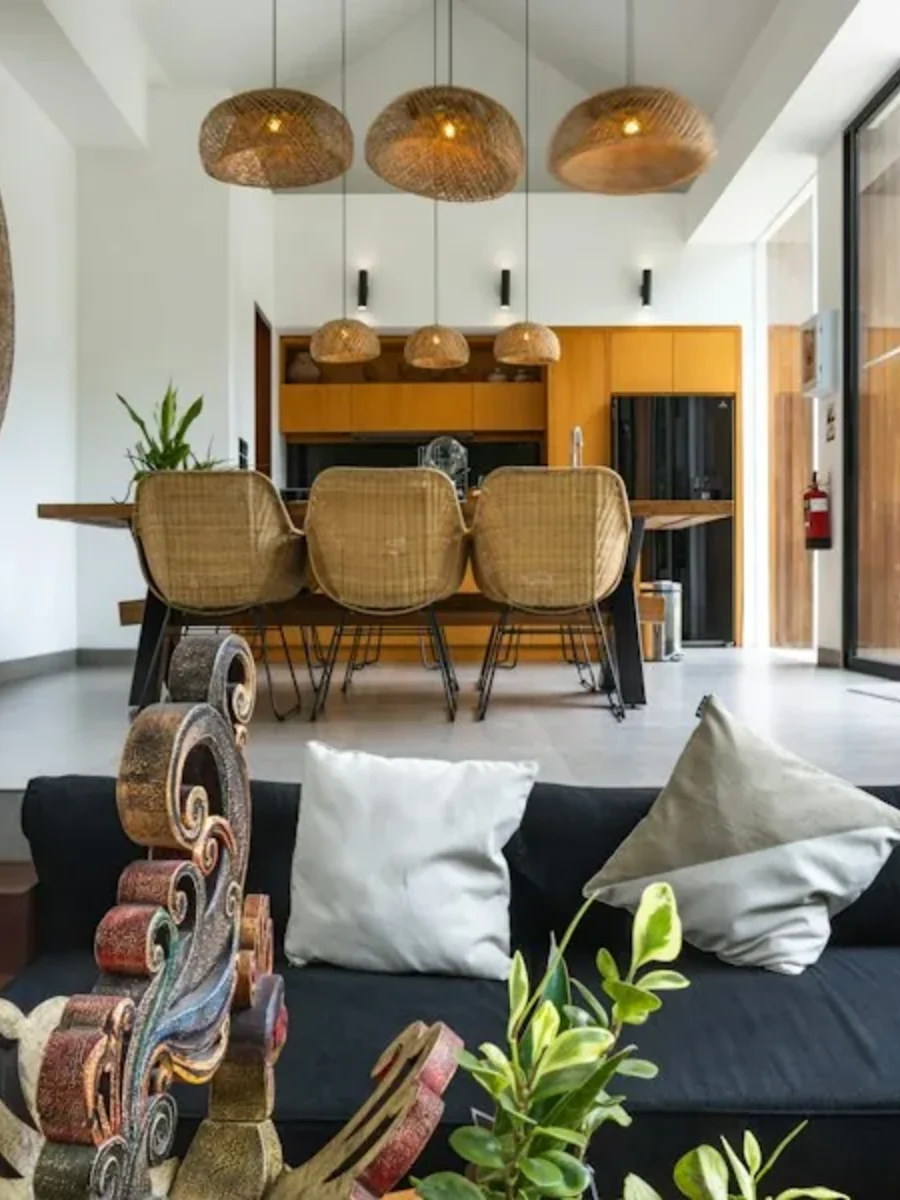
Double-height glazing, salt on every surface and months of the year with nobody home.
Read the guide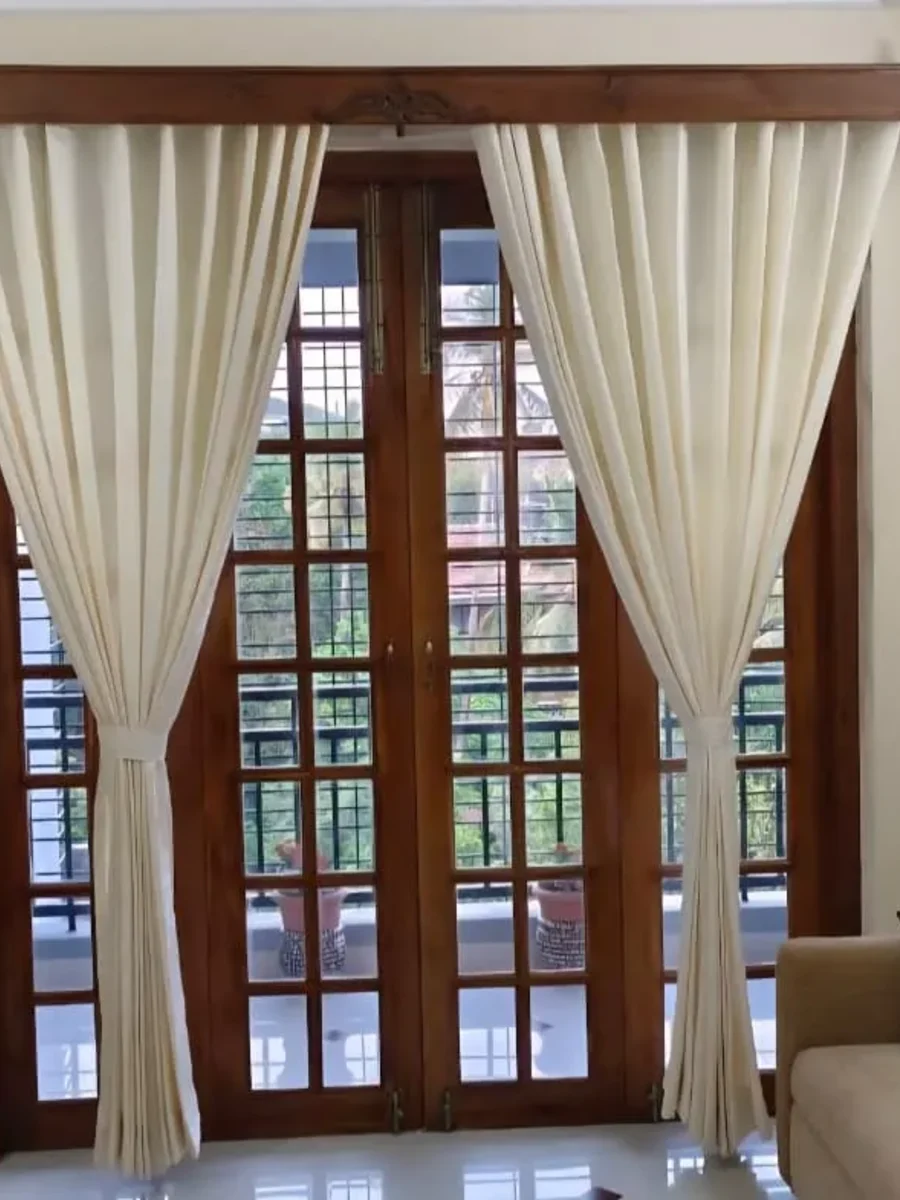
Deep reveals, tall shuttered openings and oyster-shell windows that modern curtain advice gets wrong.
Read the guide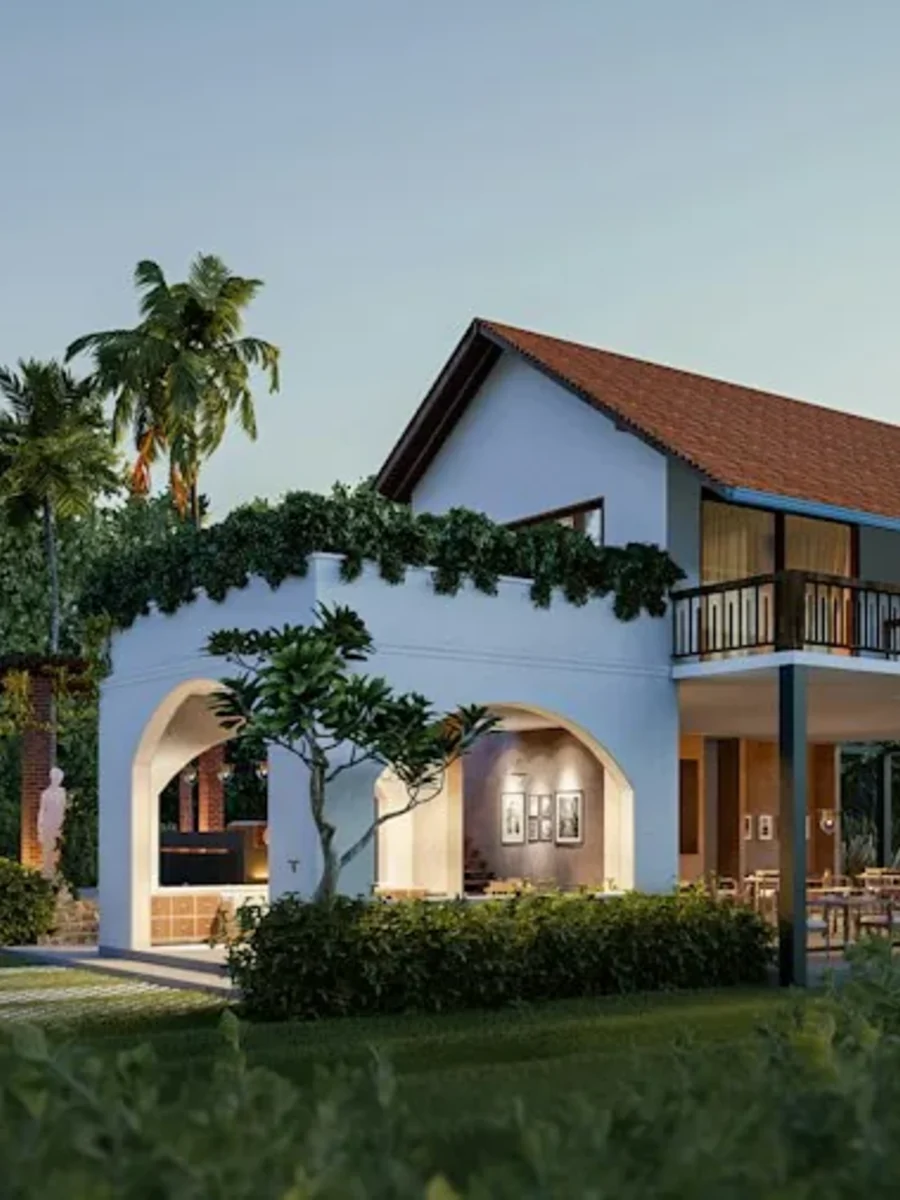
Old openings and new extensions in one building, each needing a different answer.
Read the guide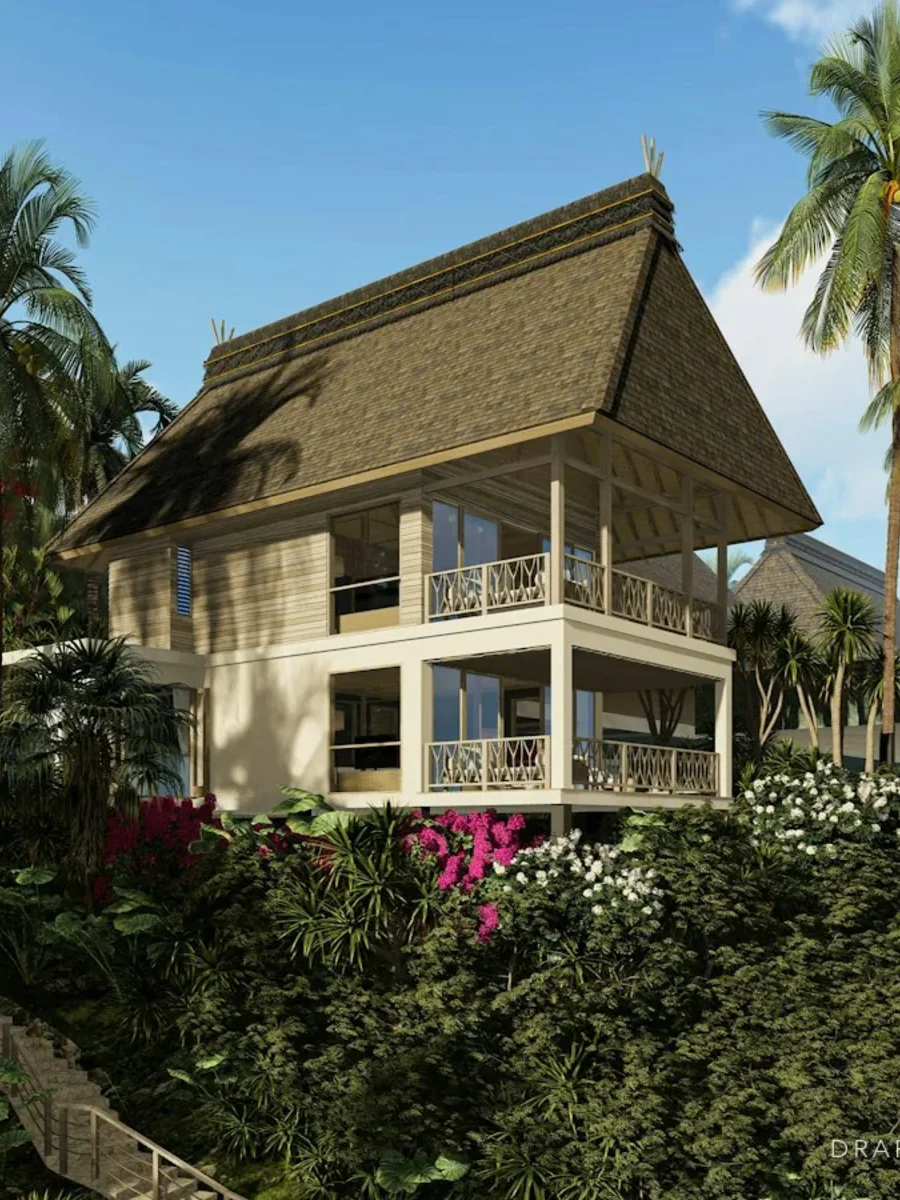
Views worth keeping, wind that tests every fixing, and light that arrives from unexpected angles.
Read the guideFrom the Journal
All articlesFAQ
Yes. We work throughout Assagao and the neighbouring villages of Bardez. Our workshop is in Benaulim, in South Goa, so Assagao visits are by appointment and we usually group them with other homes in the area. We measure, bring samples to the house, make everything in our own workshop and fit it with our own team.
It depends on how many North Goa visits we already have planned, because we group them to make the journey worthwhile. We will give you a realistic date when you call. If you need the house ready for a particular arrival or for the season, tell us as early as you can and we will plan the work back from that date.
Yes. Many Assagao owners live abroad or elsewhere in India. We can measure, fit and do monsoon take-downs with your caretaker or villa manager holding the keys. We agree every choice with you by photographs, samples and calls, and send pictures of the finished rooms so you can see them before you arrive.
Yes, and it helps to involve us early. If we know the window sizes, ceiling details and any plans for motorised blinds before the ceilings are closed, we can make sure tracks are fixed properly and wiring is in the right place. We are happy to join a site meeting.
Not if the fixings are planned properly. We look for timber lintels, sound plaster or the ceiling, avoid drilling into fragile lime plaster where we can, and position poles so that internal shutters still close. Where a wall will not take a fixing safely, we will suggest another way.
