 Drapehaus
Drapehaus
Preparing the room
Drapehaus
Preparing the room
South Goa · Port-town apartments
Vasco da Gama sits at the western tip of the Mormugao peninsula, where the Zuari meets the sea. It is a working port town, and most of its homes are apartments and town houses, with sea air reaching almost every street.
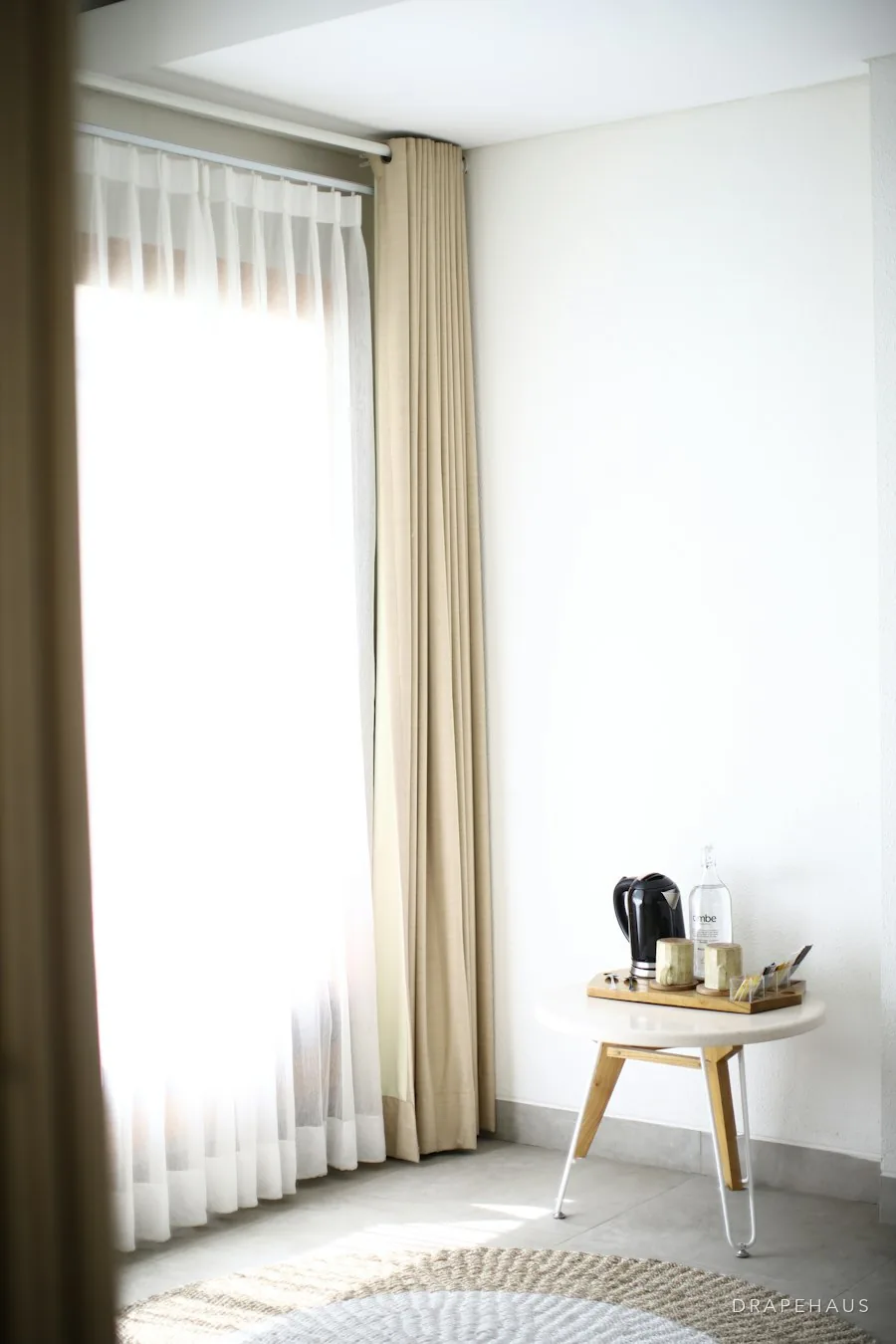
What we see in Vasco da Gama
Homes in Vasco da Gama — tap a heading to read
Vasco da Gama is the headquarters of Mormugao taluka and one of Goa's main towns. It stands at the western tip of the Mormugao peninsula, at the mouth of the Zuari river, some thirty kilometres from Panjim. The port, built in the late nineteenth century, still shapes the town, and Dabolim airport and Bogmalo beach are close by. Vasco is a place people live and work in all year round, and its homes are built for everyday life rather than for holidays. Many families have lived here for generations, and others have arrived for work at the port or the airport.
Most families live in apartment blocks, from older low-rise buildings in the centre to newer complexes on the edges of town and on the roads towards Dabolim. There are town houses and older bungalows too, some with the verandas and tiled roofs of Goan houses elsewhere, but the typical Vasco home is a flat with a balcony, a few bedrooms and windows of standard size. That makes it a very different brief from the villas of the Salcete coast, though the climate is just as demanding.
The work here is practical. Apartment owners want their flat comfortable, private and easy to keep clean. Landlords letting to families who work at the port, the airport or in town want furnishings that will last a tenancy or two without fuss. Both need specifications that suit a building with society rules and a climate with salt in the air. We enjoy this kind of job, because good choices make a real difference to how a flat feels every single day. A well-chosen blind is used daily.
Planning work in Vasco da Gama?
We measure on site and bring samples to see in your own light — so the choice is made in the room, not from a photo.
With water on several sides of the peninsula, Vasco gets sea air in places that would count as well inland elsewhere in Goa. Salt settles on window frames, tracks and fabric, holds moisture against them and speeds up corrosion. Balcony railings show it first, and curtain hardware follows. We fit aluminium tracks with stainless steel fixings in Vasco flats as standard, and we look at the condition of the existing hardware before recommending what to keep and what to replace. Wiping tracks down during the dry season keeps them running freely for longer.
The monsoon here is wet and windy. At Mormugao, the mean wind in July is close to 15 km/h, the monsoon wind comes onshore from the west and south-west, and morning humidity in July and August stays close to 90 per cent. West-facing windows and balcony doors take driven rain, and damp gets into curtains hung too close to them. Linings that breathe and fabric that dries quickly both matter, and so does keeping the flat aired on the dry days between downpours. Bedrooms on the windward side of a building tend to need the most attention.
In the dry months, upper-floor flats with west-facing balconies take strong afternoon sun, and rooms heat up quickly under a concrete roof. A sheer or light-filtering blind cuts glare without closing the room off, and lined curtains or blackout blinds help bedrooms stay cooler and darker. On lower floors, privacy from the street matters as much as shade. We look at the orientation and the floor of each flat before suggesting anything, because two flats in the same building can need quite different treatment. Sometimes the simplest answer is a better blind, not a heavier curtain.
Vasco is further from our Benaulim workshop than the Salcete villages, so we plan visits a few days ahead and often group them. We come to the flat, measure each window and door, and bring samples, so that you can see fabrics in your own light rather than in a shop. A written quote follows, room by room, with the options clearly laid out. If you would like to compare two fabrics in the evening, we can leave samples with you until the next visit.
Before fitting anything that shows from outside, such as balcony screens or external blinds, we ask you to check the housing society's rules, and we can suggest options that sit discreetly inside the frame. We work around lifts, parking and building hours, protect floors and furniture, and clear up afterwards. Everything is made at our workshop and fitted by our own team, who dress the curtains, test each blind and show you how everything works before they leave. Nothing is handed to outside fitters, and we keep noise and disruption in a shared building to a minimum.
For landlords and owners who live elsewhere, we can work with a tenant, relative or agent on site and send photographs at each stage. We also offer aftercare: adjusting a blind that has stiffened in the salt air, replacing a damaged panel, or re-covering a sofa that has worn out. We keep records of each flat, so replacements match, and owners with several units can simply ask for the same again without starting the specification from scratch. That saves time for everyone involved.
For new or newly bought flats, the most common request is a complete set of curtains and blinds: sheers or light-filtering blinds for living rooms, blackout for bedrooms, and something wipe-clean for the kitchen. Many families also want insect screens on windows and sliding mesh doors for the balcony, so the flat can stay open in the evening. Planning everything at once means the flat is finished together, and the rooms share a consistent look rather than growing piece by piece. We also make simple cushion covers to finish a room.
For rental flats, landlords ask for durable, neutral furnishings that suit most tenants: roller blinds or simple curtains on good hardware, washable fabrics and screens that will last. We keep specifications consistent across flats, so an owner with several units can replace like for like. A good neutral scheme also photographs well and needs little attention between tenancies, which saves the owner time when a flat changes hands or needs to be shown quickly. We can also make a spare curtain panel or two to keep on hand, so a damaged one can be swapped quickly between tenants.
Families who have lived in the same home for years ask for refurbishment: new curtains to replace ones faded by the sun, re-upholstery of a favourite sofa, cushions or a rug for the living room. Some ask for a wallpaper feature wall in a bedroom or dining area. Whether it is a single window or a whole flat, we specify for the building and the sea air around it, and we take the same care as we would over a villa by the beach. Small jobs are welcome.
What we make in Vasco da Gama
The homes we work in here
Let unfurnished or short-term, maintained remotely, and specified for tenants rather than owners.
Read the guide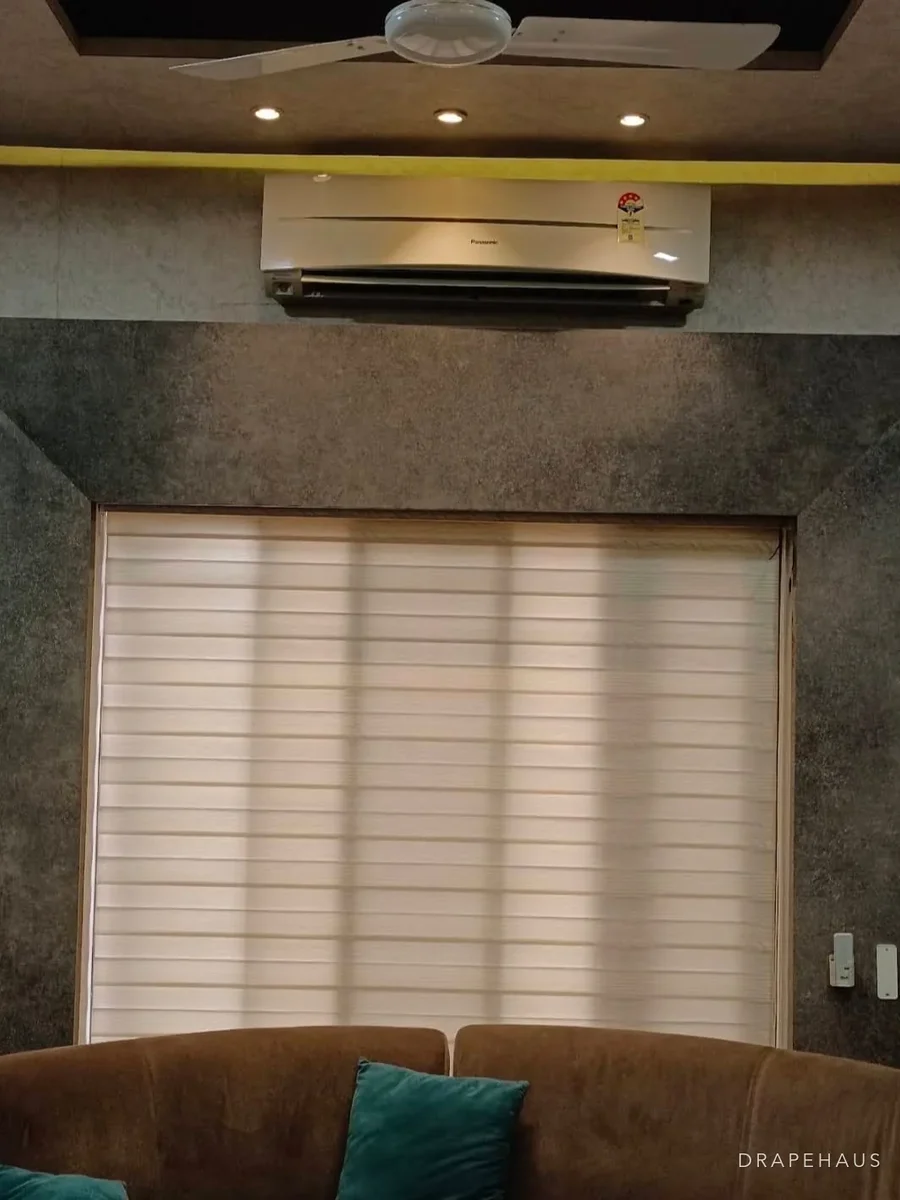
Society rules, concrete you cannot always drill, and standard openings that still are not standard.
Read the guide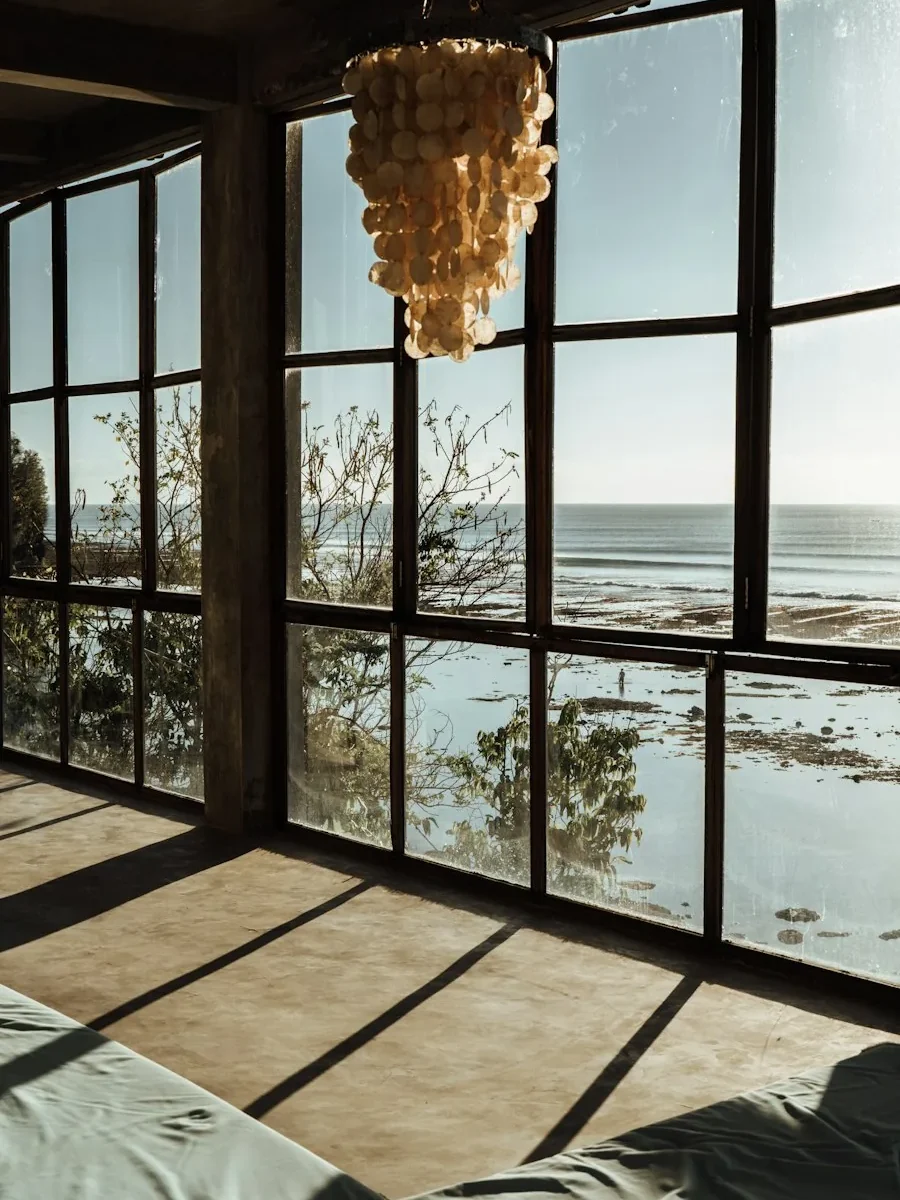
The best view and the worst conditions in the same room, usually with a terrace attached.
Read the guideFrom the Journal
All articlesFAQ
Yes. We work in apartments and homes across Vasco and the Mormugao peninsula, including areas towards Dabolim and Bogmalo. Vasco is a longer drive from our Benaulim workshop than the Salcete villages, so we plan visits a few days ahead, but the service is the same: a visit with samples, making in our workshop and fitting by our own team.
Vasco has sea air in much of the town, and salt settles on metal and holds moisture against it. Ordinary steel tracks and brackets corrode quickly in those conditions and can stain the wall. We fit aluminium tracks and stainless steel fixings, which cope far better, and recommend wiping tracks down during the dry season.
Many do, but rules vary. Before fitting anything visible from outside, we ask you to check with the society, and we can suggest options that sit inside the frame and are barely noticeable from the street. Sliding or pleated mesh doors for balconies usually fit within the opening and do not change the look of the building.
Yes. For rental flats, we specify neutral, durable curtains and blinds on good hardware, washable fabrics and insect screens that will last several tenancies. We keep a written record of each flat's fabrics and sizes, so we can replace a damaged curtain or blind to match. We can work with your agent or tenant on site.
Shade the glass before the sun reaches the room. A light-filtering blind or sheer cuts glare while keeping the view, and a lined curtain or blackout blind behind it helps in the hottest part of the afternoon. External shading is more effective still, where the society allows it. We look at the orientation of each room before recommending anything.