 Drapehaus
Drapehaus
Preparing the room
Drapehaus
Preparing the room
North Goa · Capital flats and old quarters
Panjim, officially Panaji, is Goa's capital, set on the south bank of the Mandovi estuary. Its homes run from Portuguese-era houses in Fontainhas and the other old quarters to apartment buildings on Altinho, in Campal and along the edges of the city. We visit Panjim by appointment from our workshop in Benaulim.
What we see in Panjim
Homes in Panjim — tap a heading to read
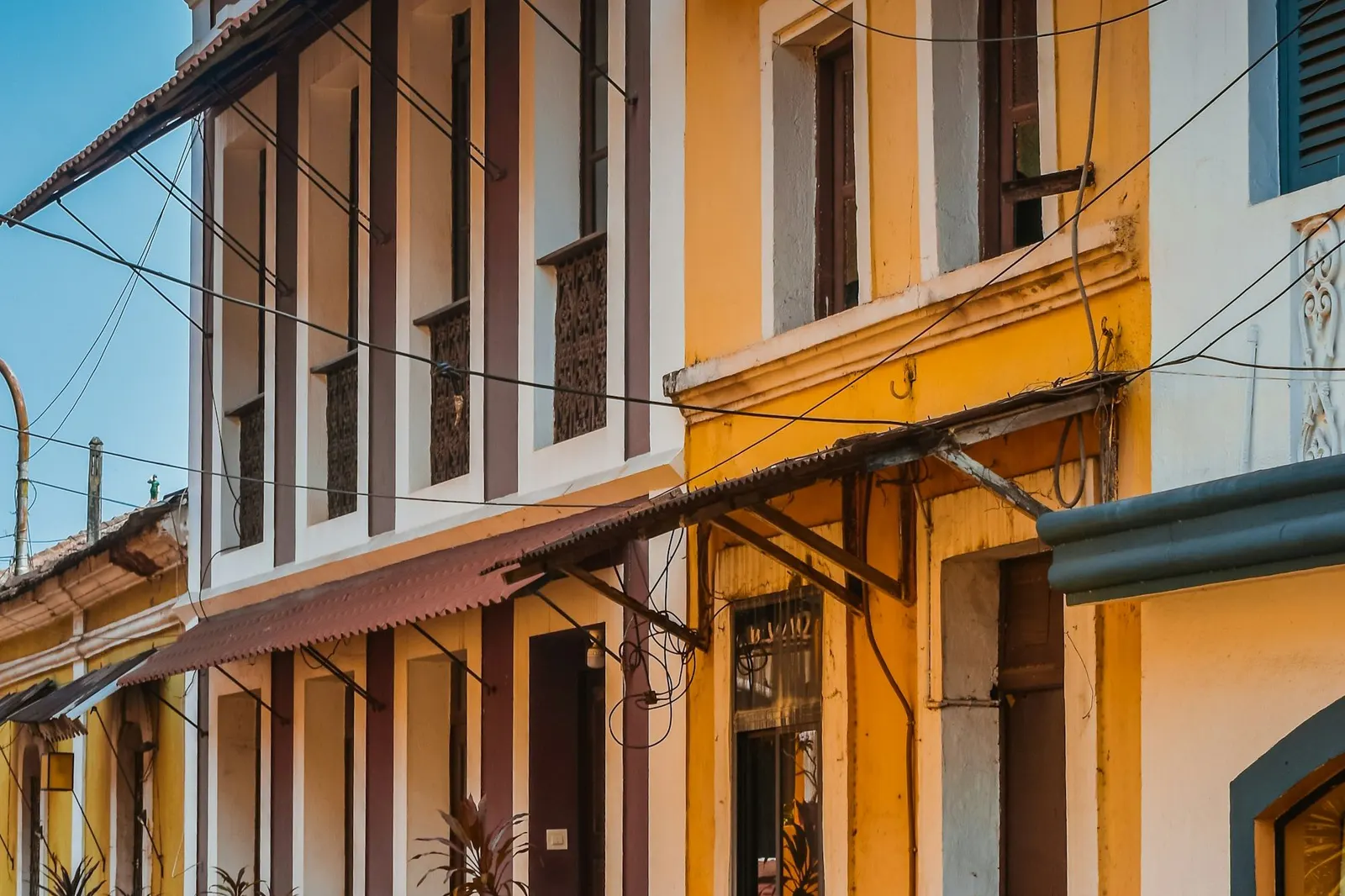
Panjim is a small capital, and its homes reflect a long and layered history. The city became the capital of Portuguese India in the nineteenth century, and its older quarters still carry that period in their streets. A study of the city's old buildings for the planning department listed several heritage precincts, among them São Tomé, Fontainhas, Mala, Portais, Altinho, Campal and Ribandar. In these areas many houses are two storeys, plastered and painted in strong colours, with tall windows, timber shutters and small balconies over the street.
Most people in Panjim, though, live in flats. Apartment buildings from the last few decades fill much of the city, from the slopes of Altinho to the residential streets around Campal and Miramar, and out towards Caranzalem and Taleigão. These homes are practical, often compact, and usually governed by a housing society. Windows tend to be aluminium or uPVC sliders, sometimes with a grille outside, and the room behind them is rarely as deep as a Portuguese-era room. Balconies are often enclosed or half-enclosed, and many families use them as a study, a drying space or an extra sitting area, which brings its own questions about sun, rain and privacy.
The two kinds of home need very different thinking. An old house on a Fontainhas lane has proportions worth respecting, walls that do not take a fixing kindly, and shutters that were designed to do much of the work of a curtain. A third-floor flat near the river has none of those constraints, but it has others: shallow reveals, a single wall for a track, and neighbours a few metres away across the street. Between these two sit the independent houses of the last century, many of them in Miramar and Altinho, with verandas, mosaic floors and larger windows that sit somewhere between the old and the new.
Planning work in Panjim?
We measure on site and bring samples to see in your own light — so the choice is made in the room, not from a photo.
Panjim is one of the IMD's main observing stations in Goa, so its figures describe the city's homes closely. From June to September morning humidity here averages between 88 and 91 per cent, and even in the afternoon it rarely falls below the low eighties. The monsoon's normal onset at Panjim is 5 June and its normal withdrawal 14 October. For any fabric in a closed room, that is a long season, and curtains in Panjim flats that stay shut through the rains are the ones that come to us spotted with mildew.
Rain arrives on a west and south-west wind, and the flats that face the river or the sea at Miramar take it against the glass. In the dry months the same windows take strong low sun in the late afternoon, which fades cotton and silk and heats rooms that have little shade outside. Buildings on the higher ground of Altinho often have wide views and, with them, long hours of direct light. In those rooms we tend to line curtains, or pair a sheer with a blind, so that the fabric facing the glass takes the sun and the face fabric keeps its colour for longer.
Inside the old quarters the conditions are different again. Narrow streets and neighbouring houses shade the lower floors, so light is softer but privacy is harder. Old lime-plastered walls breathe, which helps with damp, but they can hold moisture near the floor during the rains. Curtains that pool on the floor in these rooms pick up that damp first, so we usually finish them just clear of it. We look at each of these things on the first visit before suggesting a fabric or a lining, and we will say so if we think a window is better left as it is.
Our workshop is in Benaulim, in South Goa, so we come to Panjim by appointment and group visits so that a single trip covers measuring and samples for several homes. On the first visit we measure every window, check the wall or ceiling for fixings, and bring fabric, lining and blind samples to hold up against your own light. In flats we also ask about the society's rules, because some buildings restrict what can be fixed to external walls or fitted into balcony openings.
Everything is made to measure in our own workshop. When it is ready we return to fit it, usually in a single day for a flat. In heritage houses we take more care over fixings: we look for timber lintels or sound plaster, and where the wall is fragile we would rather fix to the ceiling or use a freestanding solution than risk damaging original plaster. We also make sure that tracks and poles sit clear of internal shutters, so that the shutters can still be closed in a storm. If a heritage house is being restored, we are happy to work alongside the architect or contractor on timing.
Many Panjim homes belong to families who split their time between Goa and elsewhere, or to owners who let a flat to tenants. We are used to working with a relative, a tenant or a property manager who holds the keys. After the work is done we remain available for adjustments, and we offer monsoon take-downs for curtains that are better stored or cleaned through the wettest months.
In flats, the most common request is for bedrooms that are genuinely dark, because street lighting and neighbouring buildings are close. That usually means blackout linings or blackout roller blinds, fitted so that light does not creep round the edges. Living rooms want the opposite: sheers or light linen that give privacy by day without losing the view of the river or the hill. Kitchens and study rooms often suit Roman or roller blinds, and insect screens are popular for windows that need to stay open in the evening.
In older houses, owners usually want to dress tall windows without hiding them. We often suggest simple, unlined or lightly lined curtains hung high and wide, on poles that keep the shutters free to swing. Where oyster-shell panes survive, we generally recommend leaving them uncovered and treating privacy some other way, because the panes exist to soften the light and a curtain over them defeats the point. For the upper rooms of houses that face the street, a fine sheer or a café-height panel can give privacy while leaving the top of the window open to the sky.
Upholstery is a steady part of our work here too. Sofas and chairs that have spent a few monsoons in a humid flat often need new covers, new foam or a fabric that resists mildew better. We can reupholster existing furniture or make new pieces to measure, and make rugs to suit the room. In flats where space is tight, a made-to-measure sofa that fits an awkward wall exactly is often worth more than a larger standard one. We can also advise on performance fabrics for homes with children or pets, and on natural fabrics that will age well in a humid city.
What we make in Panjim
The homes we work in here
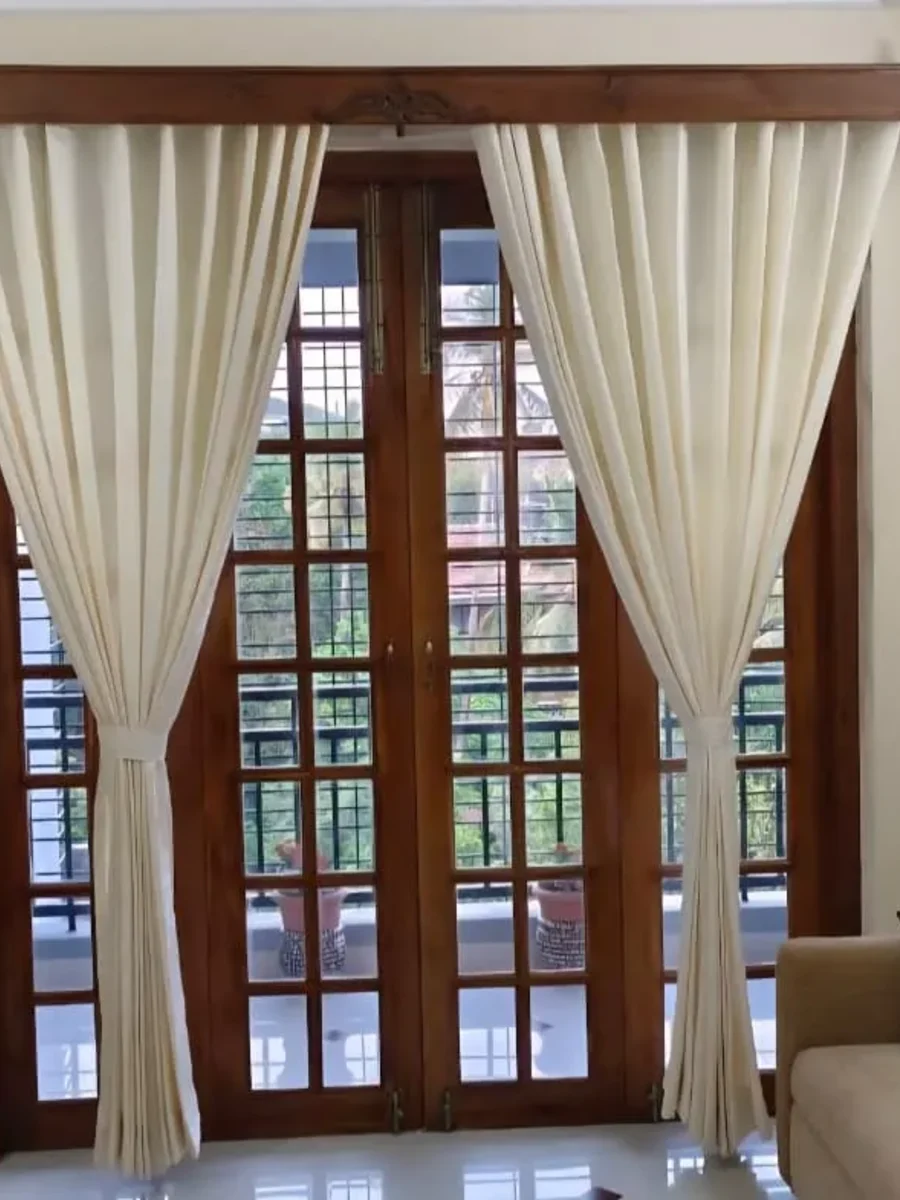
Deep reveals, tall shuttered openings and oyster-shell windows that modern curtain advice gets wrong.
Read the guide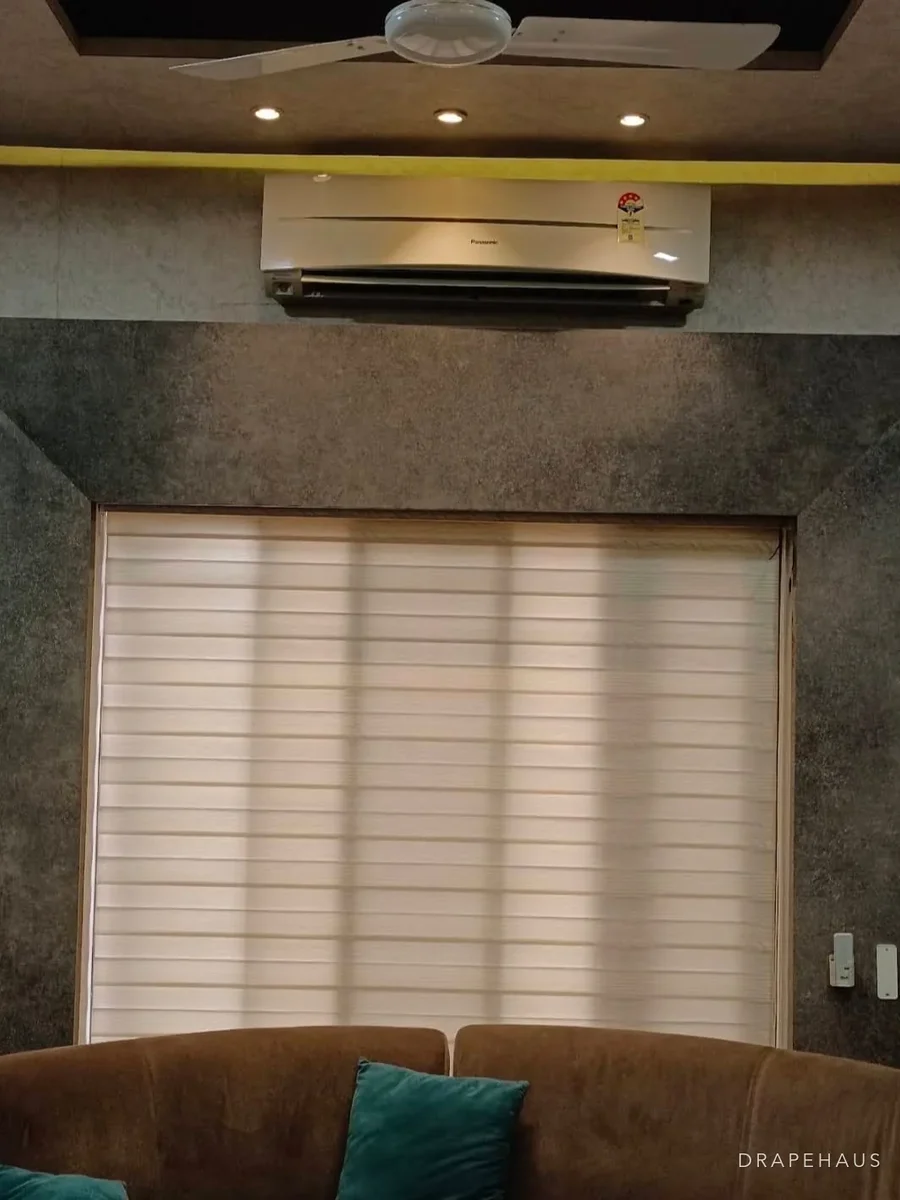
Society rules, concrete you cannot always drill, and standard openings that still are not standard.
Read the guide
Let unfurnished or short-term, maintained remotely, and specified for tenants rather than owners.
Read the guideFrom the Journal
All articlesFAQ
Yes. We work throughout Panjim, including Fontainhas, Altinho, Campal, Miramar and the residential areas towards Caranzalem and Taleigão. Our workshop is in Benaulim, in South Goa, so Panjim visits are by appointment and we usually group them with other visits in the north. We measure, bring samples to your home, make everything ourselves and come back to fit it.
Usually, yes. We look for sound places to fix, such as timber lintels, solid plaster or the ceiling, and we avoid drilling into fragile lime plaster where we can. We also position poles and tracks so that internal shutters still close. Where a window has original oyster-shell panes, we will normally suggest leaving it uncovered.
Most of what we fit goes inside the window: curtains on tracks or poles, roller and Roman blinds within the reveal, and insect screens on the inner frame. We will ask about your society's rules on the first visit and design within them. If you are unsure what is allowed, we can talk to the society office with you.
Keep air moving, open curtains on dry days even in the monsoon, and avoid heavy fabrics pressed against cold, wet glass. We choose linings and fabrics that dry quickly and do not hold moisture. For homes left closed through the rains, we offer monsoon take-down, cleaning and rehanging after October.
Yes. Many Panjim flats are let, or owned by families living outside Goa. We can arrange visits with a tenant, relative or manager, agree choices with the owner by photographs and calls, and send pictures once the work is fitted.
Nearby