 Drapehaus
Drapehaus
Preparing the room
Drapehaus
Preparing the room
South Goa · Second homes
Varca is quieter and more residential, with a good number of houses that sit empty for months at a time. Most of what we do here is shaped by that — specifying for a building nobody is airing rather than one in daily use.
What we see in Varca
Homes in Varca — tap a heading to read
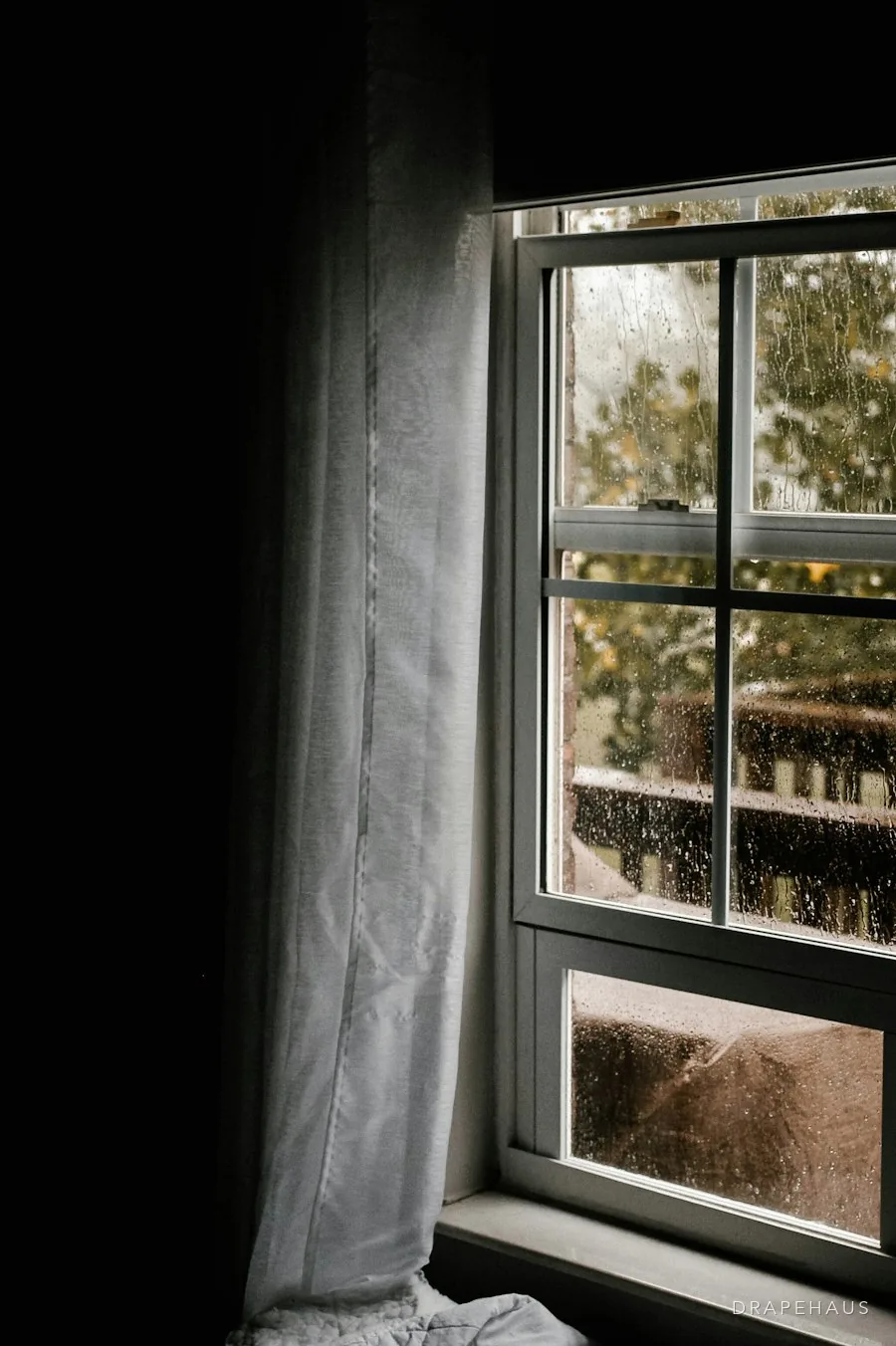
Varca sits just south of Benaulim, and it feels quieter and more spread out. Old village houses and chapels stand among paddy fields and coconut groves, while newer villas and gated developments have been built on the larger plots between the village and the beach. Resort properties line parts of the coast, but most of the village itself is residential, and at night the loudest thing is often the sea. It is the kind of place people choose because it is calm, and they want a home that feels the same.
A good number of those newer homes are second homes. Their owners live elsewhere in India or abroad and come for a few weeks at a time, often around Christmas. For the rest of the year the house is looked after by a caretaker, or simply locked. That single fact shapes almost every decision we make about the furnishings, from the fabric we recommend to the fixings we choose and the routine we set up for the months when the family is away.
A house in daily use is aired, cleaned and noticed. A house that stands closed for months is not. Fabric sits in still, humid air, metal fittings go unused, and small problems grow unseen until the owner walks in and finds mildew on the curtains or a blind that will not move. Specifying for Varca means specifying for the months when nobody is watching, as much as for the weeks when the family is home and every room is full. It is a different way of thinking about a house, and it saves owners a great deal of trouble.
Planning work in Varca?
We measure on site and bring samples to see in your own light — so the choice is made in the room, not from a photo.
Plots in Varca tend to be larger than in the older villages, so the houses are wider and the openings bigger: sliding doors onto verandas, tall windows in double-height living rooms, long runs of glass facing a garden or pool. Those openings bring in a lot of light and a lot of heat. In west-facing rooms the late afternoon sun is strong enough to fade fabric and furniture within a couple of seasons, and the glare makes the room hard to use at exactly the time of day people want to sit in it.
Closer to the beach, salt is a steady presence on glass and hardware. Further inland it gives way to plain humidity, which is Goa's larger problem. South Goa averages about 3,394 mm of rain a year, and through the monsoon morning humidity stays between 87 and 91 per cent. In a closed house with no airflow, that is ideal weather for mildew. Mattresses, upholstery and curtains in unused bedrooms tend to suffer first, because nobody opens those doors until the family returns. Wardrobes and cupboards close to external walls need airing too, and we point out where fabric is stored against a damp surface.
The answer is partly material and partly routine. Synthetic and blended fabrics that do not hold moisture, linings that breathe, hardware in aluminium or stainless steel, and a clear plan for what comes down before the monsoon and what stays up. Where something must stay up, we leave it drawn back from walls and glass so air can move around it. A caretaker who opens a few windows on dry days makes a real difference, and we are glad to explain to them what to look for.
Varca is a short drive from our workshop in Benaulim, so visits are easy to arrange. When the owner is abroad, we usually begin with a video call to understand the house and the brief, then meet the caretaker on site to measure. We photograph samples against the actual windows in daylight and in the evening, and send them over so choices can be made from a distance. A written quote follows room by room, so it is clear what each room involves. Owners are welcome to join the fitting visit by video if they would like to see the rooms as the work goes in.
Once the order is agreed, everything is made at our workshop and fitted by our own team. We work to the caretaker's hours and the access they can give, protect floors and furniture, and leave the house as we found it. When the work is done, we send photographs of every room and a short note of what was fitted where, which helps when something needs replacing later and saves the owner from explaining the house to a stranger all over again. If the caretaker changes, the record stays with you.
Many Varca owners hand us the seasonal cycle as well. In late May we take down curtains that should not hang through the monsoon, clean them and store them properly, with airflow rather than in sealed plastic. In October, once the rains have withdrawn and the house has aired, we rehang them, check motors and tracks, and report anything that needs attention before the owners arrive for the season. The house is then ready when the family is, not a week after.
The first request is usually a full-house specification for a new or newly bought villa: curtains and blinds for every room, sheers for living spaces, blackout for bedrooms and insect screens throughout. Owners often want the whole thing designed as one scheme, so the house reads as a single piece rather than room by room. Rugs, sofas and a feature wallpaper often join the brief, and we plan them together so colours and textures work across the open-plan spaces that are common in newer Varca homes. Consistency across rooms also makes later replacements simple.
The second is shading for large glazing. Motorised blinds and curtain tracks make sense on tall windows nobody can reach, and in a house that is closed for months, a timer can open and close them to keep some light and air moving. We choose motors and batteries that cope with humidity and power cuts, and we service them each season. For glass facing the garden or pool, a light-filtering blind that keeps the view while cutting the glare is often the most useful single change.
The third is care for what already exists: re-upholstering sofas and dining chairs that have suffered a few monsoons, replacing curtains that faded in a west-facing room, or fitting screens where insects have been getting in. For families who live in Varca year-round, we do the everyday work too, from a single room to a new flat. Whether the house is lived in daily or opened twice a year, we specify for the conditions it will actually face. We also advise honestly when something is better left as it is.
What we make in Varca
From the Journal
All articlesFAQ
Yes. Varca is next to Benaulim, where our workshop is, so it is one of the easiest places for us to work. We visit to measure and show samples, make everything at our workshop and fit it ourselves. For owners who live elsewhere, we work with the caretaker and send photographs at every stage.
In a closed house, fabric hanging against walls and glass is likely to mildew by September. We usually recommend taking curtains down in late May, cleaning and drying them, and storing them with airflow. Blinds and sheers in sheltered rooms can often stay. We can do the whole cycle, including rehanging in October after the house has been aired.
Yes, most of our Varca work is done that way. We agree the brief with you by phone or video, meet the caretaker to measure, and send photographs of samples held against your windows. On fitting day, the caretaker only needs to open the house. You receive pictures of each finished room and a note of what was fitted.
They can be. On tall or hard-to-reach windows they are often the only practical option, and a simple timer can open and close them to let some air and light in while you are away. We specify motors and batteries suited to humid conditions and power cuts, and check them when we visit each season.
For rooms near the beach or with large west-facing glass, solution-dyed synthetics and good blends hold their colour and resist mildew far better than pure linen or silk. In sheltered, well-aired rooms, natural fabrics can work. We bring samples of both and explain which rooms suit which, rather than applying one rule across the house.
Nearby