 Drapehaus
Drapehaus
Preparing the room
Drapehaus
Preparing the room
North Goa · Sea-view homes on the headland
Dona Paula is a rocky headland just south-west of Panjim, where the Mandovi and Zuari meet the Arabian Sea. Once a fishing village, it is now one of Goa's most sought-after residential areas, with sea-facing apartments and houses set among institutions such as the National Institute of Oceanography. We visit by appointment from our workshop in Benaulim.
What we see in Dona Paula
Homes in Dona Paula — tap a heading to read
Dona Paula sits on a headland at the mouth of Goa's two great rivers. From its high ground you can see the Mandovi and the Zuari running out into the Arabian Sea, and the homes here are built to make the most of that view. The area was once a small fishing village; today it is one of the most sought-after addresses in Goa, close to Panjim but with a very different feel. The National Institute of Oceanography and the International Centre Goa are here, and Goa University lies on the plateau just behind.
Most of the homes we visit in Dona Paula are apartments, many of them in low- and mid-rise buildings with large balconies and wide sliding doors towards the water. There are also independent houses and villas on the slopes, some from the last century and some much more recent, often with terraces, big picture windows and gardens that run towards the rocks. A few older family homes remain in the lanes, with smaller windows and deeper verandas that deal with the weather in the traditional way.
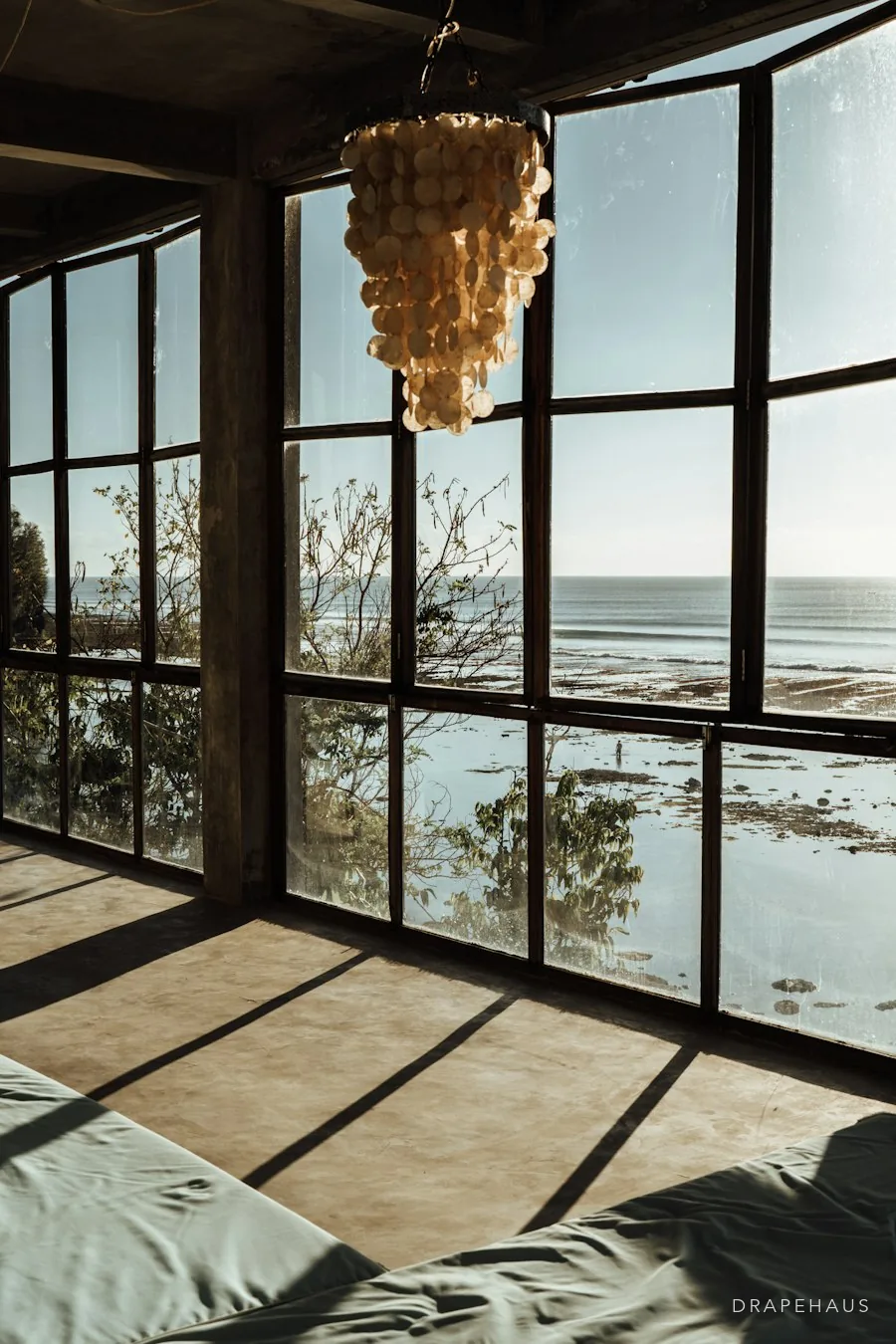
What these homes share is exposure. Very few Dona Paula properties are sheltered by neighbouring buildings or trees in the way that a village house in Bardez might be. Rooms often have windows on two or three sides, and the view is the reason people live here. That makes the choice of curtains and blinds more delicate than usual: whatever we fit has to manage heat, glare, wind and salt, and still leave the sea as the thing you notice first when you walk into the room.
Planning work in Dona Paula?
We measure on site and bring samples to see in your own light — so the choice is made in the room, not from a photo.
The headland faces the open sea, and in the monsoon it takes the weather head on. At Panjim the monsoon wind comes mainly from the west and south-west, off the water, and on Dona Paula's exposed slopes that means rain driven hard against west-facing glass for days at a time. From June to September morning humidity at Panjim sits between 88 and 91 per cent. In sea-facing flats, curtains left drawn against wet glass through July and August are the ones most likely to mark or grow mildew.
Salt is the other constant. Close to the shore, salt carried on the wind settles on every surface, and it attacks ordinary steel tracks, brackets and screws surprisingly quickly. We use corrosion-resistant hardware for homes like these, and we pay attention to small parts such as runners, gliders and blind chains, which are usually the first to fail. Fabric suffers too: salt draws moisture into the weave, so curtains near the sea stay damp for longer and benefit from regular washing. We choose fabrics that tolerate that washing without shrinking or losing their shape.
In the dry months the problem turns to light. Sun reflected off the water is harsh, and a west-facing living room in Dona Paula can be almost unusable in the late afternoon between November and May. Sheers alone rarely cope. We often pair a sheer or light linen with a solar-screen roller blind that cuts glare and heat while keeping the view, or use a lined curtain that can be drawn when the sun is lowest and opened again at dusk. Fabric colour matters too, since pale fabrics reflect more of the heat back through the glass.
Our workshop is in Benaulim, in South Goa, and we visit Dona Paula by appointment, usually on the same trip as other homes in and around Panjim. On the first visit we measure every opening and look carefully at how each room faces the sea, because the same fabric can behave very differently on the north and west sides of a single flat. We bring fabric, lining and blind samples to hold against your windows in your own light, which matters a great deal where the light comes off the water.
Everything is made to measure in our workshop and fitted by our own team. For large sliding doors we use tracks sized for the weight and width of the curtain, and fix them securely enough to cope with the gusts that come through an open balcony door. In apartment buildings we check the society's rules on balcony fittings before suggesting outdoor blinds or screens. Where motorisation makes sense, for high or very wide windows, we plan the wiring with you or your electrician before installation. Motorised blinds are also useful where a room is left closed for long periods, because they can be set to lower in the afternoon.
A number of Dona Paula homes belong to owners who live elsewhere for part of the year. We are used to working with caretakers, family members and building managers, agreeing choices by photographs and calls, and sending pictures once the work is done. After installation we come back for adjustments, and we offer monsoon take-downs for homes that stand closed through the rains, so that curtains are cleaned, dried and stored rather than left against the glass. We can then return in October to rehang everything before you arrive.
The most frequent request is for a living room that works at every hour: open to the sea in the morning, shaded against glare in the afternoon and private in the evening when the lights are on. That usually means layers, such as a sheer with a blind behind it, or a sheer with a lined curtain, on a track that lets each layer be drawn on its own. People are often surprised how much a well-chosen solar-screen blind keeps of the view while taking the heat out of the room.
Bedrooms usually need proper blackout, because early light off the water is bright and many homes have no shade outside. We make blackout curtains and blinds that are fitted to stop light creeping round the edges. For balconies and terraces, many owners ask for outdoor fabrics on cushions and daybeds, chosen to dry quickly and resist fading, and for insect screens that let the doors stay open on still evenings after the rains. Guest rooms in larger houses are another common request, usually with a simpler, hard-wearing specification than the main rooms.
Upholstery and rugs complete most projects here. Sofas in sea-facing rooms take a lot of sun, so we steer people towards fabrics with good light-fastness and away from delicate silks and dark cottons that fade within a season or two. We make sofas to measure, reupholster existing pieces and make rugs to suit the room, and we will always tell you which choices we think will last in a home this close to the sea. Sometimes that means a less delicate fabric than the one you first liked, in a colour that still suits the room.
What we make in Dona Paula
The homes we work in here
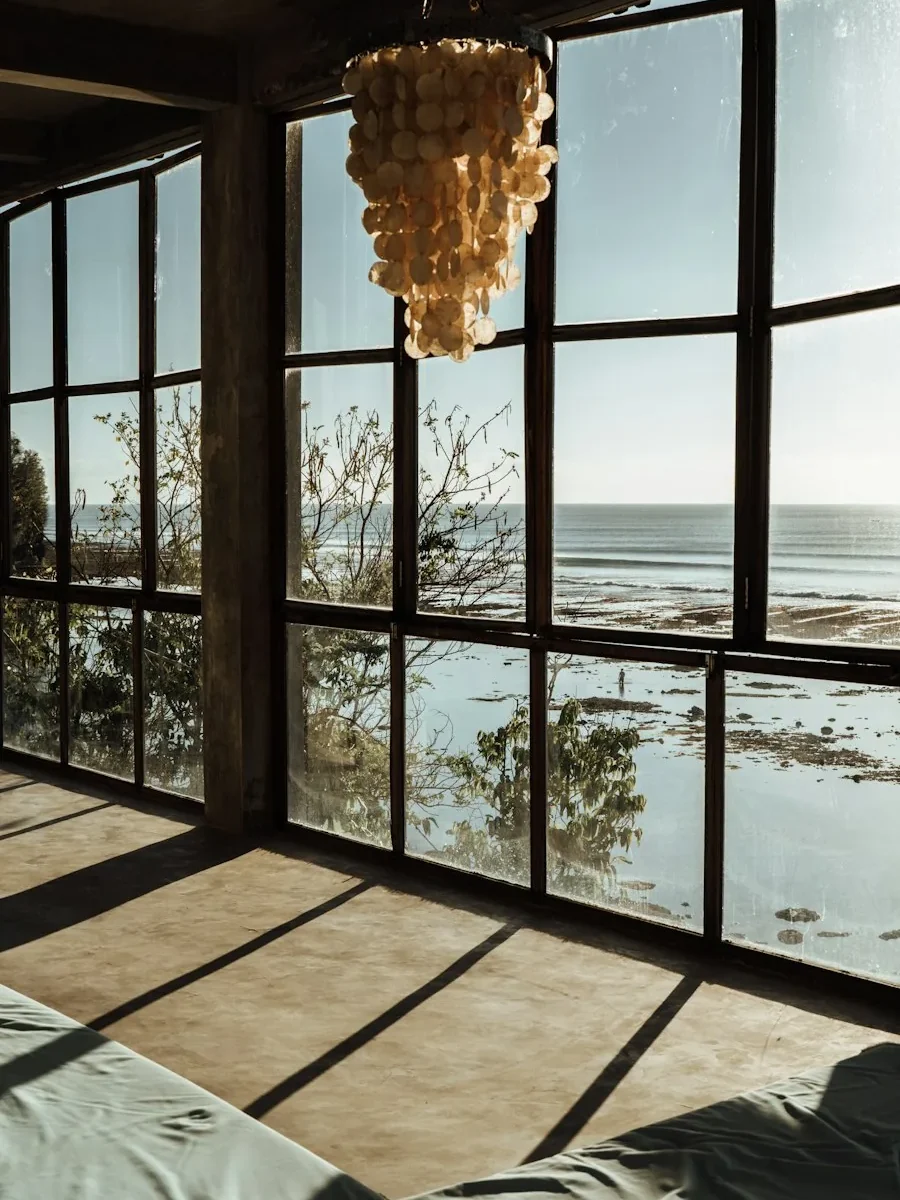
The best view and the worst conditions in the same room, usually with a terrace attached.
Read the guide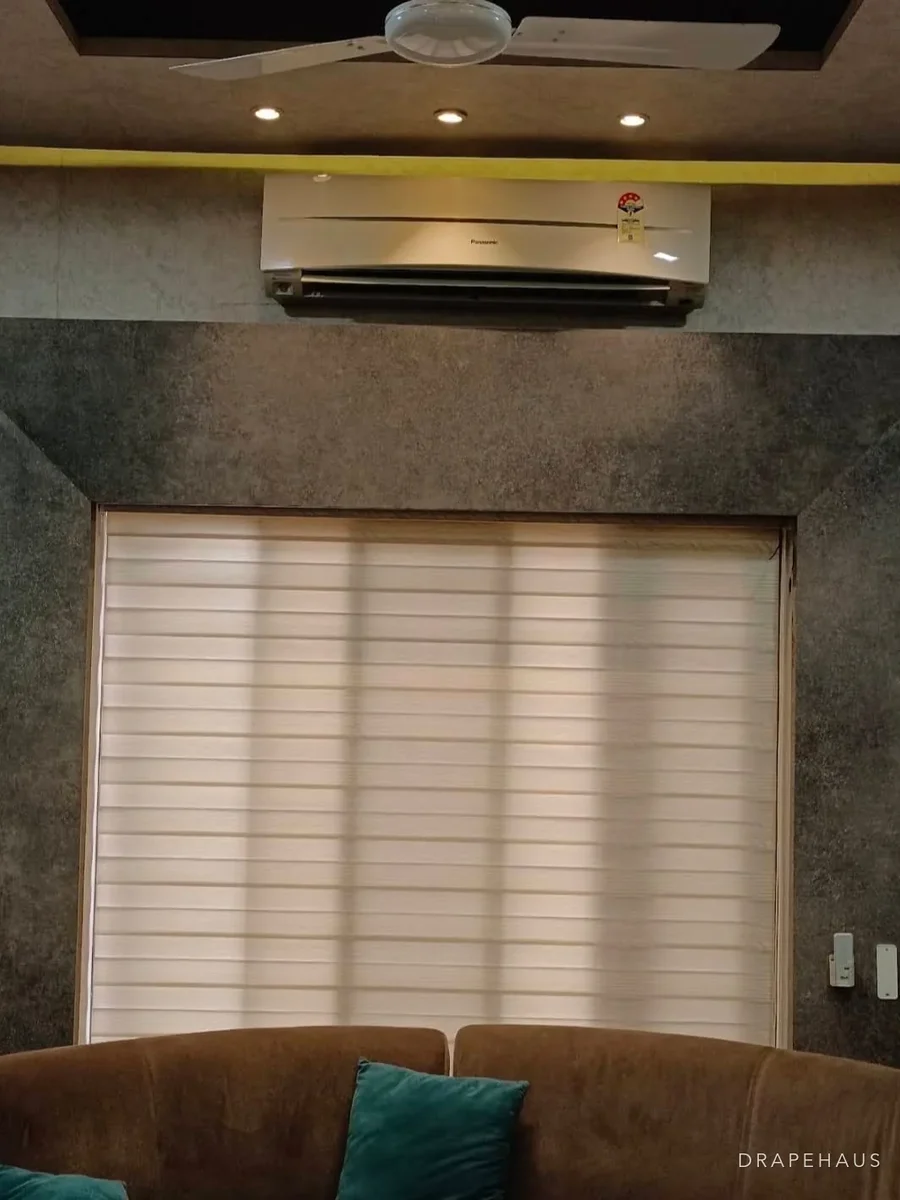
Society rules, concrete you cannot always drill, and standard openings that still are not standard.
Read the guide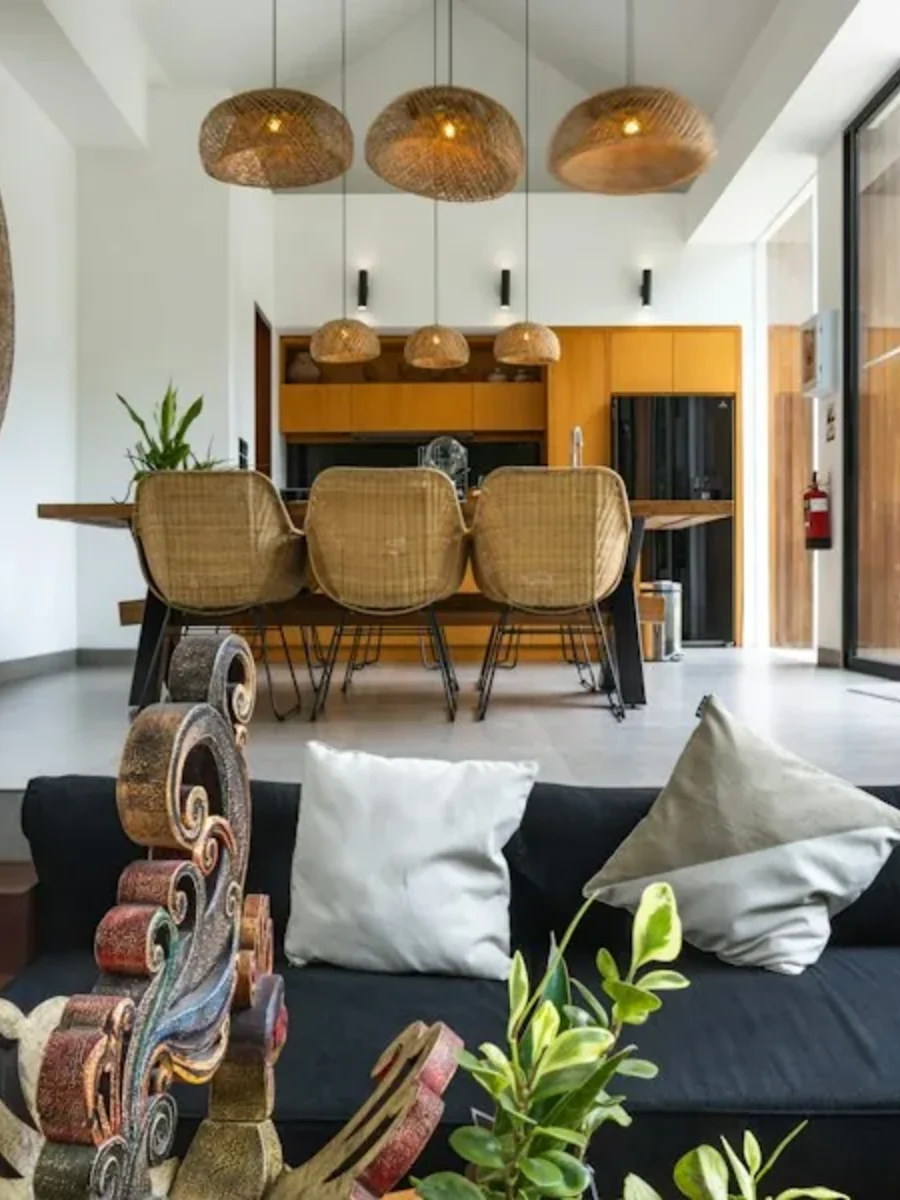
Double-height glazing, salt on every surface and months of the year with nobody home.
Read the guideFrom the Journal
All articlesFAQ
Yes. We work throughout Dona Paula and the neighbouring areas around Panjim. Our workshop is in Benaulim, in South Goa, so visits here are by appointment and we usually group them with other homes nearby. We measure, bring samples to your home, make everything in our own workshop and fit it with our own team.
Near the sea we use corrosion-resistant hardware rather than ordinary steel, and we pay attention to small parts such as runners, gliders and screws, which usually fail first. Regular wiping with fresh water helps any metal last longer. We will suggest specific hardware after seeing how exposed each window is.
Usually, yes. A solar-screen roller blind lets you see out while cutting much of the glare and heat, and it can be paired with a sheer or a curtain for the evening. The right openness depends on how the room faces the water, so we bring samples and try them at your windows.
Avoid leaving them drawn against wet glass for weeks, and keep air moving where you can. If the flat will be closed through the rains, we can take the curtains down, clean and store them, and rehang them after the monsoon withdraws in October.
Yes. We regularly arrange visits through caretakers, building managers or family members, agree choices with owners by photographs and calls, and send pictures of the finished work. We can also check the society's rules on balcony fittings on your behalf.