 Drapehaus
Drapehaus
Preparing the room
Drapehaus
Preparing the room
South Goa · 9 areas
South Goa is home ground for us. Our workshop is in Benaulim, and from there we work in family homes in Margao, guesthouses in Colva, second homes in Varca, villas in Cavelossim and Majorda, flats in Vasco and beach properties down to Canacona.
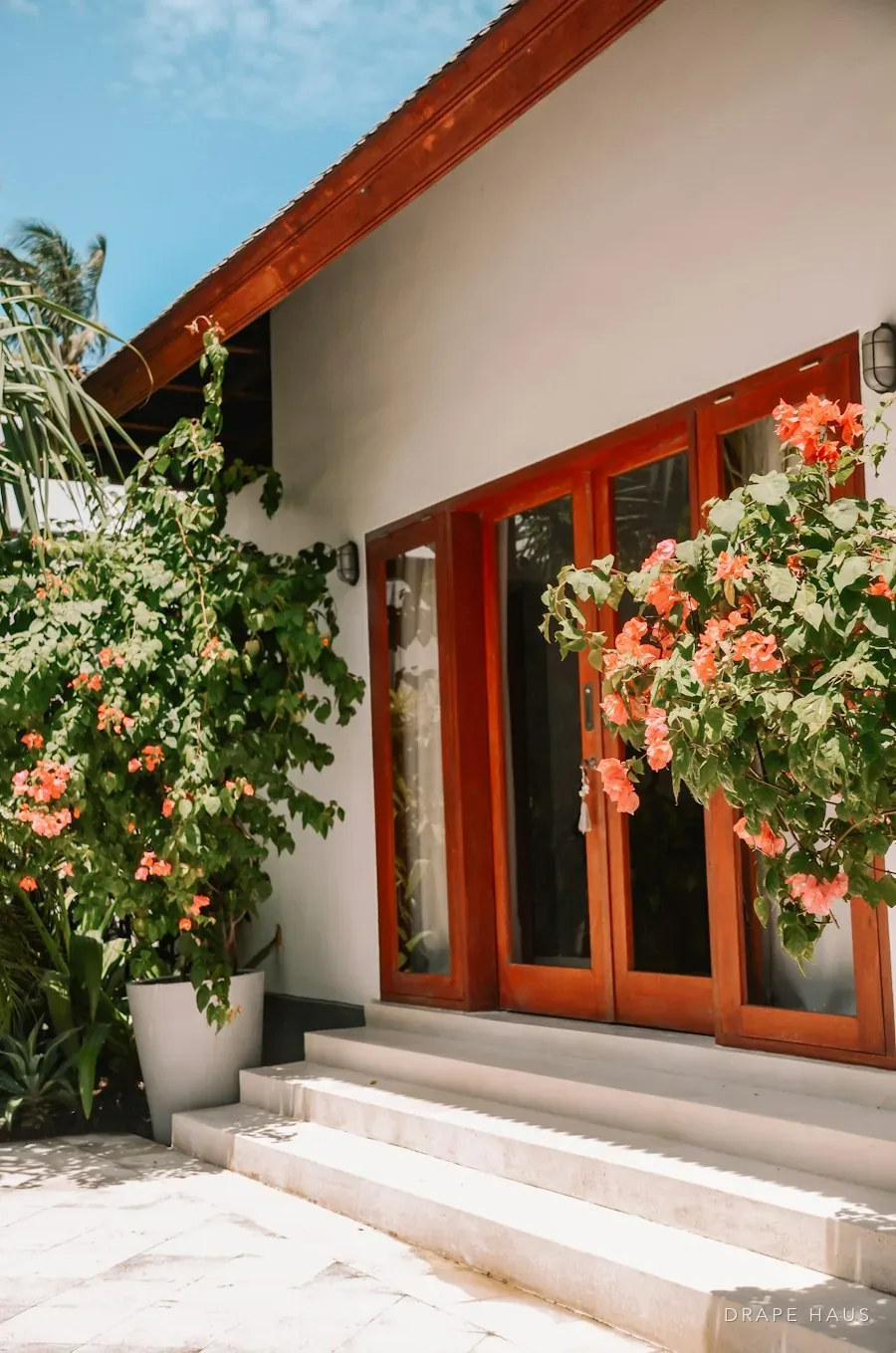
What we see in South Goa
Across South Goa
Our home village
Explore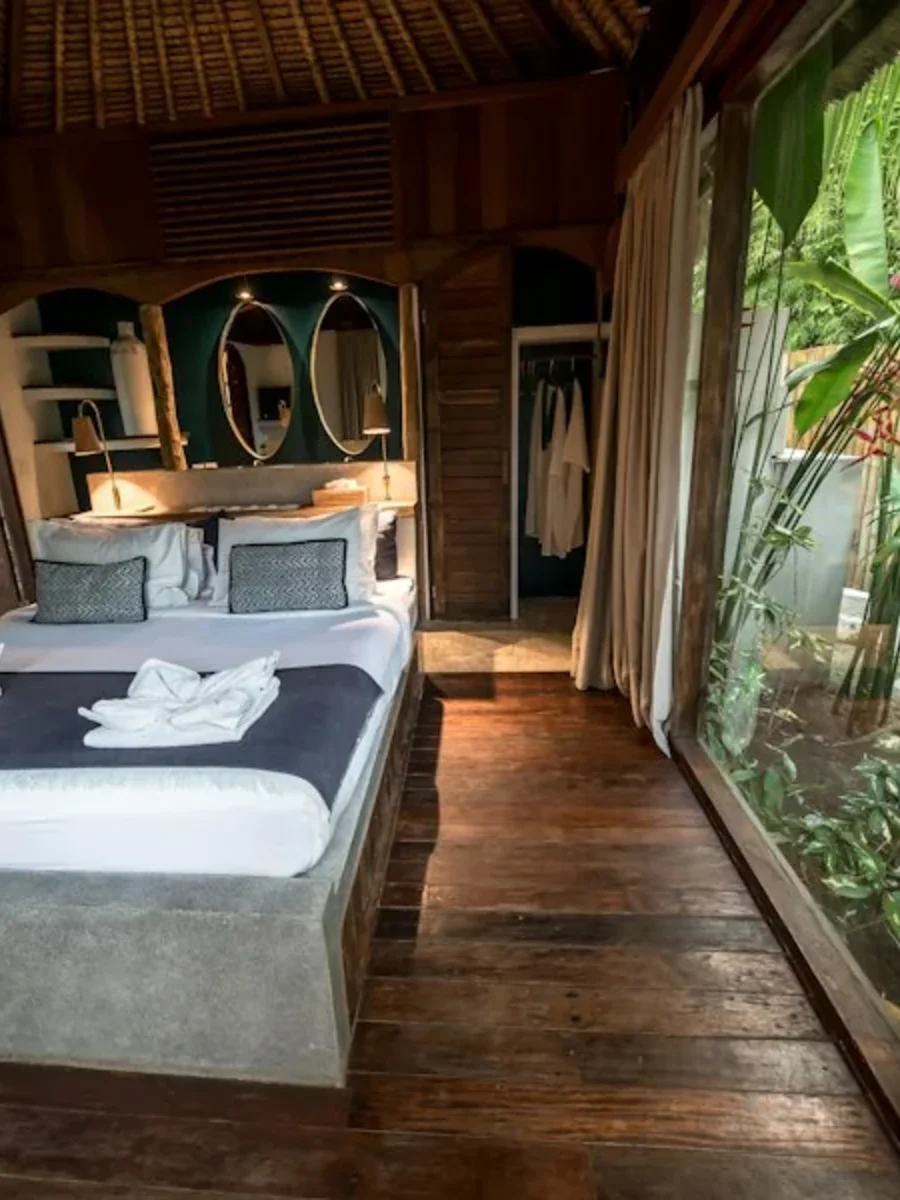
Guesthouses and lets
Explore
Second homes
Explore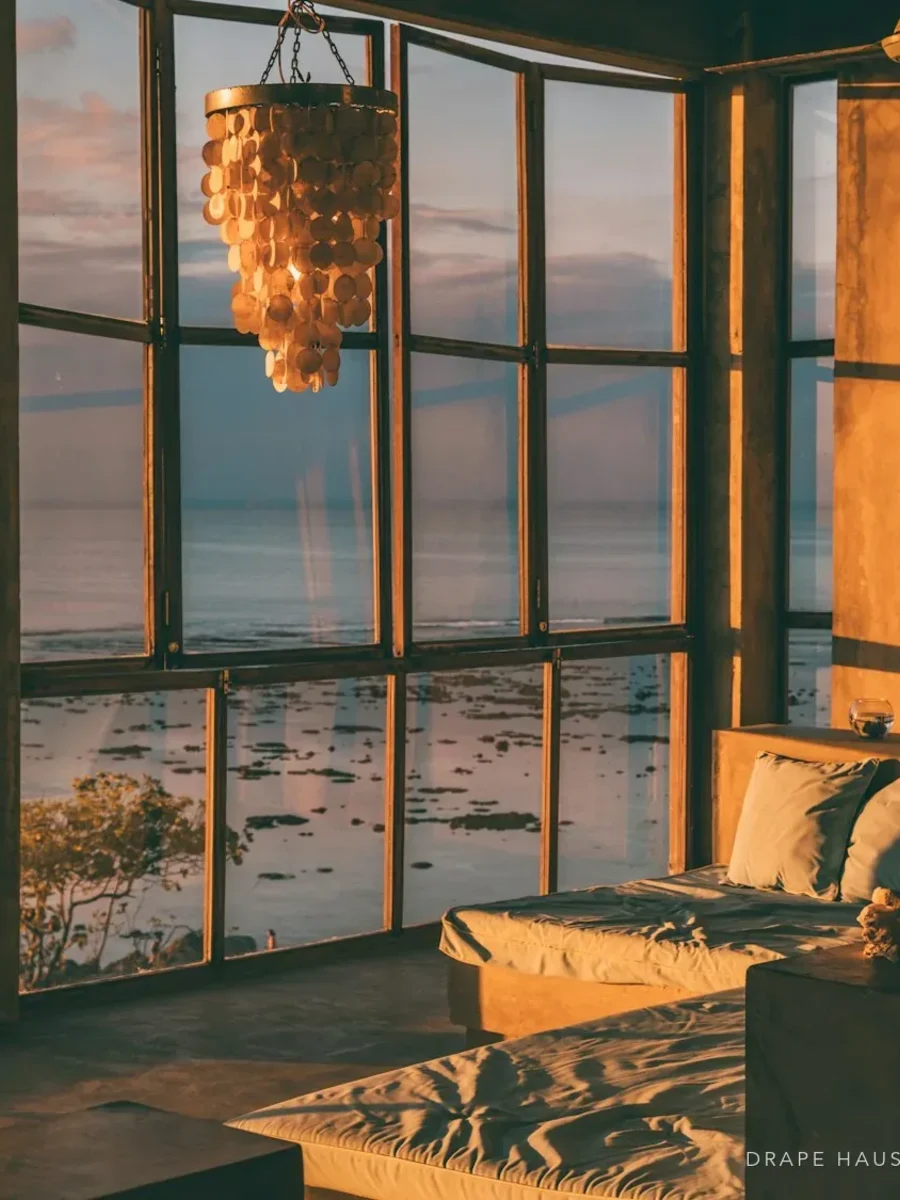
Villas and resorts
Explore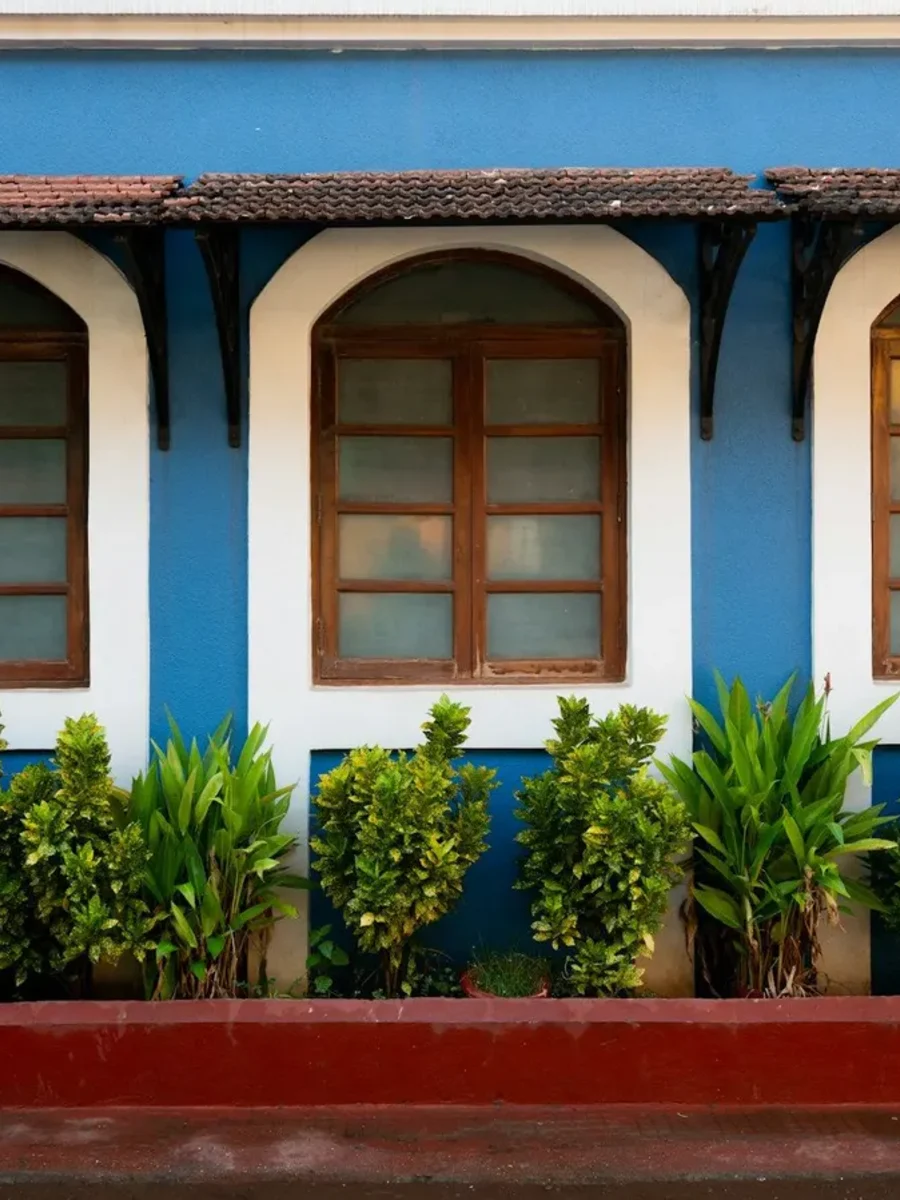
Heritage houses and flats
Explore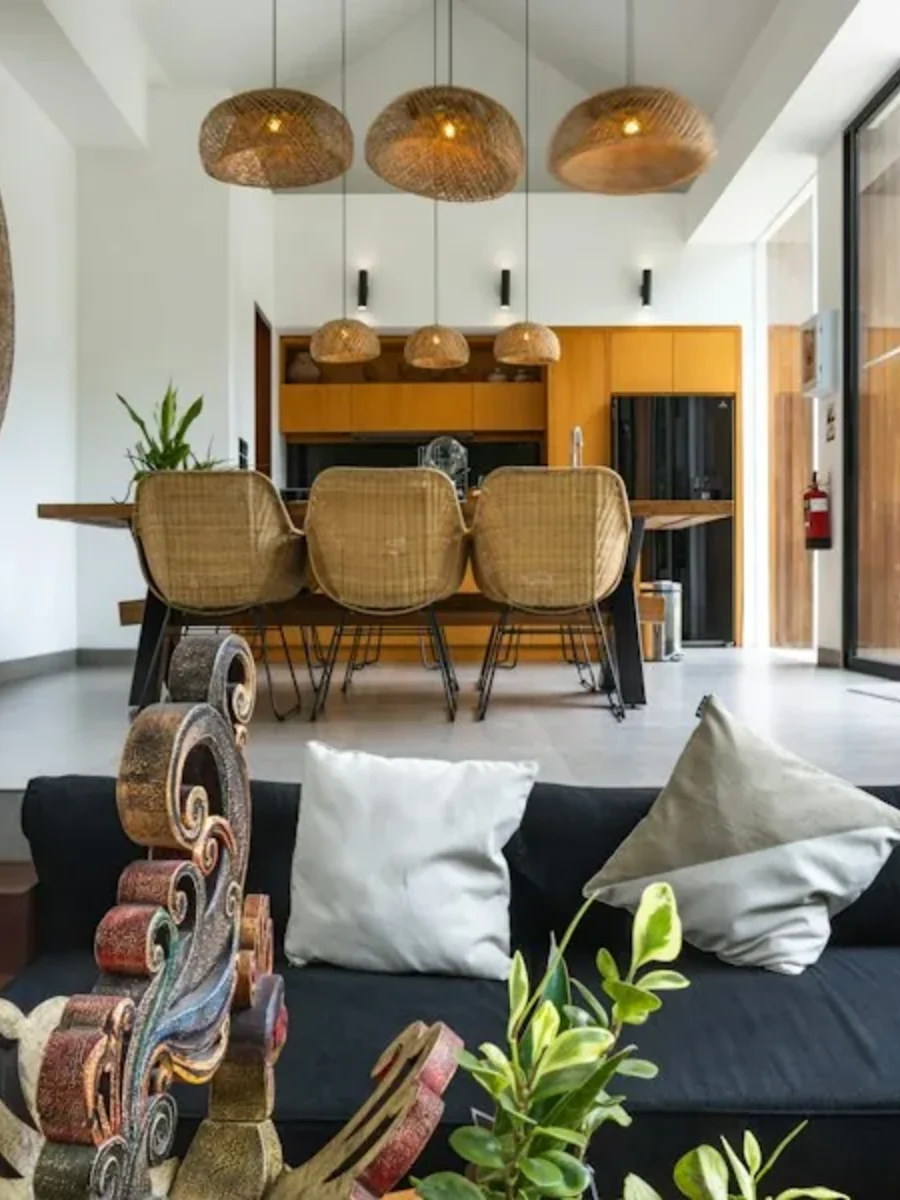
Villas by the beach
Explore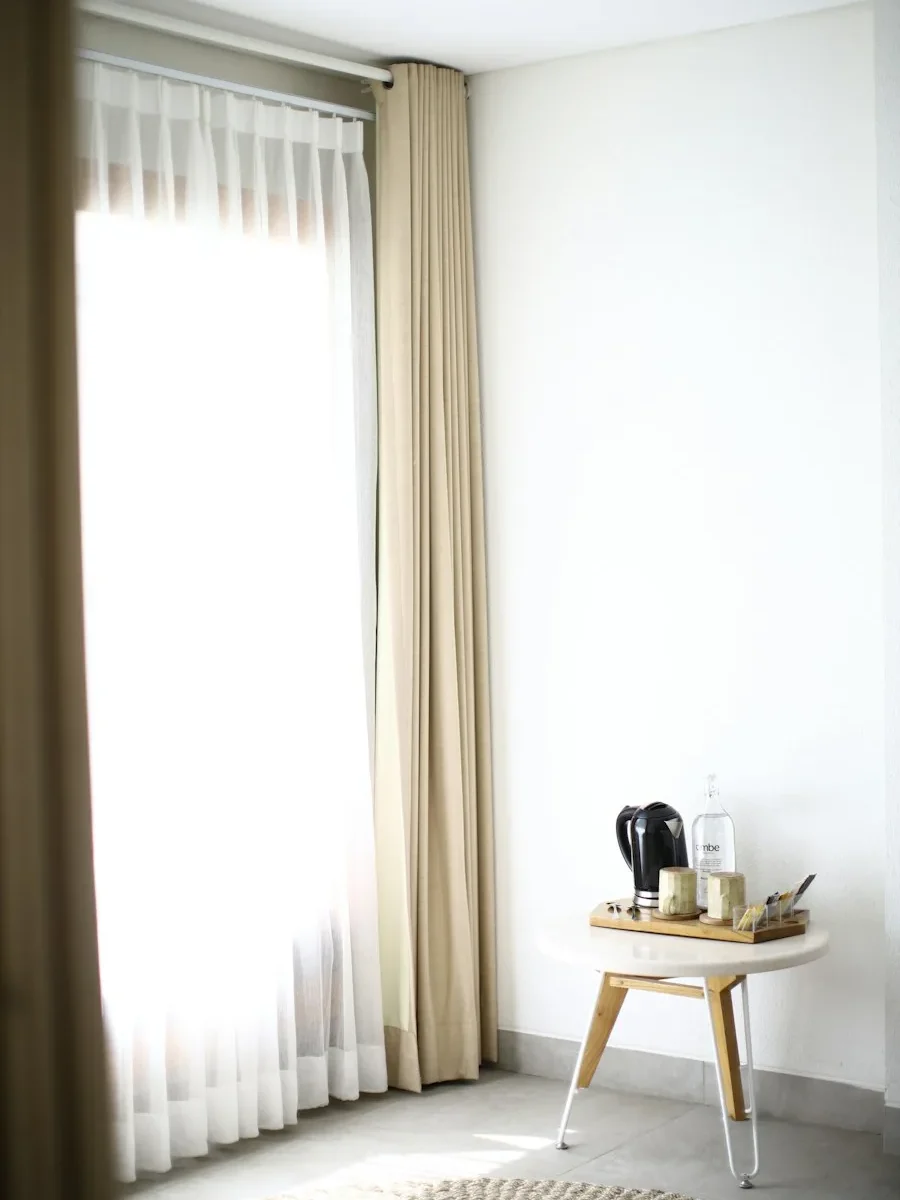
Port-town apartments
Explore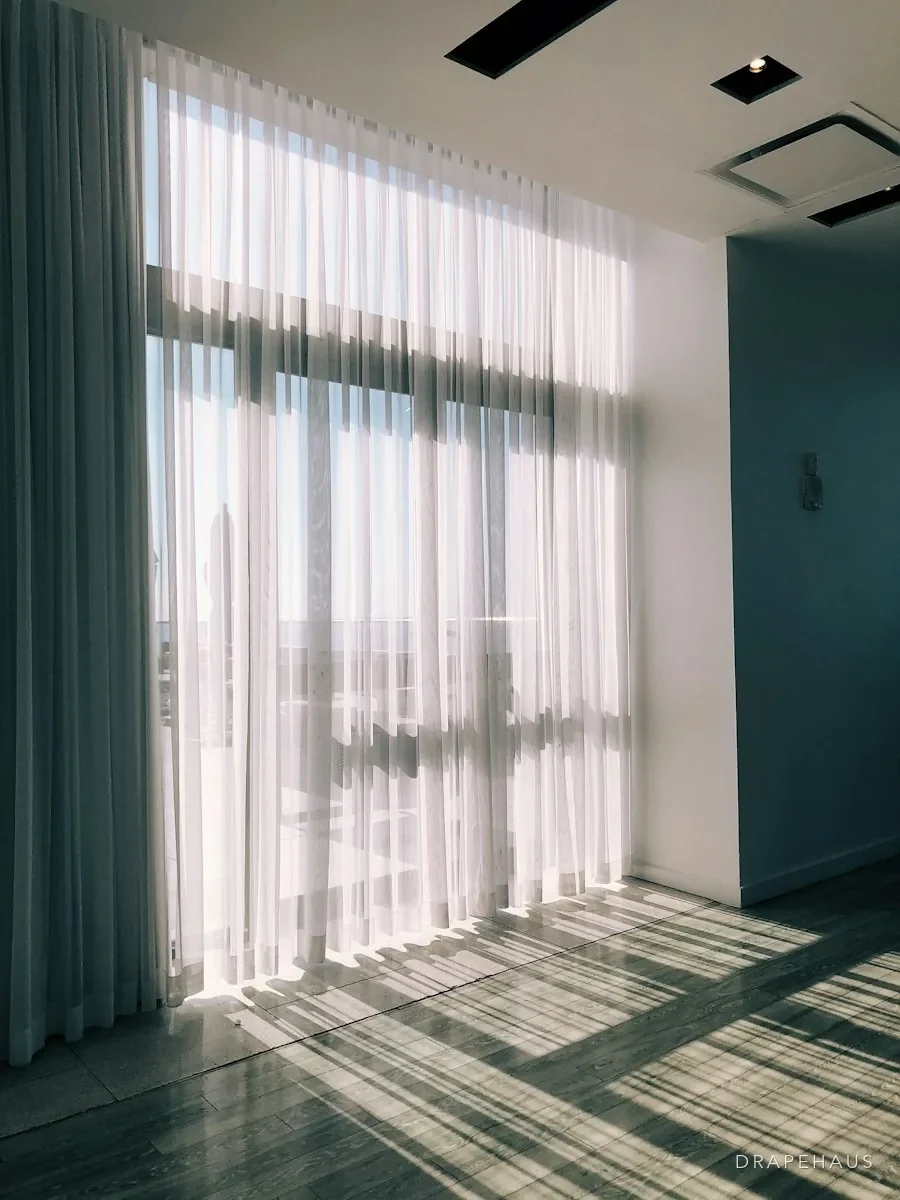
Homestays and beach villages
Explore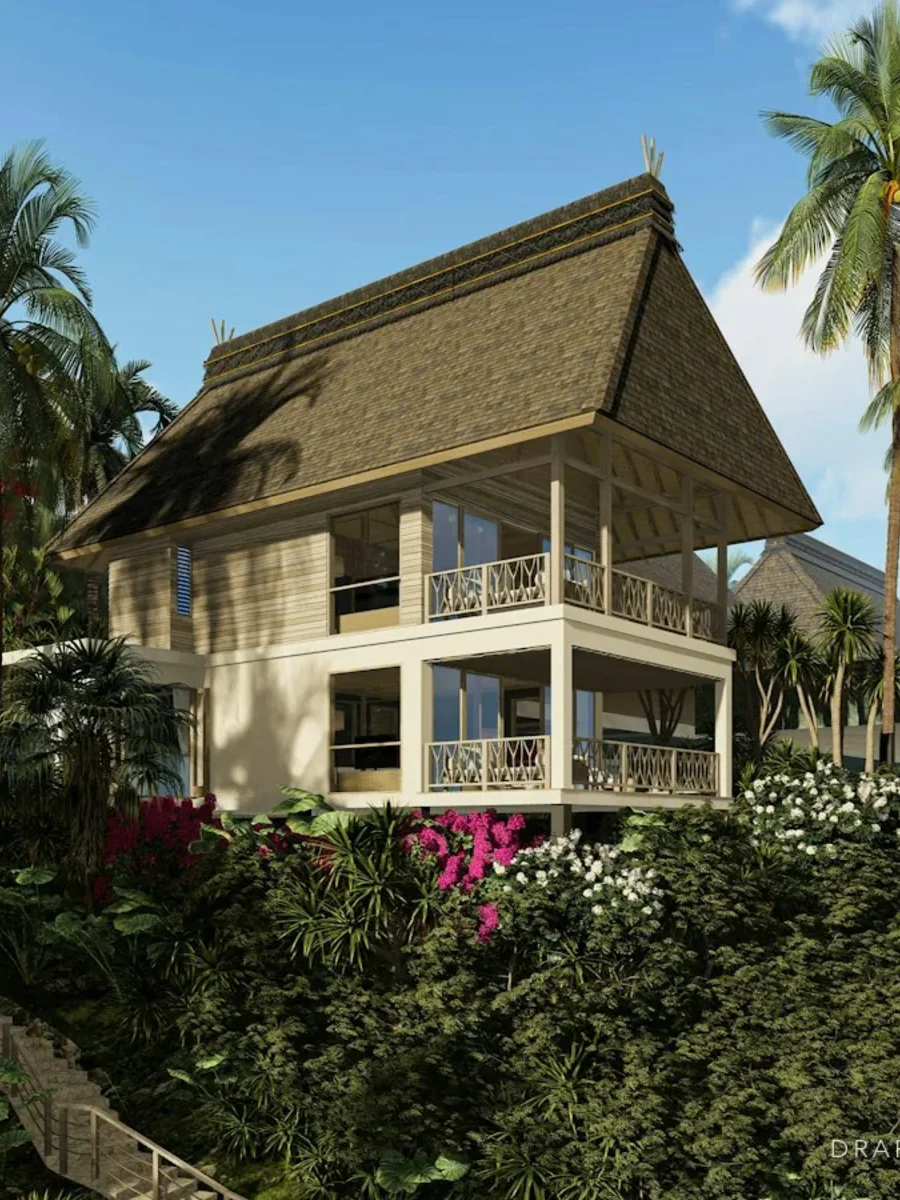
Inland family and plantation homes
ExploreHomes in South Goa — tap a heading to read
South Goa holds a wider range of homes than its quiet reputation suggests. In the villages of Salcete, around Chandor, Loutolim and Benaulim, stand some of Goa's grandest Portuguese-era houses, with long facades, high ceilings, timber shutters and a balcão at the front. Around them are the everyday village houses, single-storey and red-tiled, many still lived in by the families that built them. Between the two sit a great many modest family homes, extended a room or a floor at a time as families grew, each with its own mix of old and new windows.
Along the coast, from Majorda down through Colva, Benaulim, Varca and Cavelossim, the older villages have been joined by villas, holiday homes, guesthouses and villa complexes, many of them let for part of the year. Further south, in Canacona, the hills come down to the sea and the beach villages of Palolem, Patnem and Agonda run on seasonal tourism and homestays. On this stretch of coast, a large share of the houses we see are working buildings as well as homes, with guests, tenants or caretakers in them for much of the year.
Then there are the towns. Margao, the district headquarters, mixes heritage houses in its old quarters with apartment blocks in growing suburbs such as Fatorda and Aquem. Vasco da Gama, the port town at the tip of the Mormugao peninsula, is mostly flats and town houses. For many South Goan families, home is an apartment with a balcony, not a villa with a pool, and it deserves the same care. A good part of our work in the south is exactly that: a complete set of curtains, blinds and screens for a family flat.
Planning work in South Goa?
We measure on site and bring samples to see in your own light — so the choice is made in the room, not from a photo.
North Goa's coastal belt is busier, and a larger part of its villa market is recent construction in the villages behind the beaches. South Goa has changed too, but generally at a slower pace. The villages are more spread out, the beaches quieter, and a larger share of homes are old family houses or second homes rather than new builds. The difference is not absolute, since there are new villas in Majorda and Cavelossim and heritage houses in the north, but it shapes the balance of what we are asked to do in each region.
In the south we spend more time in older buildings, where fittings must suit laterite walls, lime plaster and original shutters, and where the right answer is often less fabric, hung more carefully. We also spend a good deal of time on houses that stand closed for months, whose owners live elsewhere in India or abroad and rely on a caretaker. Those two kinds of house ask for patience rather than spectacle: a careful survey, a quiet specification and a plan for the seasons when nobody is home to notice what the damp is doing.
The practical difference is distance. Our workshop is in Benaulim, so most of South Goa is within a short drive. We can measure within days, come back for small adjustments without a fuss, and be on hand before and after the monsoon, when every owner wants the same week. We work across North Goa as well, by appointment, usually grouping visits there into the same trip so the travel is well used. That means a little more notice in the north, and it is why South Goan clients tend to see more of us.
Goa's climate does most of the damage to soft furnishings, and South Goa takes a full share of it. The district averages about 3,394 mm of rain a year, nearly all of it between June and September. The monsoon normally arrives in the first week of June and withdraws in mid-October. Through those months morning humidity sits between 87 and 91 per cent, well above the level at which mould takes hold on fabric, timber and leather. A curtain against a cool wall or a sofa in a closed room is where it shows first.
On the coast, salt is the second problem. It rides the onshore wind, settles on glass and fabric, and holds moisture against every fibre, so curtains near the sea stay faintly damp even on clear days. Ordinary steel hardware can rust within a season near the beach and stain the plaster below it. In the dry months the sun takes over: west-facing rooms along the coast face strong afternoon glare off sand and water, and unprotected fabric and upholstery fade faster than most owners expect.
Inland, in Margao, Chandor or the villages away from the sea, salt matters less and humidity matters more. Houses beside the Sal and Zuari rivers stay damp for much of the year, and old laterite walls hold moisture well after the rains end. Specifying for South Goa means knowing which of these problems a particular house has. We judge it room by room, by orientation, exposure and how the room is used, rather than applying one rule to the whole region or even to a whole house.
Every project begins with a visit. We look at the windows, the walls, the light at different times of day and how each room is used, then measure properly, including the awkward openings people tend to forget. We bring sample books and fabric lengths to your home, so that you can see colours and weights in your own light rather than under shop lighting. You then receive a written, itemised quote, room by room, with the options explained plainly so you can decide at your own pace.
Everything is cut and sewn in our Benaulim workshop and fitted by our own team. We choose fixings for the wall in front of us, whether that is laterite, old lime plaster, brick or concrete, and we protect floors and furniture while we work. When the job is done, we dress the curtains so they hang properly from the first day, test every blind and motor, and show you or your household staff how each one works and how it should be cleaned.
Aftercare matters more in Goa than in most places. We take curtains down before the monsoon, clean and store them, and rehang them in October once houses have aired. We service motors and tracks, repair screens and re-cover furniture that has had a hard season. For owners abroad, we work directly with caretakers and property managers, send photographs at every stage, and keep a record of what was fitted in each room, so that a replacement years later still matches its neighbours.
In heritage houses, the most common request is privacy and softness without harm to the building: sheers and light curtains that clear the shutters, fixings that avoid original timber, and re-upholstery of old family furniture in fabrics that tolerate damp. In village houses, it is usually insect screens, practical curtains that can be washed at home, and furniture that copes with the monsoon. These are quiet jobs, but they make the biggest difference to how a house feels through the year.
In villas and second homes, the work is often a whole-house specification: blackout for bedrooms, sheers and lined curtains for living rooms, motorised blinds for tall glazing, rugs, sofas and wallpaper, planned as a single scheme. For guesthouses and let properties, owners ask for washable fabrics, genuine blackout, insect screens and a record of what is in each room, so replacements match. Many also hand us the monsoon take-down and rehanging, so their property opens on time each season.
In the apartments of Margao and Vasco, families ask for curtains and blinds for a new flat, mesh screens for balcony doors and re-upholstery of the sofa they already love. Whatever the size of the job, we take the same care over it, from the first measurement to the last adjustment. In South Goa we are never far away, and we expect to see our work again, often several monsoons later, so we specify it to last.
What we make in South Goa
The homes we work in here
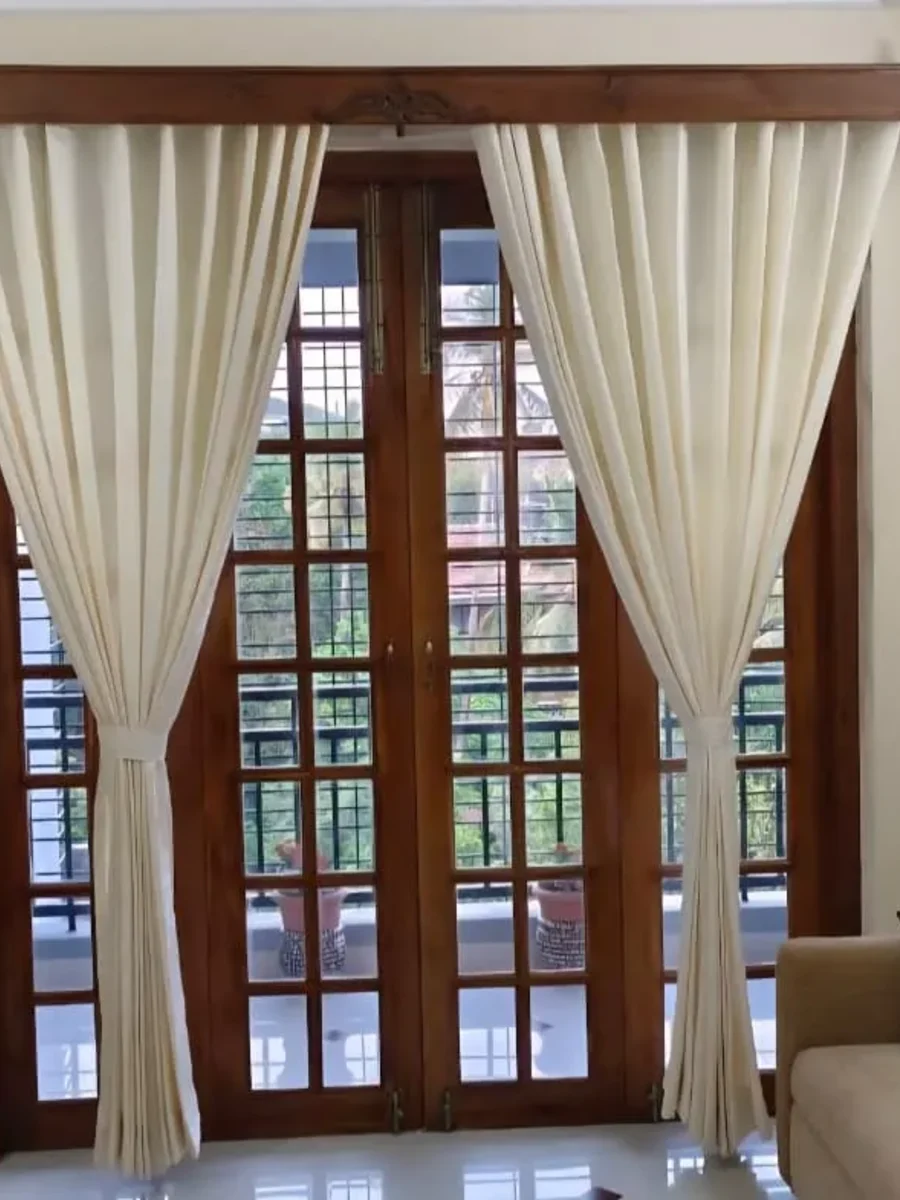
Deep reveals, tall shuttered openings and oyster-shell windows that modern curtain advice gets wrong.
Read the guide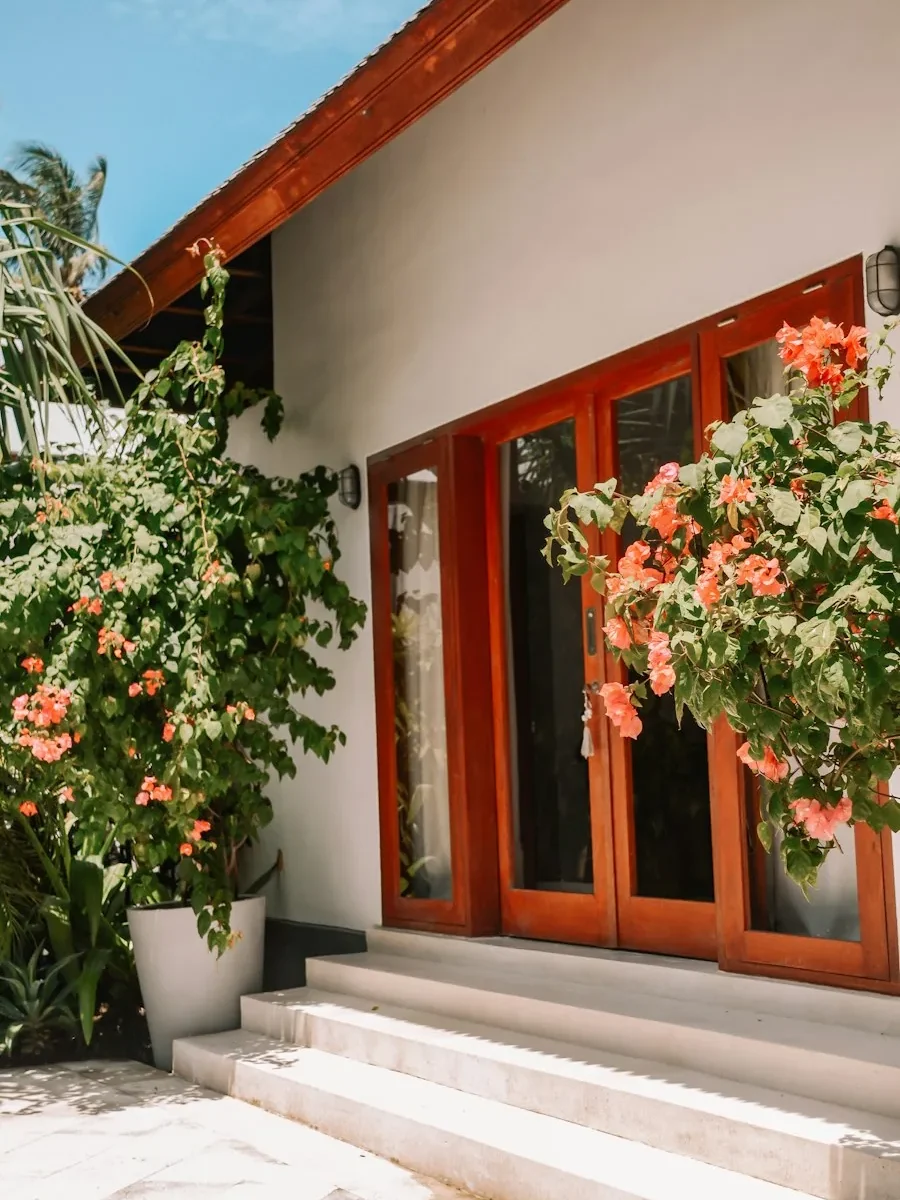
Balcão, small deep windows, thick walls and a way of living that curtains should not fight.
Read the guideDouble-height glazing, salt on every surface and months of the year with nobody home.
Read the guideGuest turnover, genuine blackout and fabric that survives being handled by strangers.
Read the guideFrom the Journal
All articlesFAQ
All of it. Our workshop is in Benaulim, and we regularly work in Margao, Colva, Majorda, Varca, Cavelossim, Vasco da Gama and down to Canacona and Palolem, as well as the inland villages of Salcete. Most of South Goa is within a short drive, so visits are quick to arrange.
Yes, by appointment. North Goa is further from our workshop, so we usually group visits there into the same trip, which means a little more notice than in the south. Once a date is set, the service is the same: a measuring visit with samples, making in our workshop, and fitting by our own team.
Near Benaulim, usually within the same week. For Vasco, Canacona and the further villages, it may take a few days longer so that we can plan the trip properly. Before the tourist season and before the monsoon we are at our busiest, so if you have a deadline, it helps to call a few weeks ahead.
Yes. Many of the houses we look after belong to owners who live elsewhere. We agree the brief by phone or video, measure with the caretaker present, send photographs of samples held against your windows, and share pictures of the finished rooms. We can also manage the monsoon take-down and rehanging each year.
Yes, and we take particular care with them. We study how the shutters and windows work before fixing anything, choose fixings suited to laterite and lime plaster, and avoid drilling into original timber where we can. Often the best result uses less fabric than expected, hung further forward so the house can still breathe.
Every area in South Goa