 Drapehaus
Drapehaus
Preparing the room
Drapehaus
Preparing the room
Rebuilt to Last.
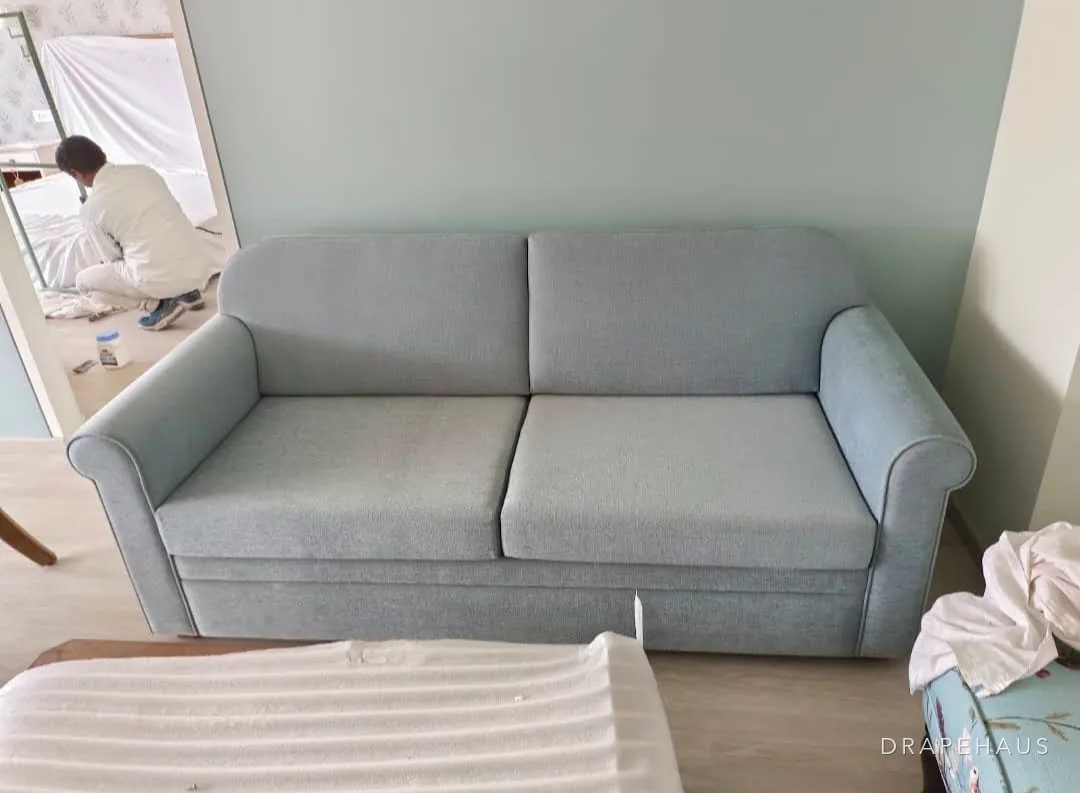
Reupholstering a well-built frame costs less than replacing it and keeps a piece you already love. We strip back, repair the frame and recover by hand — and we will tell you honestly when a frame is not worth saving.
Durability scale (Martindale rubs, BS 2543)
15k
20k
25k
30k
40k
Who uses it
Where it lives
How it is used
Durability to ask for
30,000+ rubs
Severe domestic / general contract
Removable covers
Yes
zipped, washable, and a spare set
Fibres that suit
Avoid: Anything you cannot clean in place, on a piece used every day. Rub count is one number among several — weave, colour-fastness and how a fabric handles humidity matter as much. We bring samples to see in your room.
In short
By the Drapehaus studio · How we write
Is it right for you?
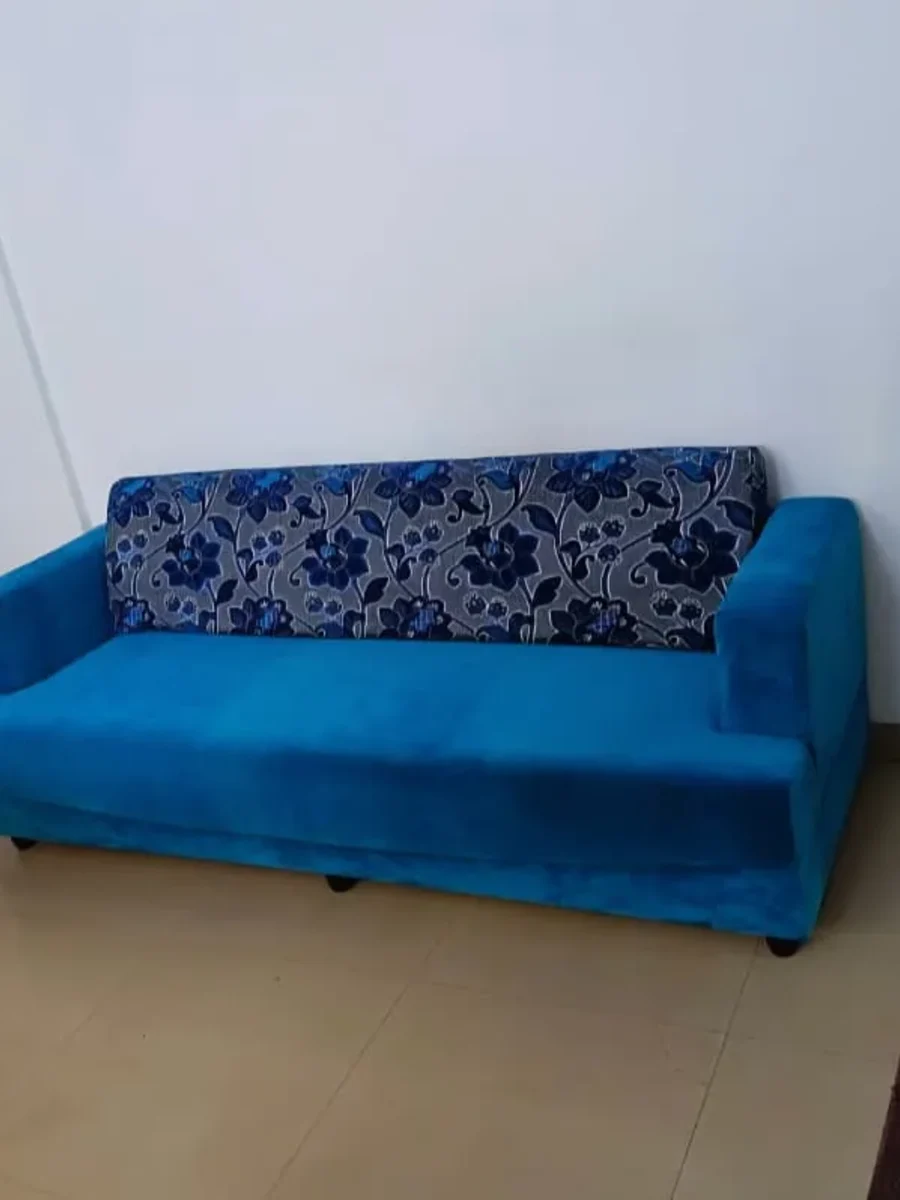
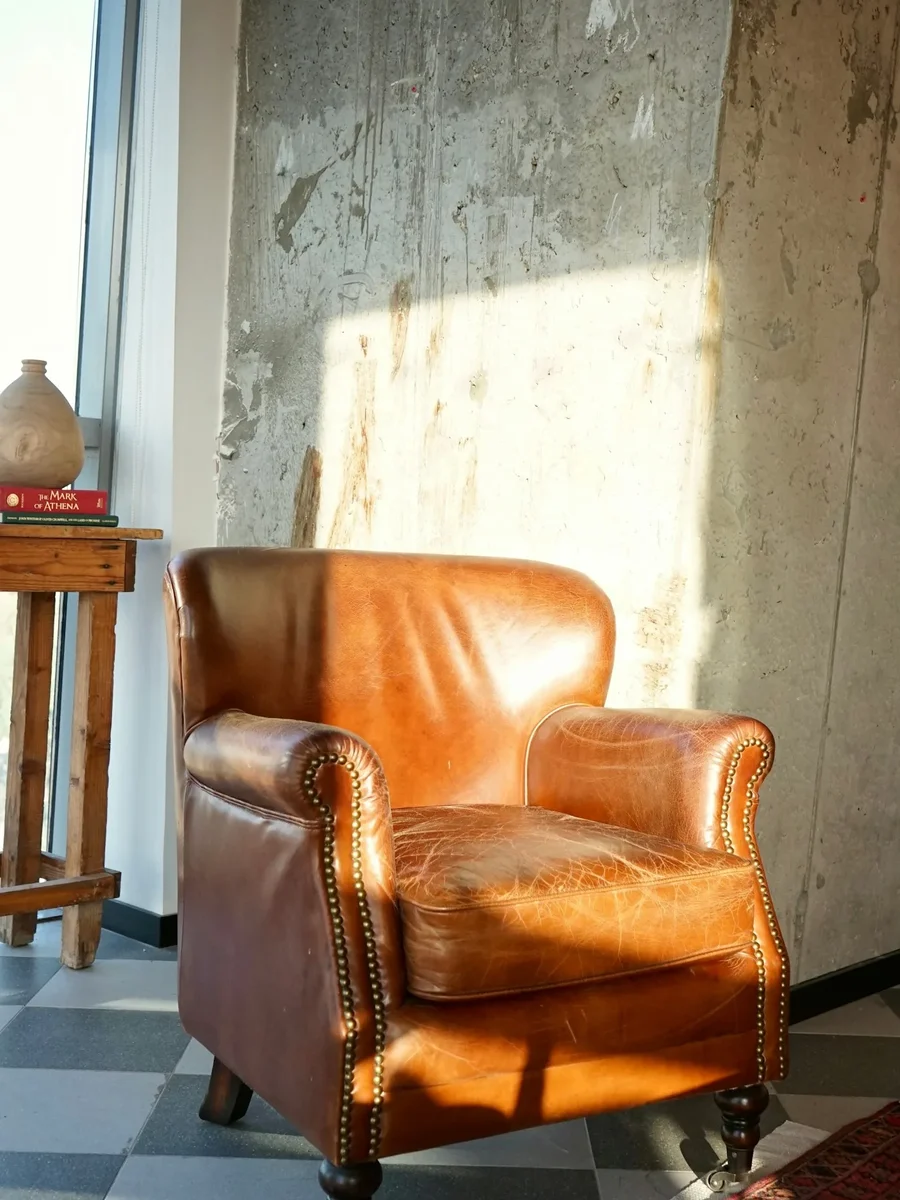
Upholstery covers more than recovering a sofa. It is the whole family of work that puts a soft, shaped surface over a structure: rebuilding an armchair from its frame, making a headboard to fit a particular wall, cutting cushions for a built-in window seat, or making loungers that can sit beside a pool through a Goan summer. Each of these asks different things of the fabric, the filling and the construction, and the first decision is which kind of work a piece actually needs.
This page is the decision guide. It sets out how the five kinds of upholstery work we do differ, where each is the right answer, and how to plan them together so a room reads as one piece of thinking rather than a series of separate purchases. The individual pages go deeper into each one.
Upholstery suits almost anyone with furniture worth keeping, a bed that needs a proper headboard, or seating in an unusual position that nothing off the shelf fits. It is especially useful in older houses, where rooms are rarely standard and inherited furniture carries value no new piece can replace.
It is the wrong answer in a few cases. A mass-produced sofa on a particleboard frame is rarely worth recovering. A piece that will be used for a single season in a rental may not justify the work. And in some damp, closed rooms, the right first step is fixing the room rather than covering anything in new fabric. We say so when that is the case.
Your options
Most projects involve two or three of these at once. A bedroom might need a headboard, a reupholstered chair and cushions; a verandah might need outdoor cushions and a recovered planter's chair that lives just inside the doors. Start with what each piece is for, then match it to the right kind of work.
Swipe for all 5 →
The honest view
You keep what is worth keeping
A sound hardwood frame, carved arms or an inherited chair cannot be bought again. Rebuilding the parts that wear out, the filling and the fabric, keeps the part that does not, and usually leaves it stronger than when it arrived.
Everything fits the room
Made-to-measure work fits the alcove, the window seat, the height of the ceiling and the bed you already own. Older houses with thick walls and irregular rooms benefit most, because standard sizes so rarely suit them.
Fabric chosen for the use
Every cover is specified by rub count, fibre and weave for how the piece will be used, and near the sea for how it copes with salt and humidity. Off-the-shelf furniture rarely tells you any of this.
One set of decisions for the room
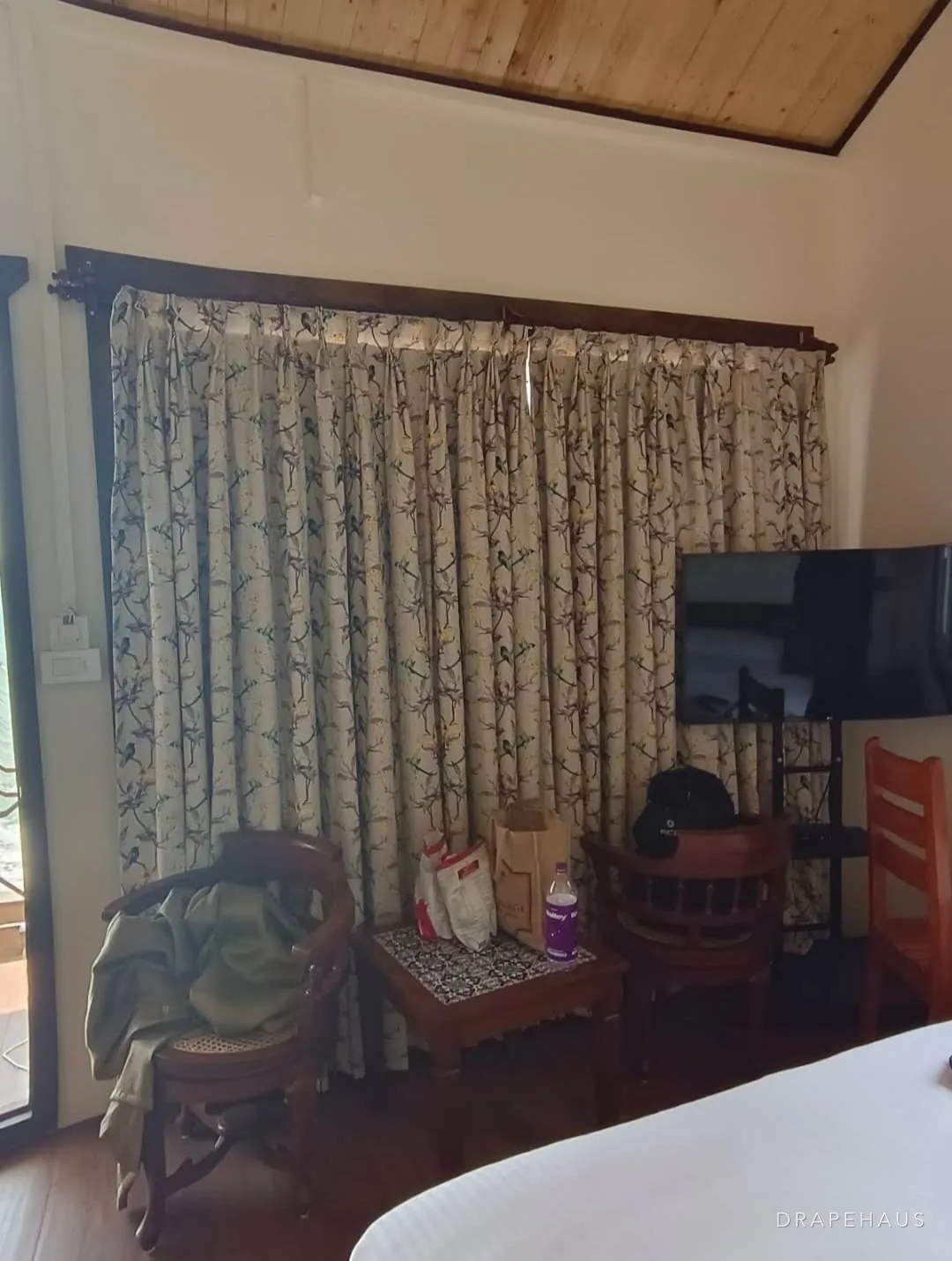
Upholstery, cushions and curtains can be planned together from coordinated fabrics, so colours and patterns relate to each other deliberately instead of being matched after the fact from different sources.
Repairable over time
Traditionally upholstered pieces can be rebuilt again in future. Covers can be replaced, cushions refilled and seats restrung, so the piece keeps its value rather than becoming a disposal problem.
It takes longer than buying
A rebuilt piece leaves the house for a period, and fabric sometimes has to be ordered in. Planning around a season or a guest arrival matters, particularly for rentals and second homes.
Not every piece deserves it
Frames of particleboard, staples-only construction or badly termite-damaged timber rarely justify the labour. We will say so, but it can be disappointing news for a piece bought recently.
Climate still wins if ignored
No fabric or foam survives a closed, unventilated room through a Goan monsoon unaffected. Good specification reduces the risk; it does not replace airflow and a caretaker who opens the house.
Decisions multiply
Fabric, filling, finish, piping, trims and fixings all need choosing. Samples seen in the room help enormously, but the process asks for more of your attention than buying finished furniture.
Side by side
A quick way to see which kind of work suits which situation. The detailed pages explain each in full.
| Reupholstery | Leather / coated | Headboards | Cushions | Outdoor | |
|---|---|---|---|---|---|
| Main purpose | Save a good frame | Durable, wipeable surface | Anchor the bed | Soften and coordinate | Survive sun and rain |
| Humidity tolerance | Depends on fabric chosen | Leather needs airflow | Good, if off damp walls | Good, covers wash | Designed for it |
| Salt and UV | Choose fabric for it | Leather fades in sun | Usually sheltered | Fades near windows | Solution-dyed resists both |
| Cleaning | Spot clean or removable covers | Wipe clean | Removable cover option | Machine or hand wash | Hose and brush |
| Time away from home | Collected to workshop | Collected or on site | Made then fitted | Made then delivered | Made then delivered |
| Changing it later | Recover again | Recover again | Replace the cover | New covers | New covers |
Swipe to compare →
Most rooms benefit from two or three of these planned together. Start with the largest piece and let the smaller ones follow its fabric.
Rather see it in your own room?
We bring samples to the house, measure every window, and specify for the light and exposure you actually have.
Room by room
The main seating deserves the most durable fabric in the house and the most careful rebuild. Reupholstery and cushions working together usually give the room more character than a new suite would.
A made-to-measure headboard, an upholstered bench or a recovered reading chair. Bedroom use is gentle, so finer fabrics and softer finishes are realistic here.
Dining chair seats take spills and constant movement. A coated fabric or a tightly woven, high rub count cloth with a stain finish is the practical choice; drop-in seats make future recovering simple.
Removable, washable covers and robust weaves matter more than delicacy. Save the fragile fabrics for a room children do not use as a trampoline.
Only outdoor-grade fabric and foam belong in positions reached by rain, spray or afternoon sun. Indoor upholstery that lives just inside the doors still needs fabric chosen with the light in mind.
Removable headboard covers, coated or performance fabrics and a slightly firmer filling cope with changing guests. Keep a spare set of cushion covers so the room can turn around quickly.
A room shut from June to October with no airflow will challenge any upholstery. Fix the room first, with ventilation or a dehumidifier, before spending on new fabric.
In depth — tap a heading to read
Start with the piece that carries the most fabric and the most wear, usually the sofa or main chairs. Its fabric sets the tone and the durability standard for the room. Headboards, cushions and smaller chairs can then relate to it, in a toning plain, a pattern that shares one of its colours, or a contrasting texture. Working from the largest surface down stops a room filling with small, unrelated decisions.
Then decide what should be easy to change. Cushions and headboard covers can move with the seasons or with a change of mind; a fully rebuilt sofa is a long-term commitment. Put the bolder colour and pattern into the elements you can change easily, and keep the long-lived pieces in fabrics you will still want to sit on after many monsoons.
The Martindale test rubs a fabric against a standard abrasive until it wears, and the number of cycles gives a rough guide to durability. The British classification sets bands: around 15,000 cycles for light domestic use, 20,000 for general domestic, 25,000 for heavy domestic and 30,000 or more for severe domestic or general contract use. A dining chair or main sofa should sit in the higher bands; a bedroom headboard can use a lower one.
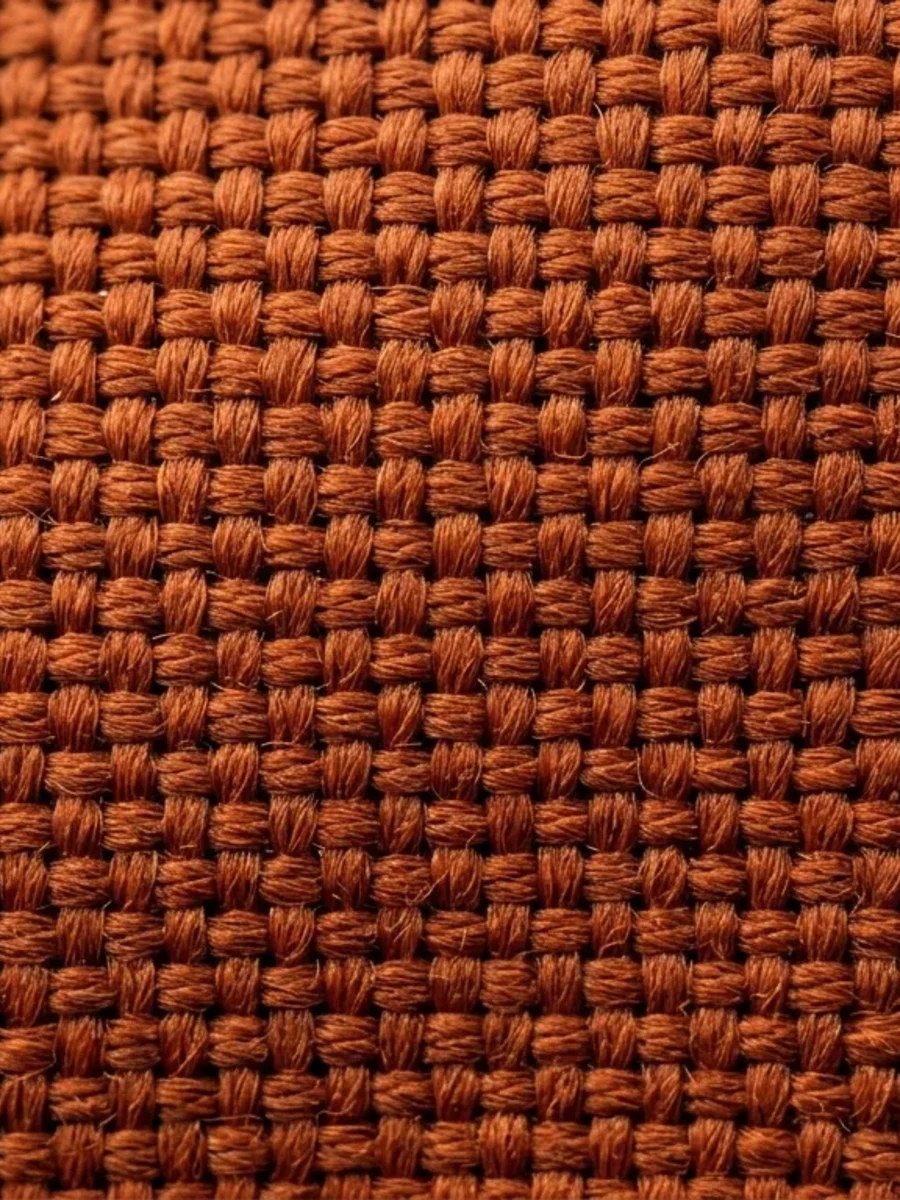
Rub count is not the whole story. Fibre matters as much in this climate. Cotton and linen are comfortable and look beautiful but absorb moisture and mark with mildew in damp rooms. Polyester and acrylic absorb very little. Blends combine the hand of a natural fibre with some of the resilience of a synthetic. Weave matters too: tight, flat weaves resist snagging and pilling, while loose slubbed or boucle textures catch on rings, buckles and pet claws.
Choose the fabric grade for the heaviest use a piece will see, not the average. The one guest who eats dinner on the sofa decides its life.
Goa's monsoon keeps morning humidity in the high eighties and low nineties from June to September, far above the level at which mould becomes likely on organic materials. Upholstery is especially exposed because it combines absorbent fabric, a thick filling that holds moisture, and a timber frame, often pushed against an external wall. Mildew tends to start where air cannot reach: the back of a sofa against a wall, under seat cushions, inside piping.
Near the sea, salt adds to this. Salt crystals settle in fabric and pull moisture from the air, so a cover near an open window can stay slightly damp even in the dry season. Strong sun through large openings fades cotton, silk and many dyed fabrics quickly, particularly on the arm or back that faces the window. The practical answers are fabric choice, placement a little away from walls and windows, and a house that is aired through the monsoon.
What sits under the fabric determines how a piece feels in five years. Good upholstery uses a sound hardwood frame with glued and dowelled or screwed joints, a suspension of webbing, springs or both, and foam or fibre fillings chosen for the job. High-resilience foam holds its shape; fibre or feather wraps soften the edges and give a more relaxed look. Low-grade foam softens and crumbles, and in humid rooms it can hold moisture and smell.
Construction details show quality too. Piping sewn with the grain, patterns centred and matched across cushions and backs, pleats at the arms rather than bunching, and neat bottom finishing all take time. They are what separate a piece that looks tailored from one that looks covered. In our workroom these are standard rather than extras, and we will show you what they look like on the samples.
Rental and hospitality seating is used harder and more carelessly than a private home's. Sun cream, wet swimwear, spilled drinks and suitcases all find the upholstery. Specify contract-grade rub counts, fabrics with a stain-resistant finish or a coated surface, and removable covers wherever practical. A slightly firmer filling keeps its shape through heavy turnover and looks neater in listing photographs.
Think about turnaround as well as durability. A spare set of cushion covers and a removable headboard cover let housekeeping replace rather than clean on site between guests. Where fire performance is required by the operator or an insurer, raise it at the start, so fabric and foam can be chosen to the relevant standard rather than retrofitted.
Living with it
A soft brush attachment every week or two removes dust, grit and salt before they work into the weave. Pay attention to creases, piping and under seat cushions, where mould starts first.
Blot, do not rub. Use a little clean water first, then a mild detergent tested on a hidden area. Rubbing drives the stain in and roughens the surface.
Turn seat and back cushions regularly so wear and sun spread evenly. Plump feather fillings daily; fibre and foam need less attention.
Run fans in rooms with upholstered pieces, move furniture off external walls and air the house on dry spells. A closed room needs a dehumidifier to stay safe.
Through the heaviest monsoon, bring outdoor cushions in once they are dry, and store them upright in a ventilated space, never sealed in plastic.
Avoid these
Colours and textures change dramatically at scale and in a room's own light. Always see a large sample on the piece, in the room, at different times of day before deciding.
New fabric over old filling looks good for a few weeks and then sags. Filling and suspension should be assessed and replaced as part of the job.
A beautiful but delicate fabric on a family sofa will pill and wear through quickly. Match the grade to the use and choose a delicate fabric only for gentle pieces.
Ordinary fabric in a sit-out fades, mildews and stays wet. Anything reached by sun or rain needs solution-dyed fabric and quick-dry foam.
The back of an upholstered piece against an external wall is the first place mildew appears. A small gap for air makes a large difference.
Checklist
Honest assessment
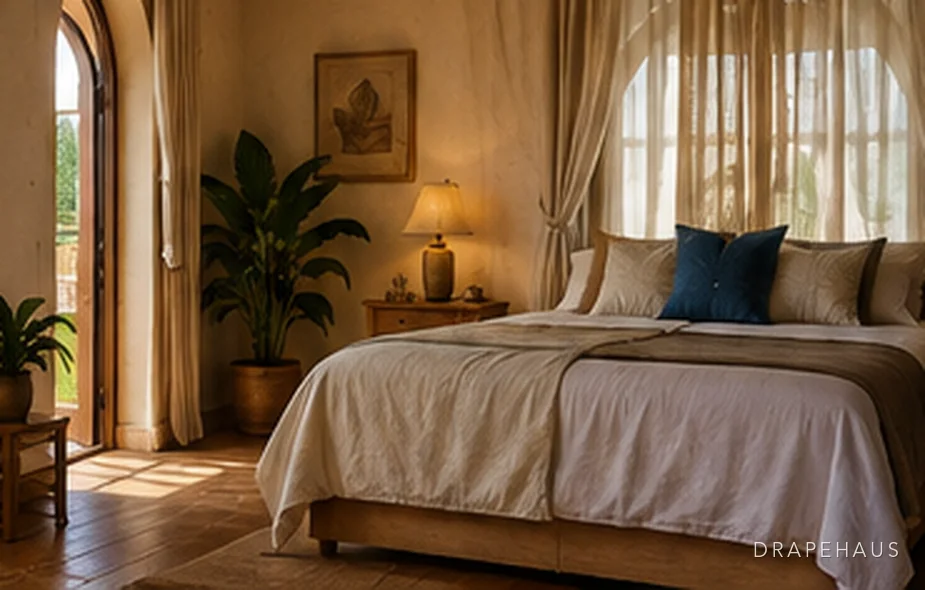
Every job starts with the frame. If the joints are sound and the timber is good, rebuilding it with new foam, webbing and fabric gives you a better piece than most new ones. If termites or damp have had it, we will say so before you spend a rupee on fabric.
From the Journal
All articlesFAQ
Yes. We collect, rebuild and recover in our workshop, then redeliver.
We inspect it first. Sound hardwood joints are worth rebuilding; frames damaged by termites or rot usually are not, and we will tell you so.
Yes — upholstery, cushions and curtains can all be made from coordinated fabrics.
Reupholstery of sofas, armchairs, dining chairs and window seats; leather and coated fabric upholstery; made-to-measure headboards; cushions, bolsters and soft furnishings; and outdoor and marine upholstery for verandahs, pools and boats. Each begins with an assessment of the piece and the room, and most projects combine two or three of these.
It depends on the piece and on whether fabric is in stock or has to be ordered. A set of cushions is quicker than a rebuilt sofa, and a piece with frame repairs takes longer again. Typically a few weeks from confirming the fabric; we give you a realistic estimate at the consultation.
Tightly woven synthetics and blends, particularly polyester and solution-dyed acrylic, absorb little moisture and resist mildew and fading better than natural fibres. Look for a Martindale rub count suited to the use. Cotton and linen can work in ventilated or air-conditioned rooms but need more care near the sea.
Yes. Window seats, banquettes and built-in benches are measured on site and made to fit, including awkward angles and sloping walls. Seat cushions are usually made loose with zipped covers, so they can be lifted, aired and cleaned.
Yes, with care about what to keep. On period pieces we aim to preserve original frames, carving and finishes and use traditional methods where they matter, discussing each decision with you. Some antiques are better conserved than fully rebuilt, and we will say when that is the case.
Next step
We begin in your home. We look at each piece, check its frame and how it is used, and look at the room around it: the light, the walls, the airflow in the rains. We bring fabric samples large enough to judge on the furniture itself, in the room's own light, and talk through grades, fillings and finishes. Then we specify, collect what needs to come to the workshop, make, and return everything finished. Book a home visit and we will arrange a time that suits you.
Fabrics for the climate
Specified for salt, sun and monsoon.
Measured on site
Every window, every time.
Fitted by our team
The people who plan it, fit it.
Rooted in Goa
A local workshop serving North and South Goa.