 Drapehaus
Drapehaus
Preparing the room
Drapehaus
Preparing the room
North Goa · Villas and homes by the cliffs
Anjuna and Vagator sit side by side on the northern Bardez coast, where red laterite cliffs and rocky beaches run up towards Chapora Fort and the mouth of the Chapora river. Their homes include villas, guesthouses, older Goan houses and holiday lets, many close to the sea and open to its weather. We visit by appointment from our workshop in Benaulim.
What we see in Anjuna & Vagator
Homes in Anjuna & Vagator — tap a heading to read
Anjuna and Vagator share a stretch of the northern Bardez coast that looks quite different from the long sandy beaches further south. Here the land meets the sea in red laterite cliffs, black rocks and small coves, with the ramparts of Chapora Fort above the mouth of the Chapora river at the northern end. Anjuna is known well beyond Goa for its Wednesday flea market, and both villages draw visitors through the season. Behind the coast, though, they remain villages, with family homes, chapels and lanes winding between gardens and palms.
The homes we visit here are varied. There are villas, many built or rebuilt in the last twenty years, often with pools, open-plan living spaces and terraces that face the sea or the sunset. There are guesthouses and homestays of all sizes, some purpose-built and some grown out of family houses. There are older Goan houses with tiled roofs, verandas and tall shuttered windows, and there are holiday apartments and rental homes, some of them owned by families who live elsewhere and let them through the season.
Many of these homes are lived in for only part of the year. A villa may be used by its owners for a few weeks, let to guests for a few months and then closed through the monsoon. A guesthouse may be full from November to April and nearly empty from June to September. That rhythm shapes almost every decision we make with owners here, because whatever we fit has to cope with busy use in the season and with long, humid months when nobody is there to open a window.
Planning work in Anjuna & Vagator?
We measure on site and bring samples to see in your own light — so the choice is made in the room, not from a photo.
Homes near the cliffs and the beaches of Anjuna and Vagator are among the most exposed in North Goa. In the monsoon the prevailing wind at Panjim comes from the west and south-west, and on this stretch of coast it arrives straight off the open sea, carrying rain against the glass for days at a time. Sliding doors that face the water often let water in along their tracks, and curtains hung too close to them get wet. We look closely at these openings before suggesting anything, and sometimes the answer is a blind rather than a curtain.
Salt is a constant companion here. The sea air carries it well inland, and it settles on glass, fabric and every piece of metal in the house. Ordinary steel tracks, brackets and blind mechanisms can rust within a season, so for homes like these we use corrosion-resistant hardware and pay attention to small parts such as runners, gliders and screws. Salt also draws moisture into fabric, which is one reason curtains in coastal homes benefit from regular washing and from being taken down for the rains.
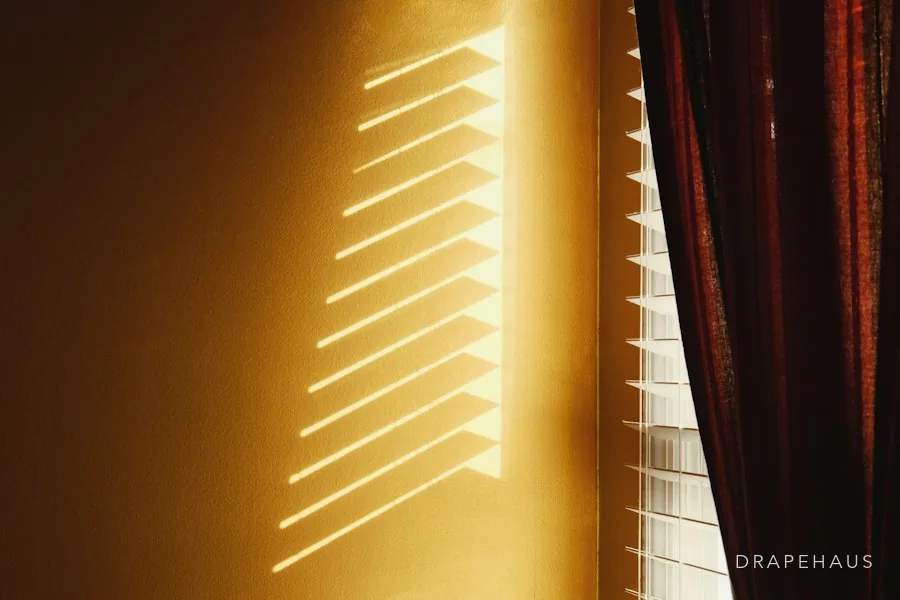
In the dry season the problem becomes light. Many homes here face west, towards the sea and the sunset, and from November to May the late afternoon sun comes low and hard across the room. It heats living spaces, fades fabrics and makes screens and televisions difficult to use. A sheer on its own rarely copes. We usually suggest a sheer or light linen with a solar-screen blind behind it, or a lined curtain that can be drawn for the worst hours and opened again at dusk. Pale, light-fast fabrics hold their colour longest in these rooms.
Our workshop is in Benaulim, in South Goa, so we visit Anjuna and Vagator by appointment and usually group the trip with other homes in Bardez, often including Assagao and Siolim. On the first visit we measure every window and door, look at how each room faces the sea and the sun, and check walls and ceilings for fixing points. We bring fabric, lining and blind samples to the property, because colours look very different in strong coastal light than they do in a shop. We also note which rooms guests use and which the owners keep for themselves.
Everything is made to measure in our own workshop and fitted by our own team. For villas and guesthouses that are let, we plan around the season, aiming to measure after the monsoon and fit before the busy months, or to work room by room so that a guesthouse can stay open. We are used to working with villa managers, caretakers and owners who live abroad, agreeing choices by photographs and calls and sending progress pictures, so that owners can see the work before they arrive.
Aftercare matters more on this coast than almost anywhere. We come back to adjust tracks and blinds after the first season and replace parts that have suffered from salt. For homes that close through the rains we offer monsoon take-downs, taking curtains down in late May or early June, cleaning and storing them dry, and rehanging them after the monsoon withdraws in October. In a clifftop villa that is closed from June to September, that service often matters more than any choice of fabric.
For guest rooms and bedrooms, the first request is almost always proper blackout. Early light off the sea is bright, and guests on holiday want to sleep late, often after a late night. We make blackout curtains and blinds fitted to stop light creeping round the edges, in fabrics that can be taken down and washed easily between stays. Where a room faces a lane or a busy neighbour, the same lined curtains also soften noise, although they do not soundproof a room. Many owners choose one standard specification for all their guest rooms, so that replacements are simple from one season to the next.
Insect screens are the next most common request, particularly for guesthouses and villas with gardens and pools. Guests want to leave windows open, and after the rains mosquitoes are a real concern. We make pleated, sliding and fixed screens to measure for timber, aluminium and uPVC frames, with frames and mesh chosen to cope with salt air. For terraces, daybeds and pool areas we make cushions and covers in outdoor fabrics that dry quickly, resist fading and can be stored away for the monsoon.
Whole-house projects are common too, especially when a villa has just been bought or is being prepared for letting. These can include curtains and blinds for every room, motorised blinds for high or wide windows, reupholstery of existing furniture, new sofas made to fit the space and rugs made to measure. We will always tell you honestly where a simpler, tougher choice will serve a coastal house better than a delicate one, and which rooms are worth spending more on. Often that means putting the effort into the main living space and the principal bedroom, and keeping guest rooms simple, durable and easy to maintain.
What we make in Anjuna & Vagator
The homes we work in here
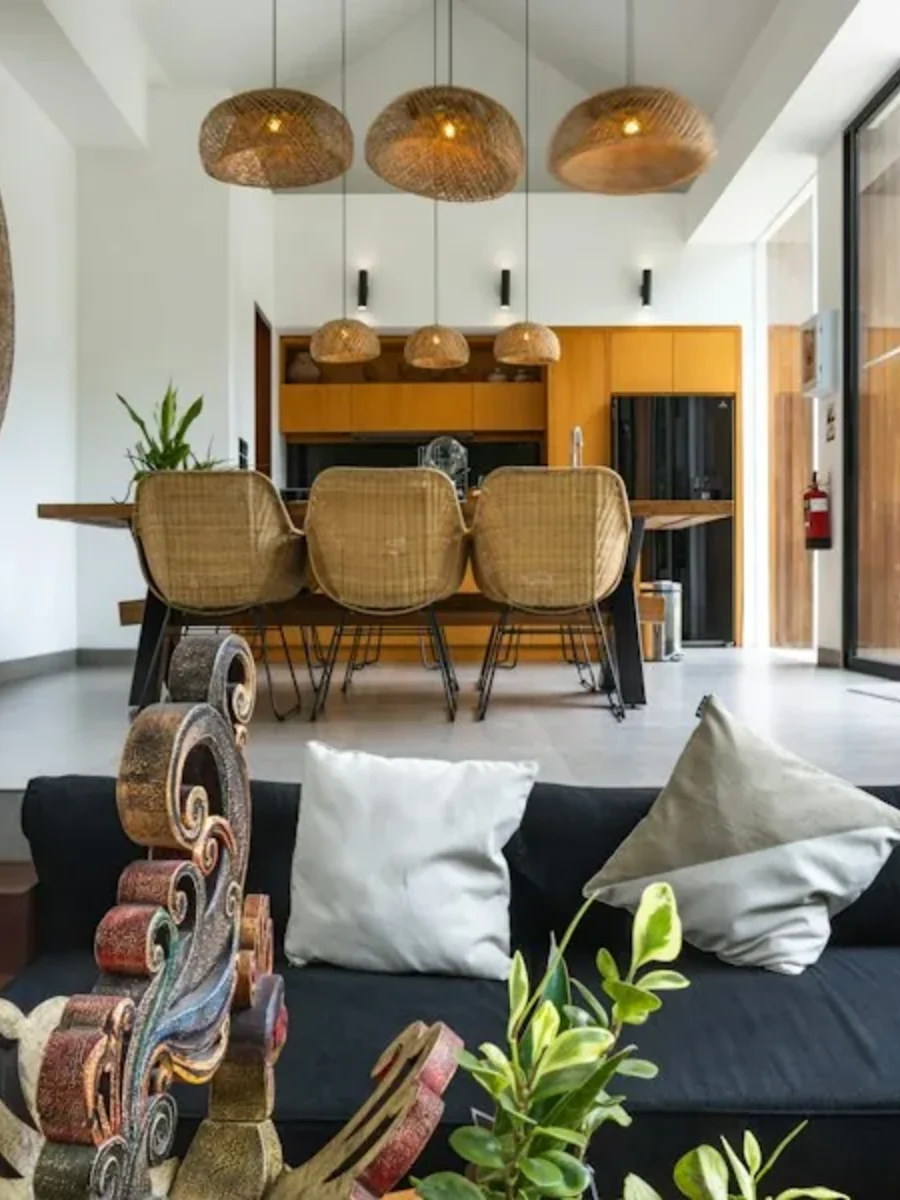
Double-height glazing, salt on every surface and months of the year with nobody home.
Read the guide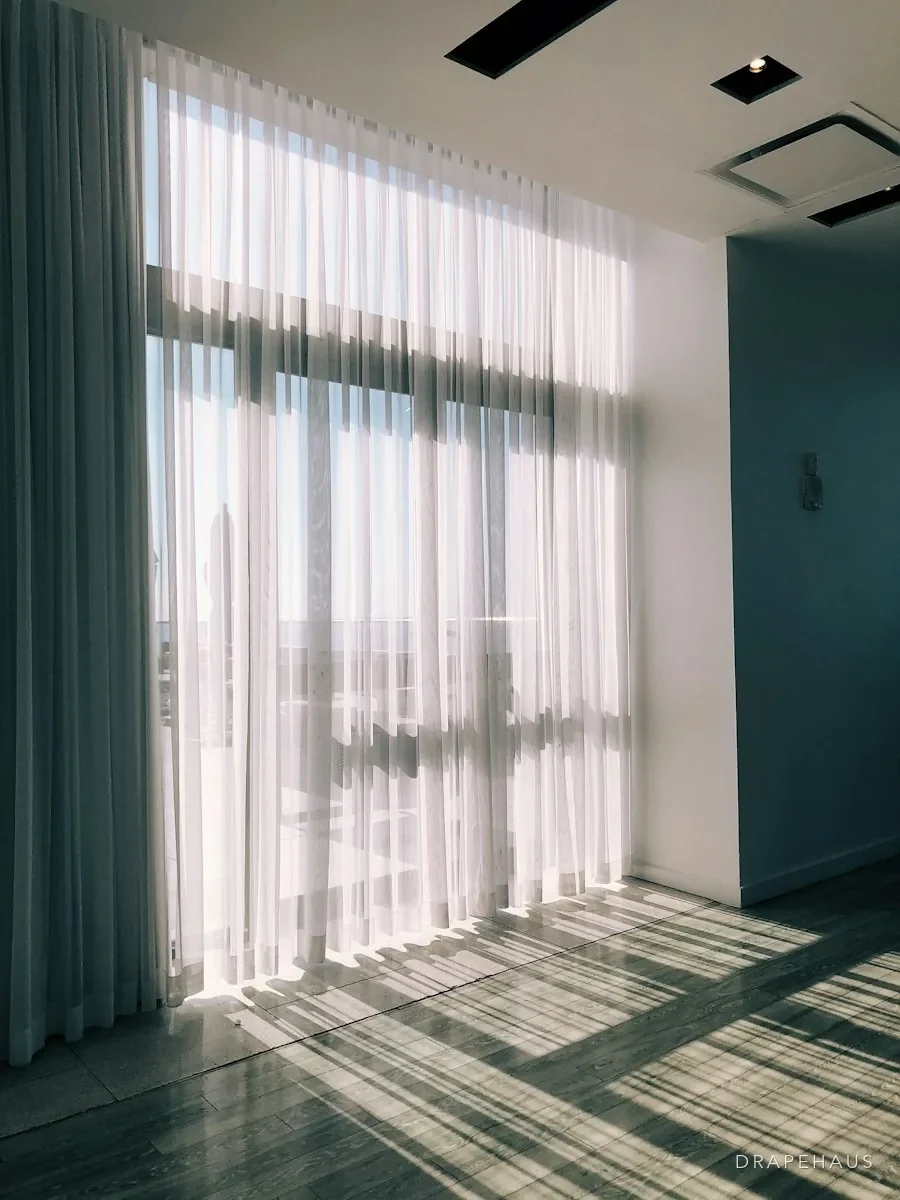
Guest turnover, genuine blackout and fabric that survives being handled by strangers.
Read the guide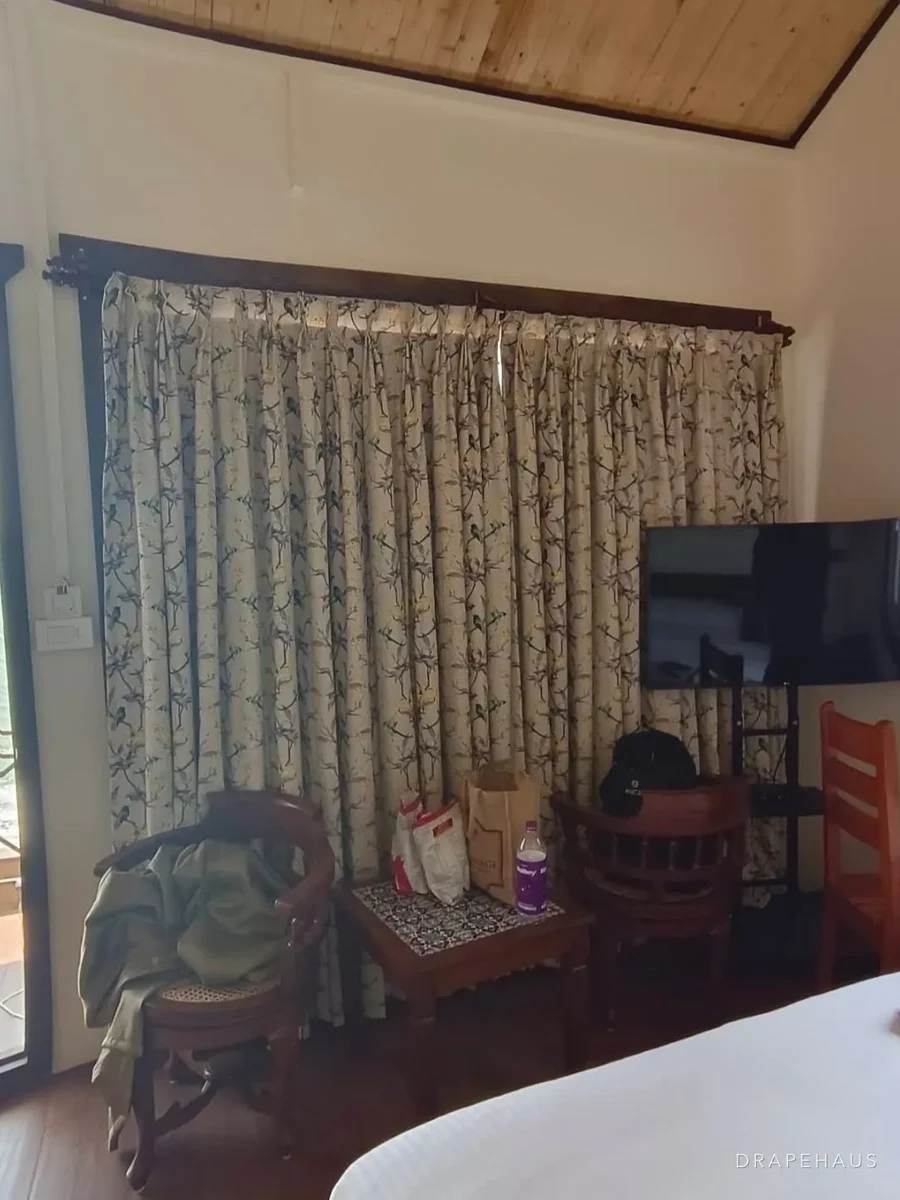
Fire ratings, repeatable specification across many rooms, and installation around paying guests.
Read the guide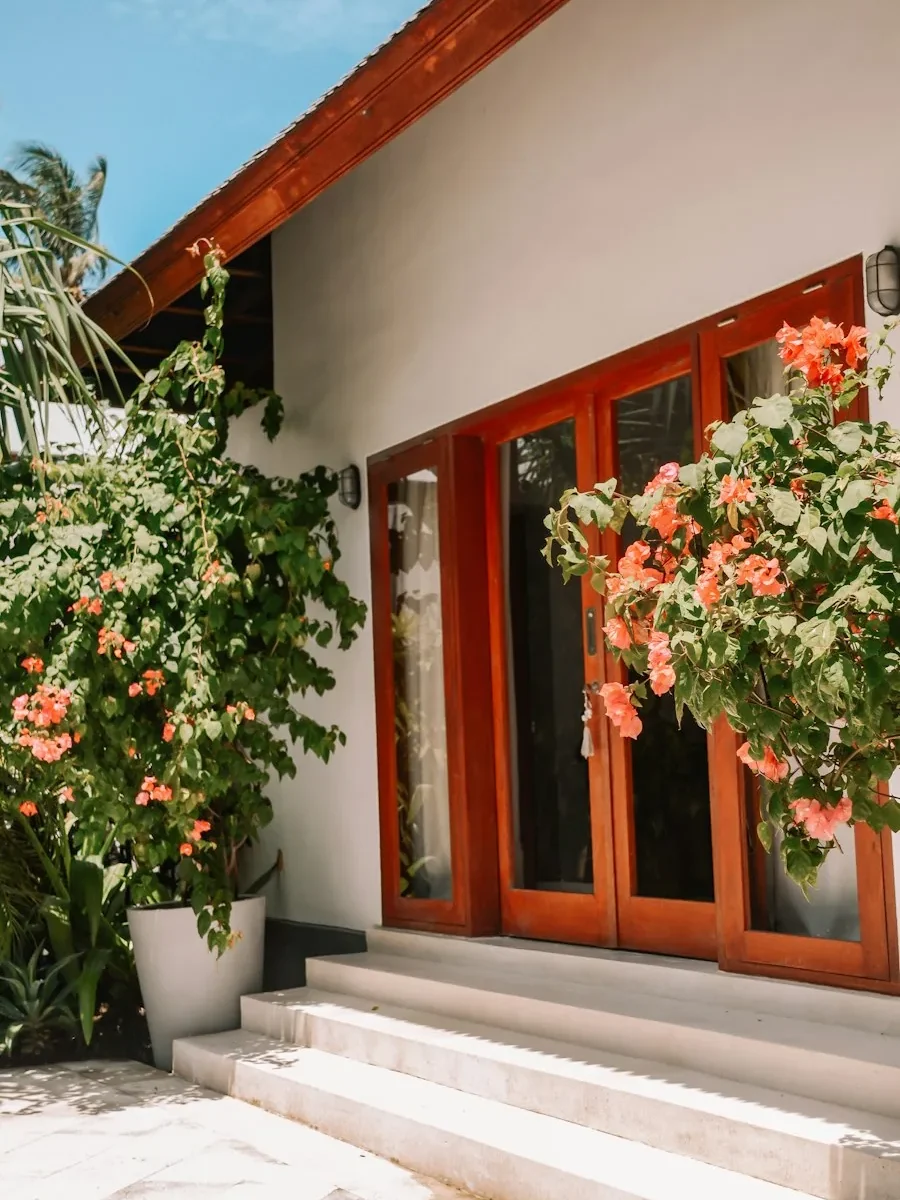
Balcão, small deep windows, thick walls and a way of living that curtains should not fight.
Read the guideFrom the Journal
All articlesFAQ
Yes. We work throughout Anjuna and Vagator and the surrounding villages of northern Bardez. Our workshop is in Benaulim, in South Goa, so visits are by appointment and we usually group them with other homes nearby. We measure, bring samples, make everything in our own workshop and fit it with our own team.
Corrosion-resistant tracks, brackets and fixings, outdoor-grade fabrics for anything exposed, and curtains that can be washed regularly. We pay particular attention to small metal parts, which usually fail first. Rinsing or wiping hardware with fresh water from time to time also helps it last.
Yes. Tell us when your first guests or your own family arrive and we will plan measuring, making and fitting around that date. The best time to call is soon after the monsoon, in September or October, so that the work is finished before the busiest months.
Yes. Many homes here are owned by people who live abroad or in another city. We can arrange visits, fitting and monsoon take-downs with your manager or caretaker, agree every choice with you by photographs and calls, and send pictures once the work is done.
A solar-screen roller blind cuts much of the glare and heat while keeping the view, and it pairs well with a sheer or a lined curtain for the evening. The right openness depends on how the room faces the sea, so we bring samples and try them at your windows.