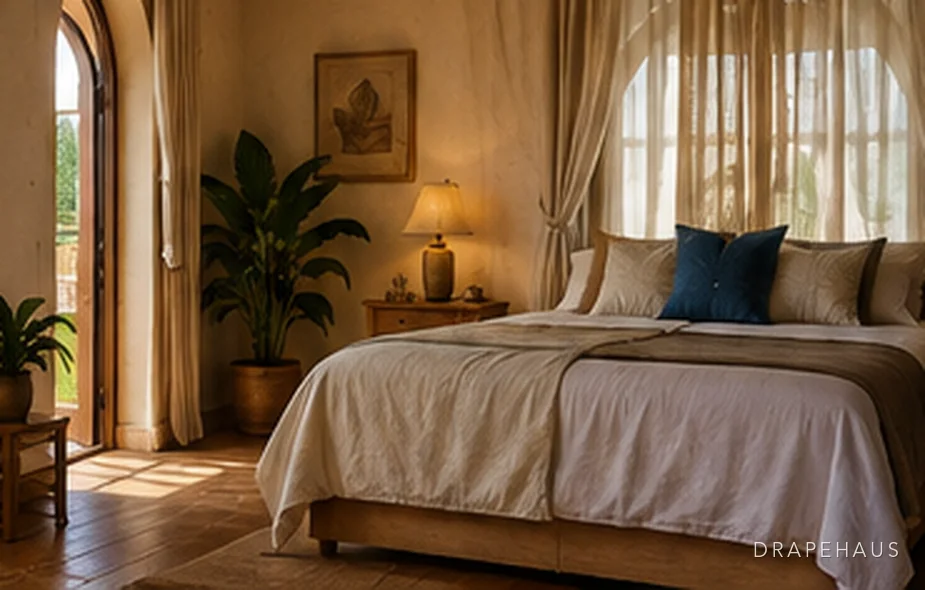
 Drapehaus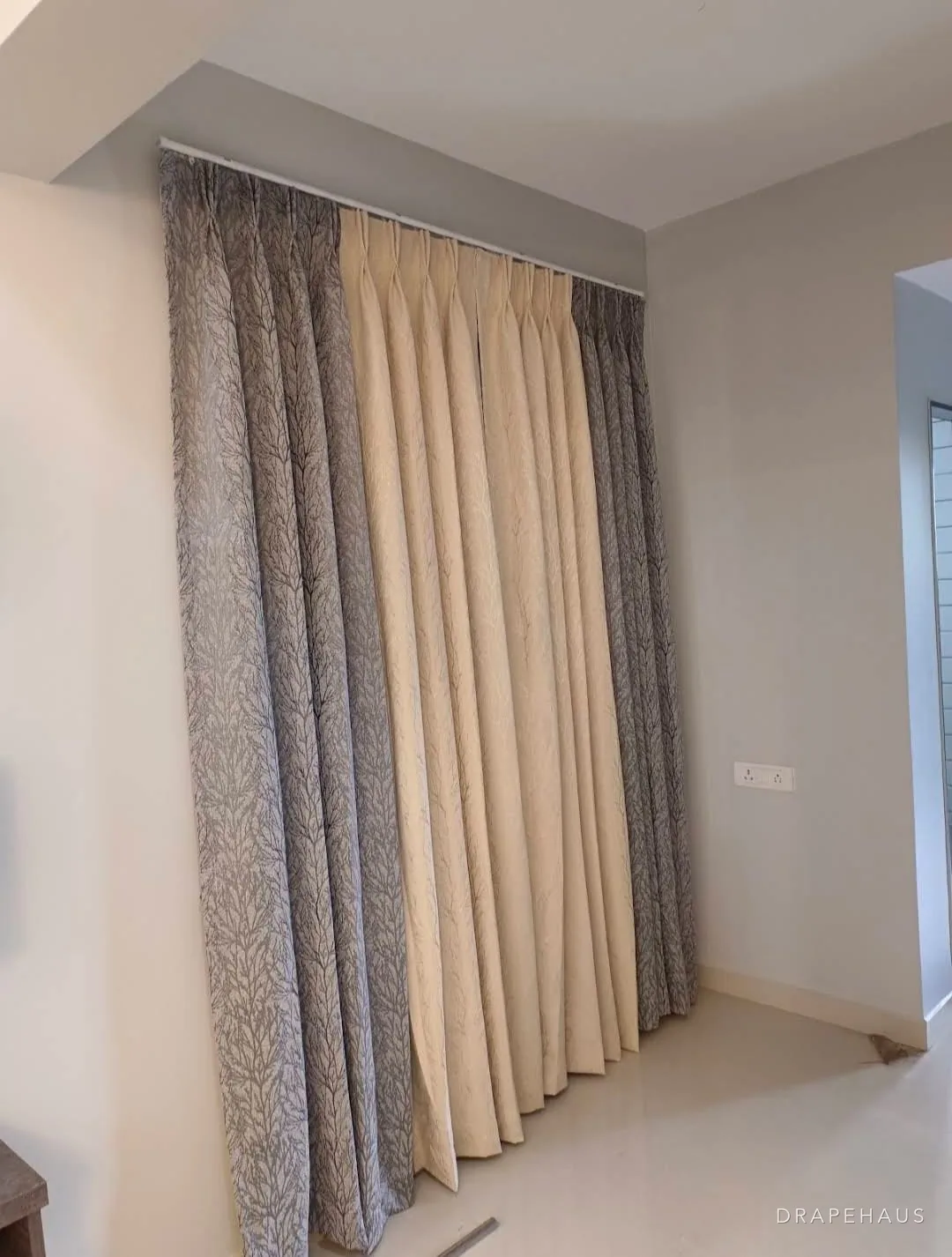
Drapehaus
Preparing the room
Drapehaus
Preparing the room
South Goa · Villas by the beach
Majorda is a quiet beach village in Salcete, between Utorda and Betalbatim, with old family houses in the village and villas and holiday homes nearer the sand. Many are second homes or let for part of the year, and they need furnishings that cope with salt and long closures.
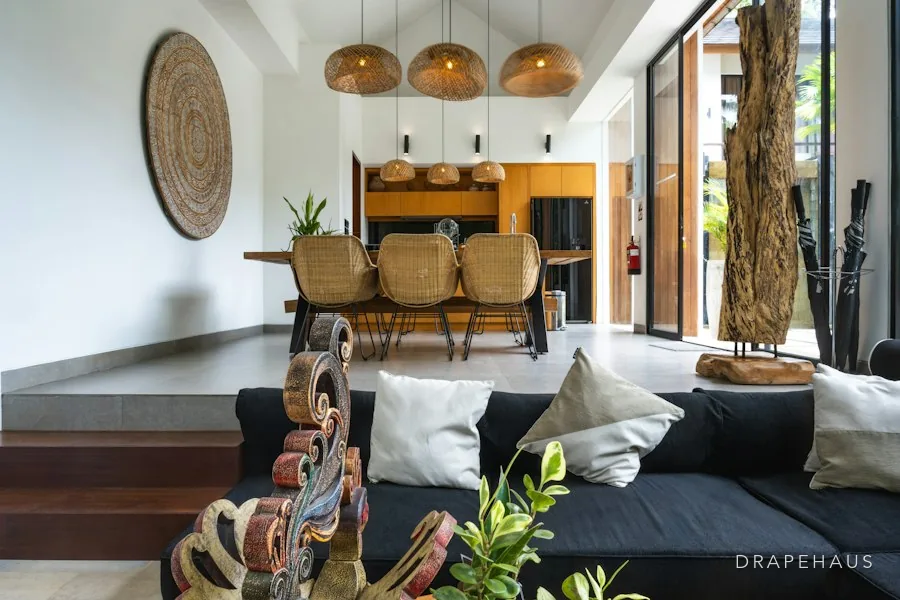
What we see in Majorda
Homes in Majorda — tap a heading to read
Majorda lies on the Salcete coast north-west of Margao, with Utorda to its north and Betalbatim to its south. The beach is wide and gently sloping, and the village behind it is green and spread out, with coconut groves, the Mãe de Deus church and its own railway station. It is quieter than the busier beaches further south, and many people choose it for exactly that reason. The same calm is what owners want from their homes here: rooms that feel easy, cool and uncluttered.
The housing follows the pattern of the coastal villages. In the village itself are older family houses, some from the Portuguese era, with tiled roofs, verandas and tall shuttered windows. Closer to the beach, and in the lanes between the village and the sand, are villas, holiday homes and small complexes, many built in recent years, some let as holiday rentals for part of the year. Neighbouring Utorda and Betalbatim have much the same mix, and we work across all three in the same way.
That mix means the work varies a great deal from one house to the next. An old family home needs sensitivity to its walls and shutters. A new villa needs a plan for large glazing and strong light. A holiday let needs durability and a specification that can be repeated. What they share is the coastal climate, and the fact that many stand empty for part of the year, which changes what a sensible choice of fabric, hardware and routine looks like. We start every job by understanding which of these a house is, and how often someone is actually in it.
Planning work in Majorda?
We measure on site and bring samples to see in your own light — so the choice is made in the room, not from a photo.
Salt is the first thing we look for in Majorda. It travels on the onshore wind and settles on glass, tracks and fabric well back from the beach. Salt holds moisture against the fibres, so curtains near the sea stay faintly damp even in dry weather, and ordinary steel brackets can rust within a season. We use aluminium tracks and stainless fixings as standard, and we check existing hardware for rust and crusting, which tells us how hard the site is on metal before we specify anything new.
Villas here often open onto gardens and pools through wide sliding doors, and west-facing rooms take the full afternoon sun and glare. Fabrics fade, rooms heat up and the view becomes hard to enjoy at exactly the time of day people are home. A sheer layer that cuts glare, with lined curtains or blinds behind it, usually solves this better than heavy blackout alone. For glass that is too tall to reach, motorised blinds make shading something that actually gets used rather than a curtain left permanently open.
Then comes the monsoon, normally from the first week of June to mid-October, with morning humidity between 87 and 91 per cent. For a house that is closed for those months, still, humid air is the enemy. Curtains left hanging against walls and glass will often show mildew by September. Much of our advice in Majorda is about what to take down, what to leave, and how to store it, so that the house opens in October without a round of cleaning and replacement. Where some curtains must stay up, we leave them drawn back from the glass so air can move around them.
Majorda is a short drive north of our workshop in Benaulim, so we can usually visit within a few days. We survey the house, note which rooms face the sea and the afternoon sun, measure every opening and bring samples with us, including sheers, blackout, outdoor-grade upholstery fabric and screen mesh. If the owner is away, we meet the caretaker, photograph samples against the windows in daylight and in the evening, and send them for approval with a written quote room by room. Owners who prefer to see the choices in person can join us by video during the visit.
Everything is cut and sewn in our workshop and fitted by our own team. For holiday lets, we time installation around bookings, often in the weeks before the season. For older houses, we choose fixings that suit laterite and lime plaster and keep clear of original shutters and frames. When we finish, we dress the curtains, test every blind and motor, and send photographs of each room with a note of what was fitted, which makes later replacements straightforward for everyone involved. Nothing is subcontracted, so the team that measures is the team that fits.
Many Majorda owners also ask us to look after the seasons. In late May, we take down curtains, clean and dry them and store them with airflow rather than in sealed plastic. In October, after the monsoon withdraws and the house has aired, we rehang them, check motors, tracks and screens, and report anything that needs attention before the owners or the first guests arrive. It is a simple routine, and it adds years to the life of good furnishings. We are always glad to explain it to your caretaker as well.
The most common request is a full-house specification for a villa or holiday home: blackout for bedrooms, sheers for living rooms, insect screens for every opening window and door, and furnishings designed as one scheme so the house feels complete. For tall windows and wide doors, owners often choose motorised blinds or tracks. Rugs, sofas and upholstered beds are often part of the same brief, and we choose fabrics for them that cope with humid, salty air and a house that is not always lived in. We keep spare fabric for later.
The second is refurbishment after a few seasons of salt and sun. Curtains fade, tracks stiffen, and sofas and outdoor cushions wear out. We replace hardware with materials that will last, re-cover furniture in fabrics suited to humid, coastal rooms, and suggest what is worth keeping. In many villas the structure is sound and only the soft furnishings need renewing; in others, the original hardware was never right for the site, and replacing it properly is the most useful thing we can do. We tell you plainly which case applies.
Families in the older village houses ask for what any Goan household needs: curtains that give privacy without covering the shutters, screens against mosquitoes, and re-upholstery of well-loved furniture, often solid timber pieces that are worth keeping for another generation. We are as glad to do a single room as a whole villa, and we bring the same care to both. A home that is lived in every day deserves furnishings chosen as carefully as those in a house that is let to guests.
What we make in Majorda
The homes we work in here
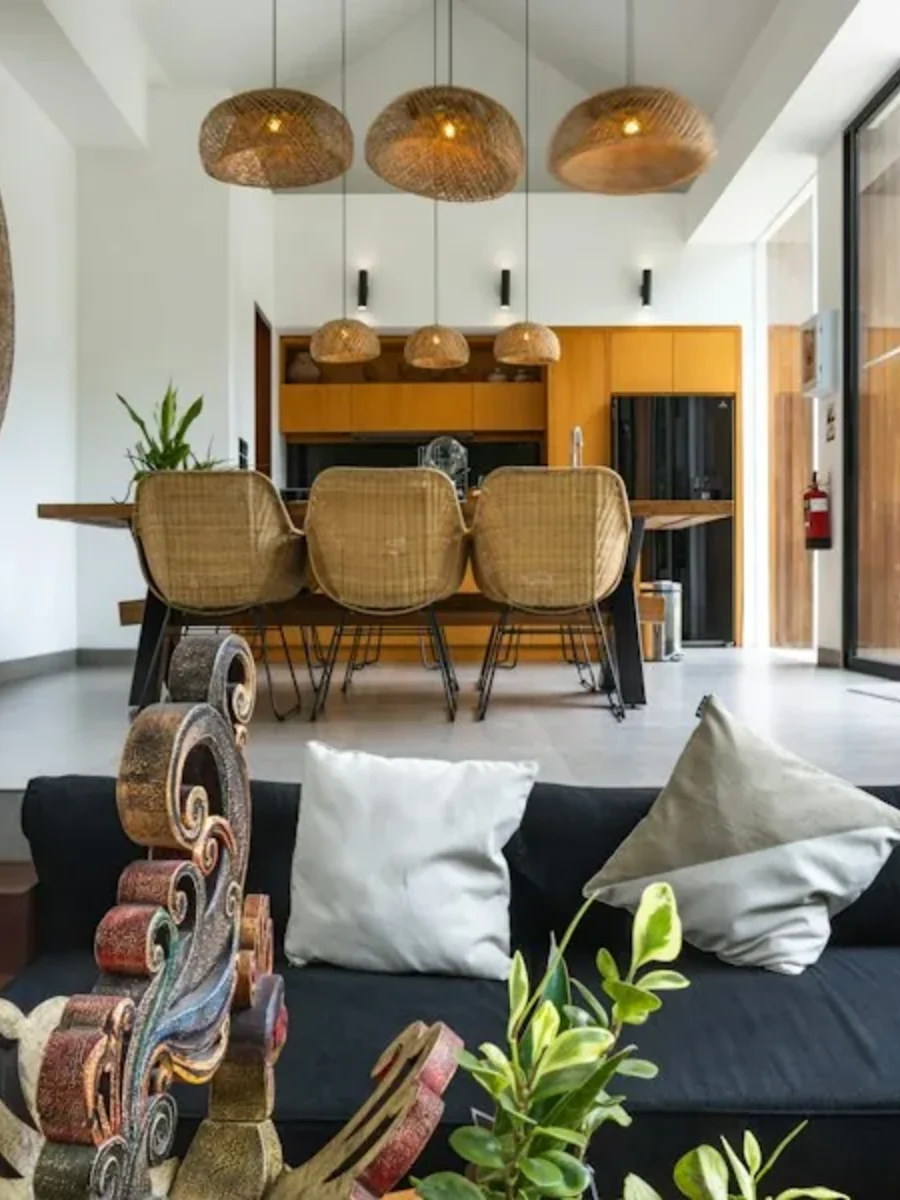
Double-height glazing, salt on every surface and months of the year with nobody home.
Read the guide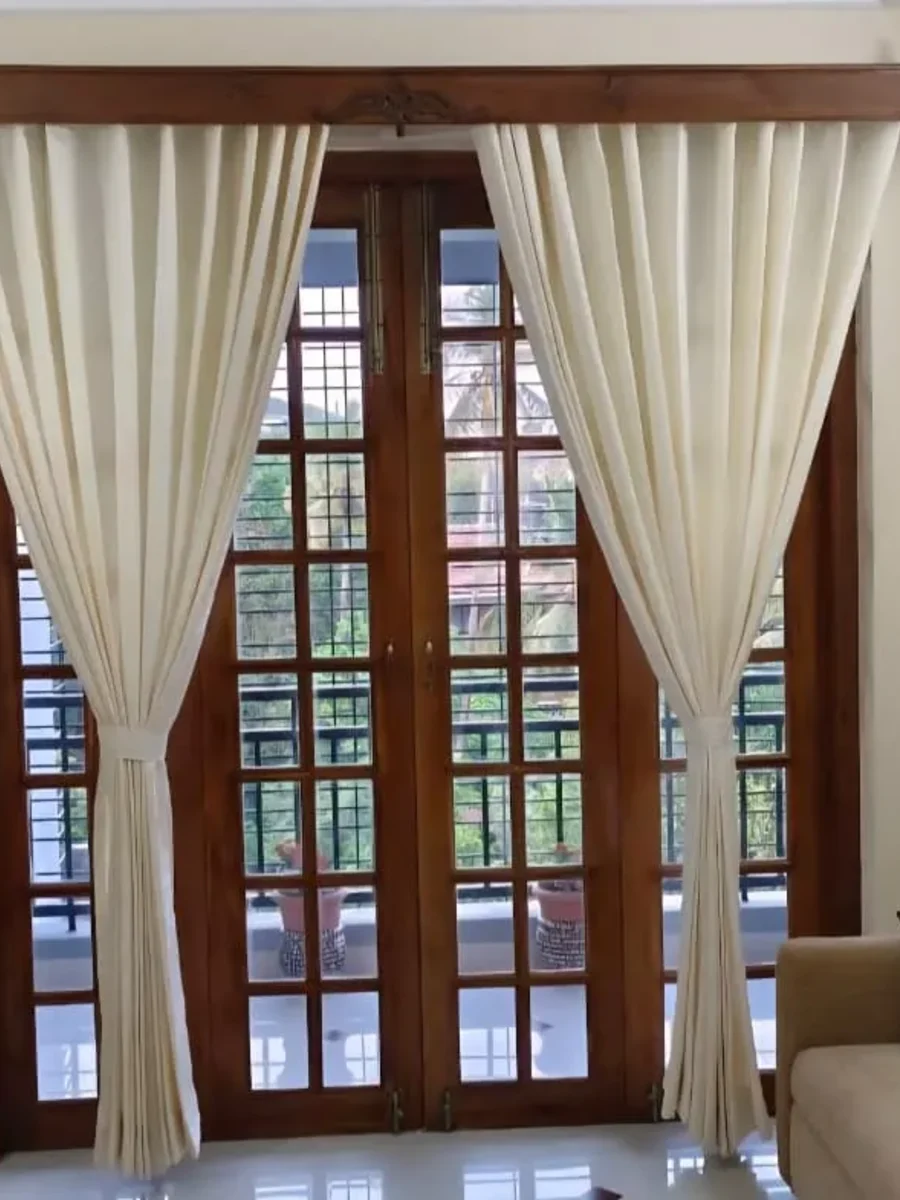
Deep reveals, tall shuttered openings and oyster-shell windows that modern curtain advice gets wrong.
Read the guide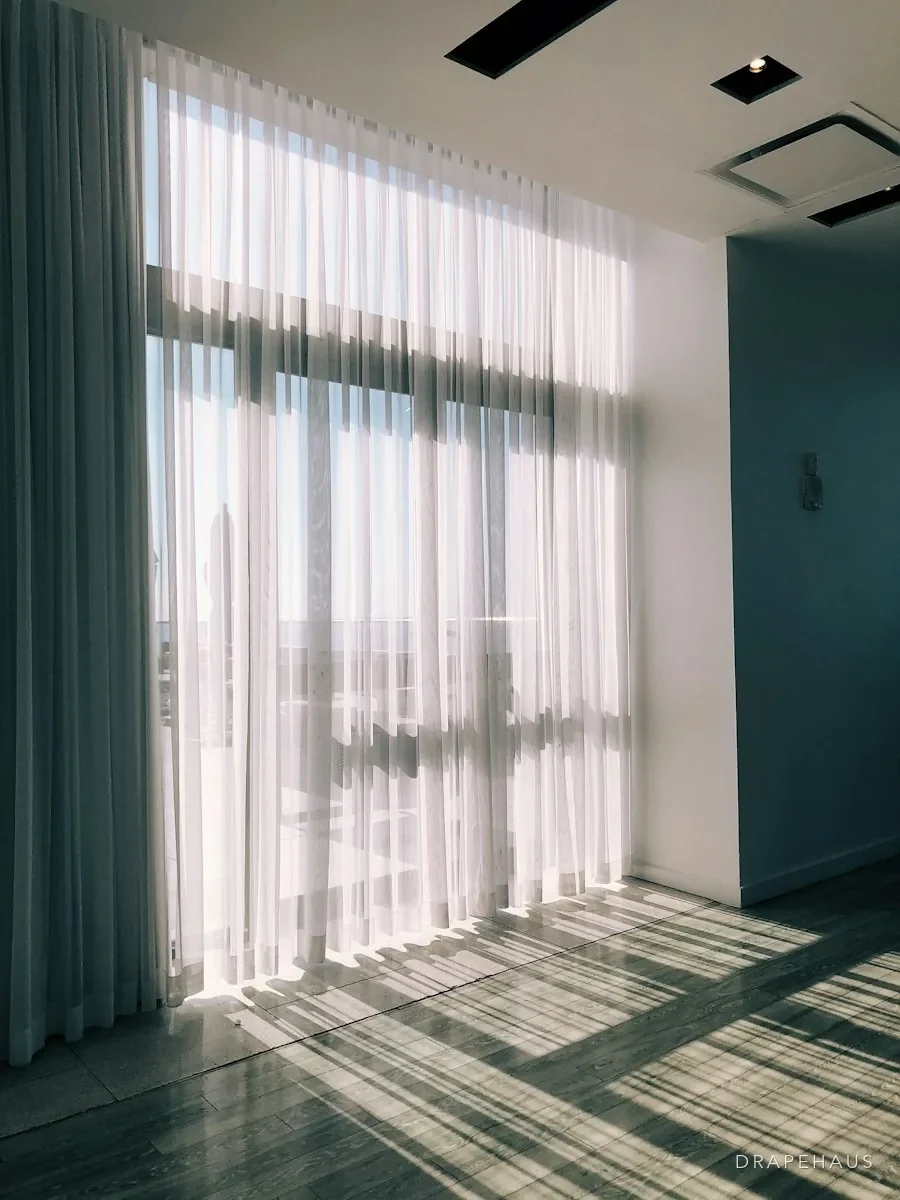
Guest turnover, genuine blackout and fabric that survives being handled by strangers.
Read the guideFrom the Journal
All articlesFAQ
Yes. Majorda is a short drive from our workshop in Benaulim, and we work there in villas, holiday homes and older family houses. We visit to measure and show samples, make everything in our workshop and fit it ourselves. We also work in neighbouring Utorda and Betalbatim.
Yes. We agree the brief with you by phone or video, meet your caretaker or property manager to measure, and send photographs of samples held against your windows. On fitting day, they only need to open the house. You receive pictures of every finished room and a record of what was fitted.
In most closed houses, it is best to take curtains down in late May, clean them and store them dry with some airflow, not in sealed plastic. Sheers and blinds in sheltered rooms can often stay. We can manage the whole cycle, including rehanging in October once the monsoon has withdrawn and the house has aired.
Use the right metal from the start. Near the sea, ordinary mild steel corrodes quickly and stains the wall beneath it. We fit aluminium tracks with stainless steel fixings, inside as well as outside, because salt reaches indoor rooms too. A wipe-down of tracks during the dry season helps them run freely.
Yes. For lets, we choose washable fabrics, headings that lift off without tools, blinds that wipe clean and genuine blackout for bedrooms. We keep a written record of every room's fabrics and sizes, so a damaged curtain can be replaced to match. If fire-safety standards apply, we can specify flame-retardant fabrics.
Nearby