 Drapehaus
Drapehaus
Preparing the room
Drapehaus
Preparing the room
North Goa · 9 areas
North Goa holds the capital and its suburbs, the busiest stretch of coast and the quiet inland villages where many of Goa's newer villas have been built. Our workshop is in Benaulim, in South Goa, so we visit the north by appointment and usually group those visits into the same trip.
What we see in North Goa
Across North Goa
Capital flats and old quarters
Explore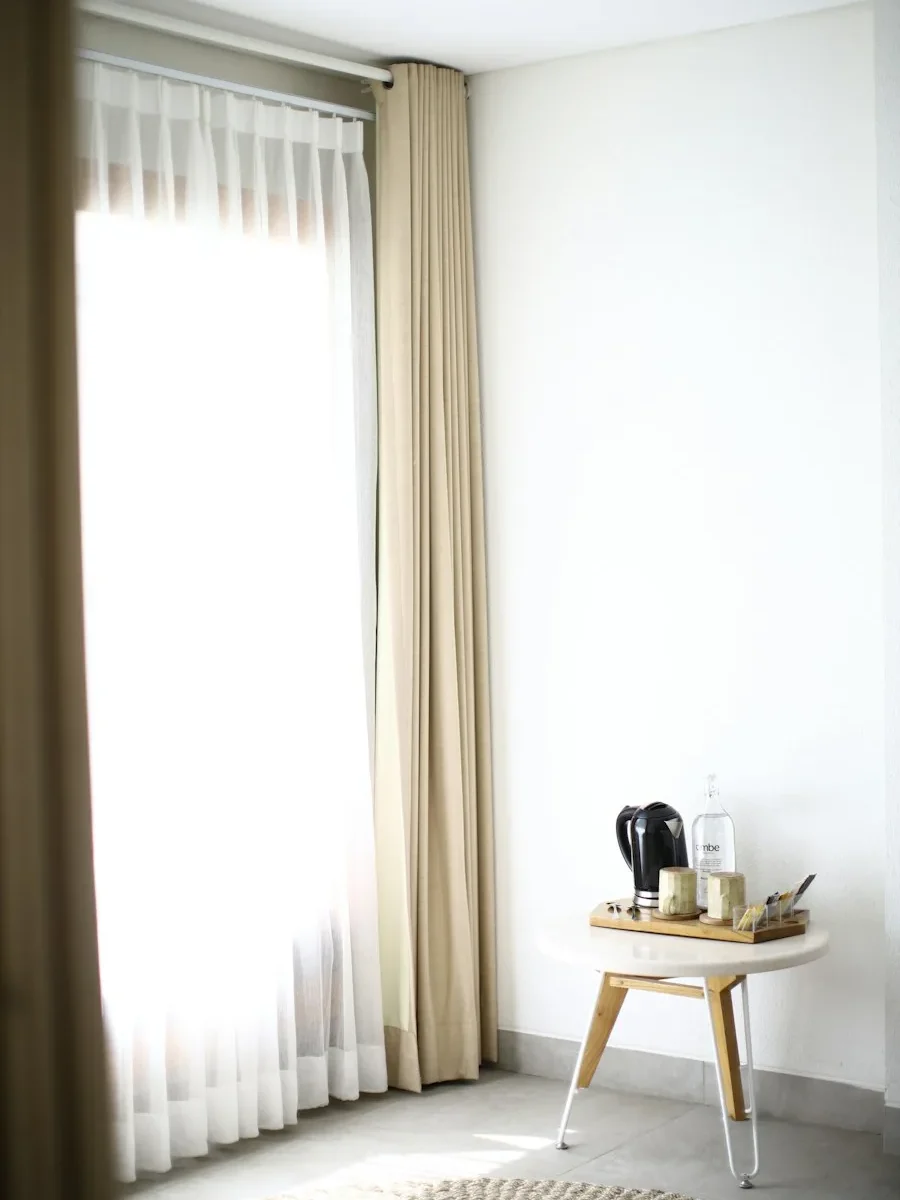
Apartments and family homes
Explore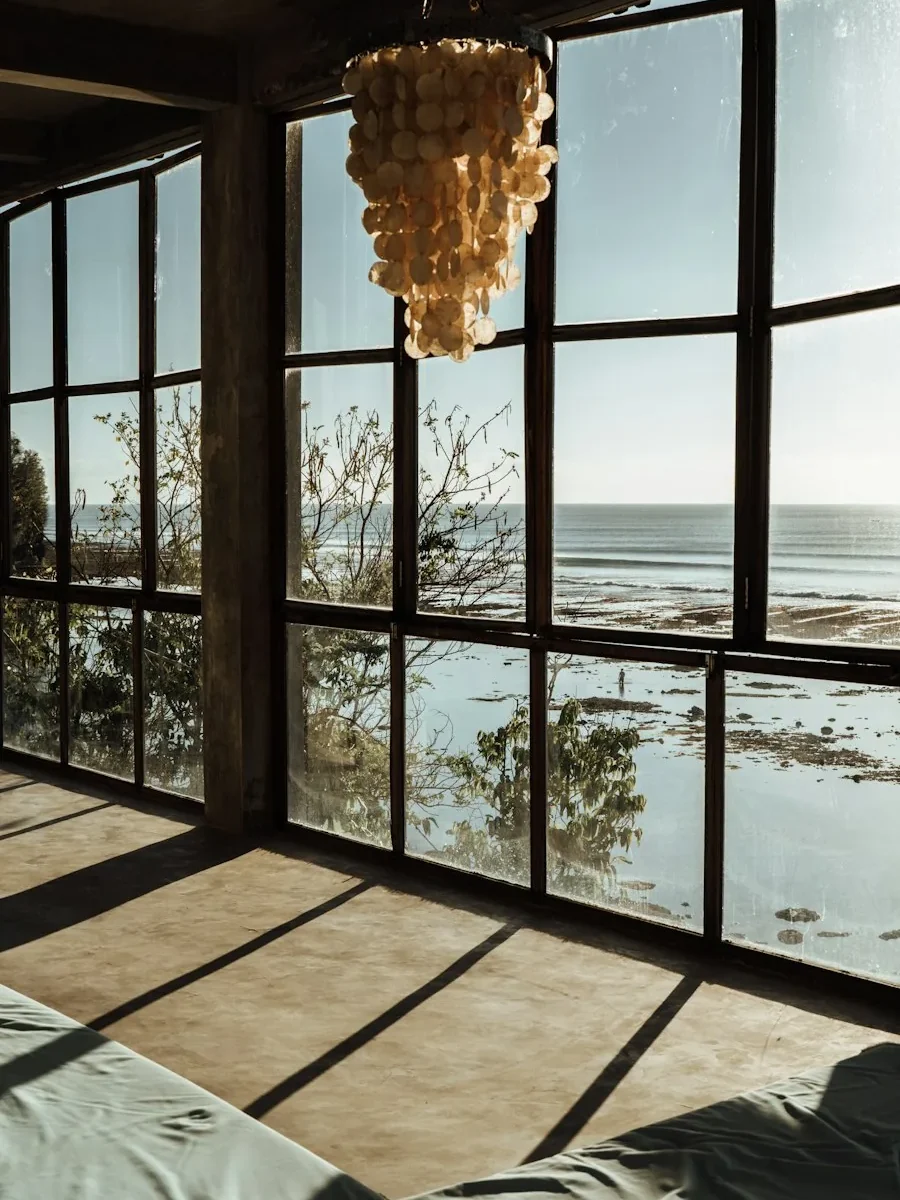
Sea-view homes on the headland
Explore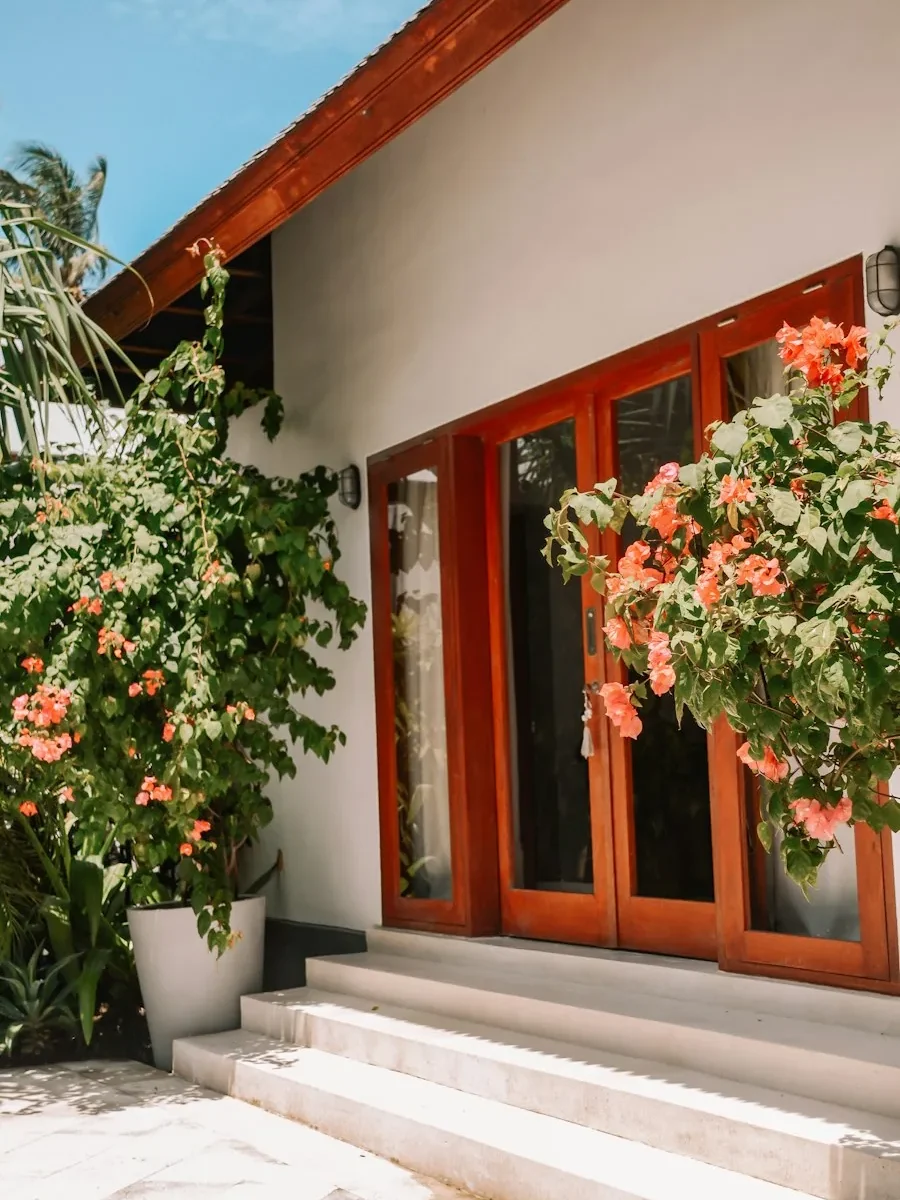
Market town family homes
Explore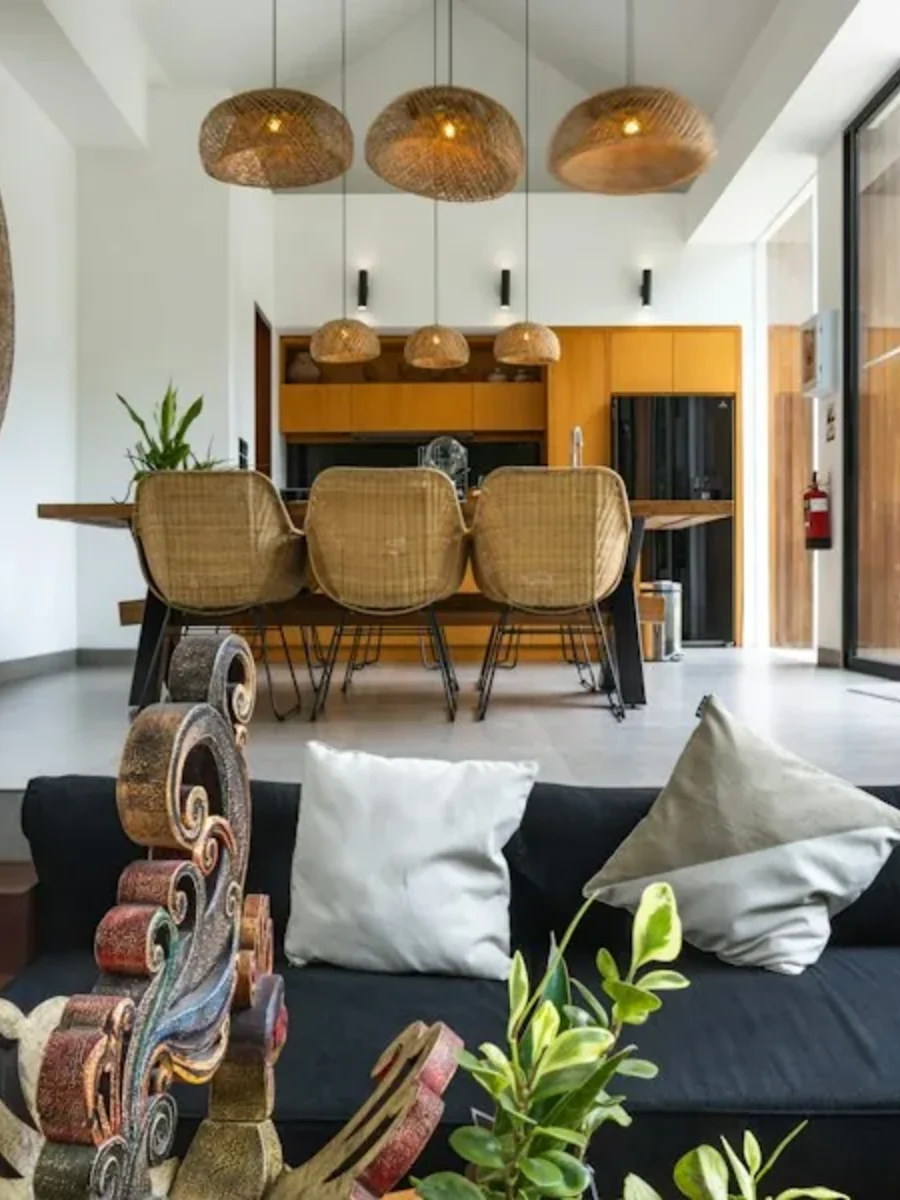
Holiday homes near the beach
Explore
Guesthouses and busy-coast homes
Explore
Villas and Portuguese houses
Explore
Villas and homes by the cliffs
Explore
Riverside villas and old houses
ExploreHomes in North Goa — tap a heading to read
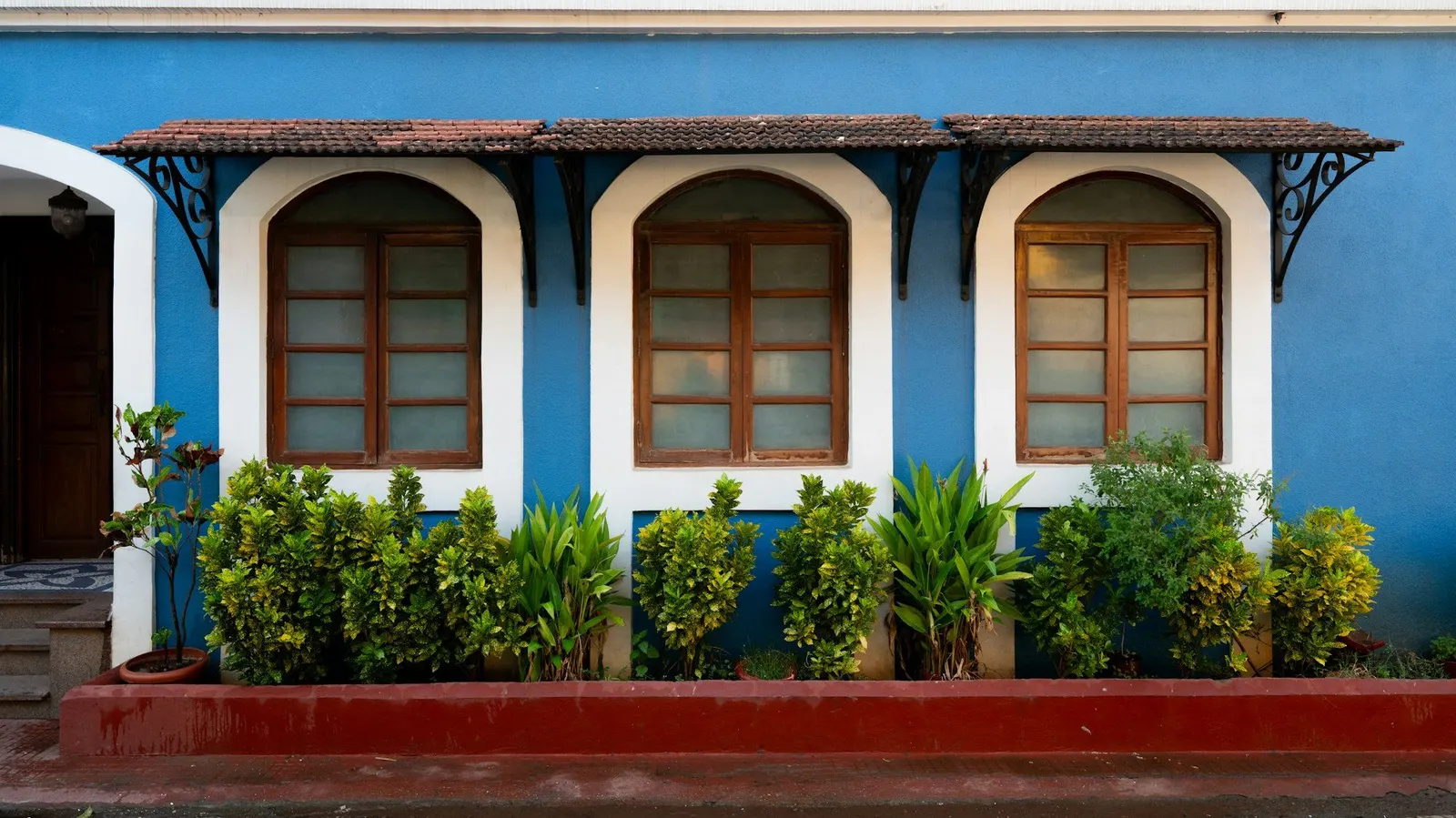
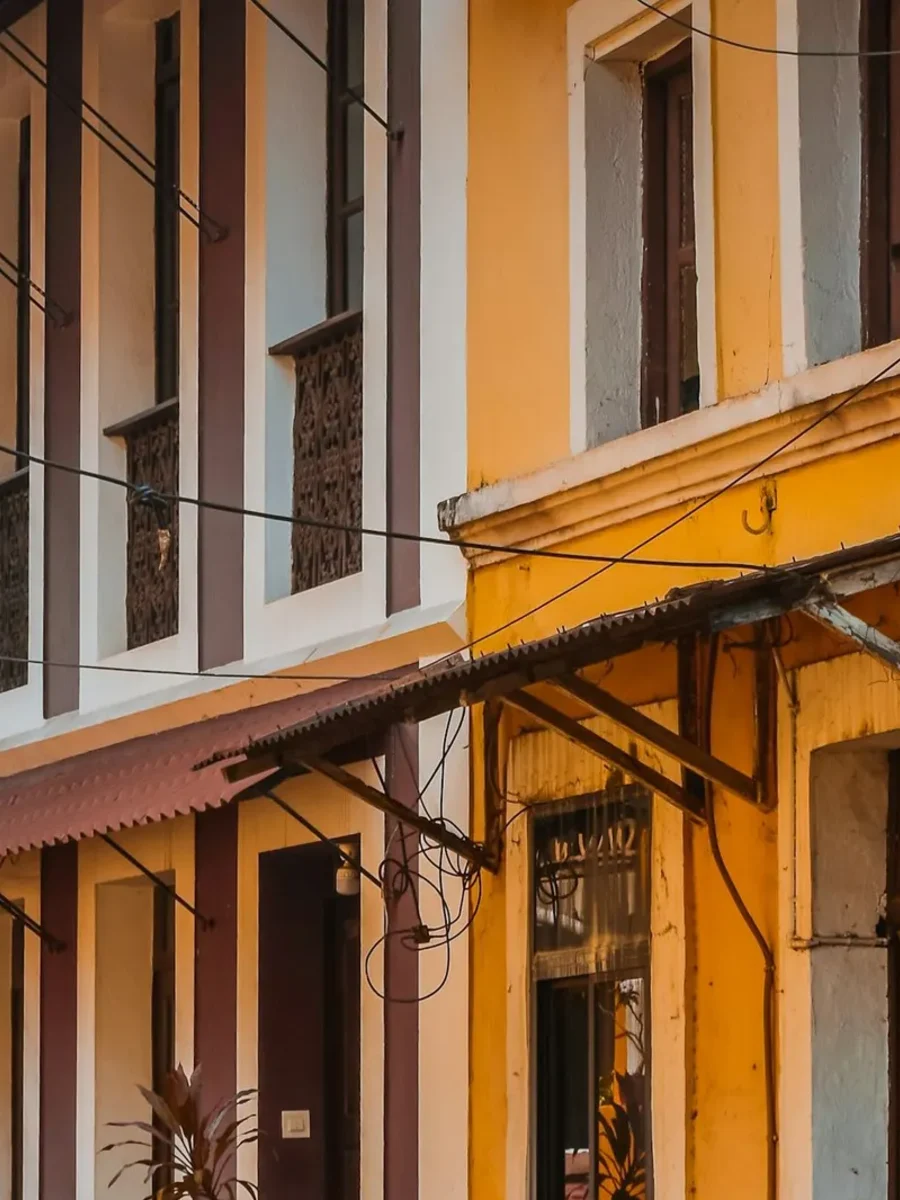
North Goa is not one kind of place, and the homes in it are not one kind of home. Around the capital, Panjim, and across the Mandovi in Porvorim, most people live in apartments, in housing colonies and in city houses built over the last few decades. The older quarters of Panjim, Fontainhas among them, keep rows of Portuguese-era houses with tall shuttered windows and balconies onto the street. Dona Paula, on the headland where the Mandovi and Zuari meet the sea, adds a cluster of sea-facing apartments and larger houses.
Up the Bardez coast the picture changes. Candolim and Calangute are among the busiest parts of Goa, and many homes there are let to guests for at least part of the year: holiday flats, guesthouses and villas in small gated developments. Inland, villages such as Assagao and Siolim have become known for villas, many of them new, some of them old family houses restored with care. Further north again, around Anjuna and Vagator, homes sit close to the laterite cliffs and take the full weather off the sea.
Then there is the market town of Mapusa, the working heart of Bardez, with its own mix of family houses and newer flats. Across all of these, the questions we are asked are much the same as anywhere in Goa: how do we keep the sun out without shutting the room in, how do we stop fabric going mouldy in August, and how does a house look after itself while its owner is away. The answers differ from town to town, which is why we write about each one separately, but the principles behind them are the same across the region.
Planning work in North Goa?
We measure on site and bring samples to see in your own light — so the choice is made in the room, not from a photo.
We are based in Benaulim, in Salcete, and South Goa is where most of our day-to-day work happens. The south has its own busy stretches, but much of its coast is long and fairly open, backed by old villages, paddy and a growing number of second homes. The north concentrates more into less space. The capital, the government district at Porvorim and the busiest tourist coast all sit within a short drive of each other, and land near the sea has been built on more densely.
That density changes the brief. In Candolim or Calangute a bedroom window may look straight into a neighbour's balcony, so privacy by day matters as much as blackout at night. In Panjim, older houses open directly onto the street, and a sheer that works in a village garden can feel too thin a few feet from a busy lane. In Porvorim and Panjim flats, the rules of a housing society about what can be fixed to the outside of a building often decide the answer before the fabric does.
The villa villages of Bardez, meanwhile, feel closer to parts of the south: larger plots, pools, verandas and wide sliding doors. Here the questions are about scale, glare and the long months when a house stands empty. We treat each town on its own terms rather than applying one North Goa formula, and the town pages linked below describe the homes we see in each. Inland, Ponda sits apart from both coasts: a temple and plantation town in central Goa that we often visit on the same trip as Panjim. Its homes, and its weather, are different again.
North Goa's rainfall is close to the state's: the IMD normal for the North Goa district is 3,347 mm a year, and about 91 per cent of Goa's rain falls between June and September. At Panjim, morning humidity sits between 88 and 91 per cent from June to September, well above the levels at which mould begins to grow on fabric, timber and plaster. The monsoon's normal onset at Panjim is 5 June and its normal withdrawal is 14 October, so a house here spends a third of the year in conditions that test every lining and every seam.
Wind matters as much as rain. In the monsoon the prevailing wind at Panjim comes from the west and south-west, straight off the sea, and west-facing rooms along the Bardez coast and on the Dona Paula headland take rain against the glass for weeks at a time. Near the shore, salt carried on that wind attacks ordinary metal fittings and settles into fabric, which is why we choose tracks, brackets and screen frames by distance from the sea as much as by look.
The dry season brings the opposite problem. From November to May, western and southern windows take long hours of strong sun, and the afternoon light off the sea along the coast is harsh enough to fade silk and cotton within a couple of seasons. Most North Goa rooms need two answers: something light and breathable for the dry months, and something that can be closed, washed or taken down before the rains. We plan for both from the start, so that a room works in May and in August without anyone having to rethink it each season.
Because our workshop is in Benaulim, we visit North Goa by appointment. We usually group northern visits so that one trip covers several homes, and we will tell you honestly when we can next be with you rather than promising a date we cannot keep. The first visit is for measuring and looking properly at the windows, walls and light. We bring fabric and blind samples to the house, because a colour chosen under a showroom tube light rarely looks the same against a laterite wall or a sea view.
Everything is made to measure in our own workshop, and we come back to fit it. For many North Goa homes the owner is not in Goa for much of the year, so we are used to working with caretakers, property managers and family members who hold the keys. We send photographs of samples and progress, agree details over a call, and leave clear care notes with whoever looks after the house.
After installation we do not disappear. We come back to adjust tracks after the first monsoon, rehang anything that has dropped, and in many homes take curtains down before the rains and rehang them afterwards. That monsoon take-down service is often the difference between curtains that last one season and curtains that last many. We take the curtains down in late May or early June, clean and store them dry, and rehang them after the rains have withdrawn, usually from mid-October.
In Panjim and Porvorim the most common requests are for flats: blackout for bedrooms that face street lighting, roller or Roman blinds for kitchens and study rooms, insect screens for windows that need to stay open, and reupholstery for sofas and dining chairs that have suffered through a monsoon. In the older houses of Panjim, people usually want to bring tall windows back to life without hiding the shutters or the proportions, and to find fabrics that suit rooms with high ceilings and painted plaster walls.
Along the coast, owners who let their homes ask for durable, washable curtains, proper blackout in guest rooms, hardware that will not rust, and screens that stand up to heavy use. In Assagao, Siolim and the other villa villages, the work is often a whole house at once: sheers and lined curtains for large sliding doors, outdoor fabrics for verandas and poolside seating, rugs and made-to-order sofas, and sometimes motorised blinds for high or awkward windows. Villa owners who live abroad often ask for the whole house to be planned in one visit and delivered in one or two, so that it is ready before they next arrive.
Whatever the home, we try to give straight advice. Some windows are better left bare, some fabrics will not survive a North Goa monsoon however beautiful they are, and some jobs are better done after the rains than rushed in May. If you tell us about the house and how you live in it, we will tell you what we think will work, including when that means doing less. We would rather fit fewer, better things that suit the house than fill every window because it is expected.
What we make in North Goa
The homes we work in here
Double-height glazing, salt on every surface and months of the year with nobody home.
Read the guide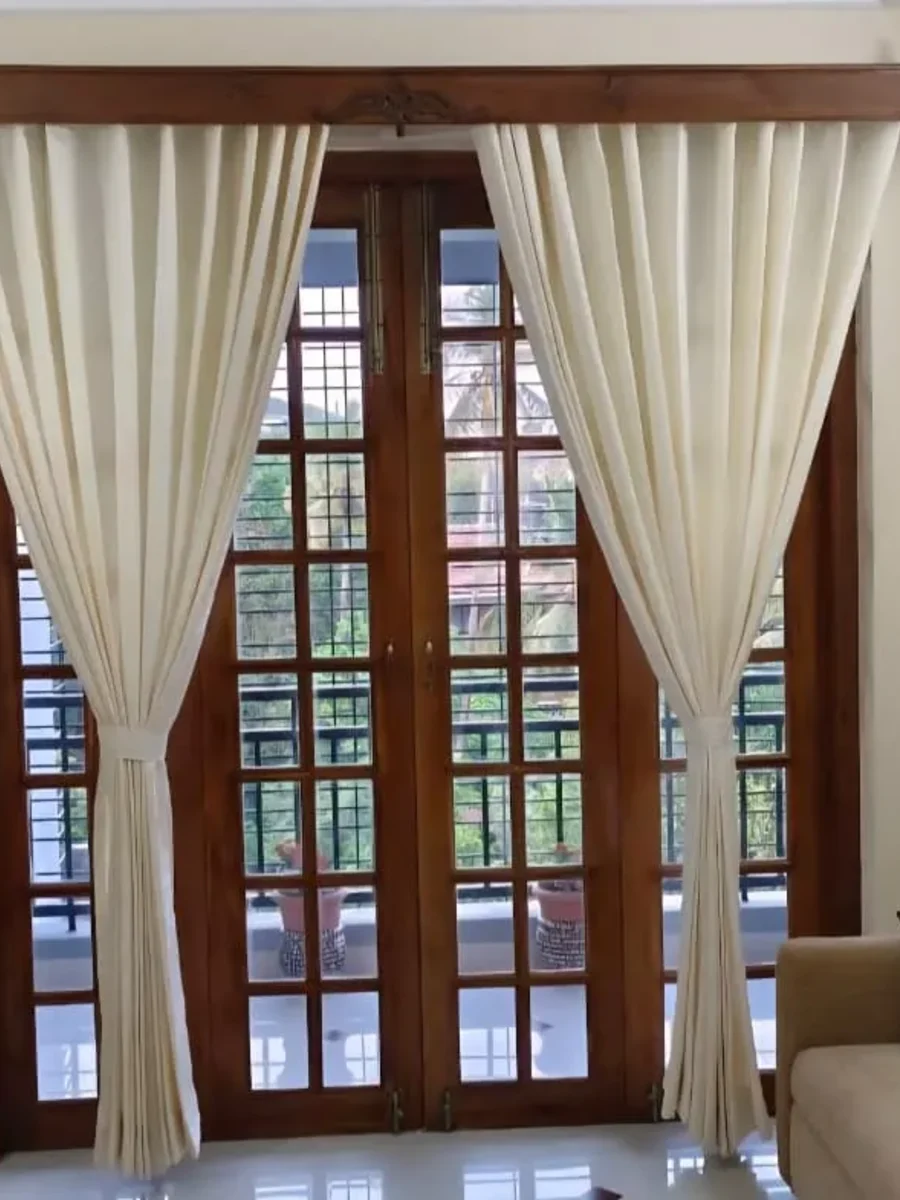
Deep reveals, tall shuttered openings and oyster-shell windows that modern curtain advice gets wrong.
Read the guide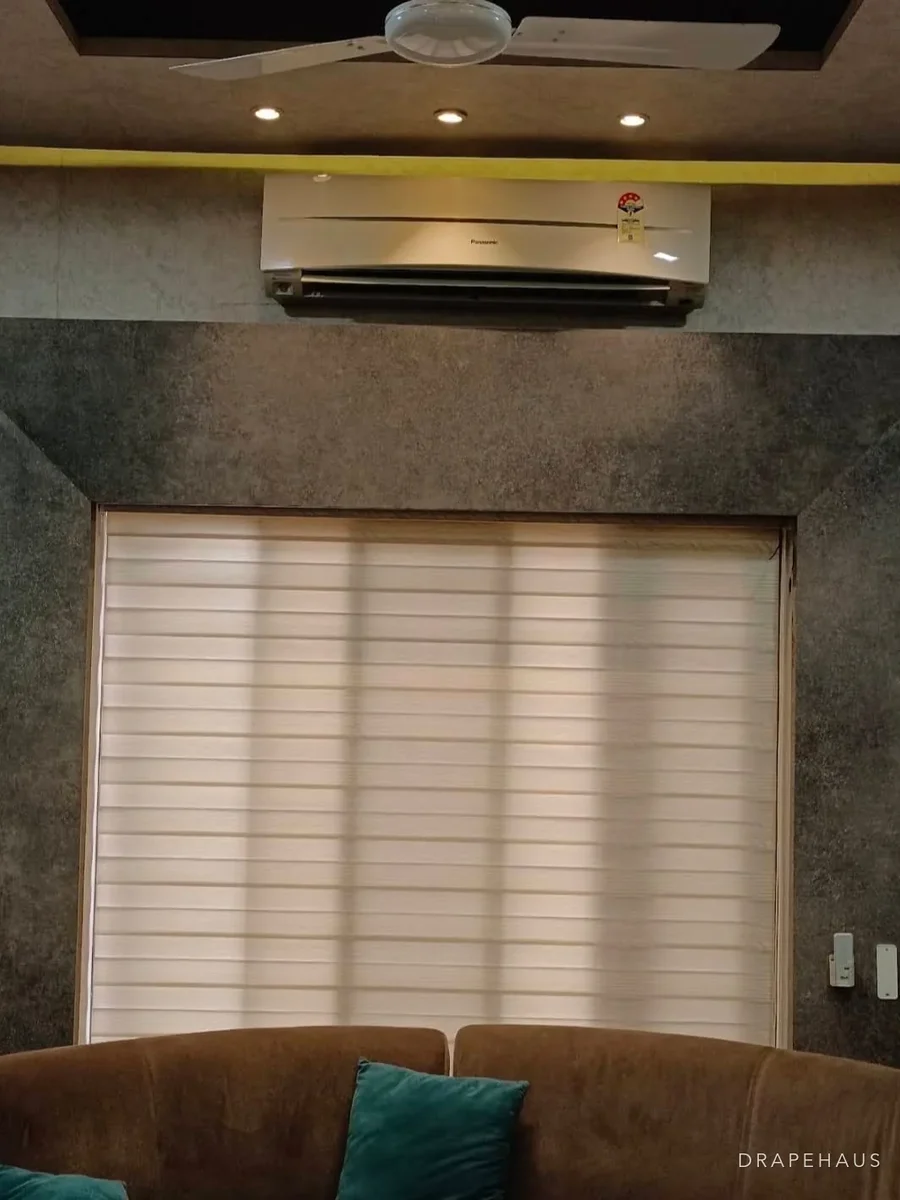
Society rules, concrete you cannot always drill, and standard openings that still are not standard.
Read the guide
Old openings and new extensions in one building, each needing a different answer.
Read the guideFrom the Journal
All articlesFAQ
Yes. We work across all of Goa, including Panjim, Porvorim, Dona Paula, Mapusa, the Bardez coast and villages such as Assagao and Siolim. Our workshop is in Benaulim, in South Goa, so North Goa visits are by appointment and we usually group them into the same trip. Everything is made in our own workshop and installed by our own team.
It depends on how many northern visits we already have planned. Because we group North Goa appointments to make the journey worthwhile, we will give you the next realistic date when you call rather than an optimistic one. If your timing is fixed, for example before a let or before the monsoon, tell us early and we will plan around it.
Yes, and many of our North Goa clients live abroad or in another city for most of the year. We can measure, fit and do monsoon take-downs with your caretaker or property manager holding the keys. We agree choices with you by photographs and calls, and we send pictures when the work is finished so you can see it before you next visit.
Yes. We bring fabric, lining and blind samples to your home on the first or second visit, so you can see them against your own walls, floors and light. Colours look very different by a sunny window in Candolim than they do indoors in a shop, and we would rather you choose once, in the right room.
Often it is better to wait. New curtains hung in late May face three or four months of humidity between about 83 and 91 per cent before they have been used much. Where a room needs something through the rains, we may suggest blinds or a simpler washable curtain first, and the main curtains after the monsoon withdraws in October.
Every area in North Goa