 Drapehaus
Drapehaus
Preparing the room
Drapehaus
Preparing the room
South Goa · Homestays and beach villages
Canacona is Goa's southernmost taluka, where the hills of the Western Ghats come down to Palolem, Patnem and Agonda. Its homes range from village houses in Chaudi to homestays and guest cottages that live by the tourist season.
What we see in Canacona & Palolem
Homes in Canacona & Palolem — tap a heading to read
Canacona is the southernmost taluka in Goa, bordering Karnataka, with its administrative centre at Chaudi. Its coast is a series of coves and beaches, Palolem, Patnem, Agonda, Galgibaga and others, backed by green hills that rise towards the Western Ghats and the forests of the Cotigao Wildlife Sanctuary. It is greener, hillier and less built up than the Salcete coast further north, and the pace of life is slower. For many people who settle here, that is the whole point, and they want homes that fit it.
Life on the Canacona coast follows the tourist season. On Palolem and the neighbouring beaches, the bamboo and timber huts on the sand are temporary: they go up after the monsoon and are dismantled before it. Behind them, in the villages, are the permanent buildings: homestays, guest cottages, small hotels and family houses, many of which let rooms from October to May. Those permanent rooms carry the year-round work, and they are where good furnishings pay for themselves over many seasons rather than one. Owners who run these rooms tend to think in seasons, and so do we.
Inland, around Chaudi and the villages on the hill roads, most homes are ordinary family houses, some old and tiled, some newer and concrete, and some newer homes on the hillsides. The work across Canacona is correspondingly varied, from a single family bedroom to a full homestay fit-out, but it is almost always shaped by the same three things: damp, insects and the monsoon. Getting those right matters far more here than following any particular style or trend. We start by asking how each room is used and when it is closed.
Planning work in Canacona & Palolem?
We measure on site and bring samples to see in your own light — so the choice is made in the room, not from a photo.
South Goa averages about 3,394 mm of rain a year, and Canacona, with its hills and forest, feels every drop of it. The monsoon normally arrives in the first week of June and withdraws in mid-October, and morning humidity through those months stays between 87 and 91 per cent. Inland houses surrounded by trees and hillside stay damp for weeks after the rains end, and rooms that get little direct sun can hold that damp until the dry season is well under way. Timber furniture and leather suffer as much as fabric in these conditions.
On the coast, many guest rooms close for the monsoon. A room left shut through months of saturated air is where mildew takes hold, first on curtains, then on mattresses and upholstery. Fabric that dries quickly, curtains that come down before the rains, and storage with airflow rather than sealed plastic make the difference between a quick opening in October and a round of replacements. Near the beach, salt also works on hardware, so we use aluminium tracks and stainless fixings as standard. A dry, aired room at the end of May is the best start for the following season.
Insects are the other constant. With forest and paddy fields close by, mosquitoes and other insects are present for much of the year. Well-fitted insect screens on windows and doors let guests and families keep rooms open and aired at night, which in turn reduces damp and eases the load on fans and air conditioning. In a homestay, screens are often what guests notice most, because they decide whether a room can be enjoyed with the windows open to the sound of the sea.
Canacona is the furthest part of South Goa from our workshop in Benaulim, so we plan visits in advance and, where we can, group several jobs into one trip. We measure every room, look at how each is used and when it closes for the season, and bring samples of blackout, sheers, washable fabrics and screen mesh. A written quote follows, room by room. If you are setting up new rooms, we are glad to be involved early, before windows and doors are finalised. We also note which rooms face the sea and which face the hill.
Everything is made in our workshop and fitted by our own team. For homestays and guest cottages, the best time to fit is in the quiet weeks before the season opens, usually September and early October, once the heaviest rain has passed. We plan around your bookings, and we leave a written record of what went into each room, so replacements match. Because the drive is longer, we make sure everything is ready before we set out, so fitting is done in one visit wherever possible.
For owners who want the monsoon handled, we can take curtains down in late May, clean and store them, and rehang them before the first guests arrive. For homestay owners who live on the property, we keep things simple: headings that lift off without tools, fabrics that can be washed at home, and screens that are easy to clean. The aim is furnishings that the household can look after itself through the season, with us on hand for the larger jobs. We explain the routine to whoever looks after the rooms.
Homestay and guesthouse owners most often ask for blackout curtains that genuinely work, insect screens on every opening window and door, and washable fabrics for curtains, cushions and headboards. Rooms in a homestay are often similar in size, so we keep one specification across them, which makes spares and replacements straightforward. Blackout matters more than owners sometimes expect, because guests on a beach holiday often sleep late, and early light through thin curtains is an easy way to lose a good night's sleep. We also make simple headboards and cushion covers to finish a room.
Goa's homestay policy sets out incentives for new registrations in several hinterland talukas, Canacona among them, and owners setting up rooms often want a complete fit-out: curtains, blinds, screens and upholstered furniture designed to cope with guests and the monsoon. We are happy to help plan rooms from the start. Where a registration or an insurer asks for flame-retardant fabrics, we can specify those, and we keep the choices simple enough that the owner can maintain them without help. Where rooms are still being built, we can advise on track positions before the ceiling is finished.
Families in village and hillside homes ask for what any Goan household needs: curtains that give privacy and shade, screens against mosquitoes, and re-upholstery of furniture that has been through a few damp seasons. Hillside homes with large windows facing the valley or the sea may also want blinds that manage glare without hiding the view. The drive is longer, but the care is the same as for a house next door to our workshop, and so is the aftercare. Small jobs are welcome.
What we make in Canacona & Palolem
The homes we work in here
Guest turnover, genuine blackout and fabric that survives being handled by strangers.
Read the guide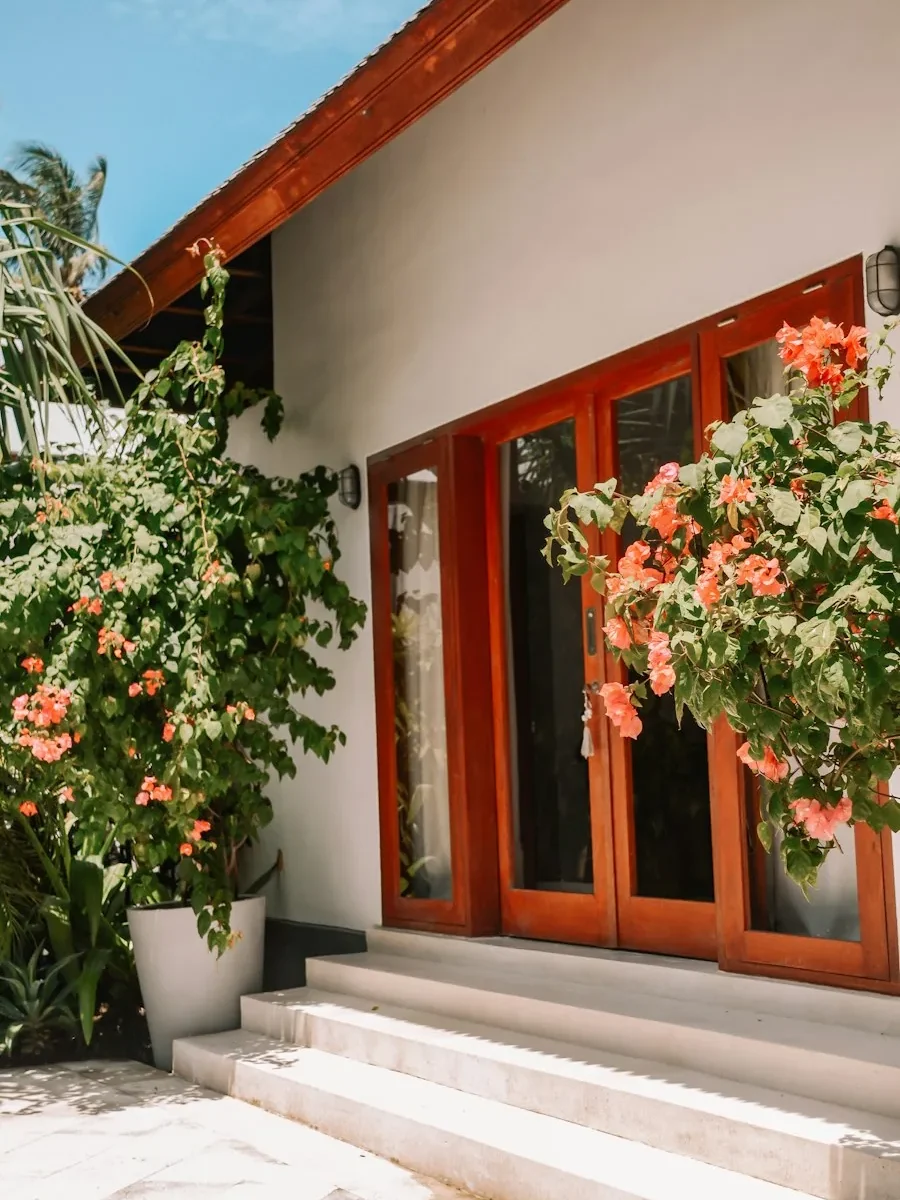
Balcão, small deep windows, thick walls and a way of living that curtains should not fight.
Read the guide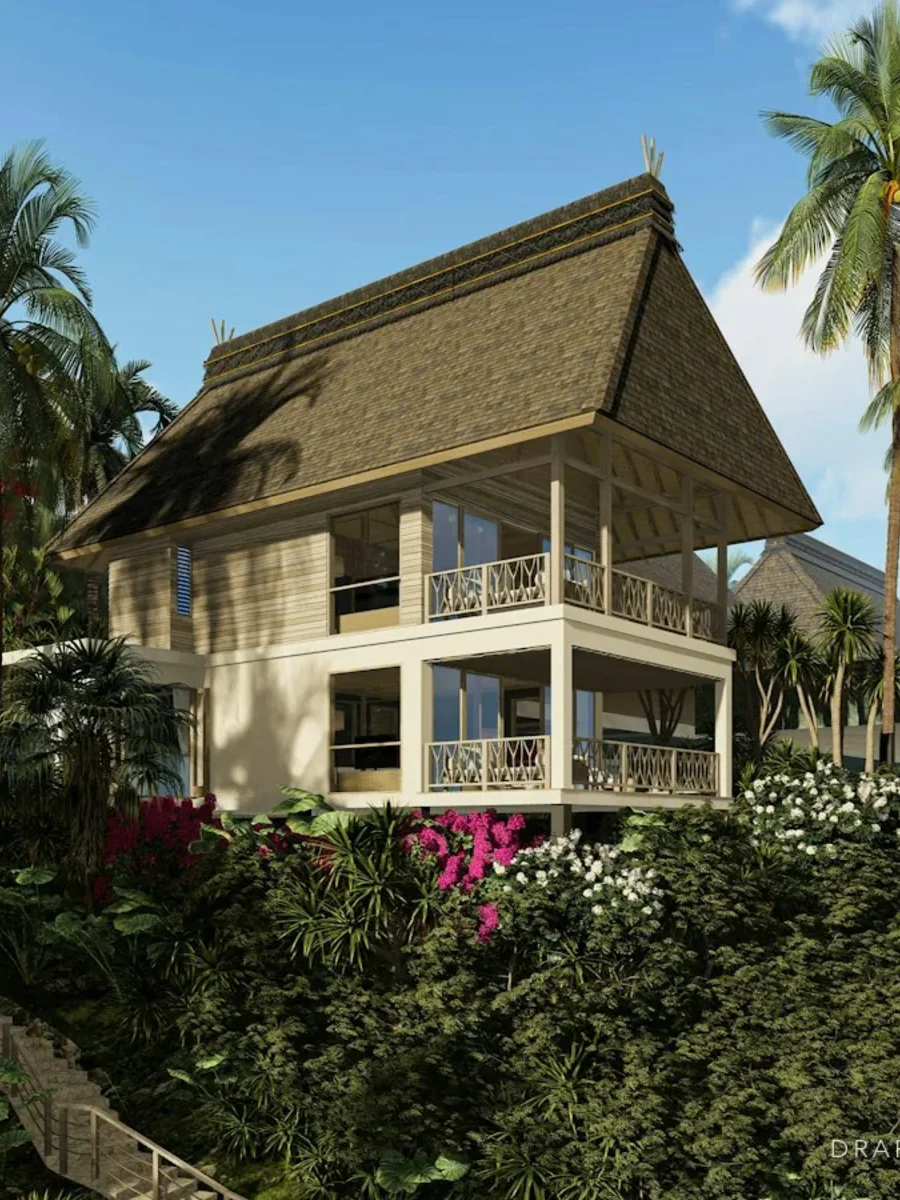
Views worth keeping, wind that tests every fixing, and light that arrives from unexpected angles.
Read the guideFrom the Journal
All articlesFAQ
Yes. We work across Canacona, including Palolem, Patnem, Agonda and Chaudi. It is the furthest part of South Goa from our Benaulim workshop, so we plan visits a little in advance and often group jobs into one trip. The service is the same everywhere: a visit with samples, making in our workshop and fitting by our own team.
Ideally, the measuring visit happens in August or early September, so that everything can be made and fitted in the quiet weeks before the season opens in October. Rooms are empty, the heaviest rain has passed, and you open with everything in place. Leaving it until November means working around guests.
If the rooms will be closed, take the curtains down in late May, wash and dry them thoroughly and store them with some airflow, not in sealed plastic. Closed rooms in Canacona's monsoon stay extremely humid, and fabric left hanging tends to mildew. We can manage the take-down and rehanging for you.
Yes. We fit mesh screens to windows and sliding or pleated mesh doors to verandas and balconies, measured to each opening. In Canacona, close to forest and paddy fields, screens let guests keep rooms open and aired at night, which helps with both comfort and damp. We choose mesh and frames that are easy to clean.
Yes. We use washable fabrics, headings that lift off without tools, wipe-clean blinds and real blackout for bedrooms, and we keep one specification across similar rooms so spares are simple. If your registration or insurer asks for flame-retardant fabrics, we can specify those too.
Nearby