 Drapehaus
Drapehaus
Preparing the room
Drapehaus
Preparing the room
Modern. Functional.
Blinds do what curtains cannot: tight light control in a shallow recess, a clean line on a busy window, and genuine blackout when they run in side channels. In a wet room or a coastal house, the material decision matters more than the style one.
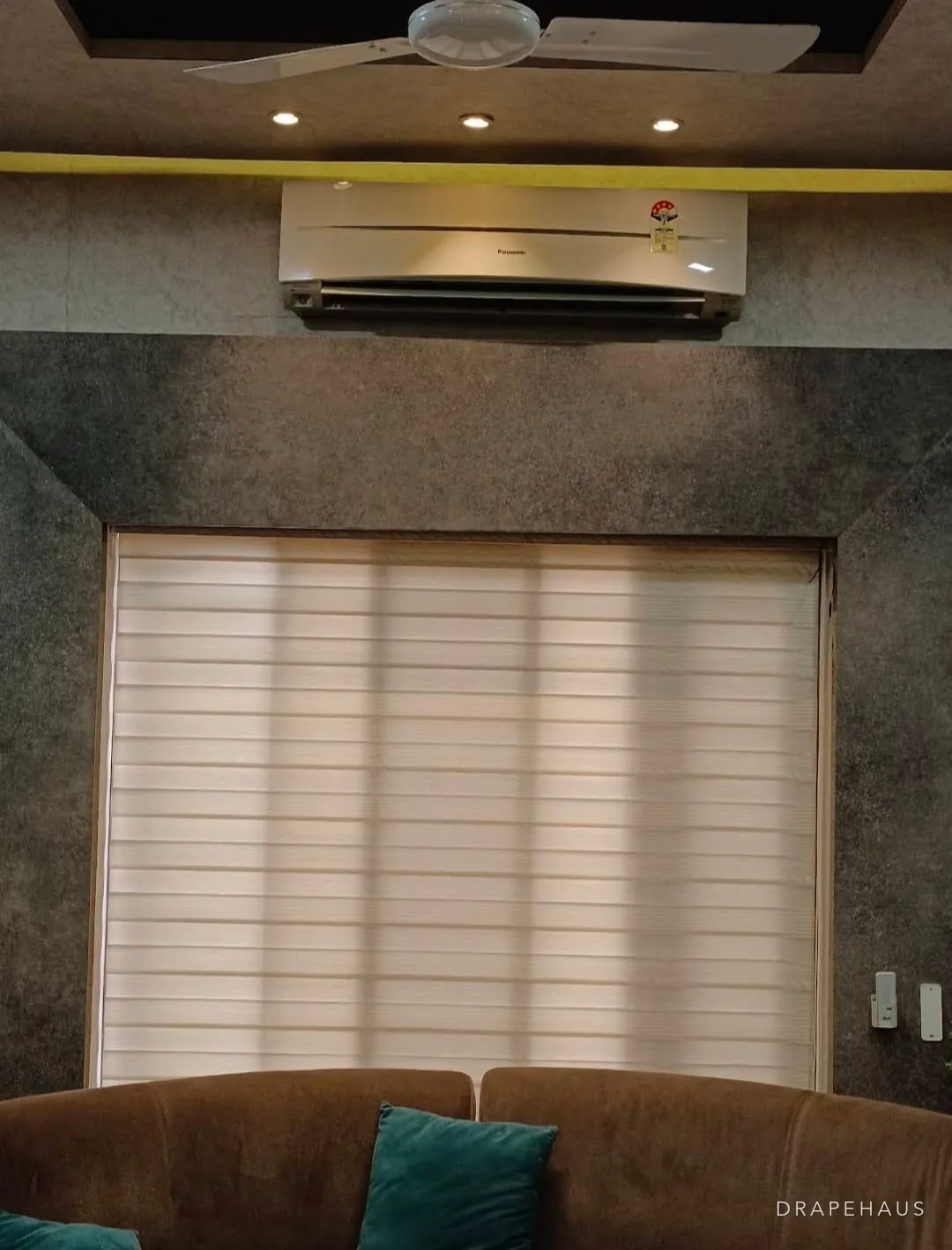
Roller · Midday
Treatment
Time of day
Light-filtering roller fabric: soft, even light and daytime privacy. For a bedroom, choose blackout fabric and side channels.
Our blinds collection
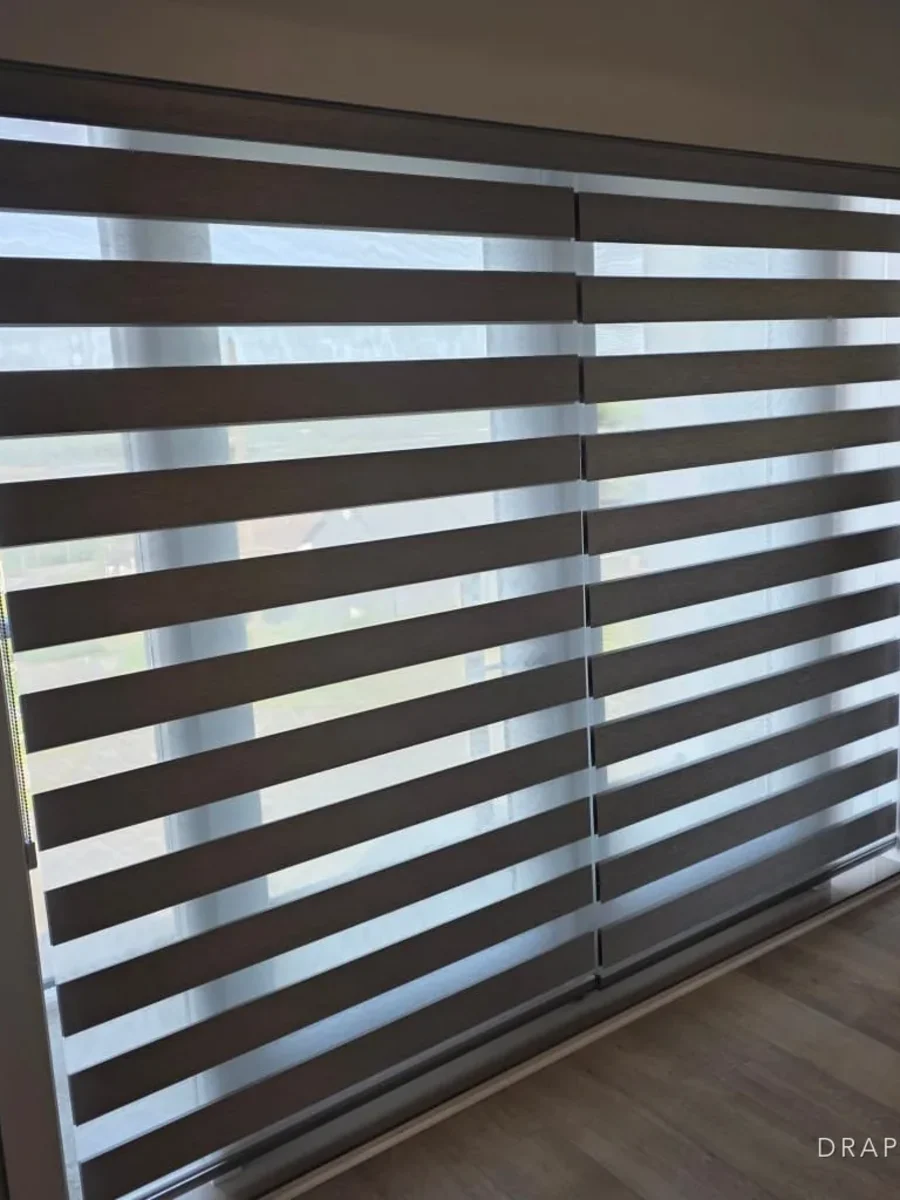
Light. Dark. Everything Between.
Explore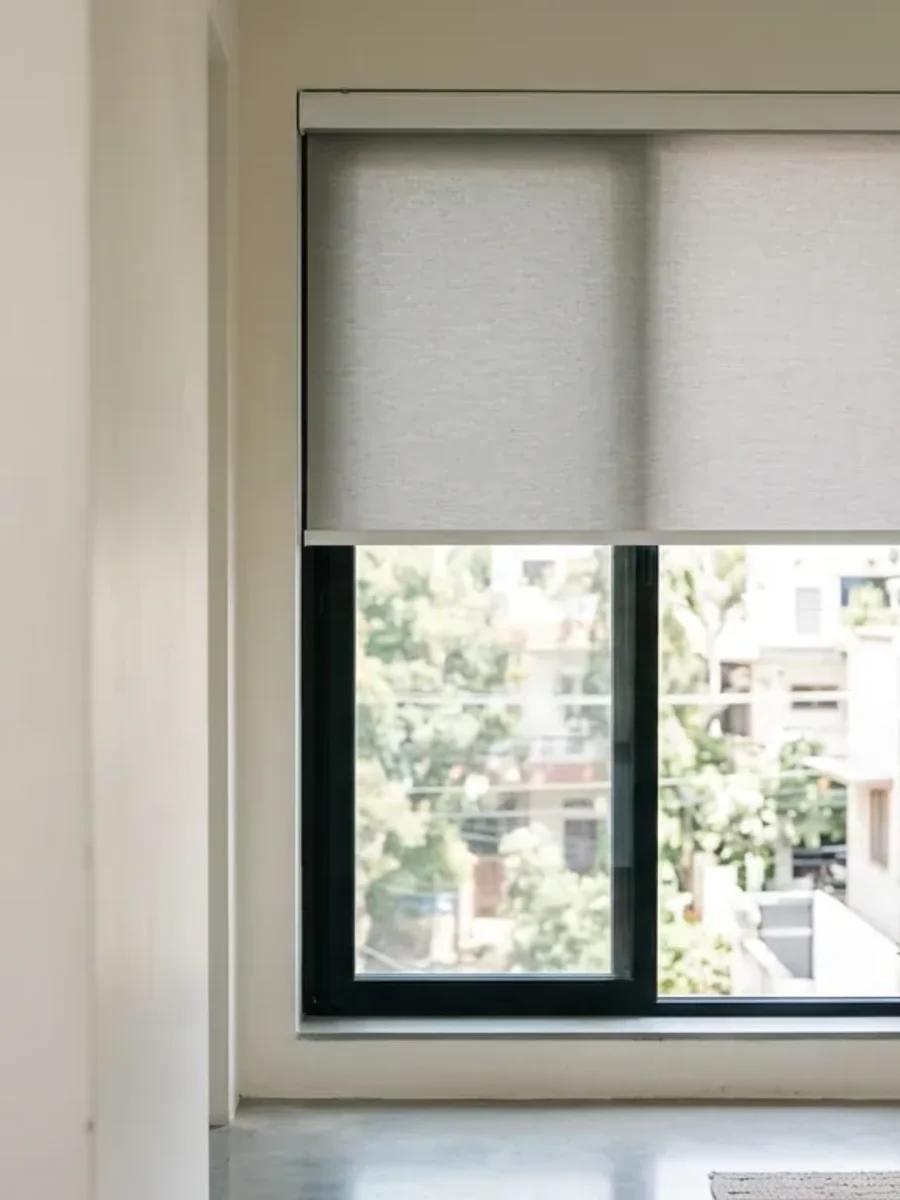
Simple. Clean. Precise.
Explore
Warm. Classic. Adjustable.
Explore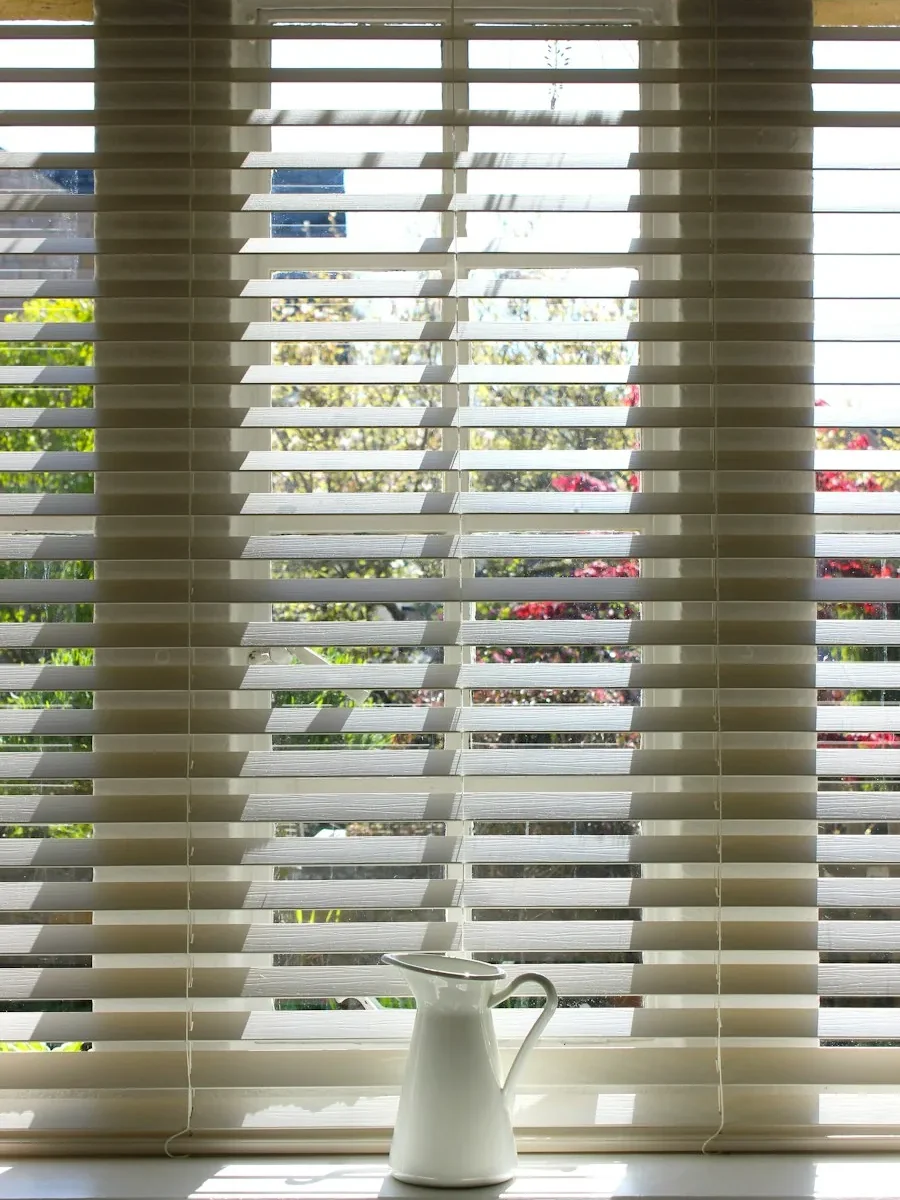
Moisture-Proof. Low-Care.
Explore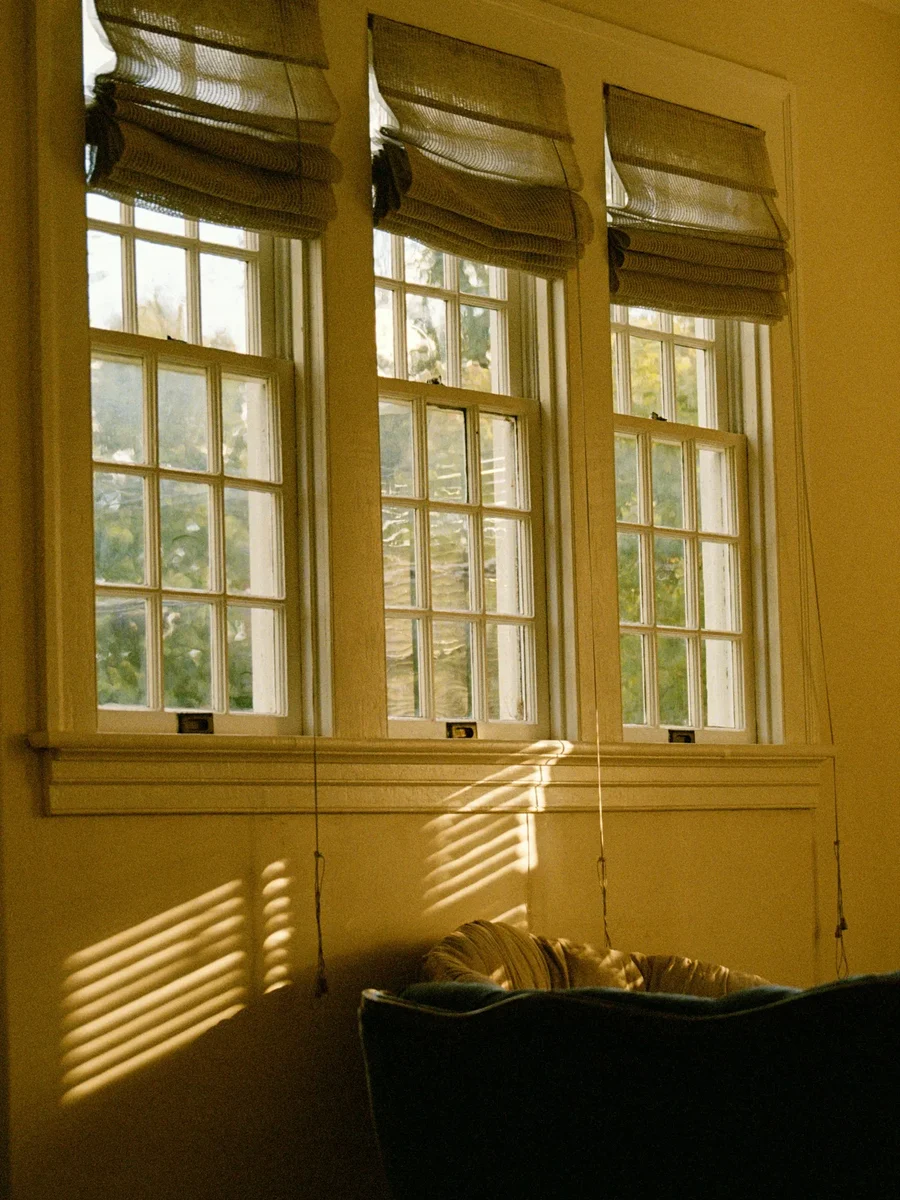
Soft. Tailored. Elegant.
Explore
Tall. Wide. Practical.
Explore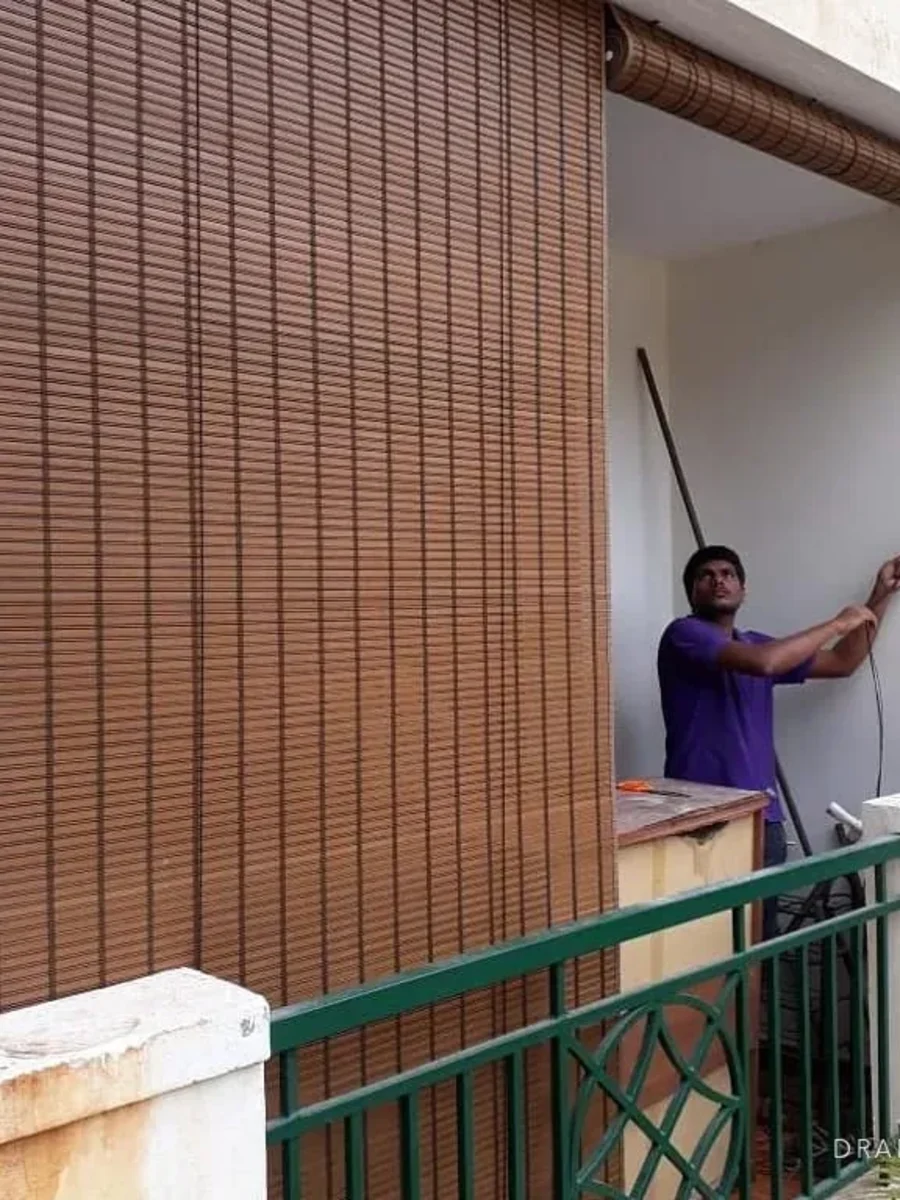
Natural. Shaded. Breezy.
ExploreIn short
By the Drapehaus studio · How we write
Is it right for you?
A blind is a single engineered piece fitted to one window, so it has none of the forgiveness of a curtain. It either fits the recess or it does not; its fabric or slat either tolerates the room or it does not. That makes choosing blinds for home use a specification exercise more than a styling one, and in coastal Goa the specification starts with moisture, salt and sun.
Blinds suit shallow recesses, windows over worktops and desks, wet rooms, rooms that need precise light control and houses where a clean line matters more than softness. They are also the natural choice when a window sits too close to a corner for curtains to stack back.
They are the wrong lead choice in a double-height living room that needs softness and acoustic absorption, on a very tall window where a heavy blind would be hard to raise, and in heritage rooms whose proportions were designed around full-length drapery. There, a blind may still play a part, but as a quiet layer behind curtains rather than the main event.
Your options
Each type answers a different question. Start with what the window has to do - darken, shade, give privacy, survive steam - and the shortlist usually narrows to two.
Swipe for all 7 →
The honest view
Precise light control
A blind closes exactly to the glass line and can be set to any height. With side channels or a well-fitted recess, it controls light far more tightly than a curtain hanging in front of a wall.
Right for shallow and awkward windows
Where there is no wall space for a curtain to stack back, or furniture sits under the sill, a blind occupies the window and nothing else.
Materials that ignore humidity
PVC, composite, aluminium and good synthetic fabrics do not absorb moisture, so they come through a monsoon without swelling, sagging or spotting in the way untreated natural fibres can.
Straightforward to motorise
Rollers, zebras and Romans take tubular or battery motors neatly, which makes high glass, stairwells and closed-up second homes much easier to manage.
Little acoustic softening
A single layer of fabric or slats absorbs far less sound than a lined curtain, so hard-surfaced rooms with blinds alone can feel echoey.
Measurement is unforgiving
An error of a few millimetres shows as a light gap or a blind that will not fit the recess. There is no fullness to hide a mistake.
Wide spans need splitting
Past a certain width a single blind becomes heavy to raise and, with slats, may sag. Splitting into two or three blinds solves it but adds visible joins.
Side by side
A quick reading of how the main types behave on the criteria that matter most in a coastal house. Every row assumes a well-chosen material within that type.
| Roller | Zebra | Venetian (timber) | Faux-wood / PVC | Roman | |
|---|---|---|---|---|---|
| Darkest achievable | Full blackout in channels | Strong room-darkening | Dim, light at slat gaps | Dim, light at slat gaps | Blackout, small edge gaps |
| Adjust light direction | No | Partly, via bands | Yes, by tilting | Yes, by tilting | No |
| Humidity tolerance | High with synthetics | High | Low in wet rooms | Very high | Moderate, lining-dependent |
| Cleaning | Wipe or brush | Wipe or brush | Dust slat by slat | Wipe down | Vacuum, occasional dry-clean |
| Look | Minimal | Modern, graphic | Warm, architectural | Crisp, painted | Soft, tailored |
| Motorisation | Easiest | Easy | Possible, specialist | Possible, specialist | Easy |
Swipe to compare →
Vertical and chik blinds sit outside this grid: verticals for wide doors and offices, chiks for outdoor shade.
Rather see it in your own room?
We bring samples to the house, measure every window, and specify for the light and exposure you actually have.
Room by room
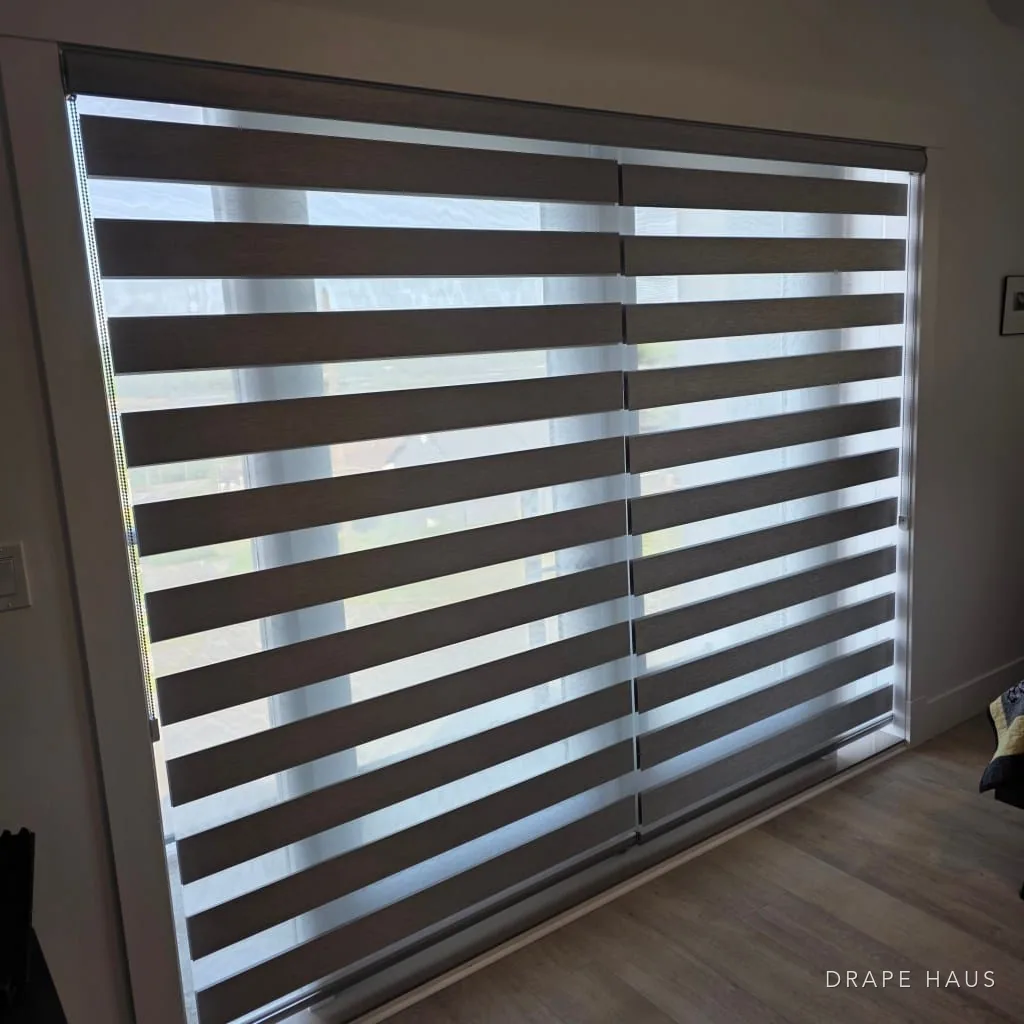
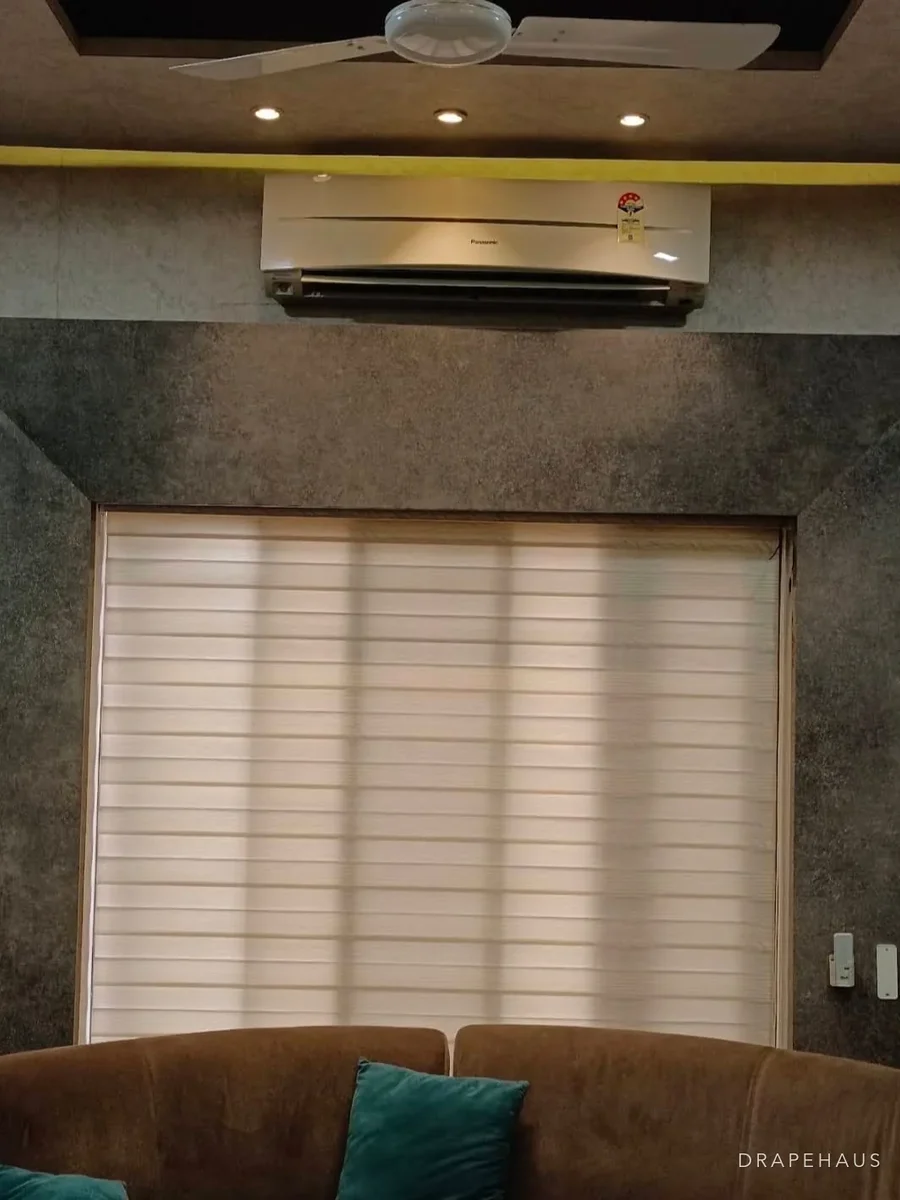
Zebra or solar roller blinds handle glare on screens and bright afternoons well. In a larger room, pair them with curtains for softness and acoustics rather than relying on the blind alone.
A blackout roller in side channels, or a blackout-lined Roman under curtains, gives the darkest result. Choose the mechanism so it can be operated quietly from the bed if you want to motorise.
Cordless or motorised operation only, with blackout for daytime naps. A wipe-clean roller fabric is more forgiving of small hands than a slatted blind.
Faux-wood, PVC or aluminium Venetians, or a PVC-coated roller. Steam, grease and splashing rule out timber and most untreated fabrics here.
Faux-wood or PVC slats, or a moisture-resistant roller. Tilt the slats upward for privacy with daylight. Avoid real wood and lined fabric blinds without exception.
Bamboo chiks outside the opening shade the wall and keep the breeze. Accept that they are a seasonal layer and plan where they will be stored in the monsoon.
Blinds work on high glass only if motorised, and a single blind on a very tall window is heavy. Often a motorised roller for heat, with curtains for scale, is the better answer.
In depth — tap a heading to read
The monsoon, not the sun, is what shortens the life of most blinds here. Relative humidity in coastal Goa sits between about 83 and 91 per cent through June to September, well above the level at which mould establishes on absorbent surfaces. Anything that takes up water - timber, cotton, jute, a thick lining - will hold that moisture for weeks at a time.
So the first question for every window is how wet the room gets. Bathrooms and kitchens take PVC, composite or aluminium. Rooms that are closed for months in a second home suit synthetic fabrics that do not feed mildew. Timber and natural fibres belong in dry, lived-in, ventilated rooms. Close to the sea, salt adds a second load, and hardware finish matters as much as the fabric.
An inside-mount blind sits within the window reveal. It gives the cleanest line and leaves the architrave visible, which suits laterite walls with deep reveals and old joinery worth seeing. It needs enough depth for the headrail and for the blind to clear handles and stays, and it will always leave a slim light gap at the sides.
A face-fixed blind sits on the wall or frame above and overlaps the opening. It darkens better, hides an uneven reveal and is the only option where the recess is too shallow. The trade-off is a more visible headrail and a blind that reads as an addition rather than part of the window. Most rooms that need real darkness end up face-fixed or in side channels.
Measure every recess at top, middle and bottom. Old walls are rarely square, and the smallest width governs an inside-mount blind.
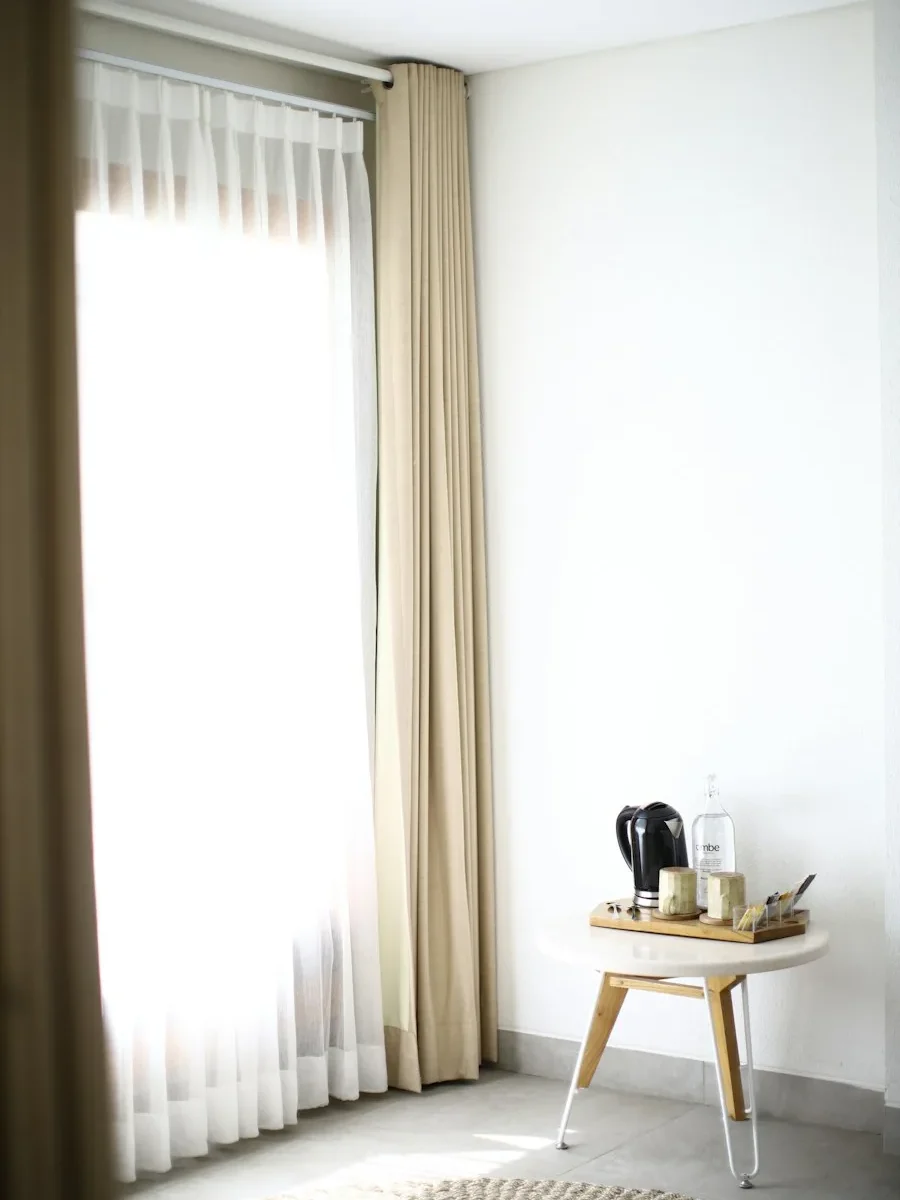
Many of the best rooms use both. A blind handles the practical work - heat, glare, privacy, darkness - while a curtain brings softness, colour and sound absorption. A solar roller behind linen curtains, or a blackout Roman under a pair of full-length dress curtains, gives a bedroom both control and comfort.
The fitting has to be planned together. The blind goes in the recess or tight to the frame; the curtain track goes wider and higher so the curtains clear the blind when drawn. If the blind is motorised, it is worth deciding at the same time whether the curtains will be too, so both run from one control.
Manual blinds run on a continuous chain, a wand, a cordless spring or a crank. For any room children use, loose cords are out: we fit cordless mechanisms or chains held taut by a tensioner fixed to the wall, so no loop hangs within reach.
Motorisation earns its place on high glass, on wide banks of blinds that should move together, and in second homes where a scheduled close protects furnishings from sun while the house is empty. Battery motors suit retrofits; wired motors suit new builds and renovations where the cable can be chased in before plastering. Every motorised blind we specify keeps a way to operate it during a power cut.
A rental house asks different things of a blind. Guests do not know the mechanism, so it should be obvious to use and hard to damage. Blackout in every bedroom is close to essential, because guests on holiday sleep late and complain about early light more than almost anything else.
Standardise where you can. The same fabric and mechanism across several rooms simplifies replacement and cleaning between seasons. Composite and PVC slats can often be replaced individually rather than remaking the blind, and wipe-clean fabrics turn around faster between stays than anything that needs to go away for cleaning.
Living with it
Brush or vacuum fabric blinds with a soft upholstery attachment every few weeks, and wipe slats with a barely damp cloth. Dust holds moisture, so a clean blind is a drier blind.
Check fixings and brackets for rust, clean every blind thoroughly and make sure rooms that will be closed have some airflow. Take down bamboo chiks from exposed positions.
Raise fabric blinds on dry days to let air reach the window, and wipe condensation off slats and sills. Do not leave a blind lowered against wet glass for weeks.
Leave blinds part-raised rather than tight against the glass, and ask whoever checks the house to open them and air the room on a fine day.
If a blind becomes stiff, stop and have it checked rather than forcing it. Forcing a sticking chain is the usual way a sound mechanism gets broken.
Avoid these
Real wood swells and seizes in bathrooms and kitchens here, whatever its finish. Use faux-wood, PVC or aluminium, which look much the same.
Light passes the edges of any blind in a recess. For real darkness, face-fix with a generous overlap or use side channels.
A single wide blind is heavy and can sag. Split it into two or three that align at the same drop and can be set independently.
A tap, a worktop, a bed headboard or a window seat changes where the blind can hang and how it is operated. Plan around it from the start.
In a coastal house, decide what the window must survive first. Then choose the style within the materials that will last.
Checklist
Made to measure
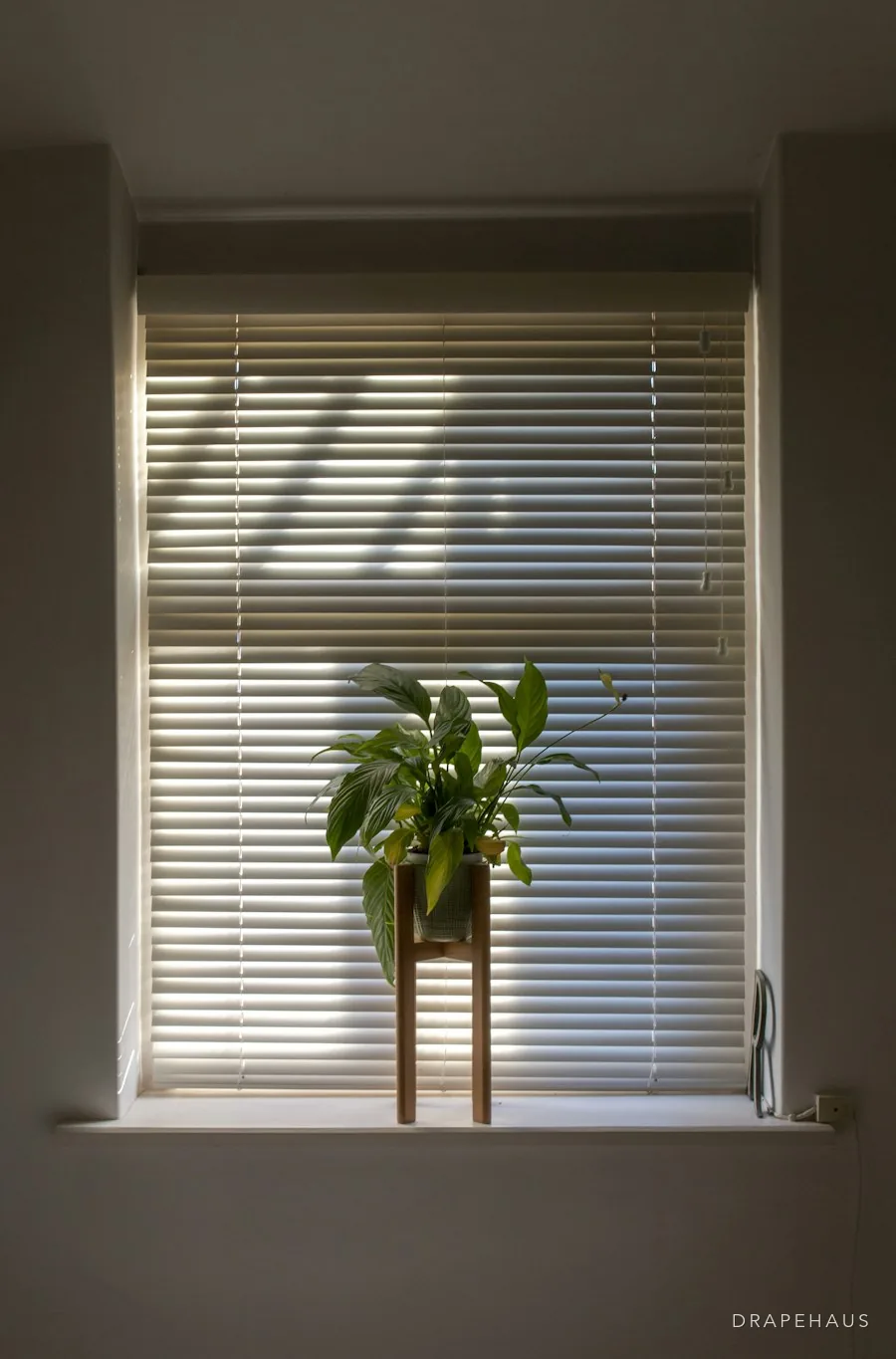
A blind has nowhere to hide a bad measurement, so every one is measured in the recess or on the face of the frame, at three points, before it is made. We check the recess depth, the handle clearance and whether the window gets wet — then choose the mechanism and the material to suit.
Our work
From the Journal
All articlesFAQ
Blinds suit shallow recesses, wet rooms, windows over furniture and tight light control. Curtains suit tall windows and soft, layered rooms. Many rooms work best with both.
PVC, faux-wood, aluminium and most synthetic fabric blinds. Real timber is the wrong choice for bathrooms and exposed coastal rooms.
We fit cordless and wand-operated mechanisms, and cord tensioners where a cord is needed, so there are no loose loops within reach.
Yes — rollers, zebras and Romans are all straightforward to motorise, with battery, solar or wired options and a manual override.
For sleep, a blackout roller running in side channels gives the darkest room. A blackout-lined Roman, face-fixed with an overlap, is almost as dark and far softer to look at. Zebra and Venetian blinds filter light well but never fully darken a room, so pair them with blackout curtains.
In most Goan houses, yes. Windows in older homes are rarely standard or square, and a ready-made blind leaves gaps, clashes with handles or fails to fit the recess. Made-to-measure blinds are sized to the smallest measurement, with the mechanism and material chosen for that window.
They help, particularly solar fabrics and pale backings, by stopping sun before it warms the room. Interior shades are useful; exterior shading such as a chik outside the opening does more, because it stops the heat before it reaches the glass.
Yes, and it is often the best arrangement. The blind sits in the recess or tight to the frame for light control; the curtain track is fixed wider and higher so the curtains clear it and add softness and sound absorption.
It depends far more on material and position than on type. Synthetic fabrics and composite slats in a sheltered room last many years; natural materials in an exposed, wet position may need replacing after a few seasons. Corroding fixings are often the first failure near the sea.
Next step
We start with a home visit. We measure every window at several points, check recess depths and clearances, and look at how each room takes the sun, the rain and the salt. We bring fabric and slat samples so you can see them in the room's own light, then specify a type, material and mechanism for each window. Your blinds are made to those measurements and fitted by our own team. Book a home visit, and we will walk the house with you.
Fabrics for the climate
Specified for salt, sun and monsoon.
Measured on site
Every window, every time.
Fitted by our team
The people who plan it, fit it.
Rooted in Goa
A local workshop serving North and South Goa.