 Drape Haus
Drape Haus
Preparing the room
Drape Haus
Preparing the room
Walls with Depth and Purpose.
PVC, WPC, wood, fluted, acoustic and marble-effect panels, chosen for the wall they are going on as much as for the look. In a climate of monsoon damp, termites and salt air, the right panel on a dry, properly prepared wall lasts for years; the wrong one hides a problem until it comes through the surface.
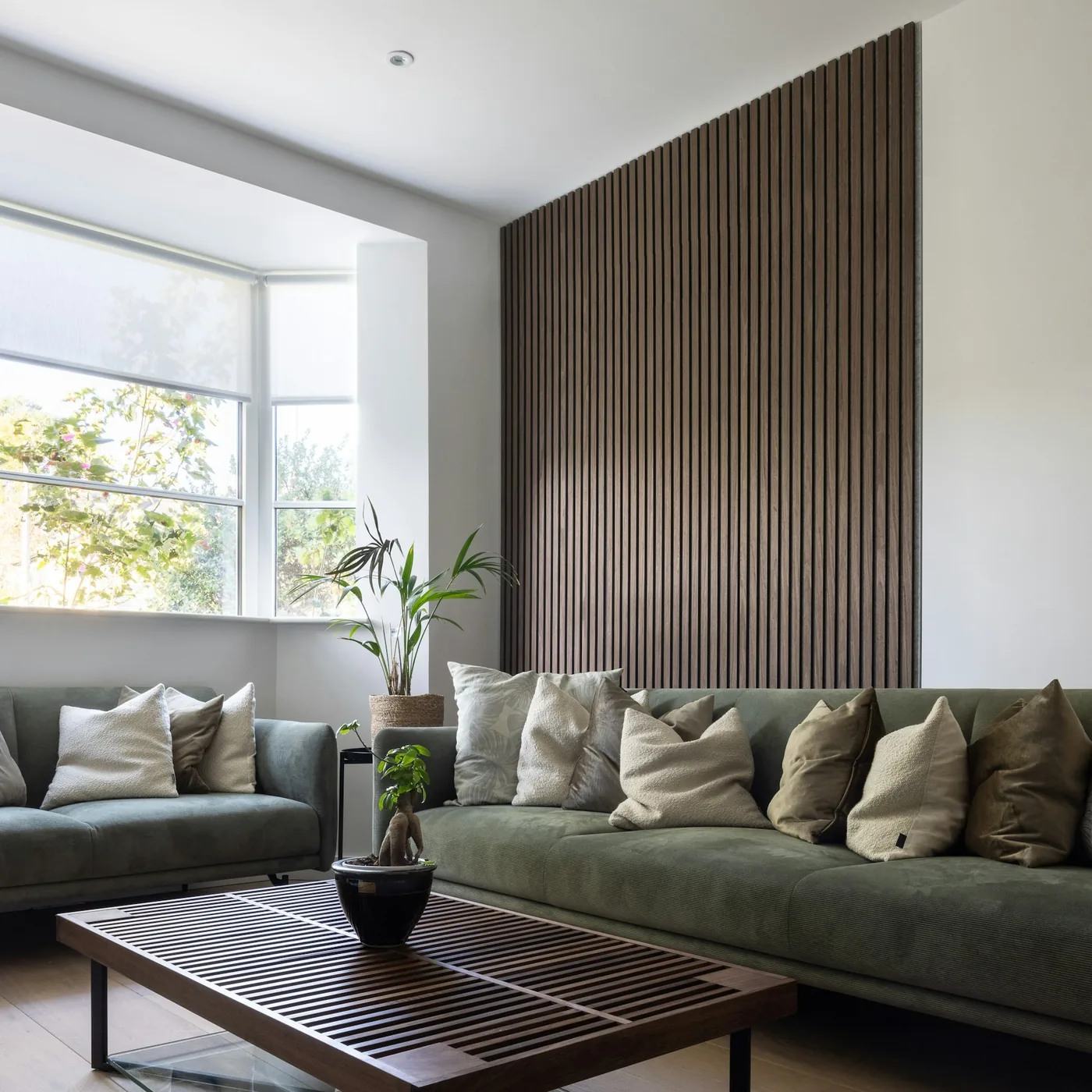
Our wall panel collection
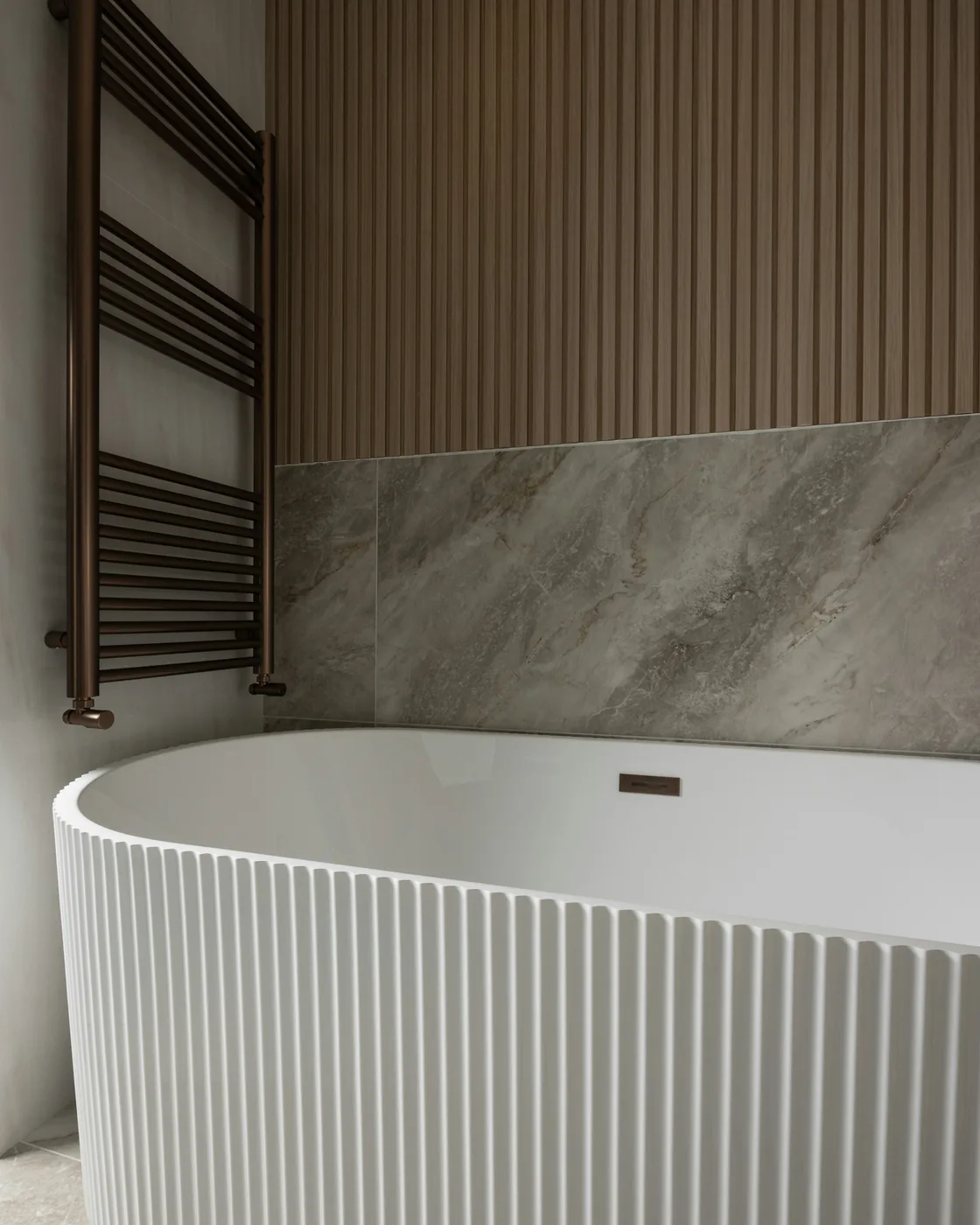
Waterproof. Light. Practical.
Explore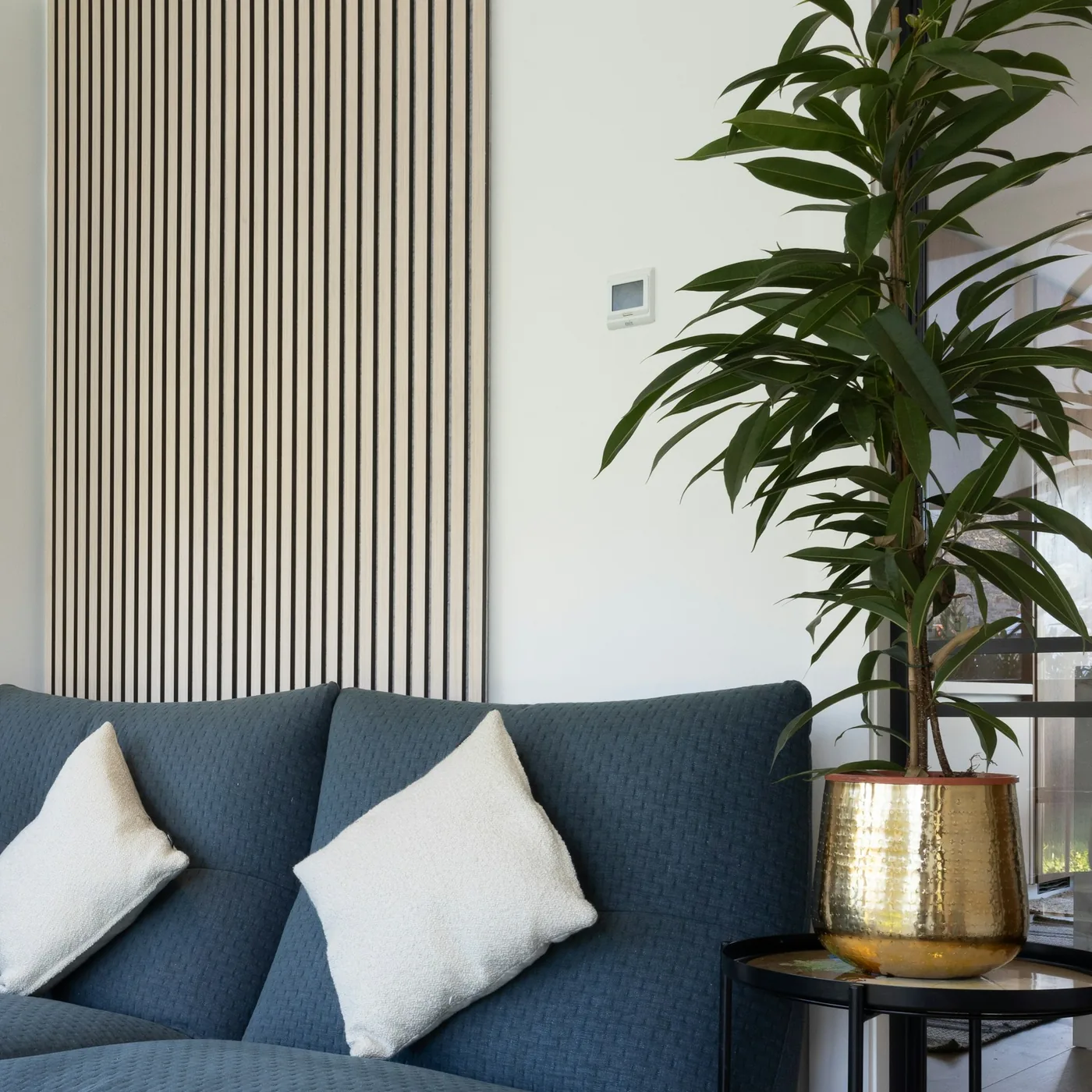
Wood Look. Composite Strength.
Explore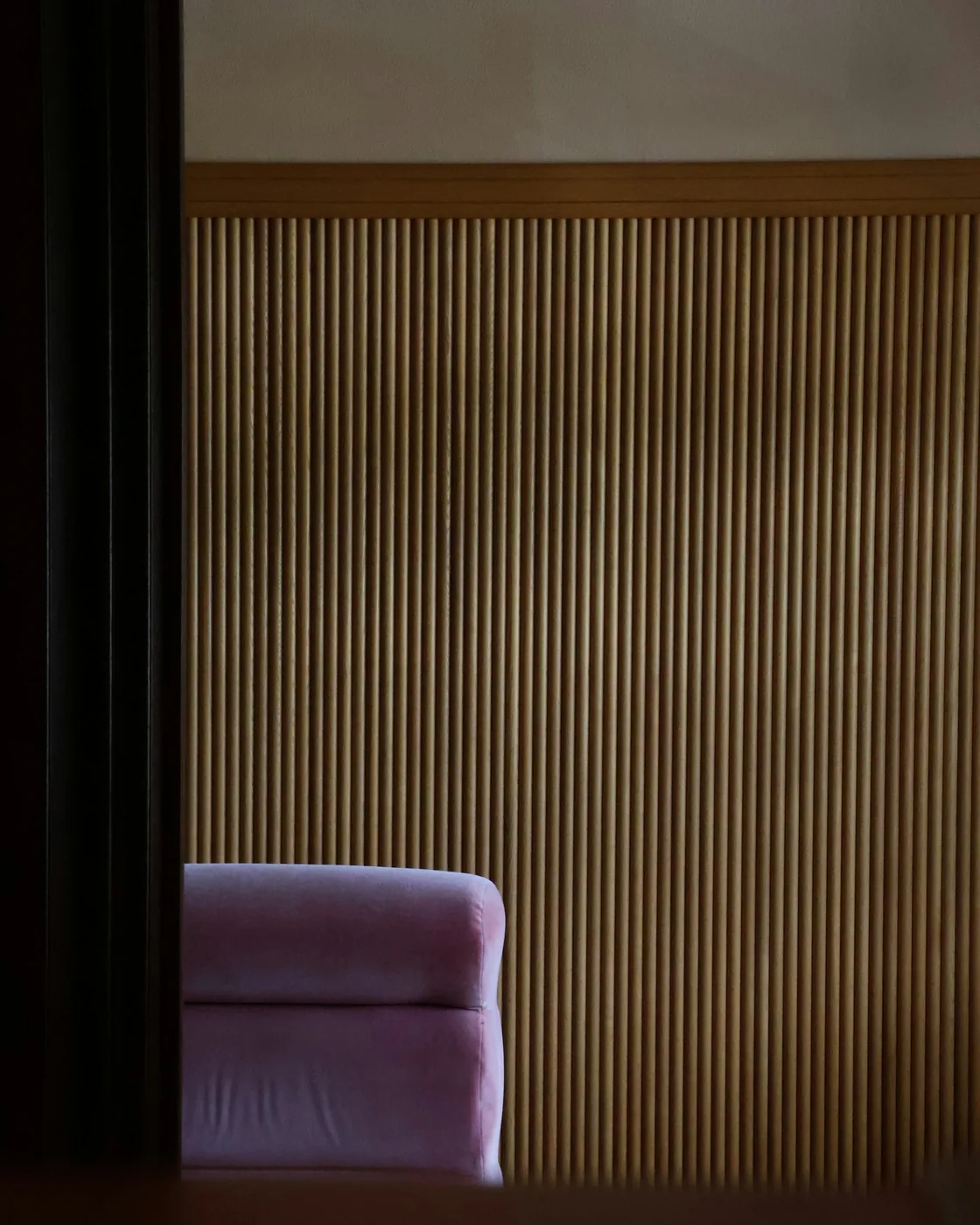
Rhythm. Shadow. Texture.
Explore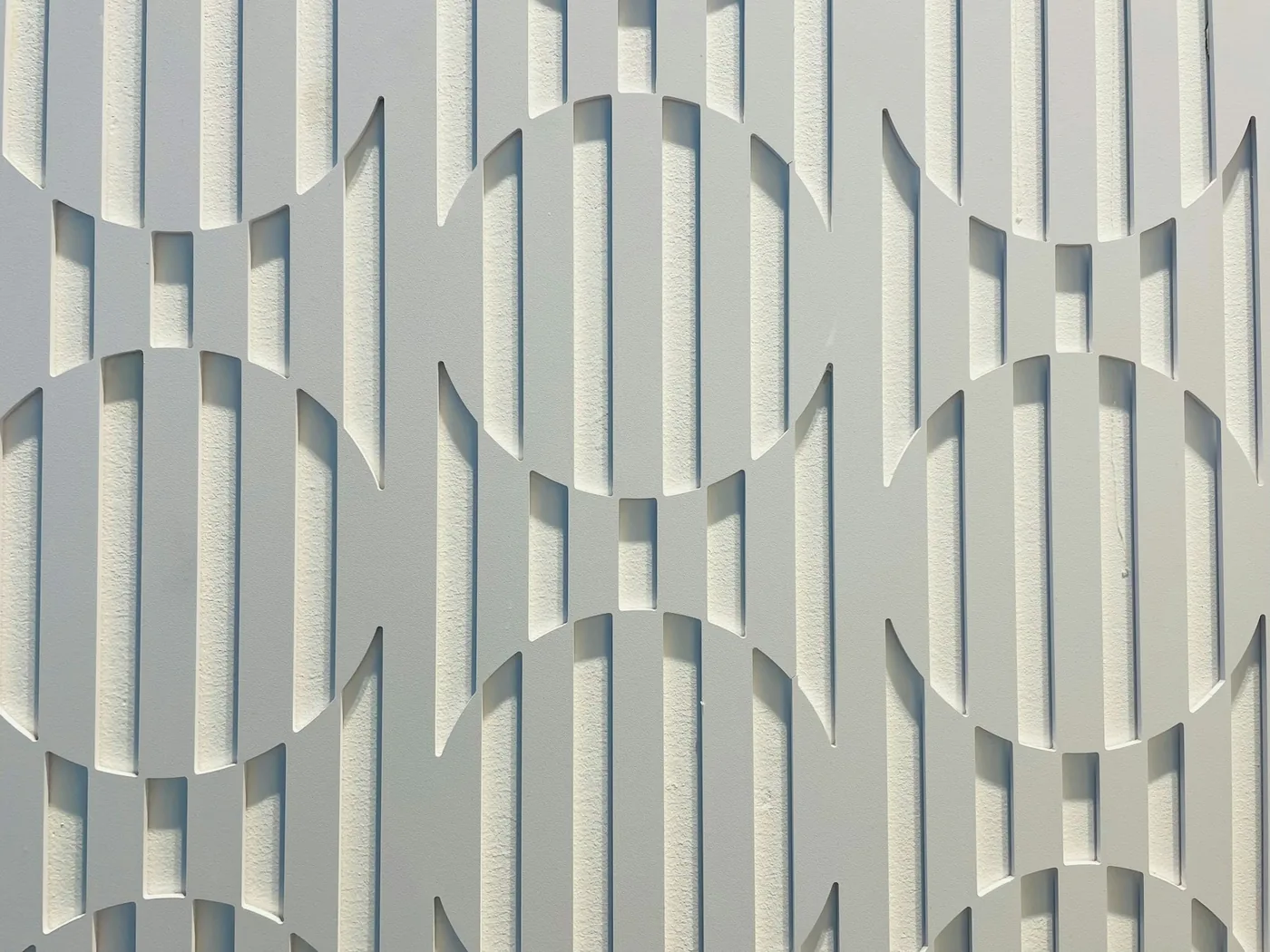
Relief. Pattern. Light.
Explore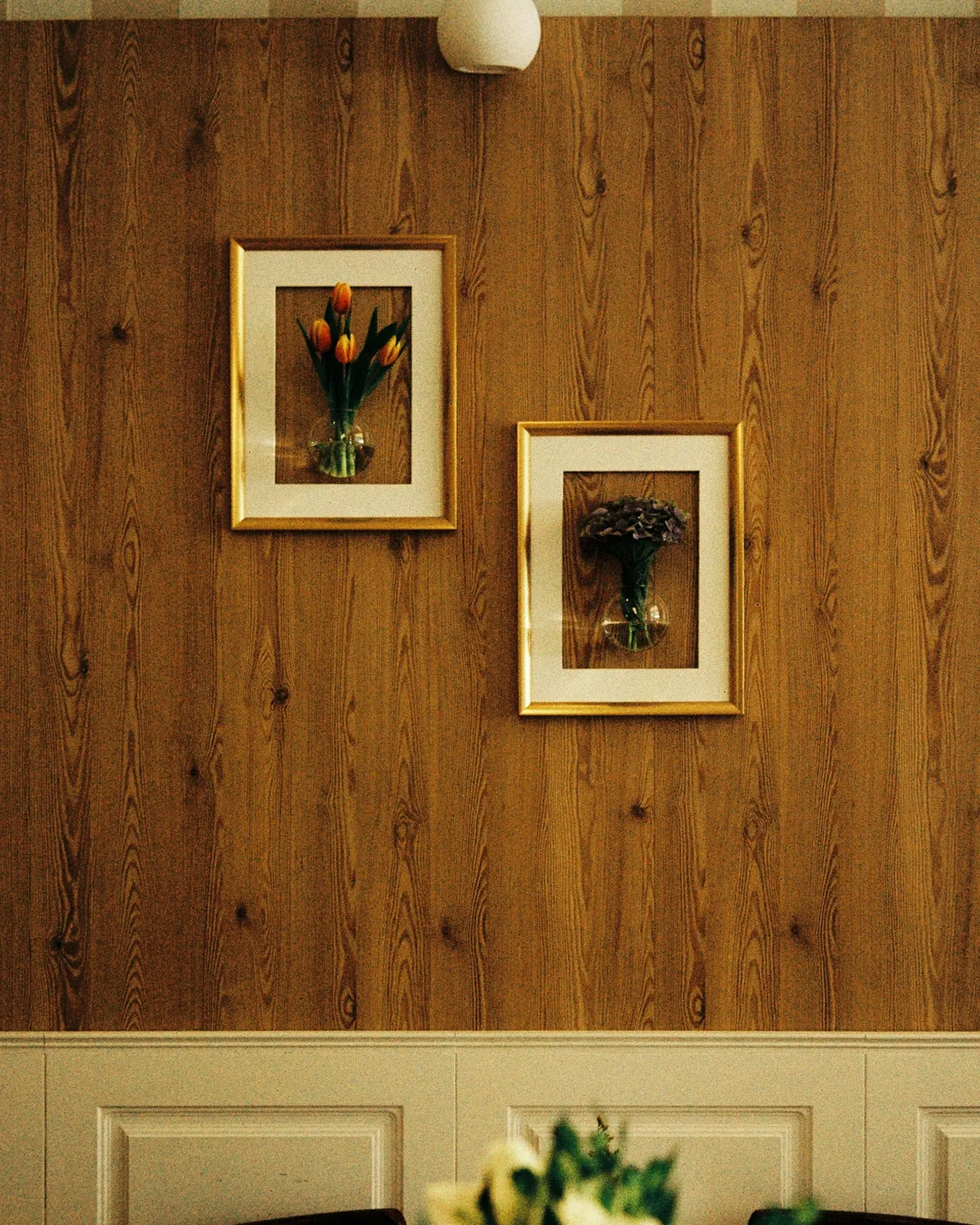
Warm. Natural. Considered.
Explore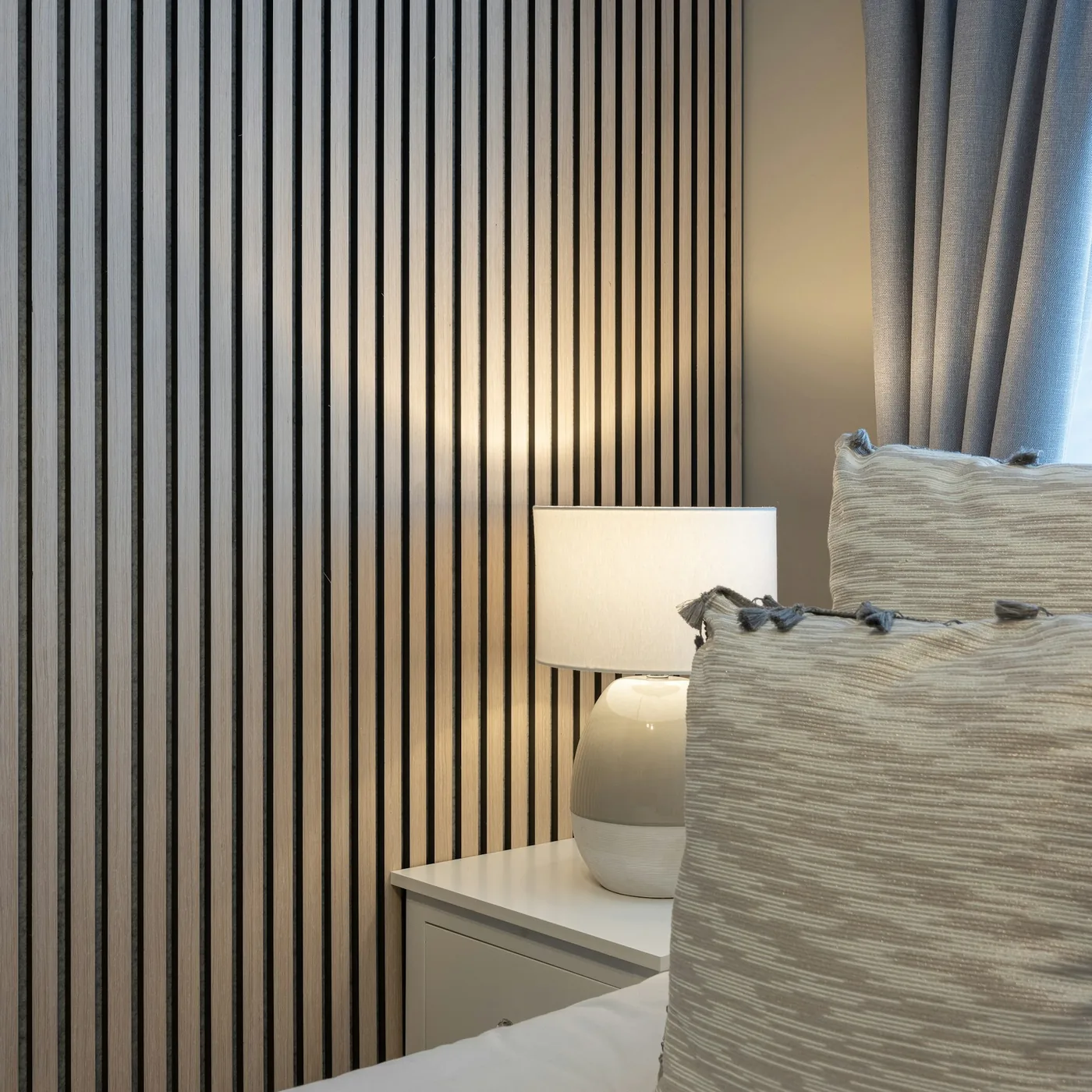
Slatted. Flexible. Quick.
Explore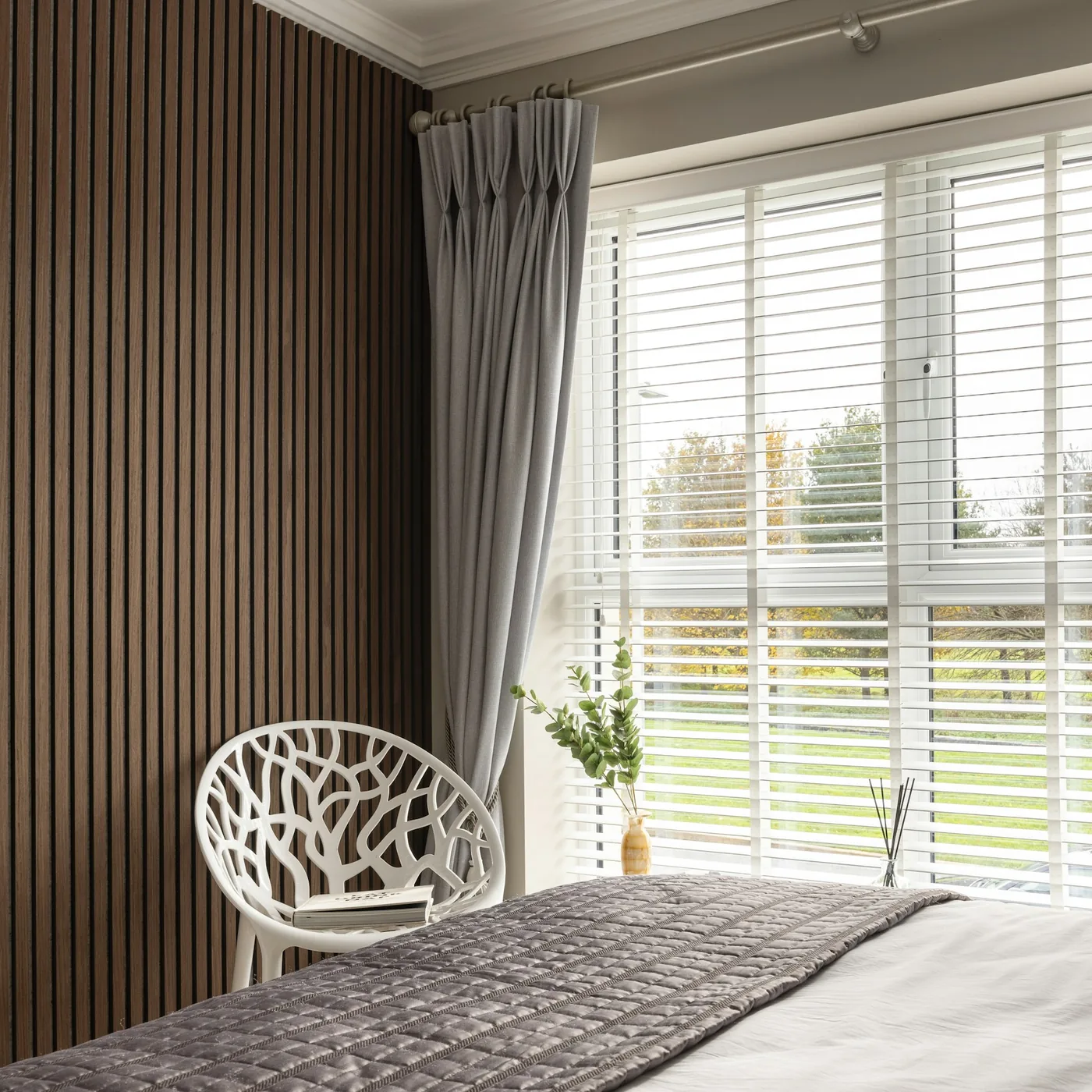
Less Echo. Clearer Sound.
Explore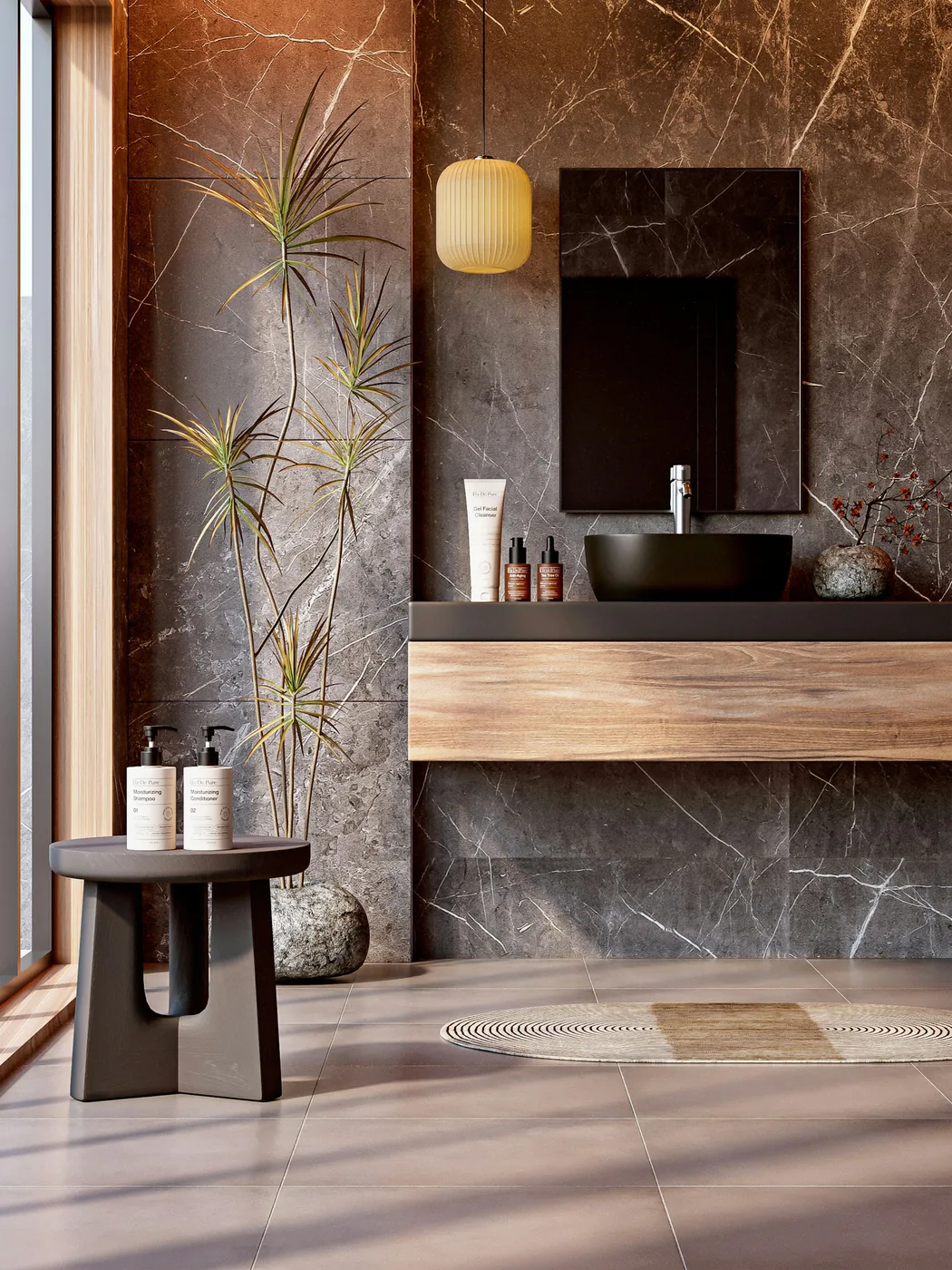
Marble Look. Light Sheet.
Explore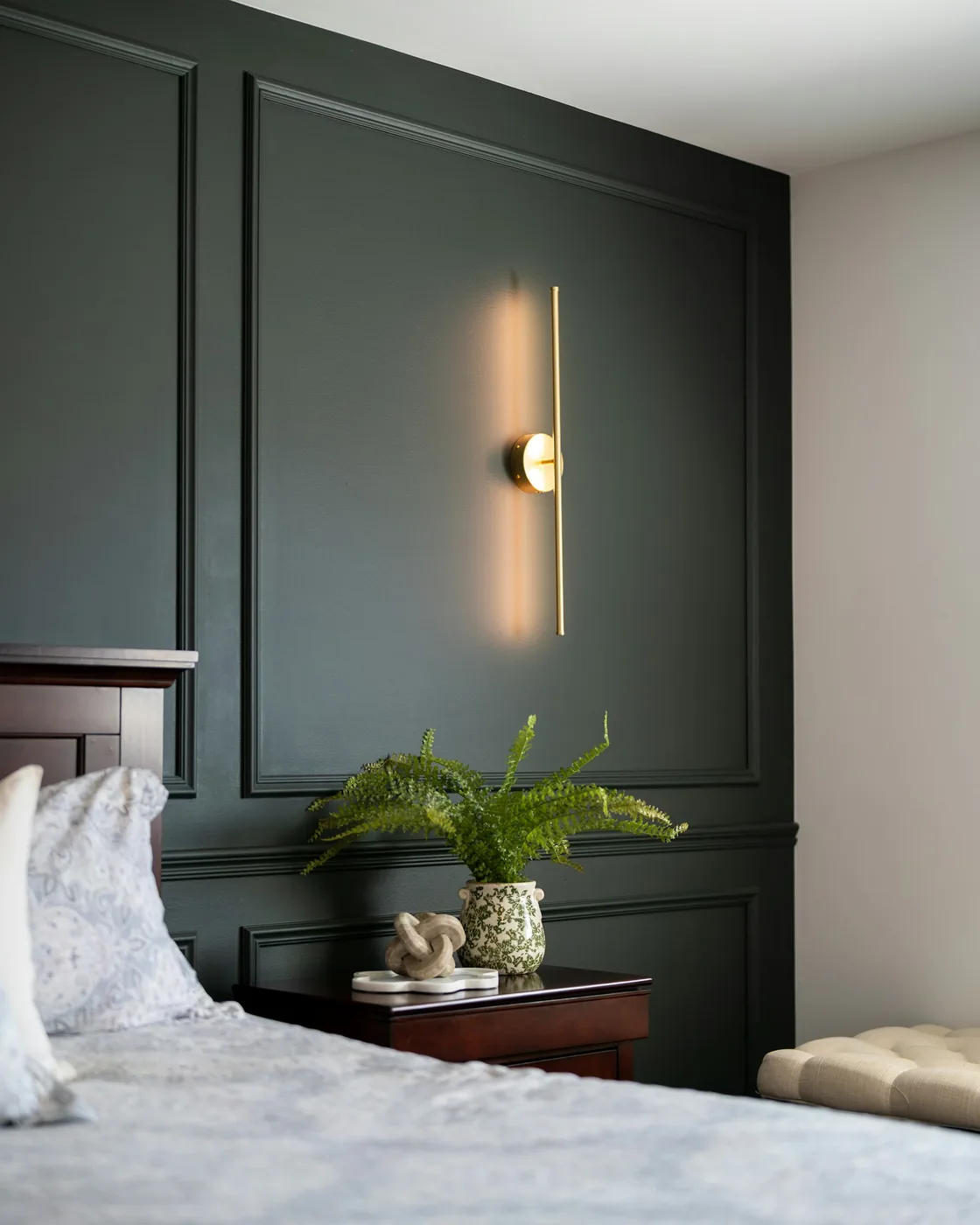
Frames. Proportion. Detail.
Explore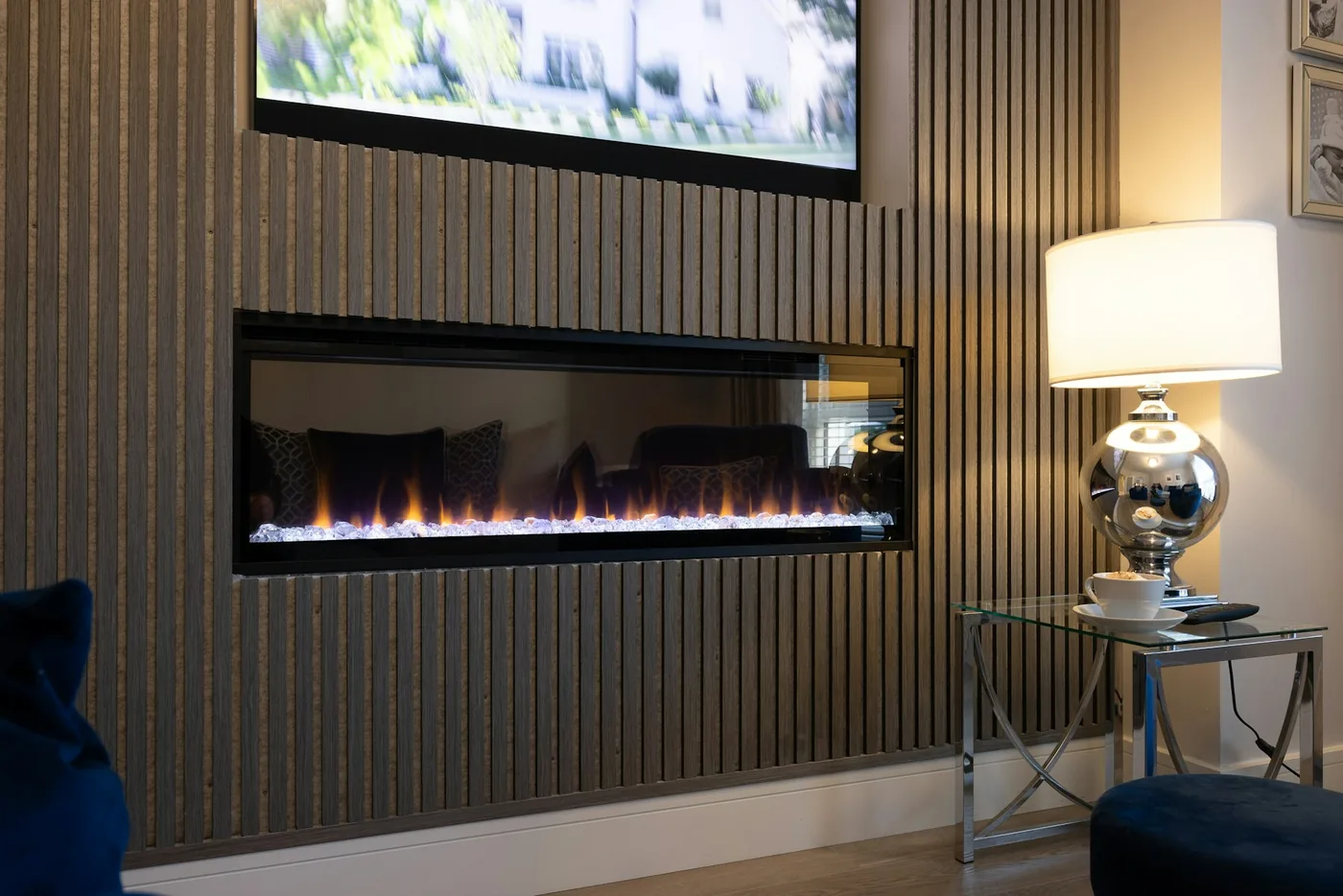
Clean. Wired. Finished.
Explore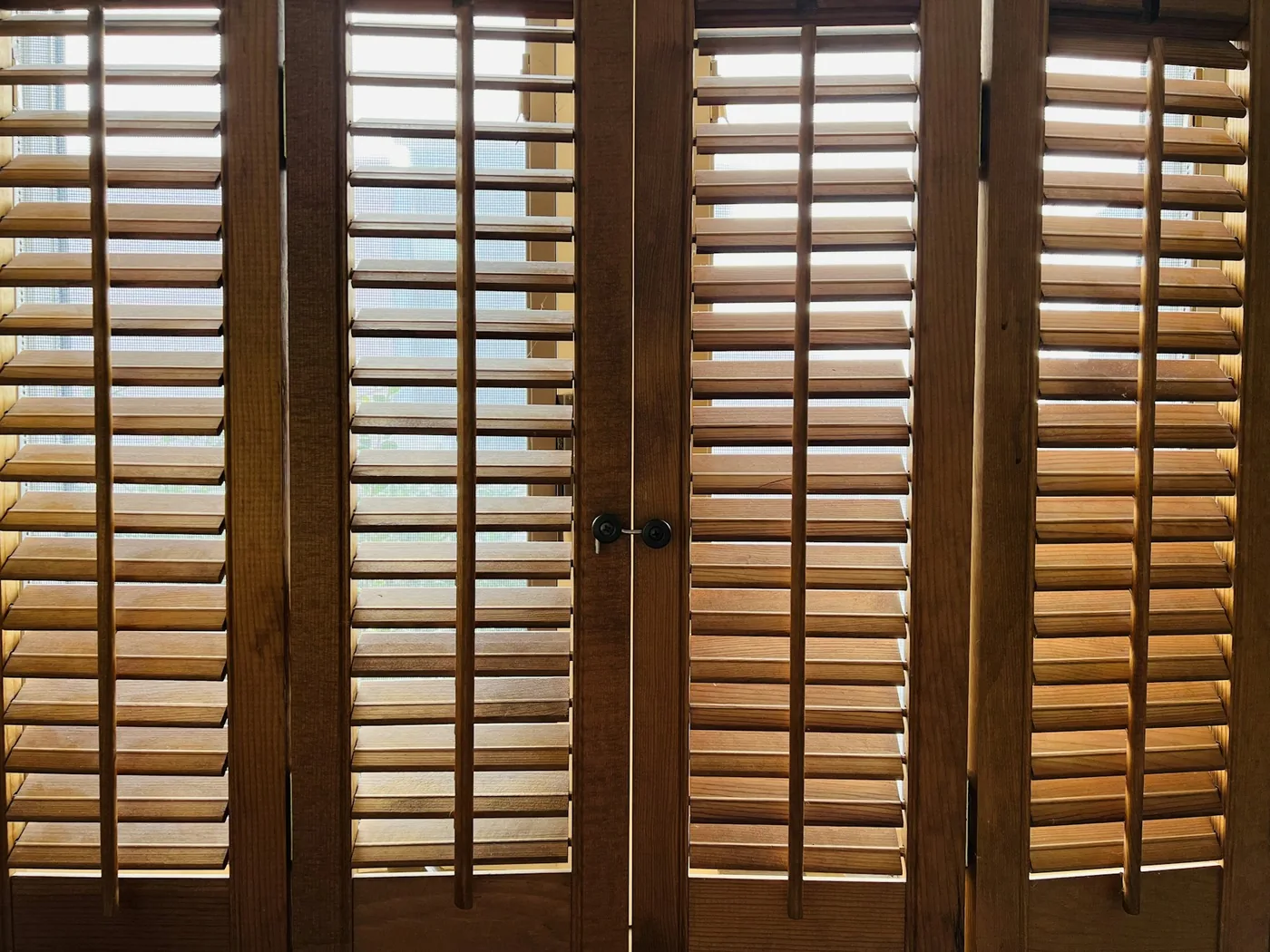
Screen. Shade. Airflow.
ExploreIn short
By the Drape Haus studio · How we write
Is it right for you?
A wall panel is any covering fixed to a wall as a finished surface: long interlocking strips, wide sheets, ribbed or sculpted profiles, felt absorbers or applied frames of moulding. Panels add texture, warmth or shadow that paint cannot, they can hide uneven plaster and cables, and some of them change how a room sounds. In living rooms they make the wall behind the sofa, the bed or the television into the focus of the room.
In Goa, the wall underneath matters more than the panel on top. Many houses are built in laterite, a porous stone that soaks up driven rain on its outer face. Older homes often have lime plaster that needs to breathe, ground floors pick up rising damp, and a flat in a building with a leaking terrace can have a wet patch that comes and goes with the rains. Put a sealed panel over any of these and the moisture is trapped. It does not disappear; it waits, then comes through as a smell, a black bloom at the joints or a panel that bows off the wall.
So our first job on any panelling enquiry is to look at the wall, not the catalogue. A dry, sound internal wall can take almost any panel, fixed directly. A wall with doubtful moisture gets a batten frame and a ventilated air gap. A wall that is actively wet needs its damp traced and cured before anything is fixed to it. Once that is settled, the choice of panel comes down to the room, the look you want and how much care you are willing to give it.
This guide walks through the panel families we fit, how they behave in humidity, salt air and termite country, how they are fixed, which rooms suit which panel, and the mistakes that make panelled walls fail.
Your options
Most of the panels on the market fall into a handful of families. The names overlap in shops, so it helps to think in terms of material and purpose rather than trade names.
Swipe for all 6 →
The honest view
Character a painted wall cannot give
Ribs, relief, grain and moulded frames catch light and throw shadow, so a single panelled wall gives a room a focus without adding clutter.
Hides cables and uneven plaster
A batten frame behind panels carries conduits for a television, speakers or lighting, and a straight new surface sits over walls that are far from flat.
Moisture-tolerant options exist
PVC and WPC panels are not damaged by humidity or splashes, which is more than paint or wallpaper can say on a monsoon-damp wall in a closed house.
Low upkeep once fitted
Most panels need dusting and an occasional damp wipe. There is no repainting every couple of years, and scuffs on a wipe-clean surface come off easily.
Some panels improve the room's sound
Acoustic panels and, to a lesser extent, slatted timber break up the hard reflections that make Goan rooms echo.
They can trap damp
Sealed panels over a wet wall hold the moisture in. Without a proper check and, where needed, a ventilated frame, the wall behind can grow mould unseen.
Quality varies widely
Thin, hollow profiles dent, show the wall through them and look plasticky. The difference between grades is obvious in the hand and less so in a photograph.
Heat and fire need thought
Plastic-based panels soften near hobs, hot lamps and unshaded glass, and give off smoke if they burn. They have no place directly behind a cooking range.
Harder to change than paint
A panelled wall is a commitment. Taking it down later leaves fixing holes and adhesive to repair, so the design is worth getting right first time.
Side by side
For most homes the real choice is between a moisture-proof panel, real timber, wallpaper and a well-chosen paint. Here is how they compare on the things that matter in a Goan house.
| PVC panels | WPC panels | Timber panelling | Wallpaper or paint | |
|---|---|---|---|---|
| Monsoon humidity | Unaffected | Very stable | Moves; needs sealing | Paint fine; paper needs a dry wall |
| Termites | Ignored | Highly resistant | Risk unless treated | Not a concern |
| Salt air | Unaffected; use stainless fixings | Unaffected; use stainless fixings | Finish needs upkeep | Paint may bloom |
| Over a doubtful wall | Only on a ventilated frame | Only on a ventilated frame | Only on a ventilated frame | Shows the problem quickly |
| Feel and depth | Light, can feel thin | Solid, wood-like | Warmest, real grain | Flat |
| Repair later | Replace a strip | Replace a profile | Sand and refinish | Repaint or re-hang |
Swipe to compare →
Wallpaper and paint are honest alarms: a damp wall shows itself through them. Panels hide the same problem, which is why the wall check matters more for panels than for any other finish.
Rather see it in your own room?
We bring samples to the house, measure every window, and specify for the light and exposure you actually have.
Room by room
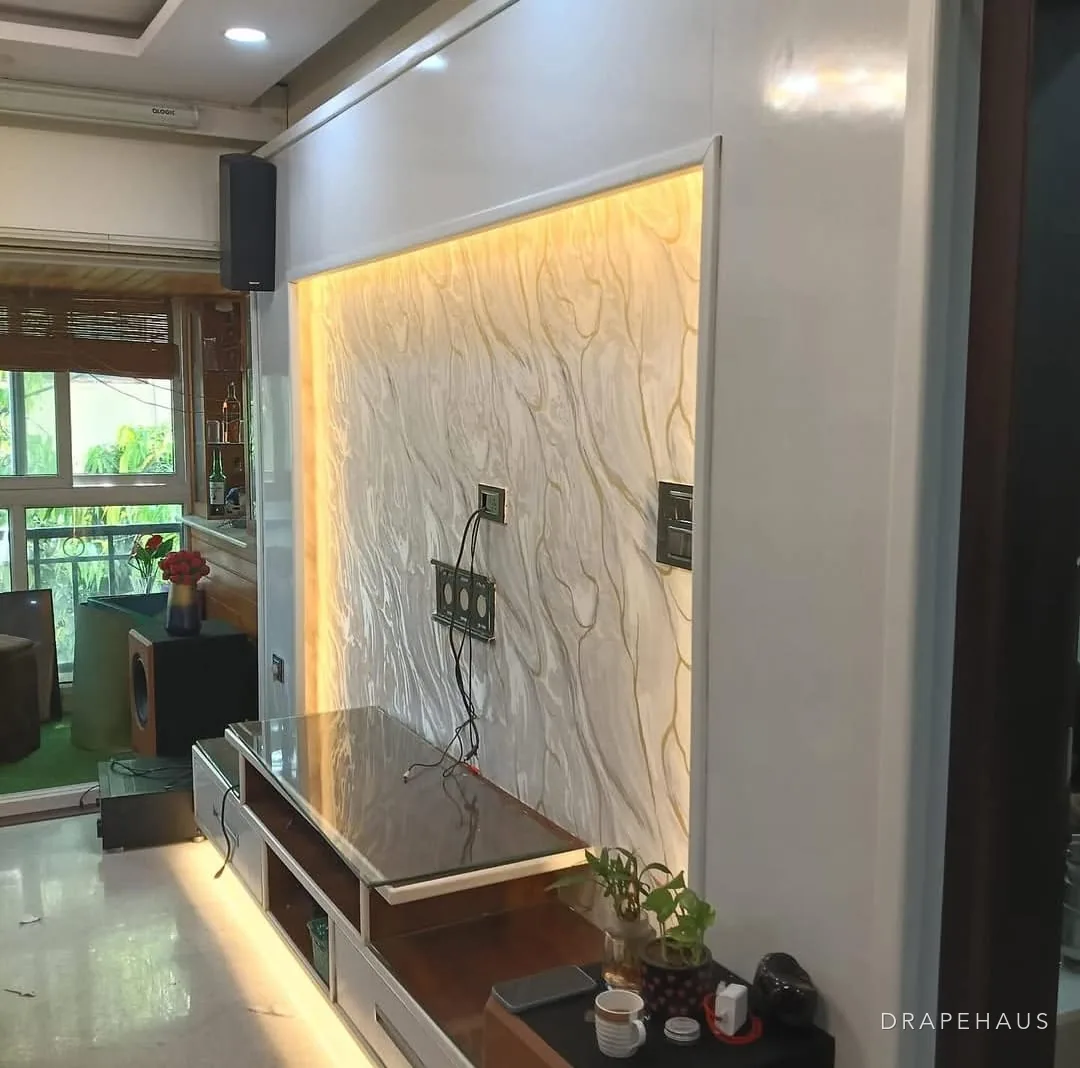
The wall behind the sofa or the television is the natural place for fluted WPC, timber or a 3D relief. Plan lighting and cable routes with the panels.
A panelled headboard wall in timber, fluted profiles or moulded frames gives the room warmth and a calm focus. Matt finishes suit a room used at night.
PVC panels on dry walls and ceilings are practical. In the shower itself, tile and proper waterproofing come first; panels are not a waterproofing layer.
Panels can finish walls away from the cooking zone. Directly behind the hob, plastic panels and marble-effect sheets are not suitable; use tile, glass or stone.
Acoustic panels make speech clearer in the room and on calls. Slatted timber on felt gives sound control and a finished look in one.
Exterior-grade WPC or aluminium louvers give shade, privacy and airflow. Interior panels should never be taken outside.
Wipe-clean PVC or WPC on one feature wall refreshes a room quickly and copes with guests and closed seasons. Avoid anything that needs regular oiling.
In depth — tap a heading to read
Every panel job starts with a moisture reading at several heights, including near the floor and under windows, and a look at the plaster. White powdery bloom means salts are being carried out of the wall by moisture; hollow-sounding patches mean plaster has lost its key; black spotting in corners means condensation or a hidden leak. We ask what is on the other side of the wall and whether the patch changes with the season.
External laterite walls, walls below a terrace or bathroom, and ground-floor walls are the usual suspects. If a wall is wet, the source has to be found and fixed first: a cracked terrace, a failed pipe joint, a missing drip on a window sill, or ground water. A panel is a finish, not a cure, and we will not quote for panels on a wall we expect to fail.
If paint keeps peeling on a wall, find out why before covering it. The reason will still be there behind the panels.
On walls that are sound and dry, many panels can be fixed directly with adhesive or concealed clips. Where moisture is possible, we build a frame of treated or composite battens, fixed into the masonry with corrosion-resistant fixings, and leave an air gap between wall and panel. Small openings at the top and bottom let air move behind the panels, so any moisture that does reach the wall can dry out instead of collecting.
Laterite is soft and variable, so fixings need to reach sound stone, not just plaster, and are spaced closer than on brick or block. The frame is packed to a true plane, which matters most for gloss and fluted finishes that show every ripple. Where the frame meets the floor we leave a gap and keep timber clear of the slab, because that is where termites arrive and where mopping water collects.
From June to September, indoor humidity in a Goan house stays high for weeks, and a house that is closed for the season traps it. PVC and WPC panels are unaffected by that moisture. Timber and MDF take it up, swell and, if unsealed, grow fungus; that is why they need sealing on every face, including the back and cut edges, and why we prefer them in rooms that are lived in or air-conditioned.
Termites travel up walls inside mud tubes and through gaps in skirting. They ignore plastic and pay little attention to composite, but they will eat untreated battens behind a plastic panel, which is why the frame matters as much as the face. Near the sea, the risk shifts to metal: plated screws, clips and trims rust and stain the panel, so we use stainless or coated fixings throughout.
The best panelled rooms usually have one panelled wall, not four. Choose the wall you see first or the one behind the bed, sofa or television, and let the other walls stay calm. Where panels meet a ceiling, a door frame or a window, decide in advance how the edge is finished, because a clean termination is what makes panelling look built rather than applied.
Light decides how a textured panel reads. Fluting, slats, 3D relief and moulding all need light that grazes across them from above or the side; front light flattens them. A linear light at the ceiling line, a cove at the top of the panel or a few angled spots are usually planned at the same time as the wiring. High ceilings in older houses suit tall vertical ribs and full-height moulding frames; lower modern ceilings benefit from vertical lines that lead the eye upward.
Plastic-based panels soften with heat and give off dense smoke if they catch fire. Keep them away from hobs, ovens, heaters and hot halogen fittings, and use cool-running lighting near them. Sockets and switches are brought forward to sit flush with the new face using proper extension boxes, not left buried behind the panel.
On a television wall, the bracket is fixed through solid blocking into the masonry, never into the panel alone. Cable routes, a socket behind the screen and a supply for the router or inverter are decided before the frame is closed, because changing them later means taking panels down.
Living with it
A soft brush attachment on a vacuum clears grooves, flutes and relief. Near the sea, do it every couple of weeks so salt and dust do not build up.
PVC, WPC and marble-effect sheets wipe clean with a damp cloth and mild soap. Timber and MDF want a barely damp cloth and quick drying.
On dry days, open up the house or run the air-conditioning so humidity does not sit behind and on the panels for weeks.
A smell, a dark line at a joint or a panel lifting off the wall is an early warning of moisture. Investigate it quickly rather than resealing over it.
Look along the bottom of timber and framed walls each season for mud tubes or soft spots, and act at the first sign.
Avoid these
The most common failure. The adhesive lets go, the panel bows and mould grows behind it. Cure the damp, then fix on a ventilated frame.
No panel or sheet waterproofs a shower or a leaking wall. Waterproofing is a separate layer under tile or behind a frame.
The face is termite-proof; the frame is not. Treated or composite battens prevent a hidden failure.
PVC and WPC grow in heat. Butting long runs tight against walls and ceilings leads to rippling on sunny walls.
Too much texture makes a room busy and dark. One well-lit panelled wall usually does more than four.
Checklist
The wall comes first
Before we suggest a single profile, we check the wall: a moisture reading, a look at the plaster for salt bloom and hollow patches, and a word about what is on the other side. A laterite wall that takes rain on its outer face needs a batten frame and an air gap, not glue. A sound internal wall can take panels fixed directly. Getting this right is what separates a panelled wall that still looks crisp after five monsoons from one that bows, smells and lifts at the joints.
FAQ
PVC and WPC panels cope best because they do not swell, rot or attract termites. Wood and MDF can work in dry, air-conditioned rooms when treated and fixed on ventilated battens.
They can hide it, but they should not be used to. Panels over an untreated damp wall trap moisture and fail. We trace and fix the damp first, then fix panels on a ventilated frame.
Yes. On laterite, especially external walls that take rain, we use a batten frame with an air gap rather than adhesive, so the wall can dry and the panels stay true.
Yes, provided solid blocking is fixed behind the panel into the masonry at the bracket position. The panel itself should never carry the weight.
Yes. We panel homes, villas, offices, conference rooms, restaurants and guest rooms, including acoustic panels where echo is a problem.
PVC is a lighter, fully waterproof plastic panel suited to wet rooms and ceilings. WPC contains wood fibre, so it is heavier, stiffer and more wood-like, and suits living rooms and TV walls. Both resist termites and humidity far better than timber or MDF.
Fluted WPC or timber behind the sofa or TV, a 3D relief on the wall you see as you enter, or painted moulding frames for a classic room. Choose one wall, plan the lighting with it and keep the rest calm.
PVC and WPC cope well with a closed, humid house. Timber and fabric panels are better in houses that are lived in or air-conditioned. Whatever the panel, the wall behind it must be dry and the room aired when you return.
Panels on a batten frame or clips come off cleanly. Panels glued directly to plaster leave adhesive and patches to repair, so think about how permanent the design is before choosing the fixing.
Not noticeably in a Goan house. Panels change the look and, for acoustic types, the sound. Heat is better handled with shading, ventilation and window treatments.
Next step
We visit, check the wall with a moisture meter, look at the plaster and ask about the room's use and its seasons. Then we bring panel samples to hold against the wall in your own light, set out the design around switches, windows and furniture, and explain how it will be fixed. Once you have agreed the design, we make up the frame, fit the panels and finish the edges. Book a home visit and tell us which wall you have in mind.
Fabrics for the climate
Specified for salt, sun and monsoon.
Measured on site
Every window, every time.
Fitted by our team
The people who plan it, fit it.
Rooted in Goa
A local workshop serving North and South Goa.