 Drapehaus
Drapehaus
Preparing the room
Drapehaus
Preparing the room
Fresh Air. No Mosquitoes.
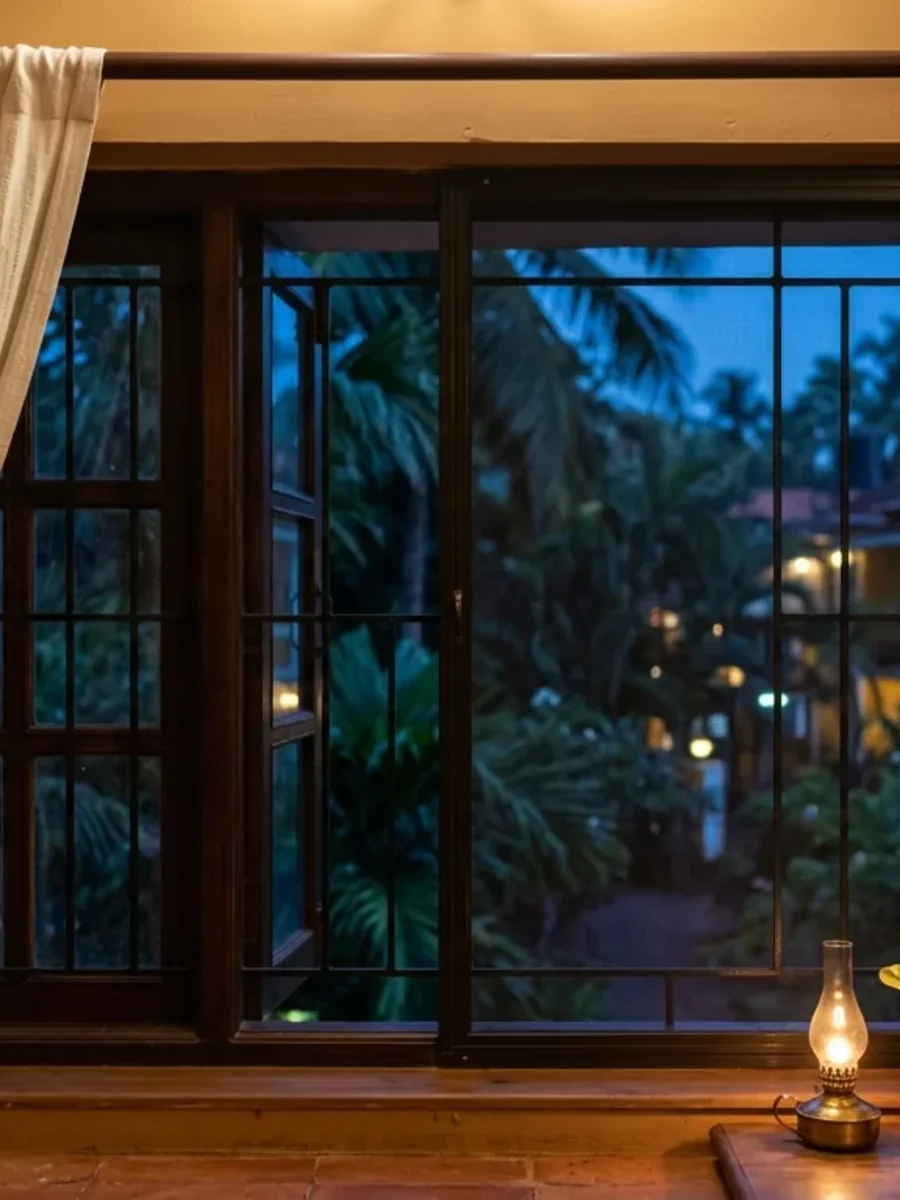
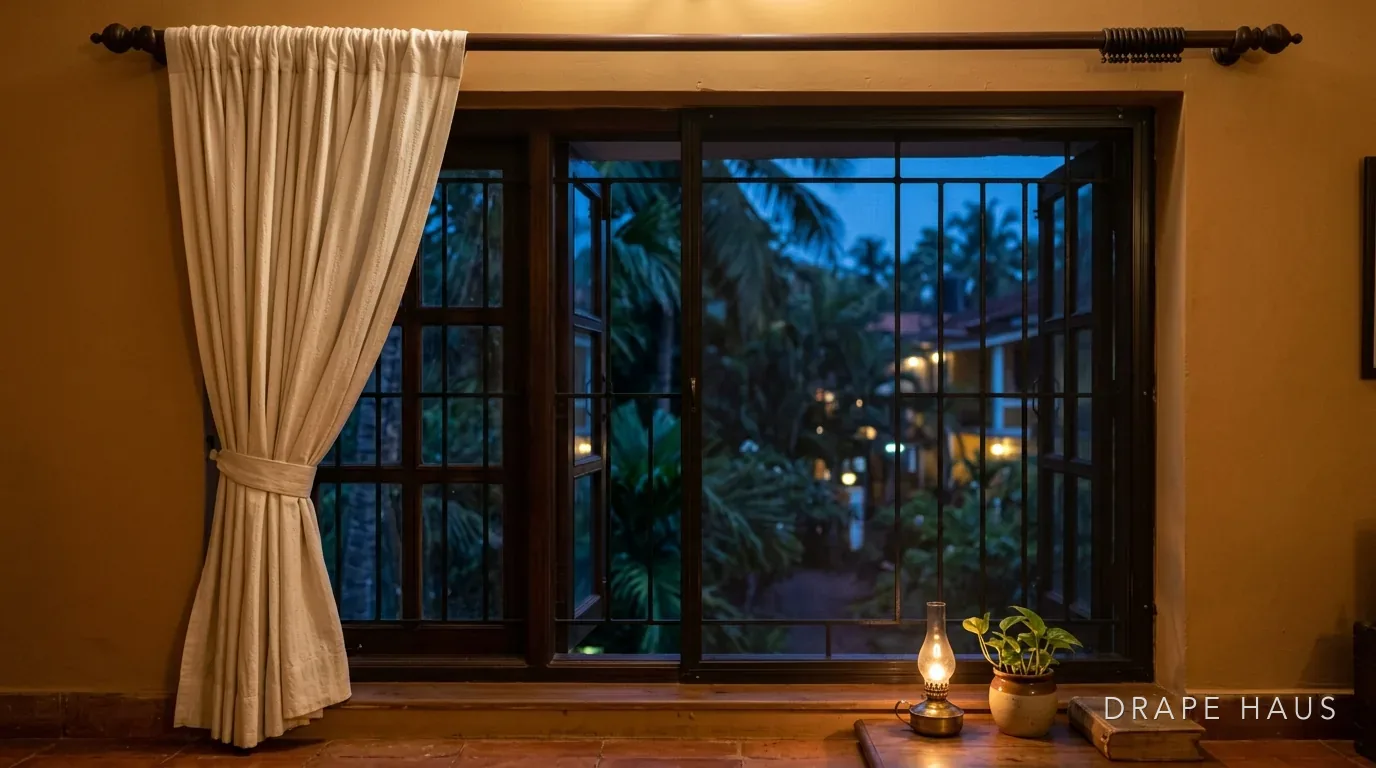
Sliding mosquito nets for windows, doors and balconies, planned alongside your curtains so the two work together — the window opens for air, the net stays closed, and the curtain still draws.
The opening
What matters most
Setting
System
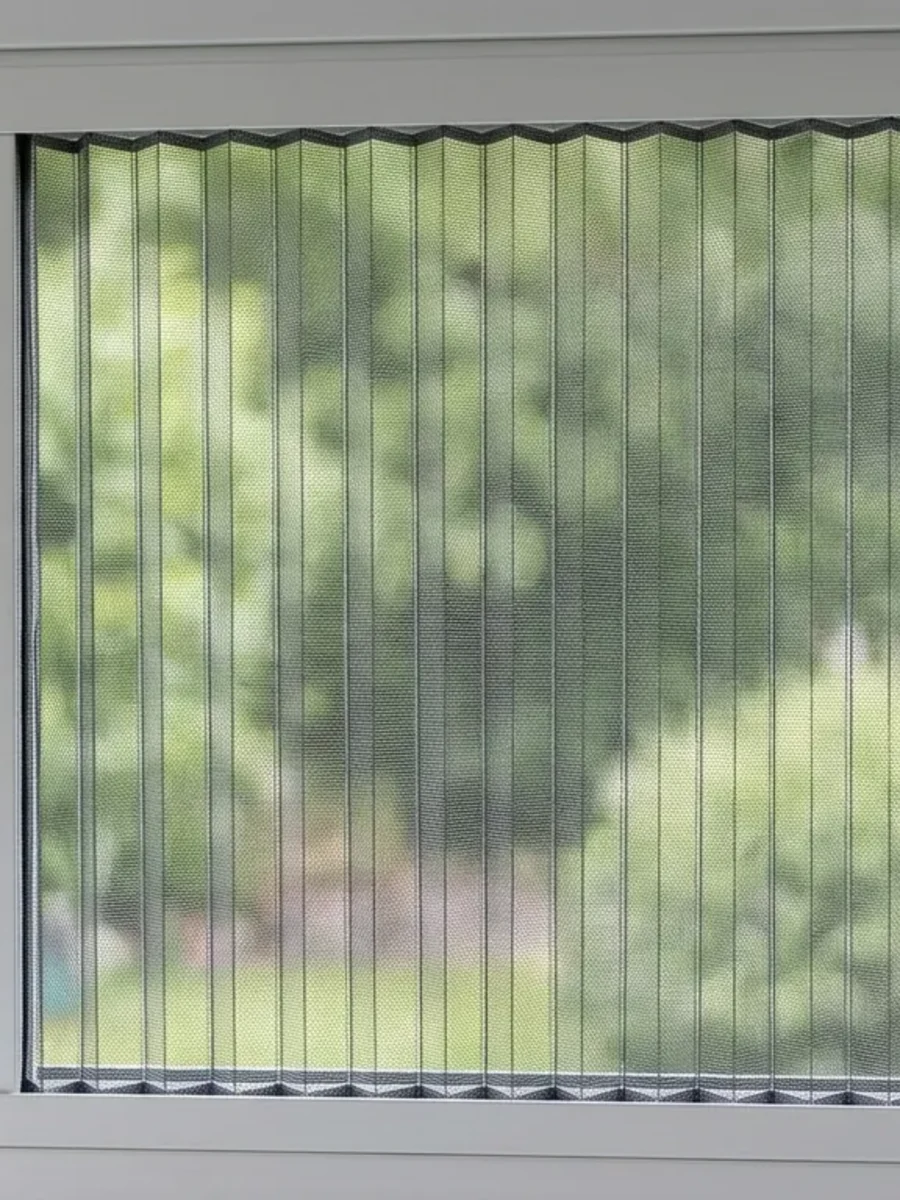
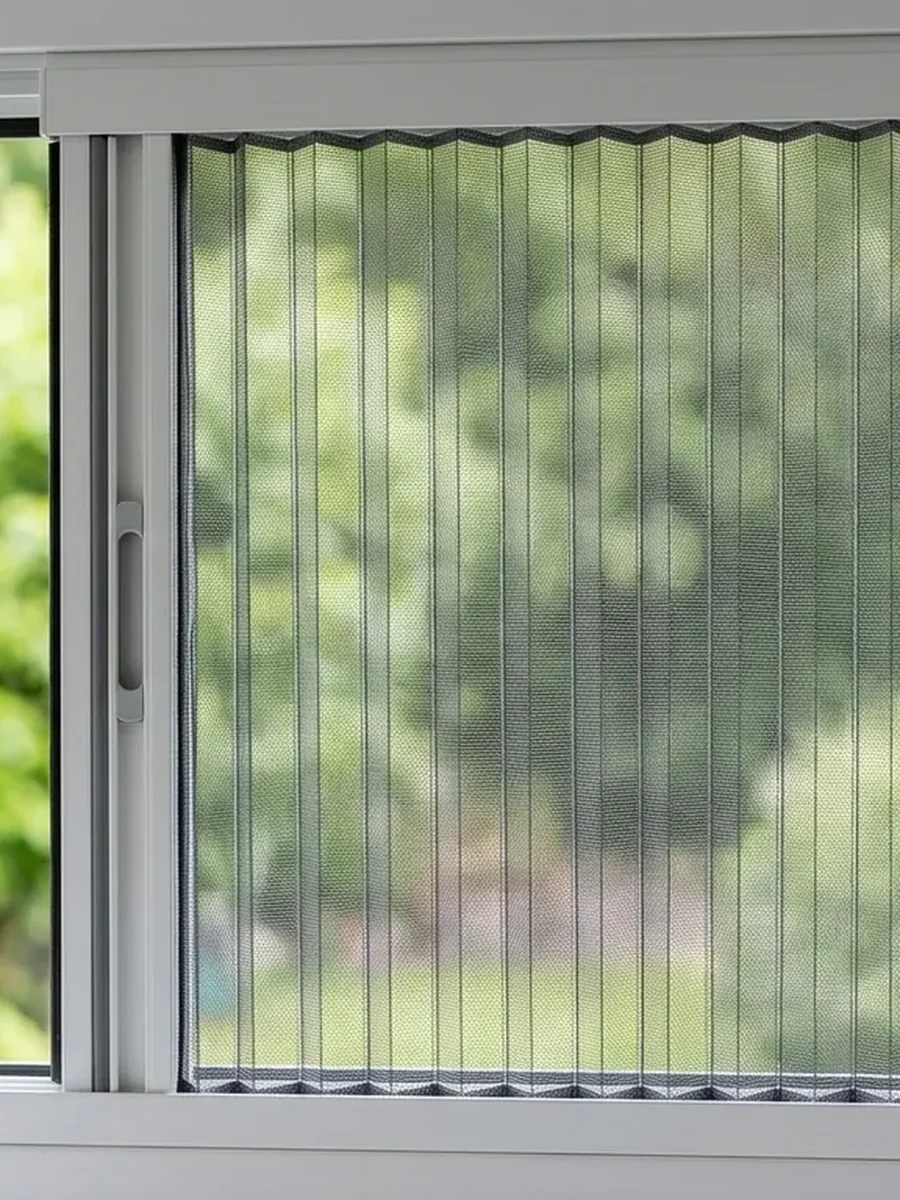
Pleated screen, side-opening
Mesh
Coated fibreglass or polyester mesh
Frame
Powder-coated aluminium, stainless fixings
Pleated mesh folds into a slim stack, so a wide opening needs no heavy panel and no bottom lip to trip on. Near the sea, plain steel screws and untreated mesh corrode within a season or two. Rinse mesh and track with fresh water after the monsoon.
Our net collection
In short
By the Drapehaus studio · How we write
Is it right for you?
A sliding net is a panel of insect mesh held in a light frame that runs in its own track, parallel to the window or door it protects. You slide the glass open for air, slide the net across, and the room breathes without letting mosquitoes, moths or the evening swarm of flying ants in. Because the net and the glass move independently, you can have one, the other, or both closed at any time.
It suits houses where the openings already slide, or where there is enough depth in the frame or reveal to add a track: aluminium and uPVC sliding windows, wide glass doors to a verandah, pool doors, and the French windows of older houses once a sub-frame is added. It is the most practical everyday answer for a home that is lived in with the windows open from dusk onwards.
It is not the right answer everywhere. A picture window that is never opened is better with a fixed panel or nothing at all. A narrow casement that opens outwards over a garden may take a pleated or hinged screen more gracefully. And a heritage window whose proportions are the whole point of the room may deserve a retractable screen that disappears when not in use, rather than a frame that stays in view.
The guides below explain how to choose between windows, doors and repair, which mesh to specify near the sea, how nets live alongside curtains and grilles, and what separates a net that glides for years from one that sticks by the second monsoon.
Your options
Most houses need more than one answer. The bedroom windows, the verandah doors and the tired nets you already own are three different jobs, and the other screening systems are worth knowing about so the choice is made on purpose.
Swipe for all 6 →
The honest view
Air without insects
The whole point. You can leave glass open through the evening and night, which in a humid coastal house is often more comfortable than sealed rooms and air conditioning, and keeps the house from smelling closed.
Independent of the glass
Net and window each have their own track, so you choose the combination: glass open with the net closed for breeze, both closed for rain, or both open to lean out and clean.
Robust in daily use
A framed sash takes knocks, curious hands and the occasional push far better than a pleated or magnetic screen. With good rollers it keeps sliding properly for years.
Serviceable
Mesh, rollers and brush seals are all replaceable. A well-made frame can be re-meshed several times, so the net does not become a disposable item after one bad monsoon.
Works with curtains when planned
Because the net sits within the frame depth, the curtain can run freely in front of it on its own track, provided both are designed together from the start.
Always partly in view
A sliding net never fully disappears; when open it parks over part of the window. On a view window that matters, and a retractable screen may be the better choice.
Some light is lost
Any mesh takes a share of daylight and adds a faint grain to the view. Dark mesh reads more clearly than pale, but none is invisible.
Tracks need cleaning
Sand, dead insects and salt collect in the bottom track. Left alone, they wear rollers and make the net drag. A quick vacuum through the season avoids most trouble.
Needs frame depth
The net must have somewhere to run. Shallow timber frames and some casements need a sub-frame or an outside-mounted track, which changes how the window looks.
Side by side
The four systems below cover almost every opening in a house. The right one depends on how the opening is used, how much of it you want to see, and how hard it will be treated.
| Sliding net | Pleated retractable | Fixed panel | Magnetic mesh | |
|---|---|---|---|---|
| Access to the glass | Slide aside | Retract fully | Tool needed | Peel away |
| Visible when open | Parks over part | Almost nothing | Always there | Always there |
| Durability with pets | Good, framed | Fair, pleats tear | Good | Poor |
| Wind on exposed sides | Good with stiff frame | Fair | Very good | Poor, lifts |
| Very wide openings | Multiple leaves | Very good | Not practical | Not practical |
| Threshold on doors | Low bottom track | Very low | Not for doors | None |
| Maintenance | Clean track, rollers | Clean pleats, cords | Minimal | Replace often |
| Look in a villa | Neat, architectural | Nearly invisible | Neat, permanent | Improvised |
Swipe to compare →
In most villas the answer is mixed: sliding nets on the working windows and doors, fixed panels on ventilators, and a retractable screen only where a view window justifies it.
Rather see it in your own room?
We bring samples to the house, measure every window, and specify for the light and exposure you actually have.
Room by room
The room where open windows at night matter most. Sliding window nets let the glass stay open for the night breeze, and a door net on a bedroom balcony means you can sleep with the door open too.
Usually the room with the widest glass. Multi-leaf door nets across the verandah opening keep the evening air moving without inviting the moths that gather around lamps.
Nets protect sleeping children without repellents. Specify tougher mesh, a secure frame that cannot be lifted out of the track, and remember that insect mesh is not a fall barrier.
Nets keep flies off food while letting heat and cooking smells out. Mesh near the hob collects grease, so choose a panel that lifts out easily for washing.
Often a small, high window or ventilator that is rarely reached. A fixed panel is usually simpler than a sliding net; use corrosion-resistant fixings because of the steam.
Fully enclosing an open verandah with mesh changes its character and takes the full weather. Usually it is better to net the doors from the verandah into the house.
Guests leave windows open and doors ajar. Robust sliding nets with clear, simple operation cut complaints about mosquitoes and are far easier to keep up than magnetic mesh.
In depth — tap a heading to read
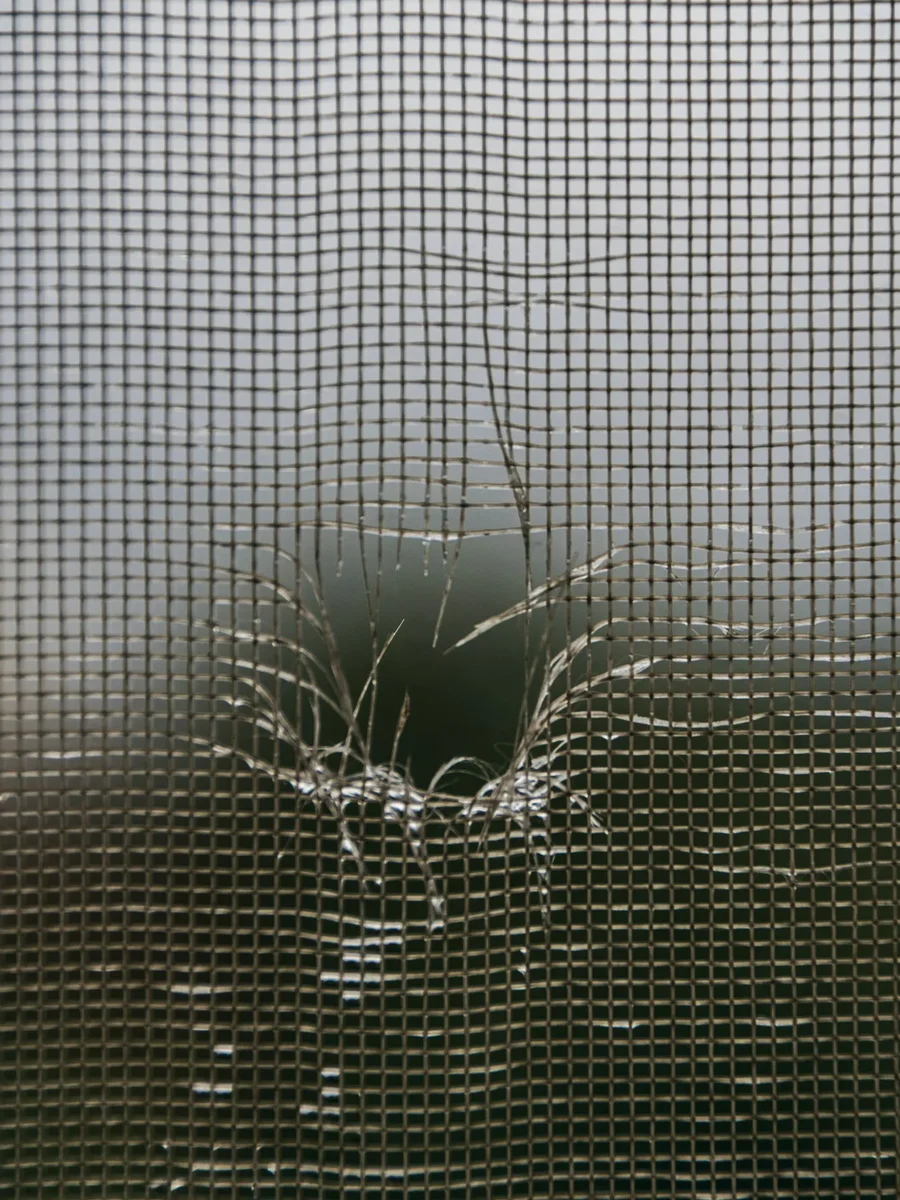
Almost every insect mesh is one of three families. Fibreglass mesh is a woven glass-fibre yarn coated in PVC. It is flexible, does not rust, does not dent, and is the standard for most windows. Its weakness is abrasion and claws: it tears rather than bends, and the coating can turn chalky after years of strong sun.
Polyester mesh, often sold as pet-resistant mesh, uses a heavier coated polyester yarn. It is much stronger against scratching and pushing, at the cost of a slightly coarser look and a little more light lost. Stainless steel mesh is the strongest and the most transparent for its strength, but only the right grade belongs near the sea: ordinary grades can tea-stain and pit in salt air, while marine grades hold up far better.
Plain aluminium and galvanised mesh, still common on older nets, are what usually fail first on the coast. Aluminium oxidises to a white powder and becomes brittle; galvanised steel rusts once the zinc wears through, leaving orange streaks on the sill.
The net's frame is almost always extruded aluminium, powder-coated or anodised. Near the sea the finish matters as much as the metal: a good powder coat and sealed cut ends stop the white corrosion that starts at screw holes and corners. Fixings should be stainless, because a mild-steel screw in an aluminium frame corrodes both.
Aluminium sliding windows often have a spare channel designed for a mesh sash, which makes the net look factory-fitted. uPVC frames are deeper and usually take an added track screwed to the frame; the fixings must go into the reinforced section, not just the plastic skin. Timber windows and older French doors rarely have spare depth, so the net runs on a slim aluminium sub-frame set into the reveal or across the face of the opening.
Fit the net to the building, not only the window: check the reveal is square, because a net that runs out of true by even a few millimetres will leave a gap for insects at one end.
Mesh slows air as well as insects. A standard window mesh passes most of the breeze, but finer meshes made for very small biting insects restrict it noticeably, and a clogged mesh restricts it further. In a room that relies on cross-ventilation, choose the most open mesh that still does the job and keep it clean.
The light question is covered in more depth in our guide to screens and curtains, but one practical point is worth repeating here: charcoal or black mesh gives a clearer view than grey or white, because it does not catch the light. On a sea view that difference is obvious from the sofa.
Around nine-tenths of the year's rain falls between June and September, and the strongest winds of the year come in July, from the west and south-west, straight off the sea. Sea-facing nets take driven rain and salt spray for weeks, and in a house that is shut for the season, humidity sits well above the level at which mould grows on dust and organic film on the mesh.
What survives is simple: coated or marine-grade mesh, powder-coated frames, stainless fixings, nylon or sealed-bearing rollers rather than bare steel, and a drainage path in the bottom track so water does not stand in it. What fails is equally predictable: steel mesh, open-bearing rollers and tracks that hold water.
For houses closed through the monsoon, we suggest leaving the glass shut and the nets parked, then washing mesh and tracks with fresh water once the rains ease, before the house opens again.
Dogs push nets with their noses and cats climb them. Children lean on them and run into them. None of this is unusual, and it should decide the mesh and hardware rather than being discovered later. Pet-resistant polyester on the lower half of a door, or across the whole leaf, prevents most tears.
Frames should have anti-lift blocks so a push does not jump the net out of its track, and a door net can carry a horizontal mid-rail or a subtle visibility strip so people do not walk into a mesh they cannot see in bright light. Insect mesh is never a safety barrier; upstairs windows still need their grilles or restrictors.
Living with it
A soft brush or the vacuum brush attachment lifts dust and dead insects. Every few months, wipe or rinse the mesh with fresh water and a little mild soap, then let it dry fully.
Vacuum the bottom track regularly, especially on doors near sand. Grit is what wears rollers and makes nets drag or jump out of the track.
Oil and grease trap sand. If a net needs help sliding, a dry silicone spray on a clean track is the better choice.
On sea-facing openings, rinse mesh and frames with fresh water after the monsoon and occasionally in the dry season. Salt holds moisture and speeds corrosion.
If the house is shut for the rains, park the nets in their open position behind closed glass, clean and dry, rather than leaving them across wet openings.
Avoid these
The curtain track then blocks the net or the net blocks the curtain. Decide the net position first and plan the curtain track forward of it.
Ordinary steel mesh rusts and stains within a season or two. Specify coated fibreglass, polyester or a marine-grade stainless mesh.
A net that cannot pass the window handle, lock or grille is useless. Measure the projection of everything in the opening before choosing the net's plane.
Grey or white mesh looks hazy in daylight. Charcoal or black mesh gives a far clearer view of the garden or sea.
A very wide single net flexes, drags and bows in wind. Split wide openings into leaves that match the glass.
Checklist
Planned with the curtains
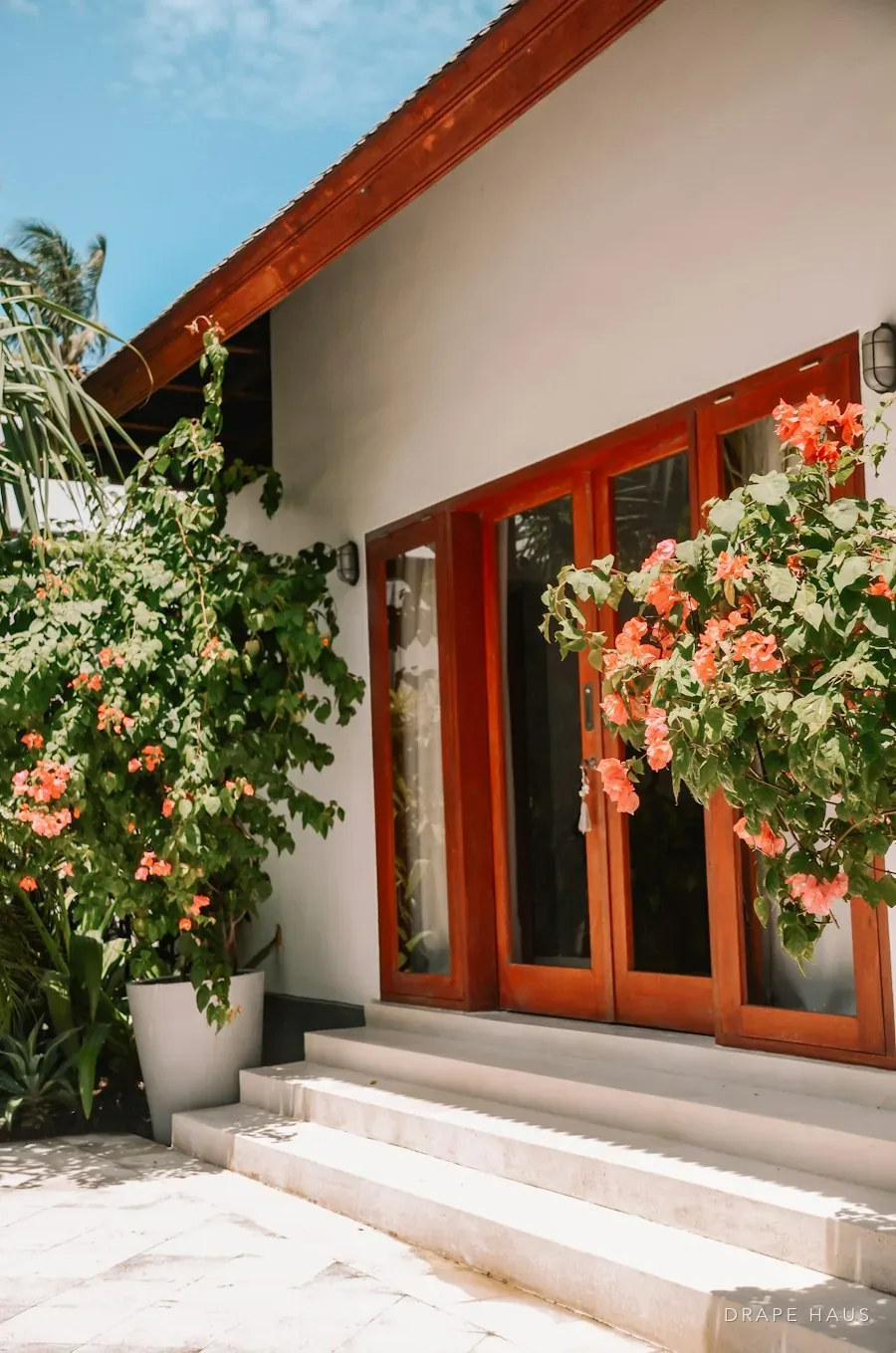
Nets are usually bought from one supplier and curtains from another, and the result is a net frame that blocks the curtain track or a curtain that snags on the net. We plan both together, in separate planes, so you can open the window, close the net and draw the curtain without one getting in the way of the other.
From our guides
From the Journal
All articlesFAQ
Yes. We plan the net in a separate plane from the curtain track so both can be used without interfering with each other.
Stainless or coated mesh in an aluminium frame — untreated steel rusts in salt air.
Yes — windows, sliding doors, French windows and balcony doors.
For most windows and busy doors, sliding. A framed sliding net is sturdier, copes better with pets and children, and is easier to repair. Pleated screens win where you want the opening completely clear when the screen is open, such as a view window or a very wide door, and where use will be gentle.
Coated fibreglass and coated polyester do not rust, so they last well in humidity if kept clean. Marine-grade stainless steel is stronger again. Plain steel and aluminium mesh are the ones that fail near the sea, rusting or turning white and brittle.
A little. A standard insect mesh passes most of the breeze, but very fine meshes and dirty meshes restrict it more. In rooms that depend on cross-ventilation, choose the most open mesh that still stops the local insects, and keep it clean.
Yes, usually on a slim aluminium sub-frame set into the reveal or across the face of the opening, because timber windows rarely have spare depth for a track. We check the reveal is square first, so the net closes evenly along its full height.
They keep insects away without repellents, but mesh is not a fall barrier. Specify frames that cannot be lifted out of the track, tougher mesh, and keep grilles or restrictors on upper-floor windows.
Next step
We start with a visit. We walk the house with you, open every window and door, measure frame depth, reveals, handles and grilles, and note which openings face the sea. We bring mesh samples so you can see the view through each colour in the room's own light, then specify frames, mesh and tracks opening by opening, planned alongside any curtains. Each net is then made to measure and installed. Book a home visit and we will take it from there.
Fabrics for the climate
Specified for salt, sun and monsoon.
Measured on site
Every window, every time.
Fitted by our team
The people who plan it, fit it.
Rooted in Goa
A local workshop serving North and South Goa.