 Drapehaus
Drapehaus
Preparing the room
Drapehaus
Preparing the room
South Goa · Our home village
Our workshop is in Benaulim, on Kurtarkar Glory at Pedda. It is the one village where we can usually measure the same week you call, drop samples in person, and come back to adjust something without making an appointment of it.
What we see in Benaulim
Homes in Benaulim — tap a heading to read
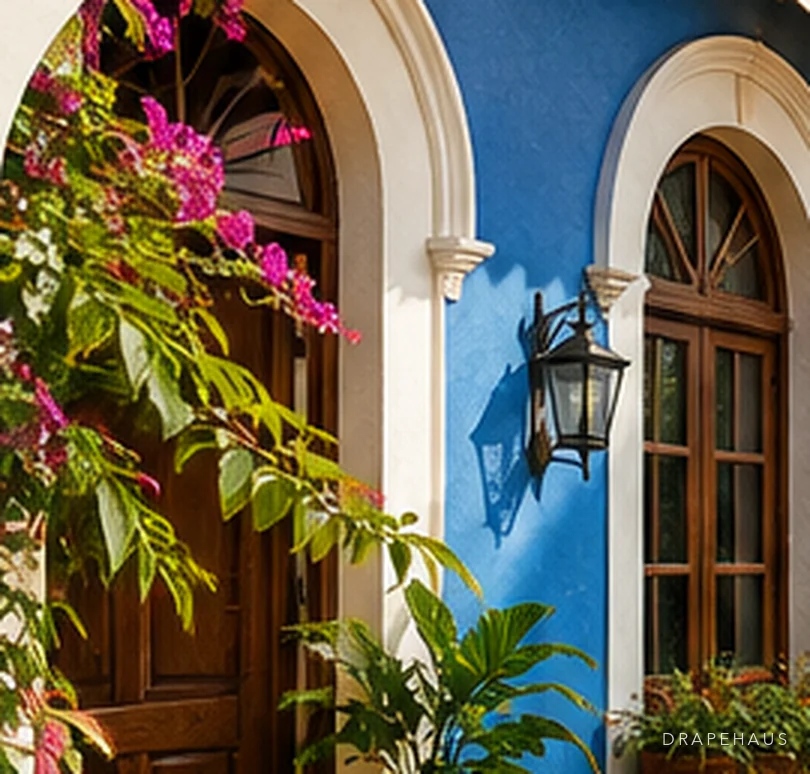
Benaulim has long been known as a village of carpenters, and it shows in the houses. Walk the lanes between the church and the beach and you pass Portuguese-era family homes with timber shutters and deep window reveals, plain single-storey village houses with a balcão at the front, and a growing number of newer villas and guesthouses built on the old coconut plots. The village sits between Colva to the north and Varca to the south, with Margao a short drive inland, and few villages in Goa hold so many kinds of building so close together.
Each of those buildings wants something different from its windows. An older house usually already has working shutters, so the job is to add privacy and softness without stopping them closing. A new villa has large sliding doors and no shading at all, and needs a proper plan for heat and glare. A guesthouse needs rooms that sleep well, clean easily and look the same from one season to the next. A family home that has grown a room at a time often has five different window sizes on one floor, and needs someone patient with a tape measure.
Because we are based here, we see these houses in every season, not just on the day we measure. We know which lanes flood in July, which rooms stay damp after the rains, and how our own earlier fittings have fared through several monsoons. That long view is the most useful thing we bring to a Benaulim home. It lets us recommend with some confidence what will last in a particular kind of room, and be honest when a fabric someone loves is unlikely to survive where they want to hang it.
Planning work in Benaulim?
We measure on site and bring samples to see in your own light — so the choice is made in the room, not from a photo.
The village runs from the beach inland towards the Margao side, and conditions change noticeably along the way. Houses near the beach road take the afternoon sun straight off the sea from about three o'clock, and the glare off sand and water makes it worse. Salt arrives on the onshore wind and settles on glass, tracks and fabric. Further in, behind the paddy fields and the older houses, the sun is gentler but the damp is heavier, and thick laterite walls hold moisture for weeks after the rain has stopped.
The monsoon normally reaches Goa in the first week of June and withdraws in mid-October. Through those months morning humidity sits between 87 and 91 per cent, far above the level at which mould takes hold on fabric and timber. A curtain pressed against a cool laterite wall, or a sofa pushed into a corner with no airflow, will show it first. Much of what we specify here is simply about letting air move: curtains hung slightly forward of the wall, linings that breathe, and furniture that sits clear of the plaster.
For west-facing rooms near the sea we tend to pair a light sheer, which keeps the view and cuts the glare, with a lined curtain or blind for the evening. Hardware is aluminium or stainless steel, because mild steel brackets rust quickly this close to the water and leave stains on fresh paint. Inland, we worry less about salt and more about fabric that dries quickly after a humid week. The difference between the two ends of the village is large enough that we rarely give the same advice twice.
Our workshop is at Kurtarkar Glory in Pedda, inside the village, so a visit in Benaulim is usually a matter of days, not weeks. We come to the house, look at the windows, the walls and the light, measure properly and bring sample books and fabric lengths with us, so that you choose colours in your own rooms rather than under shop lighting. A clear written quote follows, itemised by room, and if you want to see a fabric again in the evening light, we can simply bring it back.
Everything is cut and sewn at Pedda, and we fit it ourselves. Tracks and brackets go into laterite and old lime plaster with fixings chosen for the wall, which matters in a house where a careless drill hole can take a piece of the wall with it. Once the curtains are hung we dress them so they fall properly, check every blind and motor, and show you how each one works. Nothing is handed over to a third-party fitter, so the people who measured your windows are the people who finish the job.
Being close also changes aftercare. If a hem needs taking up after the fabric settles, or a blind needs adjusting, we can call in without making an appointment of it. Many owners ask us to take curtains down before the monsoon, clean and store them, and rehang them after the rains. For owners abroad we work directly with the caretaker, send photographs at each stage, and keep a note of what was fitted in each room, so a replacement in a few years still matches the rest.
In the older houses, the most common request is for sheers or light curtains that give privacy from the lane without covering the shutters or the carved window frames. We usually hang them further forward than expected, on slim poles or tracks that stack clear of the opening. Re-upholstering old family furniture, often solid timber pieces made in the village, is the other steady request. We do it in fabrics that tolerate damp, and we take care over the frames, which are often worth more than anything we could replace them with.
Guesthouse and homestay owners mostly want blackout that genuinely works, washable fabric, insect screens on every opening window and a specification they can repeat when a curtain needs replacing. We keep records of what went into each room, so a replacement matches the rest rather than standing out as newer. Screens matter more than owners expect, because a room that can be left open at night stays drier. Many also ask us to handle the seasonal cycle, taking everything down in May and having rooms ready again before the first guests of the season arrive in the autumn.
Owners of newer villas bring the larger jobs: whole-house curtains and blinds, motorised shading for tall glazing, rugs and sofas for open-plan living rooms, and wallpaper for a bedroom or two, usually planned as a single scheme so the house reads as one piece. Whatever the scale, the principle is the same. We specify for the house and the season it will face, not for a showroom, and because our workshop is only a few minutes away, we stay near enough to look after what we have made for as long as it hangs.
What we make in Benaulim
The homes we work in here
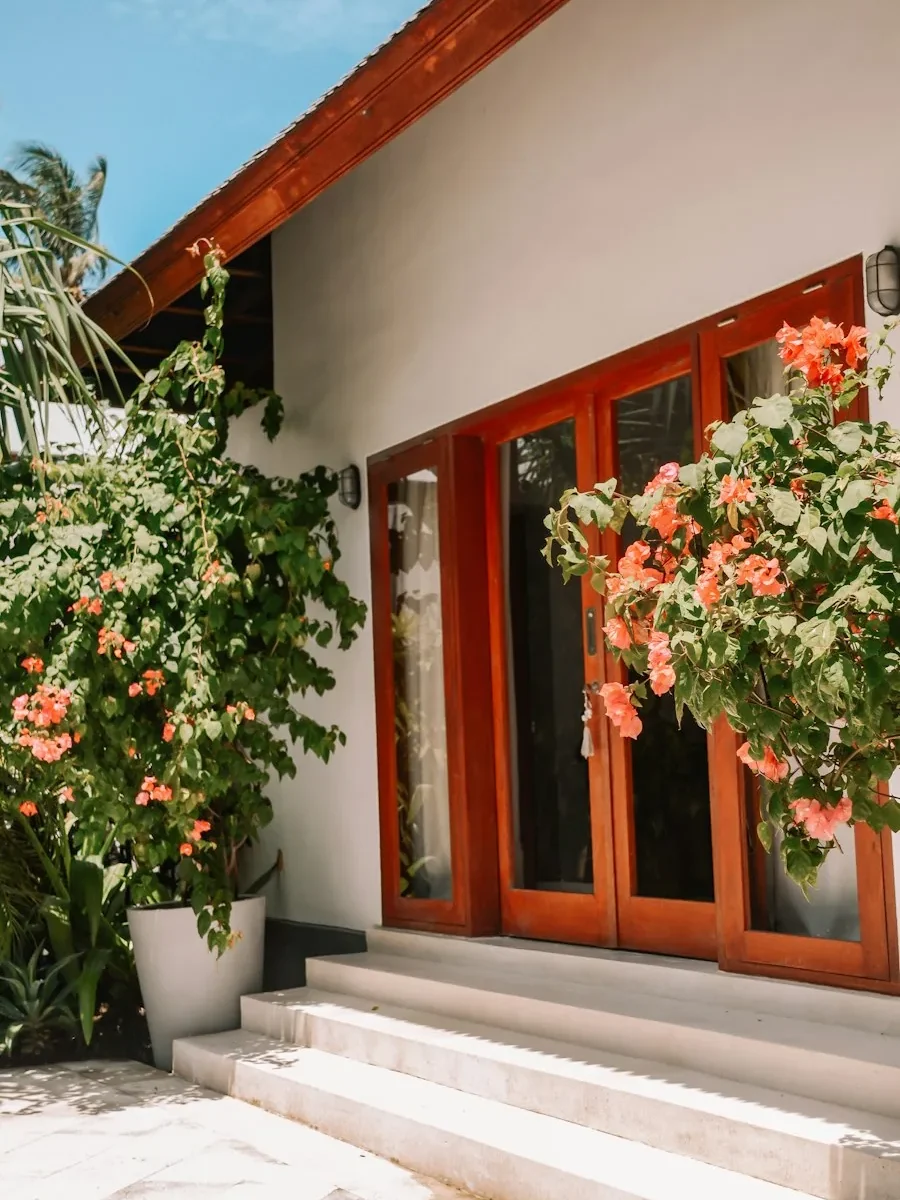
Balcão, small deep windows, thick walls and a way of living that curtains should not fight.
Read the guide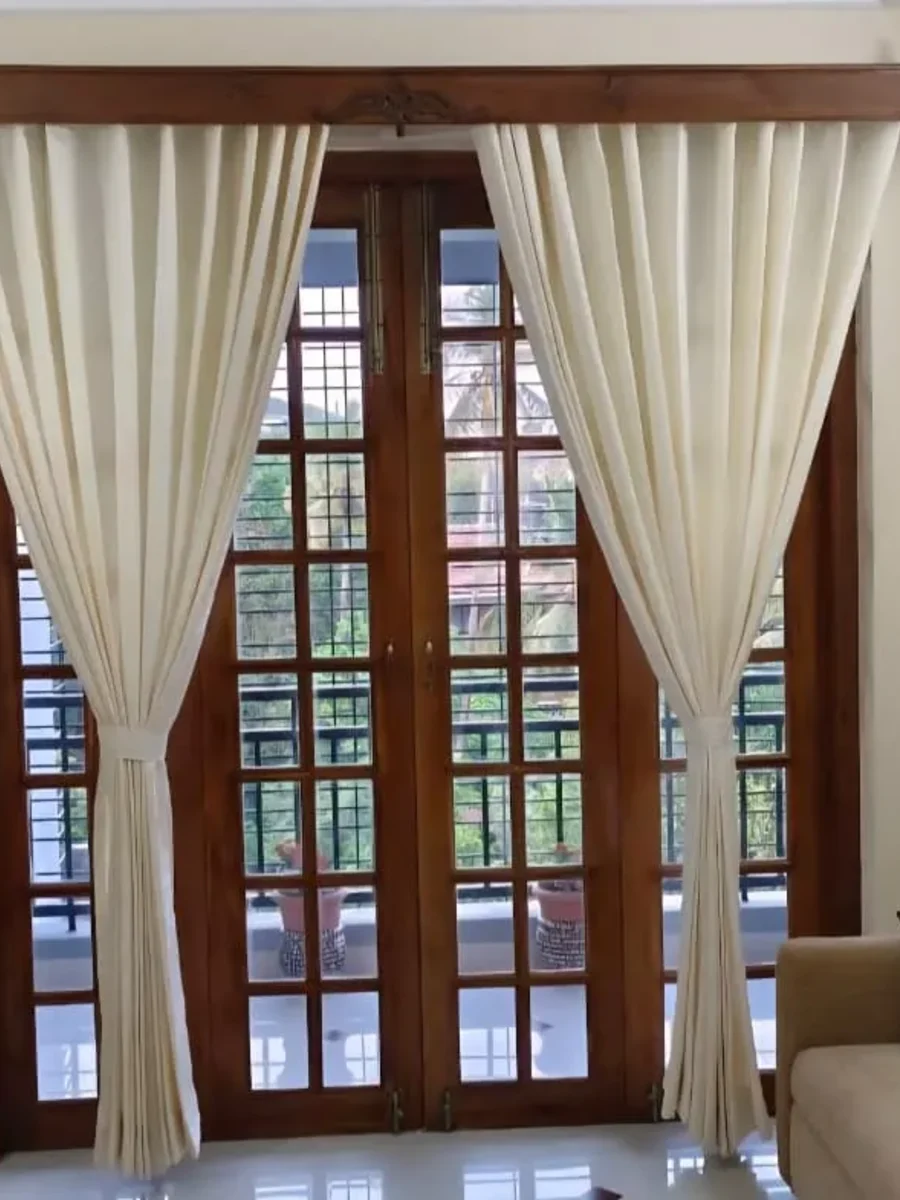
Deep reveals, tall shuttered openings and oyster-shell windows that modern curtain advice gets wrong.
Read the guide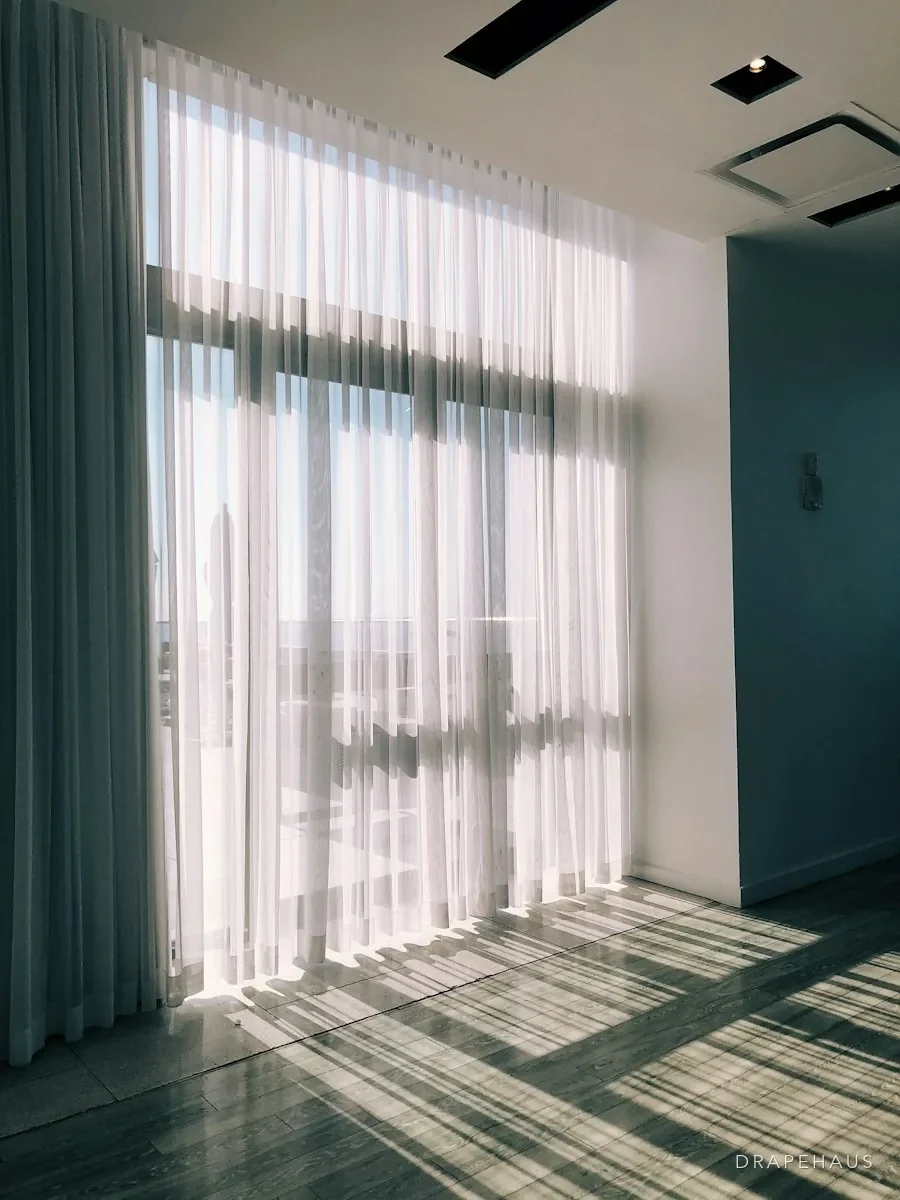
Guest turnover, genuine blackout and fabric that survives being handled by strangers.
Read the guideFrom the Journal
All articlesFAQ
Our workshop is at Kurtarkar Glory in Pedda, Benaulim. It is a working studio rather than a showroom, so we generally bring samples to your home instead, where you can see fabric in your own light. If you would like to visit to see work in progress or look through a particular range, call us first and we will make sure someone is there.
Usually within the same week you call, and often sooner. Because we are based in the village there is no travel to plan around, so we can fit a measuring visit between other jobs. In the busiest weeks before the season and before the monsoon it can take a little longer, and we will tell you honestly when we can come.
Yes, and it is work we enjoy. We look first at how the shutters and windows operate, then choose where to fix anything so it never stops them closing. We use fixings suited to laterite and lime plaster and avoid drilling into original timber frames where possible. Often the right answer is less fabric than you expected, hung further forward.
Yes. For houses that will stand closed, or rooms that take driven rain, we take curtains down in late May, clean them, dry them thoroughly and store them with airflow rather than in sealed plastic. We rehang them after the rains withdraw in October, once the house has been aired, and check the tracks and motors at the same time.
Yes. Many of the homes we look after belong to owners who are away for much of the year. We agree the scope with you by phone or video, measure with the caretaker present, send photographs of samples held against your windows, and share pictures of the finished rooms. The caretaker only needs to let us in.