 Drapehaus
Drapehaus
Preparing the room
Drapehaus
Preparing the room
South Goa · Heritage houses and flats
Margao, also spelt Madgaon, is South Goa's main town and its commercial centre. Its old quarters hold some of Goa's finest Portuguese-era town houses, while its suburbs are mostly apartments, and we work in both, a short drive from our Benaulim workshop.
What we see in Margao
Homes in Margao — tap a heading to read
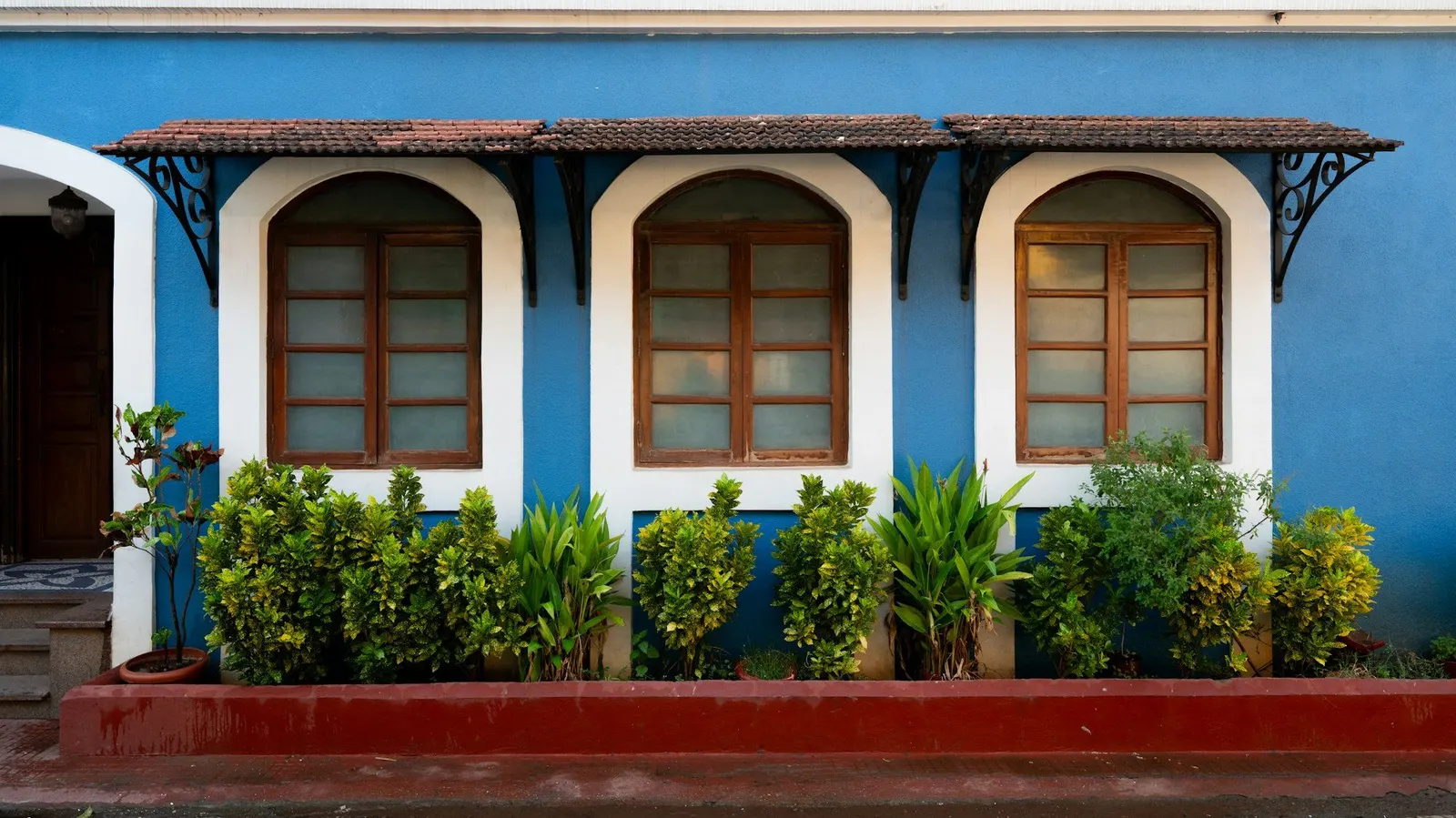
Margao, or Madgaon, is the headquarters of South Goa district and of Salcete taluka, and it has long been the region's commercial centre. It stands on the banks of the Sal river, a short distance inland from the beaches of Colva and Benaulim, and Madgaon railway station makes it the gateway to the south for many visitors. The town grew around its churches, markets and squares, and in the older quarters, Borda and the streets around the Largo de Igreja and Abade Faria Road, the grand family houses of the Portuguese era still stand.
Those houses were built to impress from the street: long facades, high ceilings, enclosed balcões and rows of tall timber windows, some still glazed with oyster shell or stained glass. Inside, rooms are deep and cool, with thick walls and shutters that were designed to manage light and air long before curtains arrived. Many are still family homes, lived in by the same families for generations, and their owners are rightly careful about who drills into them and what is hung in front of the old windows.
Most of Margao's households, though, live somewhere quite different. The town has grown quickly, and suburbs such as Fatorda, Aquem and Gogol are largely apartment blocks and newer houses. These are practical homes with standard window sizes, sliding balcony doors and busy streets outside, and the work there is about privacy, heat, insects and comfort rather than heritage. Between the two sit plenty of older town houses and bungalows, which borrow a little from each and need their own kind of care. We work in all three, and each starts with a careful look at the windows.
Planning work in Margao?
We measure on site and bring samples to see in your own light — so the choice is made in the room, not from a photo.
Margao sits inland, so the heavy salt of the beachfront villages is much less of a factor. Hardware lasts longer, and natural fabrics such as cotton and linen, which would struggle near the sea, are more practical here in well-aired rooms. The trade-off is humidity. Beside the river and through the monsoon, the air stays damp for months, and older houses with thick laterite walls hold that moisture well into October, long after the last heavy rain has passed and the sun has returned. Wardrobes and cupboards against external walls suffer in the same way.
The monsoon normally reaches Goa in the first week of June and withdraws in mid-October, and morning humidity through those months stays between 87 and 91 per cent. Heavy lined curtains hung close to cold walls, or upholstery pushed into poorly ventilated corners, are where mildew appears first. We specify breathable linings, leave space for air to move behind fabric, and suggest where a room would benefit from being opened on dry days. Small changes in how a room is used often matter as much as the fabric chosen.
In the dry months, the sun is the issue. Apartments with west-facing balconies take hard afternoon light, and the rooms behind them heat up quickly under a concrete roof. A sheer that cuts glare while keeping the view, paired with a lined curtain or blind for the evening, usually works better than a single heavy layer. On busy streets, the sheer also gives privacy through the day, which matters on lower floors and in old town houses whose windows open almost directly onto the pavement. Insect screens let those windows stay open in the evening without inviting mosquitoes in.
Margao is a short drive from our workshop in Benaulim, so we can usually visit within a few days. We come to the house or flat, look at each window and how the room is used, and measure properly. We bring sample books and fabric lengths with us, so that you can see how colours behave in your own rooms rather than under shop lighting, and we send a written quote room by room, with any options clearly explained. There is no obligation, and no pressure to decide on the day.
In heritage houses, we look carefully before we fix anything. We check how the shutters open, where the original timber is, and what the wall is made of, then choose fixings that suit laterite and lime plaster. In apartment blocks, we ask you to check society rules on external fittings and balcony screens before we start, and we work around lifts, parking and building hours. Everything is made in our workshop and fitted by our own team, who protect floors and clear up afterwards.
Afterwards, we are close enough to come back for small adjustments, re-upholstery or a monsoon take-down. A hem that needs taking up once the fabric has settled, or a blind that has stiffened, is a short visit rather than a project. For families who own a house in Margao but live elsewhere in India or abroad, we work with a relative or caretaker on site and share photographs of samples and finished rooms, so decisions can be made from a distance with confidence.
In the old town houses, the requests are careful ones: light sheers that give privacy from the street without covering the shutters or the oyster-shell panes, curtains hung on slim poles that stack clear of the window, and re-upholstery of carved family furniture that has seen many monsoons. Often we suggest less fabric than the owner expected, because the building already does much of the work, and a heavy curtain would only hide the windows people came to the house to enjoy. Where the shutters are original, we treat them as the main window covering and add fabric only where it helps.
In apartments, most requests are for a complete set of curtains and blinds for a new flat, insect screens on windows and sliding mesh doors for balconies, and blackout for bedrooms that face streetlights. Many families also ask us to re-cover a sofa, make cushions, or find a rug that suits the room. For a newly handed-over flat, we can plan everything at once, so the home is finished together rather than one room at a time over the following year. Screens also let a flat stay aired through the humid months, which helps keep mildew away.
Newer houses on the edges of town bring the larger jobs: wallpaper for a feature wall, motorised blinds for tall windows, and full-house schemes that tie the rooms together. Whatever the size of the job, we specify for the house and the season it will face, not for a showroom. And because Margao is so close to our workshop, we stay near enough to look after what we have made, whether that means a quick adjustment next month or a full refresh several monsoons from now.
What we make in Margao
The homes we work in here
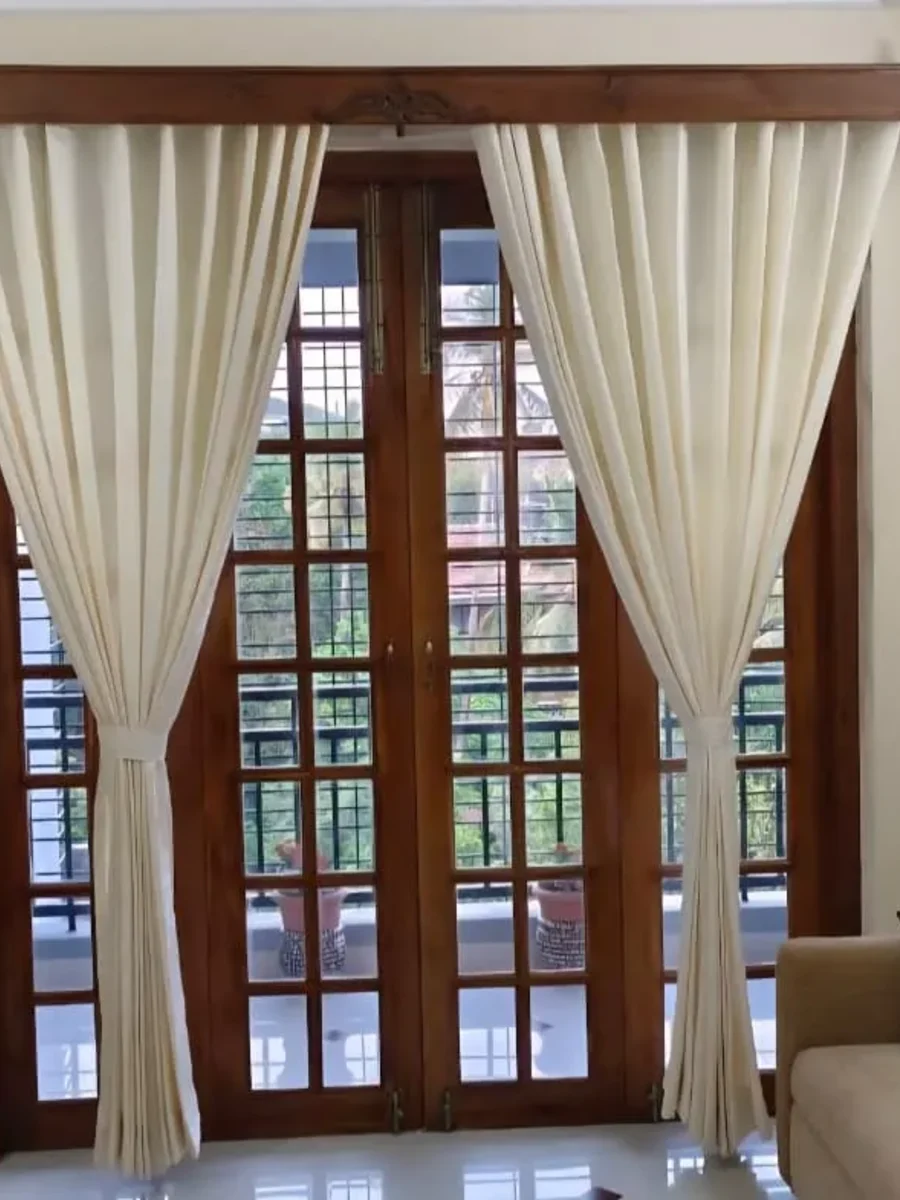
Deep reveals, tall shuttered openings and oyster-shell windows that modern curtain advice gets wrong.
Read the guide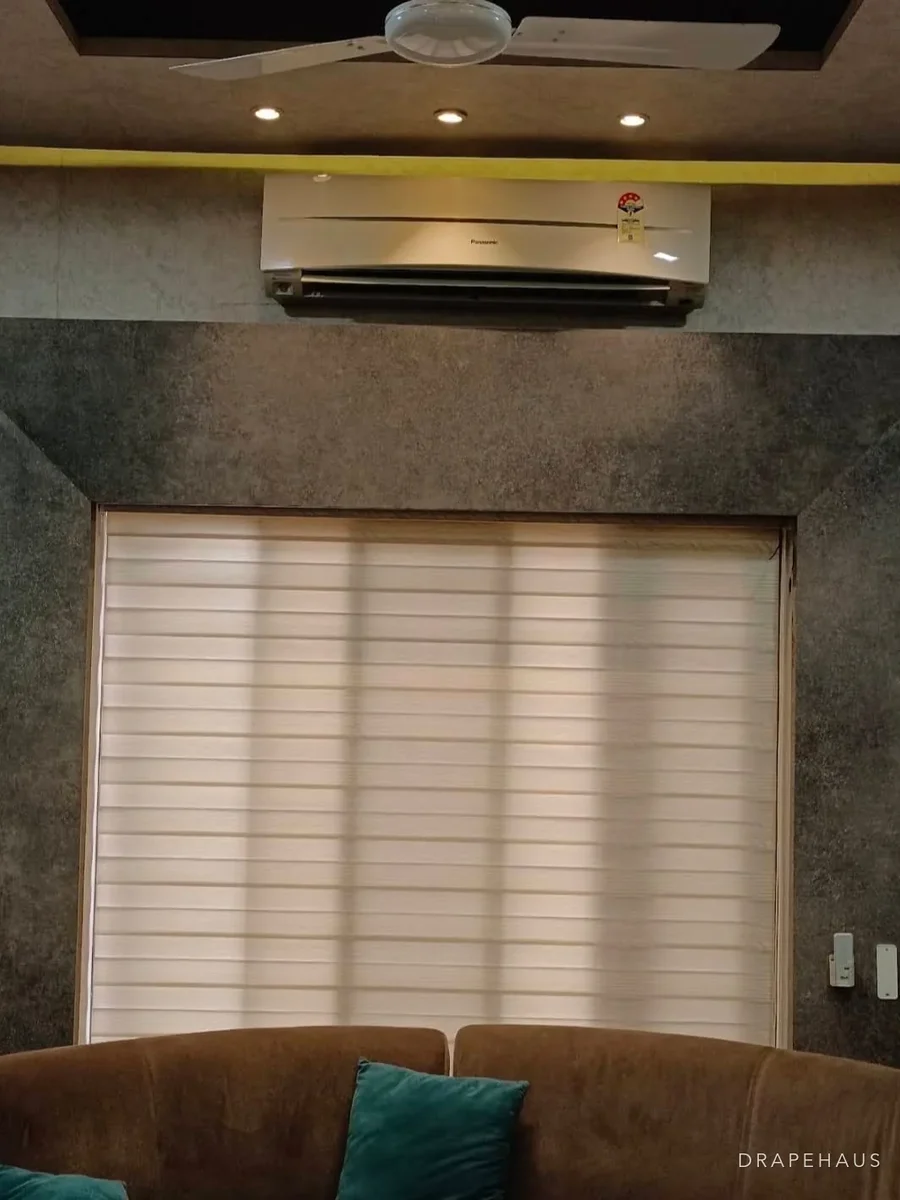
Society rules, concrete you cannot always drill, and standard openings that still are not standard.
Read the guide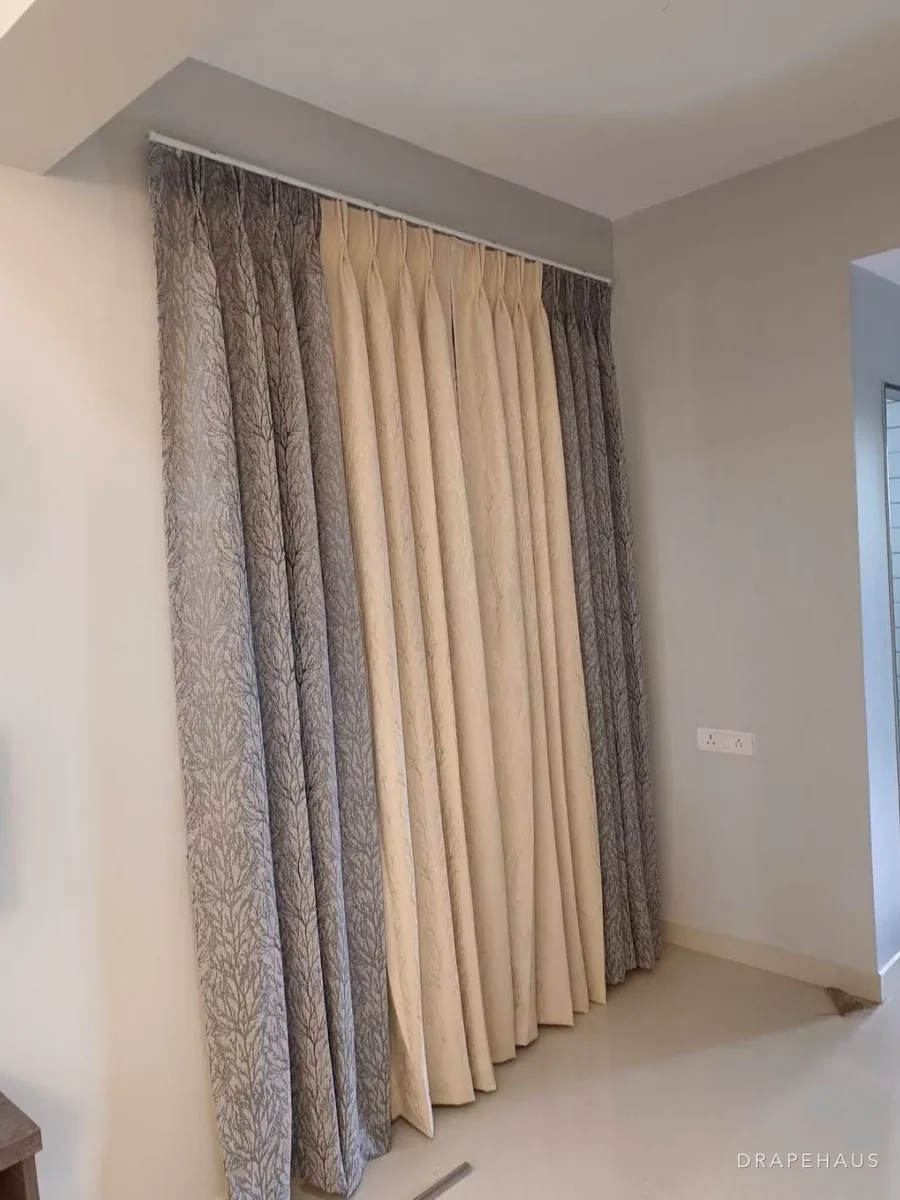
Bare windows, a moving-in deadline, and every decision still to make at once.
Read the guideFrom the Journal
All articlesFAQ
Yes. We work across Margao, from the heritage houses of Borda and the old quarters to the apartment blocks of Fatorda, Aquem, Gogol and the newer suburbs. Our workshop is in Benaulim, a short drive away, so visits are quick to arrange and we can return easily for adjustments or aftercare.
Yes. We study how the shutters and windows work before fixing anything, choose fixings suited to laterite and lime plaster, and avoid drilling into original timber frames. Where a house still has oyster-shell or stained-glass panes, we keep fabric light so the panes can do what they were made for.
Yes. We fit mesh screens to windows and sliding or pleated mesh doors to balconies, measured to each opening. We check with your housing society first if any fitting shows from outside. Screens let you keep windows open in the evening, which helps the flat stay aired through the humid months.
Yes. Margao has less salt than the beach villages, but through the monsoon, humidity stays very high and older houses with thick walls hold moisture well into October. We use breathable linings, keep curtains clear of walls and choose fabrics that dry quickly, which is where most mildew problems are prevented.
Yes, and it is work we do often. We look at the frame and webbing, replace tired foam or padding and re-cover it in a fabric that suits the room and copes with damp. For carved or antique pieces, we discuss what to keep before we start.