 Drapehaus
Drapehaus
Preparing the room
Drapehaus
Preparing the room
South Goa · Inland family and plantation homes
Ponda is the headquarters of Ponda taluka in central Goa, inland between the Mandovi and the Zuari, and has been part of South Goa district since 2015. Known for its temples and the spice plantations around it, it is a working town of family houses, apartments and older homes in green, hilly villages. We visit Ponda by appointment from our workshop in Benaulim.
What we see in Ponda
Homes in Ponda — tap a heading to read
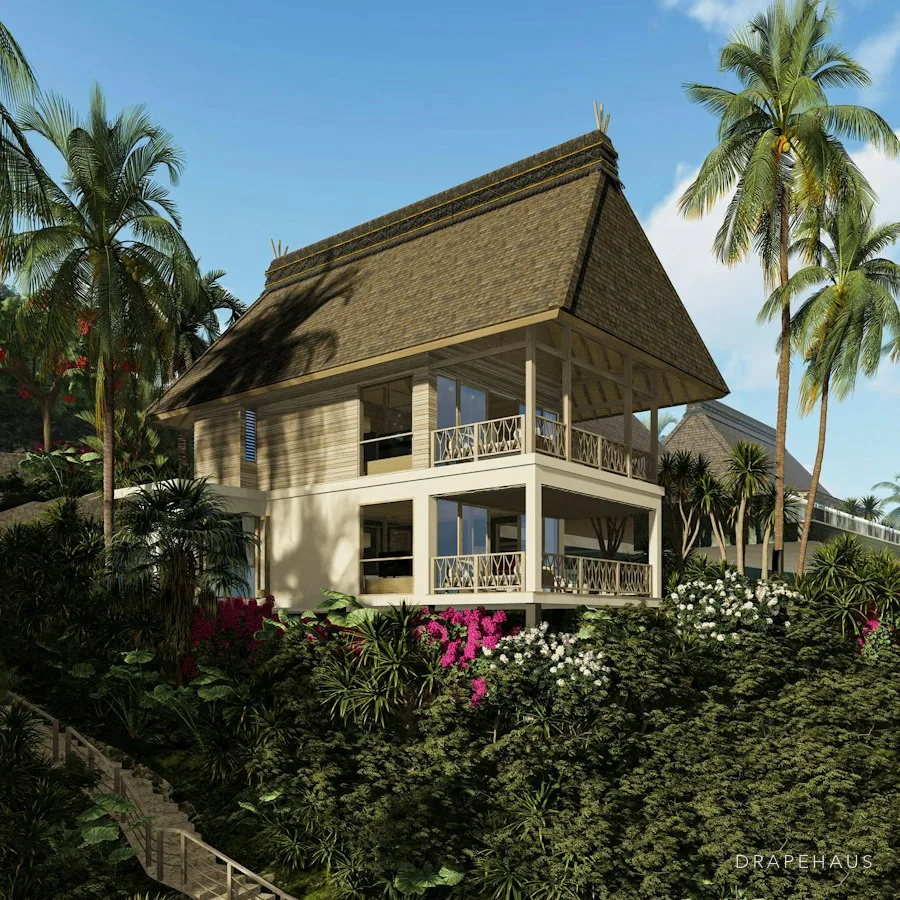
Ponda sits in the middle of Goa, inland between the Mandovi and the Zuari, and it feels quite different from the coastal towns. It is the headquarters of Ponda taluka, a busy market and administrative town with schools, colleges and industry around it. The taluka is known across Goa for its temples, including the Mangeshi and Shantadurga temples, set among wooded hills, and for the spice plantations in the countryside around the town. Until 2015 Ponda was part of North Goa district; it now belongs to South Goa.
The homes we visit in and around Ponda are mostly family homes, lived in all year. In the town itself many people live in apartments, from older blocks to newer buildings on the approach roads, and in independent houses built over the last few decades. In the villages around it there are older Goan houses with tiled roofs and verandas, bungalows on hillside plots, and houses set among areca, coconut and spice gardens, some of them in the same family for generations.
Because Ponda is not a beach town, fewer of its homes are holiday lets or second homes than in Bardez. That changes the brief. Curtains, blinds and furniture are used every day, washed often and expected to last for years. At the same time, a growing number of families have opened a few rooms to guests, often in older houses near the temples and plantations, and those rooms need a tougher, simpler specification than the rest of the house. Goa's homestay policy offers incentives for new homestays in a handful of hinterland talukas, Ponda among them.
Planning work in Ponda?
We measure on site and bring samples to see in your own light — so the choice is made in the room, not from a photo.
Being inland has one clear advantage: salt is rarely a problem. Good powder-coated tracks and brackets generally last well here, and fabric does not have to cope with the constant film of salt that affects homes on the coast. We can therefore be a little more relaxed about hardware in Ponda than we are in Candolim or Anjuna, and put more of the effort into fabric, lining and fit. That also allows a wider choice of finishes for poles and tracks. Homes near the rivers, particularly on low ground, still see heavy damp in the monsoon, and we plan for that where it applies.
Damp is another matter. Goa's rain is concentrated in the monsoon, with about 91 per cent of the year's rainfall between June and September, and humidity stays very high through those months across the state. Around Ponda, homes among trees, plantations and hillside gardens stay shaded and damp long after the rain stops, and ground-floor rooms in older houses with thick laterite walls can feel humid for weeks. Curtains that pool on the floor or press against damp walls are the first to mark, so we finish them clear of the floor and choose linings that dry quickly.
Insects are the other feature of inland life. Gardens, trees and standing water bring mosquitoes, especially after the rains, and many families want to leave windows open in the evening without letting them in. Insect screens are therefore one of the most common things we make for Ponda homes. In the dry season, from November to May, west-facing rooms and upper-floor flats can take strong afternoon sun, and lined curtains or solar-screen blinds help keep them comfortable without shutting out the light entirely.
Our workshop is in Benaulim, in Salcete, and we visit Ponda by appointment, often grouping the trip with other homes inland or around Panjim. On the first visit we measure every window, check walls and ceilings for sound fixing points, and bring fabric, lining and blind samples to the house so that you can see them in its own light. In older houses we look for timber lintels or solid plaster, avoid drilling into fragile lime plaster, and keep internal shutters free to close.
Everything is made to measure in our own workshop and fitted by our own team. For a family home we can work room by room, around school terms or a family event, or plan the whole house at once. We protect floors and furniture while we work, clean up afterwards, and show you how each track, blind and screen works before we leave. Where a house is being built or renovated, we coordinate with the contractor so that tracks go in at the right stage, after plastering and painting and before the final clean.
After installation we remain available for adjustments and repairs. Some Ponda homes belong to families who live elsewhere for part of the year, and we are happy to work with whoever holds the keys, agree choices by photographs and calls, and send pictures once the work is done. For homes that will be closed through the rains, we offer monsoon take-downs, cleaning and storing curtains dry and rehanging them after the monsoon withdraws in October. That service is as useful for a house left empty by a family travelling abroad as for any holiday villa.
The most common request is practical: a full set of curtains and blinds for a family home, made to last. Bedrooms usually want blackout, living rooms want privacy from the road or the neighbours without losing the light, and kitchens and bathrooms want blinds that cope with steam. Many families ask for curtains that can be washed at home, and we make them with removable hooks and weights and fabrics that behave well in an ordinary machine. Children's rooms and study corners are frequent requests too, usually with simple roller or Roman blinds.
Insect screens come a close second. We make pleated, sliding and fixed screens to measure for timber, aluminium and uPVC frames, and for older houses we measure each opening individually, because old windows are rarely perfectly square. For verandas and balconies, some families ask for outdoor blinds that give shade and keep off some of the rain without enclosing the space. Guest rooms in homes that take visitors need hard-wearing, washable fabrics and proper blackout, kept simple so that they are easy to maintain.
Upholstery is a large part of our work inland. Many Ponda homes have solid, well-made furniture that has been in the family for years, and it is often worth recovering rather than replacing. We replace foam and webbing, repair frames and recover in fabrics chosen for humidity and daily use, and we make new sofas and rugs to measure. Whatever the job, we will give you straight advice about what is worth doing and what can wait. Often the best start is the rooms you use most, with the rest to follow once you have lived with the first.
What we make in Ponda
The homes we work in here
Balcão, small deep windows, thick walls and a way of living that curtains should not fight.
Read the guide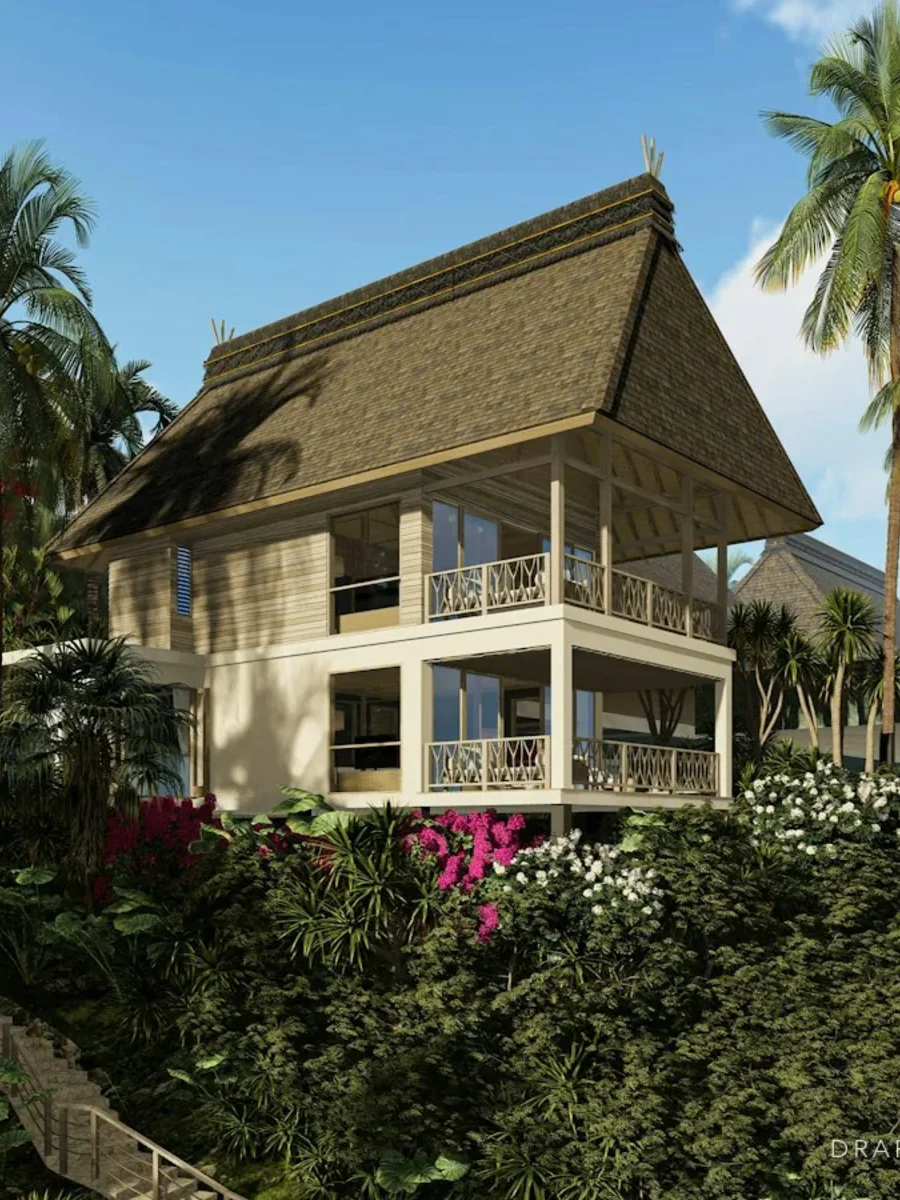
Views worth keeping, wind that tests every fixing, and light that arrives from unexpected angles.
Read the guide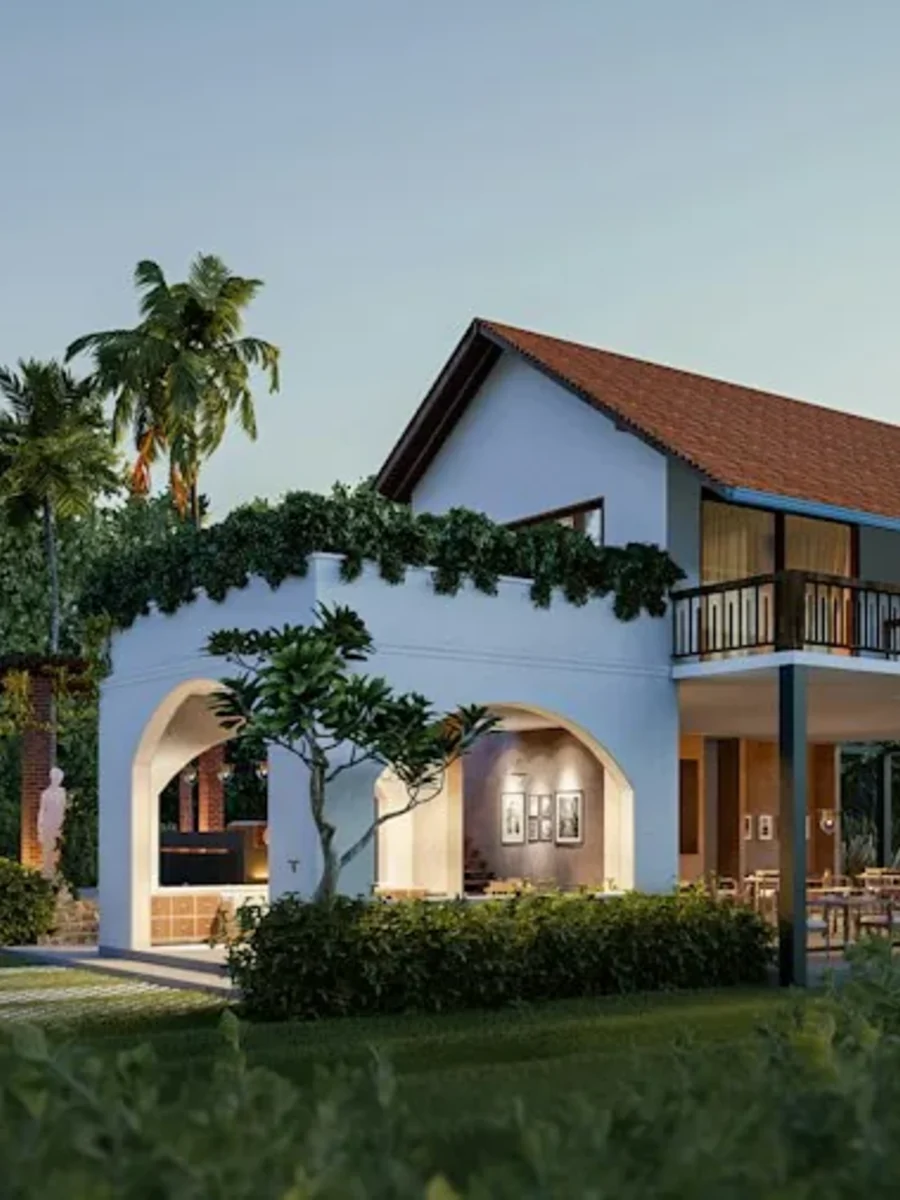
Old openings and new extensions in one building, each needing a different answer.
Read the guide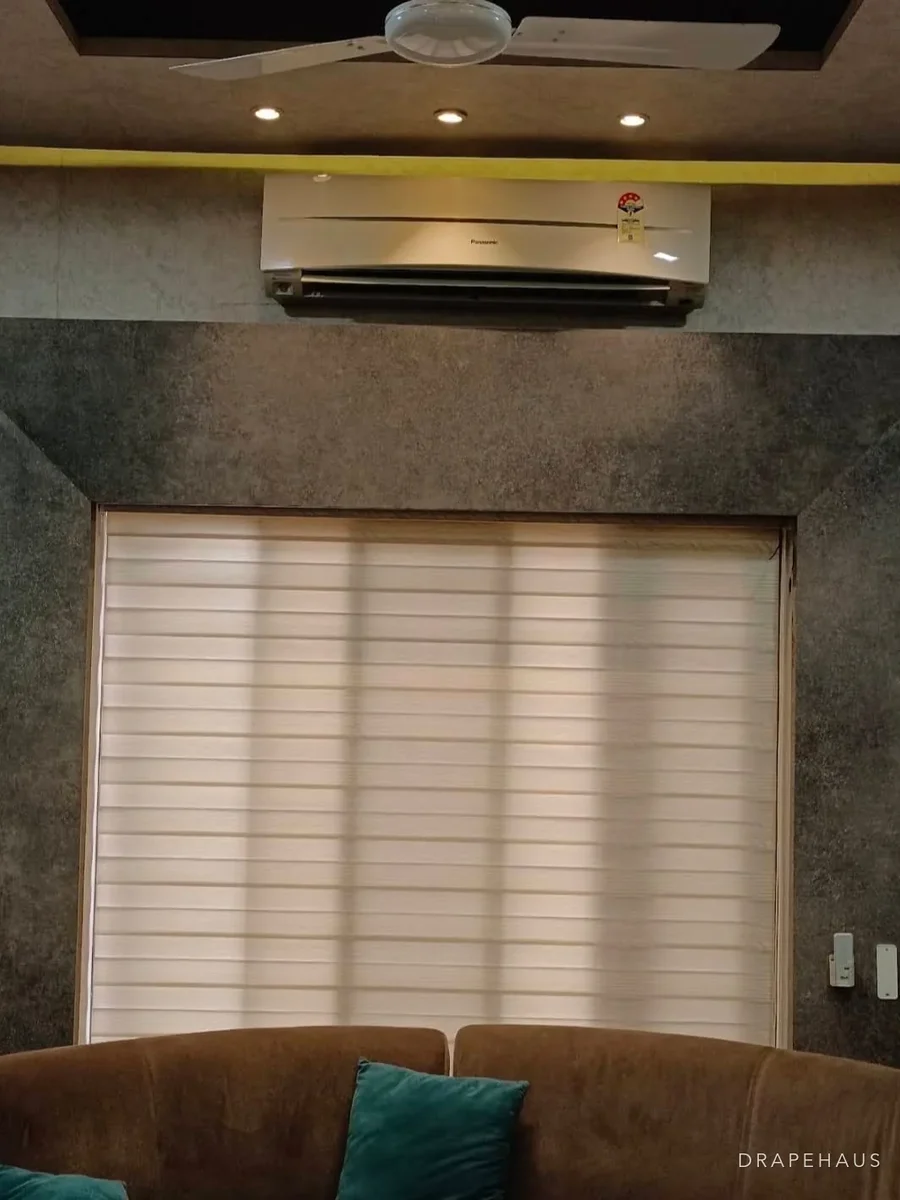
Society rules, concrete you cannot always drill, and standard openings that still are not standard.
Read the guideFrom the Journal
All articlesFAQ
Yes. We work in Ponda town and the surrounding villages of the taluka. Our workshop is in Benaulim, so Ponda visits are by appointment and we usually group them with other homes inland or around Panjim. We measure, bring samples to your home, make everything in our own workshop and fit it with our own team.
Ponda taluka has been part of South Goa district since January 2015, when it was moved from North Goa. Many people still think of it as North Goa, and it is within reach of Panjim, so we often combine Ponda visits with trips to the capital. Either way, we work there.
Usually not. Away from the sea, salt is rarely a concern, so good-quality powder-coated tracks and brackets generally last well. The bigger issues inland are damp and insects, so we put more of our attention into fabrics, linings and screens that suit a humid, green setting.
Yes. We measure each opening individually, because older timber windows are rarely perfectly square, and choose a screen type that fits without damaging the frame. If we find soft or damaged timber, we will point it out before fitting anything.
Yes. For rooms let to guests we suggest hard-wearing, washable fabrics, proper blackout and simple fittings that visitors can use without instructions. We can match them to the rest of the house while keeping the specification practical for regular cleaning.
Nearby