 Drapehaus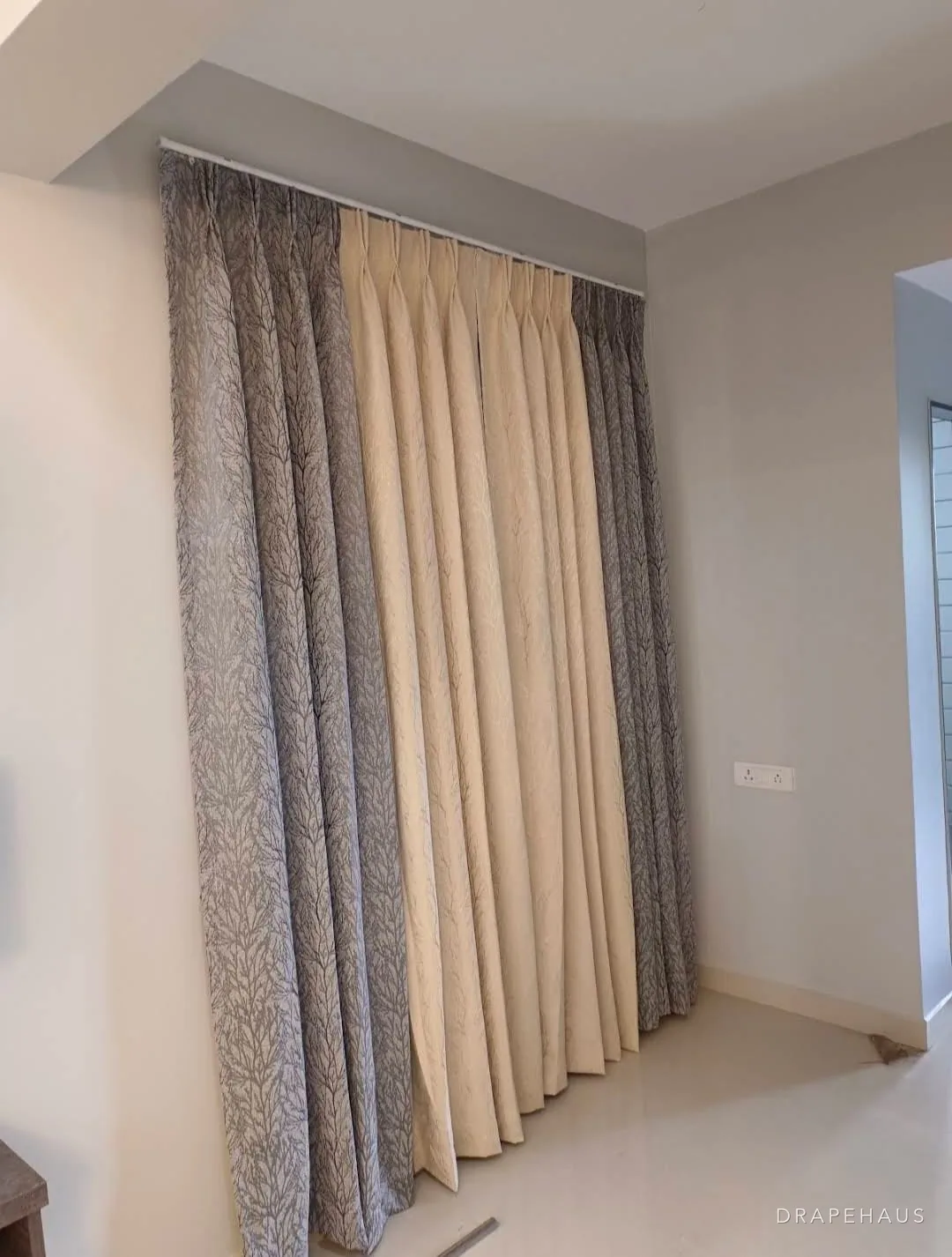
Drapehaus
Preparing the room
Drapehaus
Preparing the room
Home type
A homestay room has a completely different brief from a bedroom in the same building that the owner sleeps in. It is operated by people who do not know the house, who are on holiday, and who will pull a curtain by its leading edge rather than its cord every single time. It has to look good in a photograph, work in the dark for someone who arrived at 2am, and survive perhaps two hundred guest-nights a year.
By the Drapehaus studio · 19 September 2026 · How we write
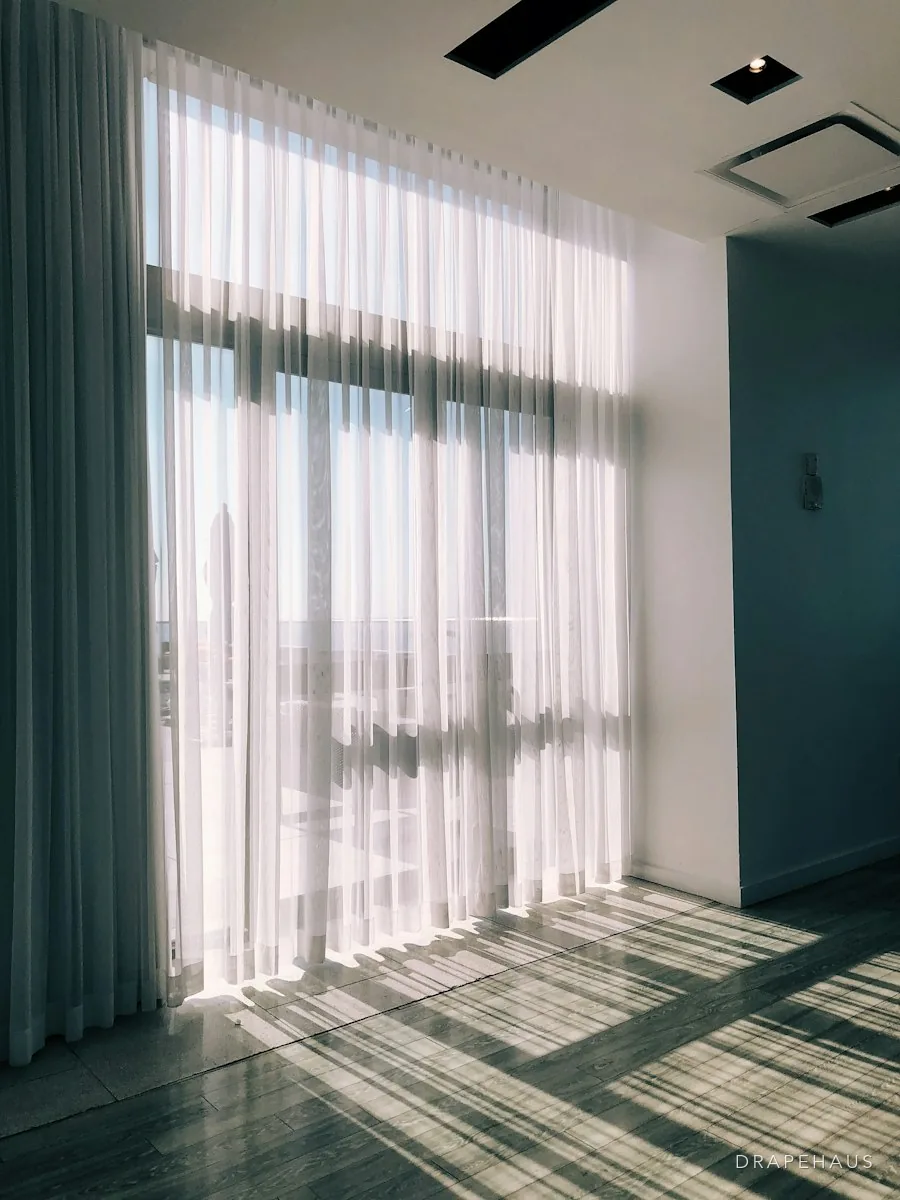
The two things that generate complaints are light and noise, and of those, light is the one you can fix with soft furnishings. A guest who cannot sleep past sunrise leaves a review about it, and in this market that review is worth more or less than the entire cost of doing the windows properly.
The other economic reality is replacement. Something will get torn, stained or burned. A specification built around replaceable parts costs far less over five years than one where any damage means remaking a whole curtain.
Most rooms sold as having blackout curtains do not have blackout. The fabric may be opaque but light floods in around the edges, over the top and through the gap where two curtains meet. A guest lying in bed at 6.30am sees a bright rectangle outlining the window, and the practical effect is that the room is not dark.
Proper blackout is a geometry problem more than a fabric problem. The curtain has to extend well past the opening on all sides, ideally with a return to the wall at each end so there is no light path down the side. Where the window sits in a deep reveal, a blackout roller fitted tight inside the reveal with side channels will beat any curtain for a fraction of the cost.
In this climate we usually prefer a separate blackout roller behind a decorative curtain rather than a coated blackout lining. The coating on low-grade blackout lining cracks and flakes in heat and humidity, and once it does the curtain is finished.
Contract-grade fabric is specified by rub count — the number of cycles it survives in an abrasion test. Domestic upholstery might be rated at 15,000 rubs; contract fabric starts around 30,000 and goes well beyond. For curtains the number matters less than for seating, but the underlying quality difference is real and shows in the hem and the leading edge.
The leading edge is where guest curtains die. Everyone grabs the same spot, transferring sunscreen, hand cream and dirt into the same forty centimetres of cloth. Specifying a slightly heavier fabric at that edge, or accepting that leading edges are a consumable to be replaced every few years, costs far less than remaking the curtain.
Cordless and wand-operated blinds are worth the premium in guest rooms. Cords get yanked, knotted and broken, and in rooms that take families they are a genuine safety issue.
Rather see it in your own room?
We bring samples to the house, measure every window, and specify for the light and exposure you actually have.
More on this — tap a heading to read
Whatever you specify has to be compatible with how the property is actually cleaned. If housekeeping has twenty minutes between checkout and the next arrival, a treatment that needs careful handling will not get it.
Removable, washable covers and curtains that unhook quickly are worth a great deal here. So is standardising across rooms — if every guest room uses the same track, the same heading and the same fabric, then one spare set covers the whole property and a damaged curtain is a five-minute swap rather than a room out of service for three weeks.
That standardisation argument is the single biggest cost saver in homestay work, and almost nobody does it because rooms get done one at a time as funds allow.
The most useful survey of a homestay room happens at sunrise, from the bed, with the curtains closed. Every bright line is a complaint waiting to be written: the gap over the top of the track, the strip down each side, the slot where the two curtains meet, and the glow under the hem. We note each one before looking at the fabric at all.
Then we operate everything as a stranger would. Pull the curtain by its edge rather than its wand, tug the blind chain sideways, lean on the pelmet. Anything that sticks, jumps off its runners or needs a knack will fail in guest hands. A mechanism that only works if you know how is not a guest-room mechanism. If it survives that treatment in the survey, it will usually survive a season of guests.
The last check is the room's other sources of light and noise. A corridor lamp that shines under the door, a street light facing the window or a neighbour's generator all change what the window treatment has to do. Sometimes the right answer is a denser curtain, and sometimes it is a quiet word about a light fitting outside. Knowing which before ordering saves specifying heavier fabric than the room needs.
A homestay in Goa must be registered with the Department of Tourism before it takes guests, and the homestay policy defines one as a property with between two and six lettable rooms where the owner's family lives on the premises. Larger or unoccupied properties fall into other categories, each with its own expectations. Check the current notification and take advice rather than relying on what a neighbour did.
Fire performance is where soft furnishings enter the picture. India has a standard for the resistance to ignition of curtains and drapes, IS 15741, and hotels and larger operators commonly ask for fabric tested to BS 5867-2 Type B or NFPA 701. A small homestay may not be required to meet those, but insurers increasingly ask, and meeting them costs little if it is planned from the start.
The practical route is inherently flame-retardant polyester for curtains and linings in guest rooms. It looks domestic, washes without losing its rating and comes with certification you can file. Treated natural fabrics can be certified too, but the finish weakens with every wash, so the paperwork and the curtain drift apart over time. Inherent flame retardance removes that gap between the certificate and the curtain.
Most coastal homestays run hard from November to May and quietly or not at all through the monsoon, which normally arrives in the first week of June and withdraws around mid-October. That rhythm sets the calendar for everything soft in the building: install and replace during the quiet months, and never plan a refit for December. Fitters, fabric stock and the owner's attention are all stretched once the season starts.
Late May is the moment to take down, wash and store curtains in rooms that will stand empty, or at least tie them clear of the glass. Humidity in the monsoon months stays above eighty per cent for weeks at a time, and a closed guest room is exactly where mildew starts. Blackout rollers should be left raised so air can reach the glass.
September and early October are for preparation. Rehang, replace worn leading edges, test every blind and wand, and photograph the rooms for the new season once the windows are dressed. Anything ordered then arrives before the first guests; anything left until November competes with every other property in the state. Keep one spare set of each guest-room specification in a dry cupboard, ready for the first accident of the season.
In a homestay the owner's family lives in the same building, and it is tempting to dress every room the same way. The briefs are different. The family's own rooms can have natural fabrics, softer mechanisms and treatments that need a little care, because the people using them know the house and will look after it. They are also the rooms where the house's own character can show most clearly.
Guest rooms should share one tested specification, and the shared spaces — a dining veranda, a sitting room, a stair window — sit between the two. They need to survive guests, but they also set the character of the house in photographs. A robust face fabric in a colour taken from the family's rooms usually ties the building together without putting anything precious in harm's way.
Diagnosis
WhyLight is leaking around the curtain edges rather than through the fabric. Opaque fabric on an undersized track does not make a dark room.
FixExtend the curtain well past the opening with returns to the wall, or fit a blackout roller with side channels inside the reveal behind the decorative curtain.
WhyLow-grade foam-backed blackout coating breaks down in sustained heat and humidity.
FixUse three-pass acrylic-coated blackout, which breathes better, or separate the functions entirely with a roller behind a plain curtain.
WhyEvery guest grabs the same leading edge, transferring sunscreen and hand cream into the same area.
FixTreat leading edges as a consumable and plan to replace them, or specify a washable removable panel at that edge from the start.
WhyEvery room has a different size, fabric and heading, so nothing can be swapped and each repair is a bespoke remake.
FixStandardise track, heading and fabric across guest rooms and hold one spare set. Damage becomes a swap, not a closure.
WhyGuests pull curtains by the fabric rather than a wand, putting the whole load on the first few hooks. Light heading tape and plastic gliders give way first.
FixUse a stronger heading such as ripplefold or reinforced pinch pleat on a quality track, and fit wands so there is an obvious place to pull.
WhyCurtains and blackout rollers were left closed in sealed rooms for months of saturated air, holding damp against the glass and walls.
FixTake curtains down or tie them clear in late May, leave rollers raised, and air and wash everything in September before guests return.
Checklist
Stand in each room at sunrise and look for light leaks, not at the fabric
Standardise track, heading and fabric across all guest rooms
Hold one spare set so a damaged curtain never closes a room
Specify cordless or wand operation in any room that takes families
Check every treatment against your actual housekeeping turnaround time
Plan for leading edges as a consumable, not a failure
Confirm registration and any fire-performance requirement before ordering
Operate every mechanism as a stranger would, roughly and without instructions
Take down or tie back curtains in late May if rooms will stand closed
Order replacements in September, before the season's rush begins
From the Journal
All articlesFAQ
A blackout roller fitted tight inside the reveal with side channels, behind a decorative curtain. It blocks the light path completely, which a curtain alone almost never does, and it separates the functional layer from the one guests see and handle. It also costs less than a heavily lined curtain.
With contract-grade fabric and corrosion-resistant hardware, five to seven years is reasonable for the body of the curtain, with leading edges needing attention sooner. Domestic-grade fabric in a room taking two hundred guest-nights a year will look tired in two.
Yes, particularly in any room that takes families. Cords get pulled, knotted and broken by people unfamiliar with the mechanism, and looped cords near a bed are a real safety hazard. Wand or cordless operation removes both problems.
It is the biggest single cost saving available in homestay work. Standardising track, heading and fabric means one spare set covers the whole property, so damage becomes a five-minute swap instead of a room sitting empty for three weeks waiting on a bespoke remake.
It depends on your registration category and your insurer, so take advice on the current requirements. Many operators choose inherently flame-retardant polyester anyway, tested to IS 15741 or to BS 5867-2 Type B. It looks domestic, keeps its rating through washing and gives you a certificate to file if anyone asks.
September into early October. The monsoon is easing, rooms can be taken out of use without losing bookings, and anything ordered then arrives before the first guests. Leaving it until November means competing with every other property for fitters and stock, and working around guests who have already arrived.
Ripplefold or a reinforced pinch pleat on a good track. Both spread the pulling load along the heading rather than concentrating it on a few hooks, both run smoothly when guests tug them by the fabric, and ripplefold in particular stacks neatly and looks tidy in listing photographs. Eyelets are sturdy but wear poles and need more stacking space.
Keep reading