 Drapehaus
Drapehaus
Preparing the room
Drapehaus
Preparing the room
Upholstery
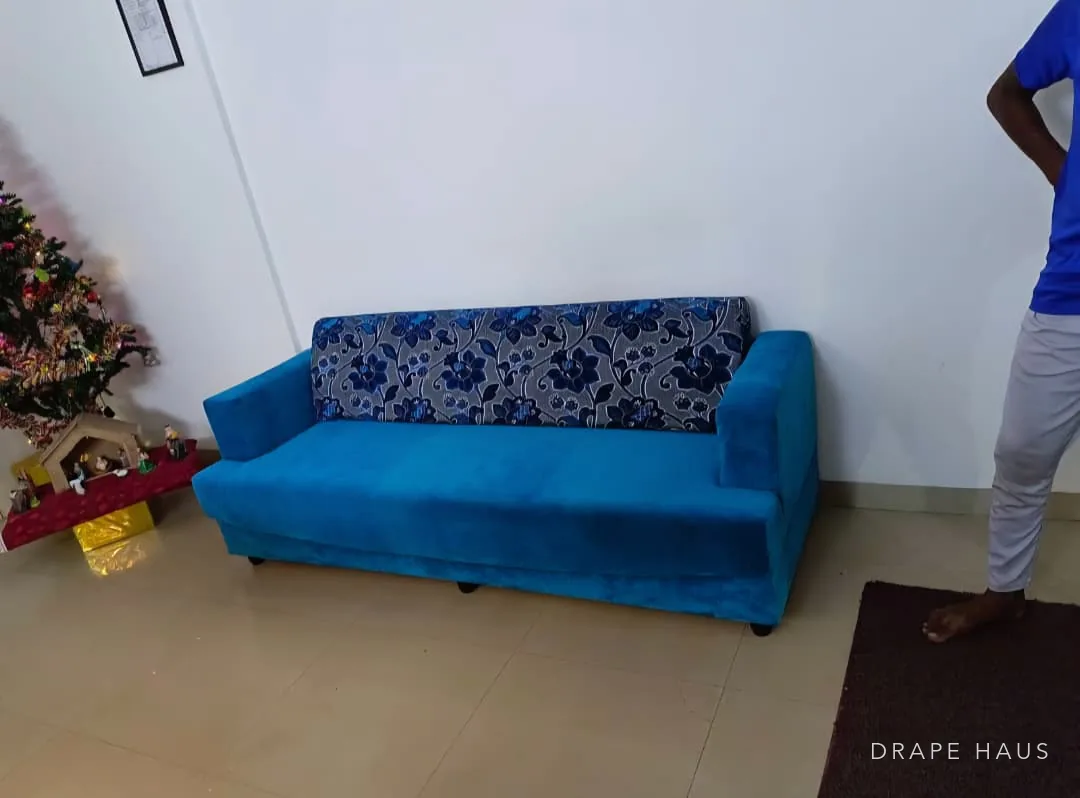
Sofas, armchairs, dining chairs and window seats stripped back to the frame, repaired and recovered — often better than they were new.
Durability scale (Martindale rubs, BS 2543)
15k
20k
25k
30k
40k
Who uses it
Where it lives
How it is used
Durability to ask for
30,000+ rubs
Severe domestic / general contract
Removable covers
Yes
zipped, washable, and a spare set
Fibres that suit
Avoid: Anything you cannot clean in place, on a piece used every day. Rub count is one number among several — weave, colour-fastness and how a fabric handles humidity matter as much. We bring samples to see in your room.
In short
By the Drapehaus studio · How we write
Is it right for you?
Reupholstery is the full rebuild of a piece of seating. The old cover comes off, then everything beneath it, down to bare timber. The frame is repaired, the suspension and filling are replaced, and the piece is built up again layer by layer before the new fabric goes on. Done properly, it is closer to remaking the furniture than to recovering it, which is why a good rebuild often sits better than the piece did when new.
It is worth doing when the frame is well made and the piece matters to you: a sofa with the right depth and proportions that you cannot find again, a set of dining chairs bought with the house, an armchair that has been in the family for three generations. It is also the only sensible option for most period and antique seating, where the frame and carving are the value and the upholstery was always meant to be renewed.
It is not worth doing on every piece. Furniture built from particleboard or softwood battens, stapled rather than jointed, rarely justifies the labour, because the new cover will outlast the structure beneath it. A frame riddled by termites or softened by years of damp is in the same position. And if you dislike the shape of a piece, no fabric will change that.
The honest test is simple: would you buy this frame again if it were offered to you bare? If the answer is yes, reupholstery is almost always the better route.
The details
We take the piece back to the bare frame, reglue and reinforce the joints, and replace the foam, webbing and springs before recovering it. It is the only way to know the piece will last as long as the new fabric.
Fabric is chosen by rub count for how the piece is used, and near the coast for how it copes with salt and damp. We collect and redeliver.
Your options
Every piece is different, but a full rebuild works through the same layers from the frame outwards. Understanding them helps you judge a quotation, because a job that skips a layer will look fine on delivery and fail within a year or two.
Swipe for all 5 →
The honest view
Better than new, where the frame is good
Older furniture was often made in solid hardwood with proper joints. Combined with modern foam and a fresh suspension, it outperforms many new pieces built on lighter frames with shorter-lived materials.
Proportions you cannot buy
Deep, low sofas for high-ceilinged rooms, narrow armchairs for a small study, chairs that match an existing dining table. Reupholstery keeps a piece that already fits the room and the people who use it.
Heirlooms stay in use
A chair that has sat in the same house for decades carries history that no replacement can. A careful rebuild lets it go on being used rather than retired to a corner or a storeroom.
Hidden problems are fixed
Stripping to the frame reveals loose joints, early beetle damage and rotten webbing that no amount of surface work would find. Every one of these is dealt with before the new fabric closes the piece again.
Less waste
Keeping a frame in use avoids disposing of a whole sofa. The parts that wear out are replaced; the timber, often the most valuable material in the piece, stays.
The piece is away for a while
Proper reupholstery happens in a workshop, not in your living room. Expect the piece to be gone for some weeks, longer if frame repairs are extensive or the fabric has to be ordered.
Surprises under the cover
Some damage only shows once the old upholstery is off. We inspect carefully beforehand, but occasionally a frame needs more work than expected, and we will stop and talk to you before going further.
Pattern fabrics use more
Large patterns and stripes need extra fabric to match across cushions, arms and backs. It is worth it for the finish, but it affects how much you need to order.
Some shapes cannot change
A rebuild can adjust comfort and detailing, but it cannot turn a shallow frame into a deep one or change the angle of a fixed back. If the shape is wrong, a new piece may be the better answer.
Side by side
Three realistic ways to deal with a worn piece. The right one depends mostly on the frame and on how the piece feels to sit on.
| Full reupholstery | Loose cover only | Buy new | |
|---|---|---|---|
| Fixes sagging seats | Yes | No | Yes |
| Repairs the frame | Yes | No | Not applicable |
| Keeps the original piece | Yes | Yes | No |
| Washable cover | Optional, by design | Yes | Depends on model |
| Look | Tailored, fitted | Relaxed, slipcovered | As bought |
| Suits period pieces | Yes | Rarely | No |
| Time without the piece | Some weeks | Short fitting only | Delivery wait |
Swipe to compare →
A loose cover is worth considering where the frame and filling are sound and only the fabric is tired. Anything that sags or creaks needs the full rebuild.
Rather see it in your own room?
We bring samples to the house, measure every window, and specify for the light and exposure you actually have.
Room by room
The main sofa and armchairs get the most use and usually have the best frames in the house. A full rebuild here gives the biggest improvement in comfort as well as appearance.
Sets of chairs are usually well made and hard to replace to match. Drop-in and stuff-over seats can be rebuilt in batches, and drop-in seats are quick to recover again in future.
Bedroom chairs, ottomans and benches are ideal candidates. Use is gentle, so finer fabrics and more delicate finishes are realistic.
A good desk chair or reading armchair with a sound frame rebuilds well. Choose a firmer seat and a fabric with a higher rub count for daily use.
Indoor-style reupholstery does not belong in exposed positions. Pieces for semi-outdoor use need outdoor fabric and quick-dry filling, which changes the build.
Worth doing for good pieces, with a contract-grade fabric and a stain finish. For short-lived or low-quality furniture, new may be the more sensible choice.
In depth — tap a heading to read
The assessment starts before anything is taken apart. We lift the piece to judge its weight, since hardwood frames are heavy and board frames light. We rock it corner to corner to find loose joints, press the arms and back for movement, and look underneath where the dust cover allows. Fine powder or small round holes in the timber point to beetle or termite activity; soft, dark wood near the feet points to damp.
Then we look at how the frame was built. Dowelled, mortised or screwed joints with glue blocks at the corners are the mark of good construction. Staples through thin board, or joints held only by nails, suggest a piece built to a price that will not hold a rebuild well. A frame can be loose and still excellent, since glue fails long before good timber does. A frame that is tight but made of board is the harder case.
Loose is fine. Rotten or boarded is not. That distinction decides most reupholstery jobs.
Older houses in Goa often hold seating in teak or rosewood, sometimes carved, sometimes caned, built to last far longer than its upholstery. With these pieces the aim shifts. The frame, the carving and the show-wood finish are the value, and every decision should protect them. Tack holes in the rails are kept to a minimum by reusing lines where possible, and polished surfaces are masked during work.
Traditional upholstery was built from webbing, hand-tied springs, coir or hair stuffing, hessian and calico, shaped with stitched edges rather than foam blocks. On an important piece, rebuilding in the traditional way keeps its character and its lines. On a piece that is simply old and loved, a hybrid approach is often better: traditional construction where it shows, modern foam where comfort matters. We discuss the choice with you rather than assuming.
Some pieces should not be fully rebuilt at all. Fragile original covers or rare frames can be better served by conservation, stabilising what exists rather than replacing it. We will tell you when a piece is in that category.
The frame and the room should lead the fabric choice. A carved or show-wood frame usually wants a plain or small-scale pattern that lets the timber speak. A plain modern sofa can carry a bold weave or large print. The period of the piece is a guide rather than a rule; an old frame in a crisp contemporary fabric can look better than a reproduction of what it once wore.
Then check the practical side. Seat cushions in daily use need a high rub count; a pair of occasional chairs can take something more delicate. In a room that stays closed through the monsoon, favour synthetics or blends that shrug off humidity. Where the piece sits in a sunny window, choose fabric with good lightfastness, or plan to move it. We bring large samples so the fabric can be seen draped over the actual piece.
Humid air is the main reason upholstery wears out faster here. Jute webbing and hessian absorb moisture, lose strength and rot. Low-grade foam holds damp and begins to break down and smell. Glue in joints softens with repeated swelling and drying of the timber, which is why so many chairs in older houses creak. A rebuild is an opportunity to use materials that tolerate this better.
We choose webbing, linings and fillings with the climate in mind, and we treat any timber that shows signs of insects before closing the piece up. Timing matters too. Pieces rebuilt in the dry months go back into a house that can be aired while they settle. If you are planning work for a second home, it is sensible to have it done and returned before the rains, or collected at monsoon take-down and returned when the house reopens.
After the home visit and frame check, we agree what will be done, including any restyling, and you choose fabric from samples in the room. We confirm quantities, allowing for pattern matching. The piece is collected, stripped, repaired and rebuilt in the workshop, and if the stripping reveals anything unexpected we stop and speak to you before continuing.
When the piece returns, it is placed in the room and checked with you. New foam settles slightly over the first weeks of use, and feather-wrapped cushions need plumping. Any leftover fabric is handed back, labelled, so you have matching material for future repairs or cushions.
Living with it
New foam and fibre take a few weeks to settle into their final shape. Sit on all the seats, not just a favourite one, so they settle evenly.
Reversible seat and back cushions should be turned and swapped regularly. It evens out wear, fading and the compression of the filling.
Store the offcuts rolled, not folded, in a dry cupboard. They are invaluable for a repair patch, matching cushions or a replacement arm cap later.
At the end of each monsoon, rock the piece gently. If any joint has loosened, have it tightened before it strains the others.
Fine powder under a piece or new pinholes in the timber are signs of beetles. Deal with them promptly, before they reach the structural rails.
Avoid these
Putting new fabric over the old cover saves time but hides every problem underneath, and the extra bulk spoils the fit. Always strip to the frame.
Old foam is flatter and less supportive than it feels, and it may hold years of humidity. Replace it, or the new cover will sag with it.
Falling for a fabric and then learning the frame is not worth saving is an expensive disappointment. Frame first, fabric second.
Stripping original polish, adding modern foam blocks to a hand-stitched frame or replacing sound carving loses what made the piece special. Keep what is original and good.
Ordering too little patterned fabric forces a compromise in placement. Let the upholsterer calculate quantities with the matching allowed for.
Checklist
More in upholstery
Reupholstering a well-built frame costs less than replacing it and keeps a piece you already love.
From the Journal
All articlesOur process
One team from the first visit to the last bracket, so nothing is lost between the person who specified it and the person who fits it.
FAQ
If the frame is solid hardwood with sound joints, usually yes — it costs less than a comparable new sofa and lasts longer. We assess the frame first and tell you honestly.
Yes. Recovering over tired foam wastes the new fabric, so we replace foam, webbing and springs as needed.
Lift one end: a heavy frame is usually solid hardwood. Rock it gently for loose joints, which are repairable, and look underneath for powder, pinholes or soft timber, which are more serious. If the frame is sound and you like the shape and size, reupholstery almost always gives a better result than replacing it.
Yes. Drop-in seats are lifted out, rebuilt and recovered, and are simple to redo in future. Stuff-over seats are upholstered directly onto the frame and take a little longer. Sets are usually done together so the fabric and firmness match across every chair.
Yes, if the work is done with care. We protect polished show-wood, reuse existing tack lines where possible, and can rebuild using traditional materials and hand-stitched edges. For rare or fragile pieces, conservation of the existing upholstery may be more appropriate than a full rebuild.
Within limits. A new suspension and a different foam grade can make a seat firmer or softer, and back cushions can be filled more or less generously. We cannot make a shallow seat deep or change the frame's rake, so if the shape itself is uncomfortable, we will say so.
Both, depending on the piece. Modern pieces are rebuilt with springs, webbing and foam. Period and antique pieces can be rebuilt traditionally with tied springs, natural stuffing and stitched edges, or with a hybrid approach that keeps the look while improving comfort. We explain the options at the visit.
Next step
Every reupholstery job begins with a look at the frame in your home. We check the joints, timber and suspension, tell you honestly whether the piece is worth rebuilding, and explain what the work would involve. We bring fabric samples large enough to drape over the piece in the room's own light. If you go ahead, we collect it, rebuild it in our workshop and return it finished, with any spare fabric labelled for the future. Book a home visit to have your furniture assessed.