 Drapehaus
Drapehaus
Preparing the room
Drapehaus
Preparing the room
Upholstery
Solution-dyed and marine-grade fabrics for verandas, poolside seating, boats and any position with serious sun and salt exposure.
Durability scale (Martindale rubs, BS 2543)
15k
20k
25k
30k
40k
Who uses it
Where it lives
How it is used
Durability to ask for
30,000+ rubs
Severe domestic / general contract
Removable covers
Yes
zipped, washable, and a spare set
Fibres that suit
Avoid: Anything you cannot clean in place, on a piece used every day. Rub count is one number among several — weave, colour-fastness and how a fabric handles humidity matter as much. We bring samples to see in your room.
In short
By the Drapehaus studio · How we write
Is it right for you?
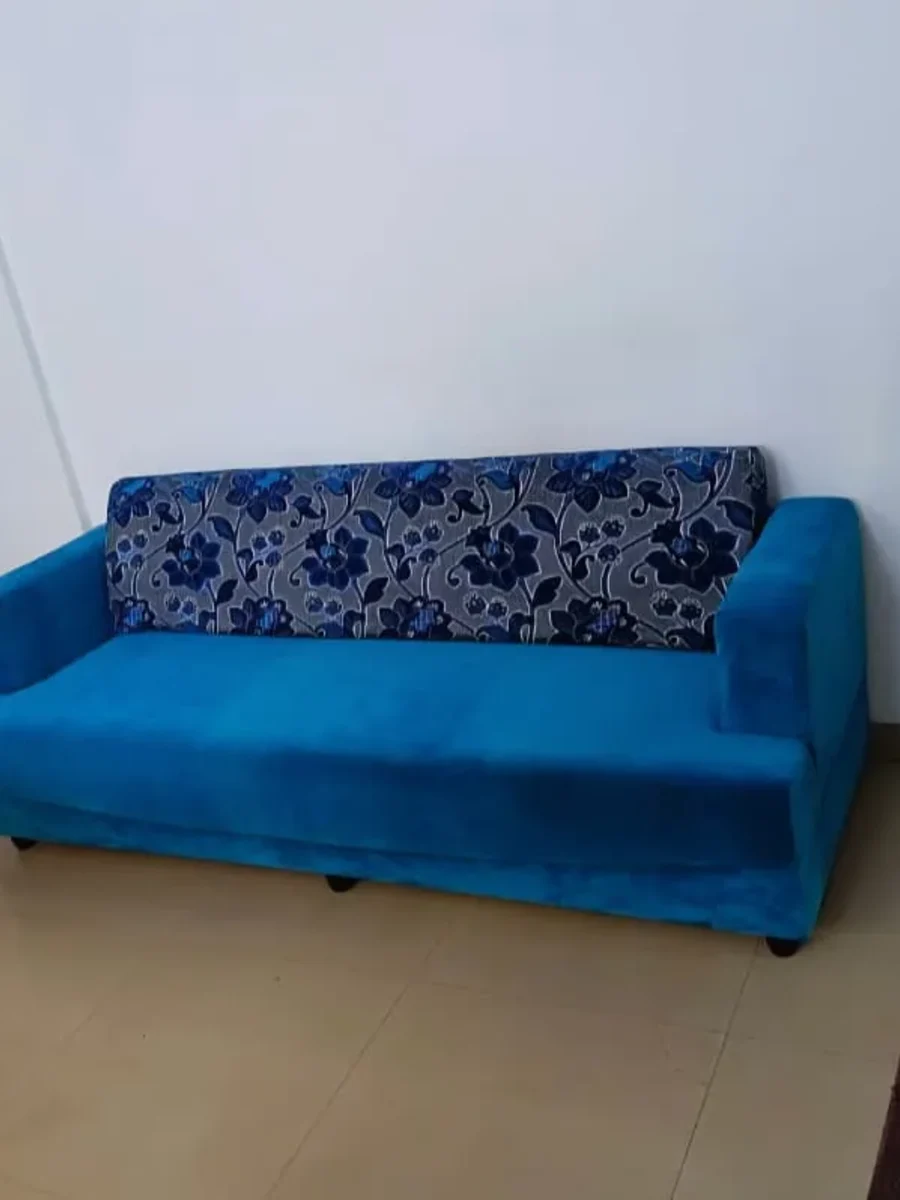
Outdoor upholstery is built for positions where indoor fabric fails: loungers beside a pool, swing seats on a verandah, built-in benches on a terrace, cushions on a boat. Every layer is different from indoor work. The fabric carries its colour in the fibre rather than on it, the foam lets water run straight through, the base breathes, and the thread and zips are chosen not to rot or corrode.
It suits any seating that sees direct sun, rain, spray or sea air. Near the sea, that includes more positions than people expect: a covered verandah that catches afternoon sun, a balcony that takes driving monsoon rain, a sit-out beside an open-sided living room.
Marine upholstery is the same idea taken further, for boats, where salt spray, constant sun and standing water are daily conditions and the fixings must survive them for years.
Outdoor fabric is not the right answer for every indoor seat. It is coarser to the touch than many indoor weaves, and in a soft, air-conditioned room a good indoor fabric will feel better. Performance outdoor fabrics are used indoors where durability matters most, but they are a choice, not a default.
The details
Outdoor fabric is made differently from indoor cloth: the colour is in the fibre rather than on it, so it holds its colour for years in full sun. Paired with quick-dry foam, cushions drain and dry after rain instead of staying sodden.
We make outdoor cushions and covers to size for loungers, swing seats, built-in benches and boat seating.
Your options
What makes outdoor cushions last is the combination of fabric, foam, base and hardware. A good fabric over the wrong foam will still stay sodden.
Swipe for all 6 →
The honest view
Colour that stays
Solution-dyed fabrics resist fading in strong sun and near the sea, so cushions look much the same after several seasons as when they arrived.
Dry quickly after rain
Quick-dry foam and mesh bases let water drain in minutes. A cushion caught in a shower is usable again the same day.
Resist mildew
Synthetic fibres absorb little moisture and give mildew little to grow on. Dirt left on the surface can still grow it, but a clean cushion stays clear.
Easy to clean
Most outdoor fabrics can be brushed, rinsed and, in many cases, cleaned with dilute bleach solutions without losing colour.
Made to any shape
Loungers, swing seats, built-in benches and boat seating are all templated and made to fit exactly.
Coarser to the touch
Outdoor fabrics are improving, but many still feel slightly stiffer and coarser than indoor weaves. Handling samples before choosing matters.
Not maintenance-free
Dirt, sun cream and bird droppings still need cleaning off, or mildew can grow on them. Resistance is not immunity.
Still best stored in heavy rain
Through the heaviest monsoon weeks, even outdoor cushions do better stored dry. Constant saturation shortens the life of any material.
Side by side
How the realistic choices for a verandah or poolside cushion behave in coastal conditions.
| Solution-dyed acrylic | Coated marine fabric | Piece-dyed polyester | Indoor cotton | |
|---|---|---|---|---|
| Colour in sun | Holds for years | Holds well | Fades in a season | Fades quickly |
| Water | Sheds, breathes | Waterproof | Absorbs little | Soaks |
| Mildew | Resistant | Resistant | Fairly resistant | Poor |
| Feel | Soft, woven | Smooth, warm | Smooth | Soft |
| Salt air | Good | Very good | Good | Poor |
| Best for | Terraces, pools | Boats | Sheltered seats | Indoors only |
Swipe to compare →
Rather see it in your own room?
We bring samples to the house, measure every window, and specify for the light and exposure you actually have.
Room by room
Full sun, wet swimwear and sun cream. Solution-dyed acrylic over quick-dry foam with a mesh base is the only specification that lasts.
Even covered verandahs catch low sun and driving rain. Outdoor fabric keeps colour and dries after monsoon showers.
Exposed to sun and wind. Tie-on cushions stop them blowing away, and quick-dry foam handles sudden rain.
Marine-grade coated fabric or solution-dyed canvas, with marine zips and fixings, suits constant spray and sun.
Made to shape and tied on. Bring in during the heaviest monsoon weeks.
Outdoor fabrics work indoors but feel coarser than most indoor weaves. Use them where durability matters more than softness.
In depth — tap a heading to read
Most fabrics are dyed after the fibre is made: the yarn or cloth passes through a dye bath, and colour bonds to the outside of each fibre. Ultraviolet light breaks those dye molecules down, which is why a curtain or cushion facing a sunny window fades on the exposed side. Near the sea, salt crystals abrade the surface too, wearing away the dyed outer layer.
Solution-dyeing puts the pigment into the molten or liquid polymer before it is extruded into fibre. The colour is part of the fibre all the way through, and it is locked into a material that resists UV degradation. The fibre itself can still weaken slowly over many years of full sun, but the colour stays. This is the single most important choice for an outdoor cushion.
Ask whether an outdoor fabric is solution-dyed. Surface-dyed outdoor fabric will fade like any other.
Standard upholstery foam has small, closed or partly closed cells that trap water. An outdoor cushion made with it can feel dry on top while staying wet inside for days, which is exactly the condition mildew needs. Squeeze it after rain and water keeps coming out.
Quick-dry foam has large, open, interconnected cells. Water passes straight through under gravity, and air moves through the foam as it dries. Paired with a mesh base, water drains from the bottom rather than pooling inside. The top fabric sheds most rain, what gets through runs out, and the cushion dries in the breeze. We sometimes add a thin fibre wrap for softness, chosen to drain as well.
The monsoon is harder on outdoor upholstery than the sun. Rain falls almost daily from June to September, humidity stays near saturation, and westerly winds drive rain deep into covered verandahs. Even the best outdoor cushion, constantly wet, will collect dirt and algae, and the foam will slowly break down.
For the heaviest weeks, store outdoor cushions indoors or in a ventilated storeroom. Clean them first, dry them fully, and store them standing on edge, never sealed in plastic. In lighter weeks, cushions can stay out if tipped on edge after rain to drain. For houses that close for the monsoon, include outdoor cushions in the take-down plan, and in the reopening plan, with a clean and a morning in the sun.
Boat seating combines the worst conditions: salt spray, direct sun, standing water and constant movement. Marine upholstery uses coated fabrics or heavy solution-dyed canvas with UV stabilisers and mildew inhibitors, over closed-cell or quick-dry foam depending on whether a seat needs to float, shed water or drain.
Fixings matter as much as fabric. We use marine-grade stainless or plastic snaps, UV-resistant thread and non-corroding zips, and design covers so water runs off rather than collecting on seams. Seats are templated on the boat itself, since hull curves and fittings make every seat different. Covers for off-season protection can be made at the same time.
Poolside cushions in a rental villa face sun cream, wet swimwear, food and constant use. Specify solution-dyed fabric in mid-tones that hide marks, quick-dry foam, mesh bases and removable covers. Tie-on fixings stop cushions blowing into the pool in monsoon squalls.
Plan storage as part of the specification. A villa needs somewhere dry and ventilated to keep outdoor cushions through the heaviest rain, and housekeeping needs a simple routine for bringing them in and putting them out. Spare covers let a stained one be replaced immediately rather than cleaned while guests wait.
Living with it
Dirt, leaves and bird droppings feed mildew even on synthetic fabric. Brush them off before they stain.
Rinse with fresh water to remove salt and sun cream residues, then let cushions drain and dry.
Use a soft brush and mild soap solution, rinse thoroughly and air dry. Many solution-dyed fabrics tolerate dilute bleach for stubborn marks; check the fabric's guidance first.
Tipping cushions on edge lets water drain through the foam and mesh base quickly.
Clean, dry fully and store cushions upright in a ventilated space. Never seal them in plastic.
Avoid these
Standard foam soaks up rain and stays wet for days. Always specify quick-dry foam outdoors.
Fabric dyed after weaving fades quickly in strong sun. Insist on solution-dyed fabric for sunny positions.
Standard thread breaks down in UV and metal zips corrode near the sea. Use UV-resistant thread and non-corroding zips.
A solid underside traps water inside. Use a mesh base so cushions drain.
Cushions stored damp, especially in plastic, mould within weeks. Dry fully first and store in breathable conditions.
Checklist
More in upholstery
Reupholstering a well-built frame costs less than replacing it and keeps a piece you already love.
From the Journal
All articlesOur process
One team from the first visit to the last bracket, so nothing is lost between the person who specified it and the person who fits it.
FAQ
With solution-dyed fabric and quick-dry foam they drain and dry quickly. We still recommend storing them through the heaviest monsoon.
Fabric where the pigment is added to the fibre before it is spun, so the colour goes all the way through and resists fading in strong sun.
Solution-dyed acrylic is the most widely used for good reason: it holds its colour in strong sun, resists mildew and feels soft for an outdoor fabric. Solution-dyed polyester and olefin also work well. For boats and very exposed positions, a coated marine fabric may be better.
In the dry season, yes. Through the heaviest monsoon weeks, they last much longer if stored dry. Quick-dry foam and mesh bases mean they cope with showers, but constant saturation shortens the life of any material.
Usually because of standard foam that holds water, a solid base that stops drainage, or dirt left on the surface for mildew to grow on. Quick-dry foam, mesh bases and regular cleaning prevent most mould.
Solution-dyed fabrics resist fading far better than any surface-dyed fabric, because the colour is part of the fibre. Over many years of full sun, some softening of colour is possible, but it is gradual and even.
Yes, and it is useful on sofas and seats near large sunny windows, in children's rooms and in rentals. It feels a little coarser than most indoor weaves, so handle samples before deciding.
Next step
We visit, look at each seat and how much sun, rain and salt it gets, and measure or template loungers, benches, swings and boat seats. We bring outdoor fabrics to see and handle in the actual position, and explain the foam, base and fixing choices. Then we make the cushions and covers in our workroom and deliver or fit them. Book a home visit and we will arrange a time that suits you.