 Drapehaus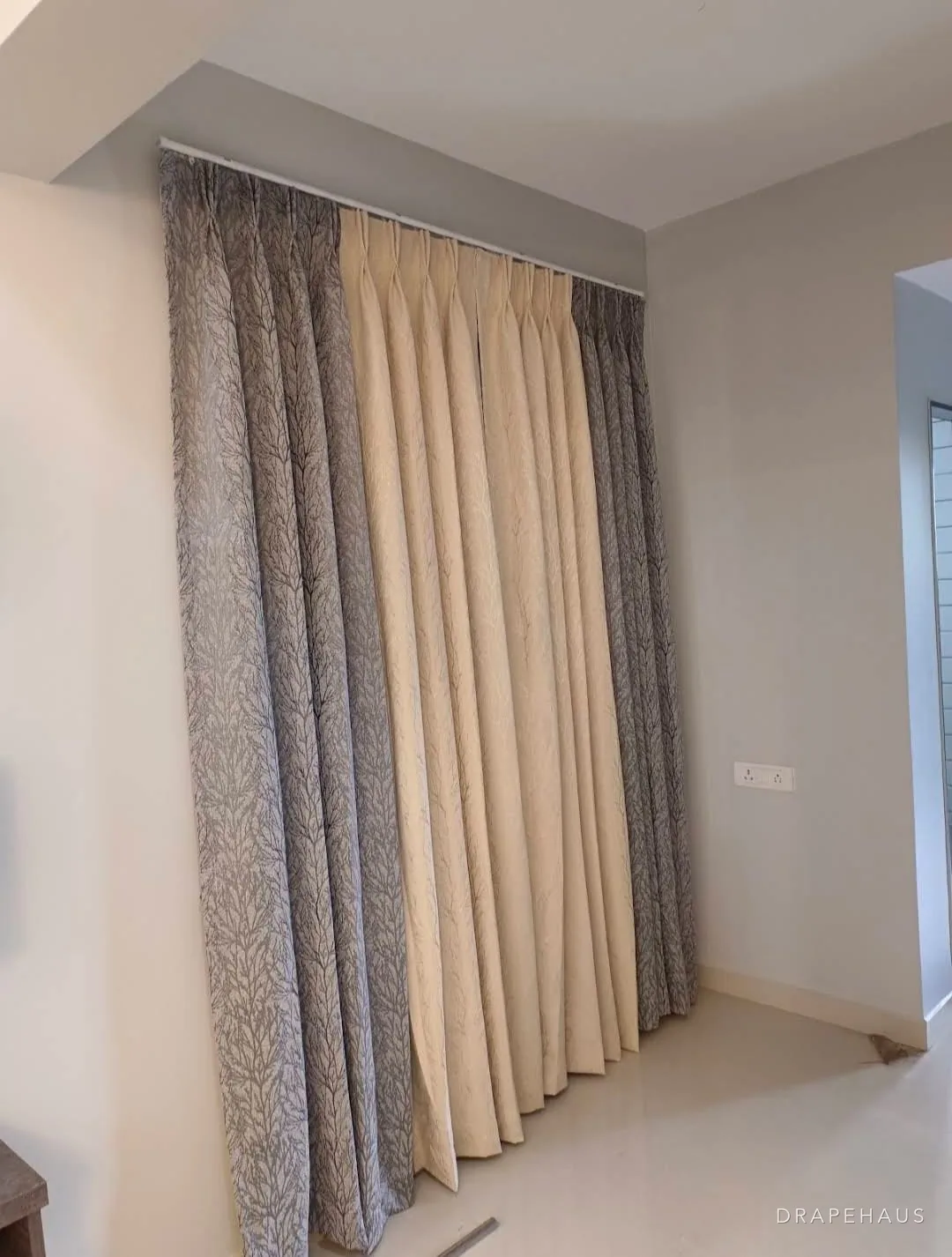
Drapehaus
Preparing the room
Drapehaus
Preparing the room
Problem
A very large number of Goan properties are empty for a significant part of the year. Second homes, villas belonging to families based elsewhere, and rental properties that do not let through the rains all get shut in May or June and reopened in October.
By the Drapehaus studio · 19 September 2026 · How we write
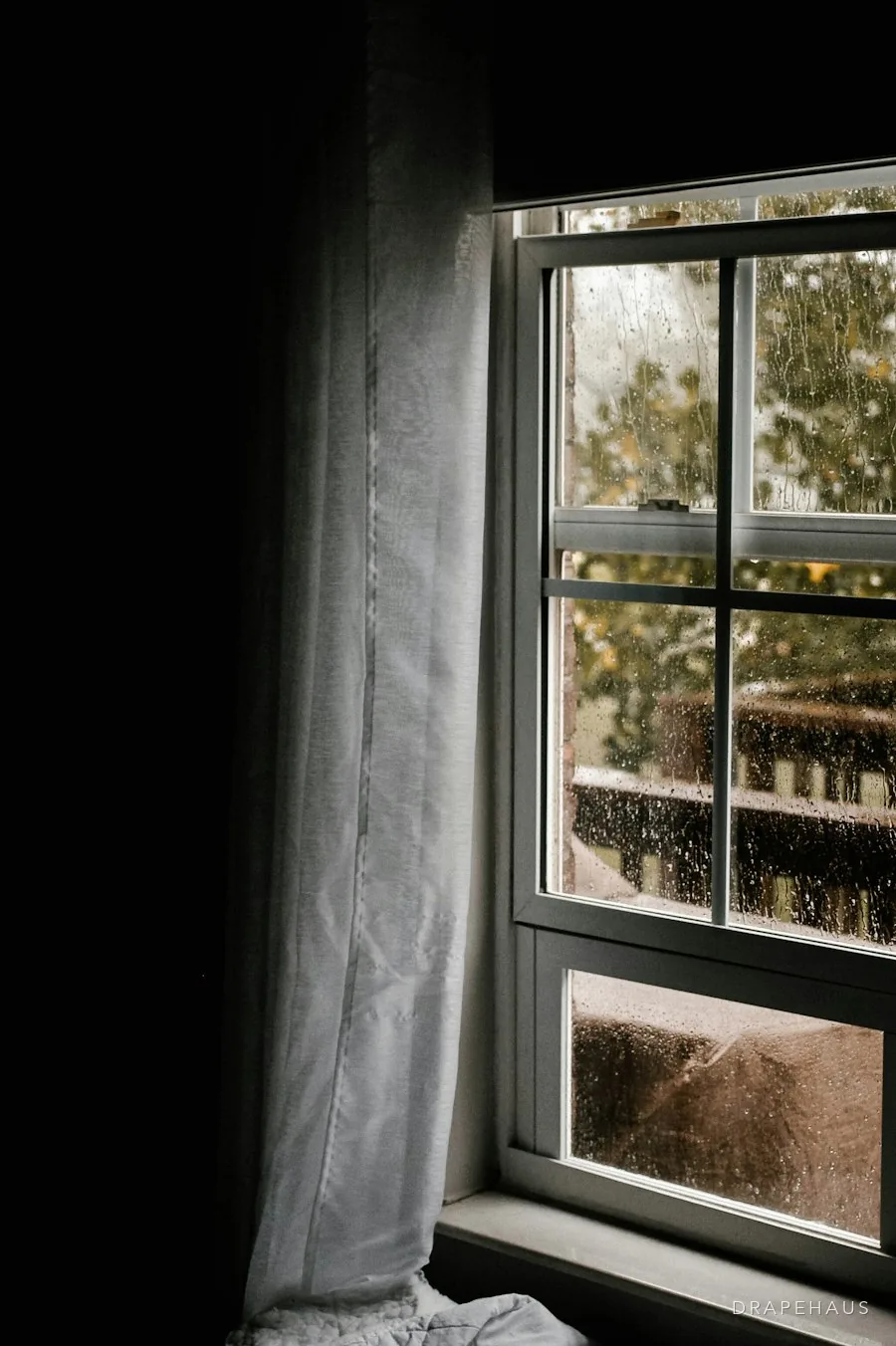
What happens in between is the single most destructive thing that occurs to soft furnishings in this state, and it is almost entirely preventable. The building is sealed, nobody opens a window for four months, and humid air has nowhere to go. Everything absorbent in the house reaches equilibrium with saturated air and stays there.
Owners typically discover this in October, and by then the damage is done and usually total.
An occupied house in the monsoon is also humid, but the air moves. Doors open, fans run, people come and go, and fabric that gets damp overnight has a chance to dry during the day. Over four months that cycling is what keeps mildew at bay.
A closed house has no cycling at all. Humidity rises to ambient and stays there, day and night, for the entire season. There is no drying phase. Any fabric with the slightest absorbency reaches saturation and holds it.
This is why properties that are perfectly fine while lived in are wrecked by a single season of closure, and why the fix is about the closing routine rather than about the specification alone.
Taking the curtains down is by a wide margin the most effective single action. Removed, folded loosely — not compressed — and stored somewhere with air movement, they will survive the season in good condition. Stored in a sealed plastic bag or a tight trunk, they will not; that recreates the same problem in a smaller box.
Where taking them down is impractical, tie them clear of the glass and clear of external walls so air can reach both faces. A curtain gathered into a loose column in the middle of a window is in far better condition than one spread flat across cool masonry.
Leave internal doors open so what air movement exists can circulate through the house rather than stagnating room by room. Where security permits, leave high-level louvres or ventilators open.
Rather see it in your own room?
We bring samples to the house, measure every window, and specify for the light and exposure you actually have.
More on this — tap a heading to read
If the house will be closed every year, that should shape the original specification rather than being managed around afterwards.
Removable is the key property. Curtains that unhook quickly from a track, covers that come off, cushions that can be bagged — all of these make the closing routine something a caretaker can do in an hour rather than something requiring a fitter.
Synthetic fibres throughout, for the reasons covered elsewhere. And favour blinds over curtains in rooms that will be shut, because a rolled blind in a reveal presents far less surface area to humid air than a hanging curtain does.
This is also the strongest argument for a seasonal take-down and rehang service. For an absentee owner, the alternative is relying on a caretaker to do it correctly every year, and the cost of getting it wrong once exceeds several years of the service.
When a closed house is reopened, the first clue is the smell at the front door. A sharp, earthy mustiness means something absorbent has been saturated for weeks, and the source is usually textile rather than the walls. Walk the rooms before opening windows and note where the smell is strongest; it narrows the search considerably.
Then look closely at fabric in raking light from a torch held low across the surface. Early mildew shows as a faint grey or greenish haze before it becomes distinct black spots. Check the lining side, the hems, the tops of pleats where dust gathers, and anything that was touching a wall or floor. Finally, handle the fabric. A curtain that feels cool, limp or slightly heavy compared with how it felt in April is still holding moisture. That fabric needs airing and washing before it is judged, because some haze lifts completely once dried and cleaned, while established spotting does not.
IMD's normals for the state capital show morning relative humidity of 88 to 91 percent from June to September, with afternoons barely lower. The US EPA advises keeping indoor humidity below 60 percent and, where materials do get wet, drying them within 24 to 48 hours to prevent mould. A sealed Goan house in July sits far above the first figure for months, and nothing inside it gets the second.
The monsoon also arrives with remarkable reliability. The normal onset date near the coast is in the first week of June and the normal withdrawal is in mid-October, so a house closed at the end of May and reopened for the season is shut through the entire wet period. There is no dry spell in the middle that a closed house could benefit from.
The ideal storage place is an internal cupboard or room with some air movement, off the floor, away from external walls. Open slatted shelving is better than a closed wardrobe. Curtains should be clean and completely dry before they go in; storing fabric with the season's salt, dust or skin oils in it gives mildew a head start.
Wrap each panel loosely in an old cotton sheet or a breathable storage bag, which keeps dust off while letting moisture pass. Label each bundle with its room and window so the rehang in October is quick and nothing ends up on the wrong track. Avoid naphthalene or strongly scented products packed in with the fabric. They do little against mildew, the smell lingers in the textile for weeks, and some leave marks. Silica gel sachets inside a closed trunk are overwhelmed within days in this humidity and are no substitute for ventilation.
Many owners arrange for someone to visit during the rains. A visit is worth having, but only if it has a purpose beyond checking the locks. Opening the house for a few hours on a dry-ish day, running ceiling fans, and walking through with the checklist makes a real difference to the air inside.
A useful mid-season visit also looks for water: a leaking window, a blocked gutter spilling onto a wall, or a patch of damp spreading behind a stored item. These are the events that turn a manageable humid season into real damage, and they are far easier to deal with in August than to discover in October. Give the caretaker a short written list, with the reason for each step. People follow routines far more reliably when they understand what each instruction prevents.
Villas and homestays that stop letting through the monsoon face the same closure problem with a harder deadline at the end of it. The first bookings of the season often arrive soon after the rains withdraw, and there is little time to wash, repair and rehang everything if the closing routine was skipped.
For these properties we plan the reopening as carefully as the closing. Curtains are taken down clean, stored labelled, and a rehang is booked for a fixed date in October. Anything found damaged is replaced from a known specification, so the rooms still match. The owner then opens with rooms that look exactly as they did in the listing photographs.
Diagnosis
WhyFour months of saturated air with no drying cycle. Absorbent fabric reaches equilibrium and stays there.
FixTake curtains down before closing and store loosely somewhere ventilated. This one action prevents most closed-house losses.
WhyStored in sealed bags or a tightly packed trunk, which recreates the closed-house problem in a smaller volume.
FixFold loosely, store somewhere with air movement, and never seal fabric in plastic for the season.
WhyNo written routine, and the reasoning behind each step was never explained.
FixLeave a written closing checklist in the property, or arrange a seasonal service so it is done the same way each time.
WhyOnly the curtains were addressed. Everything absorbent in a closed house is at risk, not just what hangs at the window.
FixCover upholstery with breathable cloth, not plastic sheeting, and lift soft items clear of the floor.
WhyEarly mildew and saturated fibre produce odour before visible growth, especially in linings and headings.
FixTake them down, air them in shade on a dry day, then wash. Check again after drying; persistent odour means the lining may need replacing.
WhyA fabric roller left down all season holds moisture against glass, and mechanisms seize when damp dust settles in them.
FixRoll blinds fully up before closing, wipe the tube and brackets, and operate them a few times on reopening before full use.
WhyClosed cupboards against external walls are among the dampest places in a sealed house.
FixStore fabric in an internal cupboard with the doors ajar, or on open shelving away from outside walls, and lift it off the floor.
Checklist
Take curtains down; fold loosely and store with airflow
Never seal fabric in plastic bags or tight trunks
If they must stay, tie them clear of glass and external walls
Leave internal doors open so air can circulate
Cover upholstery with breathable cloth, never plastic sheet
Leave a written routine for whoever closes the house
Wash and fully dry curtains before storing them for the season
Label every bundle with its room and window for the October rehang
Roll all blinds fully up and wipe their tubes and brackets
Give any caretaker a written reason for each step, not only the step
From the Journal
All articlesFAQ
Take them down, fold them loosely and store them somewhere air moves. That single step prevents most of the damage we see in closed properties. Do not seal them in plastic bags — that recreates exactly the same stagnant humid conditions inside a smaller container.
Airflow. In an occupied house, fabric that dampens overnight dries during the day as doors open and fans run. A closed house has no drying cycle at all, so humidity stays at ambient for four months and absorbent fabric simply saturates and stays that way.
Generally yes. A rolled blind inside a reveal presents far less surface area to humid air than a hanging curtain, and there is much less fabric in total. If the property is regularly closed, that difference matters.
It is a reasonable second best. Tie them into a loose column well clear of the glass and clear of external walls, so air can reach both faces. It is considerably better than leaving them spread flat, but it is not as good as taking them down.
Clean and completely dry, folded loosely, wrapped in cotton sheeting or a breathable bag, and kept off the floor in an internal cupboard or room with some air movement. Keep them away from external walls, and never seal them in plastic, which traps whatever moisture is present and recreates the closed-house problem.
Sometimes. A light grey haze on synthetic fabric often lifts with thorough washing and drying in shade. Established black spotting on cotton or linen usually does not come out fully, and the fibre may already be weakened. Linings and interlinings are generally the first parts to be beyond saving.
In a well-sealed apartment with reliable power, a dehumidifier draining to a waste pipe can help. In most Goan houses, which are not airtight, it is fighting outside air it can never overcome, and power cuts stop it anyway. Taking fabric down and arranging periodic airing is a more dependable approach.
Once the rains have properly withdrawn, usually from mid-October, and after the house has been aired for a few days. Hanging clean curtains into a room that is still damp undoes the benefit of storing them carefully. Rooms that dry slowest, such as ground-floor rooms against a hillside, can wait a little longer.
Keep reading