 Drape Haus
Drape Haus
Preparing the room
Drape Haus
Preparing the room
Wall Panels
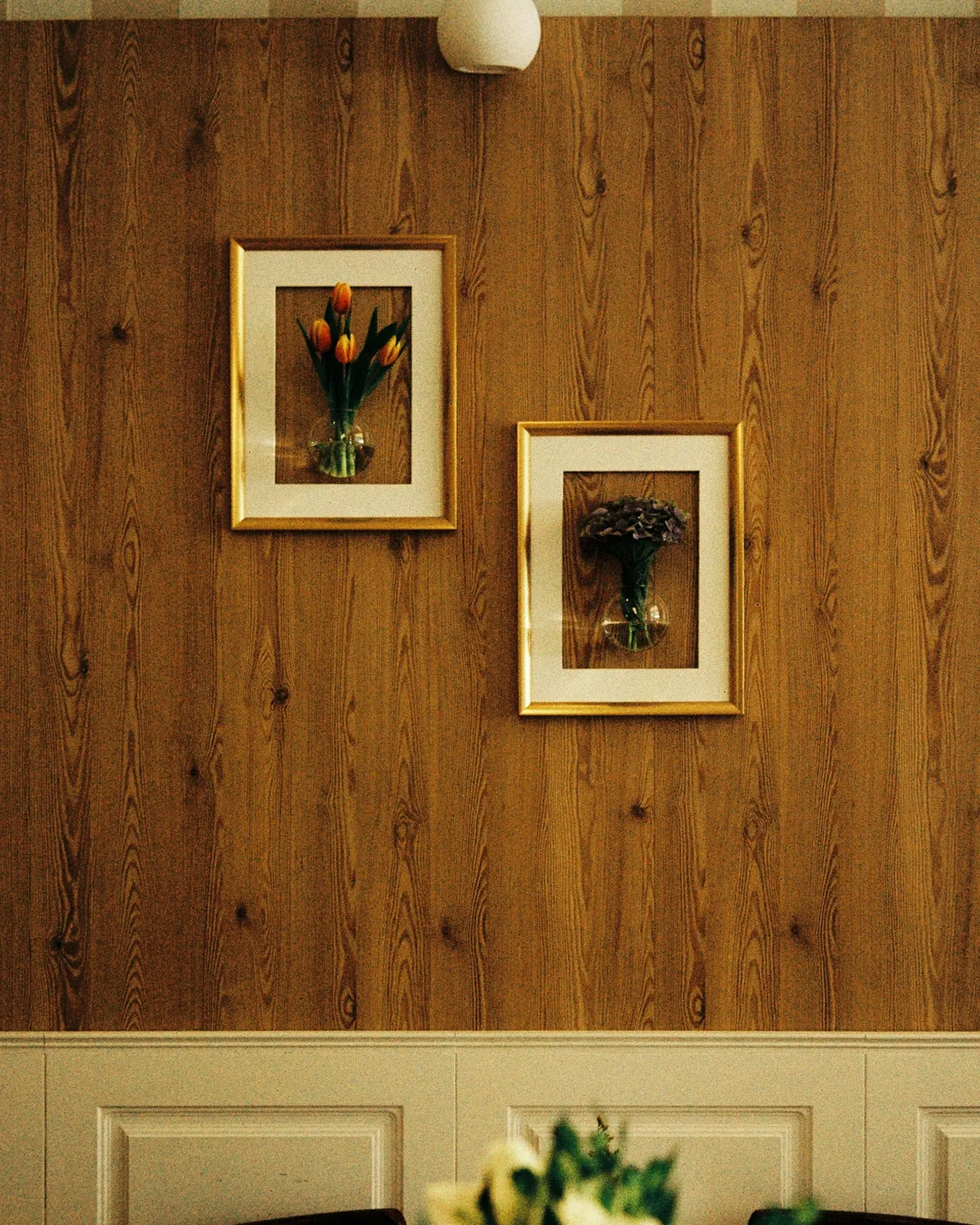
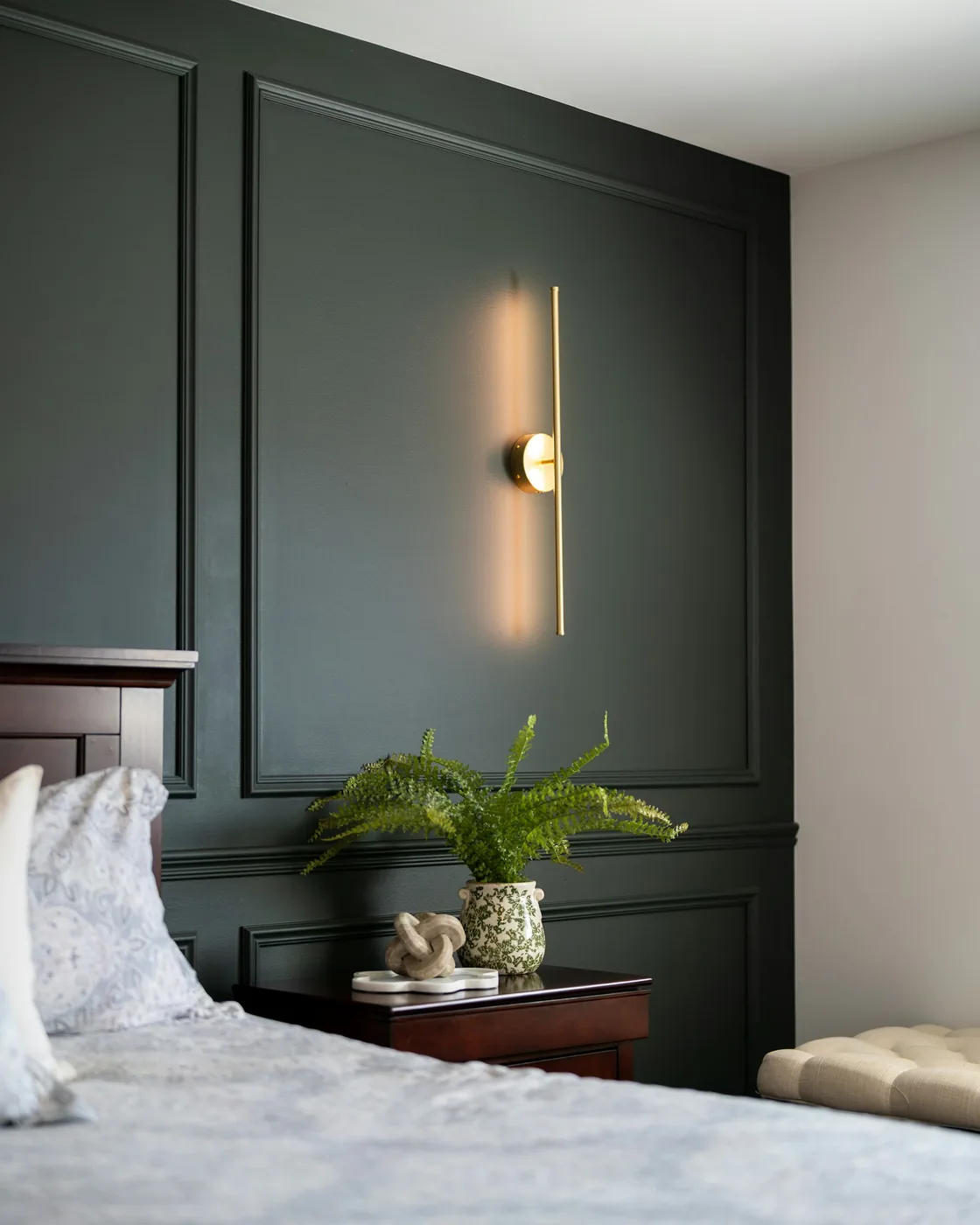
Applied mouldings — box frames, picture-frame panelling, dado and picture rails, cornices — that give a plain wall proportion and shadow. Painted in with the wall, they add character without adding colour.
In short
By the Drape Haus studio · How we write
Is it right for you?
Wall moulding is the craft of fixing narrow decorative profiles to a plain wall so it reads as panelled. A few lengths of profile, mitred at the corners and painted the same colour as the wall, turn a flat surface into rectangles of light and shadow. The same family covers dado rails at chair height, picture rails near the ceiling, cornices where wall meets ceiling, and the deeper skirting that anchors everything at the floor.
It is one of the most economical ways to give a room character, because the wall itself does the work. There is no sheet cladding, no hollow cavity and very little added depth, so moulding suits rooms where a full panel system would eat into space or hide a wall that is perfectly sound. It is particularly at home in older Goan houses with high ceilings and tall doors, where a picture rail and a set of tall boxes restore a sense of order that later renovations stripped out.
It is not a fix for a bad wall. Moulding follows the surface it sits on, so a bowed or crumbling wall looks worse once straight lines are drawn across it. Nor is it a moisture barrier: on a wall that is damp at the base, the profiles nearest the floor are the first to stain, swell or lift. The honest order is to settle the wall, then design the moulding.
The details
Moulding design is mostly geometry. The boxes have to relate to the height of the room, the windows and doors, and the furniture against the wall. We set them out on the wall in tape first, around switches and sockets, so the layout is agreed before anything is fixed.
Profiles come in PVC, polyurethane, MDF and timber. PVC and polyurethane are light, moisture-resistant and termite-proof, which makes them the sensible choice on most Goan walls. MDF and timber give crisper detail but should be sealed and kept clear of damp walls and floors.
Mouldings suit older Goan and Portuguese-style rooms with high ceilings, where they echo the period detail, and plain modern flats, where they add the depth the architecture lacks. Painted the same colour as the wall, they read as architecture; picked out in a contrast colour, they read as decoration.
Humidity makes hairline cracks at joints more likely as the wall and moulding move at different rates. We use flexible fillers at mitres and joints and leave painting until the adhesive has cured.
Your options
Two choices decide the result: the pattern the profiles make on the wall, and the material the profiles are made from. The pattern sets the mood; the material decides how the work ages through a coastal monsoon.
Swipe for all 6 →
The honest view
Character without bulk
Profiles add only a few centimetres at most. The room keeps its size, door architraves still fit, and furniture can sit close to the wall.
Works with paint you already like
Painted in with the wall colour, moulding reads as part of the architecture rather than an added product. Repainting later is simple and inexpensive in effort.
Hides awkward junctions
A cornice covers the hairline crack between wall and ceiling; a dado rail can mark the line between two finishes and absorb small irregularities.
Suits old and new houses alike
The same technique gives a period room its detail back and gives a plain new flat some depth, depending only on the profile and the layout chosen.
Shows every crooked line
Straight boxes on an out-of-plumb wall or a sloping ceiling expose the fault. Setting out must work with the room, not against it.
Joints can crack
Seasonal swings in humidity open fine lines at mitres and along the top edge. Flexible filler and a good primer reduce this but never remove it entirely.
Vulnerable near the floor
Timber and MDF profiles low on a damp or termite-prone wall can swell, stain or be eaten. The bottom band needs a moisture-proof material.
Side by side
People choosing moulding are usually also weighing a full panel system, wallpaper or a simple painted feature colour. Each solves a slightly different problem.
| Painted moulding | Full panel cladding | Wallpaper | Feature paint | |
|---|---|---|---|---|
| Depth added to wall | Very little | Noticeable, plus battens | None | None |
| Look | Architectural, classic | Textured, contemporary | Pattern or texture | Colour only |
| Copes with a damp wall | Poorly at the base | Hides it, risky | Poorly | Breathable paints cope |
| Effort to change later | Moderate | High | Moderate | Low |
| Suits heritage rooms | Very well | Rarely | Sometimes | Yes |
| Hides poor plaster | No | Yes | Partly | No |
Swipe to compare →
Moulding and wallpaper combine well: paper inside the boxes or above a dado rail, with the profiles painted to frame it.
Rather see it in your own room?
We bring samples to the house, measure every window, and specify for the light and exposure you actually have.
Room by room
A run of tall boxes behind the sofa or around a window gives the room an order that furniture alone cannot. Paint profiles and wall the same shade for a quiet result.
Picture-frame panels centred on the bed act as a headboard without the depth of an upholstered one. Plan sockets and reading lights before the boxes are set out.
Wainscoting to dado height takes the knocks from chair backs. Use PVC or polyurethane for the lower band if the floor is ever mopped heavily.
Raked panels following the stair line look handsome but demand precise setting out. A dado rail alone is a simpler, still effective option.
Only PVC or polyurethane, only outside the splash zone, and only with a moisture-resistant paint. Timber and MDF have no place here.
Check for rising damp first. If the base of the wall is damp, keep moulding above it or use PVC, and never seal the wall so it cannot breathe.
Low boxes with a durable, washable paint take scuffs well. Avoid fragile ornate profiles at hand height.
In depth — tap a heading to read
Good moulding is decided on paper. We measure the wall, mark every switch, socket, window, door and air-conditioning unit, and then divide the remaining space into boxes with equal margins. The margin between boxes, the gap above the skirting and the gap below the ceiling or rail should repeat consistently, even if the box widths change to work around a window.
Switches are the usual trap. A socket that falls half inside a box looks like an accident. Either the box is resized so the socket sits clearly in a margin, or the socket is moved before painting. On a bed wall we also decide where reading lights and their wiring go, because chasing a wall after the moulding is fixed spoils the work.
If the ceiling slopes or the floor runs out of level, set the boxes from a level line and let the margins at the top or bottom absorb the difference.
Most moulding is painted the same colour as the wall, so the panels read through shadow rather than contrast. That calls for an eggshell or satin finish on both, because a flat wall paint against a glossy profile makes the work look stuck on. In a darker room, painting profiles a shade deeper than the wall adds definition without becoming busy.
Every joint is filled and every nail hole stopped before priming. The top edge of each profile is caulked with a flexible sealant so a fine line does not open as the wall and profile move at different rates. This is slow, careful work and is where most of the difference between good and mediocre moulding lies.
Through the monsoon, plaster walls take on moisture and dry out again in the dry months. The profile, fixed with adhesive and pins, moves differently from the wall behind it. The result, if nothing is done, is a fine crack along the top edge or at a mitre after the first season. Flexible sealant at the junctions and a good bonding primer keep this to an occasional touch-up rather than a visible fault.
Older houses often have lime-plastered laterite walls that need to breathe. Moulding is compatible with these, provided the paint used is breathable and the profiles are not used to cover patches of active damp. If a wall shows salt bloom or flaking paint near the base, that is a sign to deal with the source before decorating it.
Termites travel along walls at floor level, inside plaster cracks and behind anything that gives them cover. A timber or MDF skirting and a low wainscot are therefore the parts most at risk. Where a house has any history of termites, we use PVC or polyurethane for the skirting and lower rails and keep timber, if wanted at all, to the upper wall.
The same logic applies to water. Floors in Goan homes are mopped often, and a wet mop against an MDF skirting will eventually swell its cut edge. A moisture-proof material at the bottom, sealed to the floor with a fine bead, keeps the whole scheme sound.
Many villas and older houses have ceilings well above standard height. A plain wall that tall can feel cold. A picture rail placed roughly level with the top of the doors creates a frieze above, which can be painted a lighter tone or the ceiling colour so the room feels more enclosed and comfortable.
Cornices should be sized to the room. A thin cornice in a tall room disappears; a deep, ornate one in a low room presses down on it. We bring sample lengths so the scale can be judged against the actual ceiling, not a drawing.
Living with it
The top edge of each box and rail collects dust. Run a dry microfibre cloth or a soft brush attachment along them every few weeks.
Satin and eggshell finishes wipe clean with a damp cloth and mild soap. Abrasive pads polish the paint unevenly and show.
After the first monsoon, fill any hairline that has opened with a flexible filler and repaint. It usually settles after that.
Wring mops well and avoid soaking the base of the wall, especially where any profile is timber or MDF.
Thin mud lines on or near the skirting are an early warning. Treat promptly before they reach any timber.
Avoid these
Setting out without marking switches and sockets leaves boxes sliced through by electrical fittings. Plan the electrics first.
Boxes of the same width with uneven gaps between them look careless. Consistent margins matter more than identical box sizes.
MDF skirtings and low panels swell with mopping and invite termites. Use PVC or polyurethane for anything near the floor.
Moulding over damp plaster stains and lifts within a season. Fix the source of moisture before decorating.
Thin profiles in a tall room vanish. Scale the profile to the wall height and the size of the boxes.
Checklist
More in wall panels
PVC, WPC, wood, fluted, acoustic and marble-effect panels, chosen for the wall they are going on as much as for the look.
Our process
One team from the first visit to the last bracket, so nothing is lost between the person who specified it and the person who fits it.
FAQ
PVC or polyurethane. They do not swell or rot and termites ignore them. MDF suits dry, air-conditioned rooms when sealed.
Yes. Simple, slim profiles in a calm grid suit contemporary rooms; heavy, ornate profiles suit taller, older rooms.
Usually, yes, for a quiet, architectural look. A contrasting colour makes them a decorative feature instead.
The wall and moulding move with humidity. Flexible filler at joints and painting after the adhesive cures reduce the cracking.
Moulding uses narrow profiles fixed to a plain wall to draw panels on it. Panelling covers the wall with sheets or boards. Moulding adds very little depth and keeps the plaster as the visible surface; panelling hides the wall entirely.
For durability near floors and in humid rooms, PVC is better: it ignores water and termites. Timber gives crisper carved detail and can be stained. Painted in, a good PVC or polyurethane profile is hard to tell from timber at normal viewing distance.
Fine lines can appear at joints and along the top edge as walls absorb and release moisture. Flexible sealant and a proper primer keep this minor, and a single touch-up after the first season usually settles it.
Yes, if the wall is sound and dry. Use a breathable paint so the wall can still release moisture, and never use moulding to hide active damp or salt bloom.
We measure every fitting first, then set out boxes with equal margins so sockets and switches fall clearly inside a margin or the centre of a box, never cut by a profile line.
Next step
Moulding succeeds or fails on proportion, and proportion is easiest to judge on the wall itself. We visit, check the plaster for damp and soundness, measure every switch, window and door, and draw the panel layout to scale. We bring profile samples so you can see their size against your ceiling, then fix, fill and paint the work so it reads as part of the room. Book a visit and we will set it out with you.