 Drape Haus
Drape Haus
Preparing the room
Drape Haus
Preparing the room
Conference Room · Wall Panels
The quickest way to fix a meeting room where everyone sounds as if they are in a stairwell — and to give the screen wall a finished, deliberate look.
In short
Put acoustic panels on the walls facing each other and on the rear wall opposite the screen, at seated head height, and use a slatted wood or fabric-faced panel around the screen as the room's feature. Combine panels with curtains or soft ceiling treatment for the best result on video calls.
What the conference room asks of wall panels
See it in the conference room
We bring samples to your home, hold them to your light and measure every opening — anywhere in North or South Goa.
Sound in a meeting room bounces between parallel surfaces: the two long side walls, and the screen wall and the rear wall. Treating one of each pair, at the height of seated heads, removes most of the flutter echo. The rear wall opposite the screen is often the most important, because it sends the speaker's voice back towards the microphones.
Glass walls cannot take panels, so balance them with heavy curtains, or put extra absorption on the opposite solid wall.
Not every panel is acoustic. Plain fluted, PVC or WPC panels look good but reflect sound much like a painted wall. Fabric-wrapped panels, felt panels and slatted panels with an absorptive backing are the ones that reduce echo. A common pattern is decorative panels on the screen wall, where looks matter most, and absorptive panels on the side and rear walls.
Ask for the panel's acoustic performance data where available, and be wary of thin decorative foam sold as soundproofing.
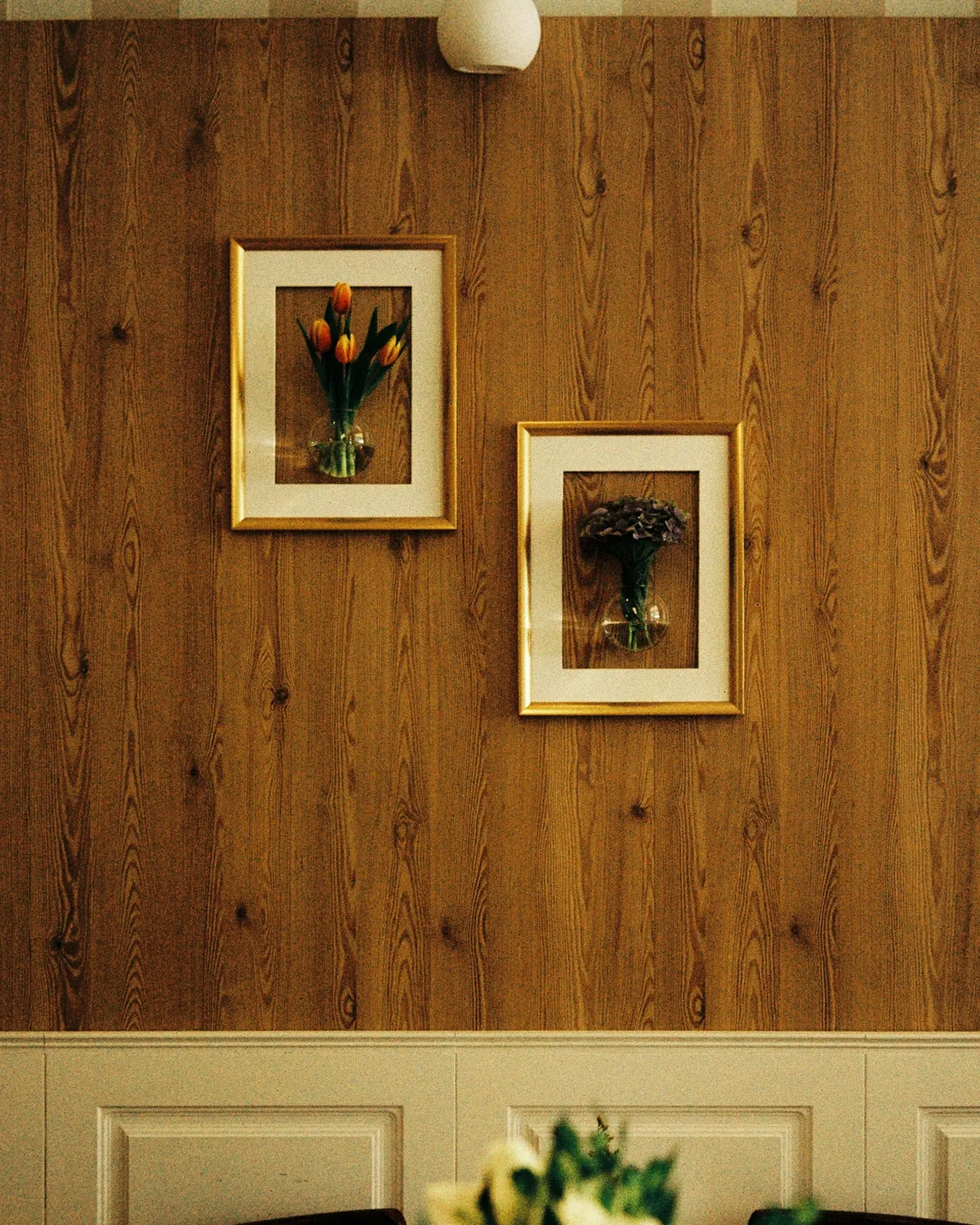
The wall behind the display is the backdrop for presentations; the wall behind the participants is what the far end sees on a video call. Mid-tone wood, fabric and textured finishes look good on camera. Glossy surfaces reflect lights into the lens, and busy patterns distract.
Plan the screen size, bracket, cable route and any speakers or soundbar before the panels go up, so everything sits flush and hidden.
Hotels and many office buildings have requirements for wall linings in meeting rooms. Tell us the requirement and we will choose panels with appropriate test documentation from the supplier, rather than guessing after the fit-out.
Wall panels work best as part of a set. A carpet or rug under the table, chairs with upholstered backs and a curtain across the glass all take some of the load, so fewer panels are needed and the room still looks restrained. If the ceiling is hard plaster with no acoustic tiles, mention it: a high, hard ceiling may need more absorption on the walls to compensate.
In Goa
Conference rooms in Goa are air-conditioned hard during meetings and left off between them. On outer walls this cycle can cause condensation behind panels, especially from June to September. Fix panels on battens with an air gap, and use moisture-tolerant materials on any wall that touches the outside.
Felt and fabric panels can absorb a musty smell in a room left closed through a wet weekend. Ventilate the room regularly and avoid panelling walls with known seepage.
More for the conference room
Wall Panels for other spaces
We measure and fit wall panels across Goa — Panjim, Porvorim, Dona Paula, Mapusa, Candolim, Calangute, Assagao, Anjuna & Vagator, Siolim, Benaulim, Colva, Varca, Cavelossim, Margao, Majorda, Vasco da Gama, Canacona & Palolem, Ponda.
FAQ
Yes. They reduce the reflected sound that microphones pick up, so voices sound clearer and closer to the people at the far end.
It depends on the room's size and surfaces. As a starting point, treat the rear wall and part of one side wall at seated head height; we will assess the room on site.
Only if they have an absorptive backing behind the slats. Plain timber panelling reflects sound.
Yes. A panelled screen wall can conceal cables, brackets and sometimes speakers, if we plan it with the AV installer.