 Drapehaus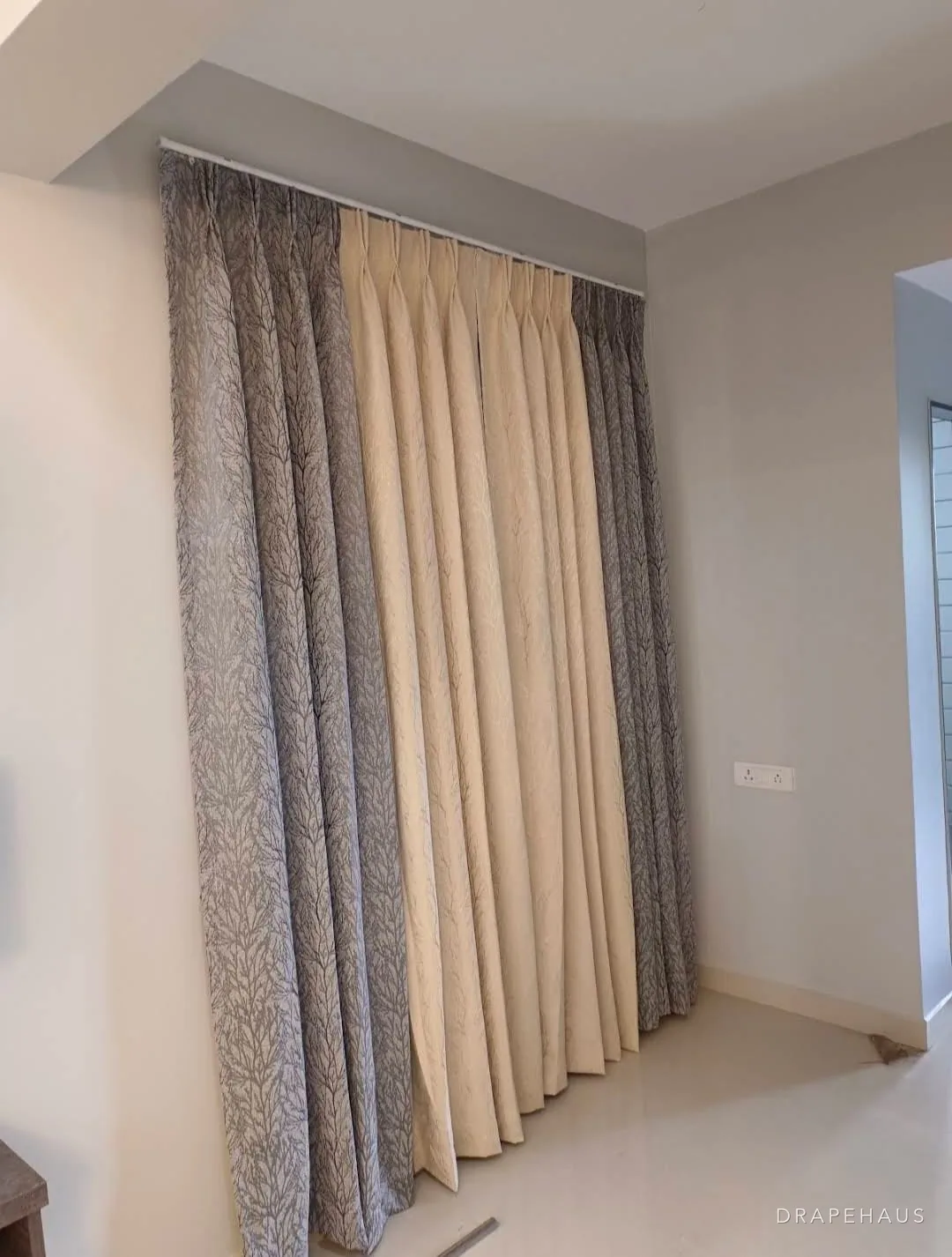
Drapehaus
Preparing the room
Drapehaus
Preparing the room
Problem
Window treatments are frequently sold as a way to cut cooling costs, and they can help, but the size of the effect depends almost entirely on where the treatment sits relative to the glass. This is worth understanding before spending money, because the difference between a good and a poor choice here is large.
By the Drapehaus studio · 19 September 2026 · How we write
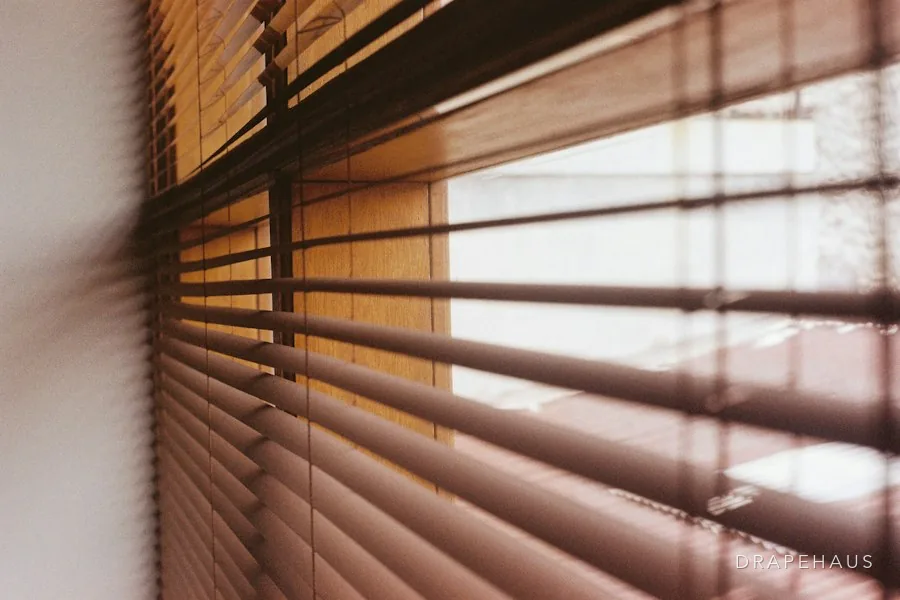
The basic physics is simple. Solar energy that has already passed through the glass is inside the room. An interior blind can intercept it, but the heat it absorbs is released into the room air anyway. An exterior treatment stops the energy before it ever gets in.
That single distinction explains why an inexpensive external awning can outperform an expensive interior blind by a wide margin, and it is the first thing worth establishing on any job where temperature is the main complaint.
An external blind, awning or screen intercepts solar radiation before it reaches the glass, so the energy is reflected and re-radiated outside the building envelope. An internal blind intercepts it after the glass, absorbs it, warms up, and then releases that heat into the room by convection and radiation.
In practice external shading on a strongly exposed elevation can reduce solar heat gain by a very large fraction, while an internal blind on the same window achieves a fraction of that. Both improve comfort; only one meaningfully changes the cooling load.
Where society rules, building regulations or the look of the building rule external shading out, the ranking among internal options still matters: a reflective-backed roller close to the glass beats a dark curtain hanging away from it, because it reflects some energy back out before absorbing the rest.
On a badly performing window, the glazing is where the problem is and where the biggest available improvement sits. Single-glazed clear glass on a west elevation in Goa transmits a very high proportion of incident solar energy.
Solar-control film applied to existing glass is comparatively inexpensive, reversible and can make a substantial difference to a room that is genuinely unusable. Replacement glazing with a low solar heat gain coefficient does more and costs a great deal more.
We raise this even though it is not work we do, because a customer who spends heavily on interior blinds for a room whose real problem is the glass ends up disappointed with the blinds.
Rather see it in your own room?
We bring samples to the house, measure every window, and specify for the light and exposure you actually have.
More on this — tap a heading to read
In an air-conditioned room the calculation changes. Here a heavy closed curtain genuinely does reduce running costs, because the room is sealed anyway and the curtain adds an insulating air layer between the cooled space and hot glass.
The trap is applying that logic to a room that is not air conditioned. Sealing a naturally ventilated Goan room with heavy curtains stops the cross-draught that was cooling it, and the room gets hotter, not cooler. This is one of the most common mistakes we see.
Decide which kind of room you are treating before specifying. A sealed cooled room wants insulation. A ventilated room wants shade without obstruction, which usually means treatments that clear the opening entirely when not in use.
The difference between inside and outside the glass is well documented. The US Department of Energy's Energy Saver guidance reports that awnings can reduce solar heat gain by up to 65 percent on south-facing windows and 77 percent on west-facing ones, while medium-coloured drapes with white plastic backings cut heat gain by about 33 percent. Both help; one does roughly twice as much.
Work summarised by PNNL for the DOE's Building America programme points the same way. In extreme heat, interior roller shades reduced the hours a home spent at dangerous temperatures by around 18 percent, insulating interior shades by around 23 percent, and exterior shades by around 55 percent. DOE field studies found whole-home summer cooling savings of 15 to 25 percent from well-used high-efficiency shades. The words 'well used' are important. A shade only saves energy while it is down during sun hours, which is the practical case for timers and motorisation on the most exposed elevations.
Before recommending anything we establish which windows actually receive direct sun and when. East glass gets strong morning sun that is often welcome; south glass in Goa gets high sun that overhangs handle reasonably well; west glass gets low, hot afternoon sun that almost nothing architectural stops. A single room can combine all three.
A simple test is to put a hand on the glass and on the floor in front of it at the hottest part of the day. Glass that is hot to the touch is re-radiating into the room; a patch of floor that stays warm into the evening is storing energy and releasing it after sunset, which is why some rooms feel hottest at bedtime. We also look at the roof. In a single-storey house or a top-floor flat, a hot concrete slab overhead can contribute as much heat as the windows, and no window treatment will touch that part of the problem.
Reflective-backed roller fabrics give the best interior performance, but the metallised face is visible from outside and some housing societies prefer a uniform exterior. Neutral grey or white backings are a reasonable compromise, reflecting less energy while keeping the elevation calm. Cellular or honeycomb shades trap air in their pockets and insulate well, which suits sealed, air-conditioned bedrooms. In humid rooms without cooling they can hold moisture in the cells, so we specify them selectively rather than as a general answer.
Curtains in cooled rooms work best when they close fully, reach close to the ceiling and extend beyond the frame on each side, so they trap a still layer of air against the glass. A curtain that stops short at the top lets warm air spill over into the room by convection, reducing its effect considerably.
Goa's domestic electricity tariff is stepped, with a higher rate for each successive block of units consumed in the month. Under the current tariff order, energy above 400 units a month is charged at the highest domestic rate, and a large house running air conditioning through the hot months spends much of its consumption in that top block.
That structure means the last units a household uses are the most expensive ones, and those are largely cooling units. Reducing solar gain on the worst windows removes consumption from the top of the bill first. Homestays and home-run businesses are charged on a separate commercial schedule that follows the same stepped pattern.
IMD records May as the hottest month for the state capital, with a mean maximum of about 33.6°C and warm nights that hardly cool, and April and early May carry the hardest sun. That is the period to have heat treatments installed and working, which means ordering in the cooler months from November.
The monsoon brings cloud and lower maxima, and August has the lowest mean maximum of the year, so solar gain falls away. October, after the rains withdraw, is often uncomfortable again because the sun returns while humidity is still high. Treatments that cope with both heat and damp are the practical choice here.
Diagnosis
WhyInternal treatments intercept energy that is already inside the room and re-release most of it as heat.
FixShade externally where possible, or improve the glazing. Internal blinds improve comfort far more than they change the cooling load.
WhyThe room was naturally ventilated, and the curtains blocked the cross-draught that was doing the cooling.
FixUse treatments that clear the opening fully in ventilated rooms. Insulating curtains belong in sealed, air-conditioned spaces.
WhyHigh solar gain through unshaded or poorly performing glazing, so the unit never catches up.
FixSolar film or better glazing first, then a reflective-backed roller close to the glass, then a closed curtain for insulation.
WhyDark fabric absorbs more energy and re-radiates it into the room from a surface close to where people sit.
FixReflective-backed fabric returns some energy through the glass before absorbing the rest. Dark faces the room, reflective faces out.
WhyFloors, walls and furniture absorbed afternoon sun and release that stored heat for hours after the sun has gone.
FixShade the glass during the sun hours so the energy is never stored, and ventilate in the evening once the air outside is cooler.
WhyThey stop short of the ceiling or the sides, so warm air circulates freely between the glass and the room.
FixFit the track close to the ceiling, extend it past the frame on both sides, and let the curtain just clear the floor.
WhyShades are raised in the morning and left up, so they are not down during the hours of direct sun.
FixSet a routine or a timer for the exposed elevations, and motorise the windows that are hardest to reach.
Checklist
External shading, if the building and rules allow it
Solar-control film or better glazing
Reflective-backed roller fitted close to the glass
Heavy curtain, but only in a sealed air-conditioned room
Never seal a naturally ventilated room with heavy fabric
Establish which rooms are cooled and which are ventilated first
Identify which windows get direct sun, and at what time of day
Check whether the roof slab is contributing as much heat as the windows
Fit curtains in cooled rooms from near the ceiling and past the frame
Have heat treatments in place before April, the start of the hardest sun
From the Journal
All articlesFAQ
They help with comfort more than with temperature. Energy that has already passed the glass is in the room, and an internal blind that absorbs it re-releases most of that heat into the air. External shading, which stops the energy before it reaches the glass, is dramatically more effective.
In a sealed, air-conditioned room, yes — they add an insulating layer between the cooled space and the hot glass. In a naturally ventilated room they will make things worse by blocking the draught that was doing the cooling. Which kind of room it is matters more than the fabric.
On single-glazed clear glass with strong western or southern exposure, often yes. It is comparatively inexpensive, reversible, and addresses the problem at the point where it happens. We mention it even though we do not sell it, because spending on interior blinds for a glazing problem leads to disappointment.
Ideally a fabric with a reflective backing — dark or coloured on the room side, reflective on the glass side. That way some energy is bounced back out through the window before the rest is absorbed, rather than being absorbed entirely and radiated into the room.
It depends on the fabric, the backing and how they are hung. US DOE guidance puts medium-coloured drapes with white plastic backings at about a 33 percent reduction in heat gain, against up to 77 percent for an awning on a west-facing window. Fit matters: curtains sealed close to the ceiling and wall perform noticeably better than loosely hung ones.
In air-conditioned bedrooms and studies, yes, provided they close fully and are hung close to the ceiling. In naturally ventilated rooms they tend to block cooling breezes and can make the room warmer. They also need a lining that tolerates humidity, so avoid foam-backed thermal coatings, which degrade in this climate.
Usually west-facing glass, because the low afternoon sun arrives beneath overhangs at the hottest time of day. Large unshaded south glass is next. East windows get strong sun early, when the house is cooler and the air conditioning is often off, so they matter less for running costs.
They can, indirectly, because they actually get used. A blind on a timer or a sun sensor is lowered every afternoon whether or not someone is home, and research into shading shows that the savings depend heavily on consistent use. The motor itself uses very little power compared with the cooling it helps avoid.
Keep reading