 Drape Haus
Good headboard design starts with three measurements, not a picture: the height of the mattress top, the width you want to cover, and the height of the ceiling. A headboard that is in proportion to those looks right in any style. One that is too short disappears behind the pillows; one that is too narrow looks like an afterthought; one that is too tall for a low ceiling makes the room feel cramped.
After proportion comes material, and in a Goan bedroom that decision is practical. The patch of headboard behind the pillows takes hair oil, skin and sweat every night, and the room around it sits in monsoon air that the India Meteorological Department records at 87 to 91% humidity on June to September mornings. A headboard that wipes clean, or has a cover that comes off for washing, will look good for years. One that does not will show a dark patch at pillow height within months.
Below are the main headboard styles, from upholstered to panelled to cane, with how to size them and which fabrics cope. When you know what you want, our headboards are made to the bed, the ceiling and the wall behind.
Sizing a headboard to the bed, the wall and the ceiling
Height is the first decision. Sit up in bed against the wall with your usual pillows, as if reading, and have someone mark where the back of your head reaches. A headboard that is comfortable to lean on should rise well above that mark, so you rest against padding rather than its top edge. For a purely decorative headboard behind a bed you never sit up in, it only needs to clear the pillows by enough to be seen.
Then consider the ceiling. In a flat with a standard ceiling height, a headboard that clearly rises above the pillows but leaves a generous band of plain wall above it usually looks balanced. In a Portuguese-era house or a villa bedroom with a high ceiling, a taller headboard sets the scale and stops the bed looking stranded in a tall room; this is where a generous, almost wall-height upholstered panel comes into its own. A window above the bed limits the height, and the headboard then works better as a long, lower panel.
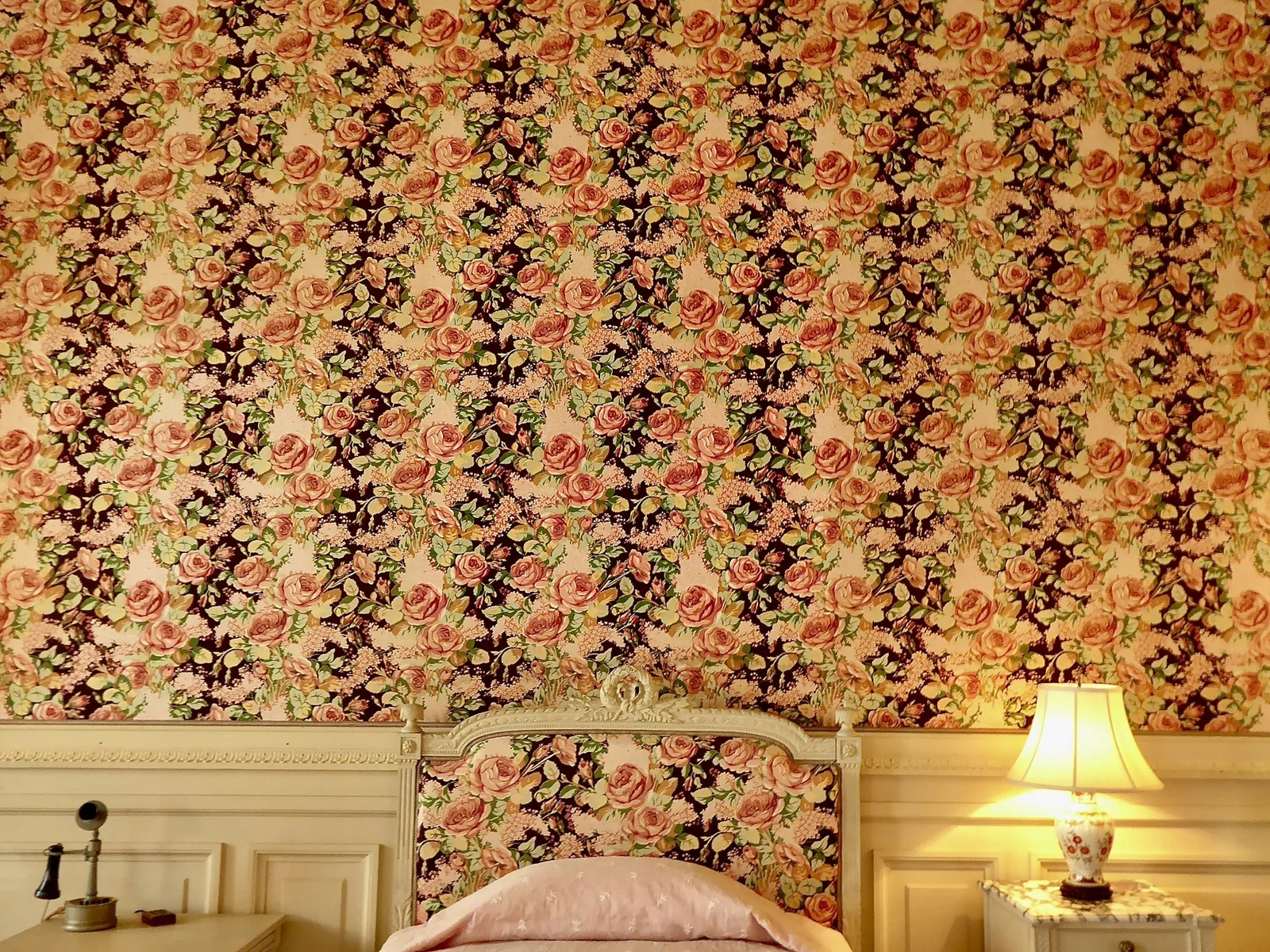
Width has three common answers. A headboard the exact width of the bed, or a little wider, is the classic choice. One that spans the bed and both bedside tables reads as a single piece of furniture and gives the bedside lights something to sit against. One that runs the whole wall becomes a wall treatment, which our bedroom wall design article covers. Mark your options on the wall with masking tape and live with them for a day before deciding.
| Width | Looks like | Suits |
|---|---|---|
| Bed width, or slightly wider | A classic bed with a headboard | Most rooms; beds that may be moved |
| Bed plus bedside tables | One long piece of furniture | Rooms where the bed wall is the focus; wall lights |
| Whole wall | A wall treatment | Master bedrooms; hiding an uneven or marked wall |
Planning something like this?
We visit homes across North and South Goa, measure on site, and bring samples to see in your own light.
Panelled and fluted headboards that double as a feature wall
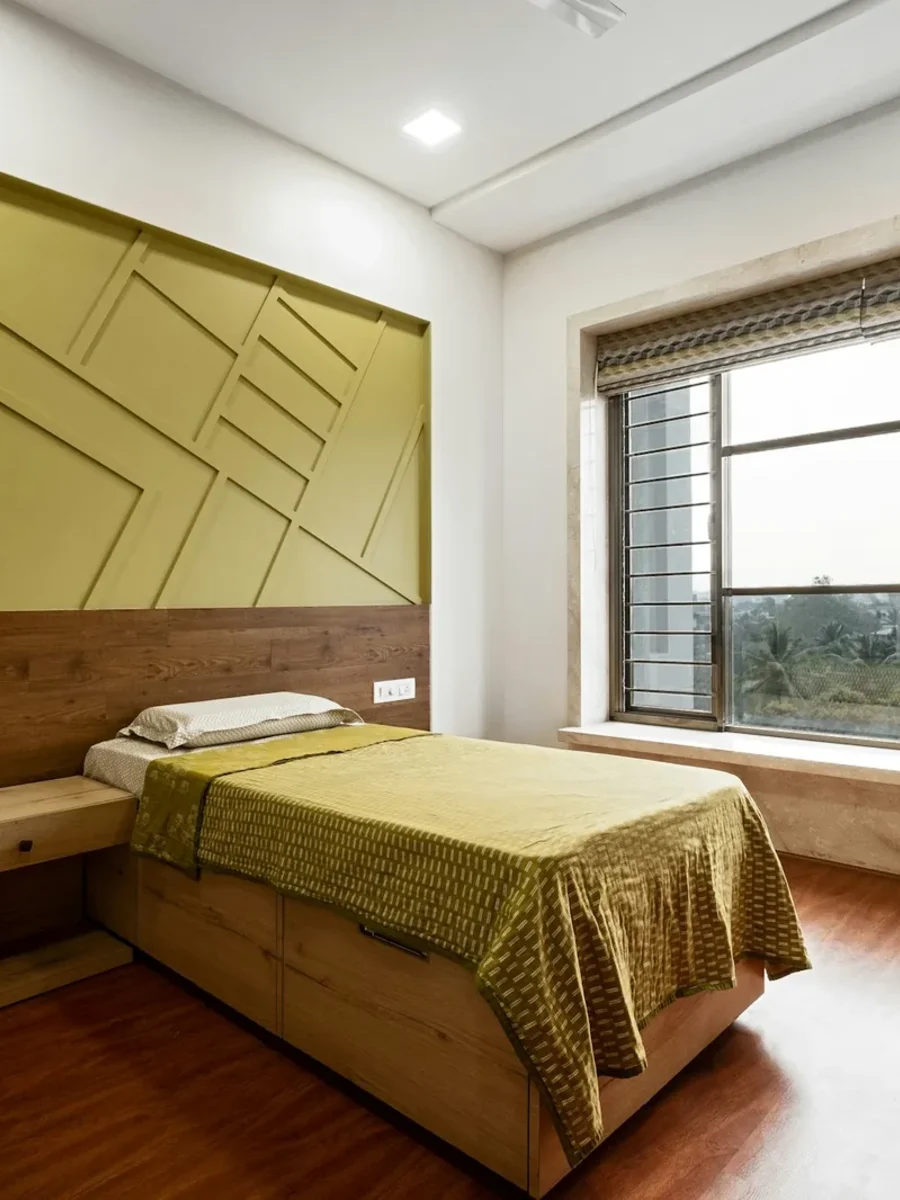
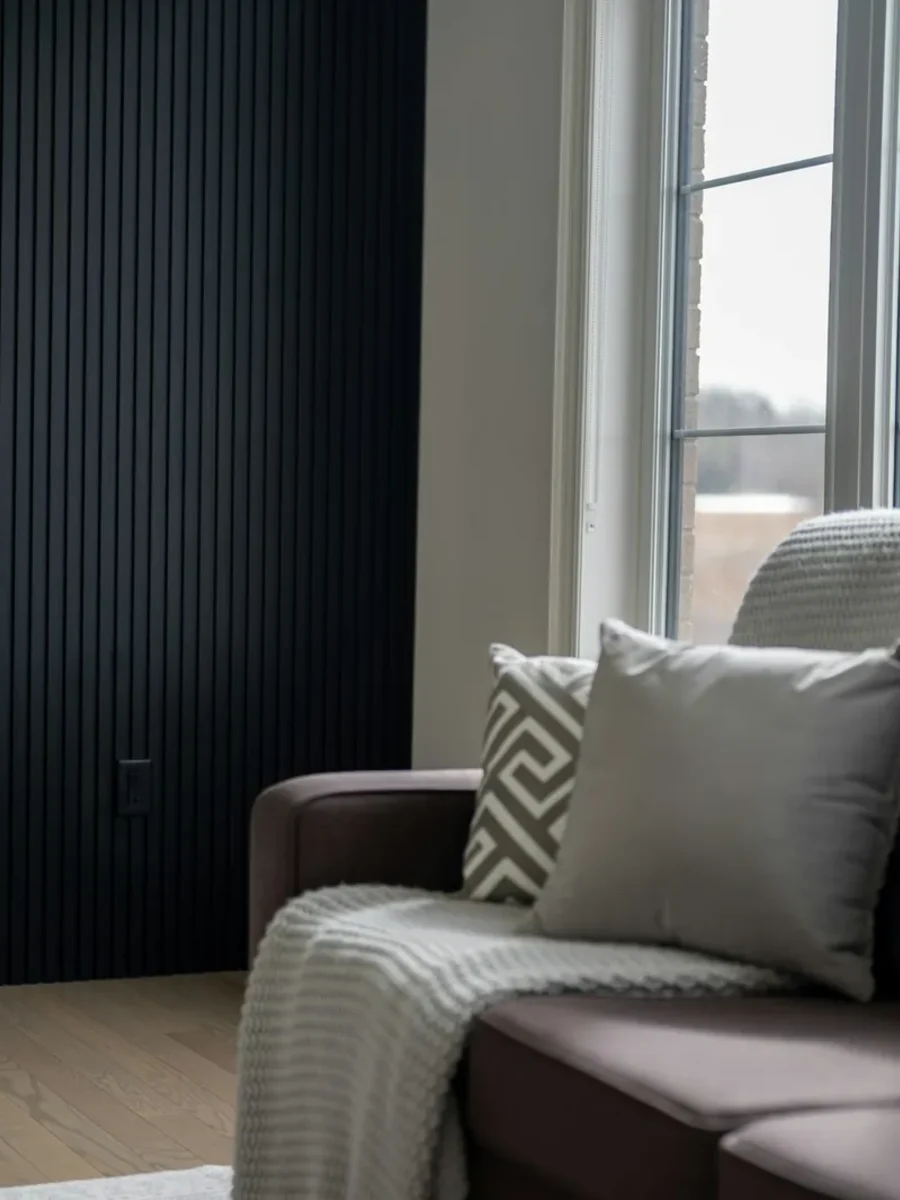
A headboard does not have to be upholstered. A panel of fluted WPC or PVC, timber slats on a backing board, or a framed panel with a painted moulding gives a harder, more architectural bed back that wipes clean in seconds. Fluted panels in particular add vertical rhythm and catch the light from bedside lamps, which makes a low room feel taller. Our article on fluted panel design ideas covers profiles and lighting.
The most useful version extends the headboard into a low shelf or ledge along the top, deep enough for a book, a glass of water or a phone, with bedside reading lights fixed to the panel and their cables hidden behind it. Plan the switch positions, sockets and lights with the panel, because they are hard to add once it is fixed. That planning is electrician's work, but we leave access in the panel for it.
A combination often works best of all: a hard fluted or slatted panel across the wall, with a softer upholstered section at pillow height for leaning against. The hard surface takes the knocks and shows no oil; the soft section can be removable for cleaning. On an outside wall, fix any panel on battens with a small air gap so the wall behind can dry, as our bedroom wall panels page explains.
Cane and rattan headboards for Goan and coastal rooms
Cane and rattan suit Goan interiors naturally. Woven cane set into a timber frame has a light, open look that belongs with old caned chairs and settees and with the relaxed feel of a coastal bedroom. The open weave lets air pass, which makes a cane headboard one of the better choices for a bed against an outside wall: unlike a solid upholstered panel, it does not trap a pocket of still, damp air behind it.
Cane is a plant material, and it behaves like one in humidity. The US National Park Service advises keeping organic materials below 65% relative humidity and ideally between 45 and 55%, because spore germination is less likely in that range. In a closed Goan bedroom in August, cane can grow mould in the weave, and timber frames can swell. Keep the room aired or dehumidified, wipe the cane with a barely damp cloth and dry it at once, and avoid soaking it.
Two practical points. Cane is not a comfortable surface to lean against for long, because the weave presses into your back and catches hair; many cane headboards work best with a loose cushion or bolster in front. And a caned panel set into a frame can usually be re-caned if it is damaged, so choose a design where the panel lifts out. Our cushions and soft furnishings can be made to sit against a cane or timber headboard in matching fabric.
Fabrics that resist hair-oil marks
Hair oil is the headboard's main enemy in many Indian homes. It soaks into the fabric where the head rests, spreads in a soft-edged patch, collects dust and darkens over months. Natural fibres such as cotton and linen absorb it fastest; open, loose weaves let it penetrate deepest; and pale, flat colours show it most. Velvet and other pile fabrics crush and darken where the head rests, even without oil.
The fabrics that cope best are closely woven synthetics and blends, often sold as performance or easy-clean upholstery fabrics, many of which have a finish that resists water and oil. Mid-tones and textured or tweedy weaves hide a light mark between cleans far better than a plain ivory. Leatherette and other coated fabrics wipe clean in seconds; they can feel warm against the skin in a hot room, so they suit air-conditioned bedrooms best.
Humidity is the second test. The Smithsonian's conservation guidance notes that still air above about 80% relative humidity supports mould on cotton and linen, and that soiling helps mould grow at lower humidity still. A cotton headboard that carries a film of oil and dust, against an outside wall, in a Goan monsoon, is about as good a place for mould as a house offers. Synthetic fabrics, removable covers and a small gap between the headboard and the wall make a large difference.
If someone in the house oils their hair at night, choose a mid-tone, closely woven synthetic, or plan for a washable cover.
Removable covers and keeping a headboard clean
A removable cover is the simplest answer to oil and humidity. The headboard is made as a padded panel with a fitted slipcover that zips or fastens at the back or base, so it can be taken off and washed. With two covers, one is always clean while the other is washed and dried, which matters in the monsoon when drying takes days. A shorter cover just over the top of the headboard, where the head rests, is a further option. Removable covers are particularly useful in homestays and rentals, where guests change often.
Washable covers should be washed as warm as the fabric allows. The American Lung Association advises washing bedding weekly in water of at least 120°F, about 49°C, to control dust mites, which it notes live in bedding, upholstered furniture and curtains. A headboard cover does not need weekly washing, but a cover that can take a warm wash is worth having in a humid climate.
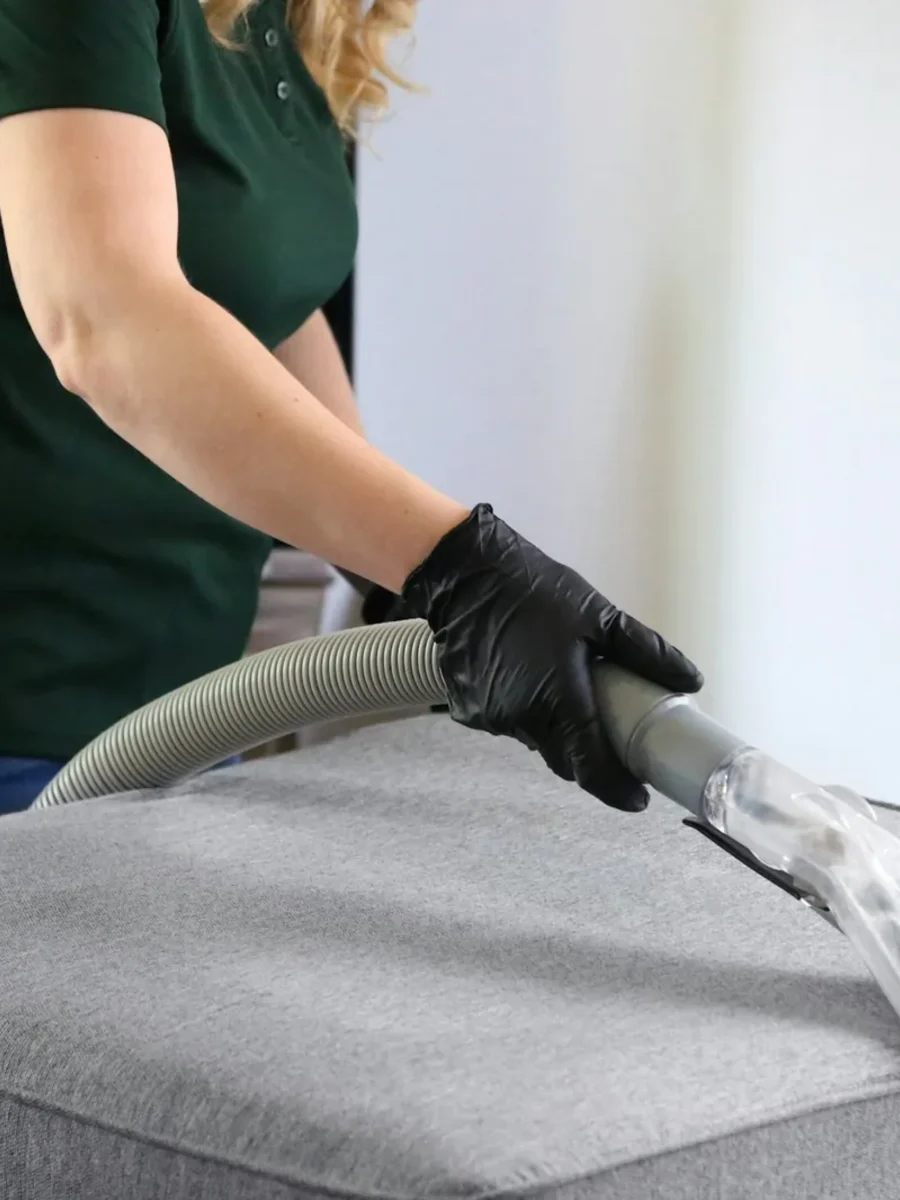
For a fixed upholstered headboard, little and often works best. Vacuum it with a soft brush attachment every week or two, especially the top edge and around buttons. Treat oil marks early: blot, then work in a small amount of mild washing-up liquid diluted in water with a clean cloth, test first on a hidden area, blot with clean water, and dry quickly with a fan. Check the fabric's cleaning code before using any solvent, and leave older or delicate fabrics to a professional upholstery cleaner. Our guide on how to clean a sofa at home covers the same methods in more detail.
Fixing a headboard: wall, bed or freestanding
There are three ways to hold a headboard up. Fixed to the wall, usually on a hidden rail or cleat, it sits perfectly flat and lets the bed be pulled away for cleaning. Fixed to the bed frame, it moves with the bed and leaves the wall untouched, which suits rentals and walls that cannot take fixings. Freestanding, it stands on its own legs between the bed and the wall, which is the most flexible of all.
Old Goan walls need care. Laterite and lime plaster can take fixings in sound stone, but crumbly plaster or a wall that shows damp should not carry a heavy headboard; there, fixing to the bed is the better option. Our guide to laterite and old walls explains what to check. On any outside wall, leave a small gap behind the headboard so air can reach the wall, and pull the bed a few centimetres forward through the monsoon.
In a rented flat, a freestanding or bed-mounted headboard leaves no trace, and our guide to no-drill rentals covers other fixings landlords accept. Whichever method suits your room, we build to the bed you have; ask for a headboard quote with the mattress height, bed width and ceiling height to hand.