 Drape Haus
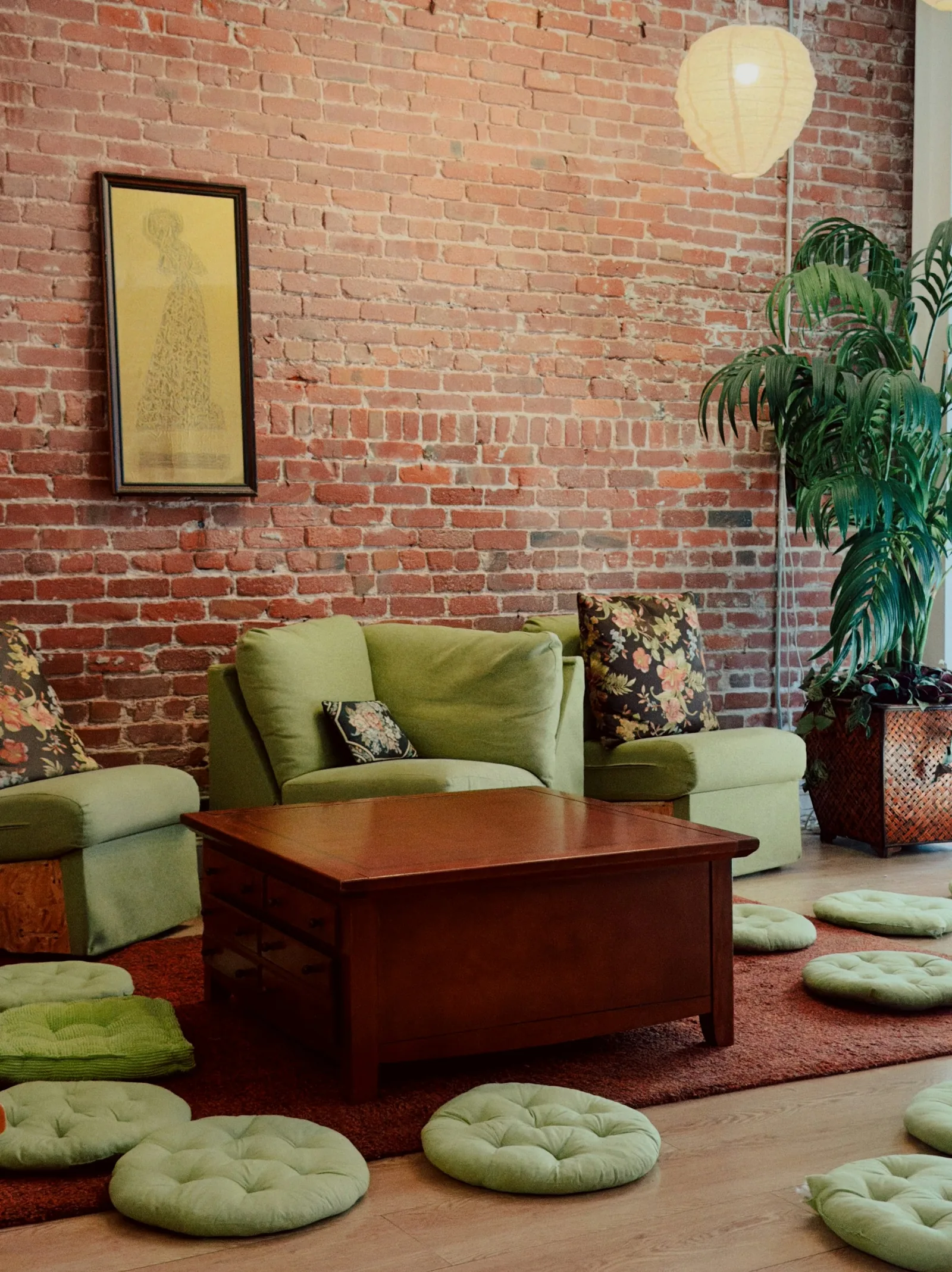
The most effective living room decor ideas are textile ones, and they work best in a particular order. Choose the curtains first, because they are the tallest expanse of fabric in the room. Choose the rug second, because it ties the seating to the floor. Make sure the sofa's fabric works with both. Only then pick cushions, throws and the small things, which are the easiest to change and the quickest to clutter a room. Shopping in the opposite order is how a living room ends up with forty cushions and no scheme.
In Goa that order has a practical reason too. Every textile in a living room holds some moisture through a monsoon that the India Meteorological Department records at 87–91% relative humidity on most mornings, and every textile collects dust and salt the rest of the year. A room dressed with fewer, better pieces looks calmer and is easier to keep fresh.
This guide works through the order, gives a simple way to build a cushion scheme, brings in Goan textures and crafts without turning the room into a souvenir shop, and sets out a seasonal swap for the monsoon. For layout, see our separate guide to arranging the sofa; for curtain styles, curtain ideas for the living room.
Start with the curtains: the tallest textile in the room
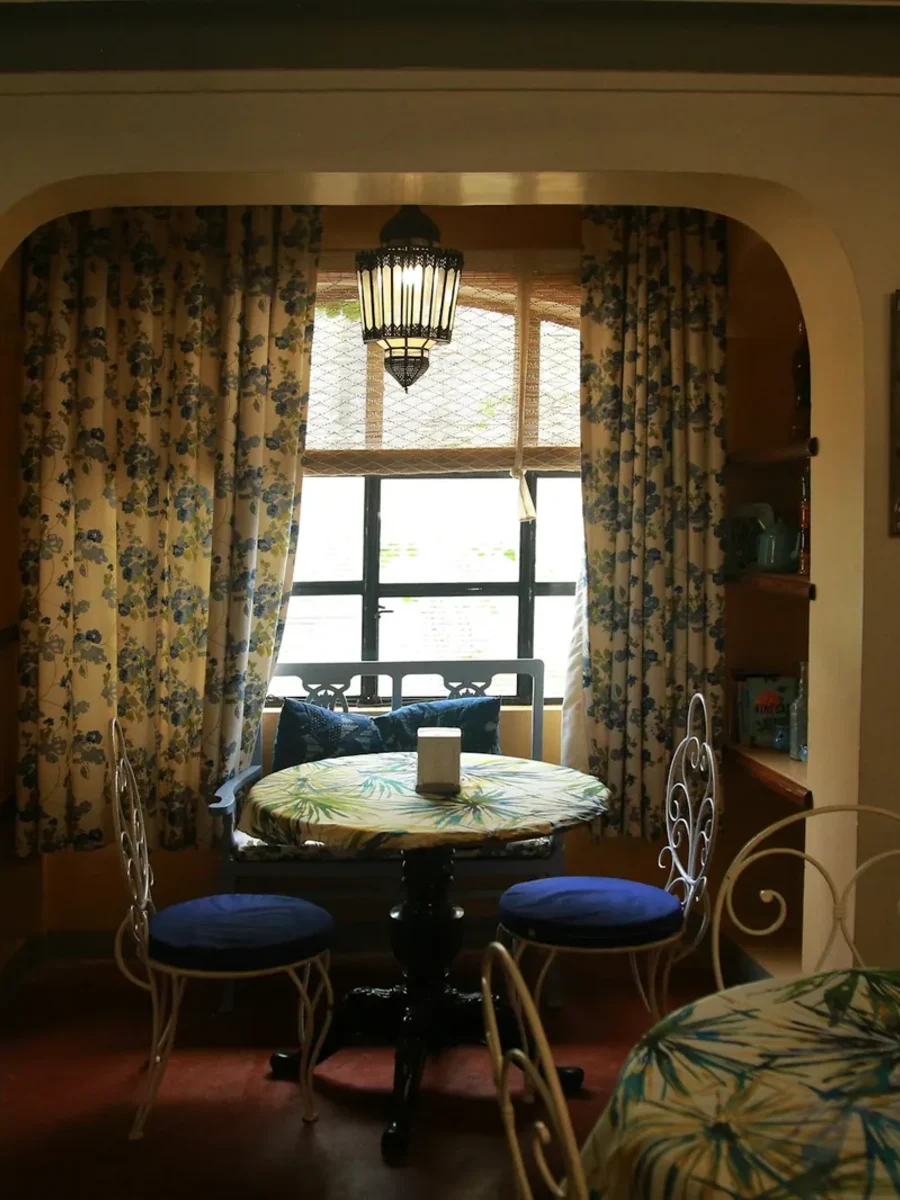
A pair of full-length curtains is the only textile that runs from near the ceiling to the floor, and it is usually the first thing you see on entering. Whatever colour and texture they are, the room takes its mood from them. Pick them first, in daylight, against your actual floor and walls, and let everything smaller follow.
For decorating rather than practical purposes, the decision is mostly about how much the curtains should say. A plain linen-look or cotton in ivory, oat or stone lets the cushions and rug carry colour, and suits a room you may restyle often. A strongly coloured or patterned curtain makes the room's statement for it, and then the cushions should be quieter. Either works; making both loud does not. If you are unsure, hold a large sample at the window for a week, morning and evening.
Height is decoration too. A curtain hung from just below the ceiling makes the wall look taller and the window grander; one hung just above the frame cuts the wall in half. The practical choices of sheer, lining and track come first, and they then decide what the decorative layer can be.
The rug as the anchor that ties floor, sofa and curtains together
A rug does three decorative jobs at once. It joins the separate pieces of a seating group into one arrangement. It brings colour and pattern down to floor level, which balances the curtains at the top of the room. And on Goan tiled, oxide or terracotta floors, it softens a hard room. A University of Arkansas interior-design guide suggests dividing large rooms with area rugs and furniture groupings, which is exactly the job a rug does in a long Goan hall.
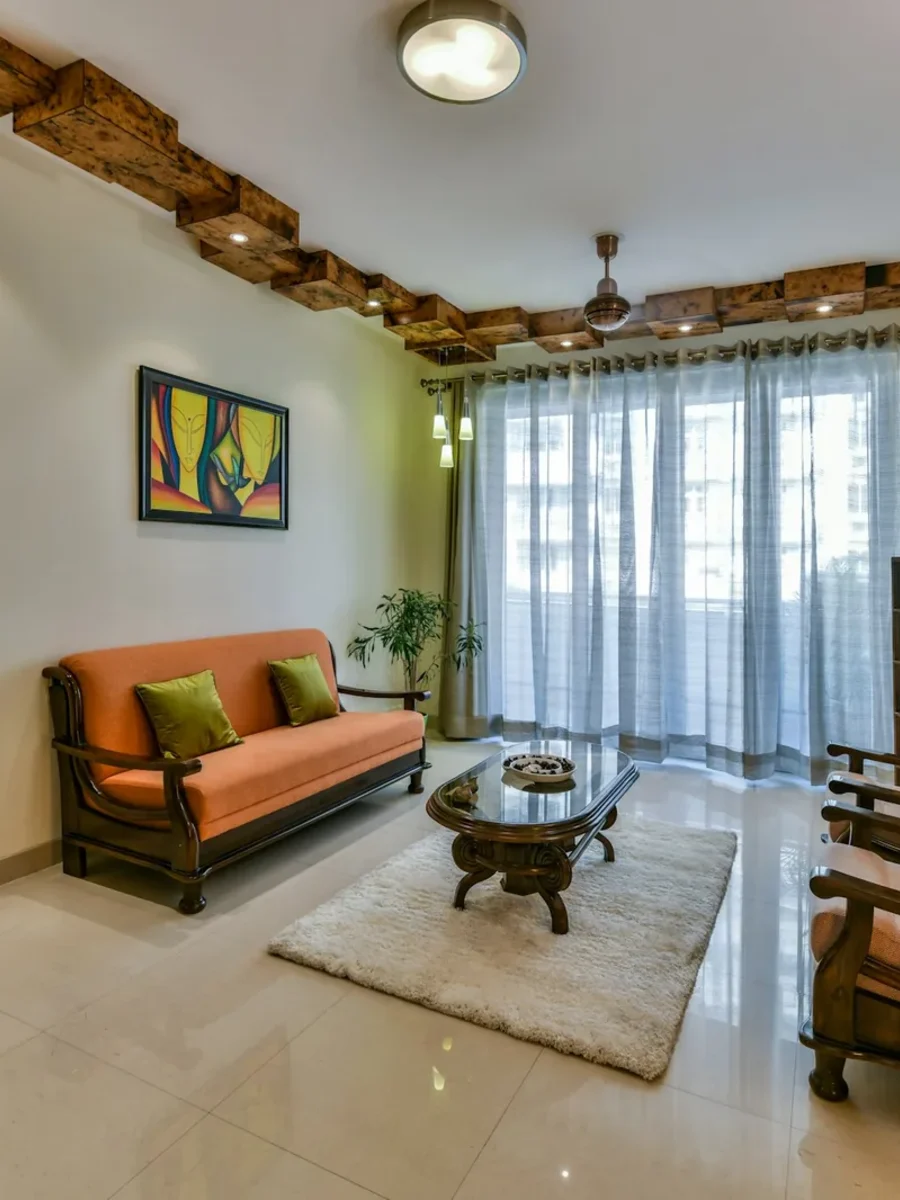
Choose the rug's colours from the two things already settled: take its background from the floor or the curtains and its accent from the sofa or the colour you plan for the cushions. On red oxide floors, indigo, rust and natural grounds look at home; on pale vitrified tile, a tonal rug in sand or grey keeps a room calm, and a patterned one gives it life. Mid-tones and patterns hide sand and wear better than pale plains, which matters in a room with a garden or beach door.
Size it to the seating, not the room, and test the options in our rug size simulator before ordering. Cotton dhurries and flatweaves are the most forgiving in a humid living room; wool feels richer in an air-conditioned one.
Planning something like this?
We visit homes across North and South Goa, measure on site, and bring samples to see in your own light.
Building a cushion scheme from one colour in the room
A good cushion scheme starts from something permanent: a colour in the rug, the curtain, a painting, the floor or the sea outside. The University of Arkansas guide describes three classic ways to build a colour scheme, and they translate well to cushions. Monochromatic uses one colour in several shades, tints and tones: three blues from denim to pale sky. Analogous uses neighbours on the colour wheel: ochre, rust and terracotta. Complementary pairs opposites: indigo with a touch of orange, or green with a little red.
Then vary texture and scale while keeping the colour story. A plain in the main colour, a small pattern that includes it, a larger pattern or stripe that includes it with one other colour, and one textured piece in a neutral make a set that looks considered rather than matched. The University of Kentucky's extension guide notes that small designs make a room seem larger and large designs smaller, so in a modest room keep the biggest pattern to one or two cushions.
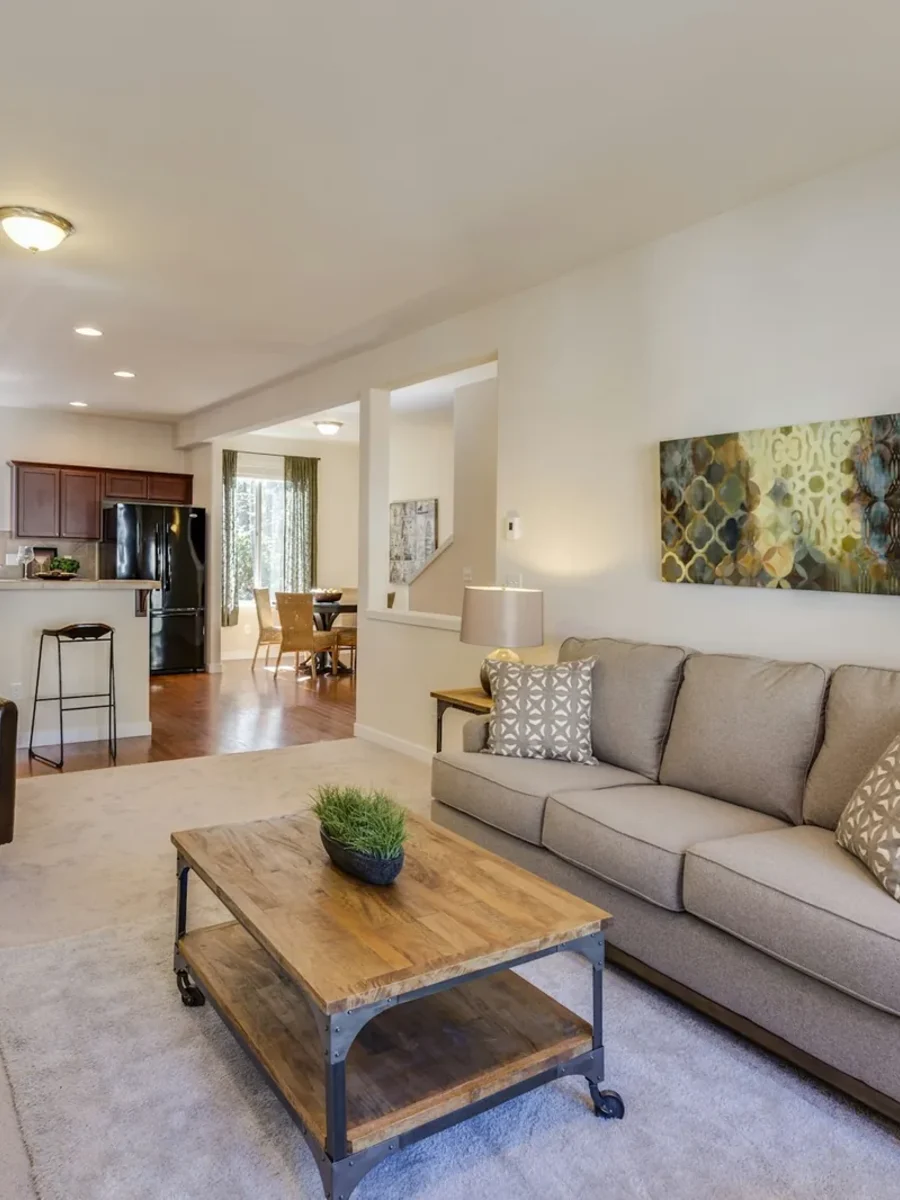
Numbers are a matter of proportion. A three-seater with three seat cushions usually looks settled with two cushions at each end and perhaps one in the middle; more than that, and people start moving them to the floor before they can sit down. Our cushions and soft furnishings service makes covers to the sizes your sofa actually needs, in fabrics that match or deliberately contrast with the upholstery.
| Scheme | How it works | A Goan example |
|---|---|---|
| Monochromatic | One colour in light, mid and dark versions | Indigo, denim and pale sky blue on an oat sofa |
| Analogous | Colours next to each other on the wheel | Ochre, rust and terracotta on a stone sofa over a red oxide floor |
| Complementary | Two opposites, one dominant and one as an accent | Mostly indigo with one burnt-orange cushion |
Goan textures and crafts, used with restraint
The quickest way to make a living room feel like it belongs in Goa is with local crafts, chosen sparingly. Goa Tourism lists crochet and embroidery among the state's crafts, including cushion covers and linen, alongside bamboo work, terracotta and brass from Bicholim, and mats woven from sisal, banana, coconut and pineapple fibre. A pair of crochet-edged cushions, a woven fibre mat under the coffee table, a cane chair and a group of terracotta pots can carry more Goan character than any amount of shells.
Colour can come from Goa too. The checked Kunbi sari, the traditional sari of the Kunbi community, had stopped being woven in Goa for more than a century before its revival, according to a 2019 newspaper account; its checks translate naturally into cushion covers and throws. Goa's painted azulejo tiles, the Craft Revival Trust's encyclopedia notes, traditionally favoured blue and yellow, with floral patterns and religious scenes. A cushion or two in blue and ochre takes its cue from those without copying them. Our article on Goan home decor ideas goes much further into palettes and pieces.
Restraint keeps it from tipping into theme. Pick one or two Goan references per room, not all of them. Let a plain sofa and plain curtains be the background, and keep the crafted pieces at hand height where they can be seen and touched.
- Crochet or embroidered cushion covers on a plain sofa
- A coconut, sisal or banana-fibre mat as a coffee-table rug
- A cane or bamboo chair beside the window
- Terracotta pots or a brass lamp on a console
- One checked throw over a sofa arm
Throws, upholstery and the sofa as the middle layer
The sofa sits between the big decisions and the small ones. If it is new, choose a fabric that works with the curtains and rug already chosen and that you will still like in five years: a mid-tone plain or a quiet texture, so cushions can change the mood around it. If it is old but sound, a new cover or reupholstery is the most effective decor change a living room can have; our sofa covers are made to the frame.
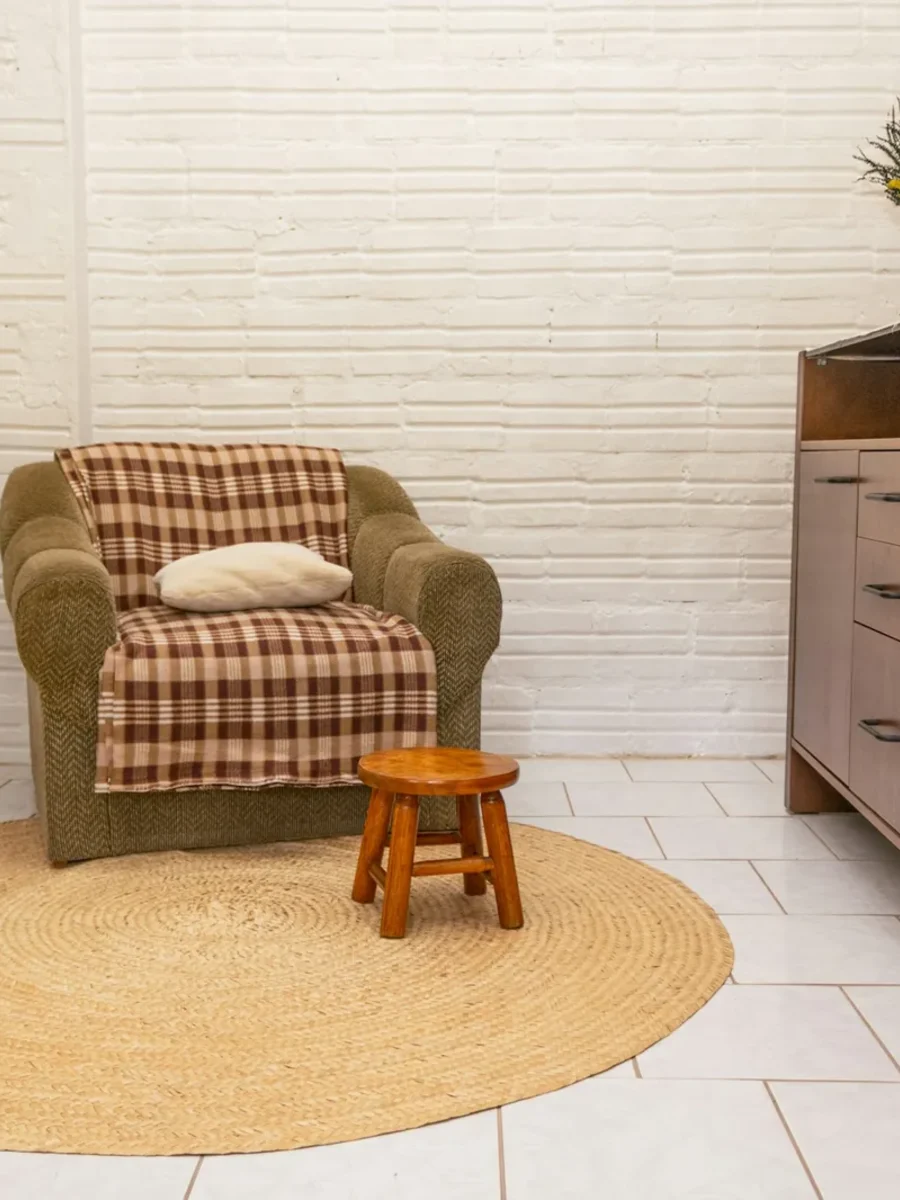
A throw adds a layer of colour and softness without commitment, and it protects the most-used seat. In Goa, throws are mostly for looks and for the air conditioning rather than warmth, so choose cotton, linen or a light cotton-blend weave that washes easily. Fold it over one arm or the back corner rather than spreading it over the seat, where it will slide every time someone sits down.
Before you dress a sofa with washable decor, check the upholstery itself. Cleaning codes on upholstery fabric, as summarised by the Association for Contract Textiles, say that for W and S coded fabrics, cushion covers should not be removed and laundered or dry-cleaned. If the sofa can only be spot-cleaned, a washable throw on its busiest seat is not decoration but protection.
Seasonal swaps: monsoon textiles and dry-season ones
Goa's year gives a living room two natural looks. From October to May, the dry months, richer textiles are at their best: wool rugs, heavier cotton and linen cushions, a velvet or textured throw in an air-conditioned room. From June to September, lighter and fewer is easier to live with: cotton covers, a flat-woven rug, and nothing that takes a week to dry.
The reason is mould. The Canadian Conservation Institute notes that relative humidity between 65% and 100% with poor air movement promotes mould on textiles, that growth is unlikely below 60% with good air circulation, and that cotton, linen and rayon are particularly vulnerable. A monsoon living room in Goa sits well above that line unless it is air-conditioned or dehumidified. Fewer textiles mean fewer places for it to start.
Sun is the dry season's risk. The Institute points out that fading from light is irreversible and that ultraviolet weakens cotton, silk and wool. Cushions left on a window seat in the afternoon sun bleach on one face first. Turn them weekly, keep the precious ones out of direct light, and when you swap for the season, wash and dry everything fully before storing it in breathable cotton bags, not plastic.
| Item | October to May | June to September |
|---|---|---|
| Cushion covers | Linen, heavier cotton, wool blends, velvet in AC rooms | Washable cotton and polyester blends |
| Rug | Wool or hand-knotted, if the room allows | Cotton dhurrie or synthetic flatweave |
| Throws | Textured cotton, linen, light wool | One washable cotton throw, or none |
| Curtains | Main curtains open for light; sheers drawn in afternoon sun | Drawn back on dry spells; off wet glass |
| Storage | Monsoon set washed and stored dry | Dry-season set cleaned, dried and stored in cotton |
Keeping decor minimal enough to clean and air
Every soft surface in a living room is also a home for dust mites. The American Lung Association notes that dust mites live in bedding, upholstered furniture, carpets and curtains, that humidity is the most important factor in how many there are because they absorb moisture from the air, and it advises keeping a home below 50% humidity. In a humid Goan room that is hard to achieve without air conditioning or a dehumidifier, so the practical answer is fewer textiles that are washed more often.
A useful test: if a cushion, throw or runner cannot go in the washing machine or be shaken out and aired in an afternoon, it should earn its place. Keep display objects grouped on one or two surfaces rather than spread across every shelf, which also makes dusting quick. Leave the floor visible around the rug's edge. And give the sofa space behind and beneath it, so air moves where damp collects; legs that lift it off the floor help.
When the room is right, it should look finished with the curtains, the rug, the sofa and a handful of cushions alone. Anything else is a bonus. When you are ready to choose fabrics, a home visit lets us bring curtain, upholstery and cushion samples to hold against your own floor and walls.
Buy in order of size: curtains, rug, sofa fabric, then cushions and throws. The small things are the easiest to change and the quickest to clutter.