 Drapehaus
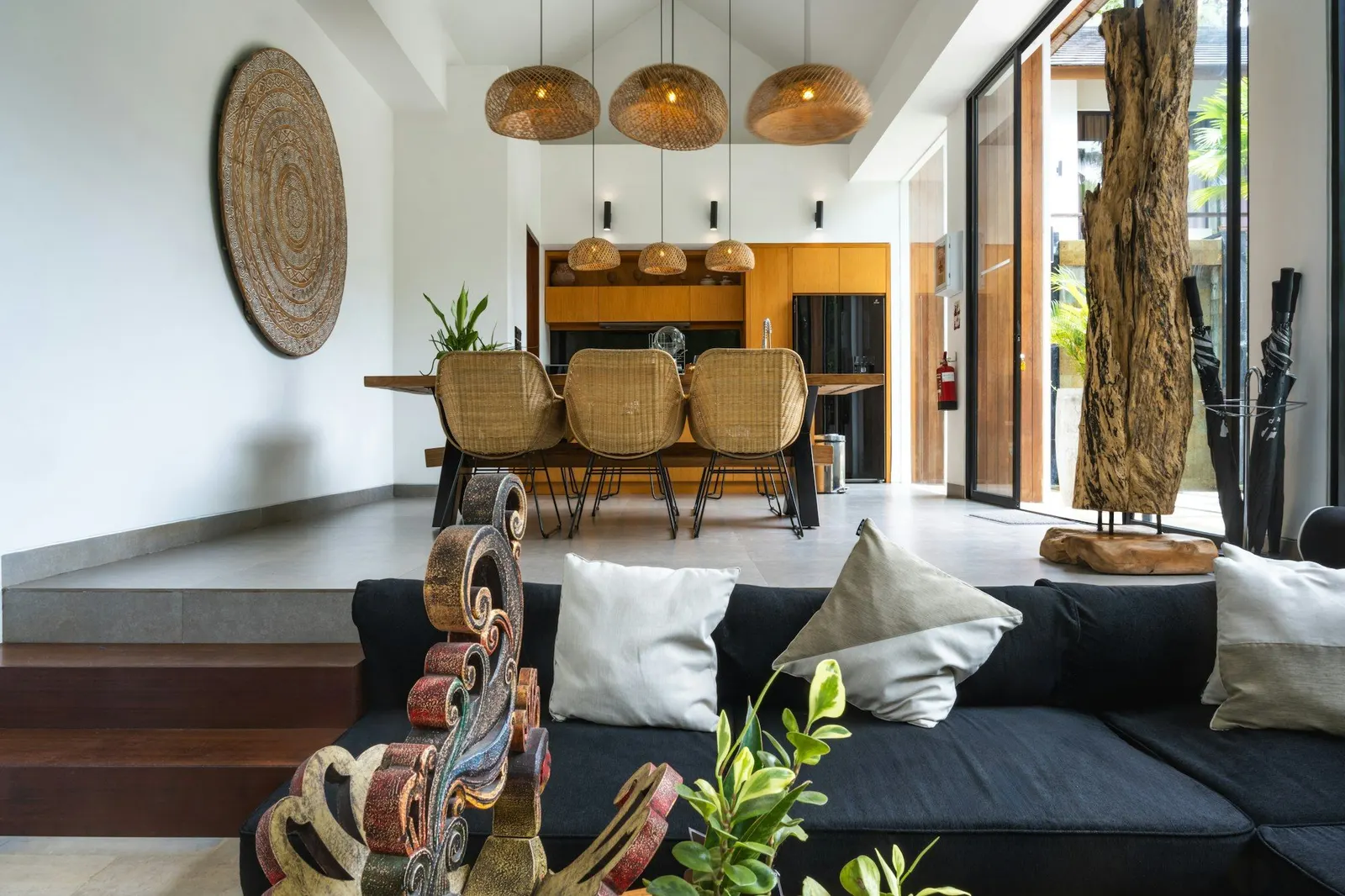
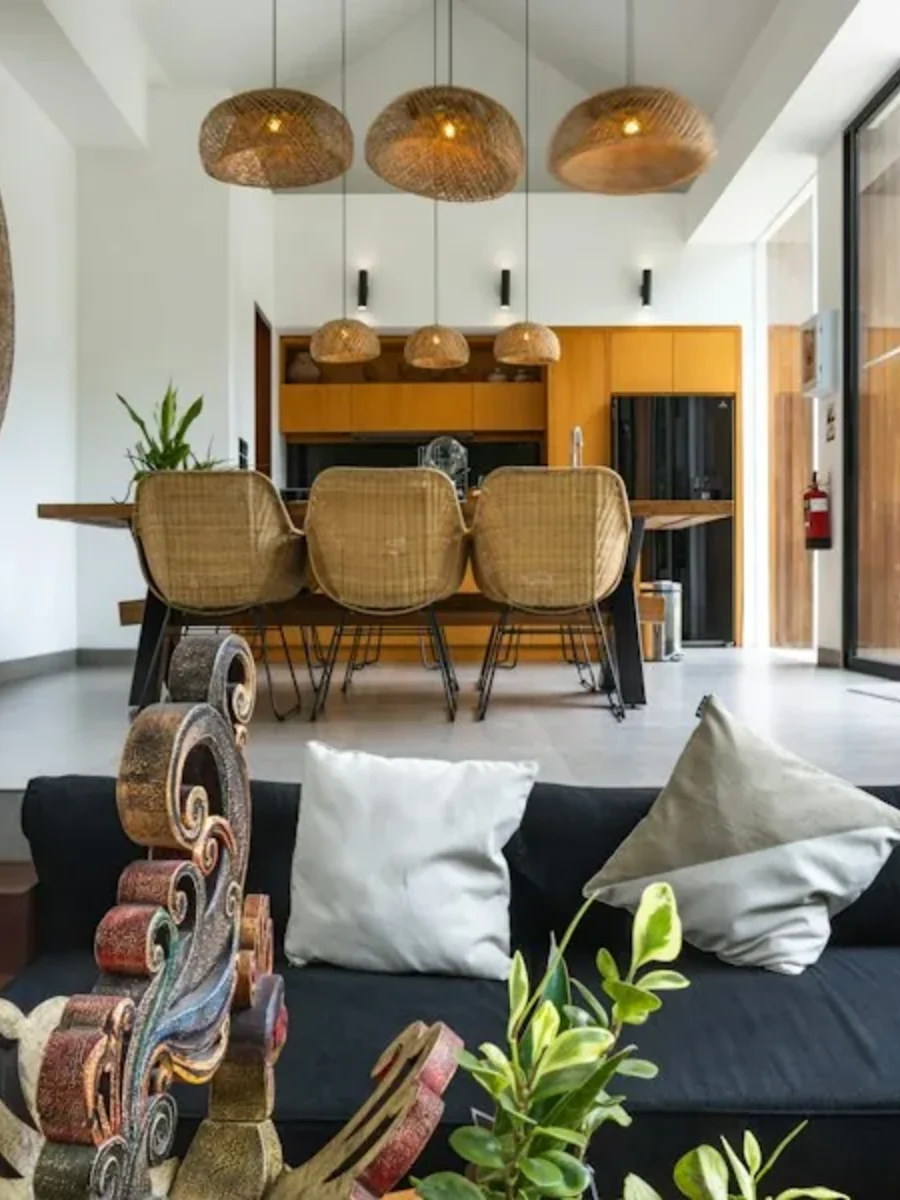
Search for tropical interior design and the images are remarkably consistent: banana-leaf prints, rattan everything, white walls, a surfboard. It is a look, and it can be charming, but it has little to do with how houses in the tropics actually work. Most of it was developed for holiday interiors in temperate places, where the climate never tests it.
Genuinely tropical design is about responses: shade before glass, air before air-conditioning, materials that tolerate humidity and salt, and rooms that can open wide or close tight as the weather turns. Goa has its own long version of this — the verandahs, balcões, high ceilings, lime-plastered laterite and shell-paned windows of its older houses — and it is a far richer reference than a mood board of palm fronds.
This piece sets out what tropical and coastal interior design really means in Goa, how the local tradition informs it, and how the materials behave when a house sits through a monsoon near the sea.
What tropical interior design actually means
Strip away the motifs and tropical design has three principles. Shade the building before the sun reaches the glass. Let air move through the house and around its contents. Choose materials that survive heat, humidity and, near the coast, salt. Everything else is decoration, and it can be tropical or entirely otherwise. Style is a separate question, and a far easier one once these three are answered.
In Goa those principles meet a specific climate. IMD records normal annual rainfall of 3,370.7 mm, concentrated between June and September, and an annual mean morning relative humidity at Panjim of 82%, rising to 91% in the wettest months. The onshore wind peaks in July. A house here must shed water, dry out, and keep its contents from sitting in damp still air for four months each year. Understood that way, the cliché often fails the climate it claims to evoke. White cotton slipcovers mark and mildew. Rattan left in a closed room grows mould. Glass walls facing west without shade turn the room into a heat trap. The look is borrowed; the thinking behind it is missing.
Learning from Goan and Indo-Portuguese houses
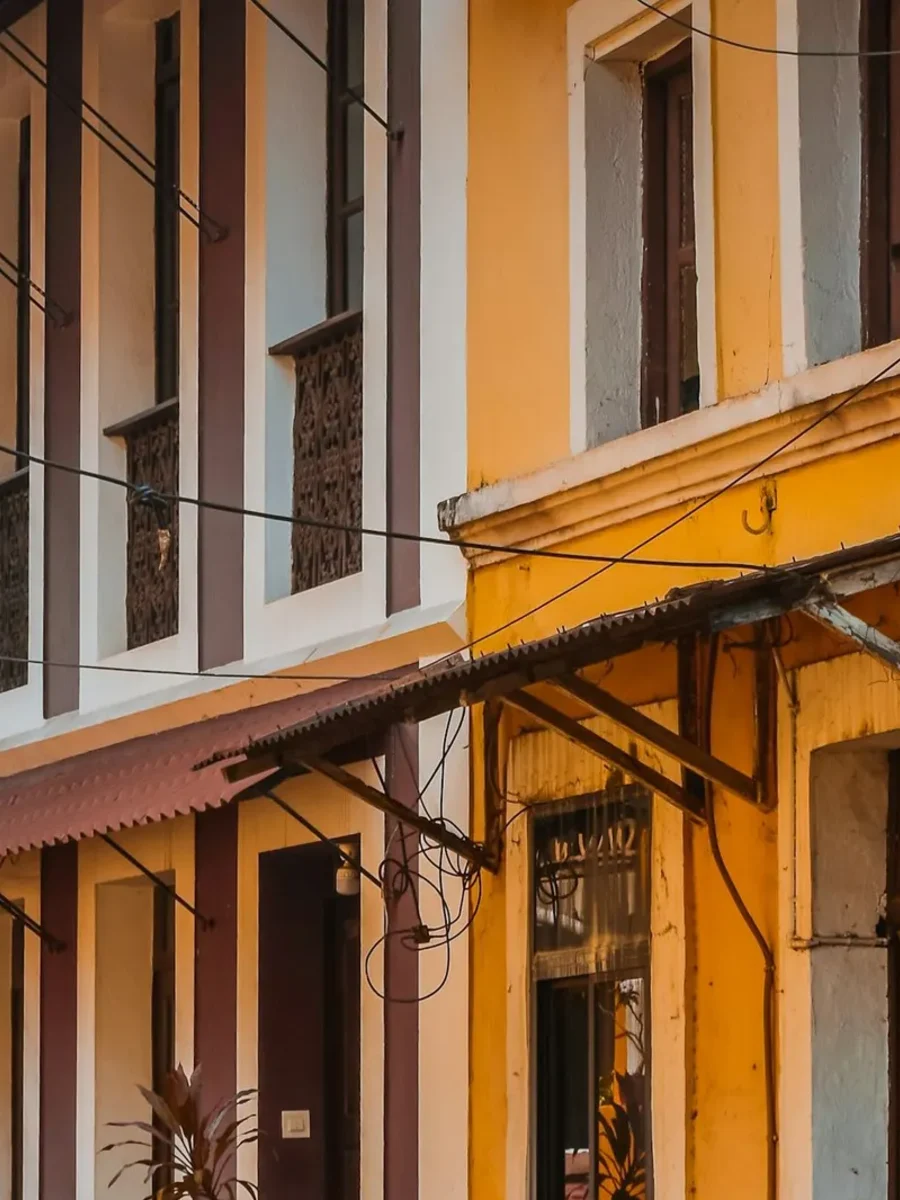
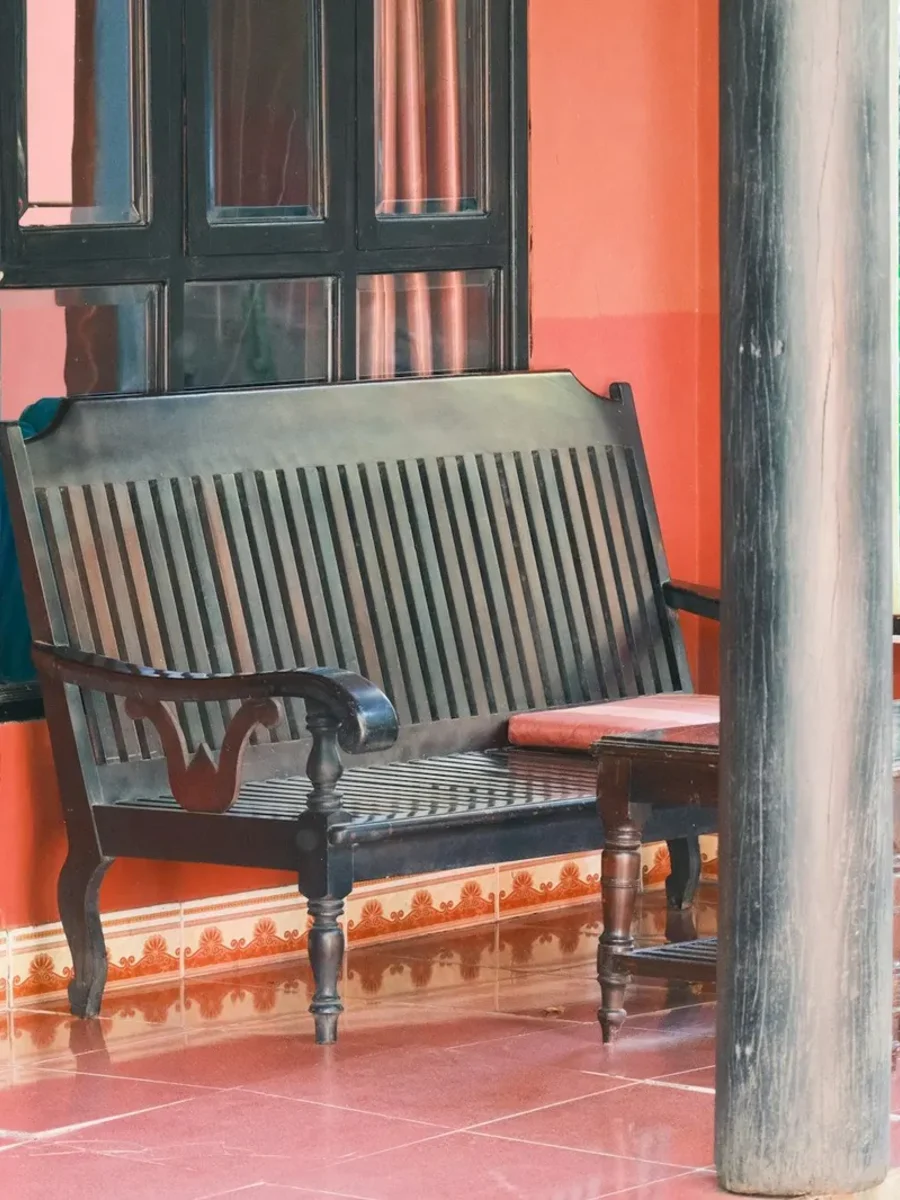
The older houses of Goa, most of the surviving grand ones dating from the eighteenth to the early twentieth century, are a working manual of tropical design. Thick laterite walls, plastered with lime and painted, hold the day's heat back. Deep verandahs and overhanging clay-tiled roofs keep rain and sun off the walls. The raised, covered balcão at the entrance, with its built-in seats, is an outdoor room in the shade. Ceilings are high, rooms run into each other, and windows are placed to let air through.
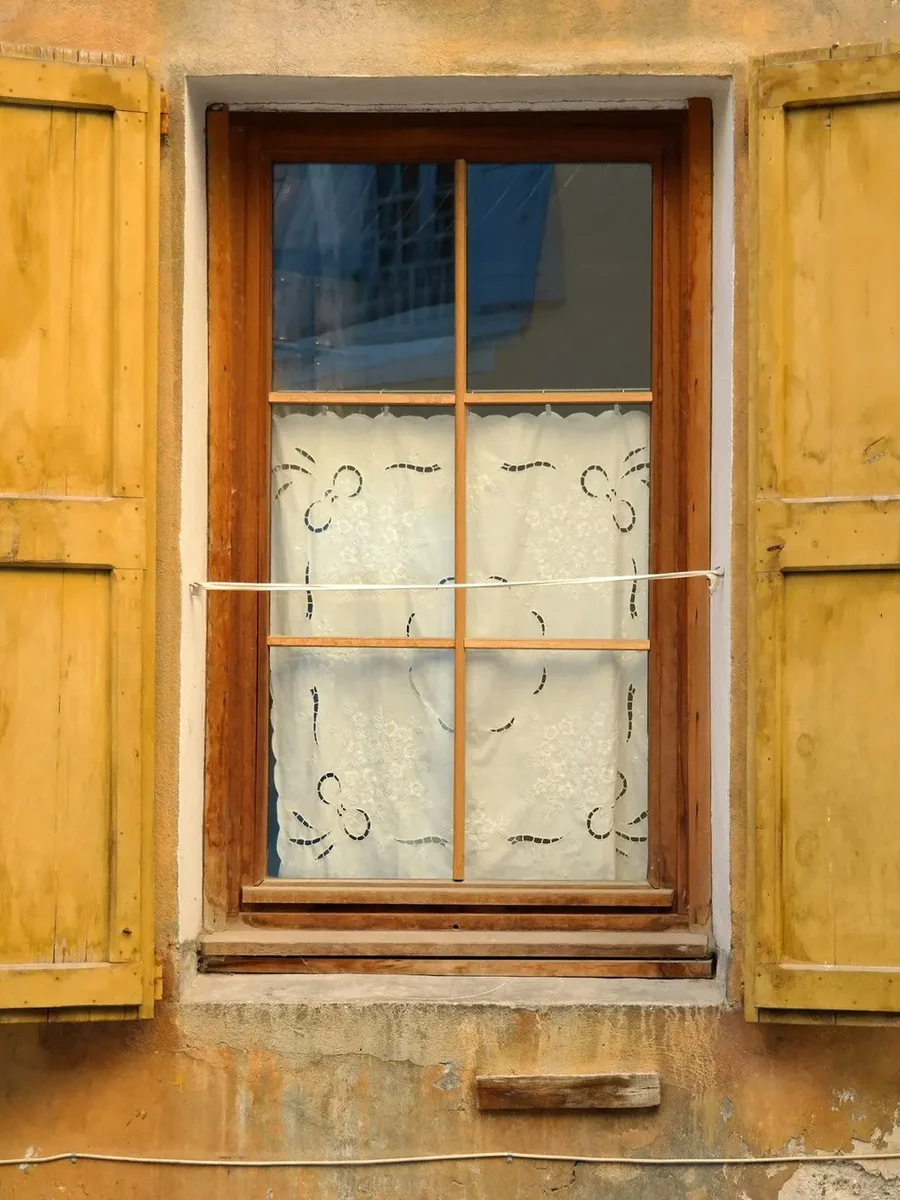
Even the glazing was climatic. Windows paned with thin, translucent shell from the windowpane oyster let in a soft, diffused light and cut the glare, a local solution the oyster-shell windows article covers in depth. Timber shutters, louvres and wide sills did the rest. A contemporary interior does not need to imitate any of this to learn from it. The lessons are diffuse light rather than glare, outdoor rooms in shade, heavy walls kept dry, furniture raised off the floor, and fabric used for filtering light and air as much as for decoration. Our piece on Goan architecture traces the tradition more fully.
Planning something like this?
We visit homes across North and South Goa, measure on site, and bring samples to see in your own light.
Shade, breeze and filtered light
In a tropical interior, the window treatment is part of the climate strategy rather than an accessory. Bamboo and chik blinds, woven shades, louvred shutters and loosely woven sheers all do the same job the shell panes once did: they break direct sun into diffused light and let air through. They suit verandahs, living rooms and anywhere that is used in daylight with the doors open.
Natural weaves are the most characteristic tropical material, and the most honest about their limits. Bamboo, jute and cane are light, breathable and handsome, and they will mark or grow mould in a closed, damp room. They belong where air moves, and they should be taken down or kept dry through the monsoon. Our guide to bamboo and natural weave covers how they behave. Breeze depends on openings being usable. Insect nets that slide or pleat away, doors that fold fully, and curtains that stack clear of the opening all let a room open wide in the evening. A room that has to be sealed against mosquitoes is a room that depends on air-conditioning.
Coastal interior design: how materials behave in salt and humidity
Close to the sea, the air carries salt as well as moisture. Corrosion is heaviest near the shore and falls away sharply inland, and the international classification of atmospheric corrosivity, ISO 9223, reserves its highest categories for sites close to the coast. For a beach house interior design, that means every metal part — curtain track, brackets, hinges, lamp fittings, furniture hardware — should be stainless steel of a marine grade, aluminium with a good coating, or a non-metal alternative. Plated steel rusts, and the rust stains fabric.
Fabrics face mould, fading and salt deposits. Solution-dyed acrylic, where the colour is in the fibre itself, resists fading and sheds moisture, which is why it is the default for outdoor cushions and awnings. Linen and cotton are cool and lovely but hold water and fade in direct sun; they belong in sheltered, air-conditioned or well-aired rooms. The salt-air damage guide goes further into what fails first. Timber needs finishes that let it breathe and regular oiling near the sea. Leather needs dry air. Paper and wallpaper need walls confirmed dry. The US EPA's guidance to keep indoor humidity below 60% is the single most useful target for protecting all of them, and it is rarely met in a Goan monsoon without dehumidification.
If a material cannot be dried, stored or wiped clean, it is not tropical, whatever it looks like.
Tropical home decor without the clichés
Once the climatic layer is right, decoration can be anything. A tropical interior can be minimal, maximal, modern or antique. What reads as authentically of the place is usually material rather than motif: laterite and lime, dark timber, terracotta and clay tile, hand-woven cotton, indigo and madder colours, the local furniture tradition of cane-seated chairs and carved headboards. These choices age well because they come from the place rather than from a trend.
Colour works differently in strong tropical light. Pale colours can look bleached at midday and flat on a grey monsoon afternoon. Deeper, warmer tones — ochres, rusts, greens, the red of laterite — hold up across both. It is worth testing samples in the room at several times of day and in both seasons if possible. Botanical prints and palm motifs are fine in moderation, particularly on cushions and smaller pieces that can be changed. They are least successful when they are the only tropical idea in the room.