 Drapehaus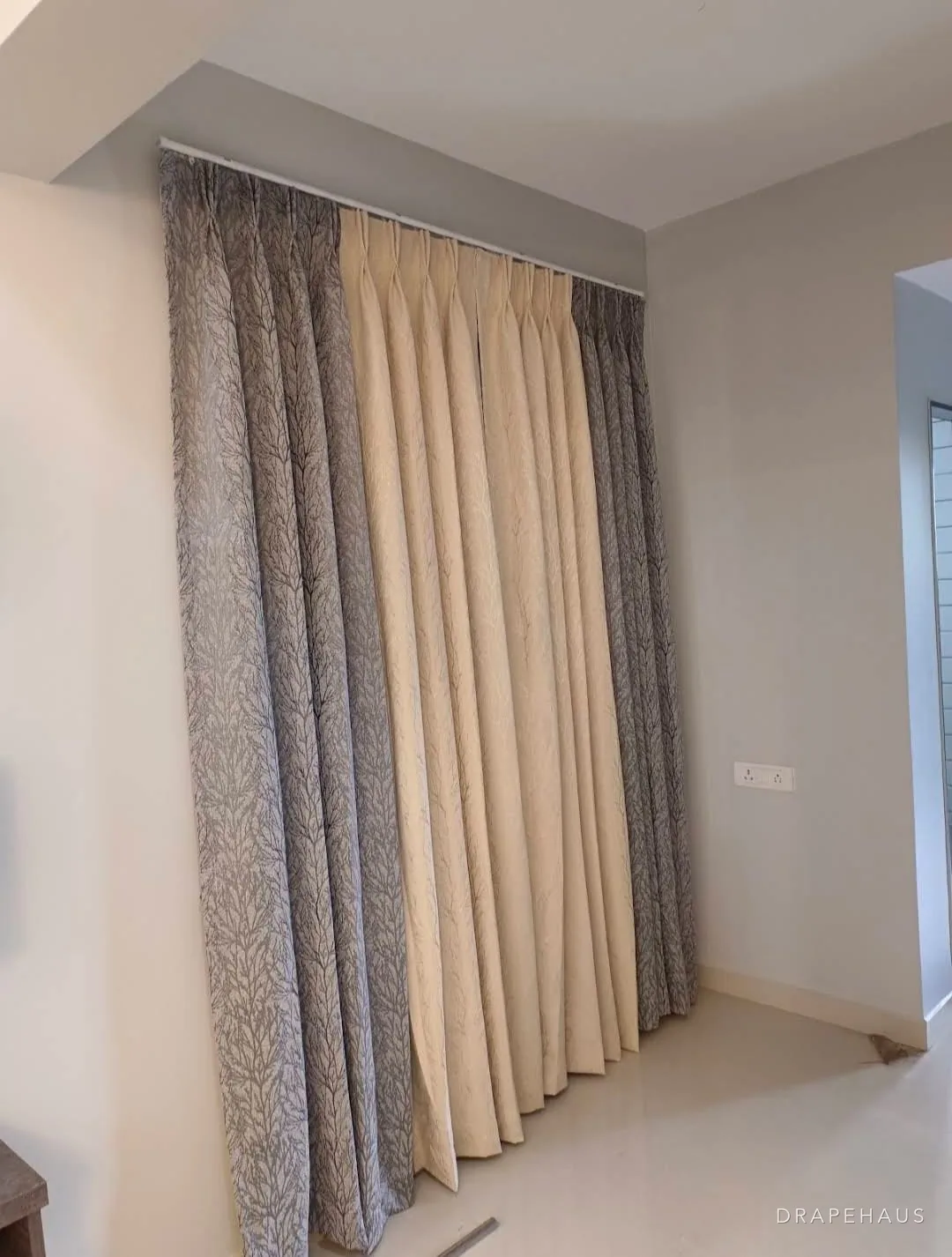
Preparing a villa for sale in Goa is less about decoration than about evidence. A buyer walking through a house here is reading it, consciously or not, for signs of how it has coped with the monsoon and the sea air. A tide mark on a wall, a curtain faded in stripes, a door handle pitted with rust: each one raises a question, and a buyer with questions discounts for them.
The work that pays is usually modest. It addresses what buyers notice, is timed around the rains and the tourist season, and leaves the house looking cared for rather than dressed up. This guide covers what those things are, when to refresh and when to leave well alone, and how to present the house for photographs.
We are not estate agents and cannot advise on price or the market. What we can speak to is what the soft parts of a Goan house look like after years in this climate, and what it takes to put them right.
What buyers notice in a luxury villa in Goa for sale
Damp is the first thing. Stains at the base of walls, blistered paint under windows and dark spots in the corners of rooms under terraces all suggest water, and buyers assume the worst about water. If the cause has been fixed, repair and repaint; if it has not, fix it first, because a fresh coat over an active leak will show again within a season and a buyer's surveyor may find it. Our piece on fungus on walls explains what the marks usually mean.
Fabric is the second. Curtains in west-facing rooms fade in bands where the sun reaches them, and linings split and shed along the folds. Upholstery in a coastal house loses colour on the seat and arms and may carry faint mildew spotting on the underside of cushions. None of this is structural, but it makes a room look tired, and tired reads as neglected. Metal is the third. Near the sea, hinges, handles, curtain rails and window stays pit and bloom with rust. It is ordinary salt air damage and easily put right, but a buyer who sees it on every door starts to wonder about everything else.
A low-disruption refresh, or leaving it
The most useful refresh is the one that removes those questions without starting a renovation. Replacing faded curtains with simple, well-made ones in a neutral fabric, re-covering or cleaning the main sofa, swapping corroded hardware for marine-grade or powder-coated fittings and treating any visible mould are all short jobs that change the impression of a room. Wallpaper is a judgement call. Dated or damaged paper is worth removing or replacing in the principal rooms, because it dates the whole house in photographs. Good paper in fair condition is best left; a new buyer may have their own plans, and a room papered to your taste only a month before listing can read as covering something.
Leave anything structural or architectural to the buyer unless it is broken. A buyer of a Goan villa usually wants to make those decisions. Focus on the things that signal care: dry walls, clean fabric, sound hardware, windows that open and close properly. Sticking sliding doors, broken blind cords and insect screens that no longer run in their tracks are small things, but a buyer tries them during a viewing and remembers the ones that did not work.
Fix what signals neglect. Leave what signals taste. A buyer pays for the first and wants to choose the second.
Planning something like this?
We visit homes across North and South Goa, measure on site, and bring samples to see in your own light.
Preparing a villa for sale around the monsoon
The IMD's normal onset date for the monsoon at Panjim is 5 June and its normal withdrawal date is 14 October. Work that involves drying, painting, plastering or fitting goes best in the dry months, and paint applied over walls that have not dried out after the rains tends to fail. If you are preparing to sell villa property in Goa, the practical window for a refresh is roughly November to May.
The tourist season brings people to Goa, and some of those people are buyers. The Goa Department of Tourism counted 1,08,02,410 arrivals in 2025. A house that is ready to be seen in the dry months, when it is at its brightest and buyers are in the state, is in a stronger position than one still being repaired. Viewings in the rains are a different matter. A house seen in August will be judged on how it copes with the monsoon. If you know a buyer will view then, make sure the house is aired, dehumidified where possible and free of any smell of damp on the day.
Home staging in Goa: the rooms and the photographs
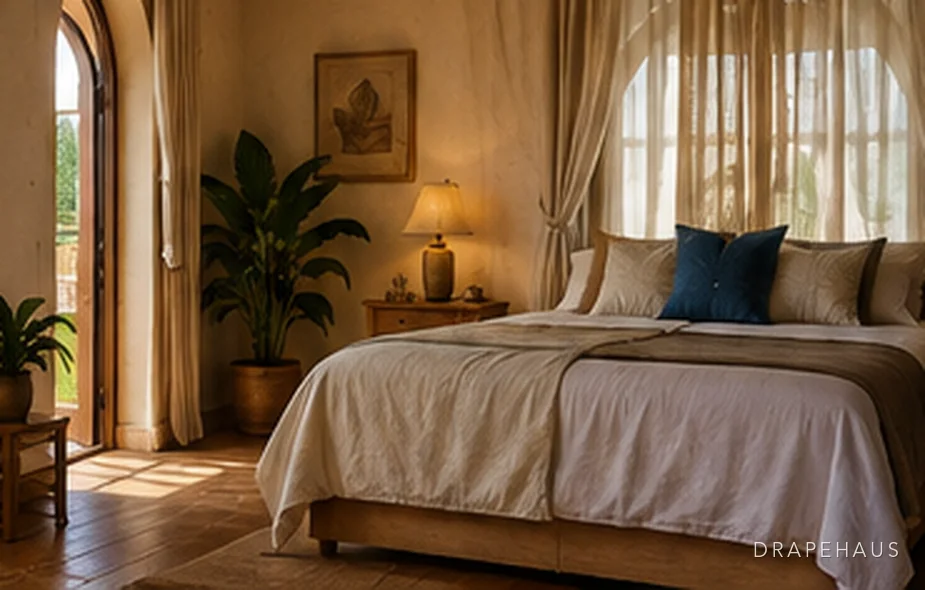
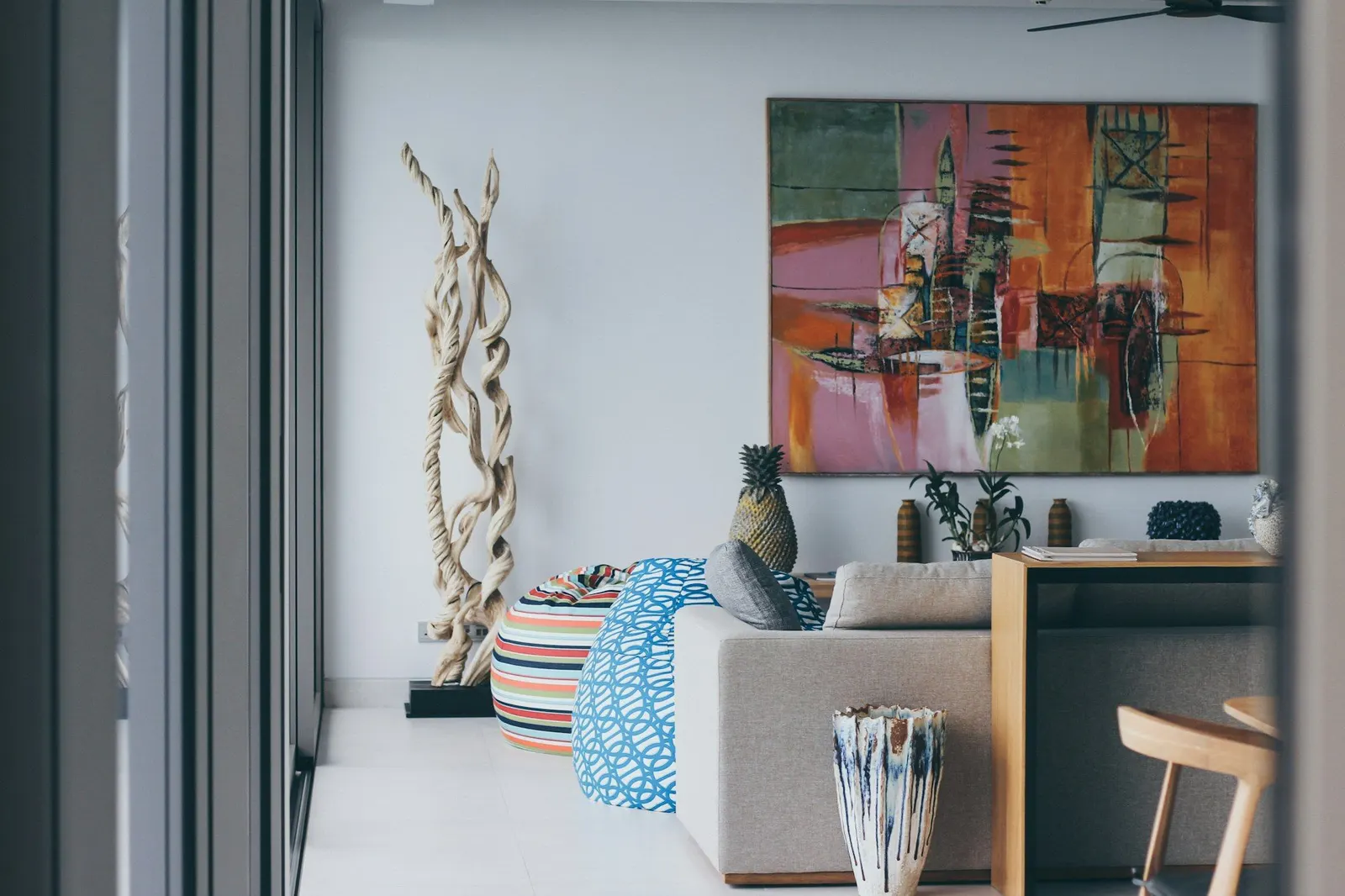
Staging a Goan villa is mostly subtraction. Remove personal photographs, the second sofa, the collection of cushions, anything that makes a room look smaller or busier than it is. Keep one clear idea in each room: a colour carried from curtain to cushion to rug, furniture arranged around the view rather than the television. Dress the windows for the camera. Photographs are usually taken in daylight, and bright glazing can blow out to white. Light sheers soften the glare and let the view read as a view; curtains drawn back to neat stacks at each side frame the opening. If a window treatment is faded or tired, it is better taken down than photographed.
Make the beds in plain linen, open every shutter and door you can, and photograph the house after the rains when the garden is green. A dry, bright, uncluttered house in November looks like what a buyer hopes to own. For a villa that will be marketed to buyers outside Goa, the photographs are the first viewing and often the deciding one, so it is worth waiting for a clear morning rather than shooting on the first available day.
- Take down faded or stained curtains before the photographer arrives
- Hang light sheers on glazing that faces the sun
- Clear surfaces and remove personal items
- Make beds in plain white or natural linen
- Air the house for a full day before viewings
Fading, sun and what to replace
Glass blocks most UVB but not UVA, according to the Skin Cancer Foundation, which is why curtains, rugs and upholstery near windows fade even inside the house. In a Goan villa with large west-facing glazing that is a lot of sun on fabric, and faded bands are one of the first things a buyer's eye catches in a photograph. Replacement curtains for a sale do not need to be elaborate. A good linen-look polyester or linen curtains in a pale neutral, properly lined and hung to the floor, will suit almost any buyer and photograph well. For seating, reupholstery or a set of well-fitted loose covers is usually faster than replacement and keeps the proportions of the room.
If you are buying new fabric and will stay in the house through another dry season before selling, solution-dyed fabrics or UV film on the worst windows will keep it looking new. Our guide to fading and sun damage covers the choices. For a sale in the near term, the simpler course is to keep new curtains drawn back and sheers closed on the sunniest windows until the house is sold.