 Drapehaus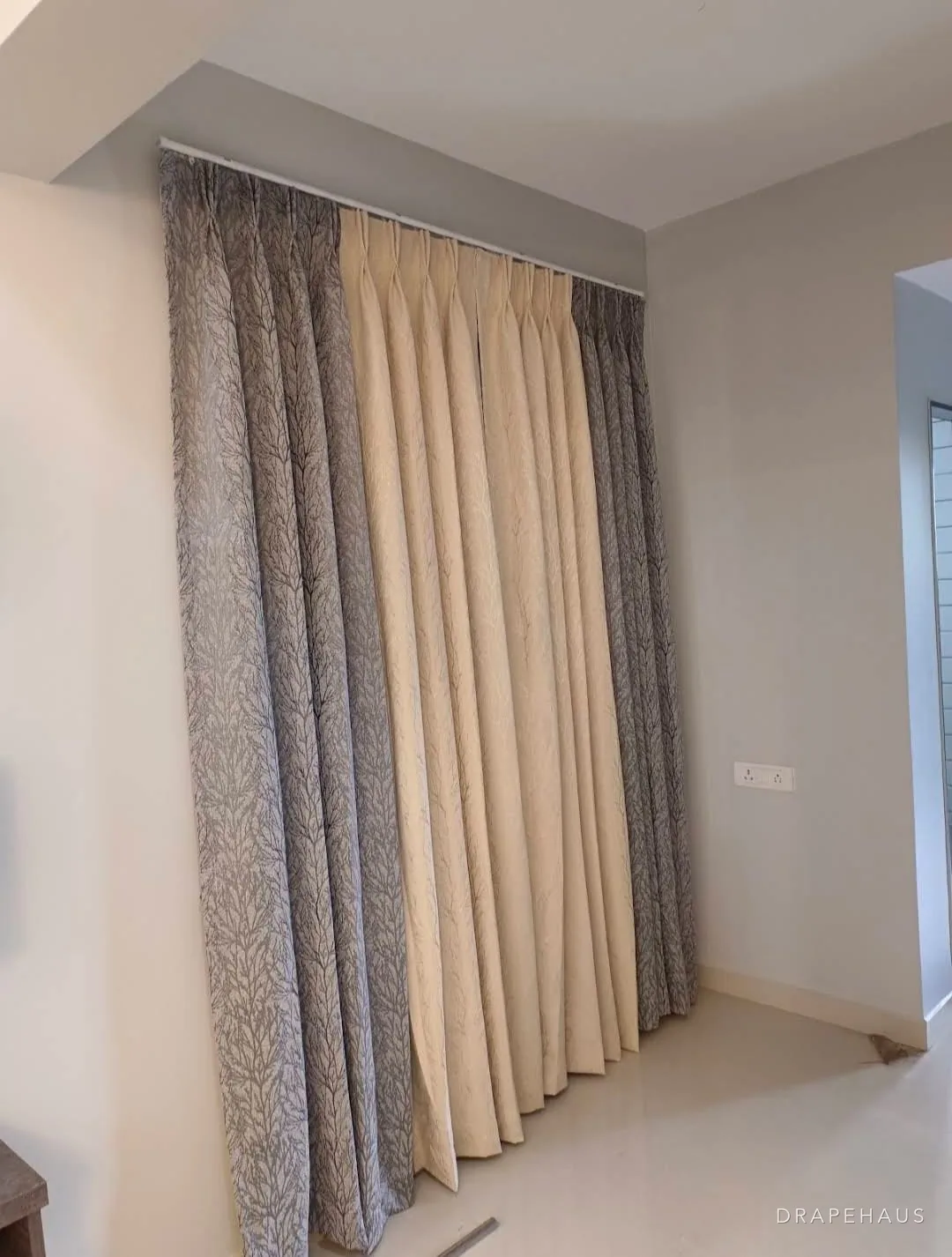
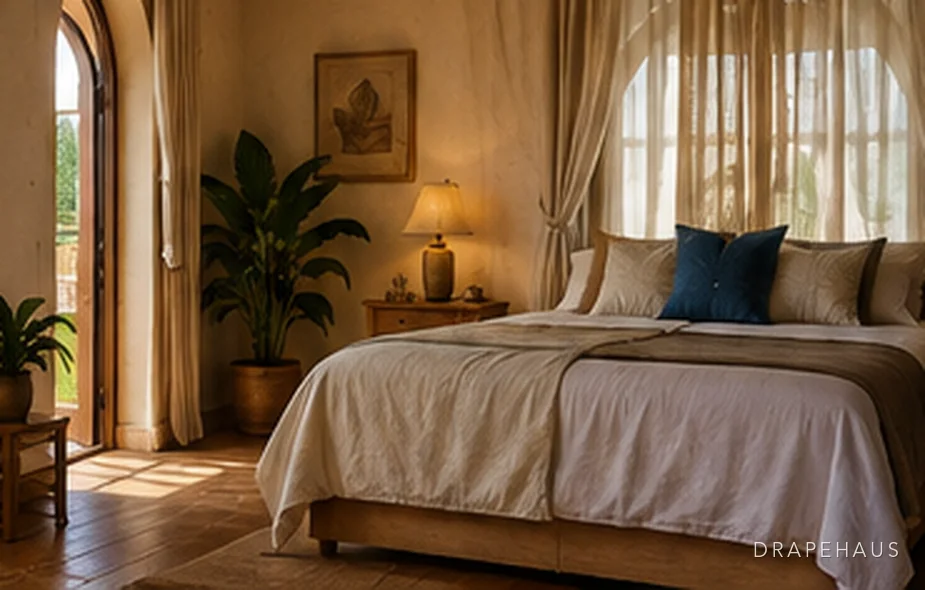
Putting a Goa villa on Airbnb changes what the interior is for. The owner's version of the house can be delicate, particular and forgiving of quirks. The guest's version has to work in the dark for someone who arrived at two in the morning, survive being handled by people who will never see it again, and be reset by housekeeping in the few hours between checkout and the next arrival.
Demand is not the difficulty. The Goa Department of Tourism counted 1,08,02,410 tourist arrivals in 2025, and the state's count of hotels and lodging houses rose from 5,922 in 2022-23 to 7,483 in 2023-24. The difficulty is standing out among a great many villas on Airbnb in Goa, and keeping reviews good through several seasons of wear.
This is about the rooms themselves: light, fabric, cleaning and photographs. Before any of it, note that a villa let to tourists must be registered with the Department of Tourism; our guide to registering a rental villa in Goa explains how.
Blackout that works at sunrise
The complaint we hear about most often from rental owners is light in the bedroom at dawn. Guests on holiday sleep late, and in Goa the sun is up early for most of the year. A curtain made from opaque fabric is not the same as a dark room: light comes in around the edges, over the top of the track and through the gap where two curtains meet.
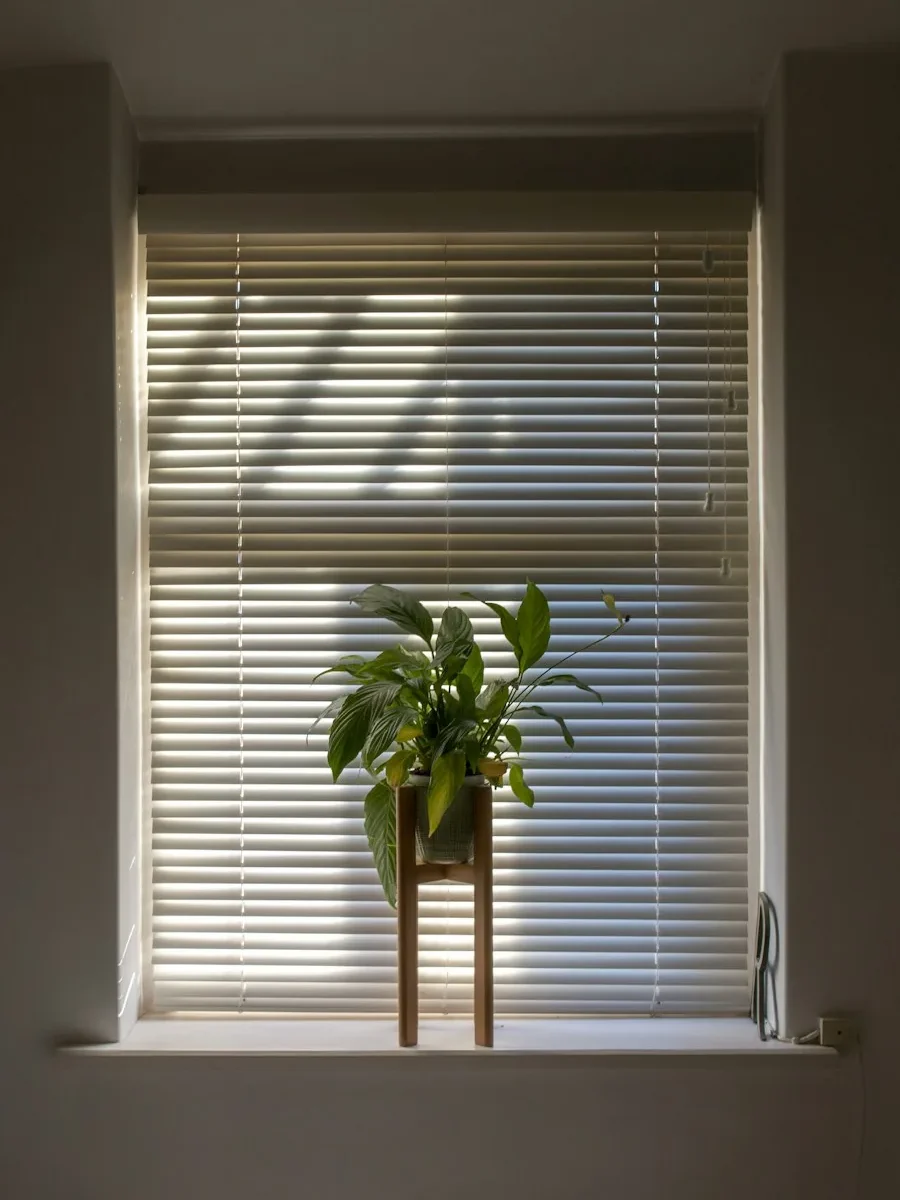
Real blackout is geometry as much as fabric. The curtain needs to extend well past the opening on each side, ideally with returns to the wall, and the track should sit close to the ceiling or have a pelmet. Where the window is in a reveal, a blackout roller fitted inside it with side channels, behind a decorative curtain, is the most reliable arrangement. The blackout curtains and blackout linings pages go into the choices. The Department of Tourism's own standards for Category D accommodation, which covers rented bungalows and homestays, list opaque curtains or screening at all windows as a mandatory guest-room facility. Good blackout goes further than that minimum, but it starts there.
Stand in the bedroom at sunrise with the curtains drawn. If you can read the time on your watch, a guest will mention it in a review.
Airbnb interior design is a durability brief
Upholstery abrasion is measured by the Martindale test, and the British standard BS 2543 gives a useful ladder: 20,000 rubs for general domestic use, 25,000 for heavy domestic, 30,000 for severe domestic or general contract, and 40,000 for severe contract. A sofa in a villa let for much of the year is doing contract work. We would treat 25,000 as a floor for guest seating and prefer 30,000 or more for the main living room.
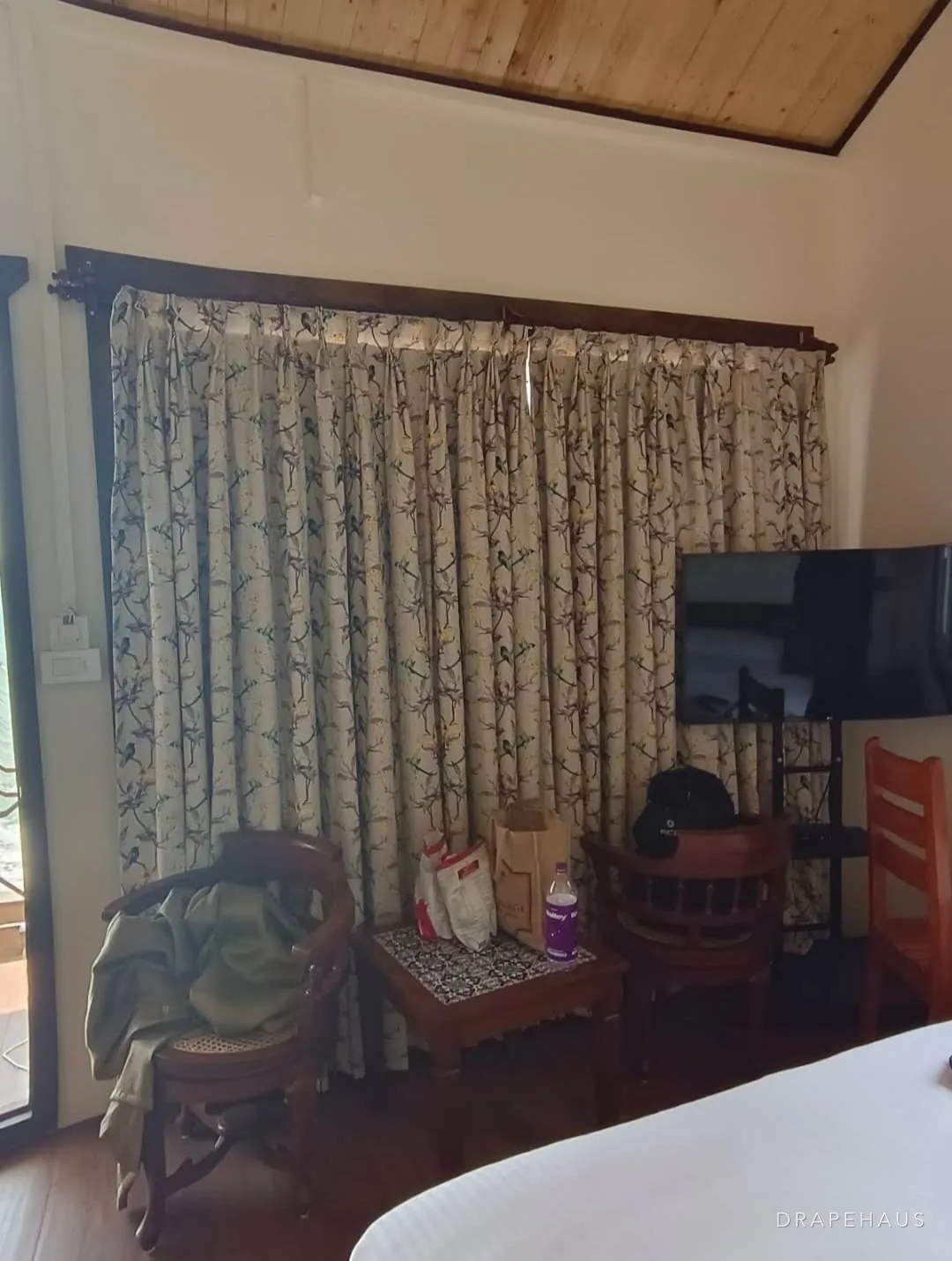
In Goa, durability also means the climate. Fabrics in a coastal villa have to cope with humidity, salt and sun as well as guests. Solution-dyed acrylics and good polyester blends hold their colour and resist mildew far better than most natural fibres, and are now made in textures that do not look like outdoor fabric. Our coastal fabric advisor is a quick way to narrow the options. Leading edges of curtains, sofa arms and the front edge of seat cushions take most of the wear. Planning for those to be replaced or re-covered on their own is sensible rather than pessimistic.
Planning something like this?
We visit homes across North and South Goa, measure on site, and bring samples to see in your own light.
Washable covers and a turnover that fits the day
Every piece of the interior has to be compatible with how the house is actually cleaned. If housekeeping has a few hours between guests, a sofa with fixed upholstery that needs specialist cleaning after every spilled drink is a liability. Loose, zipped covers that can come off, go through a wash and go back on are worth specifying from the start, as are cushion inners that can be aired.
Standardise wherever you can. If every bedroom uses the same track, heading and fabric, one spare curtain covers the whole house and damage becomes a swap rather than a room out of service. The same applies to cushion sizes, bed runners and throws. Keep a labelled cupboard of spares on site so the caretaker never has to improvise. Plan the monsoon too. A villa that does not let through the rains needs a closing routine; one that does needs fabrics that can dry, with hems off the floor and curtains drawn back during the day.
- Removable, washable covers on all guest seating
- One spare set of curtains per fabric used, stored dry
- Replacement cushion covers in each size
- Spare track gliders, hooks and blind cords or chains
- A written guide to how each blind and curtain operates
Photographs that let a Goa villa on Airbnb
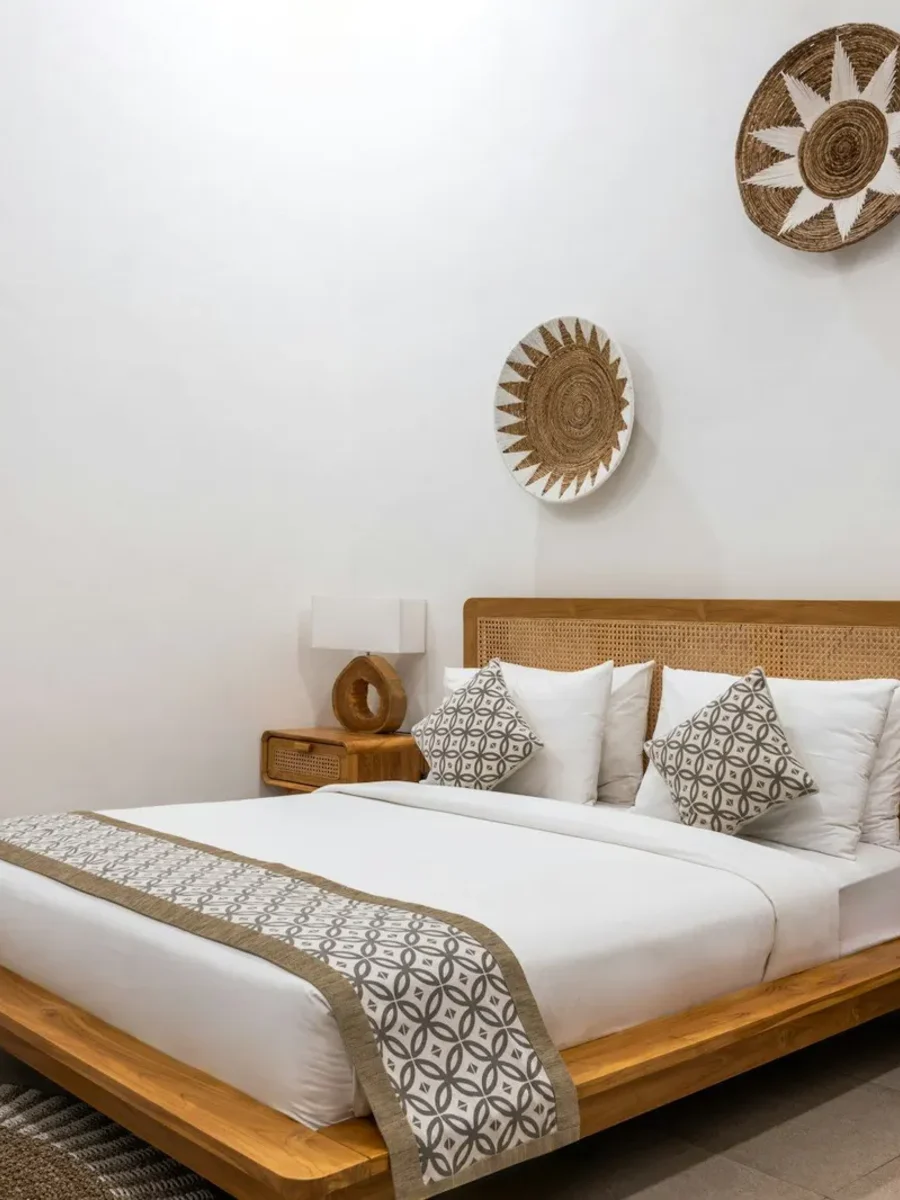
Listing photographs are taken in daylight and judged in a thumbnail, which rewards rooms with a clear idea: one fabric colour carried through, windows dressed to frame the view rather than hide it, beds made with plain linen and a single accent. Busy prints and a dozen cushions read as clutter at thumbnail size. Dress the windows for the camera. Sheers soften hard light and make a sea view look more luminous rather than blown out; a curtain drawn to a neat stack at each side frames the opening. Photograph bedrooms once with curtains open for the view and once drawn, so guests can see that the room goes dark.
Most important, photograph the house as it is. A listing that shows new fabric and a room that now has faded curtains produces exactly the gap between expectation and arrival that costs reviews. Reshoot after any significant change, and before each season if the house has been through a monsoon, so the listing always reflects the rooms a guest will actually walk into.
Demand, seasons and what the numbers say about villa Airbnb in Goa
The state's tourism figures are strong: 1,02,84,608 domestic and 5,17,802 foreign arrivals in 2025. The number of registered tourism establishments, including homestays, is reported to have risen from around 3,000 in 2022 to nearly 9,000 in 2024. That is a market with more guests, but also far more places for them to stay, and a guest scrolling through villa listings compares dozens of near-identical pools and bedrooms in a few minutes. The state's own count of hotels and lodging houses tells the same story: 5,922 in 2022-23 and 7,483 a year later.
In that market, what separates one villa from the next on a listing page is mostly the interior and the reviews it earns. Rooms that sleep dark, seating that still looks good in its third season and a house that smells dry in October are what guests remember. The pre-season rental preparation guide covers getting a villa ready for its first bookings of the winter.