 Drapehaus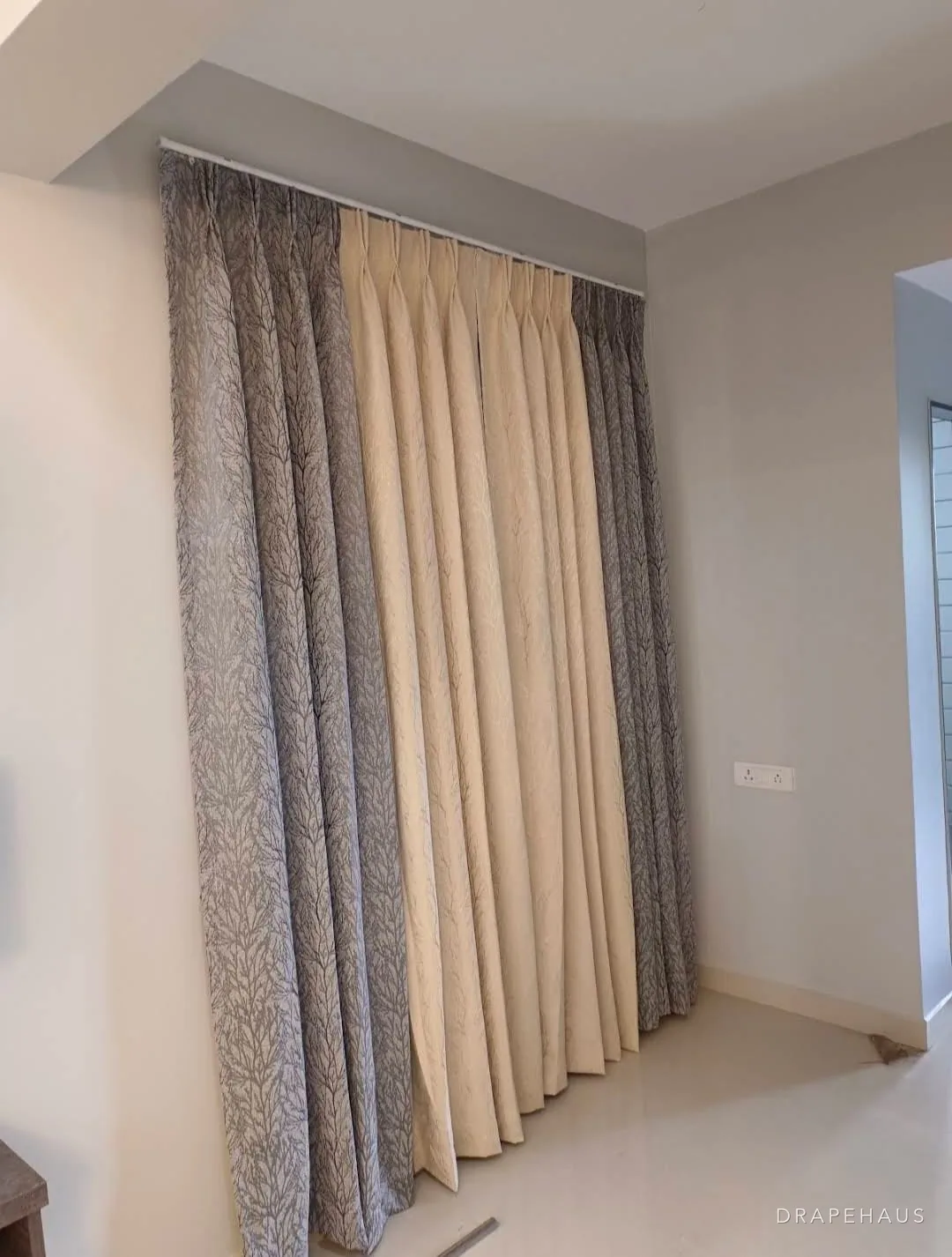

Goa Tourism registration is not optional for a villa that takes paying guests. The Goa Registration of Tourist Trade Act, 1982, and its Rules of 1985 require anyone who intends to operate a hotel in a tourist area to apply for registration before operating. The Act's definition of a hotel is broad: any premises, or part of premises, where lodging is provided for payment. A villa let by the night through a booking platform falls inside it.
This guide explains how the law sorts accommodation into categories, where villas and homestays sit, what the Department of Tourism's published material says about the application, and what fire-safety expectations mean for the fabrics in the house. We are a soft-furnishing studio, not lawyers or consultants; this is an orientation.
Everything here reflects the documents on the Department's website as we read them in September 2026. Rules, fees and schemes change, so confirm the current position at goatourism.gov.in and on the application portal, and take professional advice for your own property.
What Goa Tourism registration requires
Section 7 of the Act requires every person intending to operate a hotel in a tourist area to apply for registration to the prescribed authority before operating it. The Act also says an application should be disposed of within three months of receipt, failing which it is deemed accepted. Registration results in a certificate, and the Rules allow a certificate to be valid for between one and five years at the applicant's choice, with fees paid within three months of the start of each financial year.
Enforcement is real. In 2022 the Department served a widely reported notice on a well-known cricketer for advertising his Goa villa for rent without registration. The case was notable because of who was involved, but the principle applies to every villa: listing it is operating it. A villa that appears on a booking platform with a nightly rate is offering lodging for payment, whether or not the owner thinks of it as a business, and the safest course is to have the certificate before the first booking is accepted.
If the villa is listed for paying guests, treat it as operating. Register first, list second.
Category D, villas and homestays
The Rules divide accommodation into categories. A, B and C cover hotels by standard and room count. Category D, headed Other Accommodation, is described in the Rules as rented or serviced apartments, bungalows, homestays and the like meant for tourists. That is where most rental villas sit. The Category D standards in the Rules describe an establishment of between one and six lettable rooms; a larger property may fall under a different category, which is a question to settle with the Department before you apply.
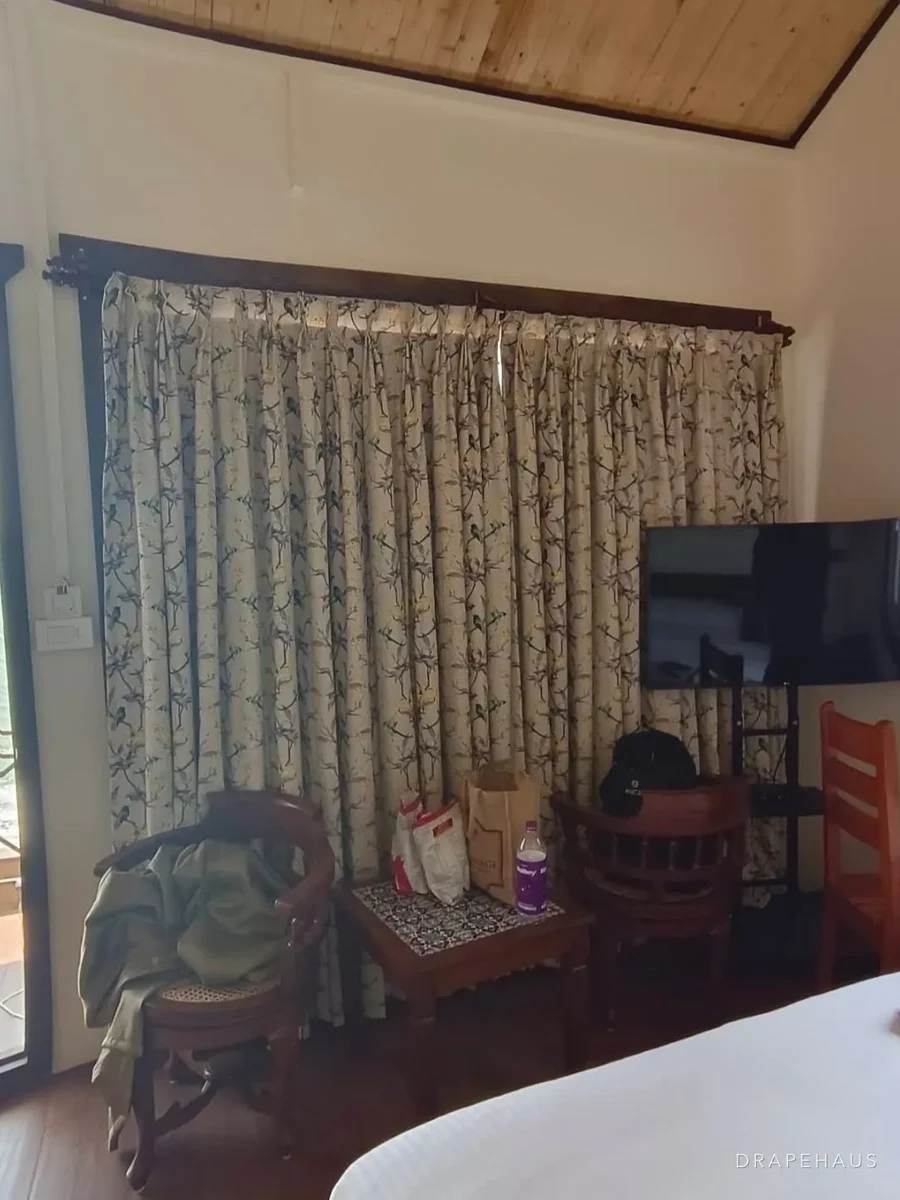
The fee table in the consolidated Rules on the Department's website lists Rs 4,000 for Other Accommodation in Category D and Rs 1,000 for a homestay or bed and breakfast establishment. Fees are revised from time to time, so check the current figure on the portal. The Category D standards also list guest-room facilities as mandatory, including daily cleaning, clean bed and bath linen, adequate lighting and opaque curtains or screening at all windows. For villa owners that last point is a small but specific overlap with our work.
Planning something like this?
We visit homes across North and South Goa, measure on site, and bring samples to see in your own light.
Homestay registration in Goa: the policy definitions
The Goa Homestay and Bed & Breakfast Policy draws a line between the two. A homestay is an establishment where the owner or promoter and their family physically live on the premises and let out between two and six rooms, with no more than twelve beds. A bed and breakfast has the same limits but the owner does not live there; an agent or operator resides on the premises to look after guests.
The policy sets the registration fee at Rs 1,000 a year. It also offers incentives, but only in seven hinterland talukas — Sattari, Dharbandora, Sanguem, Bicholim, Ponda, Quepem and Canacona — and only for the first hundred establishments of each type. A Homestay and Bed & Breakfast Scheme 2025 was notified on 23 October 2025; if you are considering either route, read the current scheme alongside the policy. A whole villa let to guests with no one living there is generally not a homestay under these definitions. It is more likely to be Other Accommodation under Category D.
Fire safety and the fabrics in a registered villa
The Department's policy page lists fire-safety NOCs among the documents to supply where applicable, and the Rules' standards for larger hotel categories include fire extinguishers, alarms and trained staff. For a villa, the practical questions are usually about exits, extinguishers and wiring, which are for a qualified electrician and the fire authority. Fabrics are the part we can speak to. There is an Indian standard for curtains, IS 15741:2007, on resistance to ignition of curtains and drapes. Hotels and hospitality clients in India commonly ask for curtains tested to BS 5867-2 Type B, or Type C for higher-risk settings, and to NFPA 701. A villa is not held to a hotel's specification by default, but where an operator or insurer asks for flame-retardant fabric, those are the tests to ask a supplier about.
Inherently flame-retardant polyesters keep their performance through washing, which matters in a house where curtains are laundered between seasons. Topically treated fabrics can lose it, particularly after repeated washing or dry cleaning, so ask a supplier whether a fabric's rating survives laundering and how many cycles it was tested to. Our commercial and hospitality work is specified this way as a matter of course.
Villa registration in Goa and the rest of the setup
Registration is one part of letting a villa properly. The others are the ones guests notice: dark bedrooms, durable seating, fast turnovers. Our note on setting up a Goa villa for Airbnb covers the interior, and the beach homestay guide looks at window treatments for guest rooms in detail. The Category D standards are a floor rather than a design brief: opaque screening, clean linen and adequate light are what the Rules require, while real blackout, washable covers and spares on site are what keep reviews good through a season.
It is worth doing the two in the right order. An inspection is easier with the house finished, and a finished house photographed for a listing is only useful once the certificate is in hand. In practice that means finishing the interior in the dry months, applying while the house is ready to be inspected, and listing once the certificate number is available to give to the booking platform.
How the application works
These steps follow the Department of Tourism's published homestay and B&B policy and its online services page. Document requirements for other Category D accommodation may differ; check the portal before applying.
Work out your category
Decide whether the property is a homestay (owner family resident, two to six rooms), a bed and breakfast (resident operator, same limits) or other Category D accommodation such as a rented villa or bungalow. The category sets the fee, the form and the standards the property is inspected against.
Gather proof of ownership or tenancy
The Department's policy page asks for ownership documents such as title deeds, sale deeds or house tax receipts, or a lease agreement if you are not the owner. Make sure the names on these match the applicant exactly.
Obtain the local trade licence
A trade licence from the village panchayat or municipal council is listed among the required documents. Apply to the local body that covers the property, and allow time for it before the tourism application.
Collect NOCs where applicable
The policy lists health, fire safety and pollution NOCs where applicable, and an FDA licence for bed and breakfast establishments. Ask the Department which of these apply to your property and category before approaching each authority.
Prepare identity documents
Keep KYC documents ready for the applicant: Aadhaar, driving licence, passport or PAN, as listed on the policy page. Non-resident owners should check what the portal accepts and whether a local representative can apply on their behalf.
Apply online or at the Department
The Department's online services page directs accommodation applications to the goaonline.gov.in portal, under Registration of Hotel/Guest House/Homestay. The policy also allows applications to be made in person at the Department of Tourism in Panaji. Pay the fee shown on the portal for your category.
Prepare for the inspection
The Department may inspect the property after you apply. Have it finished, clean and furnished to the standard for your category, including the guest-room facilities the Rules list, such as opaque curtains or screening at every window, clean linen and adequate lighting.
Keep the certificate current
Certificates are issued for a chosen period of one to five years, with fees due within three months of the start of each financial year. Diary the renewal, and keep the certificate number to hand for booking platforms that ask for it.