 Drapehaus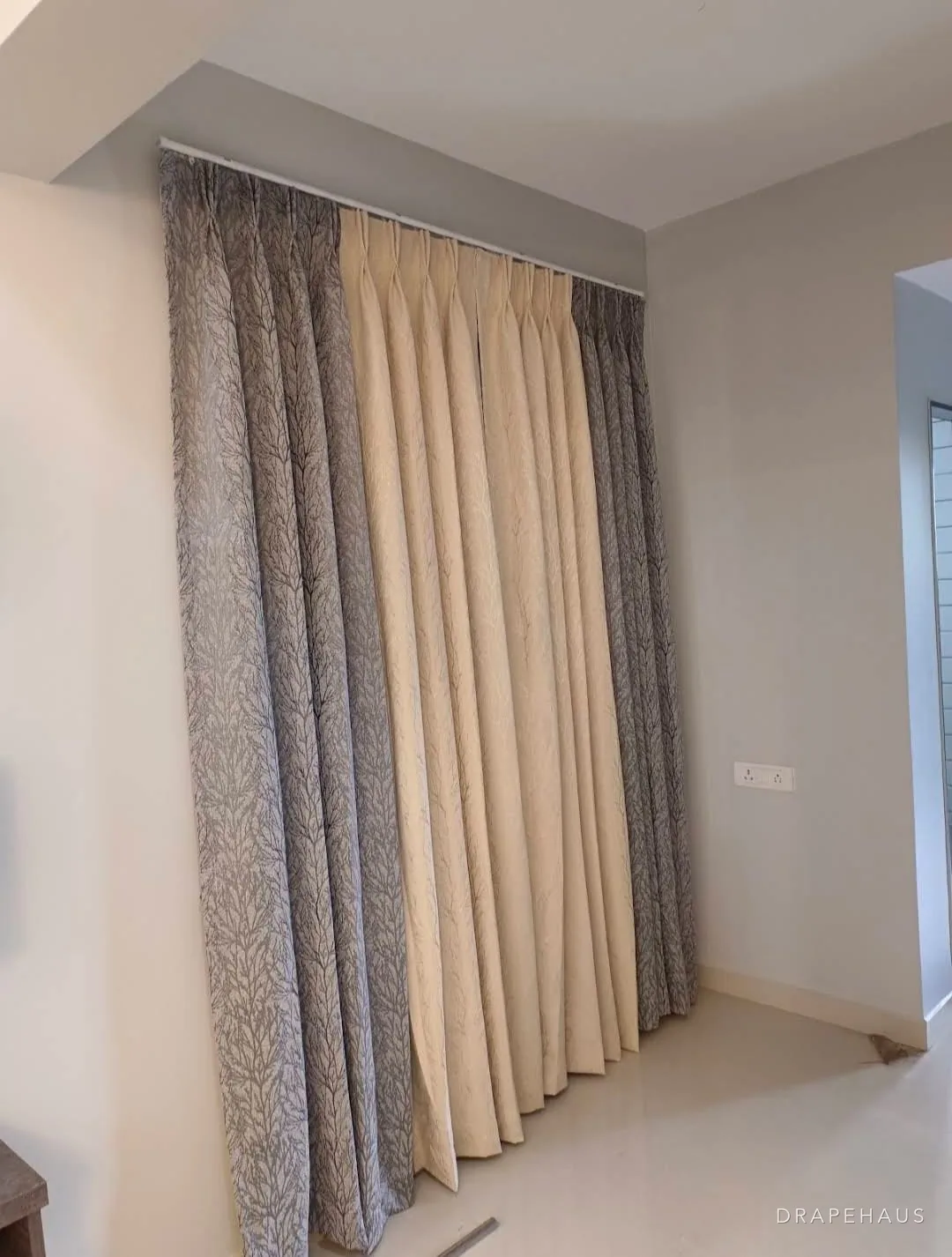
Every villa makeover in Goa runs against a clock that nobody can move. IMD's normal date for the monsoon's onset at Panjim is 5 June, and its normal date for withdrawal is 14 October. Between those dates the state receives the great majority of its rain, July alone averaging more than a metre. Outside them, January to April together average about 11 mm. That single fact shapes the whole plan: wet, dusty and drying work happens in the dry months, and the house is closed, dressed and protected before June.
The failures we see in makeovers are rarely failures of taste. They are failures of sequence: curtains measured before the plasterer has finished, painting done in the wettest weeks of the year, sofas delivered into a room that still smells of fresh paint, a new rug laid on a floor that has not dried out. A home makeover goes well when the order is right and each trade finishes before the next begins.
What follows is that order, from the first survey to aftercare, timed to Goa's year. It deliberately contains no costs, because the order is the same whatever the scale of the work.
Why the villa makeover calendar starts in October
The natural start of a makeover is just after the monsoon withdraws. The house has just come through its hardest months, so every weakness is visible: damp patches on walls, swollen doors, mould behind wardrobes, faded curtains on the west side, rust on brackets. A survey in late October or November records the building at its most honest, and it gives six clear dry months to work in.
Starting later is possible but compresses everything. A makeover begun in February has to fit wet trades, painting, drying, measuring, making and installation into roughly fifteen weeks before the onset, and the soft furnishings — which come last — are the part that gets squeezed. The result is rushed fitting in the last week of May or, worse, installation slipping into June. The season adds its own pressure. From December the house may be wanted for family or guests, so many owners split the work: structural and wet trades from November to mid-December, a pause for the season, then finishes and furnishing from January to May. That works well provided the pause is planned rather than discovered.
What stays, what goes and the order of trades
The brief should begin with an inventory rather than a mood board. Walk the house and decide, room by room, what stays as it is, what stays but is refinished, and what goes. Good hardwood furniture can often be reupholstered or repolished; a well-made sofa frame outlives several covers. Track and hardware in good condition may be reused if it suits the new scheme. The things that go should be decided early so the scope is fixed before anyone is booked.
The order of trades then follows a simple rule: anything that makes dust or water goes first, anything that is damaged by dust or water goes last. Structural repairs, waterproofing, electrical and plumbing come first. Plaster and tiling follow. Joinery is fitted once wet work is done. Paint comes after joinery. Flooring finishes, deep cleaning, then soft furnishings and furniture. Two items cut across that sequence. Power for motorised blinds or curtains and any ceiling-recessed curtain track must be decided at the electrical and plaster stage, even though the fabric arrives months later. If they are forgotten, the options narrow to battery motors and surface-fixed track.
- First: repairs, waterproofing, electrics, plumbing, cable routes to windows
- Then: plaster, tiling, recessed curtain pockets
- Then: joinery and fitted wardrobes
- Then: paint and wallpaper, with drying time
- Last: floors finished, clean, measure, then curtains, blinds, rugs and upholstery
Planning something like this?
We visit homes across North and South Goa, measure on site, and bring samples to see in your own light.
Why not to paint in July
Paint and plaster dry by losing water to the air, and in Goa's monsoon the air has little capacity to take more. IMD records morning relative humidity at Panjim of 91% in July, August and September. Paint applied then dries slowly, stays soft for longer, picks up dust and can trap moisture in the wall behind it. New plaster that has not dried out properly before it is sealed is a common source of blistering and mould later.
There is also the building itself. Walls absorb water through the monsoon, particularly older laterite walls and anything with a failed external coat. Painting a damp wall from the inside seals the moisture in, and the paint fails first where the wall is wettest. The US EPA's general advice is that wet materials should be dried within 24–48 hours to prevent mould; a wall soaked for three months is well beyond that. The practical rule is to finish internal painting by April, give it time to cure, and never schedule new decoration for July or August unless it is an emergency repair. Soft furnishings should then be measured on the finished, dry walls.
Wet trades in the dry months, dry trades on dry walls, and nothing new in July.
Why installation lands in May
May is the last dry month before the onset and, at a normal 81 mm, it is still overwhelmingly dry. Installing in May means tracks, blinds, curtains and upholstery go into a finished, dried-out house with a few clear weeks to adjust anything before the weather turns. It also means the villa enters its first monsoon properly closed: blinds working on the west side, blackout in the bedrooms, nets on the openings.
There is an honest counter-argument. If the house will stand empty through the monsoon, new curtains and upholstery installed in May will spend four months in saturated air before anyone uses them. Some owners therefore fit all hardware, blinds and motorisation in May and deliver curtains and loose upholstery in October, after withdrawal. That is a sensible split and we often recommend it for villas that are closed from June. Either way, the fixings and anything built in should be complete before June. Our guide to preparing a house before the monsoon covers the closing routine, and monsoon damp and mildew explains what the closed months do to textiles.
Aftercare and the first year
A makeover is not finished at installation. The first monsoon is a test of every decision, and it is worth planning a walk-through in October: check walls behind furniture for damp, inspect curtain linings and headboards for spotting, run every motor, look at metal fixings for rust. Small faults found then are simple to correct, and much harder to put right once a second monsoon has worked on them.
Keep a simple record of what was used: fabric references, lining types, motor models, paint colours. Villas change hands and managers, and the record saves a great deal of guesswork when a panel needs replacing or a room is redecorated. The process we follow includes this handover record for exactly that reason. It also makes the next makeover, whenever it comes, far quicker to plan.
The villa makeover, step by step
Timed for a makeover that starts after the monsoon withdraws and finishes before the next onset.
Survey after the monsoon (late October–November)
Walk the house once the rains have withdrawn and record everything the monsoon revealed: damp, mould, swollen joinery, rust, faded or rotted fabric. Measure nothing for making yet; this survey is about condition and scope. Photograph each room and note which walls face west.
Write the brief
Describe how the house is used: who stays, in which months, whether it is let, how long it stands empty. Name the problems to solve — glare, privacy, noise, heat — before listing finishes. A brief framed around use leads to better decisions than one framed around images.
Fix the scope: what stays, what goes
Decide room by room what is kept, what is refinished, and what is replaced. Good frames can be reupholstered and sound track reused. Confirm now where motorised treatments and recessed ceiling tracks are wanted, so power and plaster details are included in the early trades.
Run the wet and dusty trades (November–February)
Repairs, waterproofing, electrics, plumbing, plaster and tiling go first, in the driest part of the year. Fit joinery once wet work is complete. Leave cable routes and fixing grounds at each window as agreed in the scope.
Paint and let it cure (February–April)
Paint and wallpaper follow joinery, on walls that have had time to dry. Allow curing time before anything is fixed to or hung against new paint. Avoid scheduling any decoration for July or August, when humidity at Panjim runs near 90%.
Measure the finished openings
Measure for curtains, blinds and upholstery only after plaster, floors and paint are complete, so every dimension is final. Check squareness, reveal depths and what lies behind the plaster above each window. Choose fabrics in the room, in daylight, against the finished walls.
Make, then install in May
Making follows measuring. Install hardware, blinds and motorisation in May, before the normal onset on 5 June. For a house that will stand empty through the monsoon, consider holding curtains and loose upholstery until October to spare them four damp, unoccupied months.
Review after the first monsoon
In October, walk the house again. Check behind furniture, inspect linings and headboards, run every motor and look at fixings near the sea for corrosion. Keep a written record of fabrics, linings and motors used for future repairs and replacements.