 Drape Haus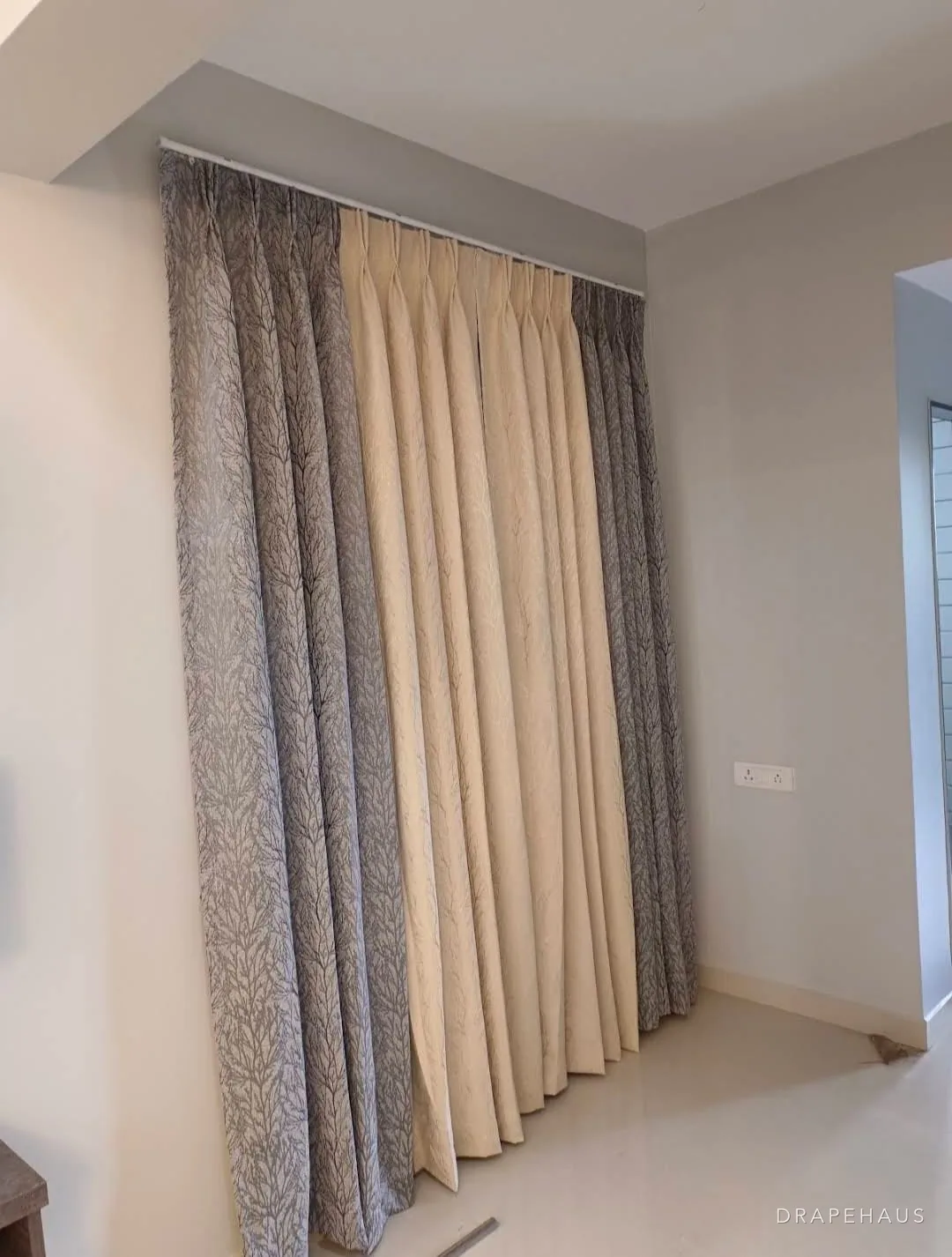
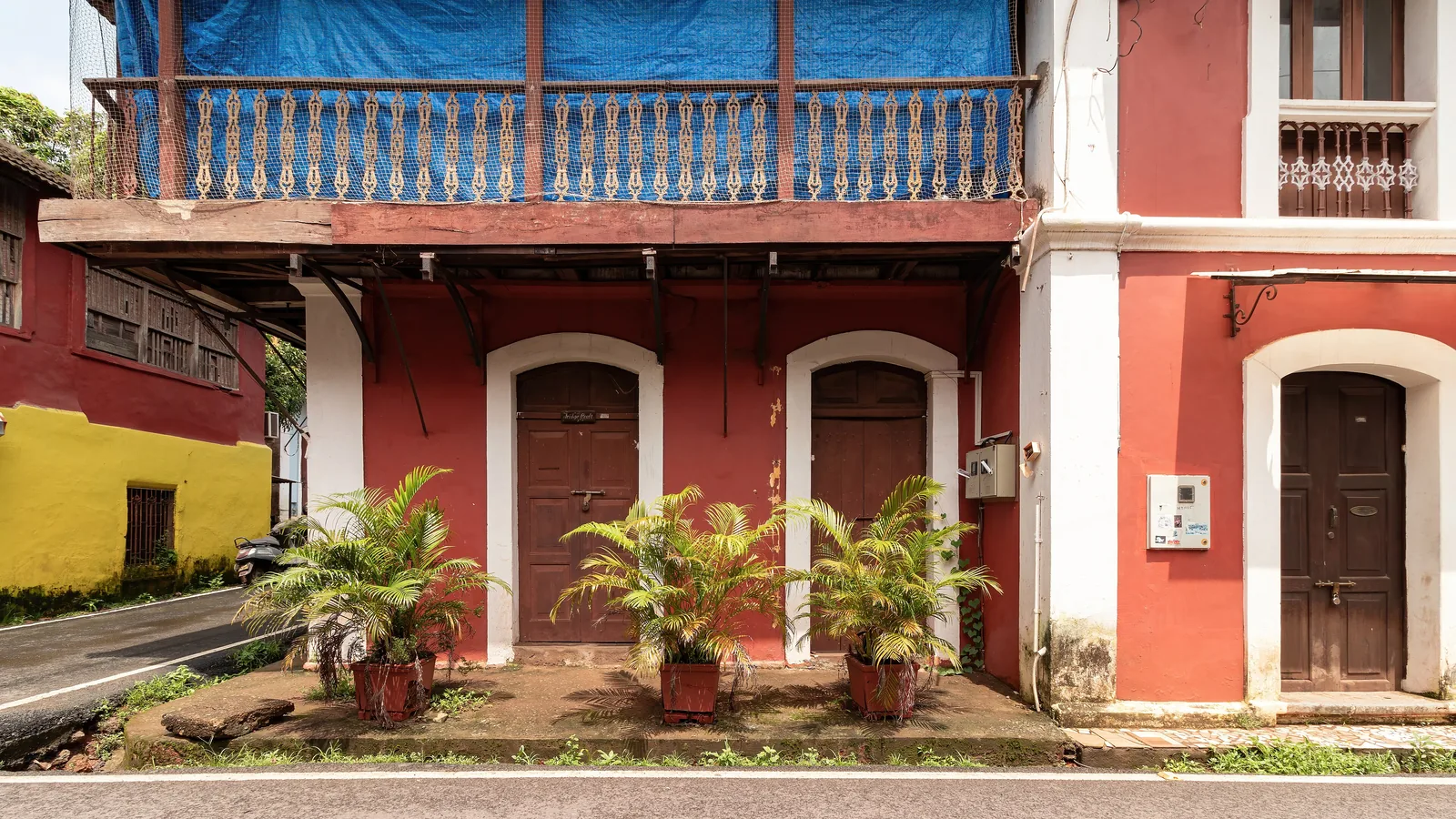
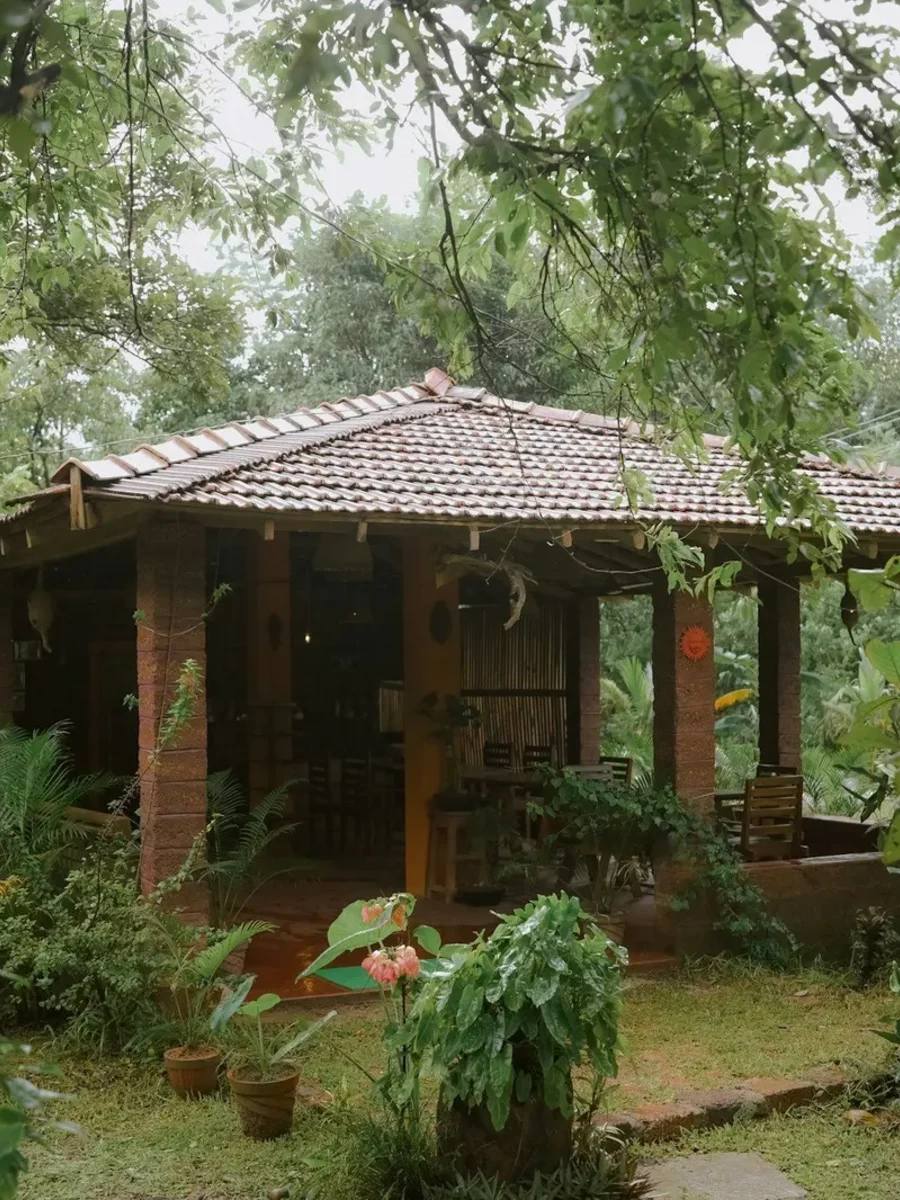
An old Portuguese house for sale in Goa is rarely just a house. It comes with a family history, a roof that has seen a century or more of monsoons, walls of laterite and lime that behave nothing like concrete, and often rooms full of furniture nobody has moved in decades. Buyers fall for the balcão and the tall shuttered windows, and that is part of the point. But the romance needs to be balanced with a hard look at the building before any money changes hands.
There are two separate checks. The first is legal: title, heirs, land classification, coastal and heritage controls, and the duty payable. That belongs with an advocate who handles Goan conveyancing, and our guide to buying a villa in Goa sets out the questions to take to them. Nothing here is legal advice. The second check is physical: what condition the house is in, what it will take to make it sound, and whether it can become the home you have in mind. That is what this guide covers.
We are not surveyors or builders. We are a soft-furnishing studio that works inside these houses, measuring windows, fixing tracks into old walls and ceilings, and seeing what damp, salt and insects have done to them. What follows draws on that, and on conservation guidance for old buildings. For the work that comes after the purchase, read it alongside our guide to restoring an old Portuguese house.
Head and heart: deciding whether an old house suits you
The Society for the Protection of Ancient Buildings, a British conservation body, opens its advice to buyers with a warning that is just as true in Salcete or Bardez: it is easy to be swept away by romance. If what really matters to you is floor area, parking or a modern kitchen, an old house may not be right for you. If you are drawn to character and are willing to live with its quirks, the rewards are real.
Think a few years ahead. An old Goan house is laid out around a sala, a dining room and bedrooms opening off them, often with the kitchen and service rooms at the back. Adding a bathroom to every bedroom, a lift, or an open-plan kitchen may mean cutting walls that hold the house up or changing a facade that defines it. SPAB's point is that in a modern house such changes may be simple, and in an old one they may not be. Ask early whether the house can fit your plans without major change.
Ask, too, about the paperwork in broad terms before you fall in love. Old family houses often pass down through generations, so who owns the house, and whose consent a sale needs, is a question for your advocate to answer from the records. The same applies to whether the house is listed or sits within a heritage area where repairs and alterations need permission. SPAB warns British buyers that whoever buys a listed building altered without consent inherits the liability; ask your advocate and the planning authorities whether anything comparable could apply to the house you are looking at.
Fall for the house, then look at it again with a torch, a ladder and someone who knows old buildings.
The roof: tiles, rafters and the timber ceiling
Begin at the top, because in Goa the roof decides everything else. The India Meteorological Department puts the state's normal annual rainfall at about 3,370 mm, with around 91% of it falling between June and September and roughly a third in July alone. A roof that lets even a little of that through will have been wetting timbers and walls for months every year.
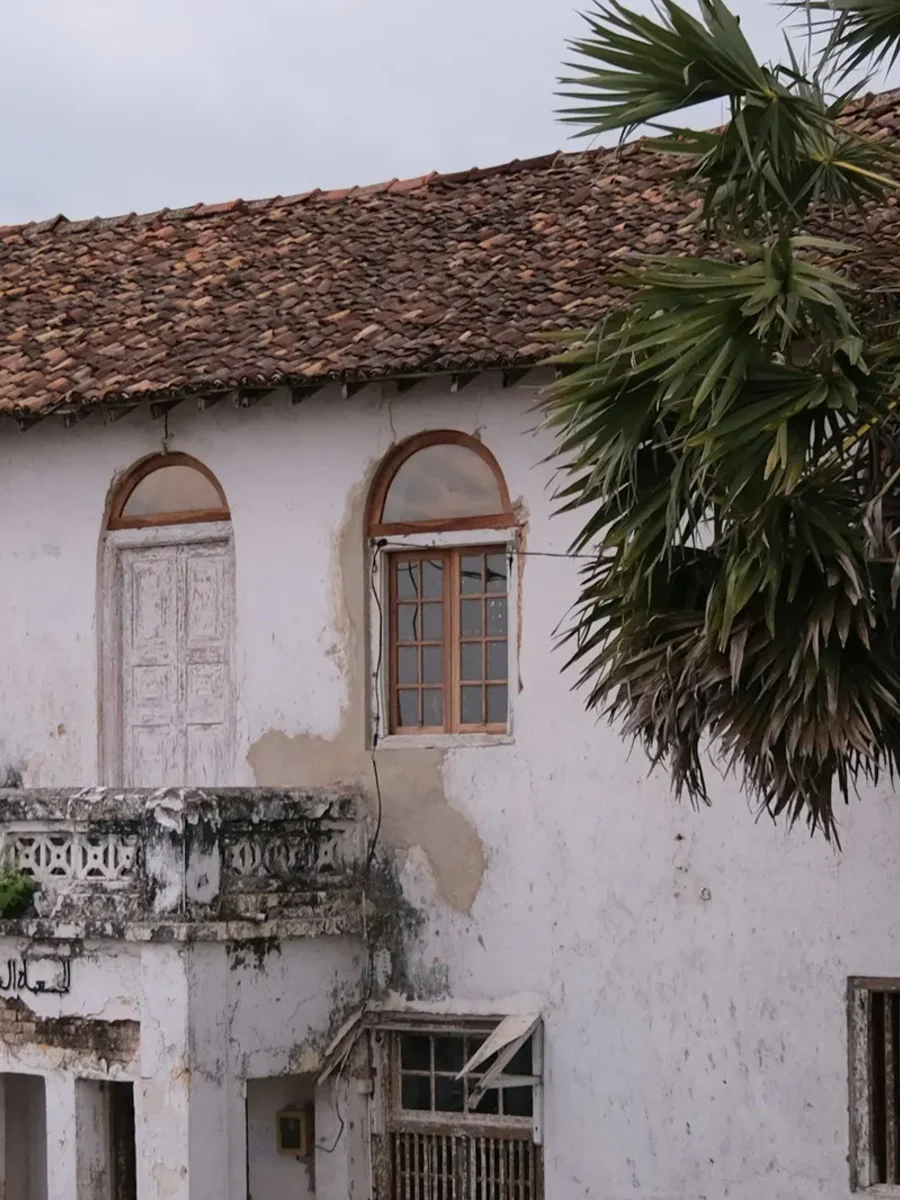
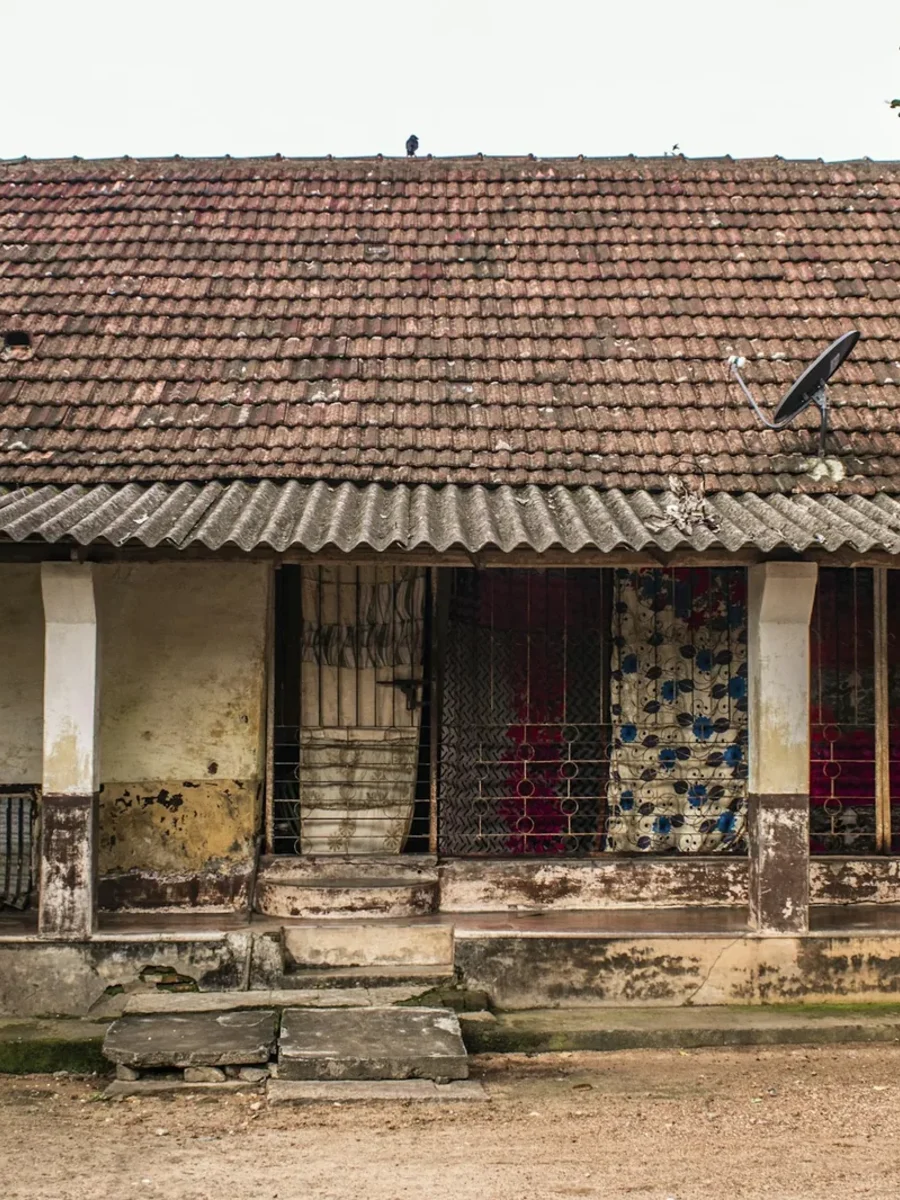
From outside, look along the ridges and eaves for dips and waves, which suggest rafters or wall plates that have sagged or decayed. Look for slipped, cracked and mismatched tiles, plastic or metal sheets laid over the tiles, and fresh mortar along ridges. Inside, look at the ceiling for brown tide marks, sagging boards and dust or powder on the floor beneath. Where there is no ceiling, look up at the rafter feet where they sit on the walls; that is where water and insects do their worst.
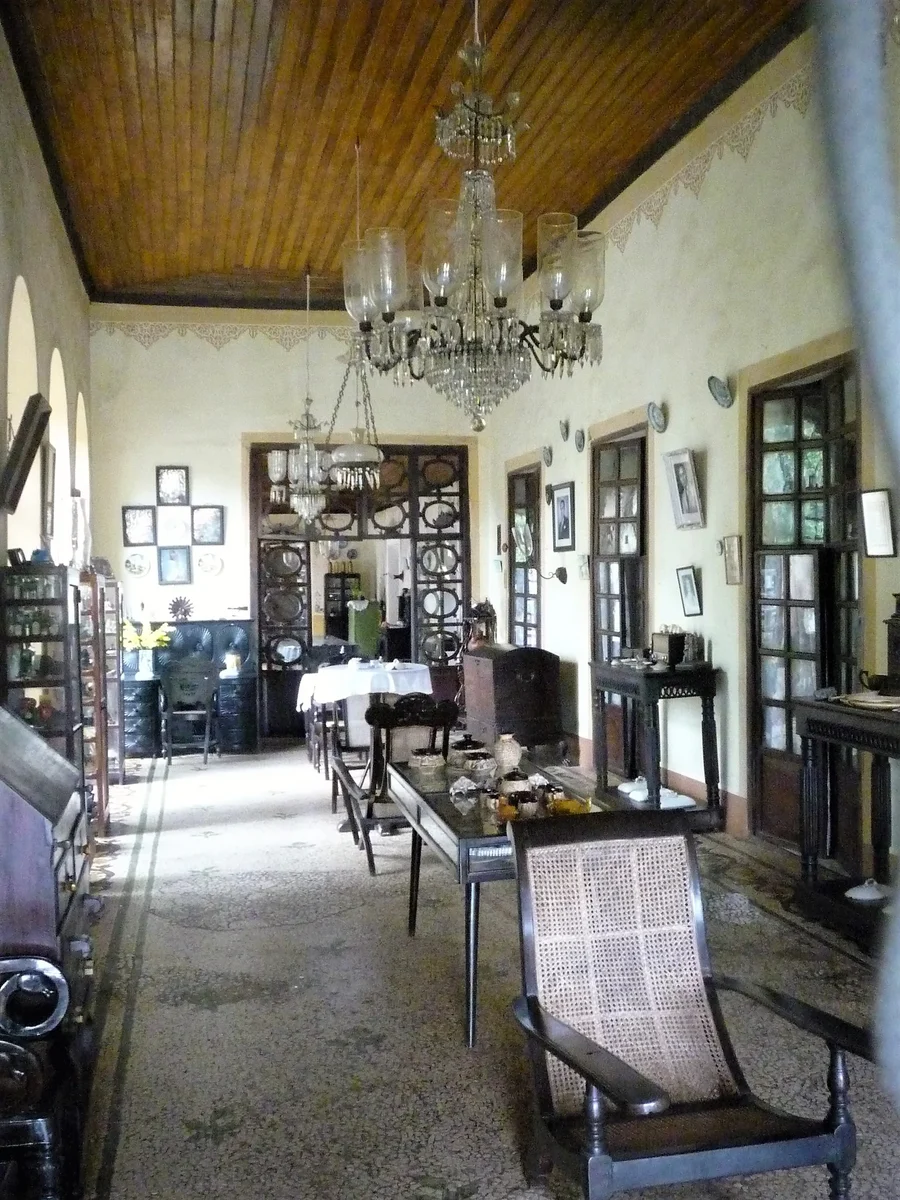
Ask when the roof was last relaid and by whom, and ask to see the roof space if there is any way in. Many old houses have a timber false ceiling that hides the rafters entirely, so a buyer sees only the underside of the boards. Our guide to wooden ceilings in old houses explains what the common faults look like and what they usually mean.
Planning something like this?
We visit homes across North and South Goa, measure on site, and bring samples to see in your own light.
Laterite walls, lime plaster and the plinth
The walls of an old Goan house are usually laterite, bedded and plastered in lime, and they stay healthy by letting moisture evaporate. SPAB's guidance on breathability explains why: materials in old buildings need to let absorbed moisture evaporate fast enough that it does not build up, because accumulated moisture leads over time to decay, mould and insect attack. Walls that have been rendered in cement, sealed with plastic paint or waterproofed from outside often hold water instead.
On a viewing, run your eye along the base of every external wall, inside and out. Tide marks, blistered or powdery paint, plaster that sounds hollow when tapped, and white salts blooming through the surface all suggest water rising from the ground or splashing up from it. Look at the plinth, the raised base the house stands on: is the ground outside now higher than it was, so rain sits against the wall? Are there open drains, blocked gutters or downpipes that discharge straight onto the plinth?
Cracks are worth noting but not panicking over. Hairline cracks in old plaster are common; long diagonal cracks, cracks that run through the stone, bulging walls and lintels that have dropped are a different matter and need a structural engineer. SPAB also warns buyers against miracle cures for damp. In an old Goan house, the answer is usually to find and stop the water source and let the wall dry, not to coat it.
Timber floors, stairs, doors and windows
Two-storey Portuguese-era houses often have timber upper floors and staircases, and these deserve as much attention as the roof. Walk every floor. Bounce gently in the middle of each room and near the walls; a floor that dips, creaks loudly in one spot or feels soft near an outside wall may have decayed joist ends. Look underneath from the ground floor if you can, at the joists and the beams that carry them.
Termites and wood-boring beetles are the main threats. The US Environmental Protection Agency notes that most people only discover termites when they see a swarm or find damage, and suggests probing wood with a flathead screwdriver for hollow spots. Earthen tracks on walls, hollow-sounding skirtings and door frames, and sagging thresholds are all signs to follow up. Wood-boring beetles leave small round holes with fine powder; University of Kentucky entomologists note that powder the colour of freshly sawn wood suggests an active infestation, and that one group of these beetles, which can seriously damage beams and joists, needs damp wood to thrive. Damp and insects travel together.
Windows and doors are both a structural check and a furnishing one. Open every shutter. Note which ones close fully, which have rotted sills or bottom rails, which still have their oyster-shell or old glass panes, and which have been replaced. SPAB's view is that repair is better than replacement, and in these houses old joinery is often worth piecing in rather than throwing out. A full set of working shutters is the best storm protection and blackout an old house has, so their condition matters to how the house will live.
Services: wiring, water and drainage
SPAB's advice to new owners of old buildings is to deal with the boring things first: the roof, gutters, drains and electrics, before kitchens, bathrooms and decoration. In an old Goan house these services are often the weakest part, because they were added in stages to a building never designed for them.
Wiring is the first concern. Look for old cable, surface wiring that has been added piece by piece, fuse boards with no modern protection, sockets in damp walls and wires running through the roof space where rats can reach them. Ask a qualified electrician to inspect and test before you buy, and assume that a house unused for some years will need significant electrical work. If you intend to motorise curtains in a tall sala or fit air conditioning, power needs planning into that work, not adding later.
Water and drainage come next. Find out where water comes from, whether there is a well, how waste water and sewage leave the property, and where the rainwater goes. Check for leaking pipes in walls and under floors, which often show as a single damp patch that does not match the pattern of rising damp. The EPA notes that a musty smell often means hidden mould even where none is visible; open built-in cupboards and smell them, especially those on outside walls and near bathrooms.
Bringing a furnishing eye to the walk-through
Most buyers walk through an old house thinking about walls and roofs, and rightly so. It is worth adding a second pass with furnishing in mind, because the windows, ceiling heights and existing furniture of an old Goan house shape what it will cost and take to live in. Take a tape measure and a camera, and note the following as you go.
Window sizes and shapes come first. Old houses often have tall windows, arched heads, deep reveals and openings of slightly different sizes even within the same room. Each will need made-to-measure curtains or blinds, and very tall ones may need ceiling-fixed tracks or motorisation to be practical. Note whether the reveals are sound enough to take fixings, or whether the timber frame or ceiling would be better; our guide to arched and odd-shaped windows explains the options.
Then the furniture. Many old houses come with almirahs, beds, chairs and settees that have stood in the same rooms for generations. Some will be fine pieces worth keeping, some will be beyond saving, and many will be sound frames with tired seats. Look for woodworm holes, soft legs and split joints, and for musty upholstery. A good frame can be re-caned or reupholstered; our reupholstery work often starts with exactly these pieces. Decide early what stays, because it affects room layouts, colours and what you need to buy.
- Measure every window: width, height, depth of reveal, and the height from the top of the window to the ceiling.
- Note ceiling heights room by room, and whether the ceiling is timber that can take a track.
- Photograph shutters, shell panes and any original curtain poles or brackets.
- List furniture that comes with the house and mark what might be worth restoring.
- Note which rooms face west or south-west, where sun and driven rain will be strongest.
- Check whether windows will take insect screens without damaging original joinery.
Timing, surprises and the monsoon
Restoration in Goa has a season. The monsoon normally sets in during the first week of June, according to the IMD, and from then until the end of September the house is wet and outdoor work is slow or impossible. Roof and external work belong in the dry months, ideally finished before June so the house goes into its first monsoon under your ownership closed and draining properly. If you complete a purchase in March, that leaves very little time; if you complete in October, you have a full dry season ahead.
Plan your spending with room for surprises. Old houses hide things: rotten timbers under sound-looking floors, laterite that crumbles once old plaster comes off, services that have to be replaced end to end. We cannot give figures, and you should be wary of anyone who gives firm ones before the house has been properly surveyed. What helps is a phased plan: make the house sound first, live in it or watch it through one monsoon if you can, and then decide on interiors. SPAB makes a similar point about settling in before making big changes, and about not counting on grants.
If you can, view the house again during or just after the rains. A house seen only in the dry season, aired and perhaps freshly painted, shows far less than the same house in August. Once the purchase is done, our guide to moving into an old Goan house covers the first months, and the Portuguese heritage house guide shows how we approach furnishing these homes. When you are ready, we are happy to walk the house with you and plan windows and furnishings alongside the restoration.