 Drapehaus
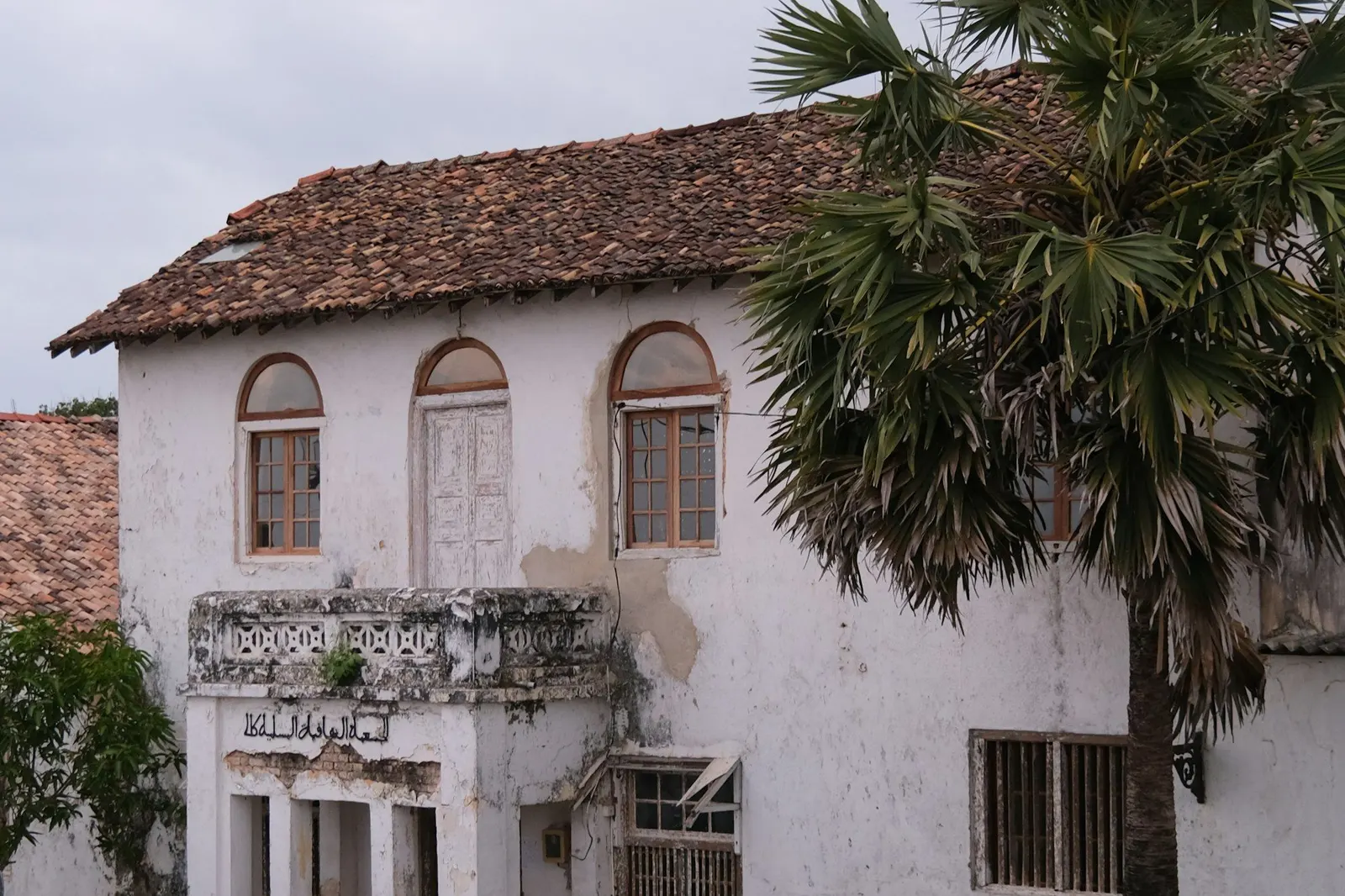
Old house renovation in Goa goes wrong in a predictable way. The owner starts with what is visible — a new kitchen, fresh paint, air conditioning — while the roof still leaks and the walls are still wet. A season later the paint blisters, the plaster falls and the new work has to be redone. Restoring an old house well is mostly a matter of doing things in the right order.
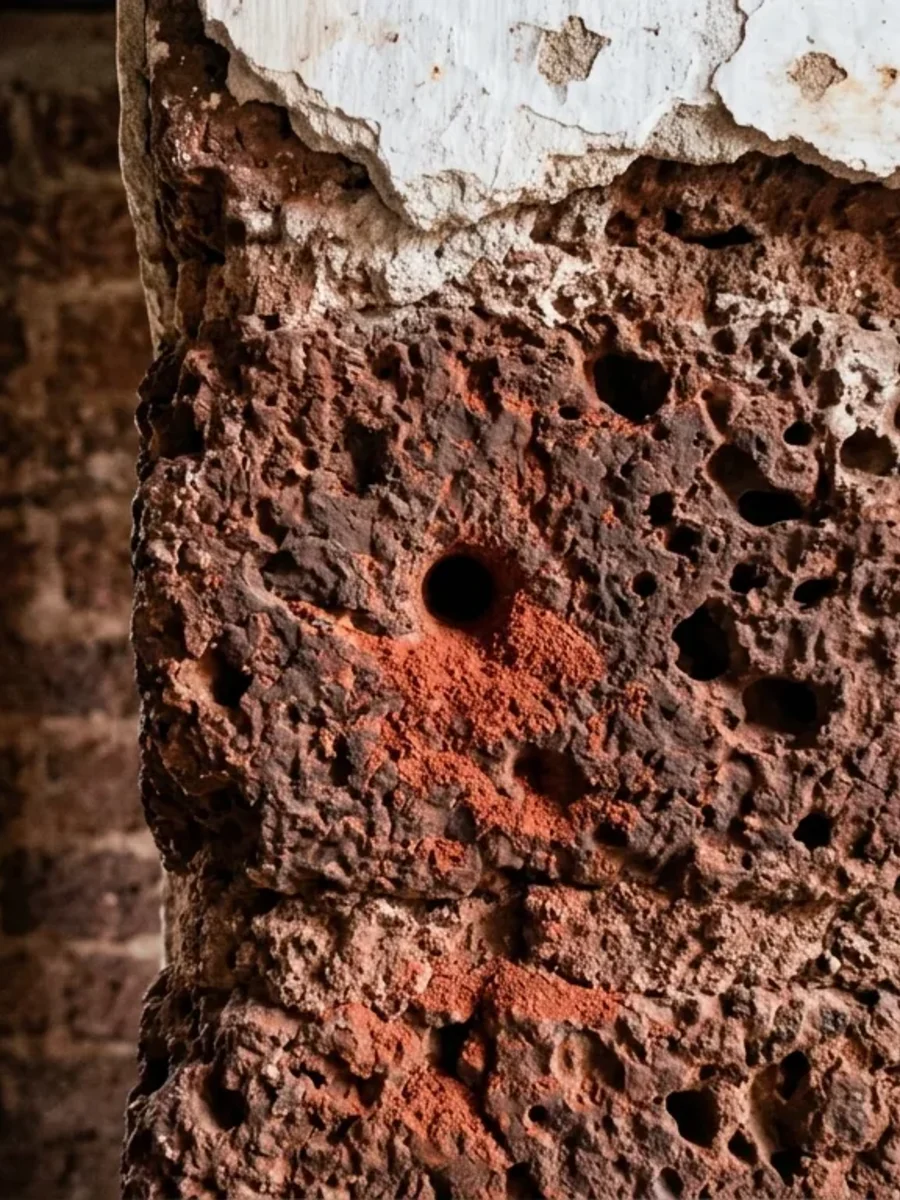
The order is not a matter of taste. A Portuguese-era Goan house is built of porous laterite and lime plaster under a timber and clay tile roof, and it stays healthy by shedding water from the outside and letting the walls dry from the inside. Almost every good decision in a heritage home restoration protects that behaviour; almost every bad one interrupts it.
What follows is the sequence we see work, from survey to soft furnishing. It is written for owners, not builders. Structural, legal and conservation decisions belong with a conservation architect and a structural engineer; Drapehaus comes in at the end, for the textiles and window treatments and for fixing them into old walls without harm.
Why old house renovation in Goa is different
Goa's normal annual rainfall is about 3,370 mm, and roughly nine-tenths of it falls between June and September, with morning humidity in Panjim around 91% in July and August. A house that is even slightly open to water through that season will be wet for months. That is why the roof and rainwater come before everything else, and why a restoration programme should be planned around the monsoon rather than across it. If water does get in, speed matters: the US EPA advises that drying wet materials within 24–48 hours will in most cases prevent mould from taking hold.
The second difference is the material. Traditional old buildings rely on being permeable: the Society for the Protection of Ancient Buildings describes how they allow absorbed water to evaporate back out, and how hard, impervious cement renders restrict that evaporation and can cause or accelerate serious decay. Treating a laterite house like a concrete one — sealing it, rendering it, waterproofing it — is the commonest route to a damp, failing house.
Water out first, walls breathing second, interiors last.
Lime, not cement: the reasoning
Cement is stronger and more rigid than the laterite and lime around it. When the wall moves slightly with heat and moisture, a cement render does not move with it; it develops hairline cracks, and those cracks draw rainwater in. Because cement is far less permeable than lime, that water cannot get out again through the face, so it moves inward, into the stone and onto the internal plaster, bringing salts with it.
Lime plaster and limewash behave differently. They are softer and more permeable, so moisture that enters the wall can evaporate back out during dry weather, and they wear back evenly over time rather than failing in patches. SPAB also notes that permeable materials buffer moisture, taking it up when the air is humid and releasing it when it dries. In Goa's climate that buffering is not a nicety; it is how the wall survives the monsoon.
The same logic applies to paint. Plastic emulsions and waterproof coatings on an old laterite wall trap moisture behind a skin that eventually blisters. Limewash or a genuinely breathable mineral paint is the safer finish, and it is closer to the original look. Limewash needs renewing more often than modern paint, but it weathers gracefully rather than peeling, and renewing it is simple work.
Planning something like this?
We visit homes across North and South Goa, measure on site, and bring samples to see in your own light.
Windows, doors and timber: repair before you replace
The timber in these houses is often better than anything that can be bought today, and the joinery was made for the openings it sits in. A rotten sill or a split shutter leaf can usually be pieced in by a good carpenter. Replacing whole windows loses the original fabric and, often, the proportions that made the facade work.
Oyster-shell windows need particular care. Few people now make them, and owners restoring old houses commonly keep every usable shell panel and fill gaps with glass where shells cannot be found. Our piece on oyster-shell windows covers care and repair. Treat for termites as part of the timber work rather than after it; the termites and timber guide explains what to look for.
Services, routed sensitively
Wiring, plumbing and air conditioning are where a restoration most often damages the house. Chasing cable runs into laterite walls weakens them and breaks up the plaster; cutting large openings for ducts or split units through a facade changes the elevation for good. Before anything is cut, plan routes that use what the house already has: floor voids, the space above a wooden false ceiling, the backs of cupboards, and the thickness of internal partitions.
Surface-run conduit, neatly done and painted to match, is often the better conservation choice than a chase, because it can be removed later without trace. Air-conditioning outdoor units belong at the back of the house or in a service court, not on the street front or on the balcão. Keep the old house's ventilation working too: a room that relies entirely on AC and is sealed shut is a room that will struggle with damp during the monsoon.
Heritage policy, approvals and professionals
Goa's cabinet approved a State Heritage Policy in June 2025. As reported at the time, it proposes a Goa State Heritage Council and a GIS-based heritage register and offers financial and technical support to private heritage homes, including adaptive reuse for tourism. How that support is administered, and which houses it covers, depends on implementation that may have moved on since; check the current notification with the relevant department before you plan around it.
Separately, listed buildings and houses within heritage precincts may be subject to planning controls on alterations. A conservation architect will know the current position and can prepare the survey and drawings that any application needs. It is worth doing early, because the most damaging mistakes in old Portuguese house restoration are the ones that have to be undone.
Where soft furnishings fit in
Textiles and window treatments should be among the last things to go in, for two practical reasons. New plaster needs time to cure and dry, and fabric hung against a wet wall will mark and mildew. And many decisions about curtains depend on things the restoration settles: whether the shutters work again, whether the panes are shell or glass, how tall the room reads once the ceiling is repaired.
The part that should be planned early is fixing. Old laterite and lime plaster do not hold standard wall plugs under the repeated pull of a curtain; resin anchors into sound masonry, fixings into the hardwood window frame, or a ceiling-fixed track are the usual answers. Our guide to fixing into laterite and old walls goes into detail, and it is worth telling your carpenter where tracks will go before the ceilings are closed. We measure on site once the walls are finished, as described in how we work.
The restoration sequence, step by step
A typical order of work for an old Portuguese-era house in Goa. Your conservation architect will adapt it to the building.
Survey and record the house
Commission a measured survey and condition report from a conservation architect before deciding anything. Photograph every room, window and ceiling, note what is original and what has been altered, and check with the relevant authorities whether the house is listed or in a heritage precinct. Record where damp, cracks and timber decay appear, and when.
Make the roof and rainwater good
Repair or relay the clay tile roof, replace failed timbers, and fix gutters, downpipes and the ground drainage that carries water away from the plinth. Plan roof work for the dry months between November and May, so the house goes into the monsoon closed. Nothing inside is worth doing while water still gets in.
Let the walls dry, then repair in lime
Remove cement patches and plastic paints where they are trapping moisture, allow the walls time to dry, then repair with lime plaster and finish with limewash or a breathable mineral paint. Where damp persists, look for its source — a leak, a blocked drain, raised ground outside — rather than sealing the surface.
Repair structure and timber
Have a structural engineer assess cracks, lintels and floor structure. Piece in rotten timber rather than replacing whole members, treat for termites as part of the work, and repair the wooden false ceilings. Keep original floors where possible; lifting old tile or wood often destroys more than it saves.
Route services sensitively
Run wiring and plumbing through existing voids, ceilings and internal partitions, or in neat surface conduit, rather than chasing laterite walls. Place air-conditioning units away from the facade and balcão. Plan now for anything that needs power at the windows later, such as motorised curtains in a tall sala.
Repair windows, shutters and shell panes
Overhaul existing windows and shutters rather than replacing them: new sills, eased hinges, repaired frames. Keep every usable oyster-shell panel and use glass only where shells cannot be found. Make sure every shutter can close again, because it is the best storm protection and blackout the house has.
Finish interiors and furnishings last
Once the plaster has cured and the house has been through a dry spell, decide on lighting, furniture, textiles and window treatments. Fix curtain hardware into sound masonry, the window frame or the ceiling rather than into plaster, and keep fabrics a little off external walls so air can move behind them.