 Drape Haus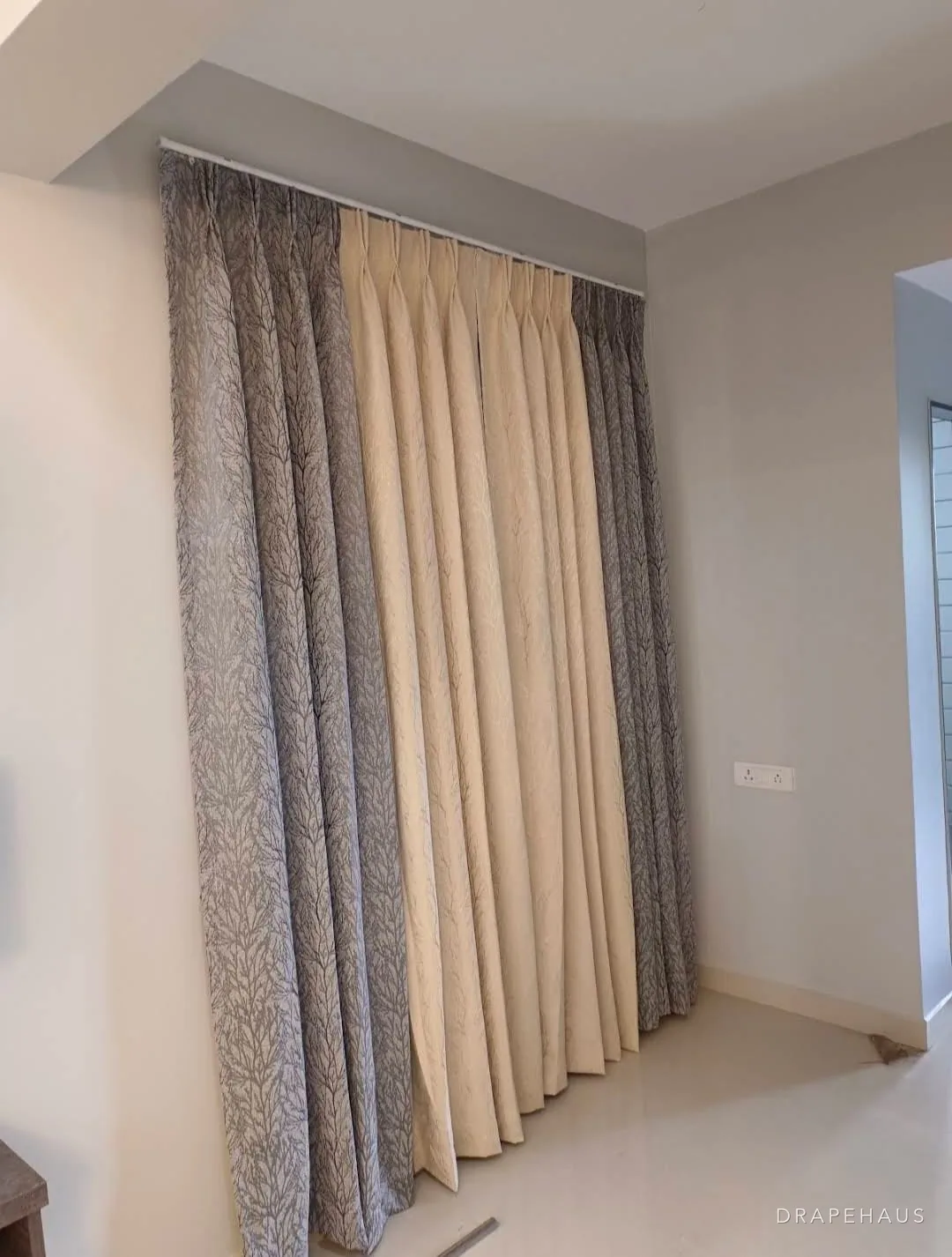
Drape Haus
Preparing the room
Drape Haus
Preparing the room
Hardware
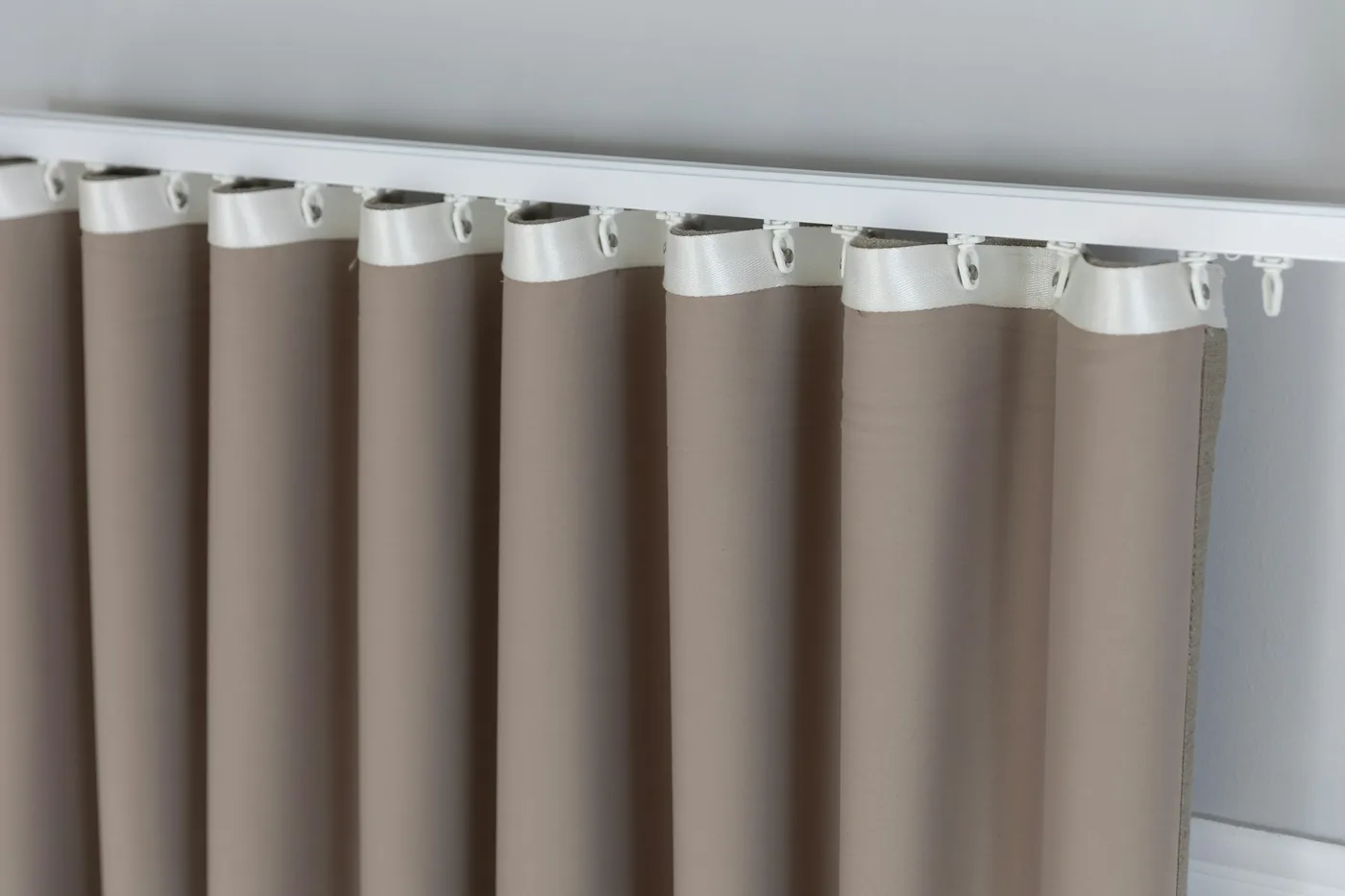
A track fixed to the ceiling rather than the wall, so the curtain rises straight from the ceiling plane and falls to the floor. It makes rooms look taller, closes off light over the top and hides the hardware — if the ceiling above can carry it.

Fabric
Heading
Opening
Track length
330 cm
about 73 cm past the window each side
Fullness
2.25×
fabric to track
Fabric width
7.3 m
finished, before hems
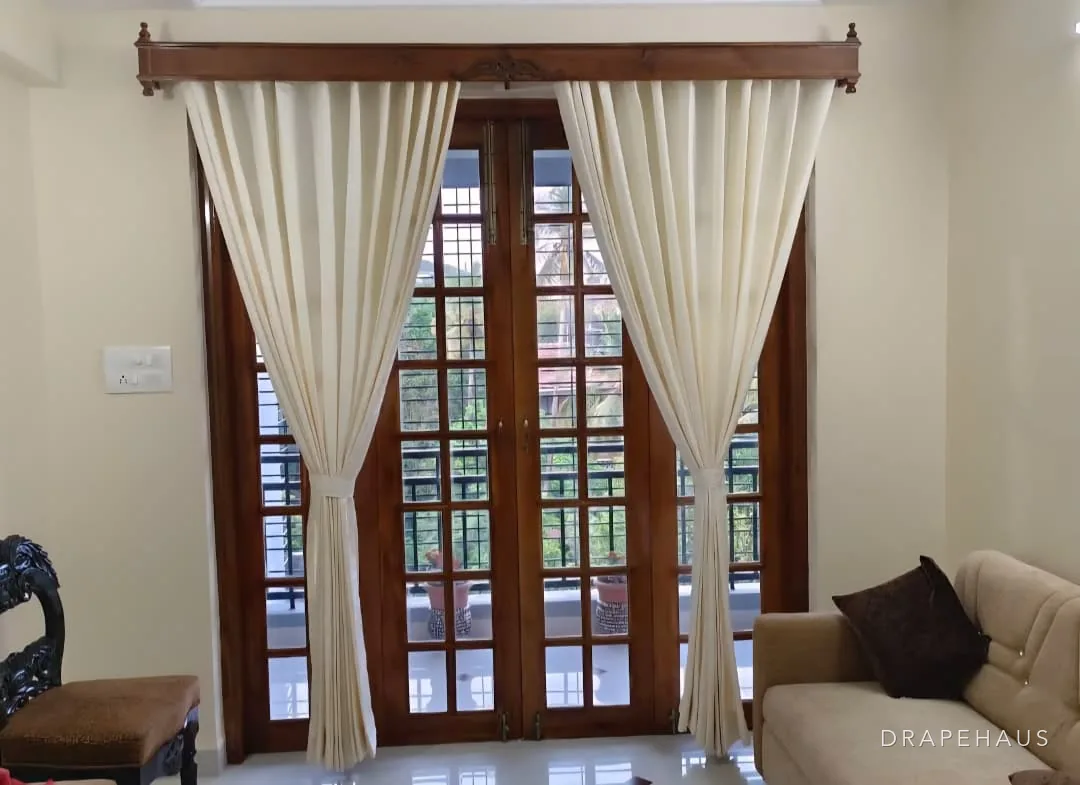
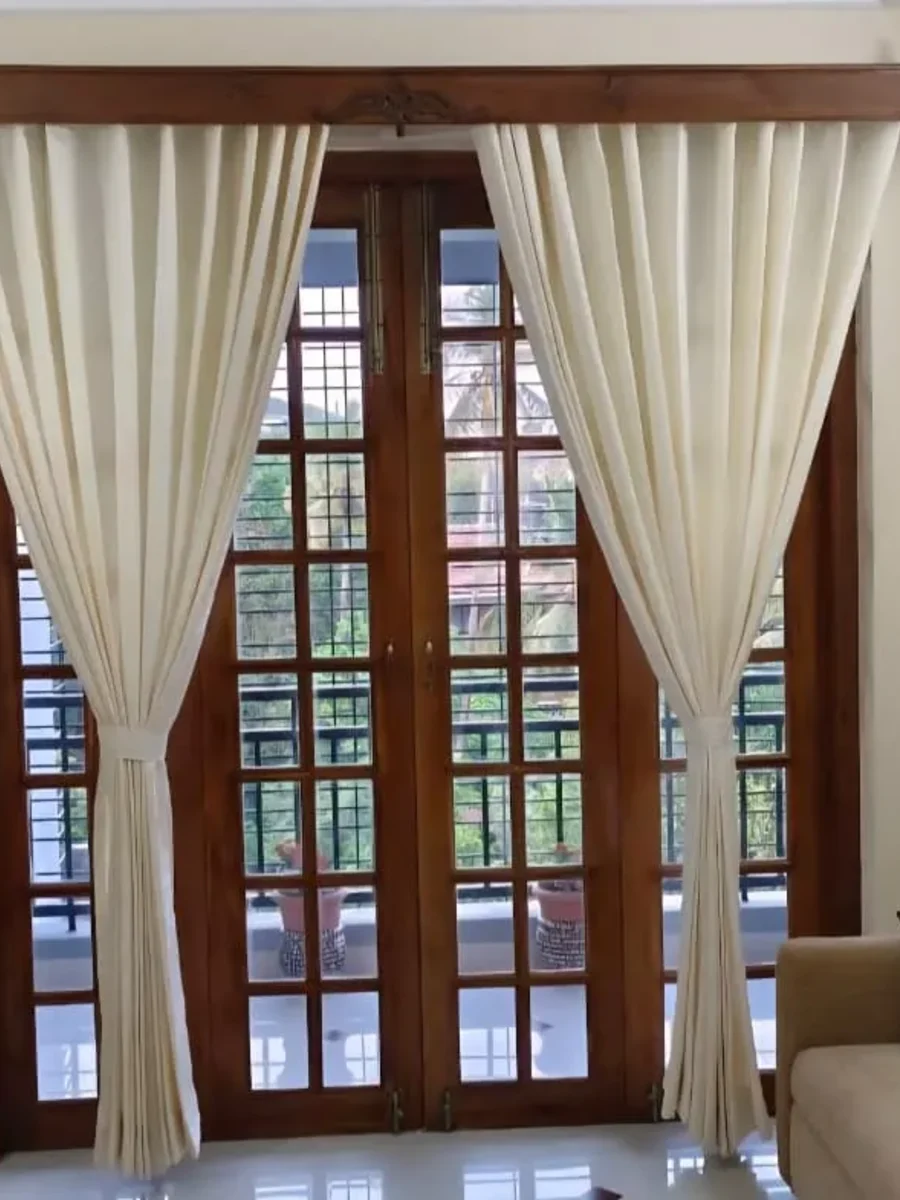
Run the track past the window by the stack, and the open curtains frame the glass instead of covering it — the room keeps its light and the window looks wider. Needs wall space either side; we check that, and the fixing, on site.
In short
By the Drape Haus studio · How we write
Is it right for you?
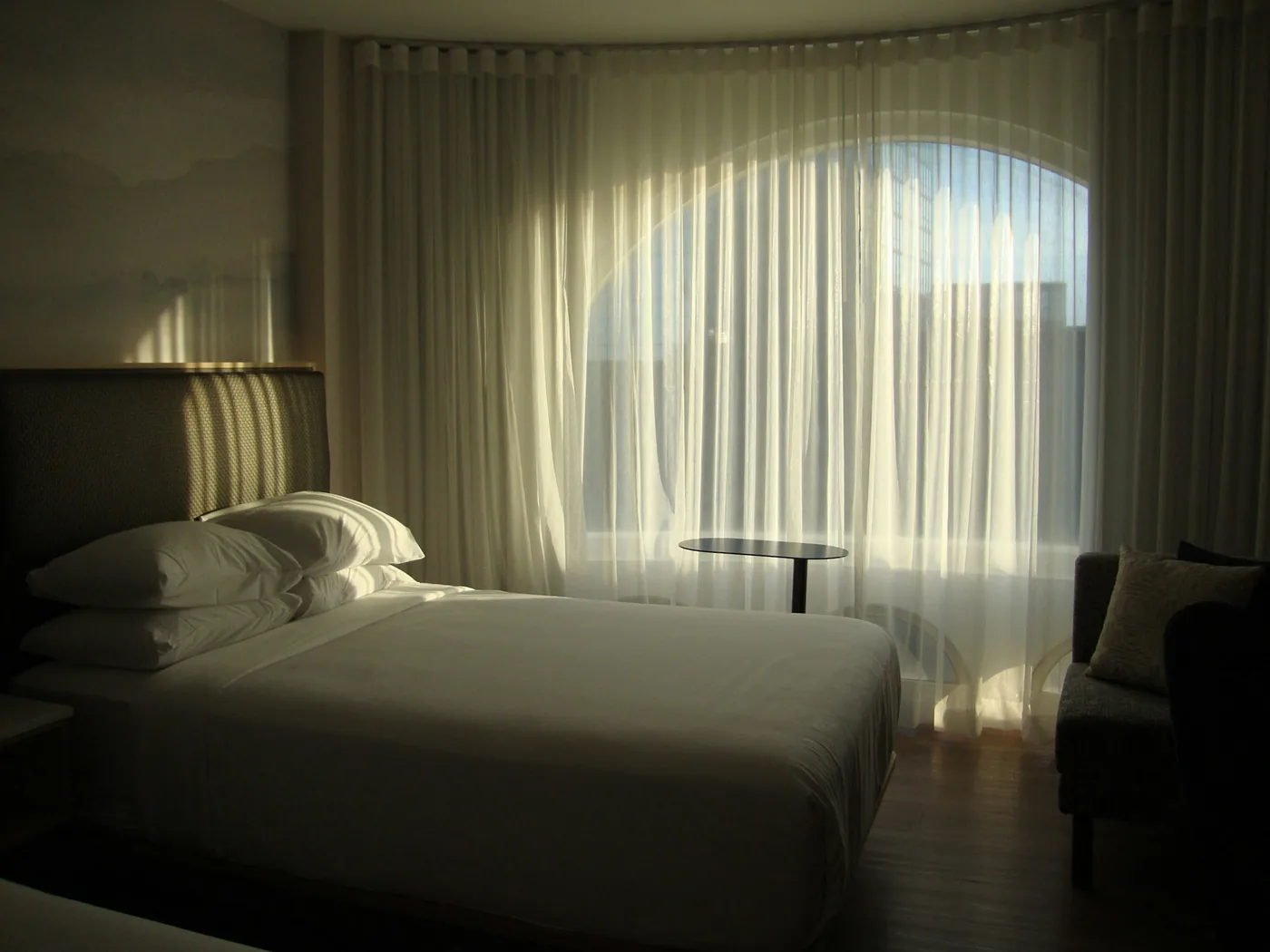
A ceiling curtain track changes how a window reads. With a wall-fixed track or rod, there is a band of wall above the curtain and the window looks its actual size. With the track on the ceiling, the curtain runs from ceiling to floor in one uninterrupted drop, the wall disappears behind fabric and the room feels taller. It is the single most effective way to give a modest window presence.
It is also practical. A curtain hung from the ceiling closes the gap above the heading, which is where dawn light finds its way into a bedroom even when the curtain fabric is blackout. And with no brackets on the wall, the window wall stays clean, which suits modern flats with flush plaster and villas with big expanses of glass.
The catch is the ceiling itself. Concrete slabs are straightforward; false ceilings need planning; timber ceilings in older houses need care; and very high or sloping ceilings change the approach. Where none of those can carry a track sensibly, a wall-fixed track set high is the honest alternative, and we will tell you so.
The details
Most of the work on a ceiling track is understanding the ceiling. A concrete slab takes fixings directly. A gypsum false ceiling does not: the board alone will not hold a loaded track, so it needs timber or metal backing along the track line, or fixings through to the slab above. A timber ceiling in an older house means finding the joists or rafters and fixing between them with care.
The track position matters as much. Set too close to the window, the curtain catches on handles, sills and frames; set too far out, it looks detached and wastes floor space. We measure the projection of everything on the window wall before marking the ceiling.
For the cleanest finish, a track can be recessed into a channel in a false ceiling so only a slot shows. That has to be planned before the ceiling is closed, together with any power point for a motor — the reason we prefer to be involved while the ceiling is still on the drawing.
Ceiling tracks suit pleated, pencil and ripple-fold headings, single or double, and are the usual base for motorised curtains.
Your options
The track profiles are much the same as wall-fixed ones. What differs is how and where they meet the ceiling.
Swipe for all 6 →
The honest view
Rooms look taller
Floor-to-ceiling fabric draws the eye upwards and hides the head of the window frame.
Darker bedrooms
No gap above the heading, so less light creeps over the top of a blackout curtain.
Clean window wall
No brackets on the wall, which suits flush plaster, tiles and large areas of glass.
Ideal for layers and motors
Double ceiling tracks for sheer and blackout, and motorised tracks, sit neatly overhead.
Depends on the ceiling
A false ceiling without backing, or old timber, makes fixing harder and sometimes rules it out.
Longer, heavier curtains
Curtains falling from the ceiling are longer than wall-hung ones, so they need more fabric and stronger fixing.
Planning for recessed tracks
A recessed track has to be built into the ceiling at the right time. Afterwards it means opening the ceiling up.
Side by side
The alternatives are a wall-fixed track, a rod on wall brackets and a recessed ceiling track.
| Ceiling track (surface) | Recessed ceiling track | Wall-fixed track | Rod on brackets | |
|---|---|---|---|---|
| Visual height | Full | Full | Partial | Partial |
| Light over the top | Very little | Very little | Some | Most |
| Hardware visible | Slim profile | Only a slot | Behind heading | Fully on show |
| Ceiling requirement | Slab or backed | Planned channel | None | None |
| Retrofit ease | Good on slab | Difficult | Easy | Easy |
| Motorising | Yes | Yes, with access | Yes | No |
Swipe to compare →
On a slab ceiling, a surface-fixed track gives most of the effect of a recessed one with none of the building work.
Rather see it in your own room?
We bring samples to the house, measure every window, and specify for the light and exposure you actually have.
Room by room
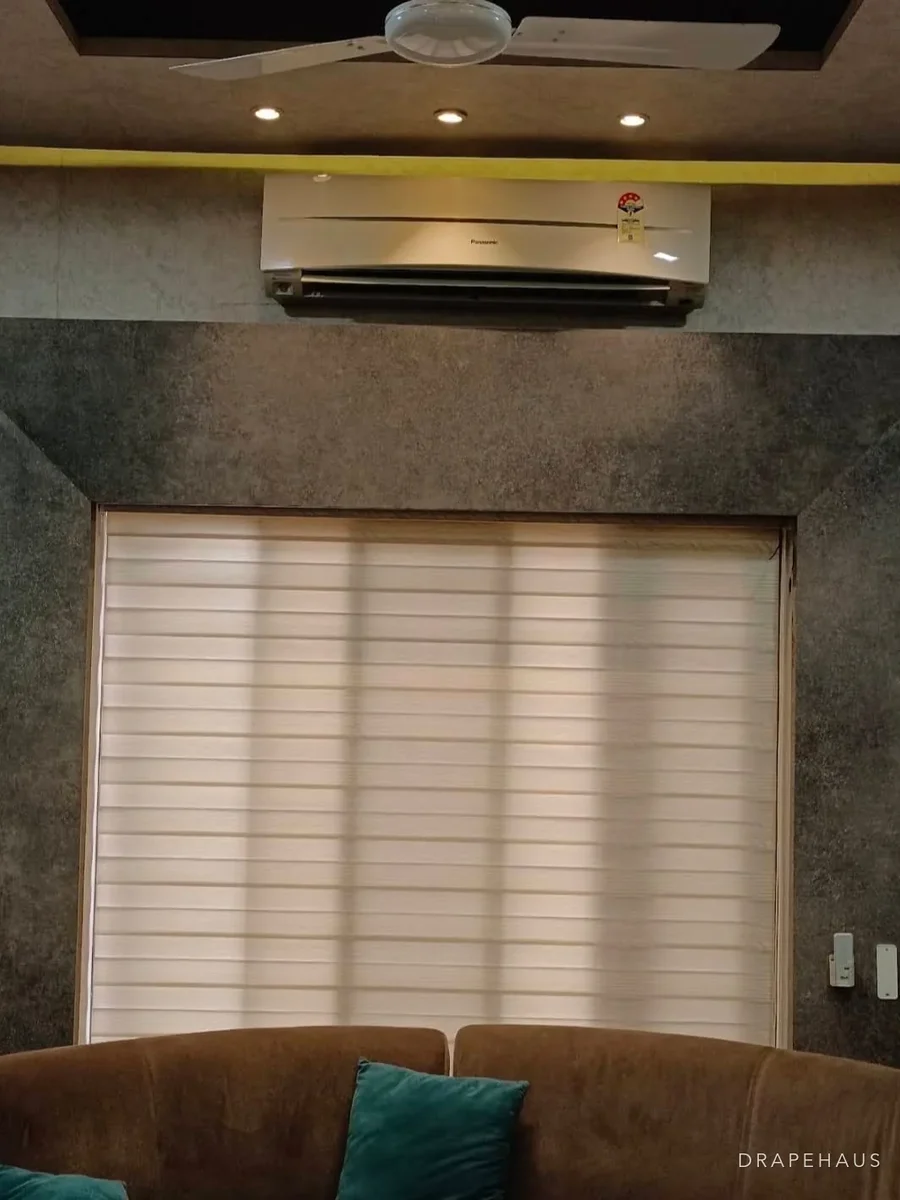
A double ceiling track for a sheer and blackout closes light off at the top and makes the room feel calm and tall.
A ceiling track across the whole wall turns a run of doors into one soft surface when closed and keeps the wall clear when open.
Hanging from the ceiling is the simplest way to make a low room feel higher.
A ceiling track is possible but the drop is long and heavy. Consider a dropped track at a sensible height, and a motor.
Possible with careful fixing into joists. In some rooms a pole at the cornice suits the architecture better.
Floor-length curtains near cooking are rarely practical. A blind is usually better.
The board alone will not hold the track. Backing must be added, or the track wall-fixed instead.
In depth — tap a heading to read
Gypsum false ceilings are everywhere in new Goan flats and villas, and they are the most common reason a ceiling track fails. Gypsum board is not designed to carry a concentrated, moving load. Screws pull through it, and a curtain drawn a few times a day slowly works the fixings loose until the track sags.
The fix is simple if it happens in time: a continuous timber or metal batten fixed to the ceiling framing along the track line before the board goes up. The track then fixes through the board into the batten. If the ceiling is already finished, we locate the framing, fix into it where possible, or use long fixings through to the slab above.
If a false ceiling is still being built, ask for backing along every curtain line now. It is a small step now that saves opening the ceiling later.
The track has to sit far enough from the window wall for the curtain to hang freely. Handles, window stays, sills and grilles all project into the room, and a curtain's folds project behind its track. On a double track, the inner track's curtain must clear the window and the outer track's curtain must clear the inner curtain.
We measure every projection on the window wall before marking the ceiling. The track should also run past the window on each side so open curtains stack against wall, not glass; the curtain rod and track planner on this page shows how much.
A recessed track sits in a channel formed in the false ceiling, often with a shadow gap so the curtain appears to emerge from a slot. It is the most refined finish, and it suits contemporary villas and apartments with plain ceilings.
It also needs the most coordination. The channel width and depth must suit the track and, for double or motorised tracks, the extra width and the motor head. Backing must run the full length, and if there is a motor, a power point and access must be built in. A pocket that is too shallow or has no access is very difficult to fix later.
In double-height rooms, fixing the track to the ceiling gives a very long, heavy curtain that is hard to draw, clean and remove. A dropped track at a sensible height, or a ceiling track with a motor, keeps it usable. On sloping ceilings, the track is fixed to a level batten or hung on rods so it stays horizontal.
Older Goan houses often have timber ceilings or exposed rafters. These can carry a track well, but old timber splits if fixings go in carelessly. We locate the joists, pre-drill, and where the timber is fragile fix a new batten across several joists so the load spreads.
Ceiling fixings sit out of sight, which is exactly why corrosion there goes unnoticed until a bracket fails. Near the sea, use aluminium tracks with stainless screws and ceiling brackets. Where the ceiling is damp — under a leaking terrace or a roof that lets in monsoon rain — fix into sound material and deal with the leak; wet gypsum loses what little strength it had.
Living with it
Look along the track from one end once a year. Any dip means a fixing is working loose.
Dust and cobwebs collect on ceiling tracks. A soft brush on an extension pole keeps them clear.
If water has come through the ceiling, check the fixings once it has dried; damp gypsum weakens.
If the curtain drags, clean the channel and replace any damaged gliders.
For high tracks, use a stable ladder and take curtains down in sections, or ask us.
Avoid these
The track sags and pulls out. Fix into backing, framing or the slab.
Curtains catch on handles and sills. Measure projections first.
A double or motorised track will not fit. Agree the channel size with the track.
A recessed motor with no access panel cannot be serviced.
Ceiling-hung curtains are longer and heavier. Size fabric and track for it.
Checklist
More in hardware
A good curtain on a bad track is a bad curtain — and near the sea, a good curtain on untreated steel is a rust stain running down your wall within one monsoon.
From the Journal
All articlesOur process
One team from the first visit to the last bracket, so nothing is lost between the person who specified it and the person who fits it.
FAQ
Yes, but not into the gypsum board alone. The track must fix into timber or metal backing fitted above the board, into the ceiling framing, or through to the slab.
Far enough for the curtain's folds to clear window handles, sills and frames. We measure the projection on site; it varies with the heading and with double tracks.
For height, a clean line and darkness at the top, yes. A wall-fixed track is simpler where the ceiling cannot take fixings or the window sits well below the ceiling.
Yes, in a false ceiling, if the channel and backing are built before the ceiling is closed. Adding one to a finished ceiling means opening it up.
Yes, with care. We locate the joists or rafters and fix into them or into a batten spanning between them, avoiding splitting old timber.
Yes, if it is a suitable profile and properly fixed into the slab, backing or framing. Blackout curtains are heavier, so bracket spacing is closer.
Usually, by finding the framing or fixing through to the slab. We check with a detector at the visit before committing.
A surface-fixed track shows as a slim line on the ceiling, usually hidden by the curtain heading. A recessed track shows only as a narrow slot.
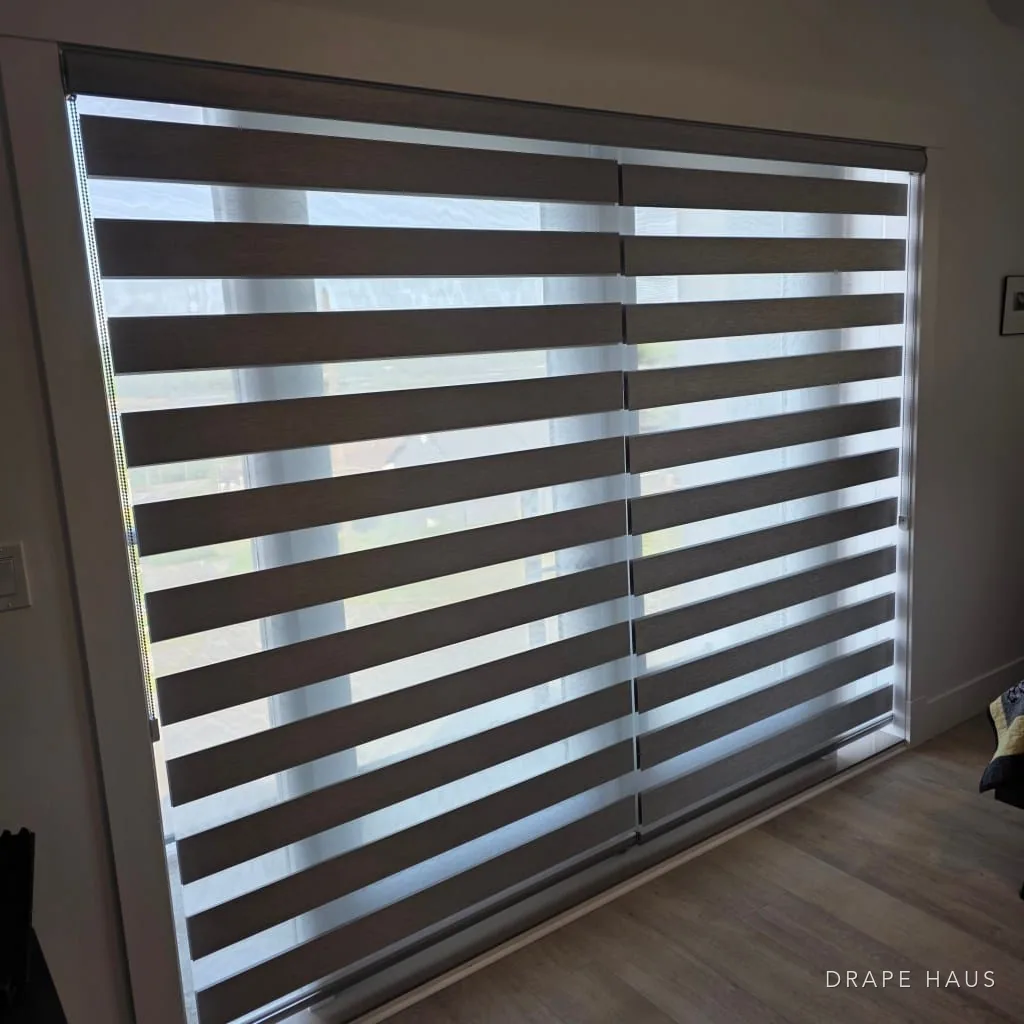
A double ceiling track can carry two curtains. A blind usually fixes separately, inside the reveal or in the same ceiling pocket.
Next step
The best ceiling tracks are planned with the ceiling. If yours is still being built, we can mark the curtain lines, specify backing and pockets, and plan power for motors. If it is finished, we visit, find what the ceiling is made of and where the framing runs, measure every projection on the window wall, and specify the track and fixings with your curtains. Book a home visit to start.