 Drape Haus
Drape Haus
Preparing the room
Drape Haus
Preparing the room
Sliding Nets
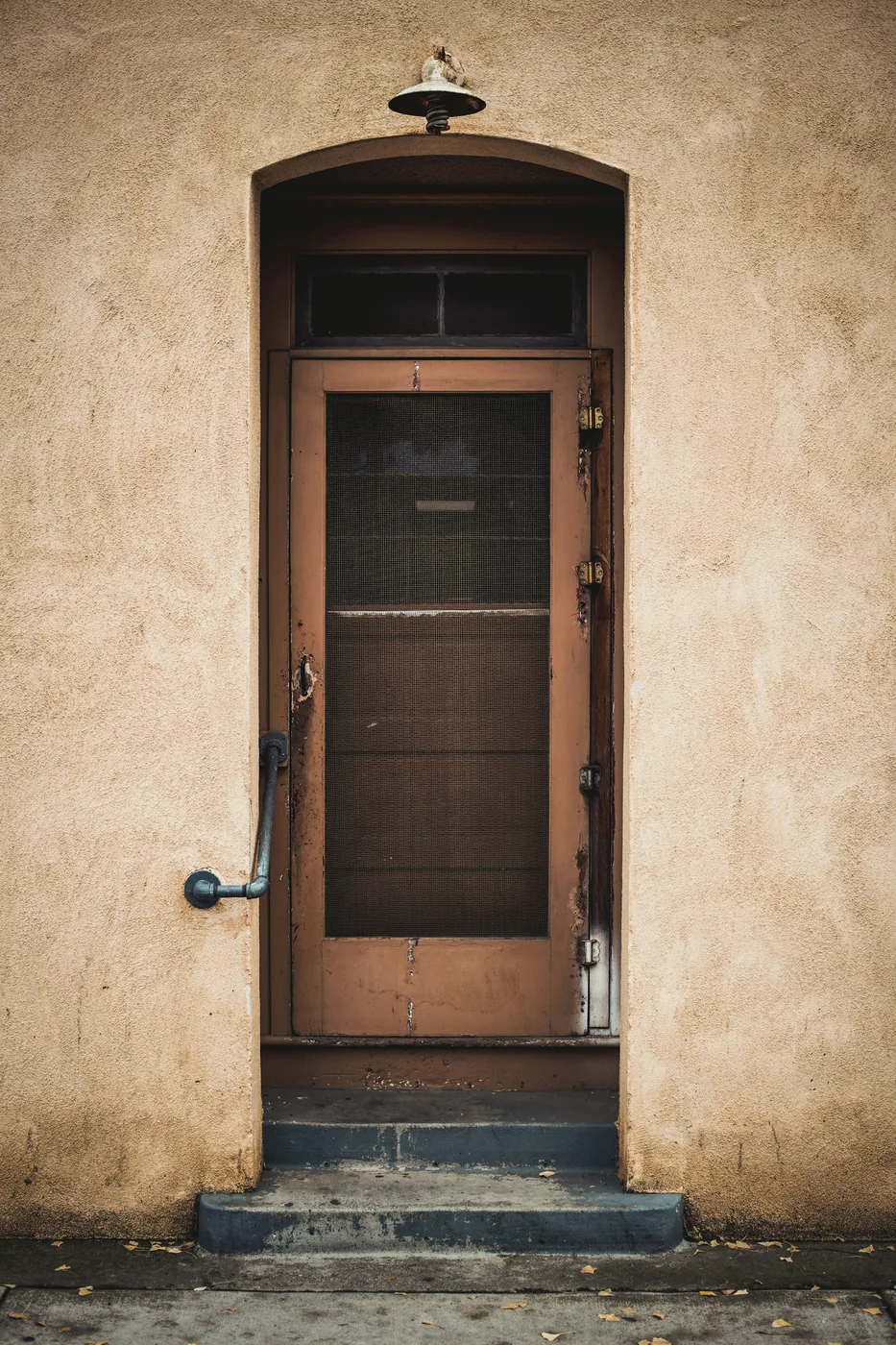
Hinged doors, French doors, sliding glass, kitchen doors to the yard and the main door to the porch each need a different kind of screen. We match the net to the door, how often it is used and who walks through it.
The opening
What matters most
Setting
System
Pleated screen, side-opening
Mesh
Coated fibreglass or polyester mesh
Frame
Powder-coated aluminium, stainless fixings
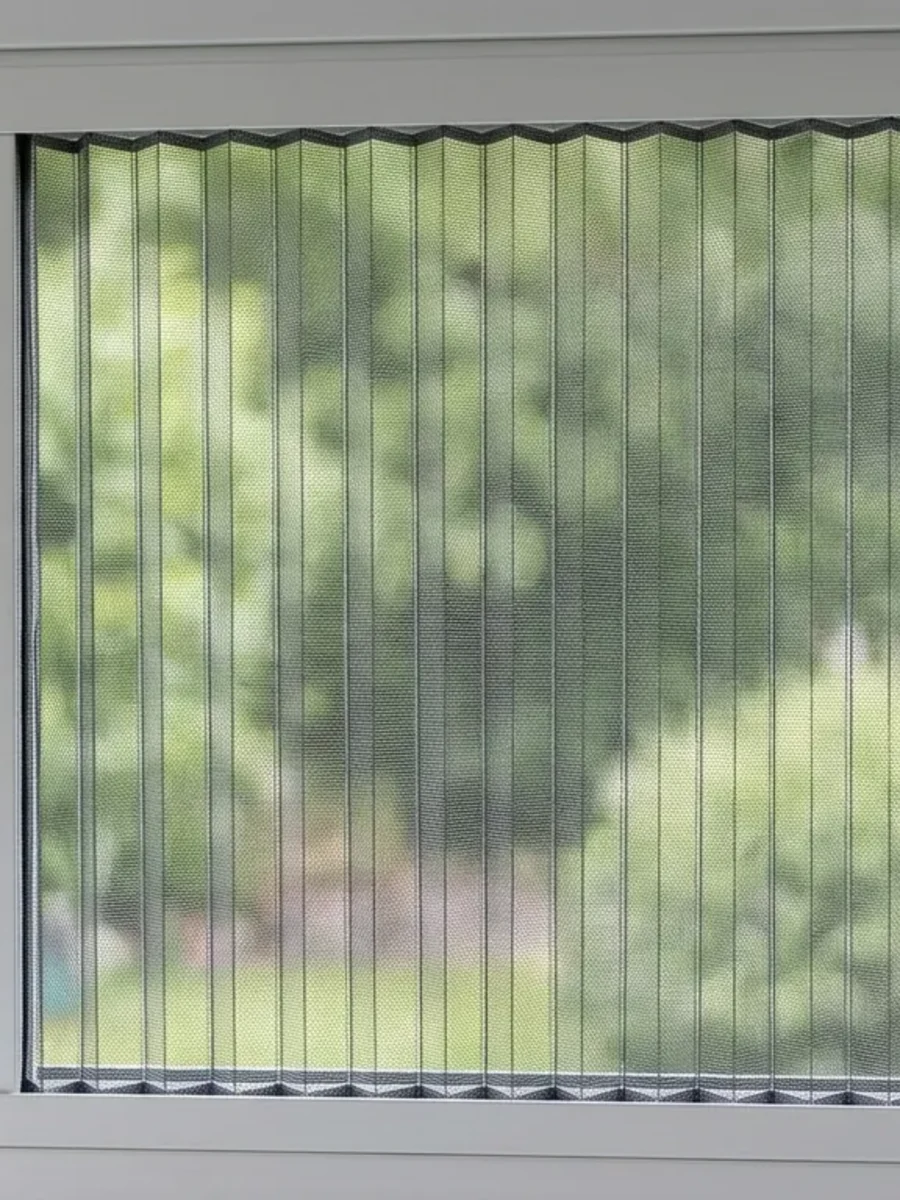
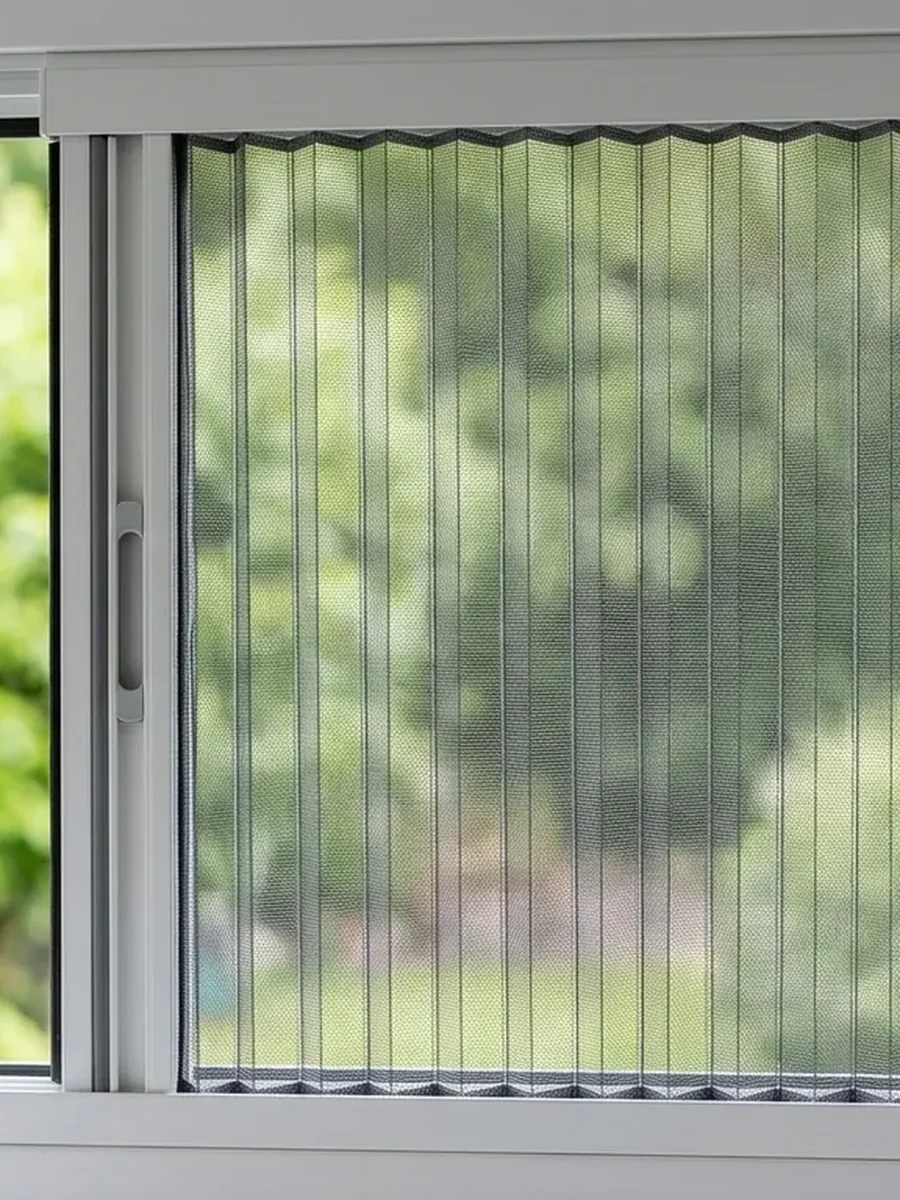
Pleated mesh folds into a slim stack, so a wide opening needs no heavy panel and no bottom lip to trip on. Near the sea, plain steel screws and untreated mesh corrode within a season or two. Rinse mesh and track with fresh water after the monsoon.
In short
By the Drape Haus studio · How we write
Is it right for you?
A house has several kinds of door, and each opens differently, is used differently and faces different weather. The kitchen door to the yard is opened dozens of times a day, often with a hand full of vegetables or a bucket of washing. The main door may stand open all morning behind a grille. The bedroom door to the balcony is opened at dusk and closed at night. French doors to the garden might stay open all evening. One type of mosquito net will not suit all of them.
This page is about matching a net to each door. It covers every door type and every screen type, and points you to our dedicated pages where a particular system deserves a closer look: sliding door nets for sliding glass doors, pleated nets for French doors and wide openings, and balcony nets when you want to enclose the balcony itself rather than its door.
The guiding questions are simple. How does the door open — hinged inwards, hinged outwards, sliding, or folding? How wide and tall is it? How many times a day is it used, and by whom? And how exposed is it to wind, rain and salt? Answer those for each door and the right screen usually becomes obvious.
The details
There is no single mosquito net for doors. A sliding glass door suits a sliding net in its own track. A single hinged door often suits a hinged screen door that closes behind you on its own. French doors and wide openings suit pleated nets. A roller screen disappears into a cassette above or beside the frame. A magnetic curtain is a quick answer for a back door.
The right choice depends on four things: how the door opens, how wide and tall it is, how many times a day people pass through it, and how exposed it is to wind and rain. The kitchen door to a yard is used constantly with full hands; a guest-room door to a balcony is used in the evening; a main door may need a screen that sits behind a grille or a pair of old panelled leaves.
Older Goan houses add their own puzzles: tall double doors with fanlights, deep laterite reveals, doors that open outwards onto a balcão, and frames that are no longer square. We measure every corner and choose a frame that can be packed to follow the wall rather than leave a gap.
If you want to see the options side by side before the visit, the mosquito net chooser at /simulator/mosquito-nets lets you pick the opening and slide each screen open and closed.
Your options
These are the systems we fit to doors. Each has an opening style it suits best, and each has its limits.
Swipe for all 5 →
The honest view
Doors stay open for air
Through-draughts from door to window are the best natural cooling a Goan house has. A screened door lets you use them from dusk, when insects are at their worst.
A screen for every opening style
Hinged, sliding, folding or rolling, there is a system that fits how the door works, so nothing has to be compromised.
Self-closing options
On busy doors, a hinged screen with a closer means the house stays protected even when someone forgets to shut it.
Works with grilles and shutters
Screens can be planned between a door and a security grille, or inside timber shutters, keeping all three in use.
Another thing to open
Every screened door adds a second step when you pass through. Self-closing hinged screens and magnetic curtains reduce it; sliding and pleated nets do not.
Depth can be tight
In shallow frames, fitting a net alongside a door, a grille and a curtain takes careful planning, and sometimes a projecting frame.
Older doors are rarely square
Heritage doors and walls have moved over time. Frames must be packed to fit, which takes more care at measuring and fitting.
Side by side
How each system copes with the things that matter on a door: traffic, threshold, wind and how it looks when you are not using it.
| Hinged screen | Sliding | Pleated | Roller | Magnetic | |
|---|---|---|---|---|---|
| Suits door type | Single hinged | Sliding glass | French, double | Single, occasional | Narrow utility |
| Closes by itself | Yes, with closer | No | No | Some models | Yes |
| Heavy daily traffic | Very good | Good | Fair | Poor | Fair |
| Threshold | Small sill | Low track | Very low guide | Minimal | None |
| Wind | Good with closer | Good | Fair | Fair | Poor |
| When not in use | Swings open | Parks over glass | Folds to a post | Hidden in cassette | Always hanging |
Swipe to compare →
When in doubt on a busy single door, a hinged screen with a closer is the dependable choice.
Rather see it in your own room?
We bring samples to the house, measure every window, and specify for the light and exposure you actually have.
Room by room
The hardest-working door in the house. A hinged screen door with a closer and a kick plate keeps flies and mosquitoes out without anyone having to remember.
Often fitted behind a grille. A hinged or sliding screen between the door and the grille lets the main door stand open for air in the morning.
Sliding nets for sliding glass, pleated pairs for French doors. Either way, plan the curtain track so blackout curtains still close fully.
Pleated nets meeting in the middle mirror the doors and fold away during the day.
A hinged screen with a corrosion-resistant frame and mesh copes with splashes and steam.
A magnetic curtain is convenient, but it rarely seals. If the room matters, use a hinged screen.
In depth — tap a heading to read
A hinged screen door is the oldest and still the most dependable way to screen a busy single door. It is a rigid framed panel, so it shrugs off bumps, pushes and dogs far better than any folding or rolling system. It hangs on its own hinges, usually opening outwards so it does not clash with the main door opening inwards.
The details make it work. A soft closer or spring hinges bring it shut behind you; a magnetic catch holds it closed against the wind; a solid kick plate at the bottom stops feet and buckets tearing the mesh; a mid-rail at hand height gives you somewhere to push. Near the coast, stainless hinges and screws are essential.
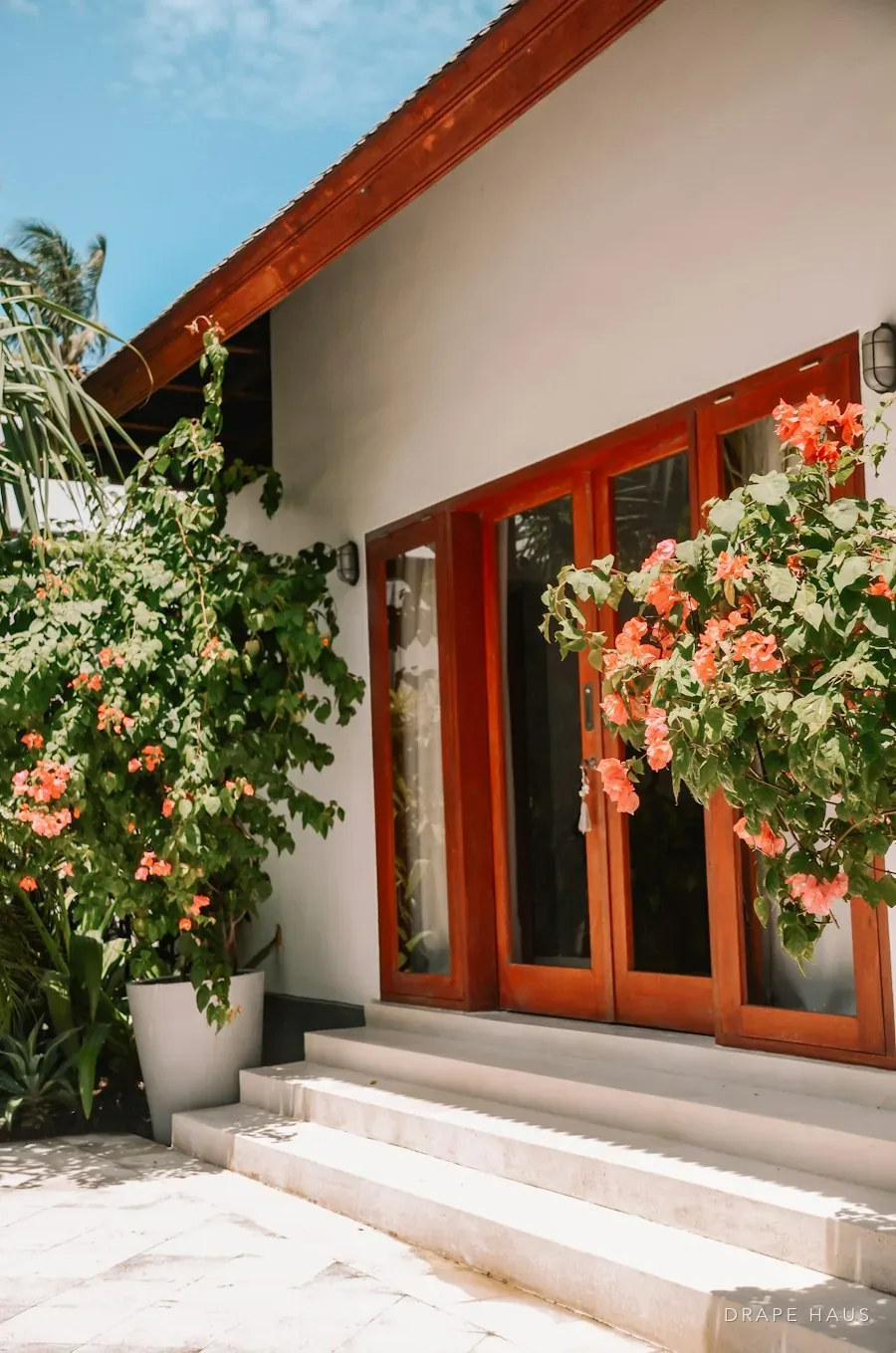
French doors are the opening people most often ask about. Because they are a pair hinged at each side, a net has to avoid their swing. If they open inwards, the net goes outside, across the face of the opening or within the outer reveal; if outwards, the net goes on the room side.
A pair of pleated nets meeting in the middle is the neatest answer for most French doors, folding to slim posts by day. A pair of hinged screen doors works where traffic is heavy. A sliding net across the face is possible where there is wall to park it. We look at the reveal depth, the handles and the curtains before recommending one.
Find out which way the doors swing. It decides which side of the frame the net must go.
Older houses bring tall double doors, sometimes with fanlights above, deep laterite reveals, and timber frames that have settled out of square. Doors may open onto a balcão or a verandah, and many have timber shutters or grilles in front. Each of these affects where a net can go.
We measure diagonals as well as widths and heights, and pack the net frame to true so it closes evenly. Fanlights can be screened with a fixed mesh panel so the door net does not need to be full height. Where the timber is historic, we fix to the reveal rather than drilling the door frame wherever possible.
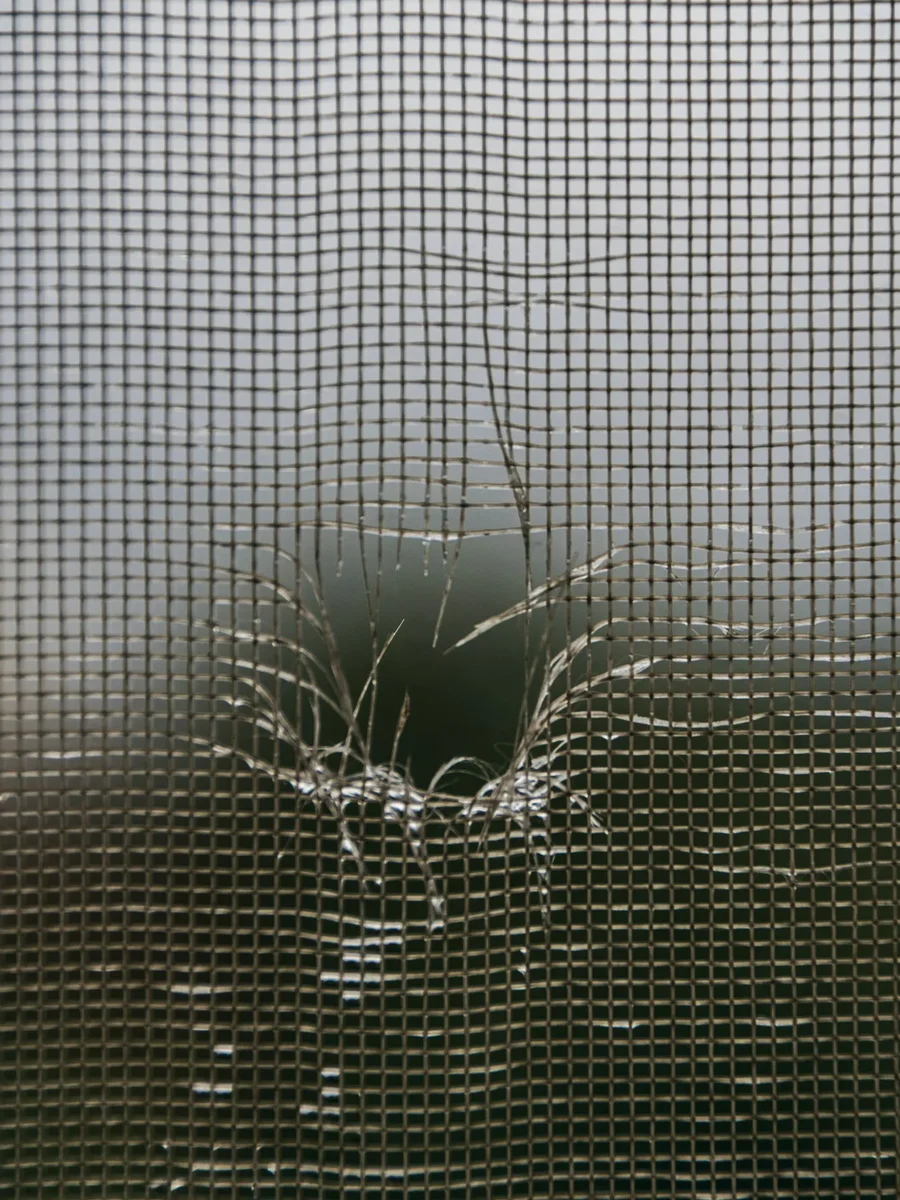
Doors near the sea face salt and driven rain. Aluminium frames with a good powder coat or anodised finish, stainless fixings, and polyester or coated fibreglass mesh hold up; plain steel mesh rusts and stains quickly. On pet doors, choose a pet-resistant mesh, which is thicker and much harder to tear.
Dark mesh is the least visible from inside. A visibility band at eye height on glass-adjacent screens stops guests walking into them in bright light.
Seeing how each system opens and closes on a doorway helps. The mosquito net chooser on this page lets you pick an opening and slide hinged, sliding and pleated screens open and closed, so you arrive at the visit knowing what appeals.
Living with it
Humidity changes how timber frames fit. Adjust the closer so the screen shuts firmly without slamming.
Door thresholds collect sand and grit. Brush them weekly so screens close fully.
Wind-driven rain leaves salt on mesh and frames. A fresh-water rinse keeps hinges and rollers free.
Teach the household — and guests — to push on the frame or handle.
Brush seals and magnetic strips wear. Replace them before insects find the gaps.
Avoid these
A pleated net on the kitchen door and a magnetic curtain on the French doors both fail. Match each screen to its door.
A net placed where the door opens into it is unusable. Check the swing first.
Without one, the screen is left open, and insects come in anyway.
Rust stains spread down the frame and the hinges seize. Specify stainless.
Main doors with grilles need the clearance measured carefully, or the screen cannot open.
Checklist
More in sliding nets
Sliding mosquito nets for windows, doors and balconies, planned alongside your curtains so the two work together — the window opens for air, the net stays closed, and the curtain still draws.
From our guides
Our process
One team from the first visit to the last bracket, so nothing is lost between the person who specified it and the person who fits it.
FAQ
It depends on the door. Sliding nets suit sliding glass, hinged screen doors suit single busy doors, pleated nets suit French doors and wide openings, and roller screens suit doors where you want the net hidden when not in use.
Yes. Pleated nets in a pair are the most common answer; a sliding net across the face of the opening works where there is wall to park it. The direction the doors swing decides which side the net goes.
On a narrow back door with light traffic, reasonably well, and they let you walk through with full hands. On large or windy doors they blow open and rarely seal, so a framed screen is better.
Usually. The net can sit between the door and the grille, or on the inside face of the frame, depending on the depth available. We check the clearance at the visit.
Not if it is planned properly. We place the net in its own plane, clear of the door's swing, handles and locks, so both work independently.
Yes. The net then goes on the inside of the frame — a hinged screen opening inwards, a pleated net or a roller — so the door can swing out freely.
A framed hinged screen door with a kick plate, mid-rail and pet-resistant mesh. It takes daily use better than any folding or rolling system.
Often it can be fixed into the reveal or the wall instead, which is useful on historic timber frames. Some fixings are always needed for a lasting result.
Slightly. Standard mesh lets most of the breeze through; very fine mesh reduces it a little more. On most doors the difference is barely noticeable.
Next step
We walk through the house with you, open each door, note how it swings and how it is used, and measure the opening, the reveal and the clearance to handles, grilles and curtains. We bring mesh and frame samples, and recommend the right screen for each door rather than one system for all. Then we make and fit everything to the measured openings. Book a home visit to have your doors assessed.