 Drape Haus
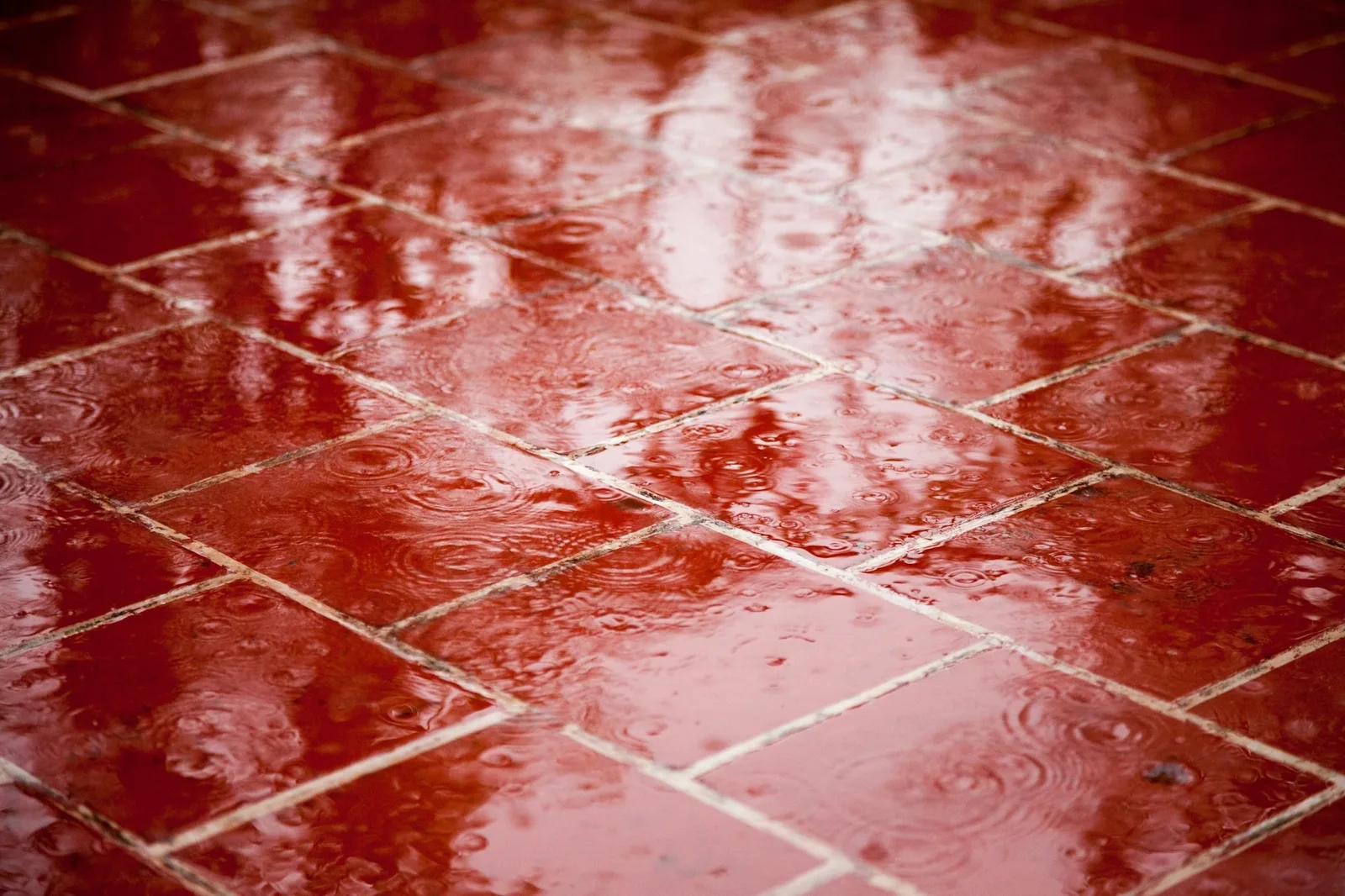
Red oxide flooring is a cement floor coloured with iron oxide pigment and worked to a smooth, often glossy finish. In Goa it sits in houses of every size, from village homes to the halls of old mansions, and it is valued for staying cool underfoot. Gomantak Times traces how Goan floors moved from earth smeared with cow dung to clay and cement tiles, and notes that red oxide flooring became popular and is still found in many houses, sometimes with borders or a pattern at the centre of the room. An essay in the journal Question of Cities lists red oxide floors among the Goan elements now fading from new building.
It is a forgiving floor in many ways, and a fussy one in a few. It does not like acids, it does not like too much wax, it marks under some rug backings, and once cracked or patched it is very hard to match. Most damage to old oxide floors comes from well-meant cleaning rather than age.
This guide explains how these floors were laid, how to clean and polish them, what to do about cracks and patches, and which rugs, pads and furniture protectors are safe on them in a humid Goan year. We make rugs, not floors; for structural cracks or relaying, consult a mason who knows oxide work.
What a red oxide floor is, and how it was laid
There was never a single recipe; methods varied by region and mason. One detailed account of the craft, published in the architecture journal Matter, describes a method still used today. A firm concrete base is laid first and divided into panels with glass, aluminium or brass strips set in mortar, which allows work in manageable areas and helps prevent shrinkage cracks across large spans. A bed of cement and sand, roughly 1:4, is spread and levelled in each panel. Then comes the oxide layer: the pigment powder is crushed fine by hand and mixed with white or grey cement in a proportion of about one part oxide to three of cement, adjusted on site until the mason has the shade he wants, with marble powder or lime added to the mix.
The same account describes the oxide mix applied in two coats, trowelled flat, cured with water, and finished with wax thinned with a few drops of turpentine, rubbed in with coconut pith or rice husk until no streaks show. Some practitioners use coconut oil or other traditional finishes instead. The glossy depth of an old floor comes from that hand-working and from decades of use, not from a factory coating.
India's code of practice for in-situ cement concrete flooring, IS 2571, fills in the engineering. It requires floor finishes to be laid in panels to reduce cracking, with no panel dimension over 2 m where the finish is laid on a hardened base, and it requires a new floor to be kept continuously moist for at least 15 days, with regular foot traffic only after 28 days. Floors that were rushed, under-cured or laid in big panels are the ones that crack and dust most in later life.
Every oxide floor is a one-off. The shade was mixed by eye on the day, which is why patches never quite match.
Everyday cleaning that keeps the sheen
Grit is the main enemy of a polished floor. Sand walked in from the garden or the beach acts like sandpaper under shoes and chair legs, and dulls the surface faster than anything else. Sweep or vacuum with a soft brush head daily in busy rooms, and put a coir or cotton mat at each outside door.
Wet cleaning should be gentle and sparing. IS 2571 notes that concrete flooring is slowly attacked by acids, vegetable oils, fats and sugar solutions, and that prolonged exposure brings gradual deterioration. That rules out acidic cleaners, vinegar, lemon-based products and descalers, and it means kitchen spills of oil, ghee, juice or syrup should be wiped up promptly rather than left. A damp mop with plain water, or water with a little neutral detergent, is enough for routine cleaning. Wring the mop well: a floor flooded with water every day takes longer to dry in humid weather and can lift dirt into the pores.
The Society for the Protection of Ancient Buildings, writing about old floors generally, adds advice worth following here: test any cleaning or polishing product on a small, out-of-the-way area first, leave the test for a while to make sure there is no delayed reaction, and give anyone who cleans for you clear instructions on what to use and what to avoid. A new cleaner that leaves a dull patch on oxide cannot easily be undone.
Planning something like this?
We visit homes across North and South Goa, measure on site, and bring samples to see in your own light.
Waxing and polishing: how much, and how often
Polish protects the surface from grit and water and brings back depth, but more is not better. SPAB's guidance on old floors says polish should be applied rarely and sparingly, and that excessive wax traps dirt, darkens floors and forms a slippery surface. IS 2571 makes the safety point plainly: a highly polished cement floor is likely to be slippery, while a trowel-finished one is reasonably non-slip.
In a Goan house that matters on verandahs, steps and floors near doors, which get wet in the monsoon. A glassy floor plus rainwater is a fall waiting to happen, especially for older family members. Keep these areas lightly finished and dry-mopped, and save the higher shine for rooms that stay dry.
Traditional finishes are a judgement call. Many households mop oxide with a little coconut oil to deepen the colour, and the Matter account mentions oil-mopping as part of bringing a new floor up to gloss. But the same Indian standard warns that prolonged exposure to vegetable oils deteriorates concrete flooring, and oil attracts dust. If you use oil at all, use very little, buff it in, and do not let it sit. For most floors, a thin coat of wax a few times a year, buffed well, does the job with less risk.
Hairline cracks, patch repairs and matching old colour
Fine hairline cracks are normal in an old oxide floor and are rarely a structural problem. They follow shrinkage and slight movement in the base, which is why floors laid in large panels, or without dividing strips, crack more. A crack that is widening, has one edge higher than the other, or lines up with a crack in the wall is different and needs a mason or engineer to look at the base or the wall beneath.
Patches are the hard part. Because every floor's shade was mixed by eye on site, from a particular pigment and cement, and has since aged and polished for decades, a new mix will almost never match. There are three honest options. Accept a visible patch in a closely chosen tone, which SPAB would encourage: its guidance on old floors says the patina of time and earlier repairs are worth keeping. Redo the whole panel between two dividing strips so the change in tone follows a line. Or, in a badly damaged room, relay the full floor. A good oxide mason will make test patches before committing.
Damp from below also shows on oxide, as darker patches or white salt bloom. SPAB records that rubber-backed carpets laid over old floors have acted as a membrane and held moisture back, and the same can happen under a rug with a sealed backing on a ground-floor oxide floor. If a patch stays dark after the monsoon, lift whatever is on it and let it dry before deciding it needs repair. Our article on white fungus or efflorescence explains how to tell salt bloom from mould.
Rugs and rug pads that are safe on oxide
The rug is rarely the problem; what is under it can be. Two things go wrong. First, a sealed backing traps moisture against the floor in humid months, as SPAB describes for rubber-backed carpets, leaving dark patches or encouraging mould on the underside of the rug. Second, some pad materials react with or stick to polished finishes. One rug-pad maker's guide warns that adhesive-coated plastic pads can stain or mark floor finishes, leaving a print of the pad's pattern; pad makers disagree among themselves about which materials are safest, so treat any claim with care and test first.
The safer approach on oxide is breathable and non-sticky. A felt or felt-and-natural-fibre pad lets air move and does not grip chemically; a thin non-slip layer without adhesive coatings can help on a glossy floor where a rug would otherwise slide. Before committing, leave a small offcut of the pad on an out-of-the-way part of the floor for a couple of weeks in humid weather and check for marks. Once the pad is settled, our guides to arranging a living room around sofa and rug and rug size for a bed help with sizing.
The rugs themselves should breathe and lift. Flat-woven cotton dhurries and flatweaves suit oxide floors well: they are light enough to roll up and lift in the monsoon, can be washed, and let the floor's colour show at the edges. Wool rugs work in drier, air-conditioned rooms. Whatever you choose, lift rugs every few weeks in the monsoon to let the floor and the rug's underside dry; the US Environmental Protection Agency advises drying wet materials within 24 to 48 hours to prevent mould. Our guide to the best rugs for humid homes compares fibres in detail.
| Under the rug | Risk on oxide | Use it? |
|---|---|---|
| Felt or felt and natural fibre | Low; breathable, no adhesive | Yes; the usual choice |
| Thin non-slip pad without adhesive coating | Low to moderate; test for marking first | Yes on glossy floors where rugs slide |
| Adhesive-coated or tacky plastic pads | May mark or stick to the finish | Avoid |
| Rugs with sealed rubber or latex backing | Traps moisture against the floor in humid months | Avoid on ground floors |
| No pad at all | Rug slides; grit trapped underneath abrades the floor | Only for small, heavy, flat rugs |
Furniture legs, wet mopping and everyday wear
Furniture leaves two kinds of mark on oxide: scratches from dragging and rings from standing in water. Wet mopping around table and sofa legs every day leaves water sitting against the feet; metal feet rust and leave orange rings on a red floor, and timber feet take up water and stain. Lift furniture to move it rather than dragging, and fit protectors that suit a floor that gets mopped.
Felt pads stop scratches but soak up water and stay wet when the floor is mopped round them, so in kitchens and dining rooms a hard, non-staining cup or glide works better. Under heavy pieces such as almirahs and beds, a broad cup spreads the load and lifts the foot clear of mop water. Check under heavy furniture after the monsoon, because a damp spot that never dries is exactly where marks and mould start.
Upholstered furniture brings its own issue: a sofa base that sits flat on a cool floor in humid weather can pick up damp. Sofas on legs, with air under them, do better in Goan houses than skirted bases that touch the floor. Our guide to sofa legs goes into heights and materials.
A simple care routine for a red oxide floor
This routine suits most lived-in oxide floors. Test any new product on a hidden corner first.
Sweep daily
Remove grit and sand with a soft broom or a vacuum brush head, especially near outside doors.
Damp mop, not flood
Mop with plain water or water with a little neutral detergent, wrung out well, and let the floor dry with windows open.
Wipe spills at once
Clear up oil, ghee, juice, vinegar and sugary drinks promptly; cement floors are slowly attacked by acids, oils and sugars.
Wax sparingly
A few times a year, apply a thin coat of floor wax to dry rooms and buff well; keep steps and verandahs lightly finished so they are not slippery when wet.
Lift rugs in the monsoon
Every few weeks from June to September, lift rugs and pads so the floor and the rug underside can dry fully.
Check after the rains
In October, look under rugs and heavy furniture for dark patches, salt bloom or rust rings, and dry or deal with them before re-waxing.