 Drape Haus
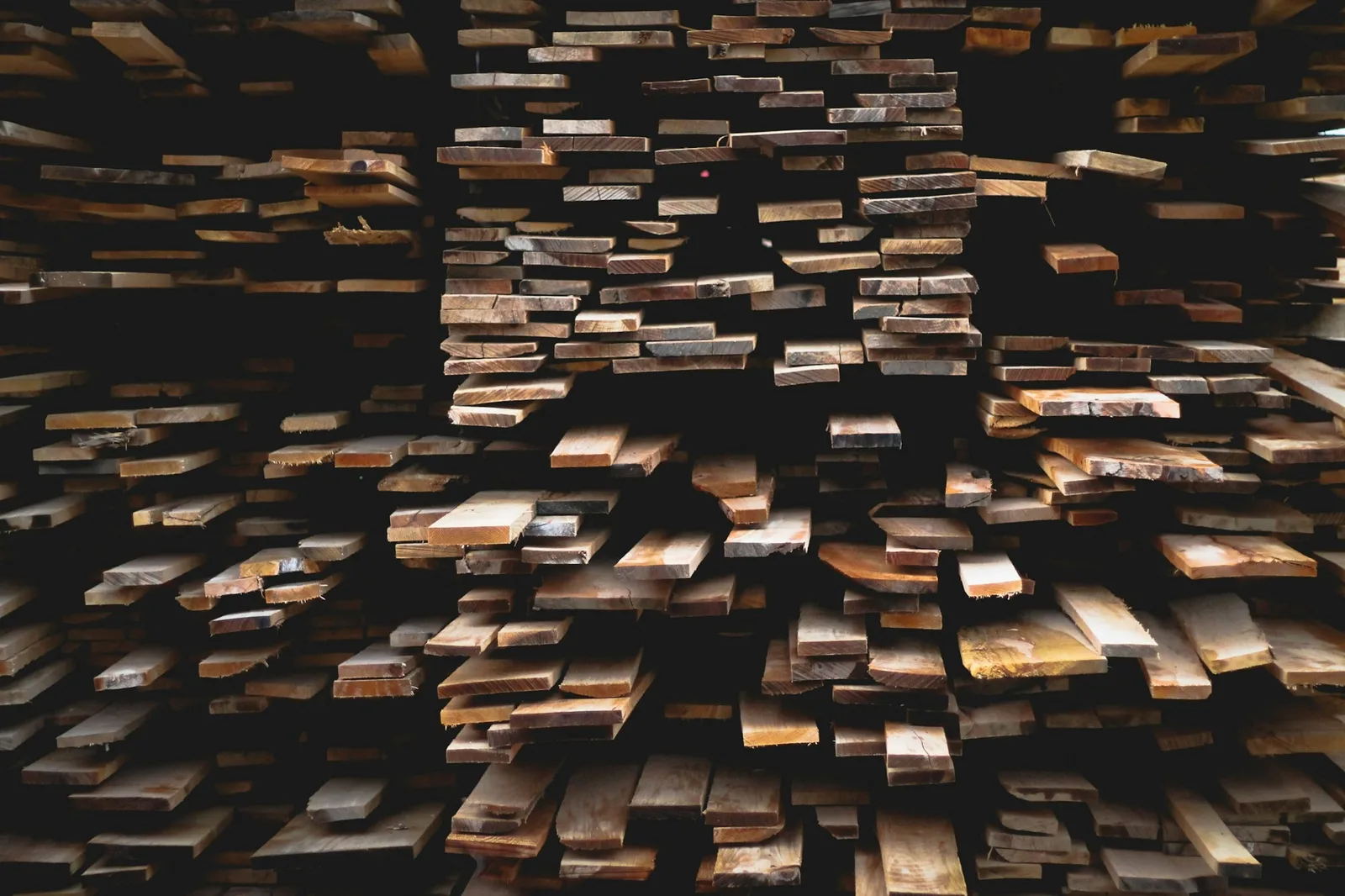
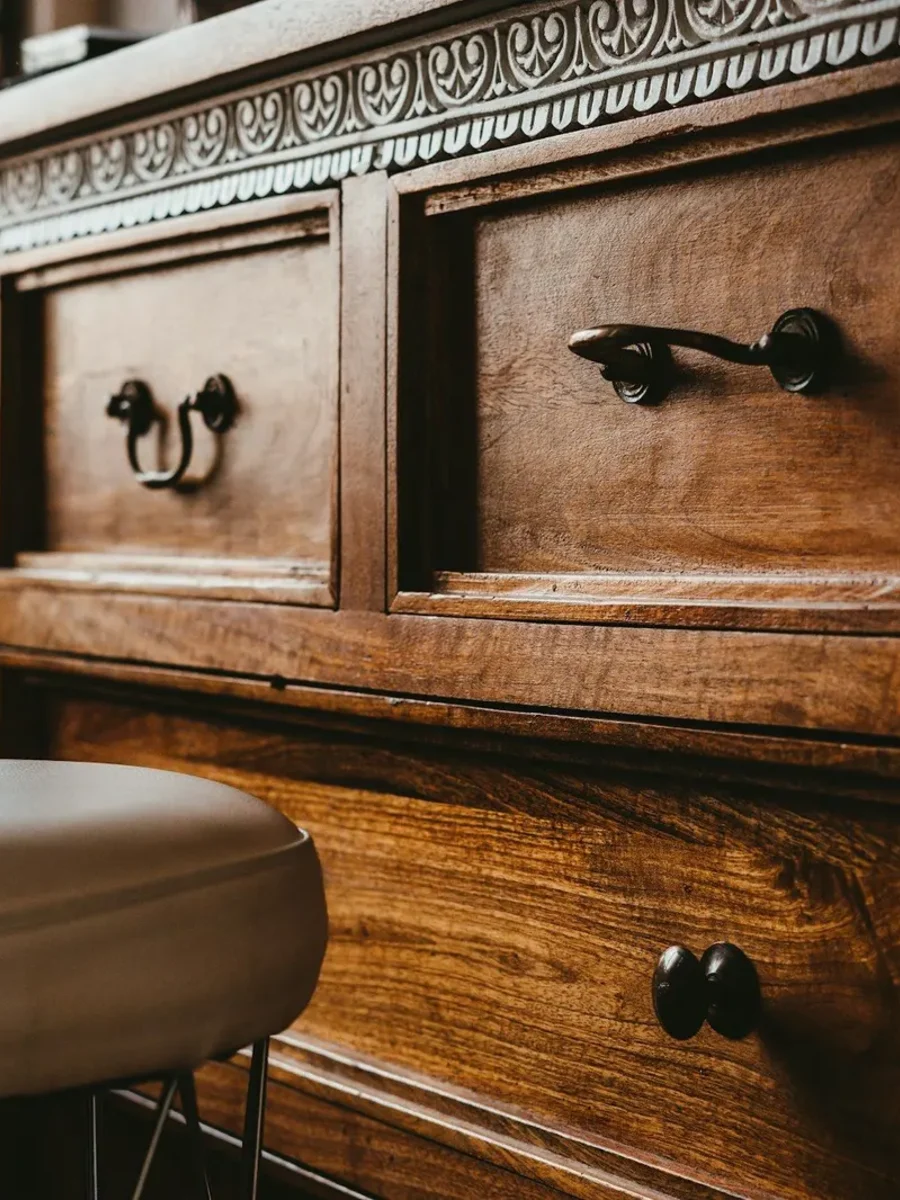
Reclaimed wood in Goa usually means timber that has already spent decades in a house: carved and panelled doors, window frames and shutters, roof rafters and battens, floorboards, and old furniture that has outlived its room. Much of it is better timber than can easily be bought new, dense, slow-grown and long since seasoned. Some of it is riddled with beetle, softened by rot or coated in old lead paint.
This guide is about telling the two apart. It covers the timbers you are likely to meet, the borer, termite and rot checks that decide whether a piece is worth having, why moisture matters so much in a Goan climate, how to treat salvaged wood before it comes into the house, good ways to reuse it, and the legal and ethical questions around heritage salvage.
We do not sell or recommend salvage dealers, and we found no published survey of Goa's salvage trade to point you to. What we do is make things with what people bring us: headboards built around an old door panel, cushions for a reclaimed bench, upholstery for a salvaged frame. So the advice here is the advice we would want a client to follow before a piece reaches our workshop.
What turns up as salvage, and in which timbers
Salvaged timber reaches the market when old houses are repaired, extended, rebuilt or demolished. In a Goan house that typically means panelled and carved doors, window frames and the shutters that close over them, roof timbers and the battens tiles hang on, ceiling and floor boards, and furniture. Ask any seller where a piece came from and what it was; the answer tells you what checks matter most. A rafter that sat under a leaking valley for twenty years needs a different inspection from a door that hung inside a dry hall.
Three timbers come up again and again in old Goan buildings. Teak is the familiar one; The Wood Database rates its heartwood very durable and resistant to termites, but only moderately resistant to powderpost beetles. Indian rosewood, Dalbergia latifolia, is dense, very durable and termite-resistant, and the Government of Goa describes the furniture of the old mansions as carved from rosewood by local craftsmen. Matti, Terminalia elliptica, Goa's State Tree, was used for the ribs that hold roof tiles, according to a Goan newspaper's nature column, and an essay in Question of Cities lists it as the usual rafter timber. The Wood Database rates it only moderately durable with poor insect resistance, which is worth knowing before you build a dining table from old rafters.
Identification by eye is unreliable, especially under old paint or dark polish. If a piece is valuable or will carry load, ask a carpenter who knows these timbers to look at a fresh cut on a hidden face. Dust from all three can irritate: The Wood Database lists teak and Indian rosewood as reported sensitisers, so wear a dust mask when cutting or sanding.
| Timber | Durability (The Wood Database) | Density | Tangential shrinkage | Watch for |
|---|---|---|---|---|
| Teak (Tectona grandis) | Very durable; termite resistant; moderately resistant to powderpost beetles | About 655 kg/m³ | 5.3% | Silica blunts tools; beetle in sapwood edges |
| Indian rosewood (Dalbergia latifolia) | Very durable; good termite resistance | About 855 kg/m³ | 5.9% | Interlocked grain, hard to work; finishes can be tricky |
| Matti, Indian laurel (Terminalia elliptica) | Moderately durable; poor insect resistance | About 855 kg/m³ | 7.4% | Beetle and rot in old roof timbers; more movement |
Borer, termites and rot: the checks before you buy
Wood-boring beetles are the commonest problem in salvage, and the University of Kentucky's entomologists are direct about it: many of the most serious infestations they see come from reusing old lumber to panel a room or build an addition. Look for small round exit holes with fine powder. The key question is whether the attack is active. Powder the colour of freshly sawn wood, sifting out of holes with crisp edges, usually means live larvae; yellowed, caked or dusty powder and holes that have weathered to the colour of the surface suggest an old, finished attack. In stained or polished wood, new holes show clean wood inside.
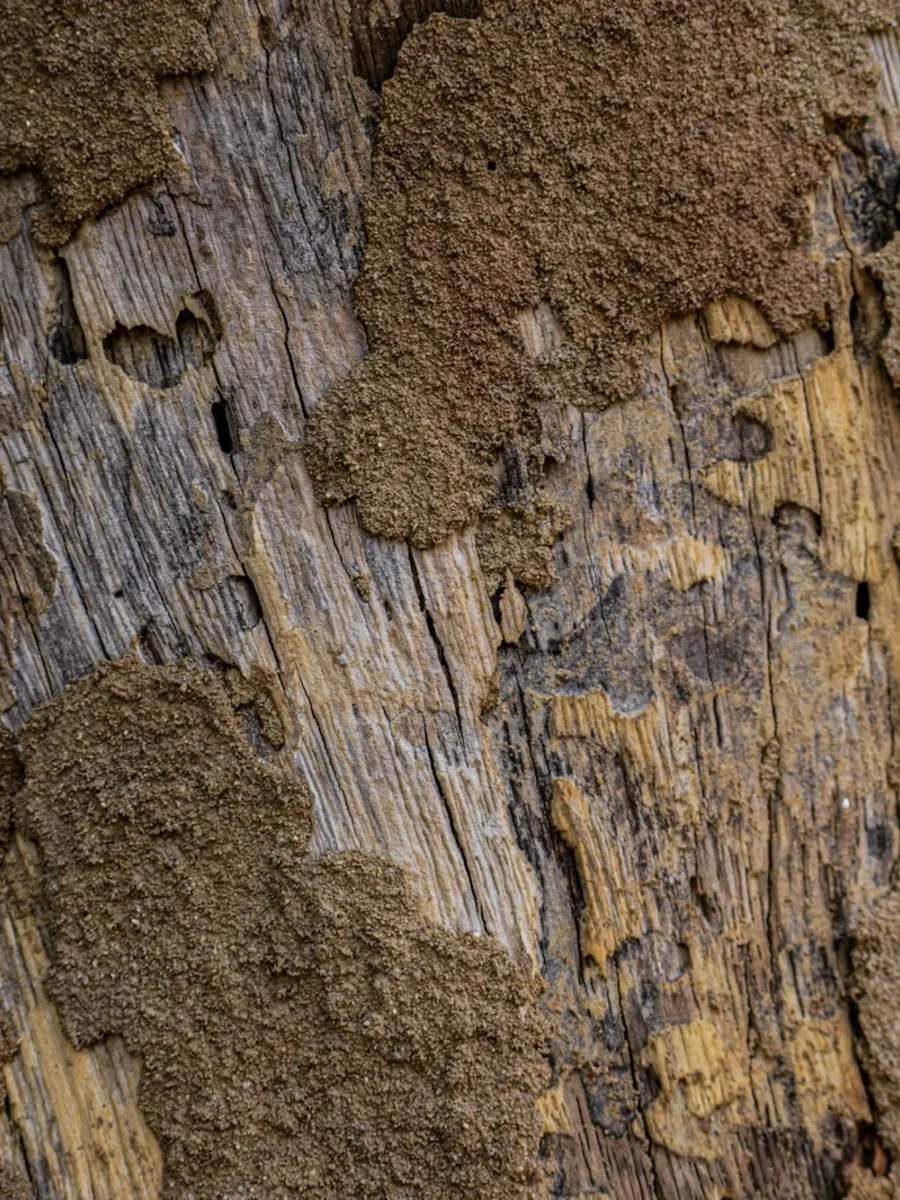
Termites are harder to spot because they rarely come into the open. The US Environmental Protection Agency suggests probing exposed wood with a flathead screwdriver and feeling for hollow spots. On salvage, look at the ends and the faces that touched masonry or the ground, for earthen tracks, papery layers and galleries packed with soil. Our article on termites in wooden furniture shows how to tell termite, borer and ant damage apart.
Rot is the third check. The Society for the Protection of Ancient Buildings notes that timber-rotting fungi only cause significant damage where there is dampness, and describes the signs: white wet rot leaves wood softened, bleached and fibrous, while dry rot leaves darkened timber with cube-like cracking and often a musty smell. Push a screwdriver into suspect areas, especially at the bottom of doors and frames and the ends of beams. Soft wood can sometimes be cut out and pieced in, but it has to be priced as a repair.
Finally, look for metal and paint. Old nails, screws and hinge fragments hidden in salvage wreck saw blades and planer knives, so ask whoever will work the wood to check it with a metal detector before cutting. Old paint may contain lead: the EPA warns that sanding or scraping old painted surfaces, especially friction surfaces like doors and windows, can release hazardous lead dust. Do not dry-sand old paint indoors; have it tested or stripped by someone equipped to handle it.
| You see | It probably means | What to do |
|---|---|---|
| Round holes with fresh, pale powder | Active wood-boring beetle | Treat before it comes indoors, or walk away |
| Round holes, dark weathered edges, caked old powder | Old attack, likely finished | Vacuum, mark the holes, recheck after some weeks |
| Hollow sound, papery layers, soil in galleries | Termites, past or present | Get a pest-control professional's view first |
| Soft, bleached, fibrous wood | Wet rot | Cut out and piece in, or reject if extensive |
| Cube-like cracking, musty smell | Dry rot | Reject unless the piece is exceptional |
| Thick old paint on doors and frames | Possible lead paint | Test; strip only with proper precautions |
Never bring a piece with active borer into a room that holds other wooden furniture. Treat it outside first.
Planning something like this?
We visit homes across North and South Goa, measure on site, and bring samples to see in your own light.
Moisture: why a Goan piece can be wet in a dry-looking way
Wood is always trading moisture with the air. The USDA's Wood Handbook tabulates the moisture content wood settles at for each combination of temperature and humidity: at about 27°C, wood reaches roughly 10.8% in air of 60% relative humidity, 15.7% at 80% and 20.2% at 90%. The India Meteorological Department records morning humidity in Goa of 87 to 91% from June to September, so timber stored outside or in an open shed through the monsoon can sit around that 20% mark.
That figure matters because the Wood Handbook puts the start of decay at around 20% moisture content, and gives 6 to 12% as typical for wood indoors. The University of Kentucky's entomologists add that anobiid beetles, the kind that attack structural timbers, need wood at about 13 to 30% moisture, and that wood below about 14% in the warm months is generally unsuitable for them. A salvaged beam brought straight from a wet yard into a house is both at risk and likely to shrink as it dries.
Shrinkage is the practical consequence. Wood moves most across the grain, and The Wood Database gives tangential shrinkage of 5.3% for teak against 7.4% for matti. A wide panel or table top made from wood that is still wet will open gaps or split as it dries indoors. Let salvage acclimatise indoors, off the floor and away from walls, for several weeks before final machining or gluing, and if you can, have a carpenter check it with a moisture meter. SPAB cautions that surface meter readings can mislead, so take readings from fresh-cut faces as well as the surface.
Treating salvaged wood before it comes into the house
Quarantine comes first. Keep a newly bought piece outside the house but under cover, raised off the ground, and away from the walls. The EPA's termite advice includes not piling wood or wood debris next to the house, because it invites termites to the structure. Clean off loose dirt and old flaking finish outdoors, with a mask on.
Heat and cold both kill wood-boring beetles. The University of Kentucky guidance notes that kiln drying, which heats timber to about 52 to 60°C for hours, kills all stages of powderpost beetles; that pest controllers use heat chambers at about 49 to 57°C, for up to 24 hours depending on thickness; and that small items such as carvings and frames can be put in a deep freeze at about −18°C for three to seven days. Heat treatment also helps dry the wood, but it should be done by someone with a properly controlled chamber, since uneven heating can split thick old timber.
Chemical treatment is a job for a licensed professional. The same guidance describes borate treatments as the most widely used for beetle-infested wood, with an important limit: borates only penetrate bare, unfinished wood, not paint or varnish. For termites, the EPA advises hiring a licensed, trained professional for any termiticide. We are not pest controllers and do not treat timber.
Then seal it. Kentucky's entomologists note that powderpost beetles lay eggs only in bare, unfinished wood, so a finished surface protects against new attack. The Wood Handbook adds that a film-forming finish applied to all sides, including end grain, slows the movement of moisture in and out of the wood, and that liquid water enters end grain 10 to 100 times faster than other faces. On a reclaimed door or table, finish the back, the edges and the end grain, not just the show face.
Reuse ideas: headboards, tables, doors and wall panelling
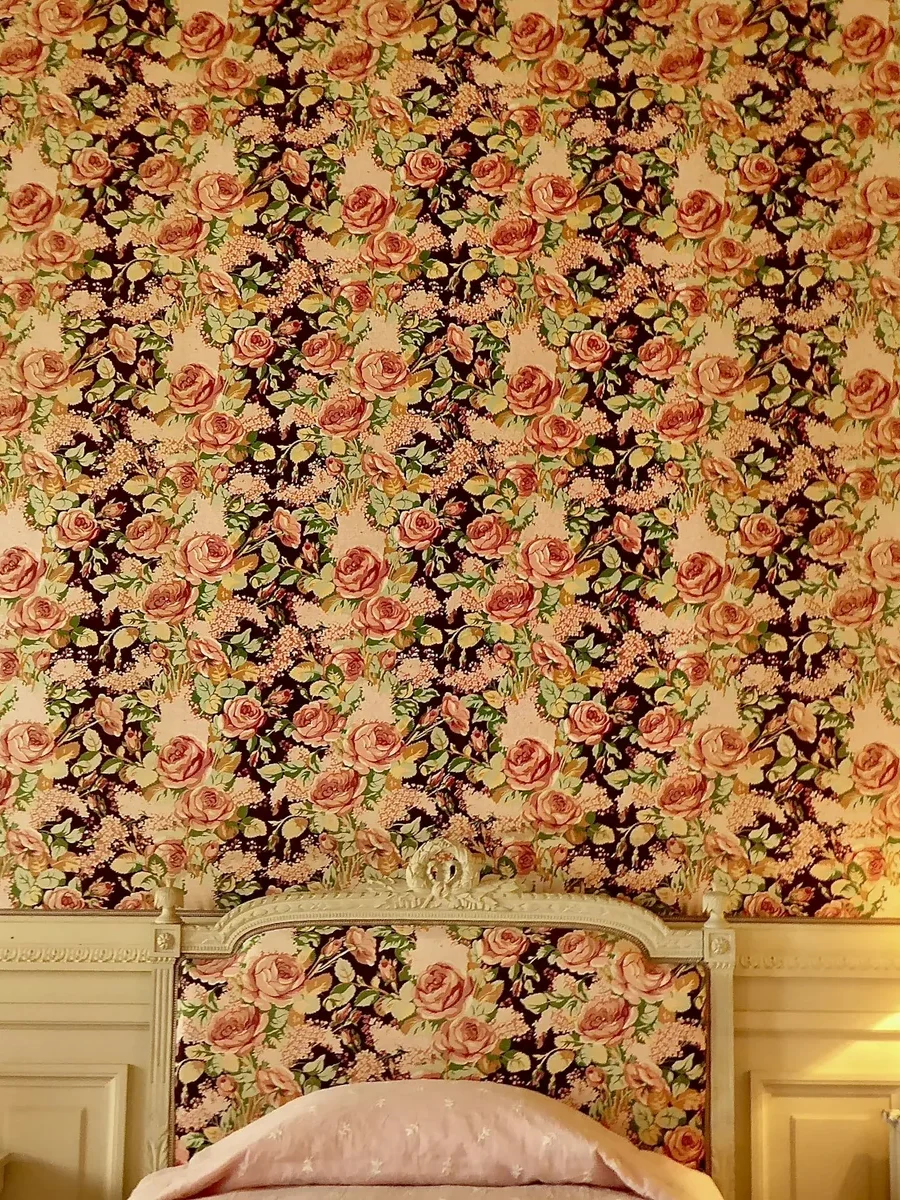
Old doors make some of the best headboards, because they are the right scale for a bed and already carry panels, mouldings and patina. A single wide door laid on its side behind a double bed, or a pair of narrow shutters behind a twin, gives a strong wall without new carpentry. The panels can be left as wood or upholstered: we make padded inserts that sit inside an old door's frame, covered in a fabric chosen against the timber, which turns a hard surface into something to lean on. Our headboards page shows the options, and our guide to headboard design ideas covers sizing and fixing.
Dining and work tables are the next most popular use, and the one where moisture and movement matter most. Wide boards from old rafters or floors need to be properly dry, joined to allow for movement, and finished on every face. Matti's higher shrinkage and poor insect resistance make it a less forgiving choice for a top than teak or rosewood.
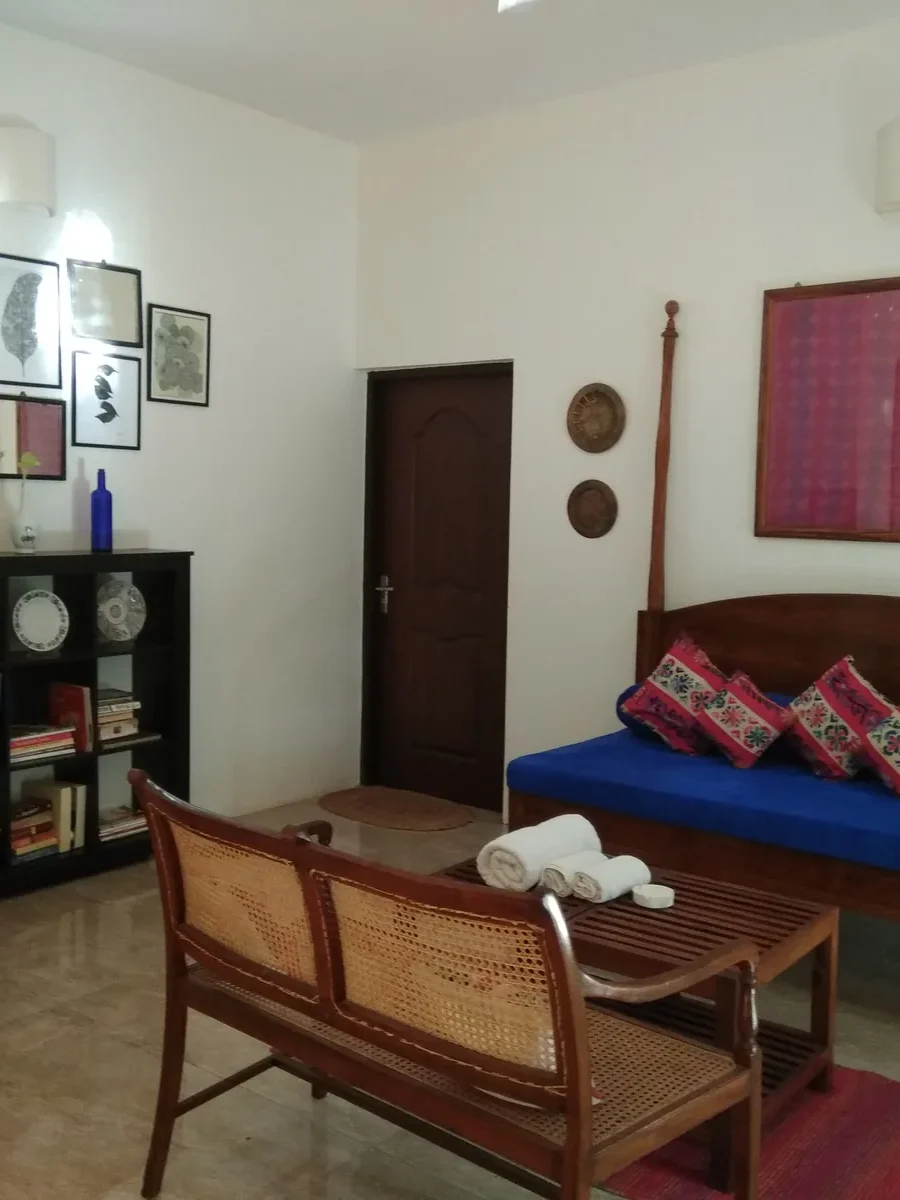
Doors can also go back to being doors, which is often the simplest reuse: an old panelled door rehung in a new opening, or a pair hung as a sliding screen on an exposed track. Short lengths of board make good wall panelling in a study or a bedroom, though in a humid house the wall behind needs ventilation, and our wooden wall panels page explains the fixing and gaps. Old window shutters make folding screens, cabinet doors or a wardrobe front. Wherever reclaimed wood sits next to soft furnishings, give it a sealed finish so that dust from the old surface does not mark the fabric.
Legal and ethical checks on heritage salvage
Most salvaged timber raises no legal question. Some old pieces might. India's Antiquities and Art Treasures Act, 1972, as summarised by the Center for Art Law, defines an antiquity to include a work of art or craftsmanship that has been in existence for 100 years or more. Under the Act, exporting an antiquity is illegal without the central government's authorisation, and selling antiquities within India requires a government licence. The Act is administered by the Archaeological Survey of India. Whether a particular carved door counts is a question for the ASI or a lawyer, not for us; but if you are buying a fine old piece, especially to send abroad, ask before you pay.
The ethical questions are simpler. Ask where a piece came from, and walk away from anything whose seller cannot or will not say. A carved door taken from a house without its owners' consent is stolen property, whatever it costs. And every window and door removed from an old Goan house is one fewer in a house that might have been restored; an owner restoring a heritage home should look to keep and repair its own joinery first, as our guide to restoring an old Portuguese house argues.
If you have found or inherited a piece and want it in daily use, send us photographs and measurements; we can quote for a headboard, cushions or upholstery built around it.