 Drape Haus
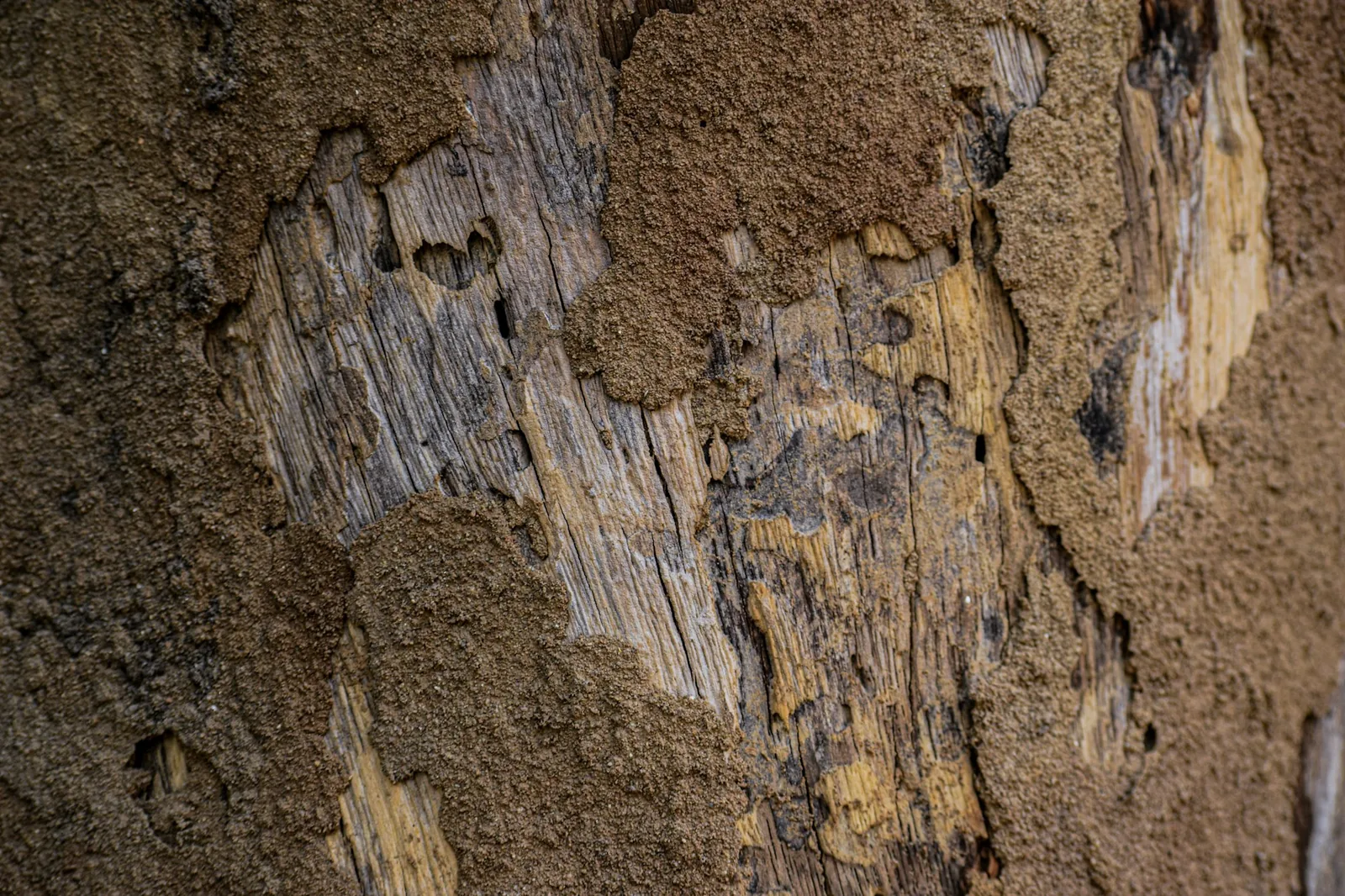
Termites in wooden furniture show themselves through a short list of signs: earthen tubes on walls or legs, timber that sounds hollow or gives under a thumb, wings shed on the floor after rain, and in some cases small piles of hard, gritty pellets. If you see any of them, move nearby furniture away, photograph what you found, and call a licensed pest-control professional. Treatment is their job, not a weekend one: University of California extension guidance is blunt that do-it-yourself termite pesticides are generally not effective.
Goa gives termites what they need. The Indian Standard on termite control in existing buildings, IS 6313 Part 3, notes that about 220 of the world's termite species are found in India, that subterranean termites coming up from the soil cause most of the damage in buildings, and that drywood termites, which live inside dry wood without contact with the ground, are generally confined to coastal regions. The same standard records that winged termites swarm after warm days followed by rain, at any time in the monsoon or post-monsoon period.
Drape Haus is not a pest-control firm, and nothing here is a treatment guide. What we can offer is the view from the other side of the job: we open up sofas and chairs for repair and see where the damage starts. This guide explains what to look for, which furniture is most at risk, how to make the house less inviting, and what to do once the professionals have finished.
How termites reach furniture in a Goan house
Most furniture damage starts in the ground. Subterranean termites nest in the soil and travel to food through tunnels or through tubes they build over anything they have to cross in the open air. IS 6313 describes them entering a building at ground level and working upwards through floors; it also warns that they can travel between storeys hidden inside conduits and casings, so an upstairs flat is not automatically safe. A sideboard standing against a wall, a bookcase on a ground-floor tile floor, or a bed in a room with a leaking bathroom wall are all within easy reach.
Drywood termites work differently. They live entirely inside the piece of wood they are eating, need no contact with soil, and can arrive in an infested piece of furniture or fly in during a swarm. University of California extension guidance lists furniture among the dry, sound wood they infest, and notes that their colonies are small, slow to mature and hard to detect. On a coast, where the Indian Standard says they are found, they are the reason a piece can be attacked in the middle of a dry, upstairs room.
Moisture ties it together. The standard singles out damp places such as bathrooms, toilets and spots with leaking pipes or drains as likely sites of infestation, and woodwork that is embedded in a floor or wall as a point of entry. In a Goan house that means built-in cupboards set into laterite walls, wardrobes standing against a wall that gets wet in the rains, and anything left on a floor that stays damp from June to September.
The signs to look for
Termites are secretive, so the signs are indirect. IS 6313 describes them eating a board from inside until only the film of paint is left on the surface, and quickly sealing any accidental opening. The University of California notes that damaged wood is typically thin at the surface and easily punctured with a knife or screwdriver, and that the wood may darken or blister. Tap the legs, rails and back panels of furniture with a knuckle or the handle of a screwdriver: sound timber rings, eaten timber sounds dull and hollow.
Shelter tubes, often called mud tubes, are the most certain sign. They are earthen runways built from soil, saliva and bits of wood, running up a wall, along a skirting, behind a cupboard or up the leg of a piece of furniture. The Indian Standard notes that new runways are moist and stronger while old ones are brittle and break away easily, and advises against destroying them during an inspection. Photograph them and leave them for the pest-control inspector to see, rather than scraping them off first.
Swarms are the sign most people notice. Winged termites emerge in numbers after rain, and once they land they shed their wings, leaving small piles of wings on windowsills and floors. A swarm in the garden does not prove the house is infested, but wings found indoors, near a particular piece of furniture or a window frame, are worth reporting.
Drywood termites leave one more clue. They push their droppings out of the wood through small kick-out holes, which the University of California puts at under 2 mm across, and the pellets collect in little heaps below. The pellets are hard and granular, with six flattened sides that are diagnostic of drywood termites. The same guidance suggests sweeping up a heap and checking a few days later to see whether fresh pellets have appeared, which helps show whether the infestation is active.
- Earthen tubes on walls, skirtings, door frames or furniture legs
- Timber that sounds hollow when tapped or dents easily under a screwdriver
- Paint or polish that blisters or darkens over soft wood
- Shed wings in small piles on sills and floors after rain
- Small heaps of hard, six-sided pellets beneath tiny holes
- Live, pale, soft-bodied insects inside damaged wood
Planning something like this?
We visit homes across North and South Goa, measure on site, and bring samples to see in your own light.
Termites, borers or ants: telling the damage apart
Not every hole in furniture is a termite. Wood-boring beetles, often called borers, are the other common culprit, and the treatment for each differs, so it helps to tell the pest-control professional what you have seen. University of California extension guidance describes powderpost beetle frass as a fine powder with the feel of flour or talc, which can fall from round exit holes into small piles. Drywood termite pellets are larger, granular and almost peppery, with visible ridges. Subterranean termites leave neither, only tubes and hollowed wood.
Powderpost beetles also prefer different wood. The same guidance says they attack hardwoods with large pores and a high starch content, favour bamboo, and can infest wood as dry as 8% moisture content. Furniture, panelling, flooring, door and window frames and bamboo articles are among the places they are found, and an infestation can arrive inside a piece of furniture brought into the house.
Winged termites and flying ants are often confused during a swarm. The Indian Standard gives the quick test: termites have a thick waist and two pairs of wings of equal size, while ants have a narrow waist and front wings longer than the back ones.
| Sign | Subterranean termites | Drywood termites | Powderpost beetles |
|---|---|---|---|
| Comes from | The soil, via tubes | Inside the wood; flies in or arrives in furniture | Eggs laid in pores of unfinished wood |
| Outside the piece | Mud tubes, hollow-sounding wood | Tiny kick-out holes, pellet heaps | Round exit holes, all one size |
| Loose debris | None; galleries hidden inside | Hard pellets with six flattened sides | Fine powder like flour or talc |
| Who treats it | Licensed pest-control professional | Licensed pest-control professional | Licensed pest-control professional |
Which furniture is most at risk
Position matters more than price. Anything in contact with the floor and a wall at the same time is the first place to look, especially on the ground floor and in rooms next to bathrooms or kitchens. Built-in cupboards and shelves fixed into walls are the classic entry point described in the Indian Standard. Furniture stored in an outhouse, a garage or under a stair during a closed season, stacked against masonry with nobody looking at it, comes next.
Some materials are more inviting than others. Non-durable timbers and the pale sapwood of any timber need treatment to resist drywood termites, the standard says, while seasoned, naturally durable heartwood resists better. Board and plywood carcasses with bare backs and edges, cane and bamboo, and the unfinished undersides of tables and chairs are all softer targets than a polished teak top. The standard adds that termites will damage furnishings, clothing, leather and even plastics in their search for food.
Upholstered furniture deserves a special mention because the frame is hidden. A sofa can be eaten from inside its back rail with nothing showing through the fabric, until a leg gives way or the arm moves. Check the legs and the timber visible underneath, look at the wall behind the sofa, and pay attention to a sofa that has started to creak in a new place.
Prevention: moisture, contact and regular inspection
Break the contact first. Keep sofas, wardrobes, bookcases and beds a few centimetres off the wall, enough for air to move and for you to see the wall behind them. The University of California recommends removing wood that touches soil and keeping foundation areas dry and ventilated; the same idea indoors means raising furniture on legs or glides rather than letting a solid plinth sit flat on a damp floor. A gap also makes the next inspection possible, which is half its value.
Then deal with moisture. Fix leaking pipes, gutters and bathroom seals, clear drains before the monsoon, and stop stacking firewood, timber offcuts or cardboard against outside walls or under stairs. Ventilate cupboards on dry days. Our guide to monsoon damp and mildew covers the house-level fixes, and the same changes that stop mould make a house less inviting to termites.
Seal what you can. University of California guidance on wood-boring beetles recommends painting or varnishing wood to seal the pores, cracks and holes where eggs are laid, and inspecting furniture and wooden objects before bringing them into the house. Look closely at second-hand and antique pieces, cane and bamboo before they come indoors.
Finally, inspect on a calendar. The Indian Standard calls for continued vigilance through the humid, hot seasons. In Goa a good rhythm is a look around every room in May before the rains, another after the first heavy rains when swarms appear, and a thorough check in October when the monsoon has withdrawn. Our guide to termites and timber has a room-by-room view.
Leave a visible gap between furniture and walls. You cannot inspect what is pushed hard against the plaster.
If you find termites: isolate the piece and call a licensed professional
Do not reach for a household insect spray. University of California extension guidance says do-it-yourself pesticides for termites are generally not effective and that the products used against drywood termites are not available for homeowner use. In India, IS 6313 says anti-termite treatment should be carried out by a professional agency that is trained and holds a valid pesticides licence under the Insecticides Act, 1968.
While you wait, contain the problem. Move other furniture, boxes and books away from the affected piece and the wall behind it. If the piece is portable and the evidence points to drywood termites or borers living inside it, keep it apart from other wooden furniture. Photograph the tubes, holes, pellets or wings, and note where and when you saw them. The standard also says that if termites are found in one part of a building, the whole building should be searched, including upper floors.
Ask the pest-control firm the questions that matter to you: which kind of termite or borer they have found, whether they plan a treatment of the whole building or a local one, what the treatment involves for the furniture itself, what precautions you, children and pets should take, and whether a follow-up inspection is included. The University of California suggests asking for the safety data sheets for any product used. Leave the choice of chemical and its application to the licensed operator.
After treatment: repairing or rebuilding a sofa frame
Once the professional has confirmed the problem is under control, the furniture can be dealt with. For a sofa or upholstered chair, that means opening it up. The damaged timber has to be cut back to sound wood and replaced, because an eaten rail has lost its strength even if it still looks whole. Joints near the damage are usually loosened too and need regluing and reinforcing.
Whether that is a repair or a rebuild depends on how far the damage runs. One rail or a leg can be replaced and the cover refitted; a frame eaten through in several places is usually better rebuilt or replaced, and we will say so before any work starts. Our sofa repair service covers frames, legs and rails, and reupholstery strips a piece to the frame when the fabric and filling need renewing as well.
If you are replacing a damaged piece, choose with the risk in mind. A frame in seasoned, naturally durable hardwood, treated before it is covered and lifted on legs, gives termites far less to work with. Our wooden sofas and the wooden sofa buying guide explain what to ask for.