 Drape Haus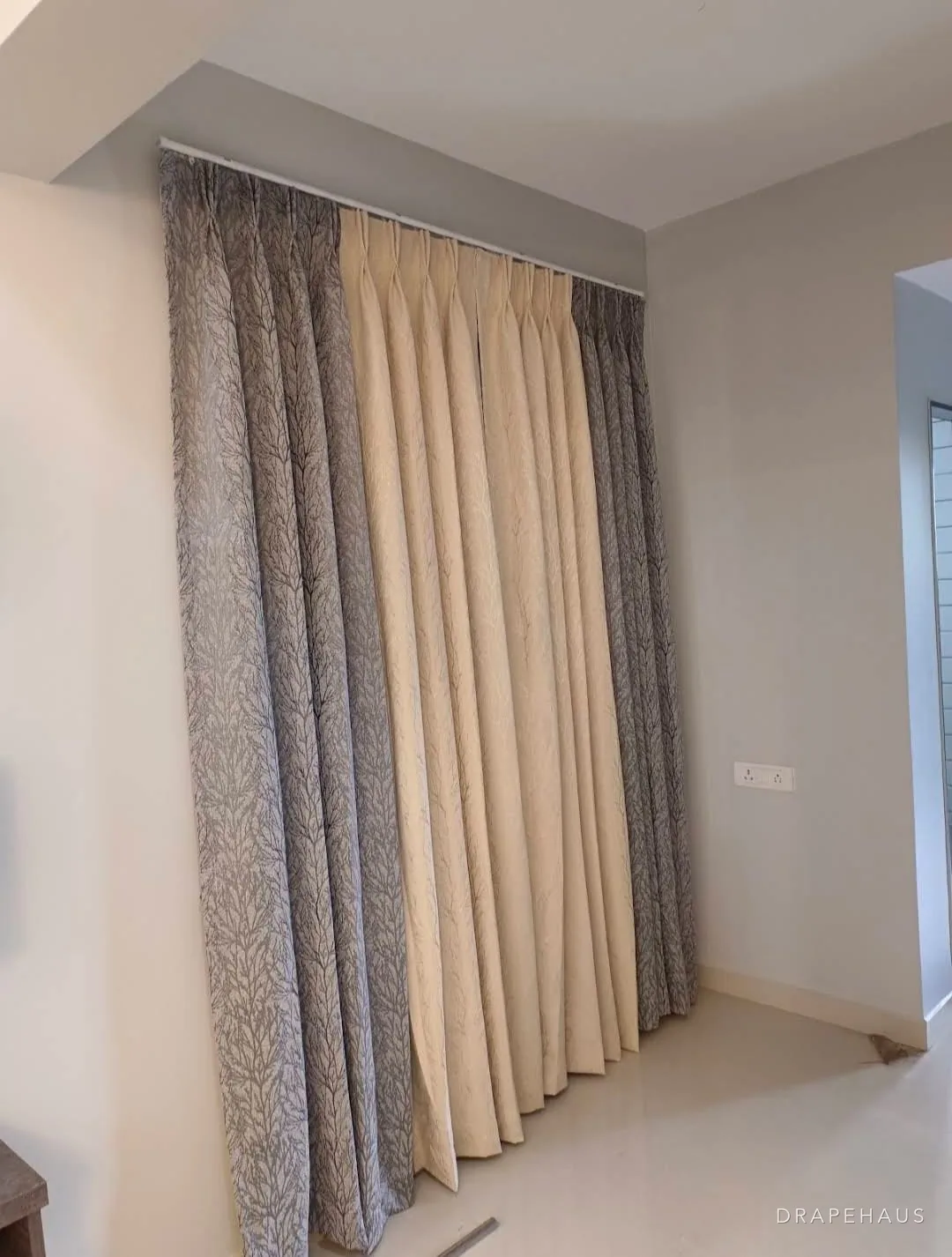
Interior design styles are usually explained with mood boards: a Scandinavian room, a boho room, a coastal room, each defined by a handful of objects. That is a fine way to find out what you like. It is a poor way to decide what will still look good in a Goan house after three monsoons.
The styles that people in Goa actually live with are a short list: the Indo-Portuguese heritage look, coastal and beach interiors, tropical modern, and the two opposite answers of minimalism and boho. Each has a different relationship with the climate. Some shed dust and damp easily; some collect it. Some suit a house that is closed for months; some need daily use to stay fresh.
This guide takes each in turn and asks the practical questions: what defines it, which fabrics, finishes and furniture it needs, and where the humidity cautions lie. It ends with how to mix styles in one house without it looking accidental.
Three tests for any style in Goa
Before looking at styles, it helps to know what they are up against. A Goan house goes through a long dry season of strong sun, glare and fine dust, then four months of monsoon, roughly June to September, when the air stays close to saturated and nothing dries on its own. Near the coast, salt air adds rust and corrosion. Many houses are also left closed for part of the year, which is when damp does the most harm.
That gives three simple tests. First, can the style's materials tolerate humidity, or be dried, cleaned or stored when they cannot? Second, does the style leave places for dust and mould to settle, or does it keep surfaces open and easy to clean? Third, how does it handle light: does it filter glare and keep rooms cool, or does it rely on bare glass and air conditioning?
No style fails these tests outright. Every one can be adapted. But knowing where each is weak tells you which details to get right, and which photographs to treat with suspicion.
Indo-Portuguese: the Goan heritage style
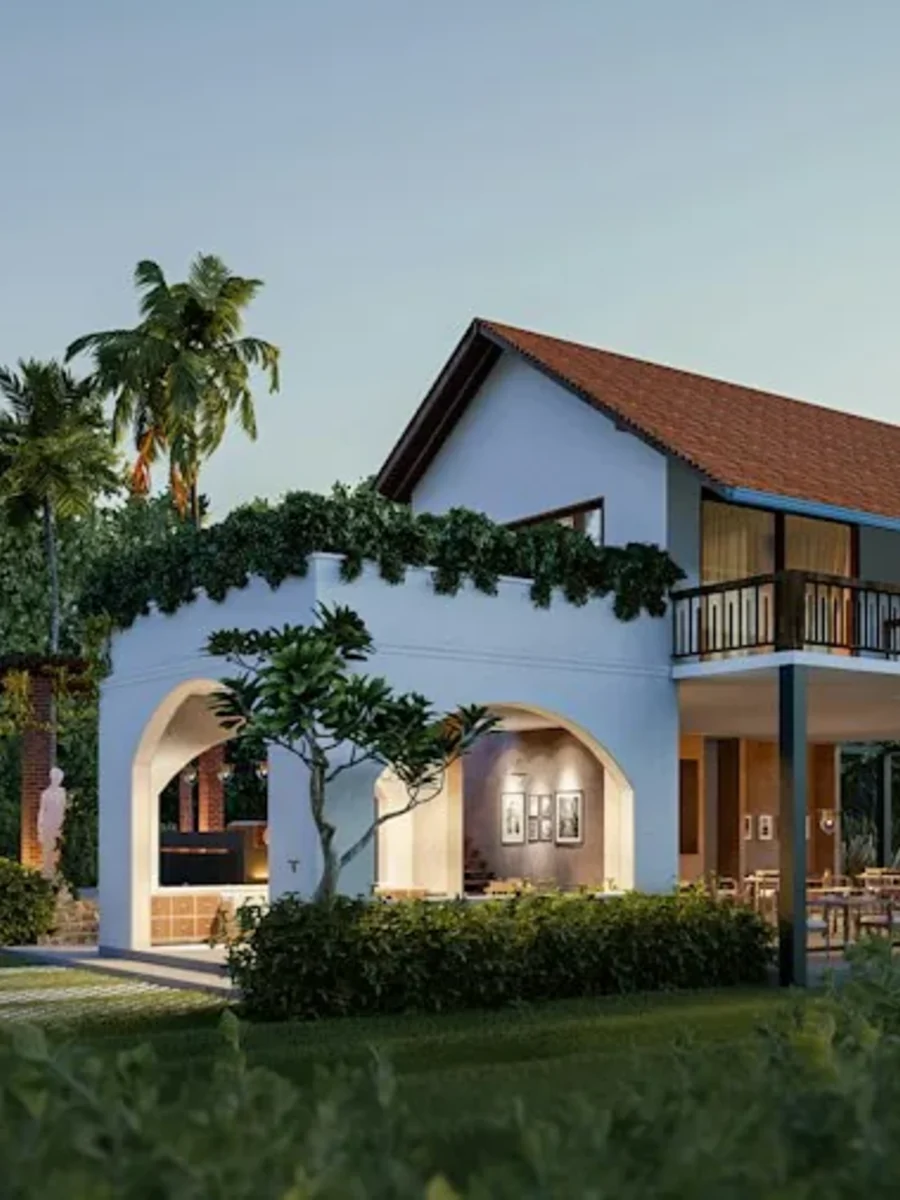
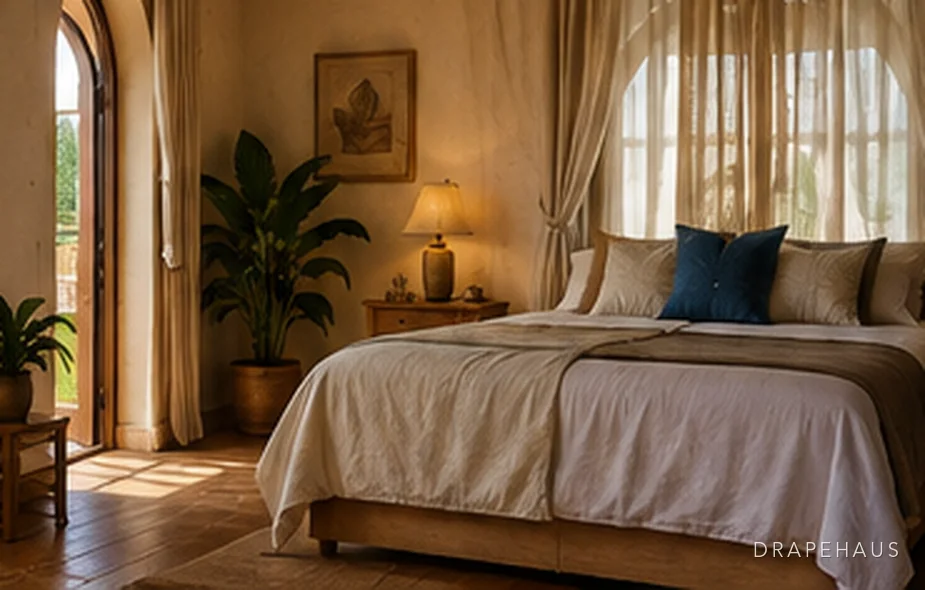
This is the style of the old Goan house, and of new homes that borrow from it. Its interiors are usually pale, white or soft colours with solid colour highlights, set against dark carved furniture, patterned tiles, wooden ceilings and tall shuttered windows, some still glazed with translucent oyster shell. Textiles are light: fine cotton, lace and sheers at the windows, cane seats, and cushions rather than heavy upholstery. Our pieces on heritage villa interiors and Portuguese houses in Goa go deeper into the house itself.
Its upkeep is real but well understood. Antique teak and rosewood need dusting rather than polishing, and space off external walls in the monsoon. Lime-plastered walls need breathable finishes, not plastic paint. Shell windows need gentle cleaning. Lace and sheer curtains yellow and weaken in strong light, so they last longer in natural white or ivory and on windows shaded by verandahs.
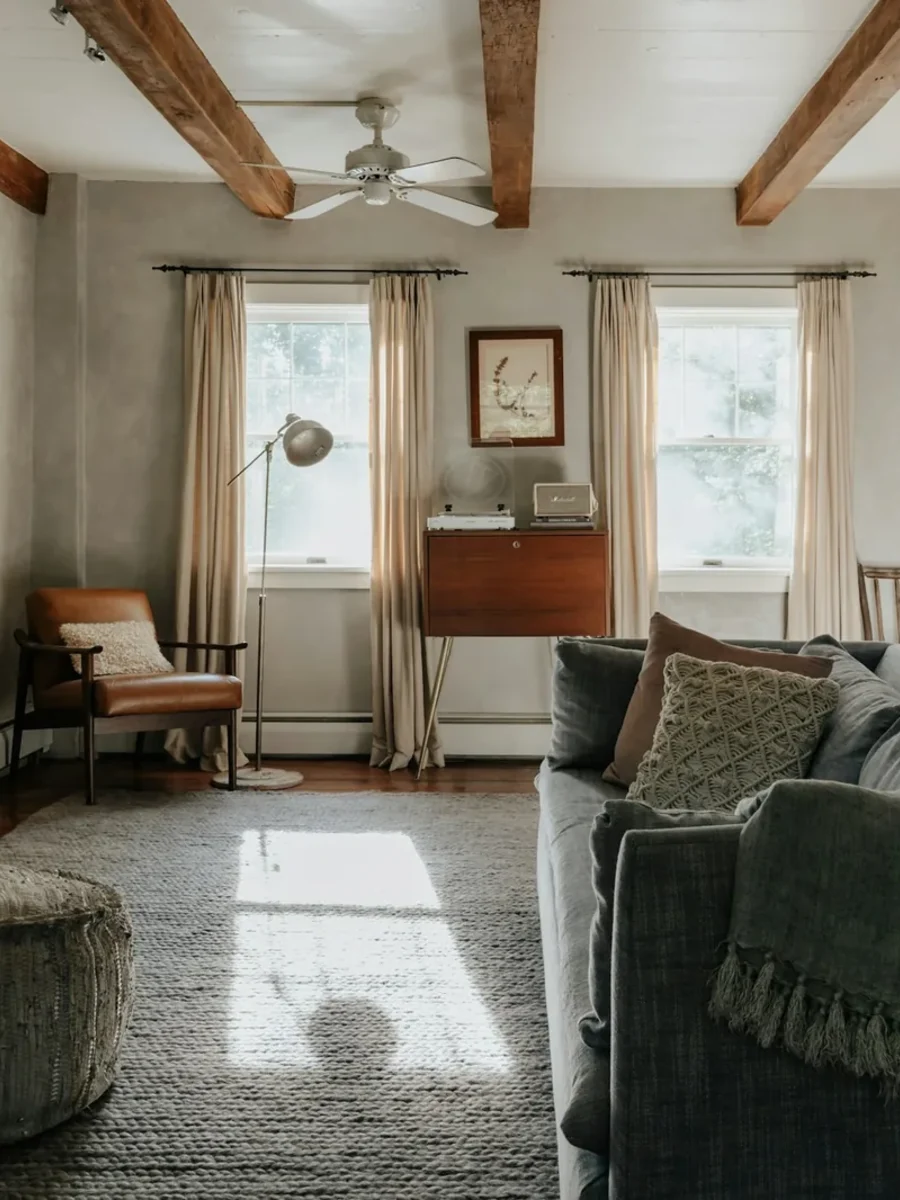
In soft furnishings, the style asks for restraint. Plain linen or cotton curtains in a quiet colour, hung from simple rods, look right; heavily printed or glossy fabrics tend to look imported. Pattern belongs in the tiles and the carving, with perhaps one patterned cushion fabric to pick it up. Where curtains must hang near decorative plaster, fix them to the ceiling or the window frame instead of the wall.
Planning something like this?
We visit homes across North and South Goa, measure on site, and bring samples to see in your own light.
Coastal and beach interiors
Coastal style is the look most visitors picture: pale walls, washed blues and sandy neutrals, natural weaves, slipcovered sofas and plenty of light. In Goa it suits beach homestays, flats near the sea and holiday homes, and it is the style that most needs adapting to its own setting. We have looked at the climate side of it in tropical interior design; here the focus is the furnishing.
The essentials are slipcovers that come off for washing, fabrics that shrug off salt and damp, and floors that forgive sand. Polyester blends and solution-dyed acrylic are the practical choices for anything that sits near an open door. Flatweave cotton dhurries and washable rugs suit a beach house better than deep pile, which holds sand. Tile and stone floors are easier than timber. Window treatments lean to sheers, light roller blinds and woven bamboo, all of which filter the glare off the water.
The humidity caution is metal. Brass-effect lamp bases, plated curtain poles and steel furniture fittings rust quickly near the shore, and the rust stains fabric. Specify powder-coated aluminium or a suitable stainless steel for curtain tracks and rods, and check lamp and furniture hardware before buying.
Tropical modern
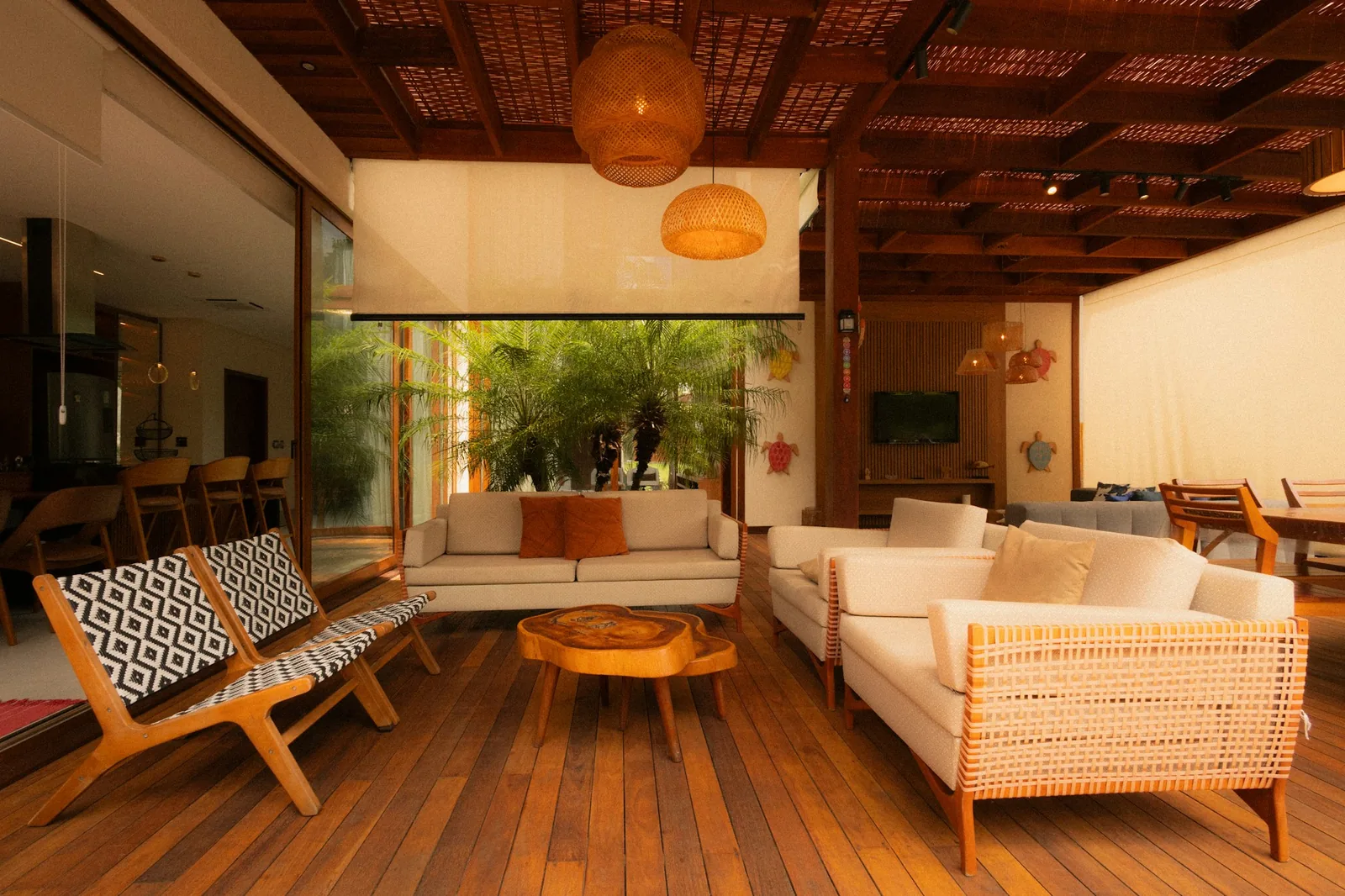
Tropical modern is the style of many new villas in Goa: clean lines, open plans, concrete or plaster, timber, louvres and deep overhangs, with indoor and outdoor rooms running into each other. It has a real architectural ancestry. The Victoria and Albert Museum describes Tropical Modernism as a mid-century style that fused the clean lines of European Modernism with hot, humid conditions, developed by British architects in the 1940s; its 2024 exhibition on the subject traced how architects in newly independent India and Ghana made it their own. Accounts of that work stress ventilation, minimal solar heat gain and deep concrete louvres.
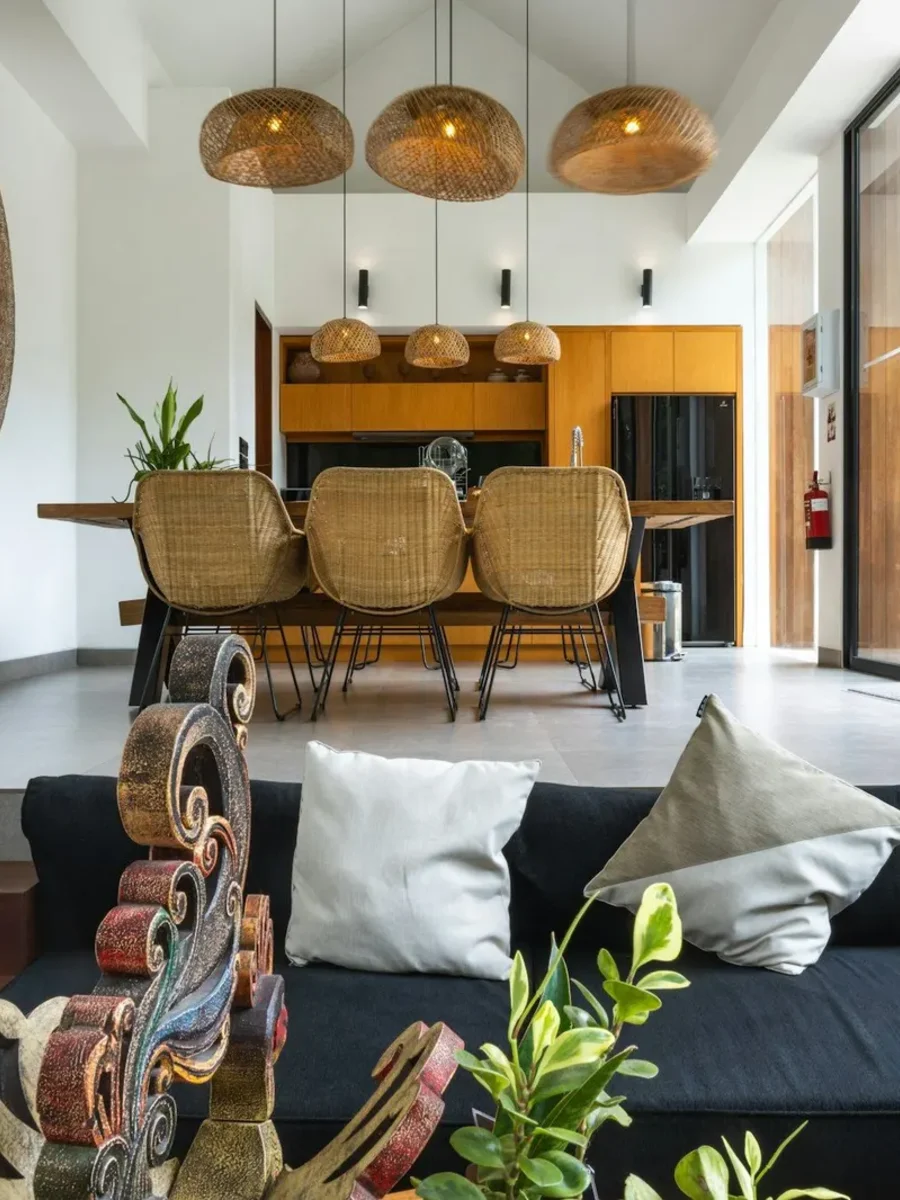
Inside, the style wants a restrained palette and natural textures: linen and cotton curtains, cane and teak furniture, stone floors, and louvred panels that screen without closing a room. Louvers used as partitions and wardrobe fronts are as useful as they are handsome, because they let air through. Ceiling-recessed tracks keep tall windows clean-lined, and motorised curtains make sense on wide glazing that is hard to reach.
Its weakness is that the modern version often keeps the look and loses the mechanism. Huge fixed glass walls, sealed bedrooms and minimal overhangs make a house hot by day and dependent on air conditioning, and an open plan is hard to dehumidify in the monsoon. If you choose this style, make sure the shading and cross-ventilation are real, and plan which rooms can be closed and dried.
Modern and contemporary interiors in Goan flats
Most new flats in Goa are finished in what people simply call a modern house interior: plain plastered walls, vitrified tile floors, aluminium or uPVC sliding windows, a modular kitchen and fitted wardrobes. It is a neutral base rather than a style, and it adapts to almost anything. Its practical strengths are real. Tiles shrug off sand and spills, sliding windows seal well against driving rain, and smooth walls are easy to repaint.
Its weak points are the ones a flat shares with every sealed modern building. Sliding windows leave little room for curtains to stack clear of the glass, so a curtain that covers part of the opening even when drawn back is common. Fitted wardrobes are often built tight to external walls with no ventilation. Bedrooms that are closed for air conditioning in summer become damp in the monsoon unless something runs to dry them. And a flat full of hard surfaces is noisy.
Soft furnishings do most of the work of giving a modern flat character. Ceiling-mounted tracks let curtains run past the window edge and stack fully clear. Roller or zebra blinds sit inside the frame where wall space is short. A rug under the sofa and lined curtains in the bedrooms take the echo out of tiled rooms. Our flat guide goes room by room through the choices.
Minimalist and boho: opposite answers to the same climate
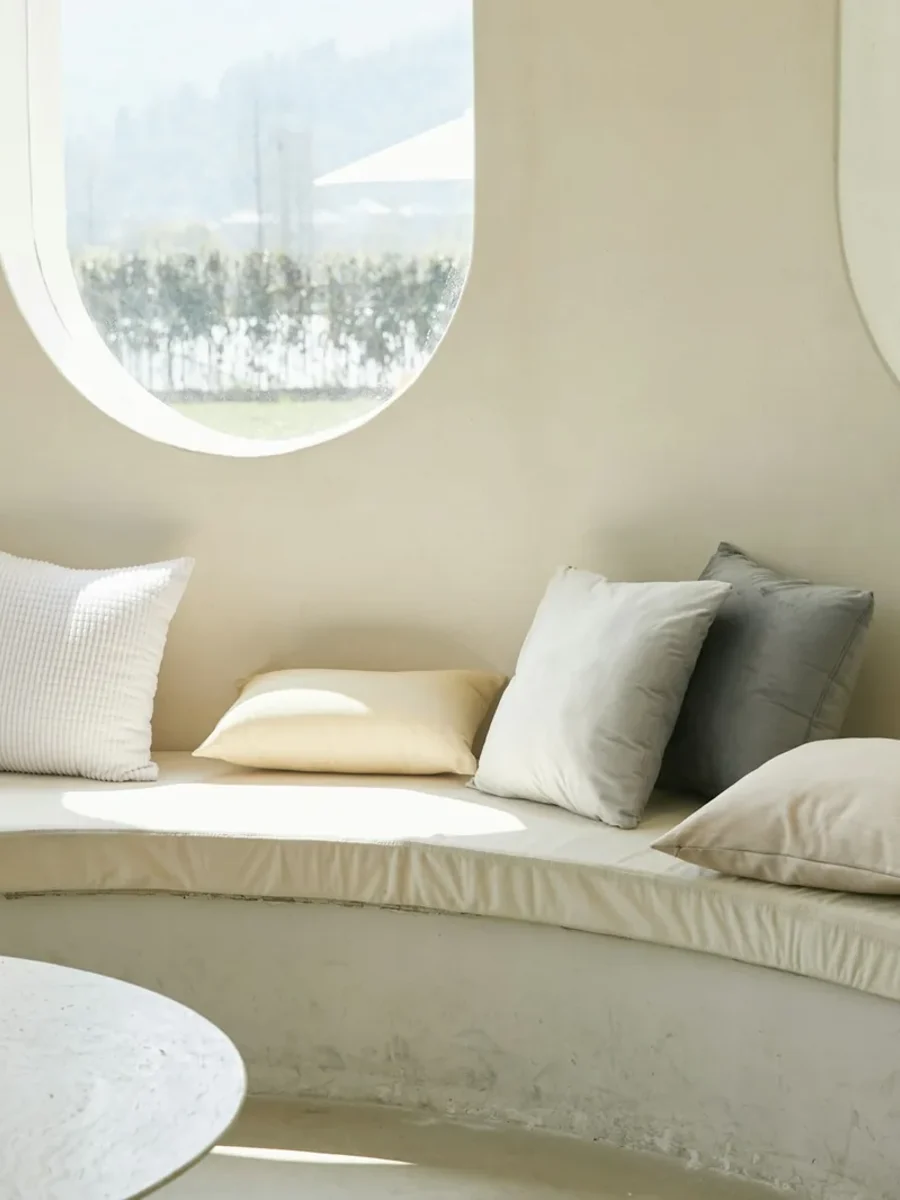
Minimalism and boho look like opposites, and in a humid climate they fail in opposite ways. A minimalist room has few objects, plain surfaces and hidden storage, which makes it quick to clean and leaves little for dust and mould to settle on. Its risks are acoustic and hidden. Hard, bare rooms echo, and the sleek, sealed wardrobes that minimalism likes become damp boxes in August. Minimal rooms in Goa need ventilated joinery, a rug or two to soften sound, and curtains rather than nothing at the windows.
Boho is the reverse: layered rugs, cushions, throws, macramé, plants, baskets and collected objects. It is warm and forgiving, and it hides wear. Its risk is volume. Every extra textile is something that can hold damp, collect dust and smell musty after a closed monsoon, and natural-fibre baskets and wall hangings mould easily. Boho works best when its layers are washable and rotated: cotton cushion covers that come off, flatweave rugs that roll, and a store for the pieces that are put away in the rains.
The useful lesson from both is about storage. A minimalist house needs breathing storage to stay minimal. A boho house needs dry storage so its textiles can take turns. Either way, decide where things go in the monsoon before you buy them.
Minimalism fails in hidden, airless cupboards; boho fails in too many textiles. Both are fixed by storage that breathes.
Styles compared: what each needs in Goa
Other styles come up often, and they can all work here with care. Mediterranean interiors, with lime-washed walls, terracotta, arches and wrought iron, are close cousins of the Goan house and adapt easily. Scandinavian rooms translate if the pale timber is sealed and the wool textiles are kept dry. Industrial interiors suffer most near the sea, where exposed steel and iron rust. Rustic interiors, built on laterite, reclaimed timber and rough linen, have their own guide in rustic villa interiors, and the all-white look is covered in the white villa.
The table below sets the main styles side by side. It is a starting point for a conversation with a designer or with us, not a set of rules.
| Style | Defining materials | Humidity and salt caution | Soft furnishings that suit |
|---|---|---|---|
| Indo-Portuguese | Carved dark timber, tiles, lime walls, shuttered windows | Antiques off external walls; breathable wall finishes | Plain linen or cotton curtains, sheers, cane, cushions |
| Coastal and beach | Pale walls, natural weave, tile floors | Rusting hardware; sand in pile rugs | Slipcovers, solution-dyed fabrics, dhurries, sheers |
| Tropical modern | Plaster, timber, louvres, stone | Big glass and open plans are hard to dry | Linen curtains, ceiling tracks, louvred screens |
| Minimalist | Plain surfaces, hidden storage | Sealed cupboards trap damp | Few, good textiles; ripple-fold curtains; one rug |
| Boho | Layered textiles, rattan, plants | Many textiles to keep dry and clean | Washable covers, flatweaves, rotated cushions |
| Mediterranean | Limewash, terracotta, arches, iron | Iron rusts near the sea | Linen, stripes, woven blinds |
Mixing styles in one house without it looking accidental
Most Goan homes are mixed: an inherited cupboard in a new flat, a modern sofa in an old house, a beach-house bedroom upstairs from a formal sala. Mixing works when something holds the house together. The simplest thread is a shared base: one family of wall colours, one floor, and window treatments that are consistent from room to room, so that each room's style reads as a variation rather than a change of house.
Window treatments are a quiet way to do this. Using the same curtain heading and the same track or rod finish throughout gives a house order even when the furniture is eclectic. Our layered curtains, a sheer with a heavier curtain behind, suit almost every style on the list above, which makes them a good common thread.
Then give each room one anchor piece and let the rest support it. A carved Goan bed can sit with plain modern side tables and linen bedding; a clean-lined sofa can sit under an old mirror. Repeat each important material at least twice in the house, so the cane chair on the verandah is echoed by a cane pendant in the dining room. And let the climate edit the mix: if a piece cannot be dried, cleaned or stored, it does not belong in any of these styles in Goa.