 Drapehaus
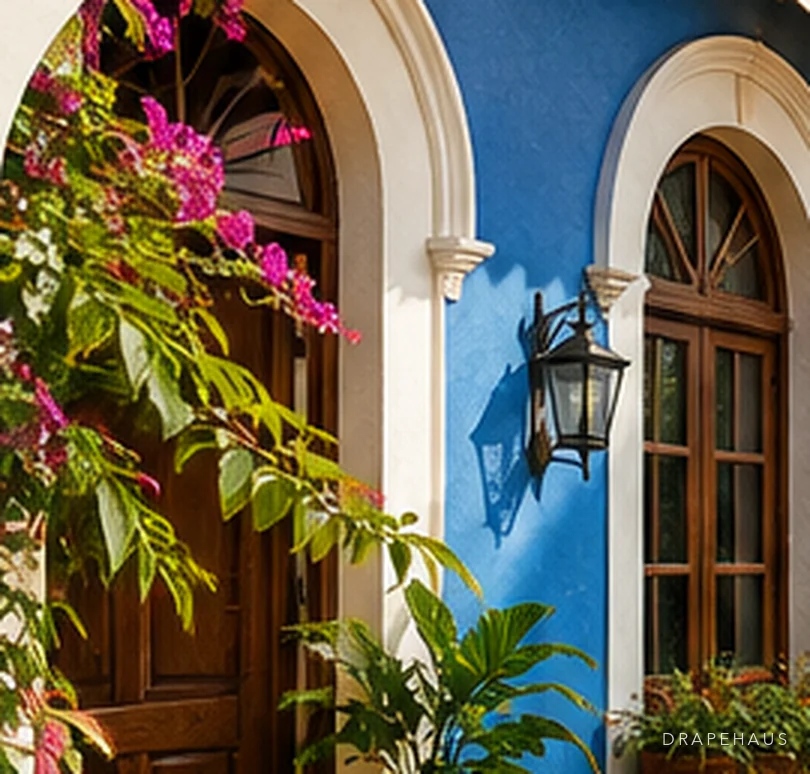
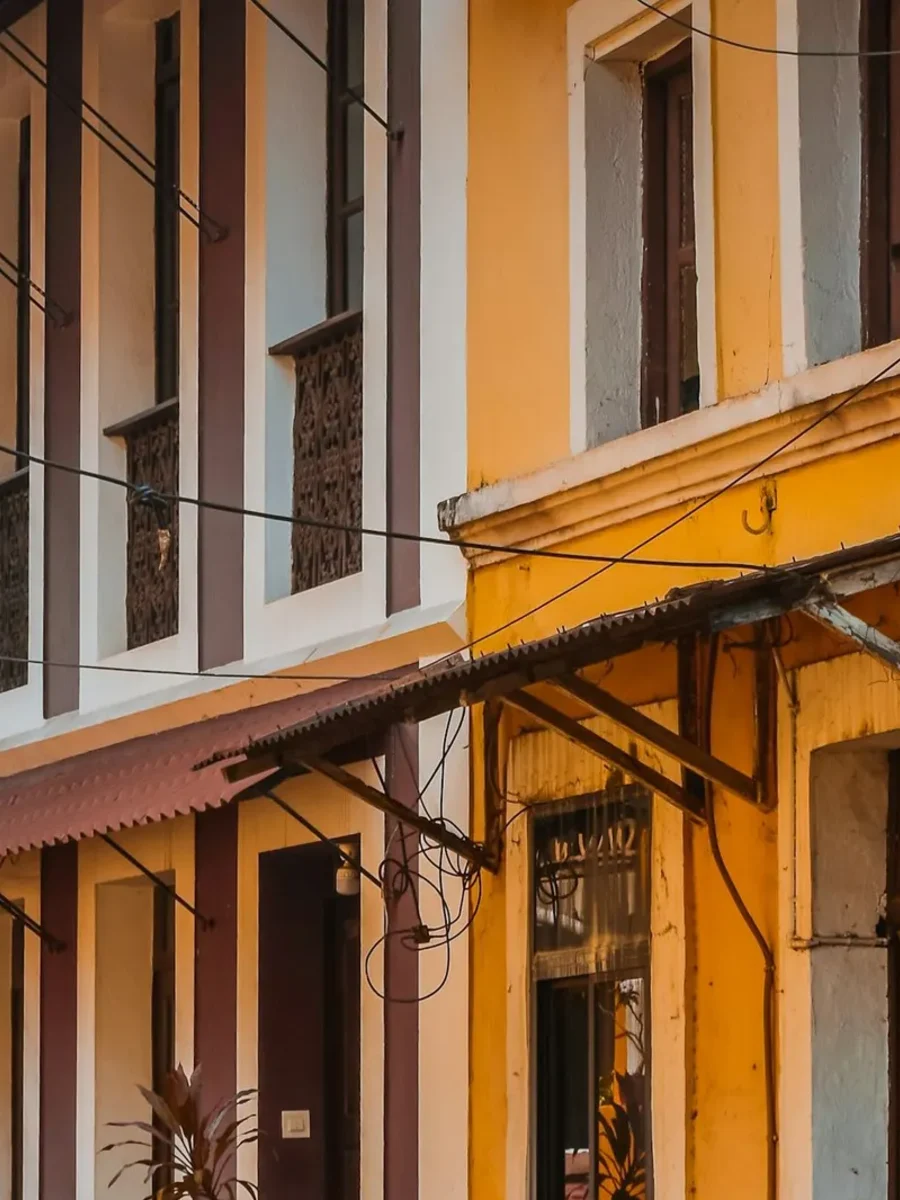
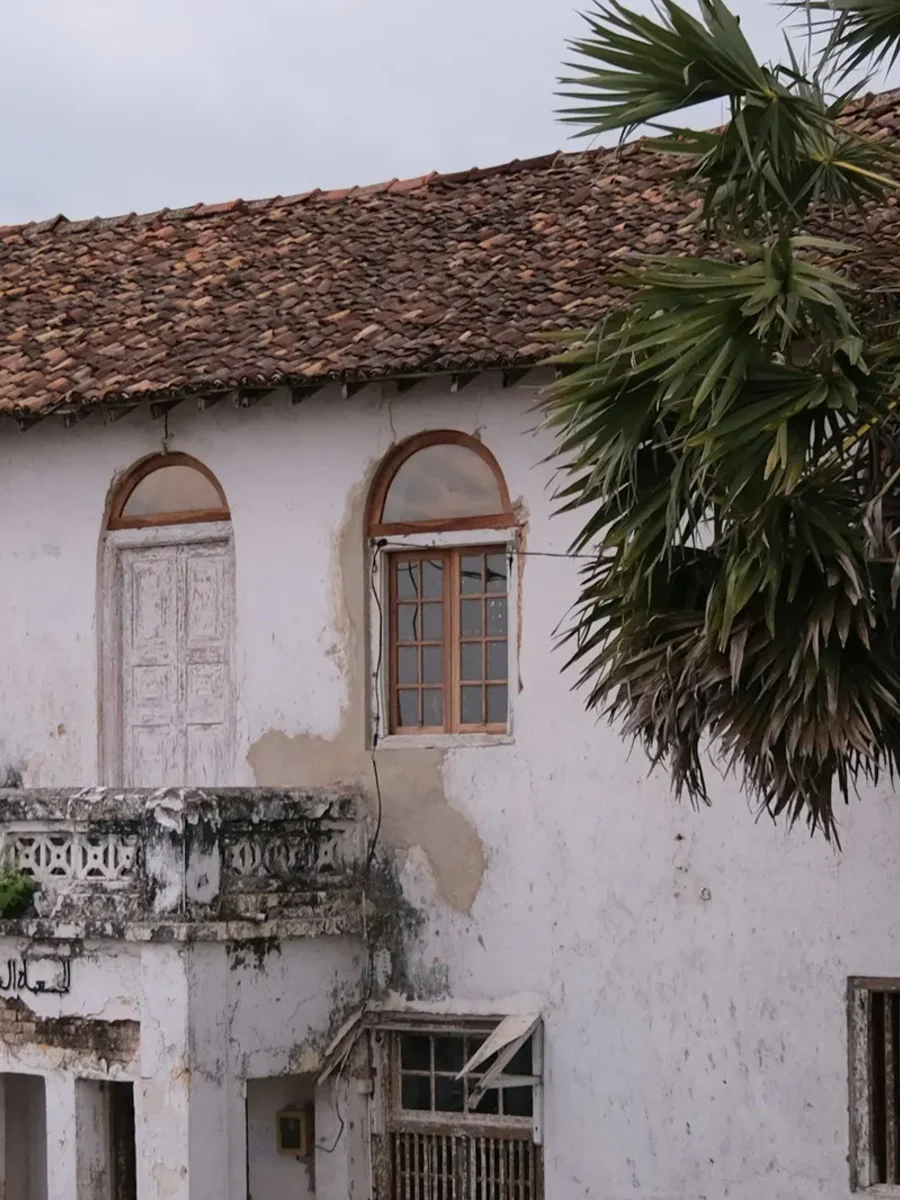
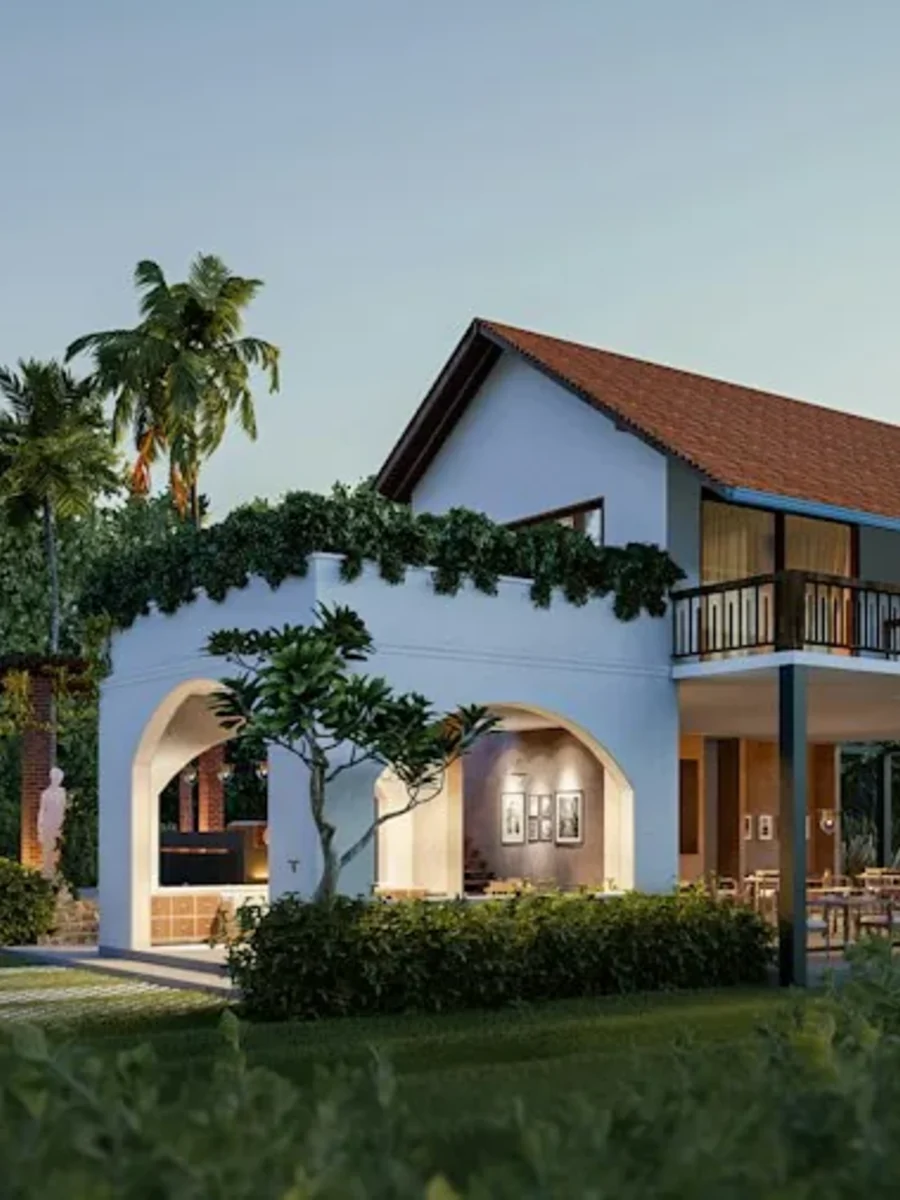
The Portuguese house in Goa is the building most people picture when they think of the state: a raised, colour-washed front with a covered porch, tall windows edged in white stucco, and a pitched roof of red clay tiles. Most of the grand houses that survive were built or remodelled between the 18th and the early 20th century, with neo-classical and Gothic-revival details applied over building methods that were entirely local.
The name is fair to the facade and not much else. The walls are Goan laterite, the plaster is lime, the carpentry and shell windows were made by Goan craftsmen, and the plan answers a monsoon that delivers most of a year's rain in four months. A Goan Portuguese house is really a Goan house in Portuguese dress, and understanding that is the first step to living well in one.
This is the overview: what the parts of an old Portuguese house in Goa are called, what each one does, and how to furnish and run the house so that it stays healthy. For the window-specific detail — shutters, reveals, fixings — our guide to dressing a Portuguese heritage house goes further.
When and why the old Portuguese house in Goa took this shape
Portuguese rule in Goa began in the early 16th century, but the houses people now call Portuguese are mostly much later. The surviving grand houses date largely from the 18th century to the early 20th, and many older homes were rebuilt or refronted during that period. A single house often carries several generations at once: an older core behind a newer, more ornamental street face.
The big shift of that period was orientation. Catholic houses built or refurbished from the middle of the 18th century turned outward, towards the street, with covered porches and verandas where the family could sit and be seen. Hindu houses in the same villages kept an inward focus around an open courtyard. Both traditions share materials and climate logic, which is why they sit so comfortably side by side; our field guide to Goan architecture looks at the differences more closely.
Colour came from the same era. Under Portuguese rule a private house could not be painted white — that was reserved for churches and chapels — and an owner could be fined for leaving a house unpainted. The ochres, indigos, greens and oxblood reds of the Goan village are, in part, the result of a building regulation.
White belonged to churches. The colour on an old Goan house is part of its history, not a later fashion.
Anatomy of a Goan Portuguese house
Most houses of this type share a vocabulary, even when the scale varies from a modest village home to a mansion with two dozen rooms. Learning the names helps when you talk to an architect, a carpenter or a conservation consultant, and it helps you see which parts of a house are original and which have been changed.
The sequence is almost always the same: steps up from the street to the balcão, a formal door, then the sala, the main hall used for receiving guests and for family occasions. Private rooms, the dining room and the kitchen sit behind or around it, often around an inner court. A wooden false ceiling is almost universal, and cornices sometimes use rows of country tiles as corbels, a detail peculiar to Goa.
- Balcão — the raised, covered entrance porch with built-in masonry seats facing the street.
- Sala — the main hall for receiving guests, usually the tallest and most formal room; larger houses add a smaller sala de visita.
- Oyster-shell windows — timber frames glazed with thin, translucent panes cut from the windowpane oyster, Placuna placenta.
- Laterite walls — thick, porous stone walls, earlier houses often in mud, finished in lime plaster and colour.
- Clay tile roof — pitched timber roof with deep eaves, in the later houses covered in red Mangalore-pattern tiles.
- Wooden false ceiling — a timber ceiling below the roof structure in almost every room.
Planning something like this?
We visit homes across North and South Goa, measure on site, and bring samples to see in your own light.
Laterite, lime and tile: the house as a climate system
A Goan house was built for rain first. Goa's normal annual rainfall is about 3,370 mm, and roughly nine-tenths of it falls between June and September. Morning humidity in Panjim sits around 87–91% through the monsoon months. Deep eaves throw water clear of the walls, a raised plinth keeps the floor above the wet ground, and the steep tiled roof sheds water quickly.
The walls handle the rest by breathing. Laterite is porous, and lime plaster is permeable, so a wall that takes on water in July can dry out again in October. Conservation bodies such as the Society for the Protection of Ancient Buildings describe exactly this behaviour in old masonry: permeable walls rely on evaporation to stay healthy, and hard cement render cracks, draws water in and then traps it. Our piece on living in a laterite house explains the mechanism in detail.
Much of the damage seen in old Goan houses comes from breaking this system — a cement patch, a plastic paint, an eave cut back, a window sealed shut. The single most useful rule for an owner is to keep the house doing what it was designed to do before adding anything new.
Living in an old Portuguese house in Goa, season by season
From November to May the house is at its best. Shutters and tall windows open for cross-ventilation, the oyster-shell panes soften the glare, and the thick walls even out the day's heat. Resist the urge to seal rooms: a well-ventilated old house is more comfortable than one closed around an air conditioner, and it is healthier for the walls.
The monsoon is where old houses need help. Rooms that are shut for weeks, especially if the family is away, trap moist air against cool walls, and mould follows. Keep air moving, run dehumidifiers in any room that must stay closed, and keep furniture and fabrics a hand's width off external walls. The monsoon damp and mildew guide covers what works and what does not.
If you are away for the season, plan the house's closure rather than simply locking it. Textiles in particular are better taken down, cleaned and stored dry than left hanging in a shut room, and arranging that before you leave is far easier than rescuing mildewed curtains in October. Ask whoever looks after the house to open it on dry days, run the fans and check the roof after heavy rain.
Furnishing a Goan Portuguese house
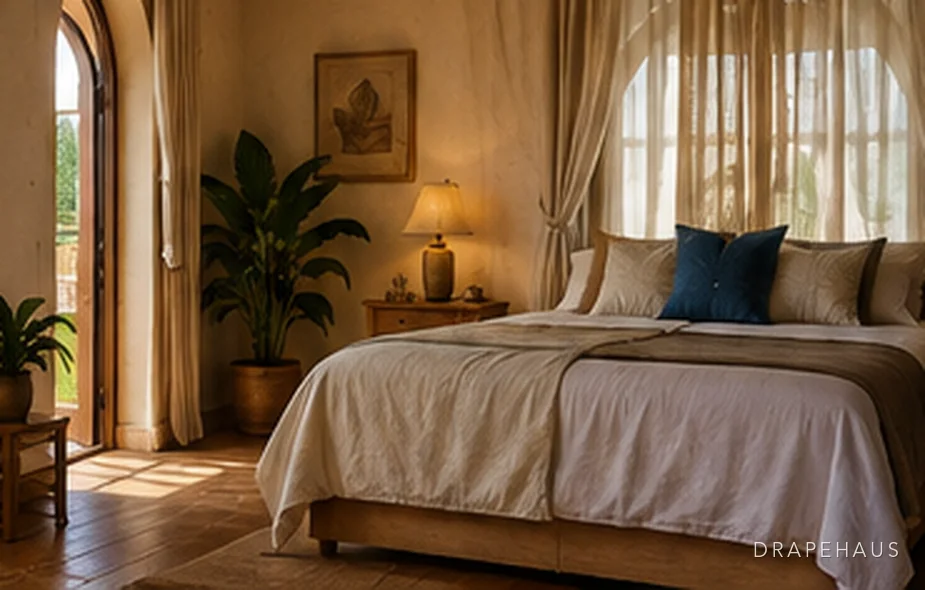
The rooms are tall, the walls thick and the light soft, and furnishing works best when it respects all three. Curtains should start well above the window head and fall to the floor, in natural fibres such as linen and cotton that let air through. Pattern is usually best kept to the tiles, the furniture and the wall colour rather than added again in the fabric.
Old rosewood and teak furniture wants air around it and a steady atmosphere; avoid pushing it tight against an external wall or placing it in the full sun of an open window. Flatweave rugs that can be rolled up and stored through the wet months suit these floors better than heavy pile laid permanently.
Modern comfort can be added without being seen: blackout linings in bedrooms only, quiet motors on the heavier curtains in a tall sala, lighting kept low and warm. The test for each addition is whether it could be removed later without trace. Our guide to heritage villa interiors goes room by room through what to keep and what to modernise invisibly.
Heritage status: what owners should know
Goa's cabinet approved a State Heritage Policy in June 2025. As reported at the time, it covers more than 200 historic, archaeological and heritage sites and around 100 public and private heritage buildings, proposes a Goa State Heritage Council and a GIS-based heritage register, and offers financial and technical support to private heritage homes, including adaptive reuse for tourism.
What that means for a particular house depends on how the policy and any listing are implemented, and on local planning rules. Before buying, altering or letting an old house, check the current notification with the relevant government department and take advice from a conservation architect. The same care applies to any change to the fabric of the house, which is covered in our guide to restoring an old Portuguese house.