 Drape Haus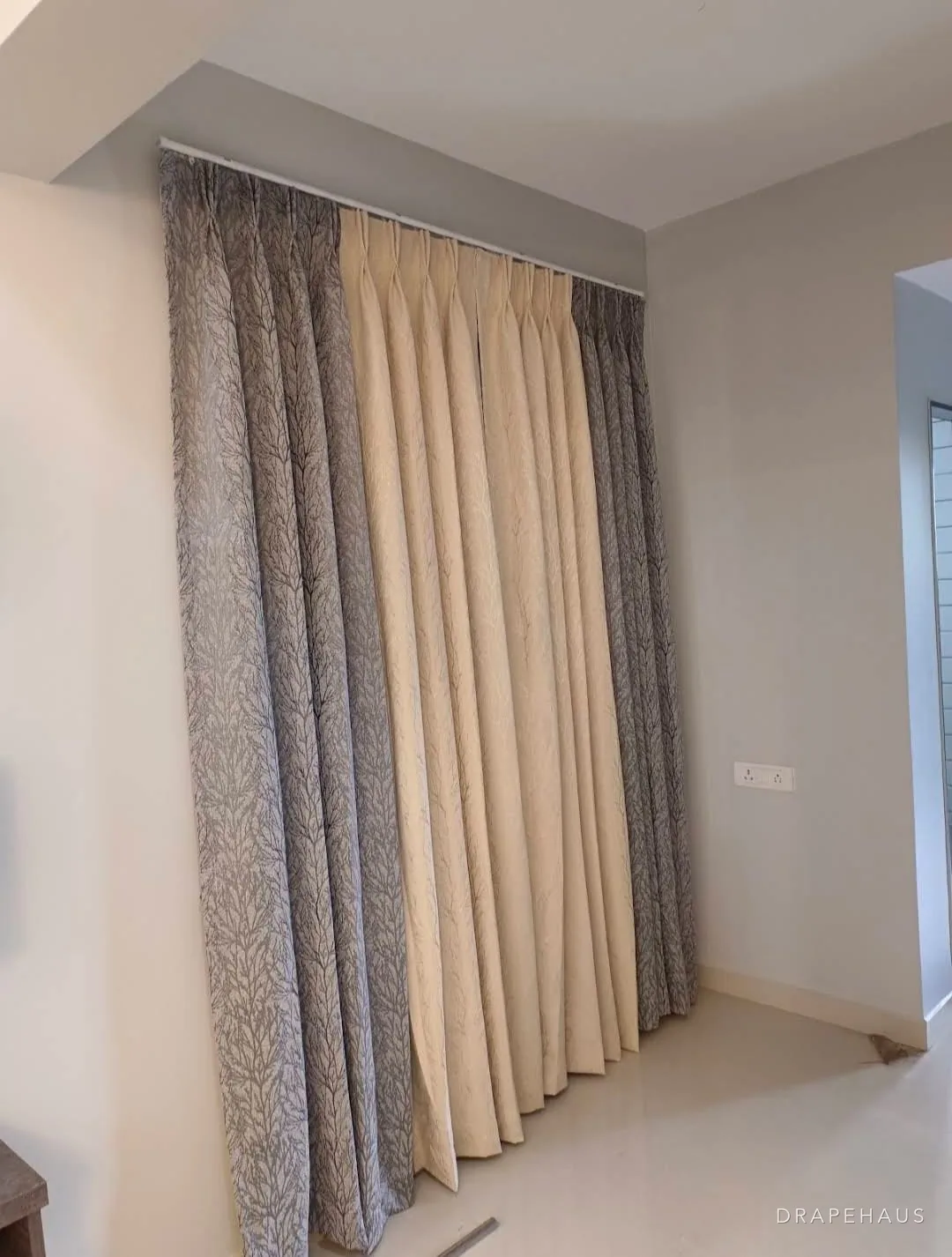
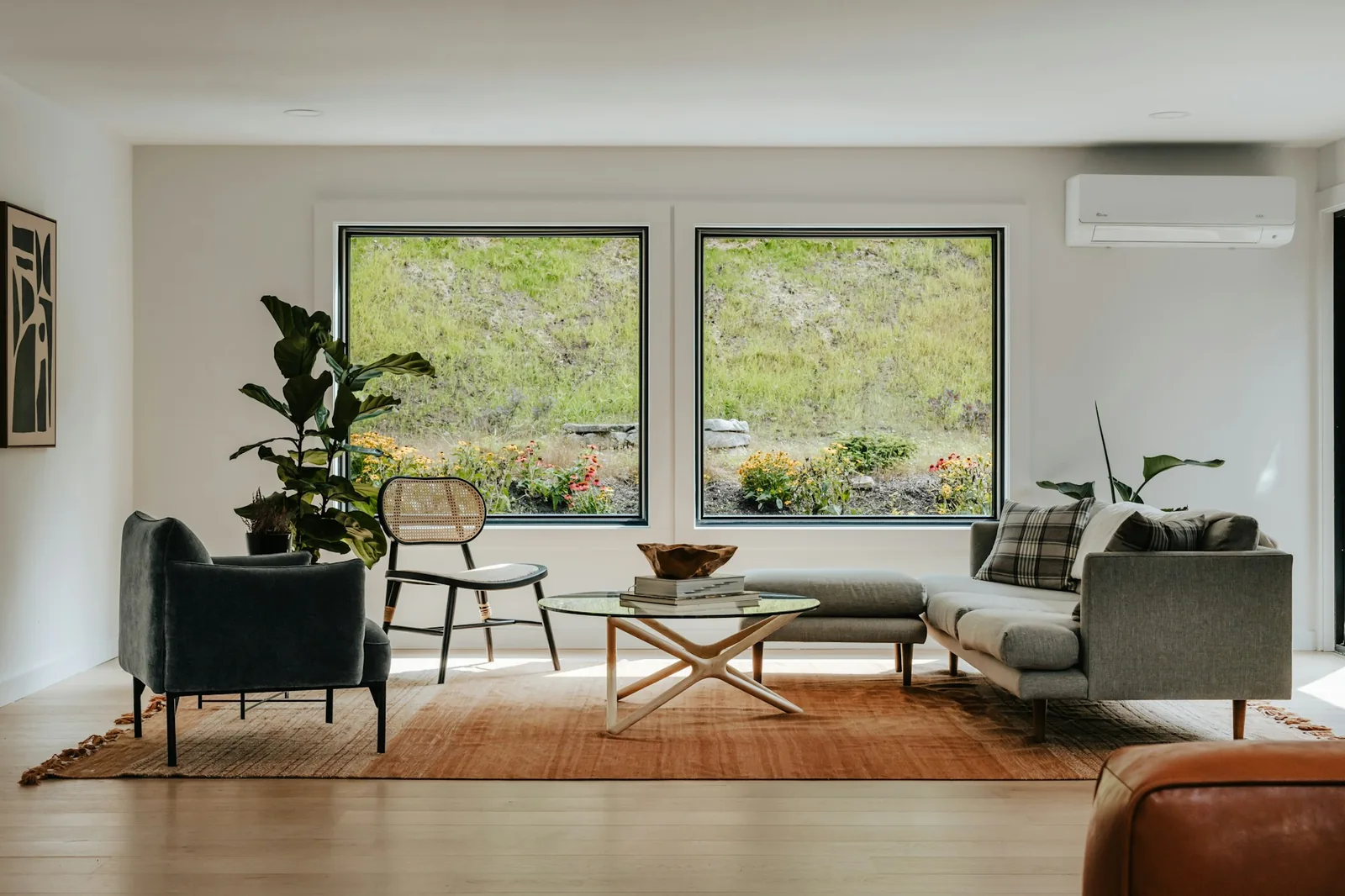
Simple house interior design is not about owning less for its own sake. It is about putting effort where a family feels it every day and leaving the rest until you know what the house needs. In Goa that means getting three things right early, sleep, seating and mosquito screens, then letting a full year of weather show you where the damp walls, the hot rooms and the dusty corners are before spending on decoration.
This approach suits a new flat as much as an old family house. It costs less over time because fewer things are bought twice, and it produces rooms that are easy to clean and quick to dry, which matters more here than in most places. A simple home is also easier to adapt as children grow, guests come and go, and the house is lived in differently from season to season.
What follows is a practical order of work: what to do first, what can wait, which fabrics stand up to family life in a humid climate, how to make storage that does not grow mould, the simplest good window treatment for each room, and how to add character later.
What simple house design means in a Goan home
A simple house design has fewer objects, each chosen to do a job well. The test for any purchase is whether it makes daily life easier: does it help the family sleep, sit, store, keep cool or keep clean? Decorative pieces are welcome, but they come after the working layer is in place.
In Goa, simplicity has a climate benefit. Every rug, cushion, throw and fabric-covered surface is something that can hold damp in the monsoon and dust in the dry months. Rooms with fewer, better textiles dry faster, smell fresher and take less time to clean. Plain, wipeable surfaces and furniture on legs, which lets air and a mop underneath, do more for a family house than any style choice.
Simple does not mean bare. A sofa with good cushions, curtains that actually close, a rug where children play and some colour on the walls are all part of a simple home. What it avoids is clutter that has to be maintained, and pieces bought to fill space before anyone knew how the room would be used.
First priorities: sleep, seating and screens
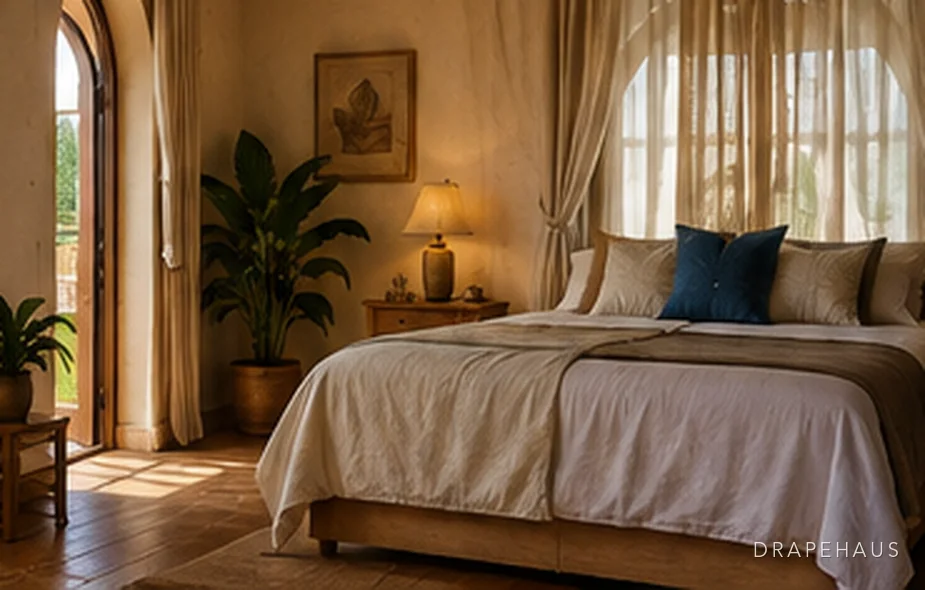
Bedrooms come first because sleep affects everything else. Each bedroom needs a way to make the room properly dark, which in Goa means early summer sunrises, street lights and, for children, daytime naps. A lined or blackout curtain, or a blackout blind behind a lighter curtain, does this. Our blackout curtains page covers the options; the key detail is that the curtain extends past the window on both sides and above, or the light leaks round the edges.
The sofa is the second priority because it is the piece used most hours of the day. Spend on the frame and the cushions, which are hard to change, and choose upholstery that can be cleaned or covered later. A custom sofa sized to the room is usually better than a large standard piece that blocks a doorway or sits against a damp wall.
Screens on every opening are the third. India's National Center for Vector Borne Diseases Control lists window and door screening among the main ways of protecting a household from mosquito bites, and notes that the dengue mosquito bites during the day, usually in the morning and the afternoon. Nets let a family keep windows open for air instead of sealing rooms and running fans or air conditioning all day. Sliding nets on windows and doors are the simplest permanent answer; they slide aside when not needed.
If time or money is short, do bedrooms, one good sofa and nets on every opening. Everything else can wait a season.
Planning something like this?
We visit homes across North and South Goa, measure on site, and bring samples to see in your own light.
Phasing the work around the seasons
Goa's calendar gives a natural order to furnishing a house. The monsoon, roughly June to September, is a poor time to install fabrics: walls are damp, rooms are humid, and new curtains and upholstery start their life in the worst conditions. It is, however, the best time to learn the house. Note which walls darken, which corners smell musty, which windows leak and which rooms stay dry.
The months after the rains are the time to buy and fit. Walls have dried out, measurements are reliable, and fabrics go into rooms that can be aired. Our measuring and fitting process is easiest to schedule then. The table below sets out a sensible sequence for a family moving into a house, whether new or old.
| Stage | When | What to do |
|---|---|---|
| Move-in essentials | As soon as you arrive | Bedroom darkness, nets on every opening, one good sofa, basic lighting |
| First dry season | October to May | Curtains and blinds for main rooms, storage, rugs for play and seating areas |
| First monsoon | June to September | Live in the house; note damp walls, musty cupboards and hot rooms; avoid installing new fabrics |
| After the first monsoon | October onward | Fix damp causes; move furniture off problem walls; add a feature wallpaper only on walls that stayed dry |
| Year two | Any dry month | Character pieces: cushions, an extra rug, art, reupholstering an old chair |
Fabrics that cope with children, guests and humidity
For a family house, the best fabrics are washable, quick to dry and tolerant of being rubbed, sat on and spilled on. Polyester and polyester blends are the practical workhorses: they hold their shape, dry faster than cotton and resist mould better. Solution-dyed acrylic is tougher still and keeps its colour in sun, which makes it the right choice for a verandah seat or a sofa beside a sunny window. Cotton and linen are pleasant to touch and breathe well, but they crease, can shrink if washed hot, and hold moisture longer.
Colour helps as much as fibre. Mid-tones and small patterns hide daily marks far better than white or very dark plain fabrics, which show dust and lint. A textured weave hides wear better than a smooth one. Ask for removable covers on sofa seat and back cushions at the very least, so the parts that take the most wear can be washed. For bedrooms, a lined curtain lasts longer than an unlined one in strong light, because the lining takes the sun.
Durability for upholstery is often described by a rub test count, which measures how much abrasion a fabric withstands before it wears; higher counts suit heavier use. Ask for this figure when choosing a family sofa fabric. Our sofa covers can also be made for an existing sofa that is sound but tired, which is often the simplest way to refresh a room.
Storage that breathes
Closed storage is the hidden weak point of many Goan homes. A wardrobe or cupboard with solid doors, set tight against an external wall and packed with clothes, is a small room with no air movement. In the monsoon it reaches the humidity of the air outside, and the cool wall behind it makes it worse. That is why clothes, bags and shoes come out spotted with mould in August.
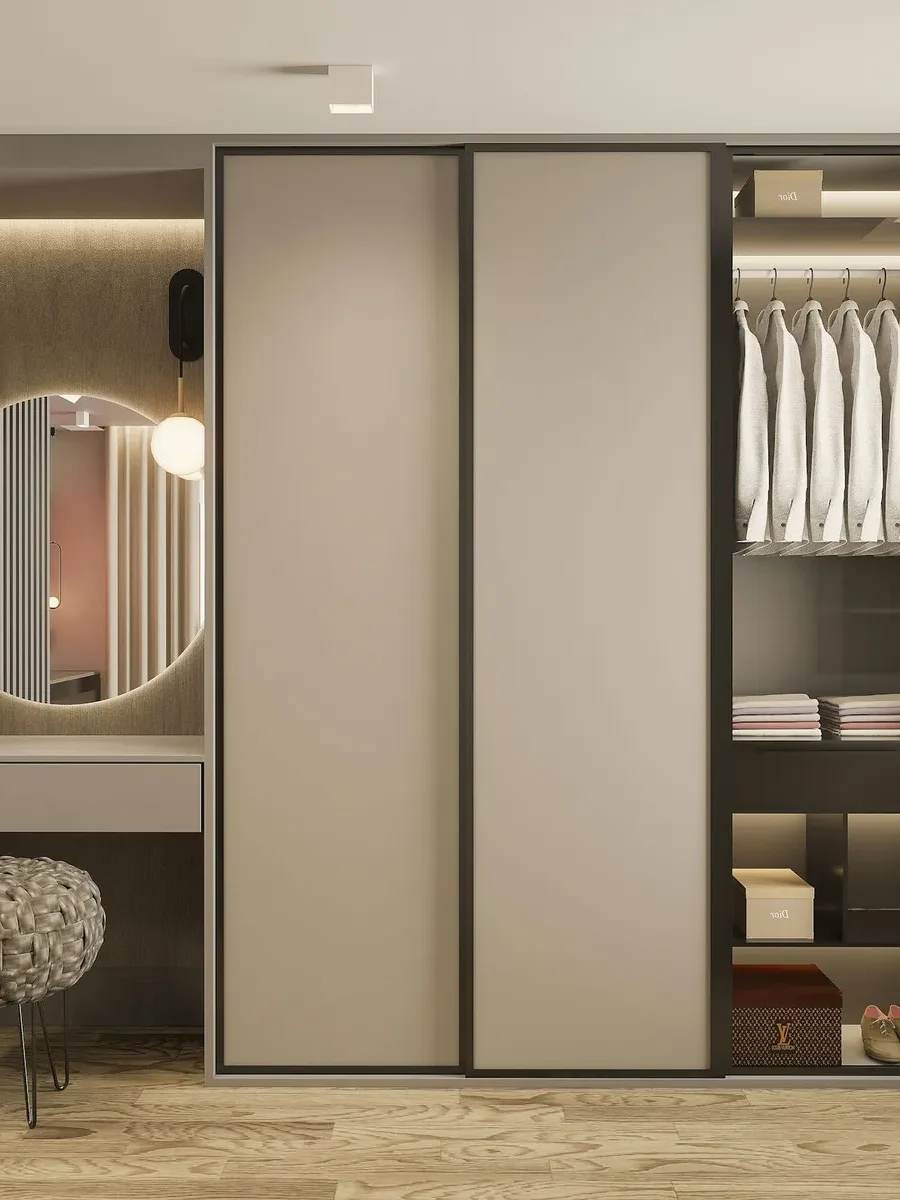
Simple design choices prevent most of this. Louvred or slatted wardrobe doors, or ventilation openings top and bottom, let air move through. A gap of a few centimetres between the back of a cupboard and the wall stops it sitting against damp plaster. Shelves that stop short of the back panel help air circulate inside. Open shelving for everyday items keeps things in use and visible. The US Environmental Protection Agency advises keeping indoor humidity below 60%; in practice that means running a dehumidifier or air conditioning in the room that holds the main wardrobes during the wettest weeks, with doors and windows closed while it runs.
There is a mosquito angle too. The same national dengue guidance notes that the mosquito rests indoors among furniture, beds, shelves, almirahs and dark clothing hanging inside. Clothes kept in ventilated cupboards rather than heaped on hooks in dark corners mean fewer resting places, which is one more reason to keep storage simple and open.
Simple window treatments, room by room
Window treatments are where simple design pays off most, because the right choice made once lasts years. For each room, ask what the window must do: give darkness, privacy, glare control or just softness. Then choose the simplest thing that does it. One well-made treatment is better than two that half work.
Keep the hardware simple and consistent too. One track or rod finish throughout the house looks tidier, and a good track that runs smoothly outlasts several sets of curtains. Near the coast, choose aluminium or stainless fittings that will not rust onto the fabric. For rooms where children pull on curtains, a ceiling-fixed track is sturdier than a wall bracket, and cordless or tensioned controls on blinds remove a hazard.
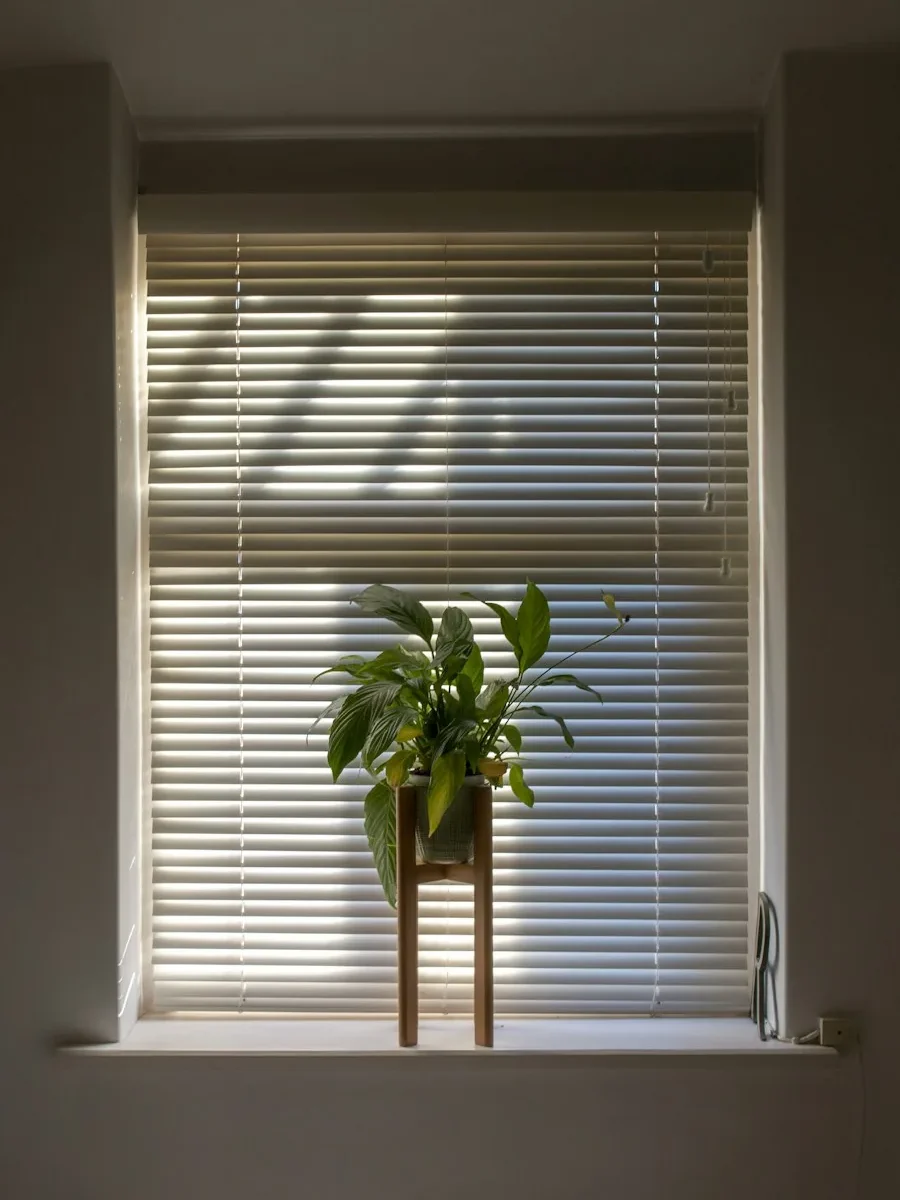
If you are deciding between curtains and blinds, a rough rule is blinds where space is tight or moisture is high, and curtains where you want softness and a full view when open. Our roller blinds are the simplest blind there is, and they come in blackout, light-filtering and wipe-clean fabrics.
| Room | Simple choice | Why |
|---|---|---|
| Living room | Unlined cotton or linen-look curtains, with a sheer if the room faces a street | Soft, washable, easy to draw back fully for air and view |
| Bedrooms | Lined blackout curtains, or a blackout roller blind behind a light curtain | Darkness for sleep, longer life in strong light |
| Children's rooms | Blackout roller blind with a cordless or tensioned chain | Daytime naps, and no loose cords |
| Kitchen | PVC or polyester roller blind | Wipes clean, no loose fabric near the hob |
| Bathroom | Moisture-tolerant roller or faux-wood blind | Fabric curtains mould in steam |
| Home office | Zebra or roller blind | Adjustable glare control for screens |
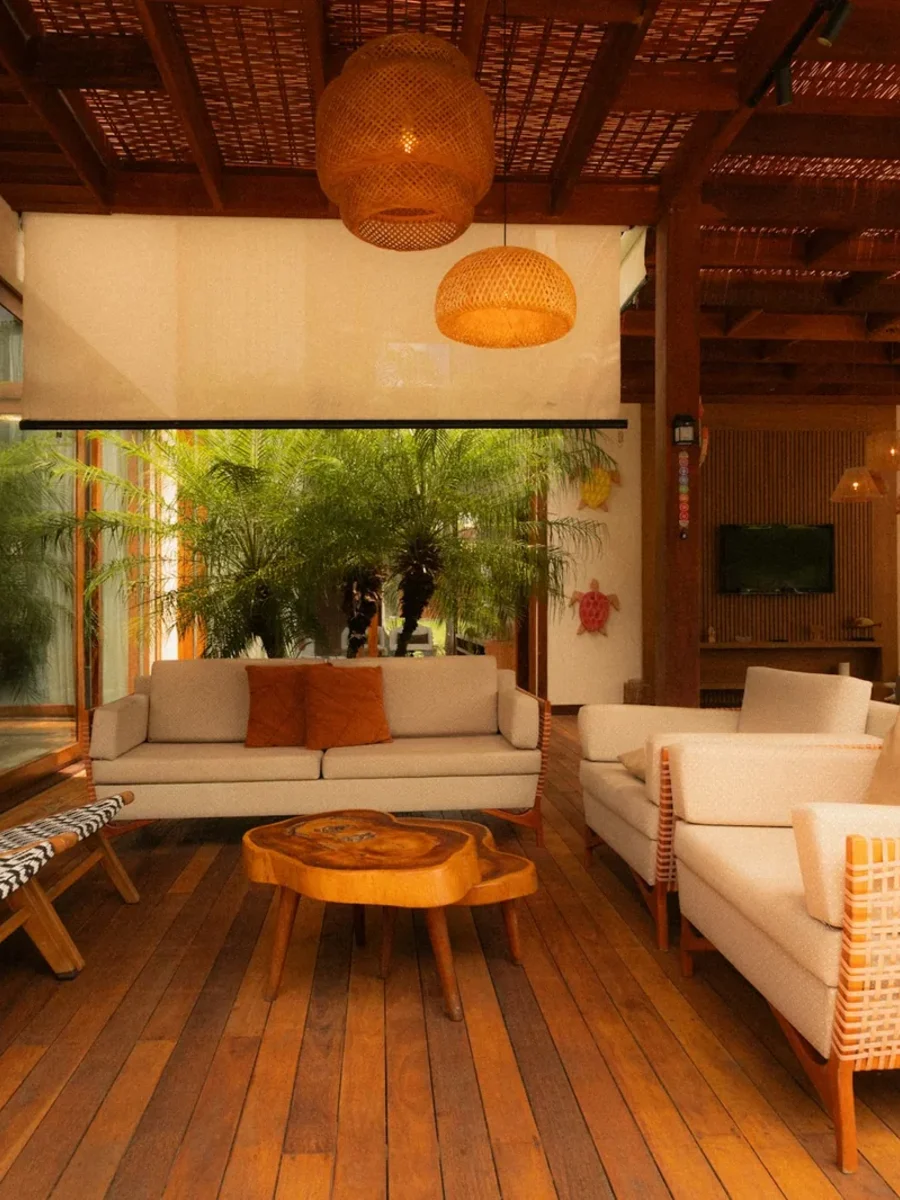
| Verandah | Bamboo or chik blind, or outdoor blinds | Filters sun and rain; rolls up when not needed |
Adding character later
Once the working layer is in place and the house has been through a monsoon, it is time to add character. Cushions are the easiest place to start: a few covers in a colour or print you love change a room instantly, and they can be swapped each season. Choose zipped covers so they can be washed, and keep the inserts in a dry cupboard over the rains.
Rugs come next. A rug defines a seating area, softens a tiled room and gives children a place to play. In a family house, choose flatweaves and cotton or wool rugs that can be rolled, cleaned and stored, and size them to the furniture: the rug size simulator shows the options. Leave deep-pile and delicate rugs for rooms with less traffic.
A single feature wall in wallpaper is the last and boldest step. Choose an internal wall that stayed dry through the monsoon you have just watched, never a wall that showed damp. One papered wall behind a bed or a sofa gives a room personality without committing the whole house to a pattern, and our home wallpaper range is a good place to start looking.