 Drape Haus
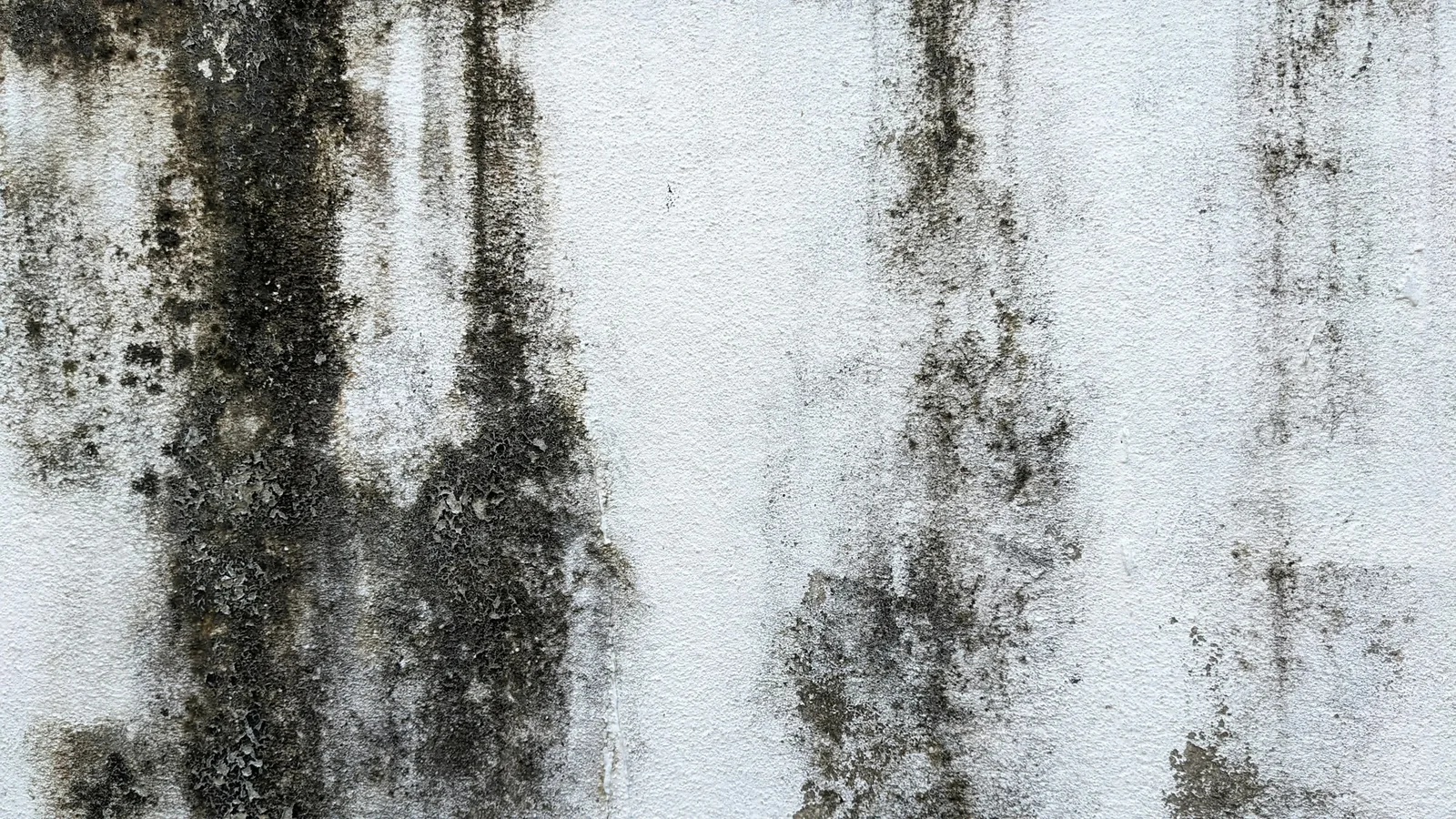
The right solution for dampness in walls depends entirely on where the water is coming from, and most failed damp repairs fail because they treat the wrong source. The Society for the Protection of Ancient Buildings (SPAB) says plainly that dampness is frequently misdiagnosed and that ineffective, unnecessary treatments are common. UK government guidance on damp and mould makes the same point about rising damp in particular.
There are four usual sources. Rain gets in from outside, which most people in India call seepage. Moisture rises from the ground. Pipes, tanks and bathroom fittings leak. And condensation forms when humid indoor air meets a cooler wall. Salts left behind by any of these can then keep a wall damp on their own. Goa adds scale: the India Meteorological Department puts the state's normal annual rainfall at about 337 cm, with about 91% of it in the southwest monsoon.
This guide explains how to tell the four apart with simple checks, what a competent damp survey involves, and how to match the repair to the cause. Drape Haus makes and fits soft furnishings; we are not builders or waterproofing contractors. So the last part covers what we do know well: how to protect furniture, curtains and walls while the repair is planned and the wall dries.
The four causes of damp walls, and their signatures
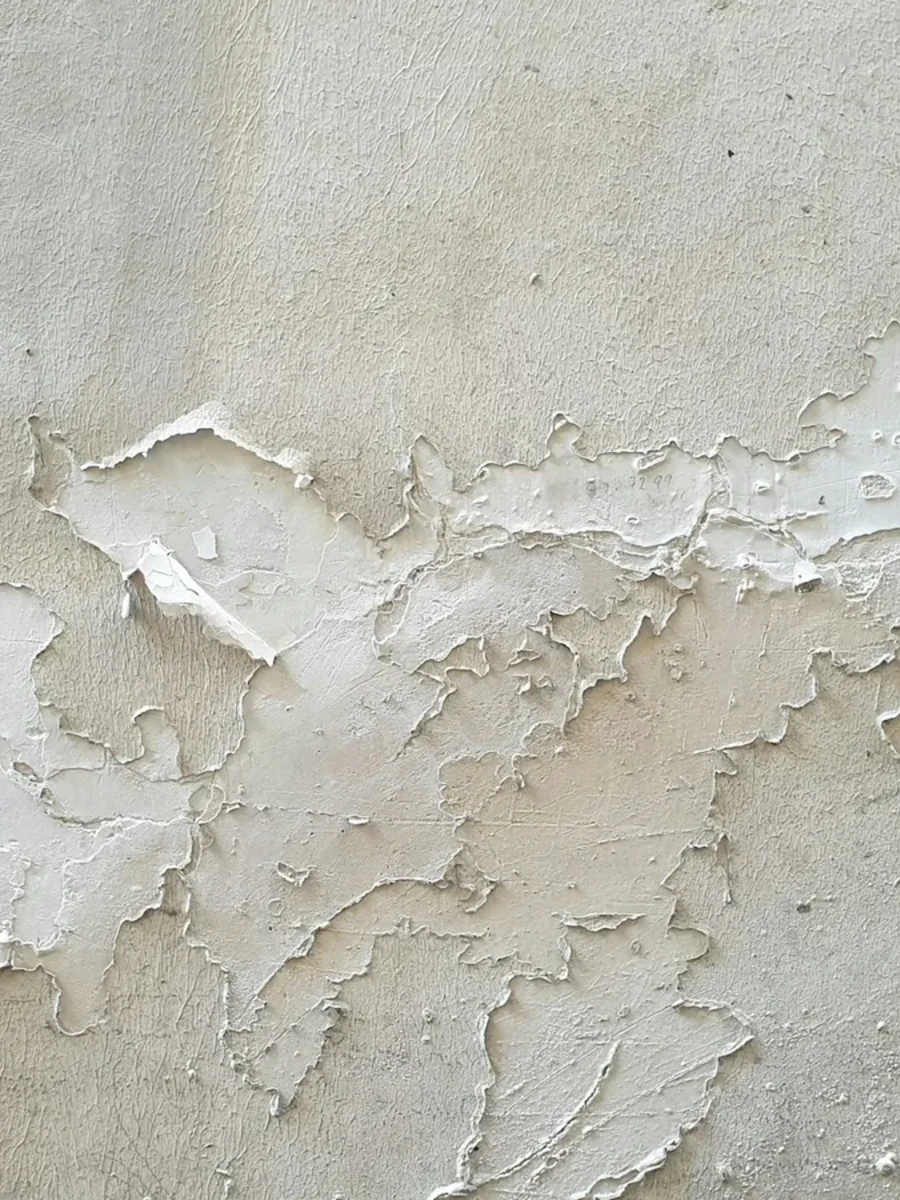
Each source of damp leaves a recognisable pattern, and SPAB's technical note on dampness describes them closely. Rain penetration usually produces well-defined damp patches or leaks that may dry in a few days but come back after heavy rain. It shows inside as stains and peeling paint on ceilings and external walls, and outside as dark patches after rain, green algae, and wet areas near gutters and downpipes. SPAB lists south-west and west-facing walls among the most exposed. In Goa that is exactly where the weather comes from: IMD notes that monsoon winds are predominantly south-westerly or westerly.
Ground moisture, the cause of rising damp, is steadier. It shows as damp along the bottom of walls and floor edges, with a sharp change from wet to dry or a tide-mark stain, peeling paint, rotten skirting boards, a musty smell, and salts as white deposits or feathery crystals. It changes far less with the weather than rain penetration does.
Plumbing leaks, which UK guidance calls traumatic damp, give localised stains, sometimes in a fan shape, and moisture that has nothing to do with the weather. Condensation is different again. It forms diffuse damp areas, often with black mould, in kitchens, bathrooms and bedrooms, in room corners, and behind wardrobes and furniture on external walls. SPAB describes it as intermittent: usually worse in rainy weather, but not dependent on rain. Black mould is the usual companion; our guide to fungus on walls explains how to clean it safely.
| Cause | Where it shows | When | Typical signs |
|---|---|---|---|
| Rain penetration (seepage) | Exposed walls, parapets, under terraces, near gutters and downpipes, around windows | After heavy or wind-driven rain; may dry in days | Well-defined patches, stains, peeling paint; outside, dark patches and green algae |
| Ground moisture (rising damp) | Base of ground-floor walls and floor edges | Fairly constant through the year | Tide mark with a sharp wet-to-dry line, salts, rotting skirting, musty smell |
| Plumbing leak | Near pipes, tanks, bathrooms and kitchens, including the floor below | Unrelated to the weather | Localised stain, sometimes fan-shaped; higher water use |
| Condensation | Corners, cold external walls, behind wardrobes and furniture, ceilings | Intermittent; worse in humid weather and in closed rooms | Diffuse damp, black or grey mould, little or no salt |
Simple checks to make before anyone visits
SPAB is firm that the human senses should not be undervalued: sight, feel and smell often tell you enough. Start outside. Look at the roof, parapets and terrace for cracks, ponding and failed joints, then watch the gutters and downpipes during a heavy shower. SPAB points out that rainwater goods that cope with average rain can fail in a prolonged downpour, and a choked downpipe can spray water from its joints straight onto the wall. Look at the ground against the walls: raised paving, planters heaped against the base, and paths that splash rain back onto the plinth can all wet a wall from outside. SPAB singles out rainsplash as something often wrongly called rising damp.
Inside, remember that water travels. SPAB notes that water from a roof leak can run along rafters and appear some distance away, and the US National Park Service warns that moisture is notorious for travelling far from its source. A stain on a bedroom wall may come from a terrace drain, a bathroom on the other side of the wall, or the bathroom upstairs. To check for a hidden supply leak, close every tap and appliance and watch the water meter for a while: a meter that keeps moving points to a leak.
Two simple tests help. The Park Service describes taping a piece of kitchen foil to a masonry surface and checking it after a day or two: moisture behind the foil is coming through the masonry, moisture on its face is condensing from the air. And keep a diary. The Park Service recommends recording damp patches with the date, time and weather, and photographing them, so changes can be compared over time. Photographs taken in July, October and March tell a specialist a great deal.
- Does the patch grow after heavy rain and shrink in dry spells? Suspect rain penetration.
- Is it a band along the base of the wall with a clear upper edge, present in the dry months too? Ask about ground moisture, but check for rainsplash and leaking drains first.
- Is it a localised stain near a bathroom, kitchen or pipe run, unaffected by weather? Suspect a leak.
- Is it a spread of spots in corners or behind furniture, worst in closed or air-conditioned rooms? Suspect condensation.
Planning something like this?
We visit homes across North and South Goa, measure on site, and bring samples to see in your own light.
Why rising damp is the diagnosis to question
Rising damp is real, but it is diagnosed far more often than it occurs. UK government guidance says it is usually found in older properties, is often misdiagnosed, and is best confirmed by chemical testing rather than visual inspection alone. SPAB goes further: rising dampness is usually much less of a problem than commonly supposed, may extend only 10 to 50 mm above the internal floor, and is often caused by defective drains, gullies or leaking pipes wetting the ground near the wall rather than by ground water itself.
The usual trap is the moisture meter. SPAB explains that electrical moisture meters give high readings on old walls that are not unduly damp, because of salts left by a past problem, foil-backed wallpaper, carbon in some materials, or because the real cause is rainsplash or condensation. It advises being wary of anyone who proposes injecting a damp-proof course on the strength of meter readings alone, getting the diagnosis separately from the quotation for the work, and avoiding free surveys.
Older Goan houses need extra care. Many are of laterite and lime, designed to take on moisture and let it evaporate again from the wall face. SPAB and the Park Service both warn that sealing such walls makes damp worse. The Park Service specifically cautions against cement parging or vinyl wall coverings on the inside of damp walls, which force the moisture higher. Modern concrete buildings behave differently. As SPAB puts it, old buildings usually become damp when barriers to moisture are added, while new buildings become damp when their barriers fail. In a flat, the failed terrace membrane, the cracked external joint or the leaking concealed pipe is the more likely suspect.
Get the diagnosis from someone who is not selling the cure, and question any damp-proofing proposal based on moisture-meter readings alone.
What a damp specialist should do
UK government guidance lists the professionals who can identify a damp problem: building surveyors and architects, specialist damp surveyors, and ventilation specialists. A competent damp survey should identify the root cause and the type of damp and recommend a remedy to match. SPAB sets out a methodical sequence that is a good yardstick for any surveyor, in India or anywhere else.
First, a thorough visual inspection outside and in: roof, parapets, gutters, ground levels, pointing and render, and the pattern, colour and smell of the damp patches. Second, mapping moisture across the wall. SPAB's table shows how the readings themselves point to a cause: they tend to tail off sharply with rain penetration and with ground moisture as height increases, stay localised around a leak, and tail off gently with condensation. Third, where needed, salt testing. Chlorides with nitrites point to ground moisture, chlorides on their own or with nitrates to leaks, while condensation leaves no salts, which is why it shows as mould.
For harder cases there are slower tools. SPAB mentions infrared cameras, which show wet areas through temperature differences, and listening sticks for tracing leaks. Carbide meters or oven-drying of drilled samples show whether a wall is damp within its thickness, and data loggers record humidity over weeks and seasons. The Park Service adds borescopes and small video cameras for looking into flues and drains. It also cautions that a complex problem in an old building may need several months, and up to four seasons, of monitoring before the diagnosis is complete.
A good report names the cause and the evidence, then proposes repairs in order. SPAB recommends staged remedies: clear the blocked gully or fix the downpipe first, then see whether the wall improves before paying for anything more invasive.
| Tool | What it shows | Limits |
|---|---|---|
| Electrical moisture meter | How moisture is spread across a wall, and whether it changes over time | Reads high on salty walls and some finishes; not proof of rising damp on its own |
| Salt analysis | Which salts are present, a strong clue to the water source | Needs samples taken and tested; kits or a laboratory |
| Carbide or oven-drying test | Whether the wall is damp within its thickness | Slow and intrusive; samples are taken from the wall |
| Infrared camera | Temperature differences that reveal wet or cold areas | Shows patterns, not causes; needs interpreting |
| Data logger | Humidity and temperature over weeks or seasons | Takes time; best for condensation and seasonal problems |
Matching the solution to the cause
Rain penetration is a building repair: clearing and resizing gutters and downpipes, repairing roofs, terraces and parapets, making good joints and window sills, and repointing open joints. On old walls SPAB recommends lime-based mortar for repointing and warns that hard cement renders crack and draw water in by capillary action. In Goa the work has to be done in dry weather, which in practice means finishing well before the pre-monsoon storms.
Ground moisture is usually tackled from outside first: lowering raised ground and paving against the walls, improving drainage, fixing leaking drains and pipes, and removing impervious coatings that stop the wall drying. SPAB keeps a strong presumption against retrofitted damp-proof courses in traditionally built walls. The Park Service accepts that a horizontal barrier can be needed where the water table is chronically high. That is exactly the kind of judgement to leave to an independent specialist.
Leaks are plumbing repairs, including sealing the gaps around baths, basins and shower trays. Condensation is controlled by humidity and air movement. SPAB states that it is eliminated when relative humidity is kept to a maximum of 70%, with 40–60% the optimum, and recommends lids on pans, drying clothes outdoors, extract fans in kitchens and bathrooms, and opening windows on fine days. Our guides on how to reduce humidity in a room and choosing a dehumidifier cover the Goan version of that advice. Salts left behind by any of these may keep the wall looking damp after the repair; our guide to white fungus or efflorescence explains how to deal with them.
Then the wall has to dry, and that takes longer than people hope. SPAB's rule of thumb from British practice is about 25 mm of wall thickness per month, so a wall 300 mm thick may need around a year. The Park Service's warning is short: repairs made to a wet base will fail again. Replaster and redecorate only once the wall has dried, and on old walls use lime plaster and breathable finishes.
Furnishing a damp room while the repair is pending
Damp does not stay in the wall. UK government guidance notes that it affects home furnishings and belongings such as carpets, curtains, wallpaper, furniture and clothing, and that absorbent materials which go mouldy may have to be thrown away because the mould cannot be fully removed. So while you wait for the diagnosis, the repair and the drying, the job is to keep fabric and timber out of the damp zone.
Pull furniture away from the damp wall. SPAB notes that wardrobes and cupboards against external walls are often badly affected by condensation, and suggests slatted shelving inside, more ventilation to the room, freestanding furniture on legs, and spacers behind wall-hung frames. The EPA lists the wall surface behind furniture among the commonest places for hidden mould. A sofa, bed or wardrobe moved a few centimetres away lets air reach the wall and lets you see what is happening.
Fabric needs the same care. Curtains that rest against a wet reveal or puddle on a damp floor will mark and mildew, so tie them back clear of the wall or take them down until the repair is done. Our monsoon take-down and storage service exists for exactly that. Lift rugs and mats off damp floors and air them, especially anything with a rubber or plastic backing: SPAB notes that an impervious covering laid on a solid ground floor becomes soaking wet underneath. A sofa with removable sofa covers is easier to protect, because covers can be taken off, washed and dried while the room recovers. Never wrap furniture in plastic, which traps moisture against it. Our guide to monsoon damp and mildew covers fabric care through the rains.
Above all, do not hide the wall. Wallpaper, PVC or wooden panels and fixed headboards on a damp wall conceal the evidence a specialist needs and give mould a sheltered place to grow. The EPA lists the back of wallpaper and panelling as typical spots for hidden mould. SPAB notes that panelling is vulnerable to decay where moisture levels are high unless it is isolated and ventilated behind, and that it can stop the wall drying. Air-conditioned rooms need particular care. The Park Service explains that in hot, humid climates water vapour moves from outside towards cooler air-conditioned interiors and condenses where it meets a change in permeability, such as a paint film. A vapour-tight covering on that wall is the kind of layer it means.
When the wall is dry: papering, panelling and curtains
Once the cause is fixed and the wall has come through a monsoon without the damp returning, it can be dressed again. Choose finishes for how the wall behaves: breathable paints and suitable papers on old lime and laterite, and a properly prepared, dry surface on modern walls. Our article on the best wallpaper for humid walls, linked below, goes through the choices.
Panelling a wall that has had damp is possible, but it needs the evidence of a dry season behind it and a fixing method that leaves the wall able to breathe. We fit wall panels and hang wallpaper, and we will tell you honestly if a wall does not look ready. If a wall in your house has been damp and you are thinking of covering it, message us with photographs and what the specialist found before ordering anything. A few weeks' patience costs far less than replacing a ruined finish.