 Drape Haus
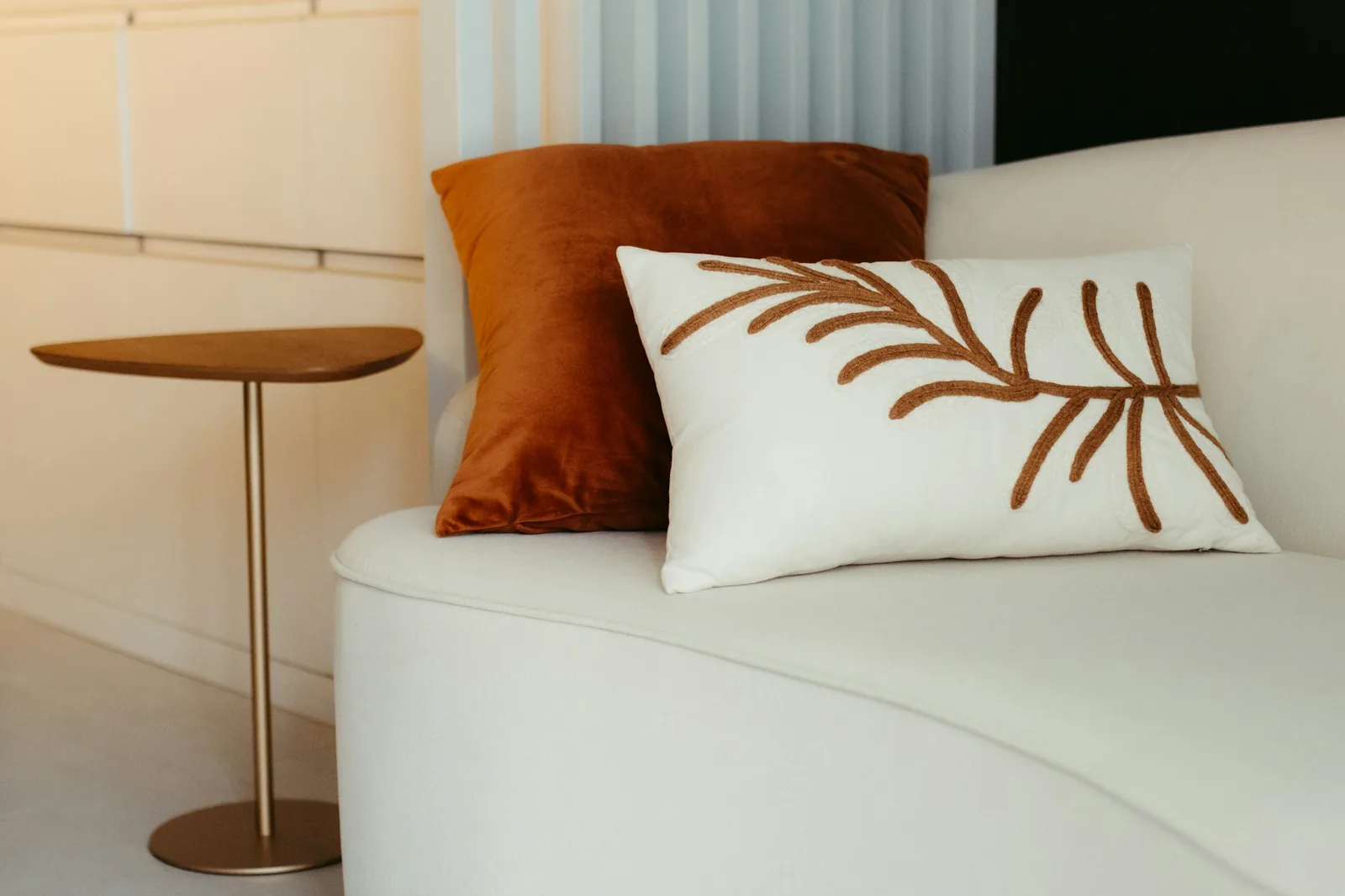
To remove a smell from a sofa, first find where it is coming from, then treat that layer: dry out a musty one, break down a pet or urine one with an enzyme cleaner, clean body oil from the arms and headrest, and replace the foam if that is where the odour lives. Perfumed sprays only cover a smell for a few hours; whatever is producing it carries on underneath.
In Goa the commonest complaint is the musty smell that arrives with the monsoon or greets you when a house is opened in October. The India Meteorological Department records mean morning humidity at Panjim of 91% in July, August and September. A sofa's foam and fabric take up that moisture slowly and give it up slowly, and in a still, shut room the damp settles where air never reaches: under the seat cushions, against the back rail and on the floor beneath.
The methods here are deliberately gentle. Test anything wet on a hidden area first, use as little liquid as you can, and dry everything fully. For routine cleaning by fabric code, see our guide on how to clean a sofa at home; this article is about the smell.
Find where the smell is coming from
Work from the outside in, using your nose and your hands. Take every loose cushion off and smell the cover, then unzip it if it opens and smell the foam itself. Press the cushion firmly with your face close to the seam; air pushed out of the foam carries the smell with it, and a foam source is unmistakable once you notice it. Then smell the deck the cushions sat on, the inside of the arms, the top of the back where heads rest, and finally the back of the sofa and the floor underneath.
Touch tells you as much as smell. A cushion that feels cool, heavy or slightly clammy compared with its neighbours has taken up moisture. Look at the underside of cushions and along piping for grey, green or black spots. Pull the sofa away from the wall and check the wall and skirting behind it, and lift any rug beneath it: a damp floor or a mildewed rug will make a perfectly clean sofa smell.
Most smells fall into one of a few families, and each lives in a different layer. Naming it narrows the fix.
| Smell | Usual source | What helps |
|---|---|---|
| Musty, earthy, worse in the rains | Damp in the foam, deck or the floor and rug beneath | Drying, airflow, dehumidifying; new foam if it persists |
| Sharp, ammonia-like | Pet or child urine that has soaked through to the foam | Blotting, enzyme cleaner, and foam replacement if it reached the core |
| Stale, sour, around the top of the back and arms | Sweat, hair oil and skin oil built up on the fabric | Spot cleaning by fabric code; removable covers or arm caps |
| Food or smoke | Spills in crevices; smoke in fibres and foam | Thorough vacuuming, airing; washing removable covers |
| Wet dog | Hair and oils in the fabric surface | Vacuuming, washable throws, covers that come off |
Musty monsoon smell: dry it, don't perfume it
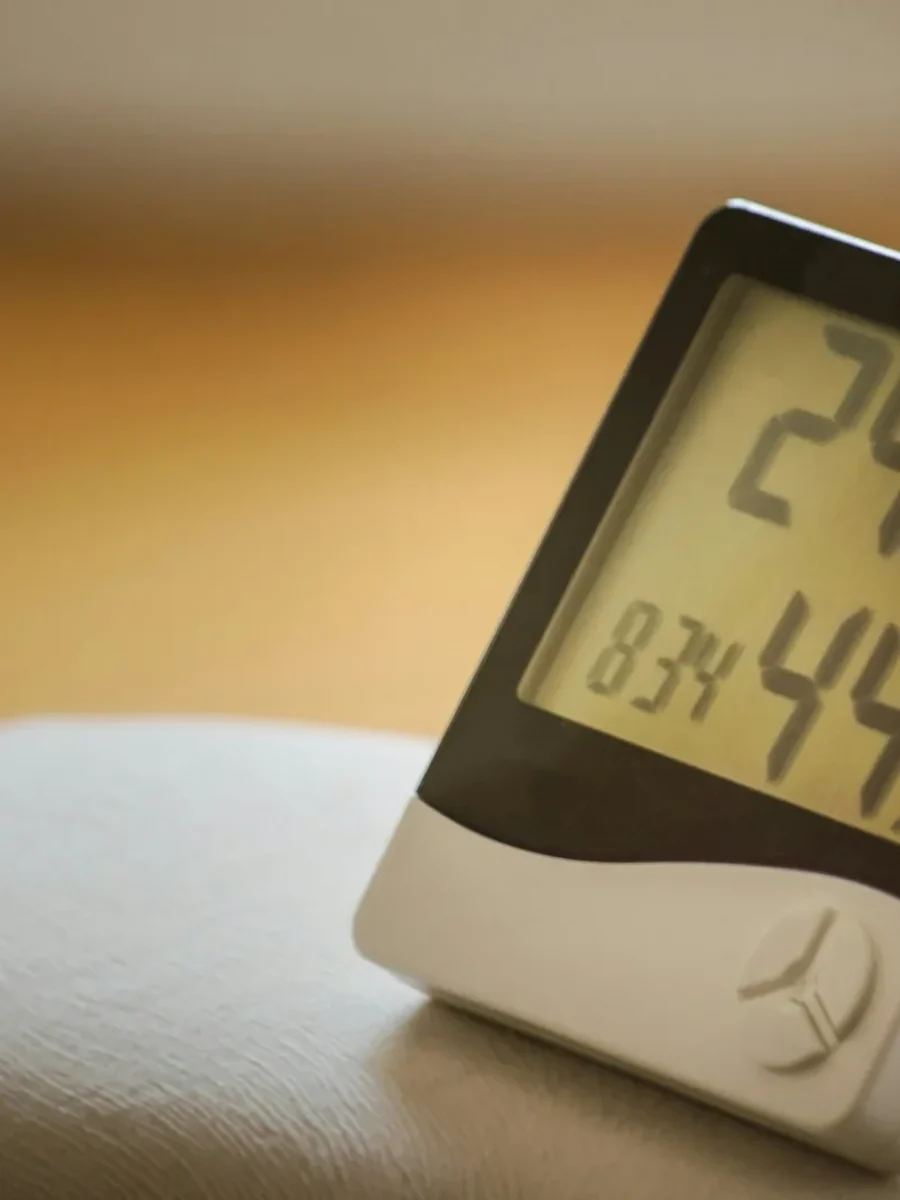
A musty smell is moisture at work, and the cure is to remove the moisture. The US Environmental Protection Agency advises drying wet materials within 24 to 48 hours, after which in most cases mould will not grow, and keeping indoor relative humidity below 60%, ideally between 30% and 50%. In a Goan August that means closing the room and running a dehumidifier or air conditioning on dry mode, rather than opening windows to air that is wetter than the room.
Pick a dry spell to air the sofa properly. Take the cushions off, unzip the covers if they open, and stand the cushions on their edges so air reaches both faces. Point a pedestal fan at them and at the deck, keep the ceiling fan running, and leave them for most of a day. Pull the sofa a hand's width off the wall at the same time so the back can dry. Strong direct sun dries fast but fades fabric, so use bright shade rather than the full glare of a west-facing balcony.
Baking soda can help on a fabric surface that tolerates it. Sprinkle a thin layer on a dry seat, leave it for a few hours, and vacuum it off thoroughly with an upholstery attachment, going over the crevices twice. Test it first on a hidden area of dark or pile fabrics, where traces can show. It absorbs some surface odour; it does nothing for damp deep in the foam, so if the smell is back within days the source is inside the cushion.
Air that is wetter than the room makes things worse. In the rains, close up and dehumidify rather than opening the windows.
Planning something like this?
We visit homes across North and South Goa, measure on site, and bring samples to see in your own light.
Pet and urine smells: enzymes, not perfume
Urine is the one smell that most needs the right product. Ordinary cleaners and sprays do not break down its residue, and a pet that can still smell it is likely to return to the same spot. The ASPCA's advice for cat accidents is to clean them thoroughly with an enzymatic cleanser designed to neutralise pet odours. Enzyme cleaners digest the organic residue rather than masking it.
Act quickly, and keep the liquid to a minimum. Blot the fresh accident with plenty of dry, absorbent cloth, pressing rather than rubbing, until no more comes up. Test the enzyme cleaner on a hidden area, then apply it as its label directs, which usually means letting it work for a while before blotting. Dry the area with a fan. Avoid steam and heat on urine stains, and never mix cleaning products.
The hard truth is that urine travels. On a seat cushion it passes through the fabric and spreads into the foam, often well beyond the stain on the surface. If the smell returns every humid afternoon after careful cleaning, it is in the foam core, and the lasting fix is to replace that cushion's foam and wash or replace its cover.
Sweat and hair oil on the headrest and arms
The top of the back, the arm tops and the front edge of the seat take skin contact all day. Over months they collect sweat, hair oil, sunscreen and moisturiser, and in warm weather that film begins to smell faintly sour and to darken the fabric in a line where heads rest. It is a surface problem, which is good news, but it builds up slowly enough that most people notice the smell before the mark.
Treat it as part of routine cleaning: vacuum the area, then spot clean it with whatever the fabric's cleaning code allows, working from the outside of the soiled band inwards and blotting rather than scrubbing. Do it little and often; a heavy build-up takes more liquid to shift, and more liquid means more drying.
Prevention is easier than removal. A pair of washable arm caps and a light throw or headrest cover over the top of the back take the oil instead of the sofa, and go in the wash every week or two. For a family sofa or a rental, a set of removable sofa covers does the same job for the whole piece.
When the foam itself holds the smell
There is a point at which cleaning stops being the answer. NC State Extension describes upholstered furniture damaged by water and mould as seldom salvageable and says mouldy padding should always be discarded. The EPA makes the same point more generally: absorbent, porous materials may have to be thrown away if they become mouldy, because mould grows into the spaces inside them and can be difficult or impossible to remove completely. Sofa foam is exactly that kind of material.
The signs are consistent. The smell is strongest when you press the cushion. It comes back within days of airing or cleaning. The foam feels damp, heavy or crumbly when you unzip the cover, or shows spots on its surface. Or the smell is of urine that you know reached the core.
In that case, the fix is new inserts rather than more cleaning. Our sofa cushions service cuts new foam to the frame, in a grade and wrap chosen for a humid house, and makes new covers or refits yours. If the seat is fixed rather than loose, or the smell is in the webbing and padding of the frame as well, reupholstery replaces every soft layer down to the timber.
Stop it coming back: placement and airflow
Most musty sofas are in the wrong place rather than of the wrong make. A sofa pushed hard against an external wall sits in the coolest, dampest air in the room, and in the monsoon a laterite wall can be damp to the touch. Leave a gap of a few centimetres behind it, enough for air to move and for you to see the wall. Keep it off the floor on legs so the underside can breathe and the mop can reach underneath; our sofa legs guide covers heights and feet.
Look at the floor and the rug too. A thick pile rug under a sofa on a cool stone floor can hold a damp layer that never dries in the rains. A flatweave or a dhurrie dries far faster, and any rug should be lifted and aired every few weeks from June to September.
If the house closes for the monsoon, prepare the sofa before you leave: vacuum it, make sure it is dry, cover it with cotton sheets rather than plastic, and arrange for someone to air the room or run a dehumidifier. Our guide to the closed-house season covers the whole house.
How to remove a smell from a fabric sofa, step by step
For fabric sofas. Test any liquid on a hidden area first, and stop if the fabric reacts.
Strip and smell
Remove all loose cushions. Smell each cover, the foam inside if the cover unzips, the deck, the arms, the top of the back, and the floor and wall behind the sofa.
Vacuum everything
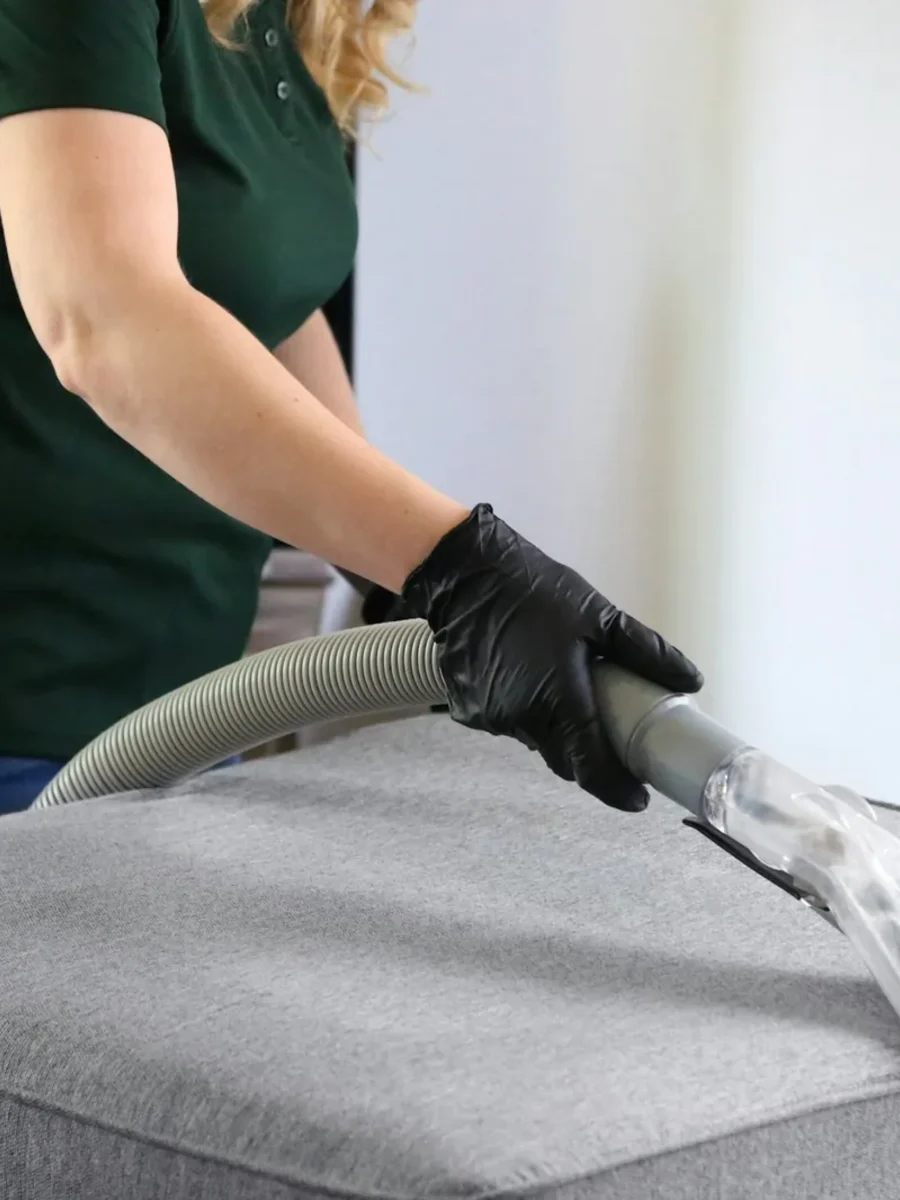
Vacuum the deck, crevices, both sides of every cushion, seams and piping. Food crumbs, sand and hair hold odour, and removing them is half the job.
Dry and air
On a dry day, stand cushions on edge in bright shade with a fan on them. In the rains, close the room and run a dehumidifier or AC dry mode instead.
Deodorise the surface
On a fabric that passes a hidden-area test, sprinkle a thin layer of baking soda on the dry surface, leave it for a few hours, then vacuum it off thoroughly.
Treat organic stains
Blot urine or vomit dry, then use an enzyme cleaner as its label directs, after a patch test. Keep liquid to a minimum and dry with a fan.
Clean the contact zones
Spot clean the headrest line, arm tops and seat front by the fabric's cleaning code, blotting from the outside in.
Judge the foam
If the smell returns within days, is strongest when you press the cushion, or the foam is damp or spotted, replace the foam rather than cleaning again.