 Drape Haus
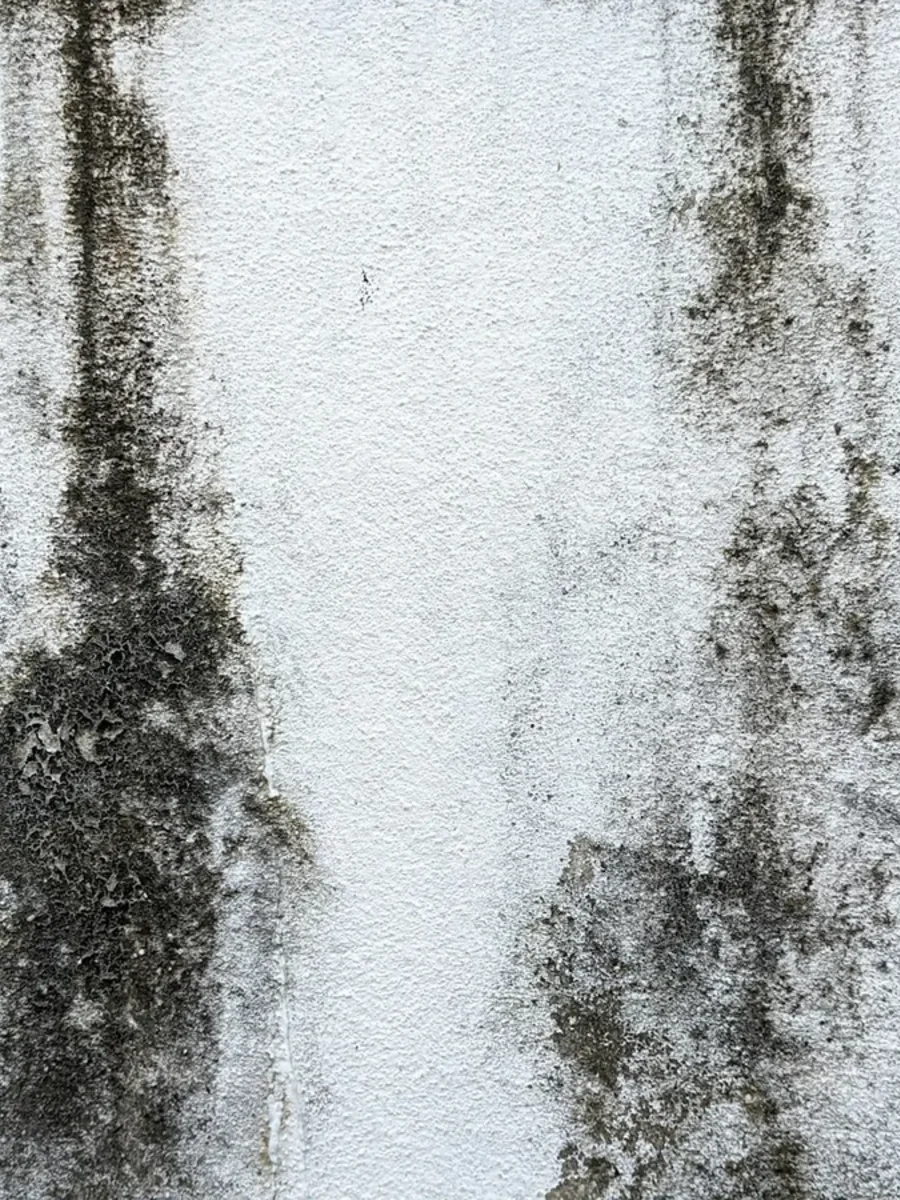
Fungus on wall paint is the commonest post-monsoon complaint in Goa: black speckles in a bedroom corner, a grey bloom behind the wardrobe, green streaks down the outside wall under a window. The usual response is to buy a paint labelled anti-fungal and repaint. Sometimes that works for years. Often the spots are back by the next August.
The difference is almost always the wall, not the tin. Anti-fungal and anti-algal paints contain biocides that slow growth on the paint film. They do nothing about water inside the wall, and the US EPA's guidance is blunt: do not paint or caulk mouldy surfaces, clean them and dry them first, because paint applied over mould is likely to peel. A good paint on a dry, clean, sound wall lasts. The same paint on a damp one fails.
We are not painters, and we do not sell paint. This guide explains, from building-science and government sources, what these products are, where each kind of paint system belongs, how to prepare and time a repaint around the monsoon, and how to tell when paint is the wrong answer. For cleaning existing growth, our guide to fungus on walls has the full method.
Why fungus grows on painted walls at all
Mould and mildew need three things: moisture, food and time. Paint supplies some of the food. The US National Park Service, in its guidance on exterior paint problems, explains that mildew is caused by fungi feeding on nutrients in the paint film or on dirt sticking to the surface, and that moisture is the single most important factor in its growth. It names the places it thrives: window sills, under eaves, around gutters and downpipes, on the shaded side of a building and near shrubbery.
Inside the house the pattern is similar. Mould appears where surfaces stay damp: corners of external walls, behind furniture, above beds pushed against cold walls, around bathrooms and in rooms kept closed. On the outside, rain is only part of it. A study for the Danish Environmental Protection Agency notes that façades get wet from rain but, more importantly, from dew, and that polymer-based renders and paints are known to be very susceptible to algae and fungi.
So when fungus appears on paint, ask first why that surface stayed wet. A corner that never sees air, a sill without a drip, a downpipe joint that leaks, a terrace that ponds above, a cupboard against an external wall: each will grow mould through any paint until it is dealt with.
What anti-fungal paint actually contains
Paints and renders can carry two kinds of biocide. In-can preservatives keep the liquid product from spoiling before it is used. Film preservatives are added to protect the dried paint on the wall from algae, fungi and bacteria. The Danish EPA report summarises the chemistry: triazines and phenylureas are used as algicides, carbamates as fungicides and isothiazolinones as bactericides, usually in mixtures, with a total biocide content in renders and exterior paints of around 0.5 to 1%.
That distinction matters when reading a label. A product that contains a preservative is not necessarily protected against growth on the wall. Look for wording that refers specifically to resistance to algae, fungi or mildew on the dried film, and check the manufacturer's technical data sheet rather than the front of the tin.
Film protection also wears out, especially outdoors. The same Danish research found biocides leaching from façade coatings in rainwater, and that of all the weather factors studied, only the amount of driving rain that actually reached the wall had a detectable effect on leaching. Those biocides end up in soil and storm water; the report found some at levels exceeding water quality standards. In Goa, where a west-facing wall takes months of driven rain, it is reasonable to expect film protection on exposed walls to diminish over time rather than last indefinitely.
Anti-fungal paint slows growth on the paint film. It does not dry a wall, stop a leak or cure condensation.
Planning something like this?
We visit homes across North and South Goa, measure on site, and bring samples to see in your own light.
Interior, exterior and old walls: different systems
A paint system is the whole build-up: any filler or skim, the primer or sealer, and the finish coats. On modern cement plaster indoors, the usual system is a primer suited to the surface followed by an emulsion finish, with a mildew-resistant finish worth choosing for bathrooms, kitchens and rooms that are often closed. Outdoors, exterior systems are formulated for weather and ultraviolet light, and many carry algicides and fungicides in the film.
New plaster needs its own care. The National Park Service's plaster guidance stresses that the key to a successful paint job is proper drying of the plaster, recalls that lime plasters were traditionally left to cure for at least a year before painting, and recommends an alkali-resistant primer formulated for new plaster. Its moisture guidance adds that newly plastered walls may hold moisture for months and should be fully cured before painting.
Old laterite and lime walls are different again. The Society for the Protection of Ancient Buildings explains that exterior paint systems tend to prevent evaporation from the surface; on the solid walls of old buildings water inevitably gets behind the film, cannot escape, and in hot weather vaporises and causes blistering. For those houses, breathable finishes such as limewash or mineral paints are the safer choice. Our guide to restoring an old Portuguese house covers why.
| Wall | Usual approach | Watch for |
|---|---|---|
| Modern plaster, living rooms and bedrooms | Suitable primer and emulsion finish | Condensation behind furniture on external walls |
| Bathrooms, kitchens, closed rooms | Mildew-resistant finish over a sound primer | Ventilation still matters more than the paint |
| New plaster | Alkali-resistant primer once fully dry | Painting too early traps construction moisture |
| Exterior of modern houses | Exterior system with algicide and fungicide in the film | Protection diminishes with driven rain |
| Old laterite and lime walls | Limewash or breathable mineral paint | Plastic coatings trap moisture and blister |
Kill and clean the growth before any repaint
Painting over live mould seals it in, and it comes back through the new film. The EPA is unequivocal that mouldy surfaces should be cleaned and dried before painting. Indoors, its method for hard surfaces is detergent and water; for larger areas, more than about 10 square feet or roughly a metre square, or after significant water damage, it points to professional guidance. Our fungus on walls guide covers protection and the cleaning steps.
On exterior painted surfaces, the National Park Service describes a mildew wash of household bleach, non-ammoniated detergent and water, scrubbed on with a medium-soft brush, rinsed thoroughly and left to dry before repainting with mildew-resistant primer and finish coats. It also gives a simple test for telling mildew from dirt: a drop of household bleach turns mildew white, while dirt stays dirt. Whatever you use, never mix chlorine bleach with cleaners containing ammonia; the EPA warns the fumes are toxic.
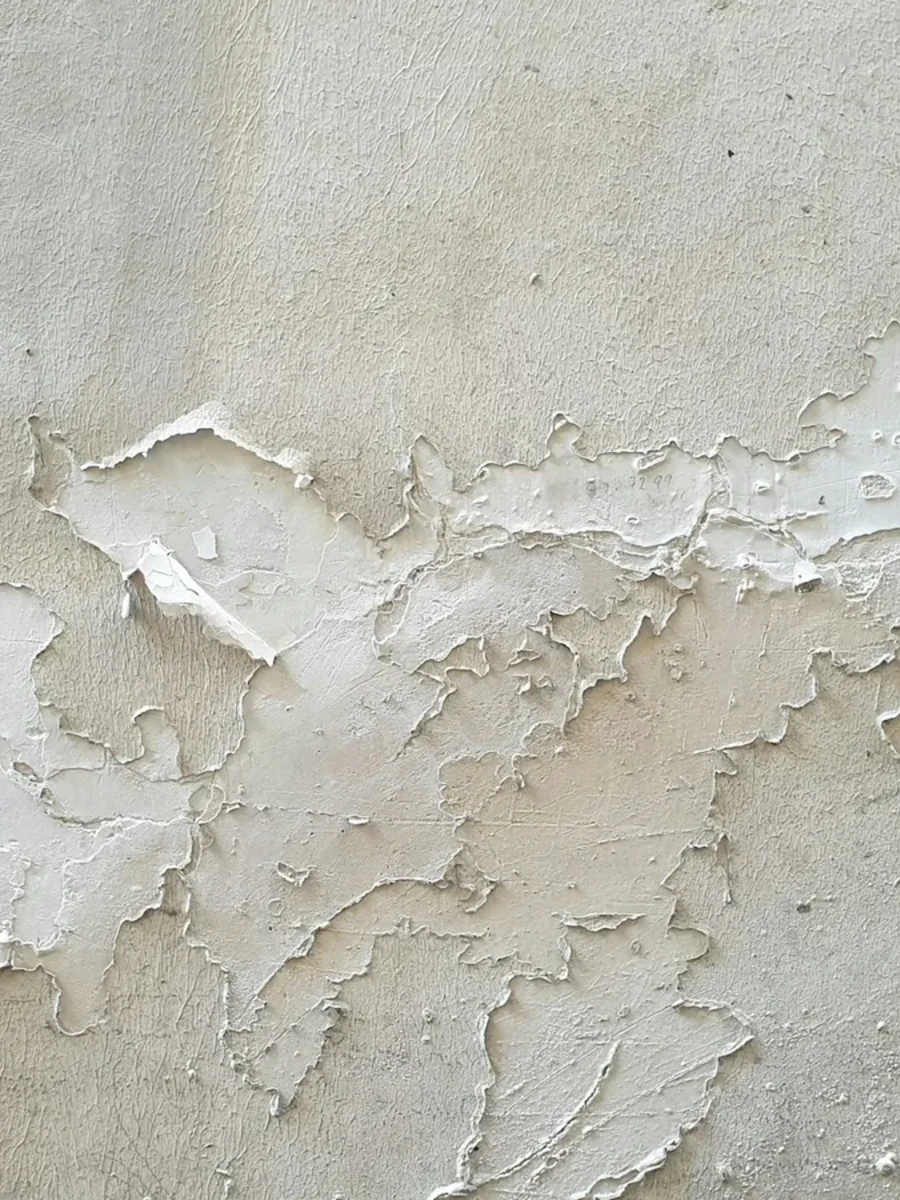
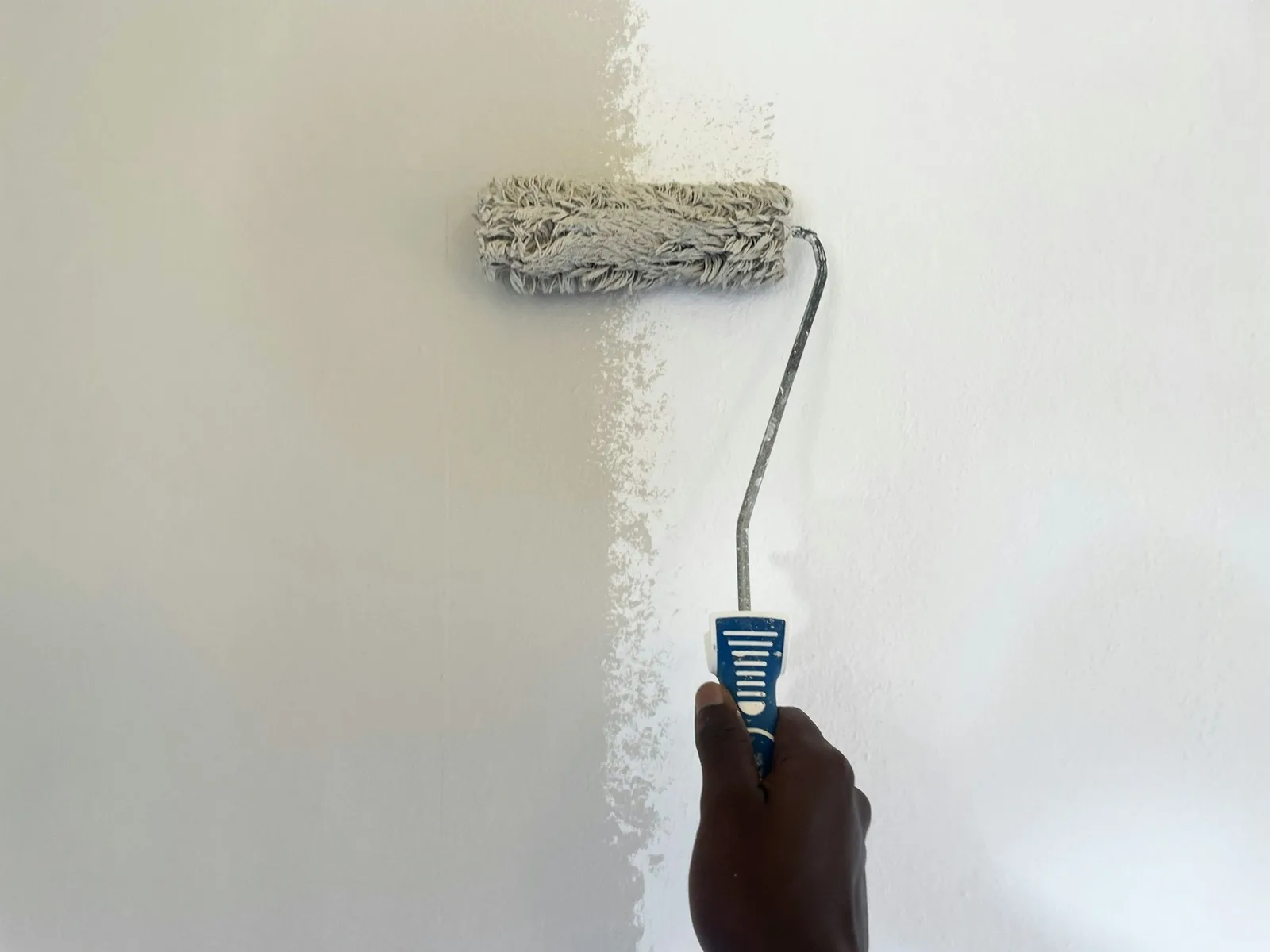
Then prepare the surface properly. Scrape off flaking and blistered paint, cut back to sound material, fill and sand, wash off the residues and let the wall dry completely. A painter who rolls a new coat straight over chalky, flaking or mouldy paint is selling you a repeat job.
Measure the wall before you paint
A wall can feel dry and still hold a great deal of water. Before repainting, especially after the monsoon or after a leak has been repaired, ask the painter to take moisture meter readings at fixed spots, including low on the wall, near windows and in corners, and to record them. Repeat the readings over a few weeks. Readings that stay high, or high in one zone only, point to a continuing source.
Treat meter readings as comparisons rather than verdicts. Salts and some materials make meters read high on walls that are not unduly damp, which our guide to dampness in walls explains. Compare a suspect wall with a dry internal wall in the same house, and follow the paint manufacturer's data sheet, which states the surface condition and moisture limit for that product.
Look as well as measure. Watch the wall in the early morning, when condensation is worst, and after a heavy shower if it is still raining. White powdery deposits are salts, not mould, and mean water is moving through the wall; our piece on white fungus or efflorescence shows how to tell them apart. Paint will not stay on a wall that is still giving up salts.
Timing the repaint around the Goan monsoon
Paint needs a dry surface to bond to, and Goa gives you a clear window. The India Meteorological Department's normals for the state show about 166 mm of rain in October, 39 mm in November and almost none from December to April, before pre-monsoon showers bring around 81 mm in May. Mean morning humidity is still about 84% in October, falling to between 71% and 79% from November to May.
For exterior walls, that points to cleaning and repairs once the rains have clearly ended, then letting the walls dry for several weeks before painting in the driest months, and finishing well before the May showers. Interior walls can be painted on a wider calendar, as long as the room can be ventilated or dehumidified and the wall has dried after any leak.
Rushing is the usual mistake. A wall that has been soaked from June to September does not dry in a fortnight in October. Painting straight after the rains is how many new coats blister in the first season.
| Month | Rainfall (mm) | Morning humidity (%) |
|---|---|---|
| October | 165.8 | 84 |
| November | 39.1 | 73 |
| December | 11.5 | 71 |
| January | 1.2 | 75 |
| February | 0.1 | 77 |
| March | 2.9 | 79 |
| April | 6.6 | 76 |
| May | 81.3 | 75 |
When paint is the wrong answer
Repainting is the wrong answer when the wall is wet from a source that is still active. Signs include fungus returning within weeks of cleaning, blistering and bubbling paint, a tide mark, white salts, staining that grows after heavy rain, or damp that stays in one band near the floor. Those are seepage, leaks, rising ground moisture or condensation, and each needs its own repair before any finish.
Condensation deserves a special mention because paint is often blamed for it. If the mould is in corners and behind furniture, worst in closed rooms and in the morning, the fix is lower humidity and moving air: the EPA advises keeping indoor humidity below 60% and using air conditioners or dehumidifiers when needed. Our guide to how to reduce humidity in a room covers the practical steps.
What we do comes after the wall is sound. We hang wallpaper and fit wall panels, and we will not cover a wall that is still damp. We also make curtains that hang clear of external walls so air can move behind them. If you are unsure whether a wall is ready, send us photographs and what has been done, and we will tell you honestly what we see.