 Drape Haus
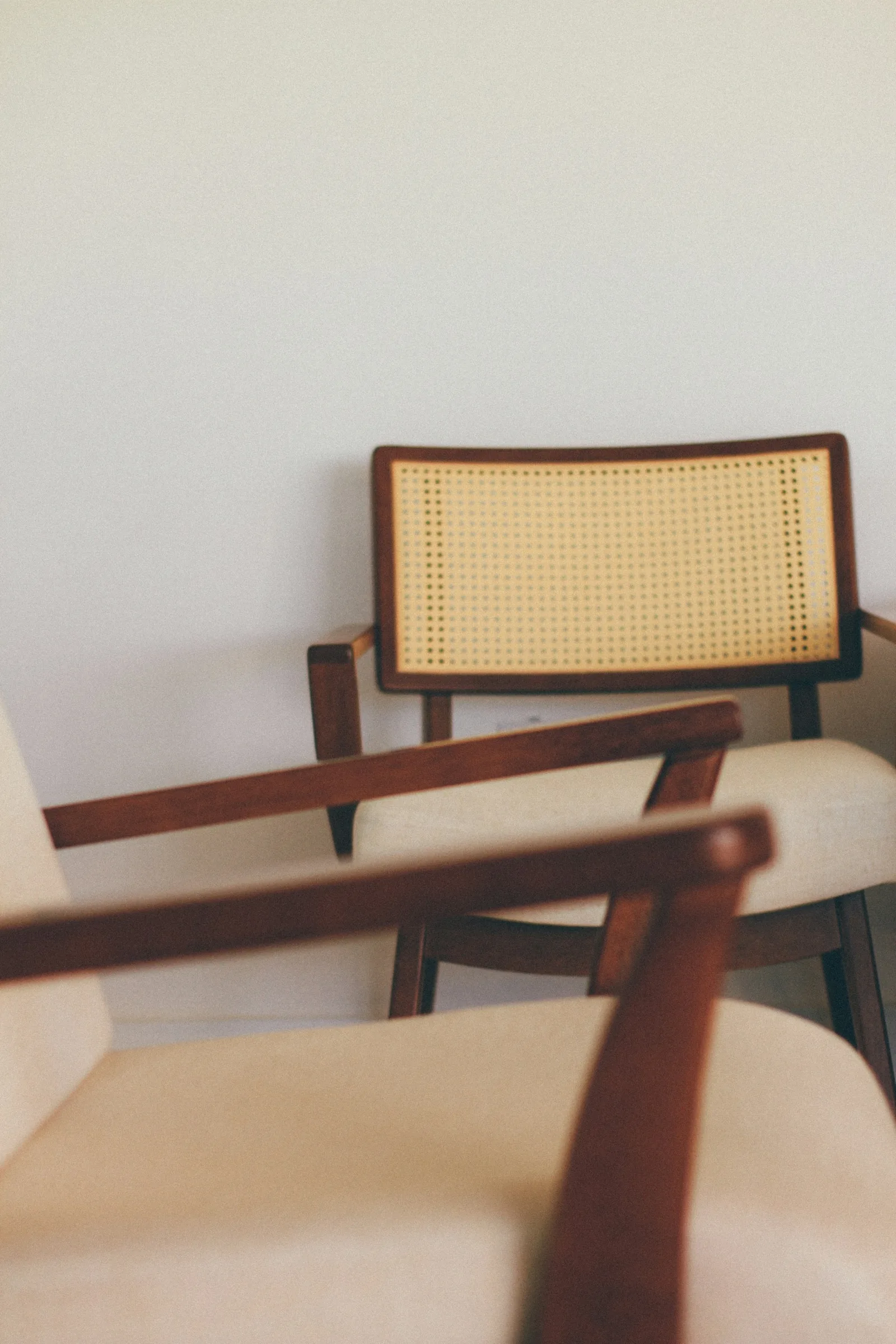
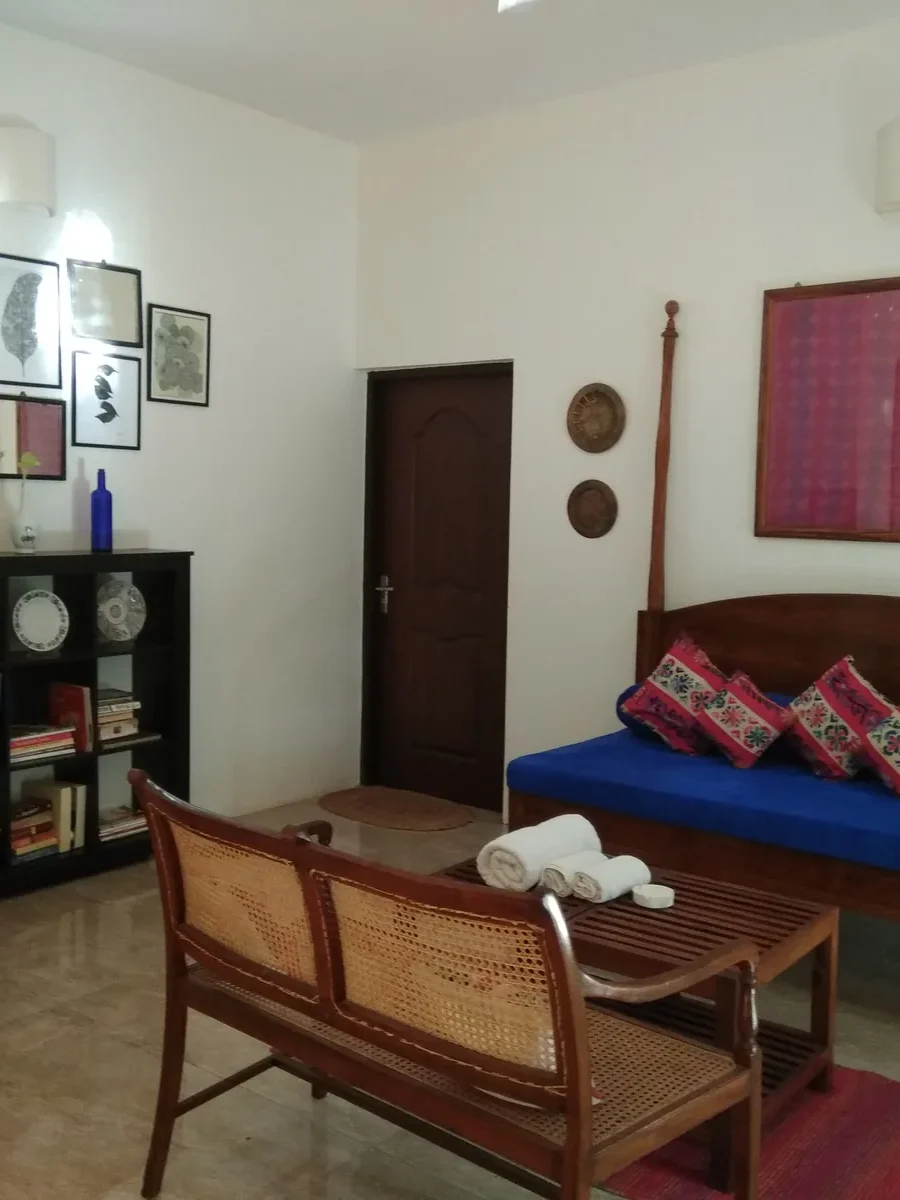
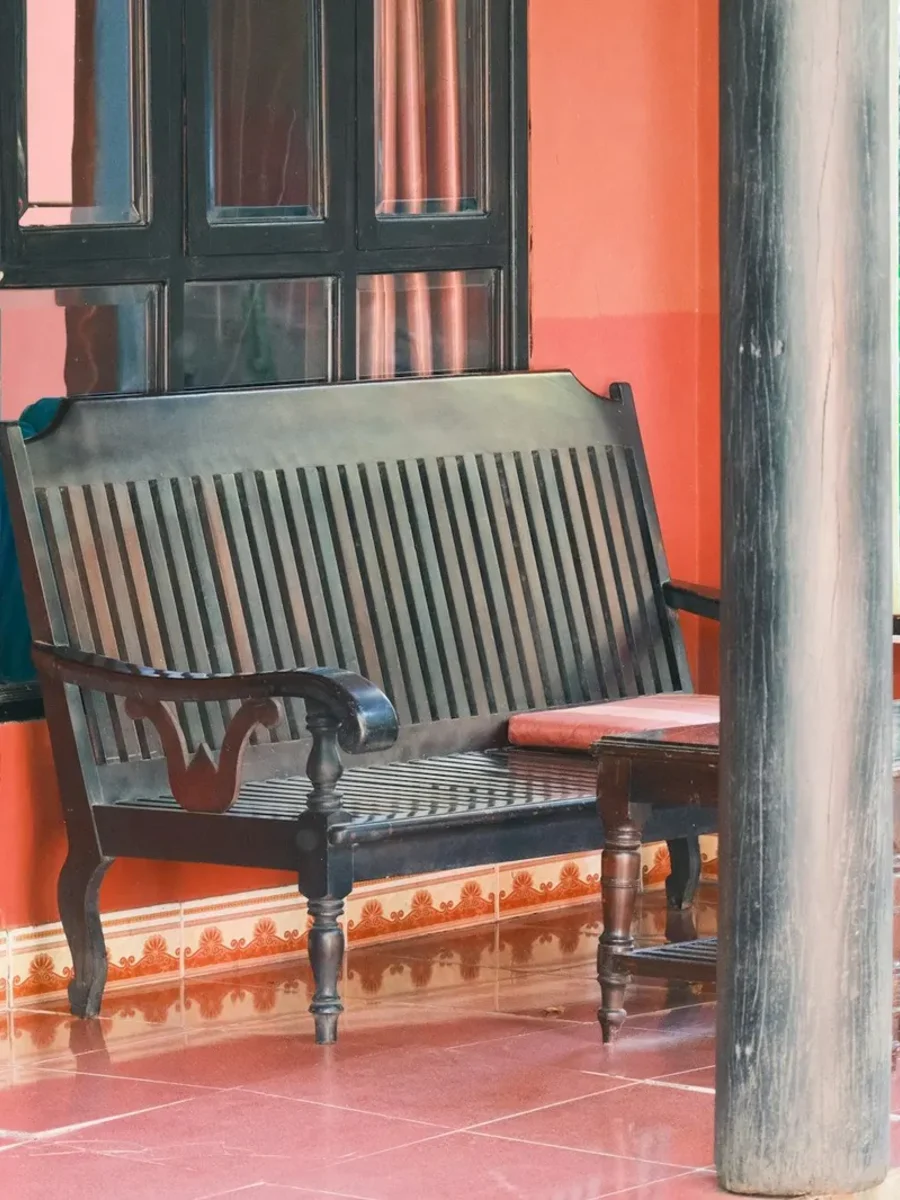
A planter chair, or planter's chair, is a low reclining wooden chair with a long sloping seat, usually caned, and arms that extend or swivel out far enough to rest your legs on. It is also called an easy chair, a Bombay chair, a plantation chair and, in different parts of the world, at least twenty other names. In Goa it is the chair of the verandah and the balcão: the seat for reading the paper in the morning and dozing through the hottest part of the afternoon.
Many Goan families have one, often inherited, and many of those chairs need help. The cane has split, a joint wobbles, an arm no longer swings out, or the seat has been covered in plastic that sweats and smells. The chair is well worth restoring, because its form suits this climate better than almost any modern lounger: the cane lets air through, the recline takes weight off the back, and the raised legs are a relief on a hot day.
This guide covers what is and is not known about the chair's origins, how it is built, what to check before buying or restoring one, and how to make a cushion or sling that suits it. We are upholsterers rather than cane weavers, so where a job needs a caner or a pest-control specialist, we say so.
What makes a planter's chair
Two features define the classic chair. Two design researchers who spent two years tracking it across India, Sri Lanka and Europe, writing in Disegno, describe it as distinguished by long arms that reach out to provide leg rests and a continuous sloping cane seat. A good example in Singapore's Peranakan Museum, an early 20th-century teak and cane chair from Malacca, has a pair of wooden extensions that swivel out from under the arms to make long leg rests, and measures 169 cm in its longest dimension.
The variations are many. The Disegno researchers include chairs whose elongated arms are fixed rather than swivelling, chairs with seats of canvas, padded fabric or leather, chairs whose back and seat are separate frames, and chairs with staggered arms and leg rests. The Museum of Design Excellence in Mumbai describes an example in teak with a cane or rattan seat, reeded legs and sabre-style rear legs that flare slightly outwards, and notes that the type was traditionally made in mahogany, rosewood or teak.
In practice, if a chair has a deep recline, a long seat and arms long enough to put your feet up, people will call it a planter's chair. What matters for an owner is which of the variations you have, because a swivelling-arm chair with a hand-caned seat needs different repairs and a different cushion from a fixed-arm chair with a canvas sling.
Where the chair came from, and its many names
Nobody knows exactly. The Disegno researchers say plainly that despite their efforts they could not determine its precise origins; depictions in colonial literature and images associate it with the British colonial military, which led them to conclude it most likely originated in India during the East India Company's rule in the 19th century. The Museum of Design Excellence describes the plantation chair as commissioned by the British in India, and the Peranakan Museum notes that such reclining chairs were brought to South-East Asia from India by the British because their cane backs suited a hot, humid climate.
The chair then travelled and changed its name wherever it settled. The researchers record the charukasera in Kerala, the Parsi chair in Mumbai, the hansi putuwa in Sri Lanka, and kursi gobang or luiaardsstoel in the former Dutch East Indies. The Museum of Design Excellence adds that the chairs became a common sight in the waiting rooms of Indian railway stations, and that the type remains a popular fixture in spacious homes, libraries and clubhouses in Mumbai, Kolkata and Goa. The verandah of Mumbai's David Sassoon Library, built in 1870, still has rows of them.
The chair carries an uncomfortable history as well as a comfortable seat. The researchers found it in colonial postcards as a symbol of white male leisure, served by attendants, and point out that its name ties it to plantations. They also found it embraced by Indian families and public figures alike, including as the reading chair of B. R. Ambedkar. In Goan houses it has long since become simply the verandah chair. We have not found a documented history of the planter's chair specific to Goa, and we would treat any confident story about a particular chair's provenance with caution.
Planning something like this?
We visit homes across North and South Goa, measure on site, and bring samples to see in your own light.
What to check on an old chair before you buy or restore it
Start with the frame, because cane and cushions are easy to replace and a broken frame is not. Sit in the chair, recline fully, and rock gently from side to side. A sound chair creaks a little and stays square; a chair with loose joints racks visibly, and you will see gaps open at the joints where the arms and rails meet the legs. Look underneath at the seat rails, which carry the most load, for cracks along the grain and for old repairs with nails or angle brackets.
Then check the arms. On a swivelling chair, each leg-rest extension turns on a pivot under the arm. It should swing out and back smoothly and lock or rest firmly in both positions. A pivot that has worn its hole oval, or an extension that droops when loaded, needs a woodworker's attention. Measure the chair with the extensions open, because many are longer than people remember and a chair that will not open fully on your verandah loses its point.
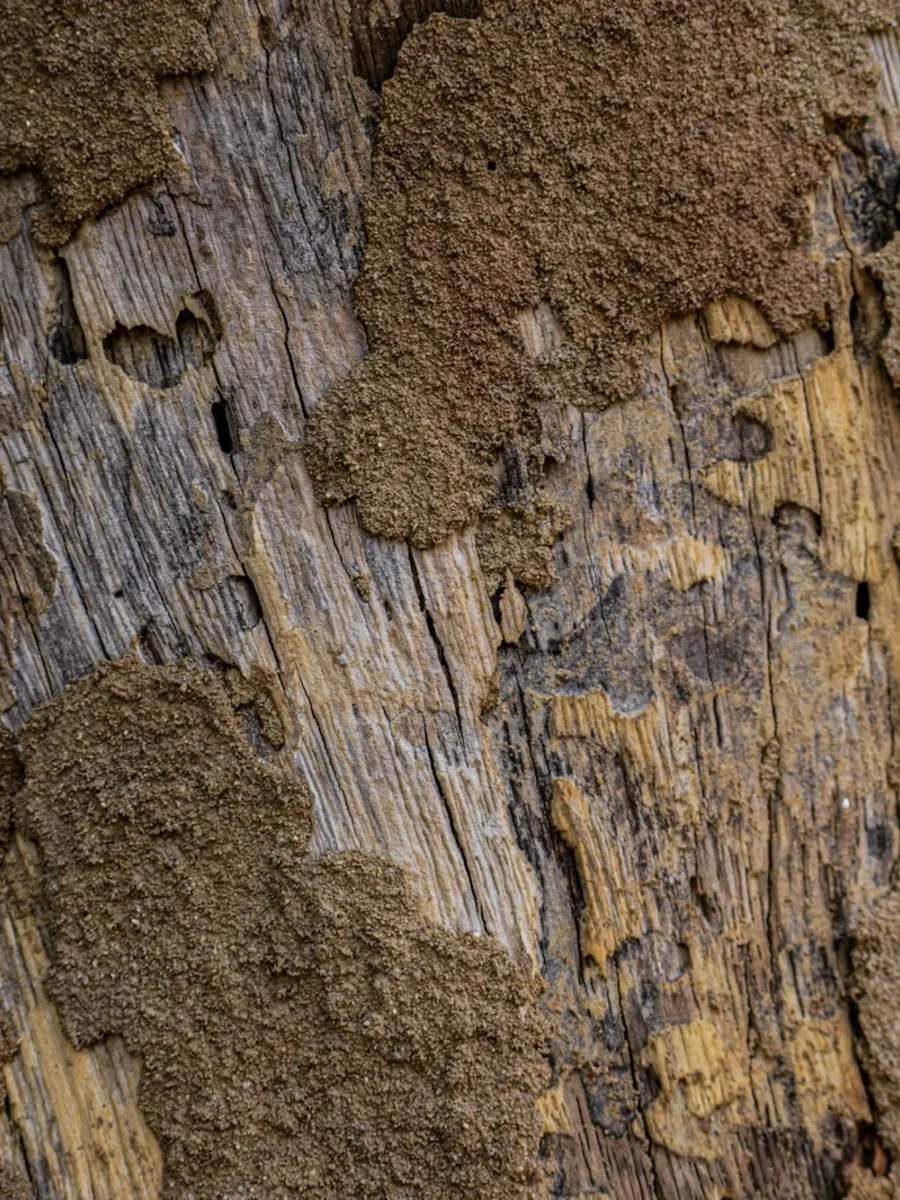
Finally, look for insects. The University of Maryland Extension describes powderpost beetle damage as round exit holes roughly 0.8 to 3 mm across, with fine, flour-like dust on or below the wood; fresh-looking dust that reappears a few weeks after it has been cleaned away means the infestation is active. Holes with no fresh dust around them over several weeks may be old, finished damage. Termite damage looks different, with mud tubes and soft, hollow-sounding timber; our article on termites in wooden furniture explains the signs.
Restoring the frame and the seat
Loose joints are the most common fault and the most satisfying repair. The right fix is to take the joint apart, clean out the old glue, and re-glue it with the parts clamped square, rather than driving screws or nails through it. A woodworker experienced with old furniture can do this without changing the chair's character. Avoid stripping and re-varnishing the whole frame unless the finish has failed; a cleaned and waxed old finish looks better and protects the timber well enough under a roof.
The seat depends on how the chair was made. A hand-caned seat is woven strand by strand through a row of holes drilled around the seat frame. A sheet-caned seat uses pre-woven cane pressed into a groove around the frame and held with a spline. Look at the edge of the seat frame to see which you have, and replace like with like; drilling holes into a grooved frame, or filling a drilled frame to take sheet cane, weakens it. Re-caning is specialist work, so find a cane weaver for the seat and keep the joinery and the cushion as separate jobs.
If borers are active, deal with them before anything else, because new cane on an infested frame is money wasted. The University of Maryland Extension advises that wood-boring beetle larvae work slowly, so there is time to assess, and that a single infested piece can sometimes be treated by specialists in a fumigation chamber or a large freezer. We are not pest-control specialists; a licensed firm should advise on treatment.
Never varnish or paint cane to stop it splitting. Clean it with a damp cloth, dry it in shade, and let both sides breathe.
Cushions and slings that stay put and dry fast
Most planter's chairs were designed to be sat on bare, with the cane doing the work. A cushion adds comfort, especially on a worn seat, but it should lie on the cane rather than replace it. The best shape for a sloping chair is one long cushion that runs from the top of the back to the front of the seat, with a stitched fold line where the back meets the seat so it bends at the right point. Two separate pads for back and seat look tidier on a chair whose back and seat are separate frames.
A sloping seat makes cushions slide. Fix that with fabric ties at the top rail and at the front corners of the seat, long enough to knot around the frame rather than through the cane, and with a grippy, breathable underside rather than rubber backing, which traps damp against the cane. For a chair on an open verandah, use a quick-drying open-cell foam or a firm fibre filling that lets water drain, inside a fabric made for outdoor use. Our solution-dyed acrylic guide explains why that fabric is the usual choice for sun and rain, and our outdoor and marine upholstery uses fabrics and fillings chosen for wet, salty air.
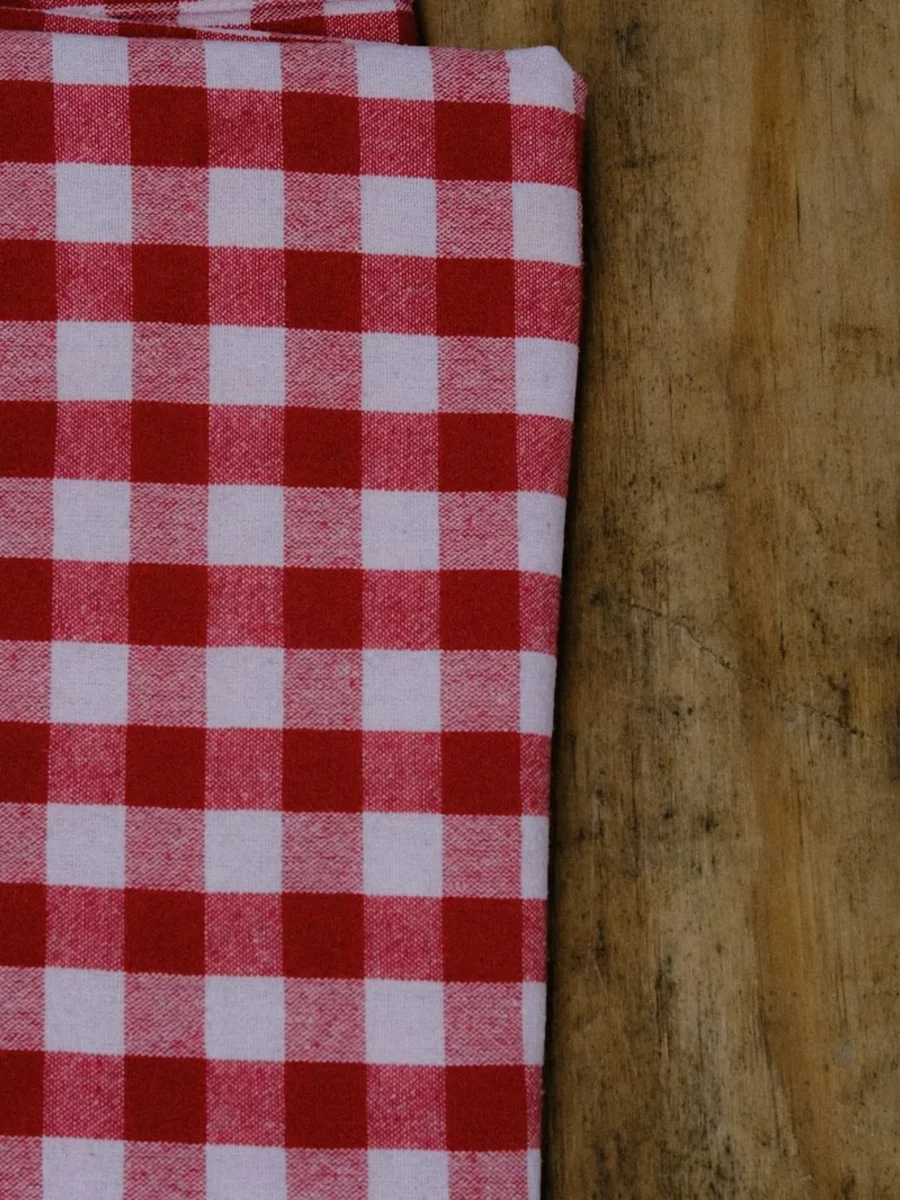
Indoors, the cushion can be gentler: a cotton or linen cover over a softer interior, or a handloom cloth such as a Goan kunbi check. Always make the cover removable with a zip. If your chair has a canvas sling rather than cane, a new sling in heavy cotton or outdoor canvas is cut to the frame, hemmed into sleeves that slide over the rails or tacked under them, and replaced when it wears. Our cushions and soft furnishings service measures the chair itself, because no two old ones are quite the same.
| Where the chair sits | Cover fabric | Filling | Fixing |
|---|---|---|---|
| Open verandah or balcão, reached by rain | Solution-dyed acrylic or outdoor canvas | Quick-dry open-cell foam or drainable fibre | Ties at top rail and seat front; brought in for heavy rain |
| Covered verandah or porch | Outdoor fabric or a tightly woven cotton blend | Fibre-wrapped foam | Ties; cover zipped for washing |
| Indoors, by a window | Cotton, linen or handloom | Softer foam or feather-and-fibre | Ties or a non-slip breathable base |
| Air-conditioned room | Linen, cotton or a light velvet | Any comfortable interior | Ties; keep out of direct afternoon sun |
Sun, rain and the monsoon verandah
A verandah is half indoors, and the planter's chair gets the worst of both. In the dry season, west sun across an open verandah is the threat. The National Institute of Design's study of cane furniture makers in Panaji notes that exposure to sunlight can change the natural colour of rattan furniture, which is one reason it is usually kept indoors. Turn the chair so the same side does not bake every afternoon, or shade the verandah with a bamboo or chik blind that filters the light and lets air through.
In the monsoon, damp is the threat. Between June and September, Goa's mornings run at 87–91% relative humidity by the India Meteorological Department's figures, and the Canadian Conservation Institute warns that air that damp lets mould start on fabric within days. A cushion left on a chair through a week of rain is very likely to mildew. Bring cushions in when heavy rain is forecast, stand them on edge to dry, and keep the chair's feet off a wet floor on small blocks so the end grain of the legs does not soak up water.
If the house is closed for the rains, move the chair indoors to a room with moving air, take the cushion off and store it dry in a cotton bag, and check the frame for fresh borer dust when you return. The rest of the house needs the same thought before it is shut.
Where a planter's chair works today
The verandah and the balcão are its natural home; our article on the Goan balcão describes how those spaces were used. The chair needs room: with the arms swung out it is far longer than an ordinary armchair, and it wants space beside it for a low table. The Peranakan Museum notes that these chairs were designed for lounging or reading, usually with a low tea table alongside, which is still the right arrangement.
Indoors, a planter's chair makes the best reading corner a house can have: angled by a window, with a floor lamp behind the shoulder and a side table within reach. In a bedroom it works beside a window with a sheer curtain, where the light is soft and the chair is out of the way of the bed. In a flat with a deep covered balcony, one planter's chair does more for the space than a pair of small chairs.
Give it a calm setting. A carved or turned chair looks best against a plain lime-white or pale wall, on a flat-woven rug or a bare floor. Let the cushion carry colour, and keep the curtains behind it plain. Our guide to Goan furniture traditions covers placing other period pieces around it, and when you are ready, send us photographs and measurements for a cushion made to the chair.