 Drapehaus
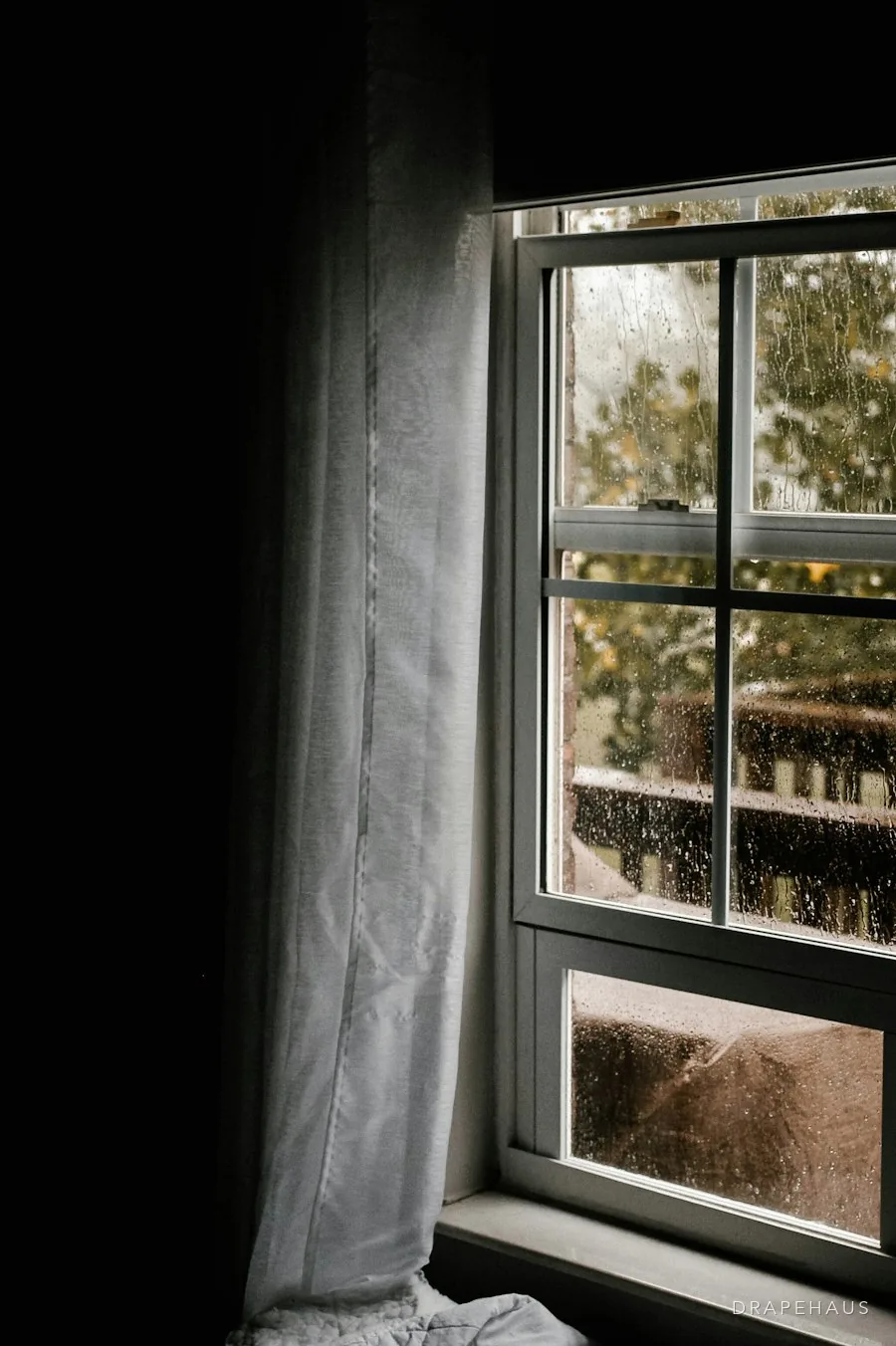
Most people who own a holiday home in Goa use it in the dry months, from the end of the rains to the beginning of the heat, and are somewhere else for the rest. The house is not somewhere else. It spends the whole year in Goa's climate, and the part of the year it spends alone is the hardest part.
The pattern is very regular, which is the good news. The India Meteorological Department's normals show that roughly nine-tenths of Goa's rain falls in four months, and that the air is close to saturated for all of them. A second home in Goa that is cared for on a calendar built around those months will come through them well. One that is simply locked in May and opened in November usually will not.
What follows is that calendar, month by month, with the data behind it. It is written for the soft parts of the house, because that is our work, but most of it applies to everything absorbent under the roof.
A holiday home in Goa, in numbers
Two figures shape everything, and both come from the India Meteorological Department's climatological summary for the state. Goa's normal annual rainfall is 3,370.7 mm, and around 91% of it falls between June and September. July alone brings about a third of the year's rain. Humidity follows the rain: in Panjim, morning relative humidity is 88% in June and 91% in July, August and September, and even afternoons stay in the eighties.
For comparison, the US Environmental Protection Agency advises keeping indoor humidity below 60%, ideally between 30% and 50%, to keep mould in check. A naturally ventilated Goan house in the monsoon is far above that, all day, for months. Nothing in a care calendar changes the weather; what it changes is how long anything absorbent sits still in it. The table below sets the months side by side, and the calendar that follows is simply a response to it: open and repair when the air is dry, prepare in May, and keep air moving through the house while it is wet.
| Month | Normal rainfall (mm) | Relative humidity, Panjim |
|---|---|---|
| January–April | about 11 in total | January: 79% / 57% |
| May | 81.3 | not listed in summary |
| June | 908.5 | 88% / 83% |
| July | 1,118.5 | 91% / 87% |
| August | 707.7 | 91% / 86% |
| September | 327.5 | 91% / 82% |
| October | 165.8 | 86% / 76% |
| December | not listed here | 74% / 58% |
October to December: opening up
The IMD's normal withdrawal date for the monsoon at Panjim is 14 October, later than many owners assume; the older normal of 30 September was revised in 2020. October still brings around 166 mm of rain and morning humidity of 86%, so a house opened in early October is still drying out. Open everything and keep it open. Take down anything that stayed up through the rains and inspect it in daylight: hems, the wall side of curtains, the undersides of cushions. Anything that was covered should be uncovered and aired before it is used. Our guide to the season after the monsoon goes through the reopening in detail.
This is also the time to book any work you want finished before you arrive for the winter. Trades are in demand after the rains, because every closed house reopens at once and discovers the same things. A curtain, cushion or rug ordered in October is likely to be ready for the Christmas visit; one ordered in December may not be. If something needs replacing, decide from photographs taken at reopening rather than waiting until you arrive.
Planning something like this?
We visit homes across North and South Goa, measure on site, and bring samples to see in your own light.
January to April: the months to use and to fix
The first four months of the year are dry, with only about 11 mm of rain between them, and humidity falls to its lowest: 79% in the morning and 57% in the afternoon in January. This is when the house is at its best, and when any work involving drying, painting, plastering or fitting goes most smoothly. If you are there, use the time. Replace what the last monsoon damaged, re-fix loose brackets, have rugs cleaned and fully dried in the sun, and settle any decision about fabric or treatment for the next year. A curtain ordered in March can be made, fitted and lived with before the rains; one ordered in July waits until October.
It is also the time to think about the sun. The dry months are the brightest, and west-facing rooms in a house left with curtains open will fade. Drawing sheers or blinds on the sunny side before you leave for a spell costs nothing, and so does turning rugs and moving cushions out of the path of the afternoon sun. Fabric in a west-facing room that is used for a few weeks and then left open for months ages much faster than the same fabric in a room that is lived in and drawn daily.
May and early June: closing the second home in Goa properly
May is the hottest month in Panjim, with a mean maximum of 33.6°C, and it is the last dry month. The IMD's normal onset date for Panjim is 5 June. Everything that decides how the house comes through the monsoon is decided in the few weeks before that. Wash and fully dry anything that will stay up. Take down curtains in rooms that will be shut, fold them loosely and store them with air around them, never sealed in plastic. Cover upholstery with cotton sheeting, not polythene. Lift rugs, cushions and stored textiles off the floor. The before the monsoon guide has the full list, and for larger houses our monsoon take-down and storage service handles it end to end.
Leave written instructions for whoever will be looking after the house. A laminated sheet in a kitchen drawer outlasts any conversation. It should say which rooms are closed and which are to be aired, where the stored curtains and covers are, how often the house should be opened and fans run, and who to call about a leak. Photographs of how each room was left make the October comparison much easier.
Nothing sealed, nothing on the floor, nothing hung damp. Most monsoon damage breaks one of those three rules.
June to September: the closed house
These are the four months that do the damage. June brings about 909 mm, July about 1,119 mm, August about 708 mm and September about 328 mm, on 22 to 27 rainy days a month through the heart of the season. Morning humidity sits at 88–91%. A house that is shut for this period with no air movement becomes a humidity chamber. What prevents most of the damage is simple and regular: someone opening the house on dry spells, running fans, checking for leaks and dealing with any water within a day or two. The EPA notes that drying wet materials within 24–48 hours prevents mould growth in most cases, which is a useful standard for a caretaker. The closed house season explains what happens inside a house that does not get this.
If the house is let or lived in during the rains, the calendar changes: curtains stay up, but should hang clear of the floor and a little off the wall, and be drawn fully back during the day so they can dry. Guests or family in the house through the rains are, in effect, the airing routine, and a lived-in house almost always comes through the monsoon in better condition than a sealed one. The risk shifts to the rooms nobody uses, which should be treated as closed.