 Drape Haus
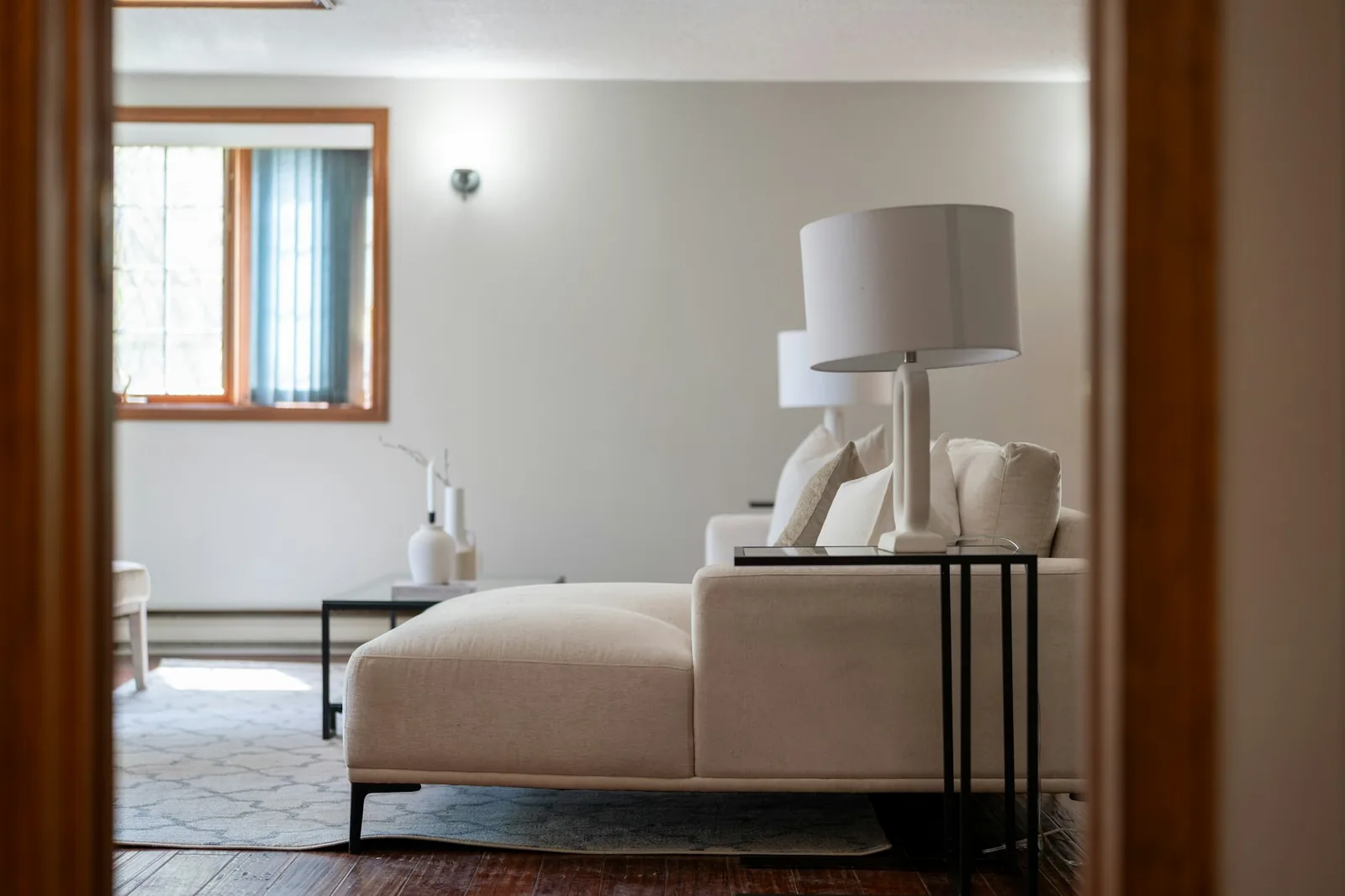
A lounge sofa is built for leaning back rather than sitting up: a deeper, usually lower seat, loose back cushions and room to tuck your feet up or turn sideways. A chaise longue goes further and supports your legs along its length, and a daybed is a bed-sized frame with a back and arms that works as a seat by day and a single bed when needed. All three answer the same wish, somewhere to stretch out, in different amounts of floor.
In a Goan home that wish is a practical one. The hottest hours of April and May, a monsoon afternoon when nobody goes out, a guest who needs a bed for two nights, a covered verandah that catches the evening breeze: these are moments a lounger serves better than an upright sofa.
This guide explains the three forms and how they compare, where each works best in a Goan house, how to size them for living rooms, bedrooms and verandahs, which fabrics suit indoor and covered outdoor use, how lounging cushions are built, and how to re-cushion an old family daybed without altering the frame.
Lounge sofa, chaise longue and daybed explained
Chaise longue is French for 'long chair', and that is what it is: a single seat stretched long enough to support the legs. The common English spelling 'chaise lounge' grew from the French name. Classic chaises have a raised back at one end and sometimes a low arm along one side. Today the word also covers the chaise end of a sectional sofa, which does the same job attached to a sofa.
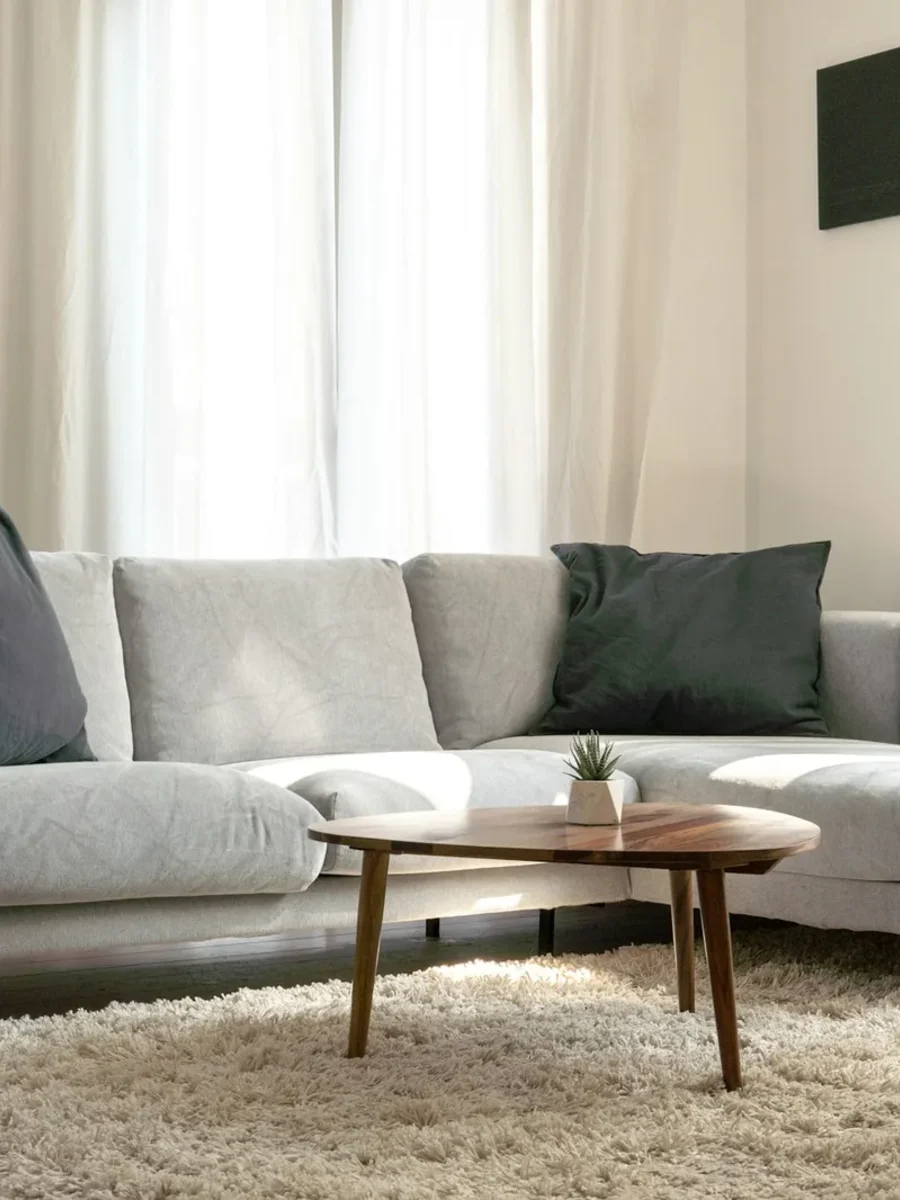
A lounge sofa is a full sofa built for lounging. Its seat is deeper than a standard sofa's, it usually sits lower, and its back cushions are loose and soft so people can sink in, sit sideways or curl up. Published dimension guides put deep-seat sofas at 61 to 71 cm of seat depth, against 51 to 61 cm for a standard sofa.
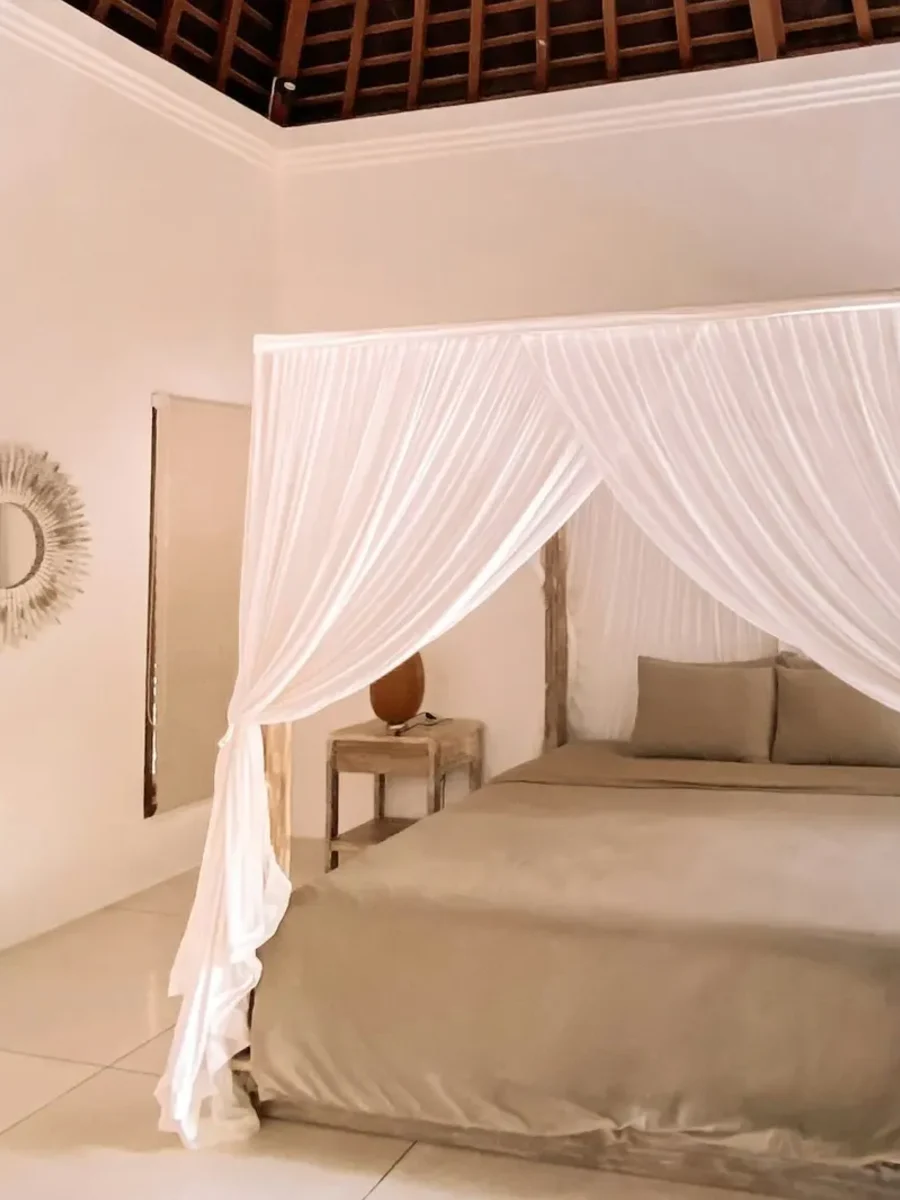
A daybed is a bed frame dressed as a sofa: a mattress-sized platform with a back and usually arms or ends on the short sides. The standard daybed size given by one widely used dimensions reference is 97 by 191 cm, traditionally the size of a twin mattress, which makes it deeper than an ordinary sofa. Piled with bolsters it is a seat; with the bolsters off it is a single bed.
| Lounge sofa | Chaise longue or chaise end | Daybed | |
|---|---|---|---|
| Seats | Two to four, relaxed | One lying back | Two or three sitting, one lying |
| Typical depth | Seat 61–71 cm | Chaise 91–102 cm deep, 152–183 cm long | About 97 cm |
| Sleeping | A nap | A nap | A full night for one |
| Best rooms | Family living room | Bedroom, reading corner, living room | Study, guest room, verandah |
| Getting up | Harder from a low, deep seat | Easy from the side | Easy, at bed height |
Where a lounger works better than a sofa in a Goan house
The covered verandah or balcão is the obvious place. Many Goan houses have a deep, shaded sit-out that catches the breeze in the late afternoon. Upright chairs suit conversation there, but a daybed or a pair of loungers turns it into the coolest place in the house to read or rest. Under a good roof, with outdoor fabric and the right cushions, a daybed can live there for most of the year.
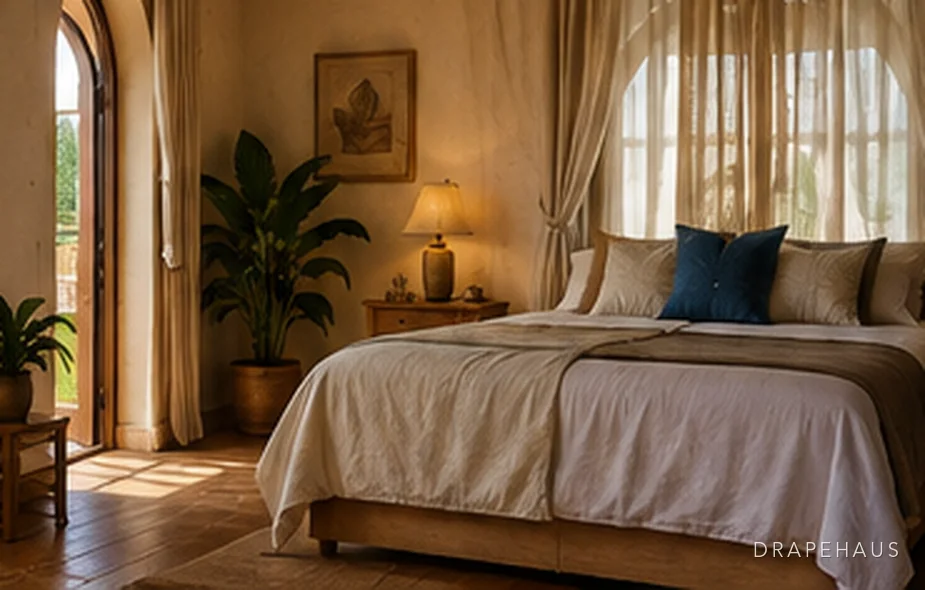
Bedrooms are the second. A chaise in a window corner gives a place to read that is not the bed, which matters when one person is asleep and the other is not. In a master bedroom with a sea view, it is often the most used seat in the house. A chaise takes one person's length but only a seat's width, so it fits where a two-seater would crowd the room.
Studies, home offices and guest rooms suit the daybed. It gives a working room a place to sit with a visitor, and it becomes a bed for a relative staying over Ganesh Chaturthi or Christmas without the mechanism of a sofa cum bed. Homestays use daybeds the same way, to add a sleeping place in a family room.
In the main living room, the choice is usually a lounge sofa, or a sofa with a chaise end. Families who watch films together and like to lie back tend to want one or the other. Households that receive many guests and want people sitting upright and facing each other are better served by conventional sofas and chairs, with perhaps one chaise in a corner.
Planning something like this?
We visit homes across North and South Goa, measure on site, and bring samples to see in your own light.
Sizing loungers for living rooms, bedrooms and verandahs
Start with the person, not the room. A chaise or daybed should be at least as long as the tallest regular user plus room for a cushion at the head, otherwise they lie with their feet hanging off the end. A standard daybed's 191 cm length suits most adults; a made-to-measure frame can be longer for a tall household or shorter for a child's room.
Then fit the room. A chaise section on a sofa is typically 152 to 183 cm long and 91 to 102 cm deep, and sectional planning guides suggest a living room of about 4.3 by 4.3 metres for a sofa with a chaise. A freestanding chaise in a bedroom needs its own length plus a walkway alongside; place it with its back or raised end against a wall or window so it does not stick out into the path to the wardrobe or the bathroom.
Verandahs need the most care. Measure the depth of the covered area from the wall to the edge of the roof, not to the railing, because driven monsoon rain reaches well under a roof edge. A daybed about 97 cm deep set against the wall can leave a narrow verandah impassable, so on a shallow sit-out a long, narrow bench with loose cushions, or a pair of slim loungers, may serve better than a full daybed.
Height matters for comfort and for getting up. Lounge sofas often sit low to look relaxed, and deep, low seats are hard for older relatives to rise from. A daybed's seat at mattress height is easier. If a lounger is for an older parent, keep the seat at a comfortable sitting height and use cushions, not a low frame, to give the lounging feel.
Size a chaise or daybed to the tallest person who will lie on it, then check it against the room.
Fabrics for indoor and covered outdoor loungers
Indoors, loungers are used the way beds are, with bare legs, oiled hair and the occasional cup of tea, so the fabric needs to be soft enough to lie on and tough enough to clean. Tight-woven polyester blends and solution-dyed acrylics resist fading from a west window, dry quickly in humid weather and do not hold sand. Cotton and linen feel lovely against skin but crease and take up moisture; on a lounger they work best as washable loose covers.
On a covered verandah, ordinary upholstery fabric will not last. The verandah gets humid air all monsoon, splashes of driven rain, salt near the coast and strong afternoon light. Outdoor fabrics made for the purpose, typically solution-dyed acrylic or polyester with the colour running through the fibre, shed water, resist fading and dry far faster. Our guides to solution-dyed acrylic and outdoor canvas explain the differences.
Whatever the fabric, make the covers removable. A lounger's cushions collect sweat and sunscreen faster than a sofa's, and being able to wash a cover after the monsoon, or between homestay guests, keeps a daybed fresh for years. You can try colours against your room in the sofa fabric simulator.
How lounging cushions are built
Lounging comfort comes from layers. A good seat cushion has a firmer base that stops you sinking to the frame, a softer comfort layer on top that gives the first impression of softness, and a wrap of fibre that rounds the edges and stops the cover wrinkling. A single block of soft foam feels inviting in the shop and flattens into a hollow within a year or two of daily lounging.
Daybeds that double as beds take a mattress rather than a seat cushion. If it is a foam mattress, India's standard for domestic mattress foam, IS 7933, sets out the requirements: a minimum foam thickness of 75 mm, and minimum densities for the core, the comfort layer and the quilting layer, along with tests for hardness and durability. Asking whether a mattress meets it is a reasonable question for any daybed that will be slept on.
Backs and arms are where loungers differ most from sofas. Lounge sofas rely on large loose back cushions that can be pushed into shape; daybeds use long bolsters along the back and round bolsters at the ends. In a humid house, fibre-filled back cushions and bolsters keep their loft and dry better than feather, and zipped covers on every piece let the fillings be aired on dry days.
- Firm foam base so the cushion never bottoms out
- Softer comfort layer on top for the first sink
- Fibre wrap to round the edges and fill the cover
- Fibre-filled back cushions and bolsters rather than feather in humid rooms
- Zipped, removable covers on every cushion
- Quick-dry, open-cell foam for anything on a verandah
Re-cushioning an old family daybed without altering the frame
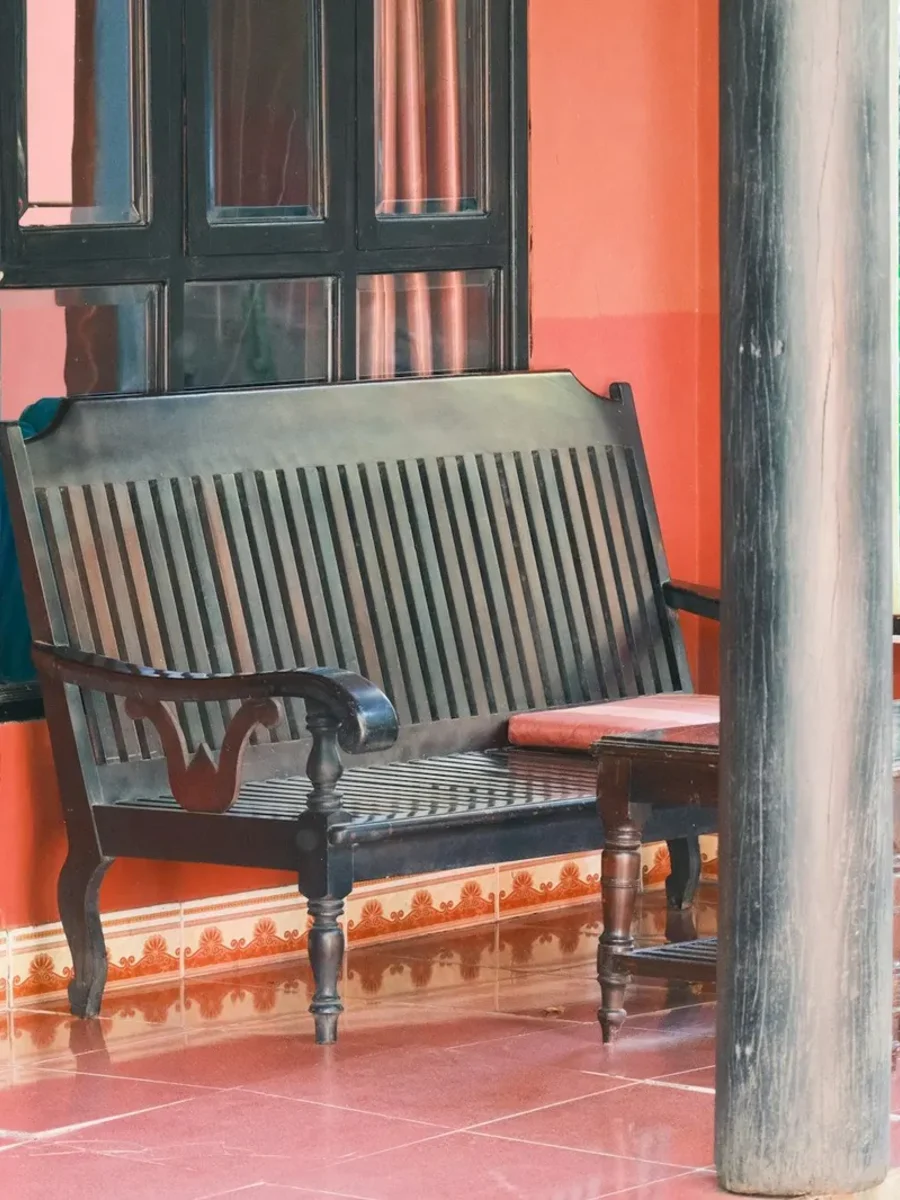
Many Goan families have an old wooden settee or daybed, often with a cane seat and back, that has outlived several sets of cushions. These pieces are worth keeping, and the way to keep them is to fit new cushions to the frame, never the frame to new cushions. Nothing about re-cushioning should require cutting, drilling or nailing into the original timber.
Begin with a paper template. Old frames are rarely square, and the seat may be narrower at the back than the front or curved along the arms. Lay paper on the seat, trace the inside of the frame, and cut the foam to that shape. Measure the depth from the front rail to the back, and the height of the arms, so the cushion sits below the arm and the bolsters rest against the back without pushing it.
Hold cushions in place with fabric ties around the rails, grip backing on the underside, or a shaped cushion that fits snugly between the arms; avoid fixing anything to the frame with nails or staples. Keep the cane: if the seat cane is sound, a thin cushion on top protects it from wear. If the cane has failed, it can be rewoven, and a cushion can sit on new cane. Any loose joints or insect damage should be dealt with before the new cushions go on, so the frame is sound underneath them.
Our cushions and soft furnishings service makes seat cushions, bolsters and covers to the shape of old frames, and our custom sofas include new daybeds and lounge sofas built to the room and the person. Send us photographs of the room or the old daybed, with a few measurements, and we will suggest a design.