 Drape Haus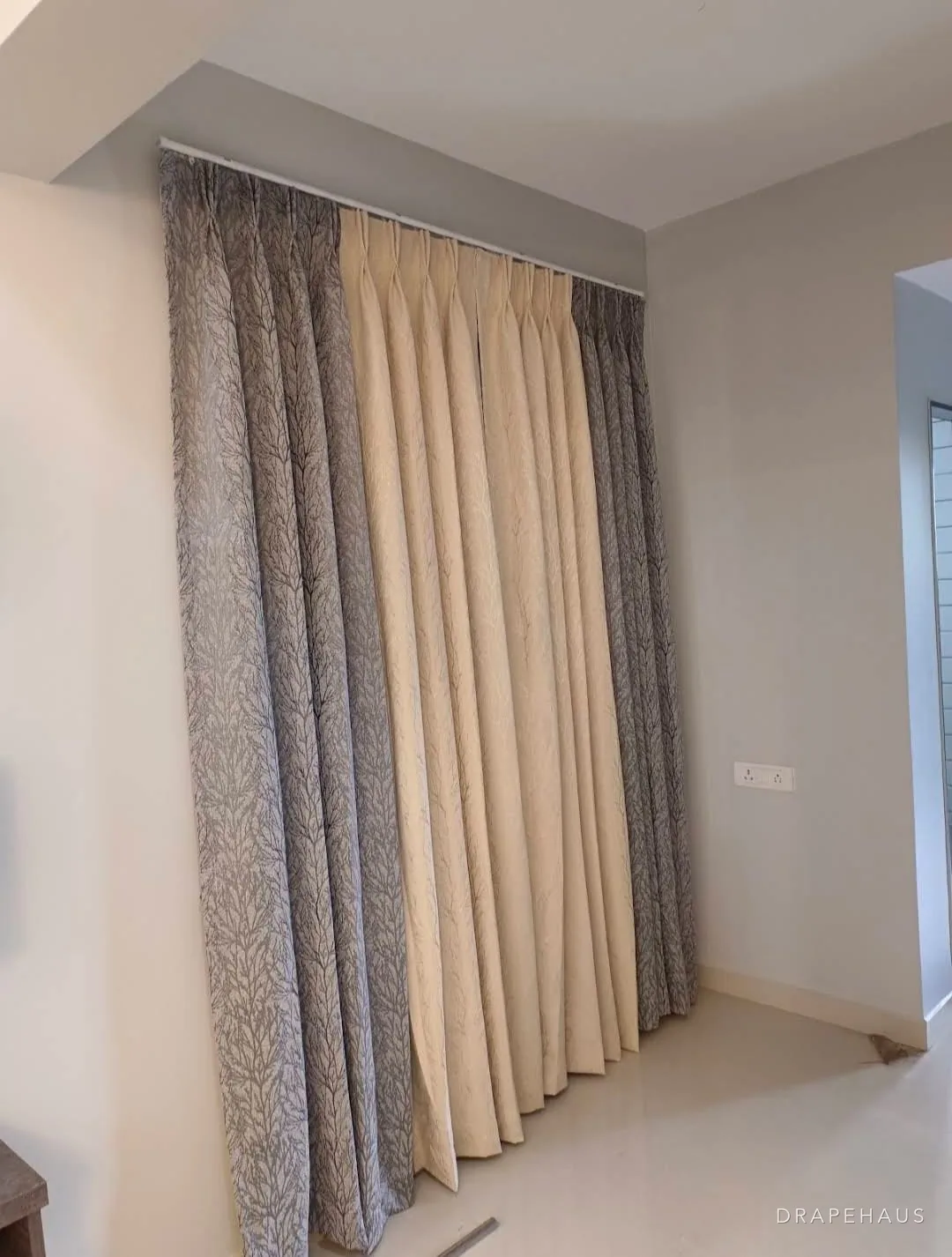
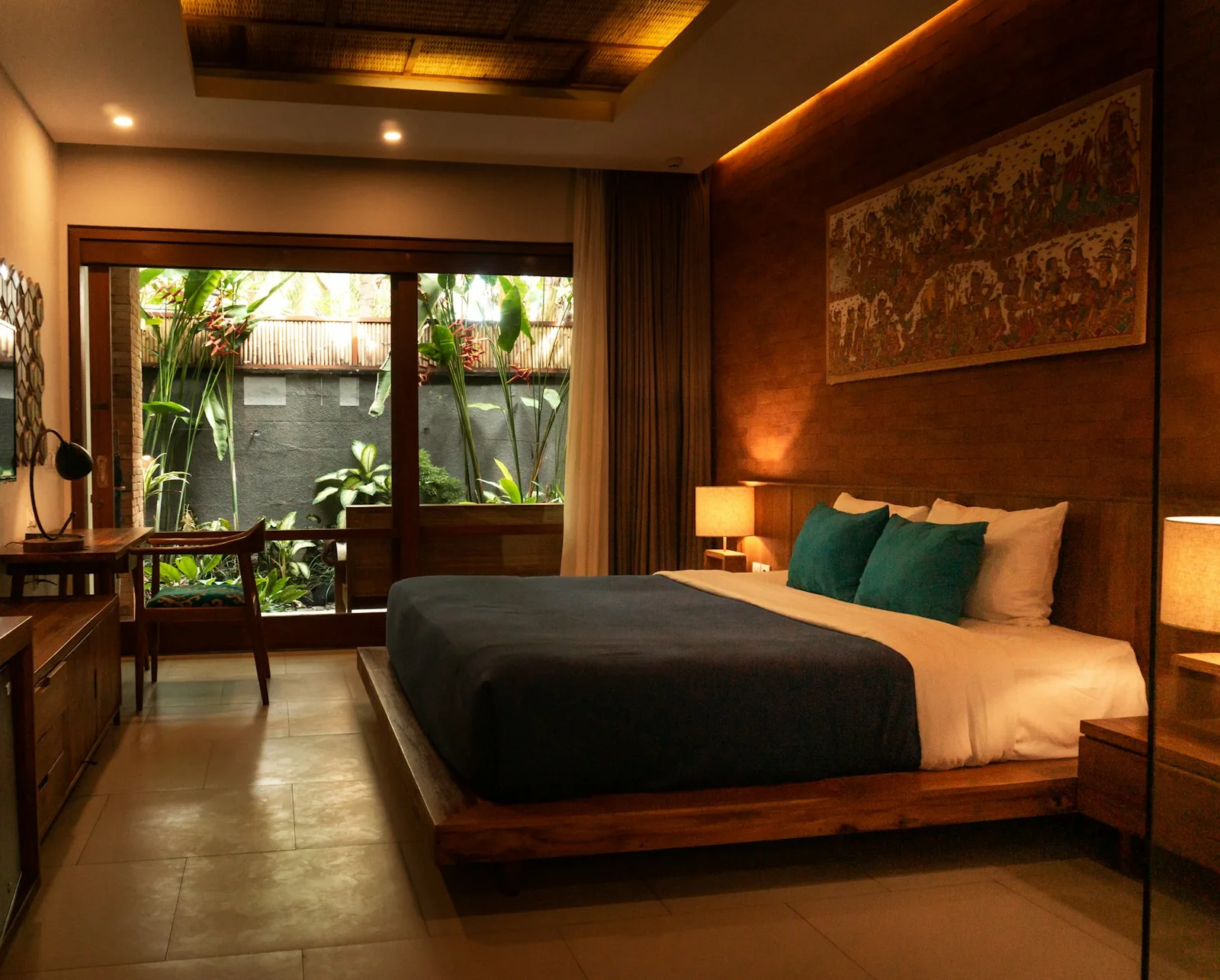
Boutique hotel interior design in Goa has to answer two questions at once. What makes a guest feel they are somewhere in particular, rather than in any warm place with a pool? And how do the rooms keep looking that way after several seasons of housekeeping, laundry, sunscreen, salt air and monsoon damp? A small hotel cannot borrow a chain's look; its interior is most of what it sells.
The answer is usually a short palette of local materials and colours used with conviction, applied through a guest-room specification that is written down, tested in one room and repeated. This guide covers both, along with the public areas, fire safety for fabrics, maintenance planning and how to phase work into the monsoon low season.
We make and fit curtains, blinds, upholstery, wall finishes and rugs for hospitality projects. We are not architects or fire consultants; where the law comes into it, we say what the official documents say and point you to the authority that decides.
What boutique means under Goa's own rules
Boutique is a marketing word, not a legal one. Goa's Registration of Tourist Trade Rules sort accommodation by standard: Category A for sophisticated accommodation, B for medium class, C for economy and D for other accommodation such as rented apartments, bungalows and homestays. The fee table then bands A, B and C by room count, with the smallest band in B and C set at 25 rooms or fewer. Most properties that call themselves boutique sit in one of those small bands, or in Category D if they have six lettable rooms or fewer.
The category matters for the interior because each comes with a list of mandatory guest-room facilities. Every category from A to D lists opaque curtains or screening at all windows. Category A adds, among other things, a writing surface with sufficient lighting, a minimum mattress thickness of 10 cm, a 'do not disturb' notice and a well-ventilated linen room. Read the annexure for your category before drawing up a room specification: designing a desk into a room is far easier than squeezing one in after an inspection.
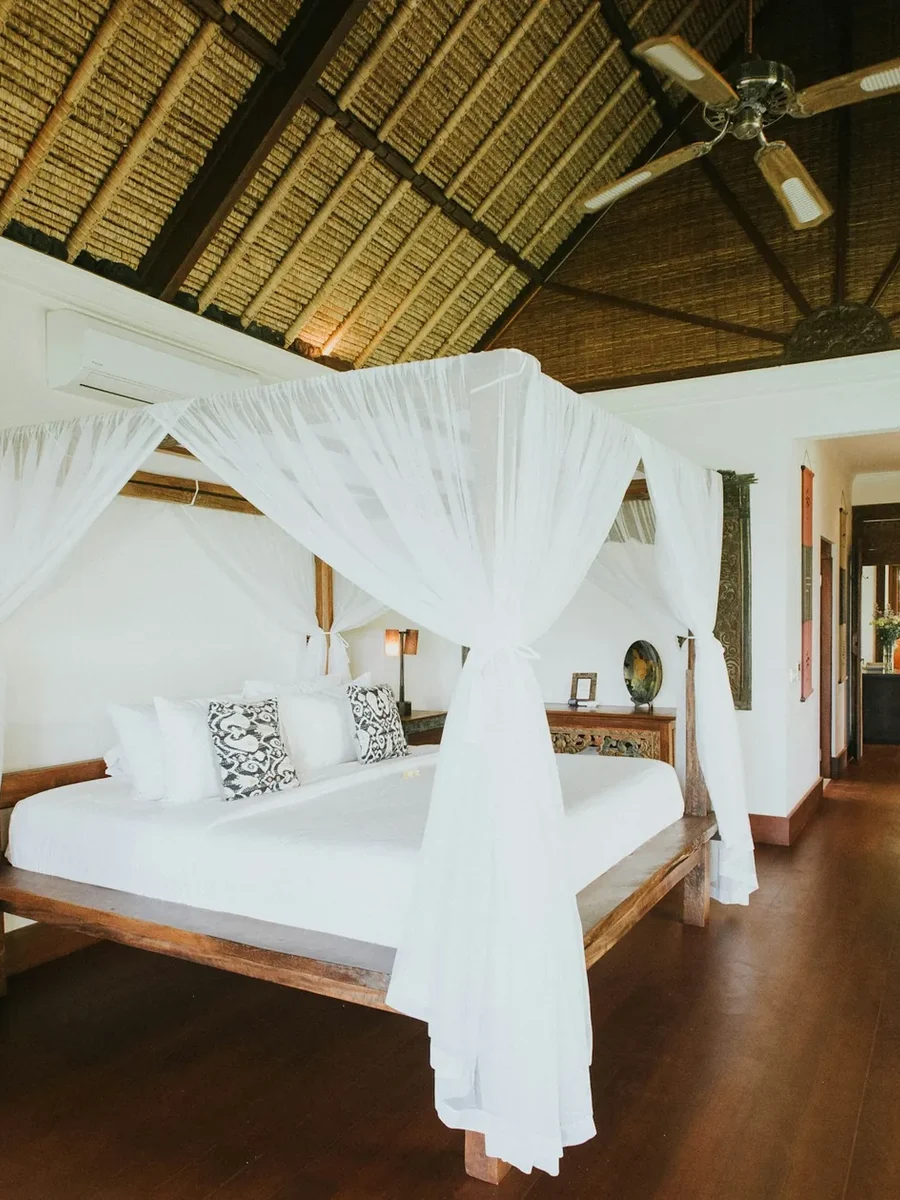
Beyond the Rules, boutique hotels in Goa tend to share three things: a small number of rooms, an owner or manager close to the detail, and a building with a story, whether an old family house, a converted farmhouse or a new building planned around a garden. The interior works best when it grows out of that story rather than being laid over it. Our boutique resort guide looks at the window and fabric side of small properties in more depth.
A sense of place from Goan materials, not resort clichés
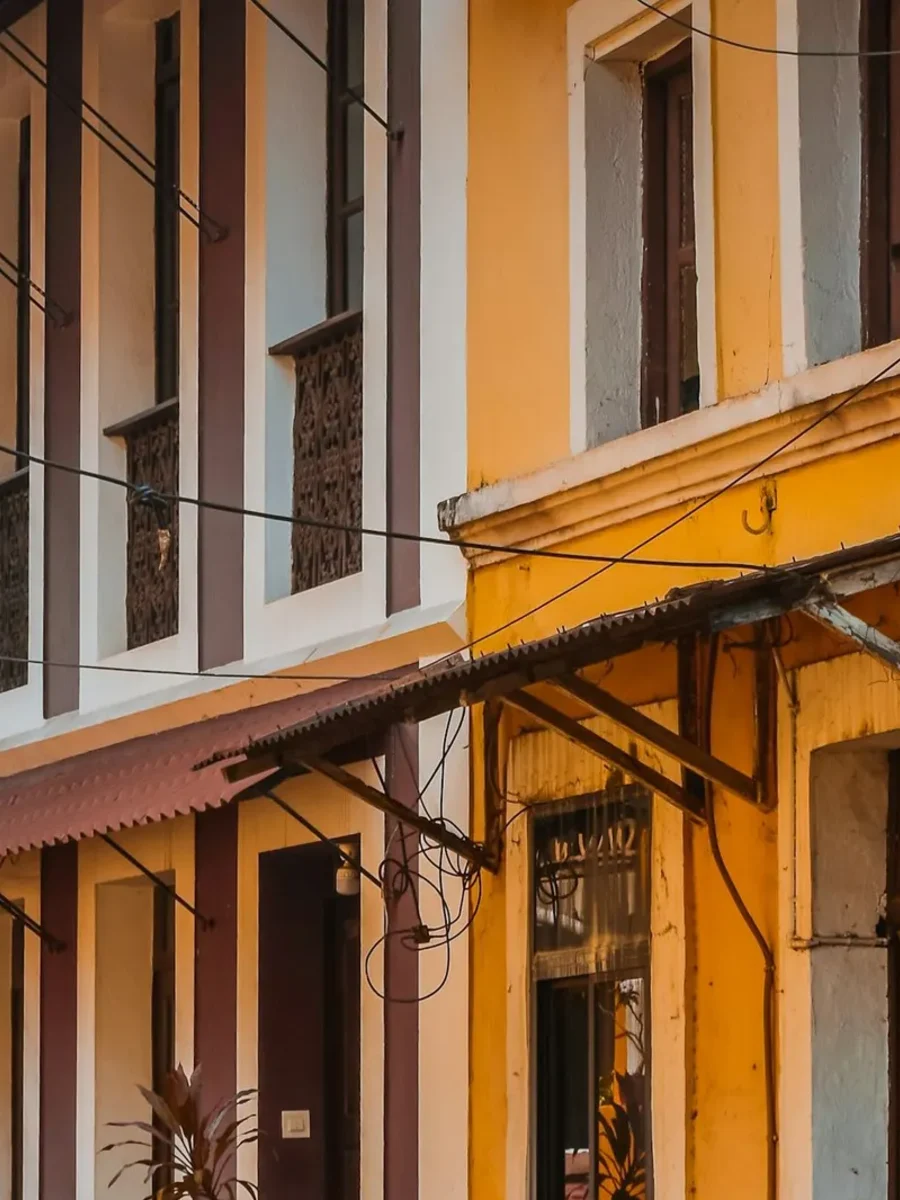
Generic resort style travels everywhere: teak-look furniture, white linen, a palm print and a large stone statue in the lobby. Goa has a far richer vocabulary of its own. Laterite and lime plaster, clay-tiled roofs and deep verandahs shape its older houses. Hand-painted glazed tiles, the azulejos introduced in Portuguese times and still made today, can be seen in old churches and homes across the state. Shell-paned windows, carved dark timber, cane-seated chairs, terracotta and handloom cotton all belong to the same tradition. Our article on Goan architecture traces where these come from.
The skill is restraint. A small hotel needs perhaps three local references used consistently, not twenty used once. A colour taken from laterite or from the limewash of a village chapel, a tile pattern used at the reception desk and repeated as a bathroom border, a cane chair in every room: those read as character. Antique pieces tell a building's story well in public rooms, where they are seen and looked after, but guest rooms are hard on furniture. Pieces there will be knocked by luggage, used as shelves and wiped daily, so new pieces made in the local idiom usually serve better.
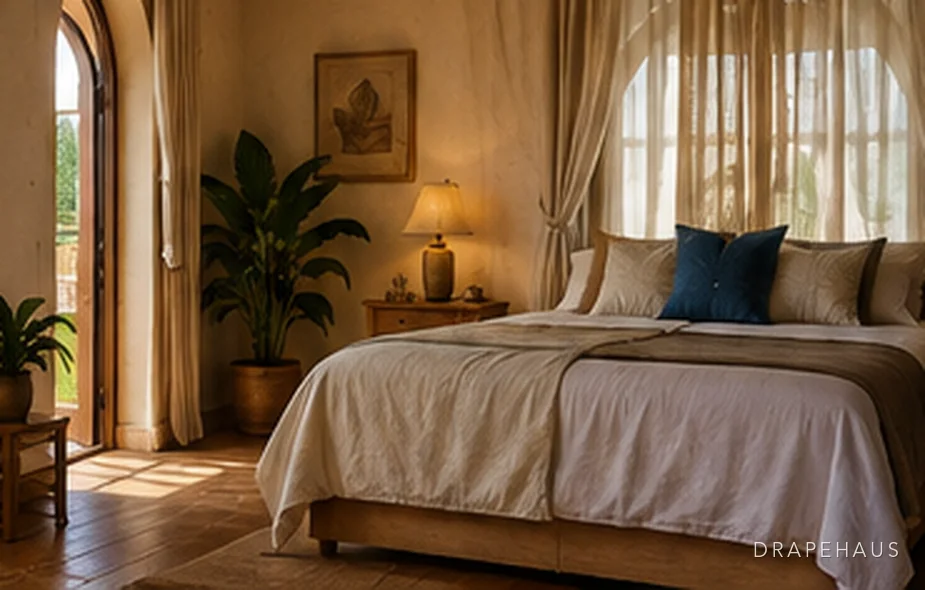
Fabrics carry a sense of place at the lowest cost. Handloom-look cottons and linens on cushions, woven or block-printed bed runners, and curtains in the earth, rust and indigo colours of the region do more than most decorative objects, and they can be replaced as they wear without touching the building. Colour needs testing in Goan light: the sun is strong for most of the year and the monsoon months are grey, so a pale scheme can look bleached in March and flat in August. Hang a length of the chosen fabric at the window and look at it morning and evening before ordering for every room.
Three local references, used everywhere, say more about a place than twenty used once.
Planning something like this?
We visit homes across North and South Goa, measure on site, and bring samples to see in your own light.
The guest-room spec sheet
Once the look is settled, write it down as a specification for each room type and build one mock-up room before ordering for all. A written specification is what lets a small hotel replace a curtain in five years' time and have it match. Each line should name the product, the fabric and colour reference, the heading or mechanism, the size rule and the cleaning method.
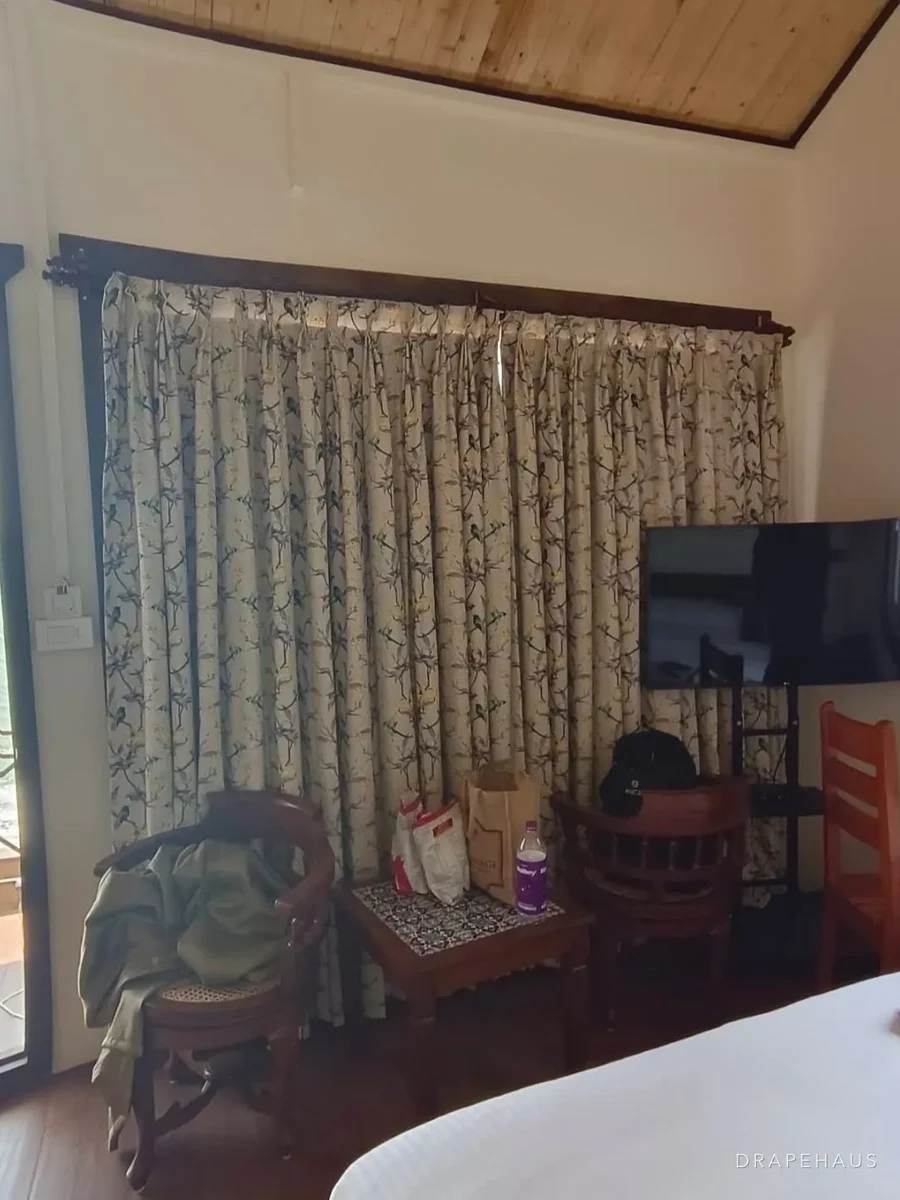
Two lines deserve extra care. The first is darkness. Guests on holiday sleep late, and a curtain that stops short of the ceiling or the wall lets a band of light in at dawn; the Rules ask only for opaque curtains, but reviews ask for dark rooms. Our page on hotel curtains covers overlaps, returns and stacks. The second is how housekeeping will clean each item. If a curtain comes down for washing, its heading and hooks have to survive being rehung many times; if a headboard cannot be laundered, it must at least take a damp cloth.
| Element | What to specify | Why it matters here |
|---|---|---|
| Main window | Blackout-lined curtain plus a sheer, on a ceiling-fixed double aluminium track that runs past the opening | Late sleepers and early sun; aluminium does not rust in salt air |
| Balcony door and windows | Sliding or pleated nets on every opening guests will leave open | Day-biting mosquitoes, and evenings spent with doors open |
| Bathroom window | PVC, coated roller or faux-wood blind | Steam and daily cleaning; fabric blinds mildew |
| Headboard | Upholstered panel with a removable cover, or a wipeable contract fabric | Hair oil and sunscreen collect at head height |
| Seating | One easy chair and a desk chair in contract fabric with a stated abrasion rating | Daily use by many different people |
| Rug | Flatweave or low pile, sized to sit under the front of the bed | Sand and humidity; easy to lift and clean |
| Cushions and runners | Two standard cushion sizes with zipped covers; one runner per bed | Laundry can turn them round; spares fit every room |
| Spare stock | Fabric from the same dye batch for every item, held in store | Later replacements match the originals |
Lobby, dining room and terrace
Public areas are sat in by more people than any guest room, and for longer. Lobby seating should be firm enough to rise from easily, upholstered in a contract fabric in a mid-tone that hides marks, with arms and front edges that can be re-covered on their own when they wear. A sofa that looks wonderful but swallows an older guest is the wrong sofa for a lobby. Our hotel page sets out the seating, curtain and wall options together.
Dining banquettes take food, drink and constant cleaning. Loose seat cushions with zipped covers, or a wipeable faux-leather on the seat with a woven fabric on the back, keep them serviceable. Choose a colour that tolerates curry and red wine, and keep at least one spare set of seat covers so a stained cushion can be changed during service. On a terrace, cushions should be outdoor fabric over quick-drying foam, and someone should own the job of bringing them in before rain.
Shade is part of the furnishing in Goa. Terraces and verandahs facing west need an awning or an outdoor blind that drops to the rail in the afternoon, and on the coast that hardware has to cope with salt. The fire chapter of the national building standards also bears on public areas: it says combustible furnishings and decorations on the floor of an atrium should be limited and sparsely distributed, and that no combustible material should be used for decoration or wall panelling in a staircase. A grand lobby staircase lined in fabric or timber panelling is therefore a question for the fire officer before it is a design decision. Resorts with cottages and long verandahs face the same choices at a larger scale; see our resort page.
Fire safety and the fabrics in a small hotel
Fire safety in India is a State subject. The Bureau of Indian Standards' National Building Construction Standards 2026, whose fire chapter (Part F) Goa's Directorate of Fire and Emergency Services publishes on its website, describes that chapter as guidance for state governments and local authorities, and notes that the state fire department is one of the agencies that issues a building's no-objection certificate. It classifies hotels up to four-star as residential occupancy A-IV, and lodging and rooming houses, including guest houses, as A-I.
Two parts of Part F touch our work directly. It grades wall and ceiling surfaces into four classes by how fast flame spreads across them, and allows the third class only in living rooms and bedrooms as a lining to solid walls, never in corridors or staircases. That governs wallpaper, fabric walling and decorative panels in a hotel's circulation areas, so ask any supplier for the flame-spread classification before specifying them. Curtains have their own Indian standard, IS 15741:2007, written for public buildings. Its annex lists hotels among moderate-hazard occupancies, which call for Class 1 ignitability under IS 15612 (Part 1); it adds that premises also used for sleeping are assigned a higher category, and that the final classification is a decision for the fire-safety authorities.
The standard also deals with the two things a buyer can check. It tests whether a flame-retardant treatment survives water soaking, because treatments applied to the surface of a fabric can wash out; and it requires each piece to carry a permanently stitched label marked 'FIRE RESISTANT' with its class of ignitability. Goa's Rules list, for Category A and B hotels, smoke detectors, fire and emergency alarms with visual and audible signals, extinguishers in line with local laws, exit signs with backup power and staff trained in fire drills, and the Directorate's citizen's handbook adds unobstructed escape routes and emergency lighting. None of that is our work; the fabrics are, and our commercial and hospitality service supplies curtains with the documentation.
Ask for the test report and the stitched label, not just the letters FR on a swatch card.
Planning for wear: spares, cleaning cycles and records
Durability in a small hotel is less about buying the toughest fabric than about planning what happens when something wears. Leading edges of curtains, the arms of chairs and the front edges of seat cushions go first. If those parts can be replaced on their own, with fabric from the original batch kept in store, a room can be brought back in an afternoon rather than closed for a refit.
Set a cleaning cycle for each item and write it next to the specification. Curtains can be vacuumed in place with a brush head as part of a deep clean and taken down for washing on a rotation, a few rooms at a time, so the store of spares covers the gap. Loose covers go through the laundry; fixed upholstery is spot-cleaned on the day and deep-cleaned on a schedule. Store the spares and the linen somewhere dry: the Rules ask Category A hotels for a well-ventilated linen room, and in Goa's monsoon, when morning humidity sits at 87–91%, a dehumidifier in the store protects the stock better than any cupboard. The US Environmental Protection Agency advises keeping indoor humidity below 60%.
Keep a simple record for each room: what was fitted, the fabric reference and batch, and the date. It turns a refurbishment from guesswork into an order list. Sea-facing and west-facing rooms will fade and wear faster than garden rooms, and the record shows which ones to refresh first rather than treating the whole hotel as if it ages evenly.
Phasing refurbishment into the monsoon low season
For most Goan hotels the low season falls in the monsoon, from June to September, and that is the obvious time to take rooms out of service. The weather complicates it. The India Meteorological Department's normals give July an average of 27.3 rainy days, and humidity in those months runs at 87–91% in the mornings. Work that depends on dry walls or dry weather, such as wallpaper on an external wall or outdoor awnings, is better placed in May or after the rains, while curtains, blinds and indoor upholstery can be fitted in any season.
The practical sequence starts while the hotel is still busy. Survey, measure and approve samples in April or May, and fit the mock-up room first. Fabrics and frames are then made through the early monsoon, off site, so rooms are closed only for fitting. Rooms come back into inventory in batches, a floor or a wing at a time, which keeps noise and dust away from guests still staying and leaves the last batch finished well before the peak season begins in the cooler months.
Upholstery is the easiest part to phase, because chairs and headboards can go to the workshop a few at a time and come back re-covered while the rest of the room stays in use. Curtains and blinds for a room are usually fitted in a single visit. What causes delays is late decisions, so settle the specification, the fabric batch and the quantities, spares included, before the rains begin.