 Drapehaus
Drapehaus
Preparing the room
Drapehaus
Preparing the room
Material
Linen is the fabric most clients ask for by name, and the one where the honest answer depends more on location than on anything else. In a sheltered inland house it is close to ideal. Within a kilometre of the sea it is a poor choice however much it costs.
By the Drapehaus studio · 19 September 2026 · How we write
It is worth being direct about this because linen is expensive, and a linen curtain that mildews in its second monsoon represents a lot of wasted money and a lot of disappointment.
Where it does work, it works beautifully. It breathes better than anything synthetic, it drapes with a weight nothing else matches, and it looks right in a Goan house in a way that is difficult to articulate and obvious in person.
Linen is highly breathable and conducts heat away from the body, which is why it has been the hot-climate fabric of choice for several thousand years. In a naturally ventilated house that relies on moving air, it is working with the building rather than against it.
It also handles getting damp and drying repeatedly better than most natural fibres, provided it actually gets the chance to dry. In an occupied house with airflow, that cycle happens daily and linen comes through it well.
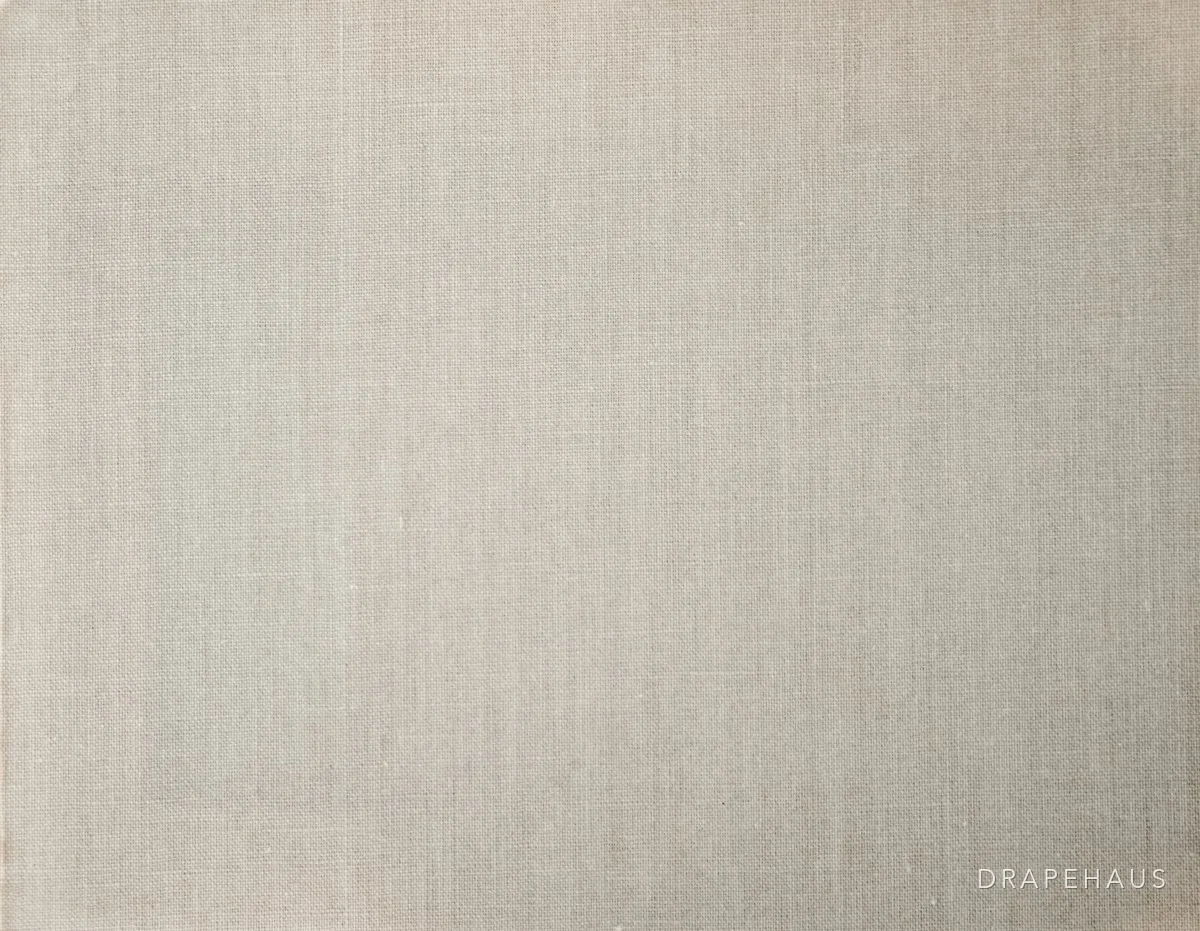
Visually it suits the strong light. The slub and irregularity in the weave catch Goan sun in a way flat fabrics do not, and the natural undyed and lightly dyed palette sits comfortably against lime-plastered walls and tiled floors.
Linen has a high moisture regain — it absorbs readily. Combine that with hygroscopic salt holding water in the fibre, and the drying cycle that makes linen work inland never happens. The fabric stays damp and mildews.
Mildew staining on linen is generally permanent. The fibre is cellulose, which is an organic food source, so the growth is in the material rather than on it, and bleaching strongly enough to remove the stain damages the fabric.
It is also vulnerable to UV over time, losing tensile strength before it visibly fails, so a sun-exposed linen curtain can tear at the hem while still looking reasonable.
Rather see it in your own room?
We bring samples to the house, measure every window, and specify for the light and exposure you actually have.
More on this — tap a heading to read
Use it inland, in occupied houses, in rooms that get airflow. Avoid it in closed properties, beachfront positions and any room that stays shut.
Line it on sunny windows. The lining takes the UV and the linen behind it keeps both its colour and its strength considerably longer.
Expect and accept creasing. Linen creases; that is the fabric. Clients who want a crisp flat curtain should not be sold linen, and a heavily treated crease-resistant linen has lost most of what made it worth choosing.
Wash and dry it properly at the end of each dry season, before the rains, so it goes into the monsoon clean. Dirt and salt in the weave are what mildew actually feeds on.
Linen is spun from flax, a bast fibre taken from the stem of the plant. Like cotton it is cellulose, but it absorbs even more readily than cotton, which is why it feels cool and dry against the skin and why it holds so much water in a humid room. It is also one of the few fibres that is stronger wet than dry, so a damp linen curtain is not weaker, merely slower to dry.
Flax has very little elasticity. When it is folded or crushed it stays bent rather than springing back, and that is the whole explanation for the creasing. The same stiffness gives linen its characteristic weight and the crisp, slightly architectural way it falls from a heading.
The fibre is uneven by nature, and the slubs and thick-thin variation in a good linen are part of its character rather than faults. A perfectly regular linen has usually been heavily processed or blended, and it tends to lose the quality that made people want it.
One behaviour surprises almost every owner. Linen curtains lengthen and shorten with the humidity. As the fibre takes up moisture in the monsoon the cloth relaxes and drops, and as the air dries after October it draws back up. The effect is most visible on long drops, where a hem that kissed the floor in March can pool in August and hover clear of it again by January.
Nothing is wrong with the curtain when this happens, but it has to be allowed for. A good workroom will let long linen curtains hang for some time before hemming, and will choose a hem length that tolerates movement rather than one set to the millimetre. A slight break on the floor usually looks better across the year than a hem that is exactly right for one season only.
Where exactness matters, for instance on a curtain that must clear a sill or a threshold, it is worth accepting a blend with some synthetic content, which moves far less.
The decision is really about whether the curtain will dry, and that can be judged on site. How far is the house from the sea, and does the prevailing breeze arrive carrying salt? Is the room opened daily, or does it sit shut while the family is away? Do other soft furnishings in the house already smell musty after the rains? Each answer points either towards linen or away from it.
It is also worth checking the walls. In older houses with laterite walls and lime plaster, the external walls can stay damp for much of the monsoon. A linen curtain hanging close to such a wall, or with its hem resting on a cool floor, will draw moisture into the fabric. Deeper brackets and a clear hem solve most of this.
Finally, look at the sun. A shaded north-facing window, a room behind a veranda or a window filtered by traditional shell panes gives linen an easy life. A bare west-facing window that takes the full afternoon sun will shorten its life considerably unless it is lined.
Linen-cotton unions soften the hand and reduce the cost while keeping most of the natural look, but both fibres absorb, so they carry the same monsoon cautions as pure linen. Linen-viscose blends drape beautifully but need more care: viscose absorbs more than either natural fibre and loses much of its strength when wet, so it is a poor partner in a damp room.
Polyester-linen blends are the practical compromise near the coast or in homes that close for part of the year. They keep some slub and texture, move far less with humidity and dry quickly. Linen-look polyesters go further and contain no linen at all, which removes the mildew risk entirely at the cost of the fibre's real feel.
There is no dishonest choice here, only a mismatched one. The right answer is the fabric whose weaknesses the room can tolerate, and a well-made blend in a difficult room will look better after five years than a pure linen that has spotted.
Linen washes well and softens with every wash. Use a cool to warm gentle cycle, avoid overloading the machine so the fabric is not crushed into hard creases, and hang it while still damp. Expect some shrinkage in the first wash, usually a few percent, which is why linen should be pre-washed before making up or given a generous hem.
Dry dyed linen in the shade where possible, since strong sun fades colour quickly. Natural undyed linen can dry in the sun; it lightens slightly over time, which most people find pleasing.
If the house will be closed for the monsoon, take linen curtains down, wash them, make certain they are completely dry and store them in breathable cotton bags in the driest room. Plastic bags and sealed boxes trap residual moisture, and linen stored damp in plastic will come out spotted.
Diagnosis
WhyCoastal position where salt keeps the fabric permanently damp, so the drying cycle linen depends on never happens.
FixDo not use linen within about a kilometre of the sea. Polyester-linen blends or solution-dyed acrylic there instead.
WhyUV degrades tensile strength before it produces visible damage, so failure is sudden.
FixLine anything linen on a sunny window. The lining absorbs the UV and substantially extends the life of the fabric.
WhyLinen creases. It is inherent to the fibre.
FixAccept it as the character of the fabric, or choose something else. Heavy crease-resistant treatment removes most of what makes linen worth having.
WhyLinen is cellulose, so mildew grows into the fibre rather than sitting on it, and bleaching hard enough to lift it damages the cloth.
FixPrevention rather than cure. Wash before the monsoon, ensure airflow, and do not use linen where it cannot dry.
WhyLinen takes up moisture and relaxes in humid months, then draws back up as the air dries.
FixLet long linen hang before hemming and choose a hem that tolerates movement. Use a blend where length is critical.
WhyStored in plastic or a sealed box with residual moisture, which had no way to escape.
FixWash, dry completely and store in breathable cotton bags in the driest room of the house.
WhyViscose absorbs heavily and loses much of its strength when wet, so the fabric distorts under its own weight.
FixAvoid viscose blends in damp rooms. A polyester-linen blend gives a similar look with far more stability.
Checklist
Inland and occupied houses only
Never in beachfront or seasonally closed properties
Line it on any sunny window
Wash before the monsoon, not after
Ensure air can move behind it
Accept creasing as part of the fabric
Pre-wash before making up, or allow a generous hem
Let long drops hang before final hemming
Keep hems clear of cool floors and damp external walls
Store off-season linen dry, in breathable bags, never plastic
From the Journal
All articlesFAQ
Inland, in an occupied house with airflow, they are excellent — breathable, beautiful and well suited to the light. Within about a kilometre of the sea they are a poor choice, because salt keeps them permanently damp and they mildew, usually within two seasons.
Linen absorbs moisture readily, and in a coastal or closed property it never gets the chance to dry fully. Because linen is cellulose, the mildew grows into the fibre rather than sitting on it, which is why the staining is generally permanent.
On any window with real sun exposure, yes. UV degrades linen's tensile strength before it shows visible damage, so an unlined linen curtain can tear at the hem while still looking presentable. The lining takes that damage instead.
You largely do not — creasing is inherent to the fibre and part of its character. Heavily treated crease-resistant linens exist but they lose most of the hand and drape that made linen worth choosing in the first place.
Usually a little in the first wash, typically a few percent, which is noticeable on a floor-length curtain. A good workroom pre-washes linen before making up, or leaves a generous hem that can be let down. After the first wash, cool gentle cycles keep further shrinkage minimal.
Linen takes up moisture from humid air, and as it does the cloth relaxes and drops. When the air dries after the monsoon it draws back up. It is normal behaviour for the fibre. Allow for it by letting curtains hang before hemming and choosing a hem with a slight break rather than an exact length.
A polyester-linen blend often is, particularly near the coast or in homes that close for part of the year. It keeps much of the texture, moves less with humidity and dries quickly. Linen-cotton unions still absorb heavily, and linen-viscose blends are weak when wet, so neither solves the monsoon problem.
Take them down before the monsoon, wash them, make sure they are completely dry and store them loosely in breathable cotton bags in the driest room. Avoid plastic bags and sealed boxes, which trap residual moisture. Air them in the sun before rehanging after the season.
Keep reading